


A ceiling leak doesn’t care if it’s midnight or Monday morning. It just keeps dripping, weakening drywall, soaking insulation, and spreading damage through spaces you can’t see. The longer water sits, the worse it gets. Calling the right ceiling leak repair contractor fast stops active damage, identifies the hidden source, and gets your home dry before structural problems or unwanted growth take hold. This guide shows you how to find verified local contractors, match the right specialist to your leak type, and get emergency repairs started within hours instead of days.
Local Contractor Search and Comparison Resources

Start with the search tools you already use. Google Maps, Yelp, and Angi surface ceiling leak repair contractors in your area within seconds. Type “ceiling leak repair contractors near me” and filter for licensed professionals with emergency repair services. Local licensing boards maintain searchable directories of verified contractors, plumbers, and roofers. These lists confirm credentials before you even make a call.
Contractor matching platforms like HomeAdvisor, Thumbtack, and Porch connect you with multiple professionals who provide cost estimates based on your specific leak situation. These services let you describe the problem once and receive quotes from several contractors, saving hours of repeated phone calls. Many platforms show verified reviews, response times, and whether contractors offer free consultations. Check your state’s contractor licensing board website. Most have lookup tools where you can verify a contractor’s license status, insurance coverage, and complaint history.
Identifying which contractor type you need speeds up the entire process. If water appears after rain or storms, start with roofing contractors who handle shingle replacement and flashing repairs. If the leak sits directly below a bathroom, water heater, or kitchen, contact plumbers first. They locate hidden pipe leaks and fix supply line failures. For visible ceiling damage after the leak source is already fixed, general contractors or handymen handle drywall replacement, texture matching, and paint blending. Many ceiling leaks need two specialists: one to stop the water, another to repair the damage.
Request quotes from at least three contractors to compare pricing, timelines, and repair approaches. Most reputable ceiling leak repair contractors offer free consultations where they assess the damage, explain their process, and provide written estimates. Use these consultations to evaluate communication style, thoroughness, and whether the contractor asks detailed questions about your home’s age, ceiling type, and when the leak started.
Emergency Response and Temporary Damage Control

Water dripping through your ceiling creates urgency, but taking controlled steps protects your home until professionals arrive. Immediate damage control prevents a manageable leak from becoming extensive structural failure, harmful growth, or electrical hazards. Safety comes first. If water contacts light fixtures, outlets, or electrical panels, shut off power to affected areas at your breaker box before touching anything.
Never ignore a ceiling leak, even a small one. Water pooling above drywall adds weight that can cause sudden collapse, especially with older plaster ceilings. Small leaks signal bigger problems hidden in wall cavities, attic spaces, or between floors.
Here’s what to do the moment you discover ceiling water damage:
-
Move belongings and furniture away from the leak zone to prevent secondary damage to valuables and create workspace for repairs.
-
Contain the water with buckets, plastic bins, or waterproof tarps spread on floors to catch dripping water and prevent it from spreading across flooring.
-
Relieve bulging ceiling pressure carefully. If the ceiling sags or bulges with trapped water, use a screwdriver to puncture the lowest point and let water drain in a controlled way into a bucket rather than collapsing suddenly.
-
Shut off the main water supply if you suspect burst pipes, leaking water heaters, or plumbing failures. This stops additional water from entering the damaged area.
-
Document everything with photos and videos showing the ceiling damage, water source if visible, affected rooms, and damaged belongings for insurance claims.
-
Call professionals immediately and describe the situation clearly. Mention when the leak started, approximate water volume, and whether it’s ongoing or stopped.
True ceiling leak emergencies require same-day service from contractors who respond within 2 to 4 hours. Active water pouring through, electrical hazards, or structural sagging qualify as emergencies. Urgent situations like discovered water stains with confirmed ongoing leaks typically get same-day assessment, though repairs may start the following day. Standard ceiling leak repairs without active water flow usually schedule within 24 to 48 hours. Ask contractors directly about their emergency response capabilities, after-hours availability, and whether they charge premium rates for immediate dispatch.
Temporary containment measures buy time but don’t fix anything. Professional assessment identifies leak sources you can’t see and prevents damage from spreading through ceiling cavities, wall framing, and insulation.
Identifying Leak Sources and Matching Contractor Specialists

Understanding where ceiling water originates determines which specialist can actually fix the problem. Calling the wrong contractor wastes time and money. A roofer can’t repair a burst pipe, and a plumber won’t replace damaged shingles.
Plumbing-Related Ceiling Leaks
Internal plumbing failures cause most ceiling leaks in lower-floor rooms and spaces below bathrooms, kitchens, or laundry areas. If water appears after someone showers upstairs, while running the dishwasher, or near water heater locations, you’re likely dealing with plumbing issues. Licensed plumbers locate hidden pipe leaks using pressure testing, thermal imaging, and moisture meters that detect water behind walls. They repair or replace leaking supply lines, damaged drain pipes, failed toilet seals, and corroded water heater connections. Plumbers also handle less obvious sources like leaking shower pans, failed tub caulking that lets water seep through subfloors, and condensation from uninsulated cold water pipes. Call plumbers first when ceiling leaks happen regardless of weather, appear directly below plumbing fixtures, or you hear running water sounds inside walls.
Roofing System Failures
Roof-related leaks typically show up on top floors, in attic spaces, or along exterior walls after rain events or snowmelt. Roofing contractors inspect and repair broken or missing shingles, cracked or separated flashing around chimneys and skylights, improperly sealed roof valleys where two slopes meet, and damaged vent pipe boots that let water penetrate. They also address ice dam buildup that forces water under shingles during winter freezes, gutter and downspout problems that overflow and saturate roof edges, and chimney issues including cracked crowns or deteriorated flashing. Skylight leaks require roofing expertise to properly reseal or replace failed weather barriers. Storm damage falls entirely within roofing contractor territory. Wind-lifted shingles, hail impacts, or fallen branches all qualify. Contact roofers when leaks occur during or shortly after precipitation, appear near roof penetrations, or affect upper-level ceilings.
HVAC and Condensation Issues
Sometimes ceiling water isn’t a leak at all. It’s condensation from temperature differences, humidity problems, or HVAC system failures. Uninsulated or poorly ventilated attics create moisture buildup that drips onto ceilings below, especially in humid climates or during temperature swings. Ductwork leaks, particularly from air conditioning systems, generate condensation that saturates insulation and seeps through drywall. Clogged condensate drain lines cause AC units to overflow water into ceiling cavities. Bathroom exhaust fans venting into attics instead of outside create moisture accumulation. HVAC contractors diagnose these issues using humidity testing and duct inspection. Insulation contractors address ventilation and thermal barrier problems that contribute to condensation.
Some ceiling leaks require teamwork between specialists. A roof leak might need temporary tarping from roofers while plumbers check whether bathroom vent pipes penetrating the roof also contributed. General contractors often coordinate multi-trade repairs, scheduling roofers to fix the source, then managing drywall contractors, painters, and finish carpenters to restore damaged ceilings. This coordination prevents scheduling gaps and ensures leak source repairs complete before ceiling restoration begins.
Avoid guessing about leak sources. Misidentification leads to paying for repairs that don’t solve the problem. Professional leak detection services use moisture mapping, infrared cameras, and tracer dyes to pinpoint exact water entry points before recommending which specialist to hire. Spending $150 to $300 on proper diagnosis beats wasting $1,500 on fixing the wrong problem.
Warning Signs That Require Professional Ceiling Leak Contractors
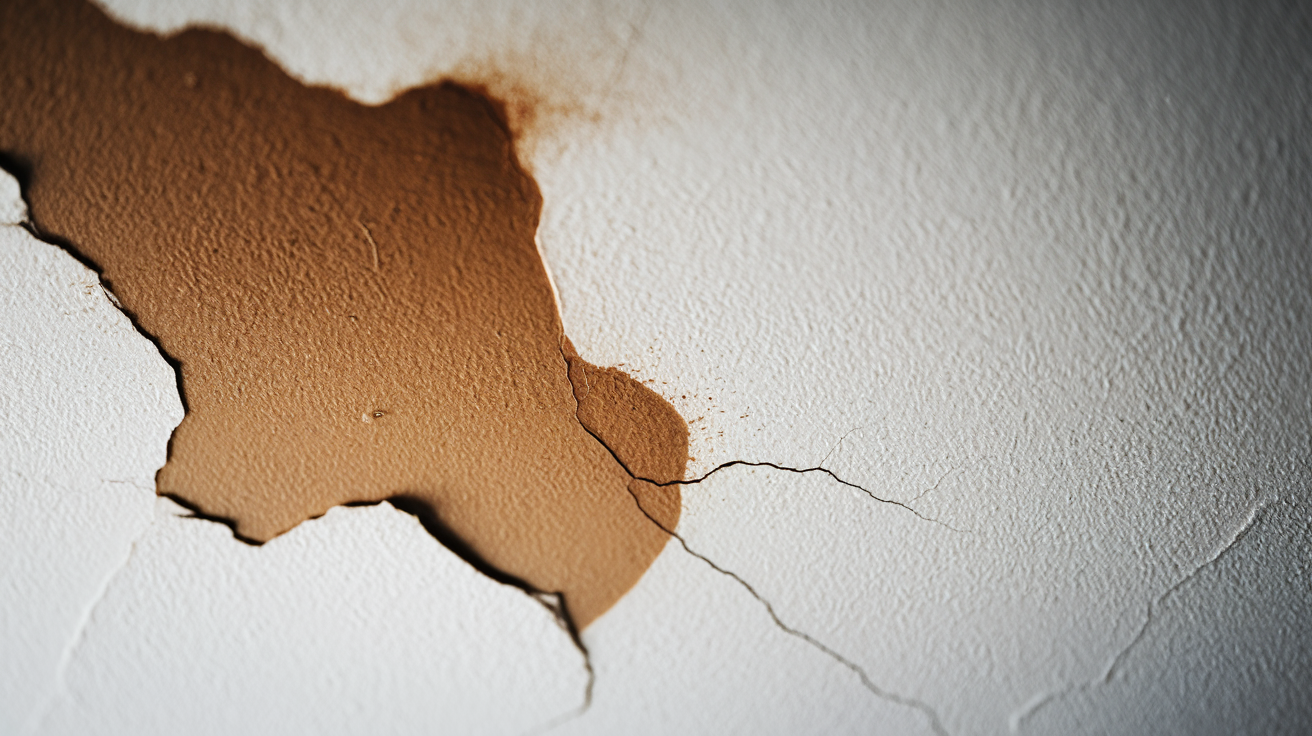
Recognizing ceiling leak symptoms early prevents minor water intrusion from becoming structural damage, harmful growth, or ceiling collapse. Some signs are obvious. Active dripping water, for instance. But others develop slowly and get ignored until damage becomes expensive.
Watch for these warning signs that professional ceiling leak contractors need to assess your home:
- Brown, yellow, or rust-colored stains spreading across ceiling surfaces indicate water saturation, even if currently dry
- Peeling paint or bubbling drywall texture shows moisture trapped behind surface layers, weakening adhesion
- Sagging or bowed ceiling sections signal water weight accumulating above drywall, creating collapse risk
- Musty odors suggesting unwanted growth developing in damp ceiling cavities, wall spaces, or insulation
- Dripping sounds when it’s not raining point to active plumbing leaks hidden inside walls or above ceilings
- Hairline cracks or spiderweb crack patterns appearing around water-damaged areas as drywall weakens and shifts
- Water rings that mark the edges of previous leak events, often overlapping as leaks recur (typically light brown circles)
- Visible growth in corners where ceiling meets walls, appearing as dark spots or fuzzy patches where moisture concentrates
Left unaddressed, ceiling leak damage accelerates. Small water stains expand as leaks continue. Drywall that starts slightly discolored becomes saturated, heavy, and structurally compromised. Unwanted growth spreads from small corner spots to large ceiling sections requiring complete replacement rather than simple patching. Wood framing exposed to ongoing moisture develops rot that requires structural repairs costing thousands more than early leak fixes. Professional contractors assess damage extent accurately, identifying problems you can’t see and preventing minor leaks from becoming major restoration projects.
Comprehensive Repair Process and Prevention Integration

Professional ceiling leak repair follows a systematic sequence that addresses both visible damage and hidden moisture problems that cause future issues.
Here’s the complete repair process ceiling leak contractors use from initial assessment through final restoration:
-
Inspection and damage assessment begins with contractors examining the ceiling, checking surrounding areas, using moisture meters to map water spread, and inspecting attic spaces or upper floors to locate leak sources before starting any repairs.
-
Water removal and extraction happens immediately using wet/dry vacuums, submersible pumps for standing water, and extraction units that pull moisture from saturated materials. Speed matters because every hour delays unwanted growth risk.
-
Drying and dehumidification starts during the contractor’s first visit when they place commercial air movers, dehumidifiers, and fans positioned to maximize airflow across wet surfaces. This equipment typically runs 3 to 5 days with technicians monitoring daily to verify moisture levels drop to safe ranges below 15% in building materials.
-
Damaged material removal strips out wet ceiling drywall, soaked insulation that can’t be salvaged, and any compromised framing members. Contractors cut beyond visible damage to ensure all moisture-affected materials get replaced.
-
Source repair resolution by plumbing, roofing, or specialized contractors who fix the actual leak before ceiling restoration begins. Without solving the water entry point, repairs fail immediately.
-
Cleaning, sanitizing, and antimicrobial treatment applied to all exposed surfaces, wall cavities, and framing prevents unwanted development from remaining moisture. Contractors use EPA-registered antimicrobial solutions on wood framing, spray encapsulants on surfaces that can’t be fully dried, and HEPA-vacuum debris before reconstruction.
-
Ongoing moisture monitoring and adjustment continues throughout the drying process as technicians return to affected spaces, take readings with moisture meters at multiple depths, and adjust equipment placement or add dehumidification capacity if readings don’t decrease as expected. This prevents hidden moisture from supporting unwanted growth after repairs close up wall cavities.
-
Ceiling reconstruction and finishing rebuilds damaged sections by installing new drywall, matching existing ceiling texture through spray application or hand techniques, priming all new surfaces, applying finish paint matched to surrounding ceiling color, and blending transitions so repairs disappear.
Professional prevention happens at every phase, not as a separate step. Antimicrobial treatments during sanitization create hostile environments for unwanted growth. Controlled drying with specific humidity targets prevents conditions that support development. Moisture monitoring catches hidden dampness before organisms establish. Contractors experienced with water damage know when separate remediation specialists are necessary. Typically when existing growth covers areas larger than 10 square feet, appears in HVAC systems, or affects immunocompromised household members. For most ceiling leak situations, general ceiling leak repair contractors handle prevention measures during normal restoration work.
Quality contractors document moisture readings, photograph each phase, and conduct final inspections before declaring work complete. They verify repairs match existing ceiling appearance. Texture depth, paint sheen, and transitions between new and old sections should be nearly invisible when done right.
Contractor Vetting: Credentials, Reviews, and Red Flags

Proper licensing, insurance, and verified credentials separate qualified ceiling leak repair contractors from unlicensed handymen who create liability risks and substandard repairs. Homeowner protection depends on hiring contractors who carry the right coverage and demonstrate verified expertise.
Licensing requirements vary by state. Some require general contractor licenses for any work exceeding specific dollar amounts, while others license trades separately. Licensed contractors pass examinations proving code knowledge, maintain continuing education, and operate under regulatory oversight that includes complaint resolution processes. Insurance matters even more. General liability insurance covers property damage caused during repairs, while workers’ compensation protects you if contractor employees get injured on your property. Without these protections, homeowners become legally liable for accidents and damage.
Verify credentials before hiring anyone who’ll work inside your home:
| Credential Type | Why It Matters | How to Verify |
|---|---|---|
| State Contractor License | Confirms legal authorization to perform repairs and proves basic competency through examination | Check state licensing board website or call directly with contractor license number |
| Liability Insurance | Protects your property from contractor-caused damage during repairs | Request certificate of insurance and call insurance company to verify active coverage |
| Workers’ Compensation | Shields homeowners from injury claims if contractor employees get hurt on your property | Ask for workers’ comp certificate and verify coverage dates include your repair timeline |
| Manufacturer Certifications | Shows specialized training in specific materials, systems, or techniques from product manufacturers | Check certification directly with manufacturer or view original certificates, not photocopies |
| Better Business Bureau Accreditation | Indicates business meets BBB standards for ethical practices and has complaint resolution history | Search BBB.org for contractor name and review rating, complaint patterns, and resolution responses |
Watch for these red flags that signal contractor problems before they start work:
- Pressure to sign immediately or claims that “today’s price expires tomorrow” indicate high-pressure sales tactics rather than professional service
- Cash-only payment requests or resistance to providing written contracts suggest unlicensed operation or tax avoidance
- Unwillingness to provide proof of insurance or licensed status means you’re assuming all liability and legal risk
- Vague timeline estimates without specific start and completion dates show poor project management or contractor overcommitment
- Upfront payment demands exceeding 10 to 30% before work begins create risk of contractor disappearance or fund misuse
- Missing written scope of work detailing specific repairs, materials, and what’s included leaves room for disputes and unexpected charges
- Generic online presence with no local address, recent reviews, or verifiable past projects suggests new fly-by-night operations
Read contractor reviews across multiple platforms, not just the testimonials they select for their website. Google Reviews, Yelp, and industry-specific sites like Houzz show patterns in contractor performance. Look for recent reviews (within the past year), responses to negative feedback, and whether reviewers mention the same strengths or concerns repeatedly. Photos in reviews showing actual completed work verify quality claims. Ask contractors for references from jobs completed in the past six months with similar ceiling leak repairs. Talk to these homeowners about communication, timeline accuracy, cleanup practices, and whether they’d hire the contractor again.
Ask direct questions during initial consultations about warranty coverage, how they handle unexpected problems discovered during repairs, their process for change orders if scope expands, and who supervises daily work. Qualified contractors answer clearly, provide examples from past projects, and welcome questions rather than deflecting them. Trust your instincts. Contractors who communicate well during estimates usually communicate well during repairs.
Cost Estimates and Pricing Factors for Ceiling Leak Repairs

Ceiling leak repair costs vary dramatically based on leak complexity, damage extent, and materials involved. Simple cosmetic patching might cost $300 to $600, while extensive water damage requiring structural repairs runs $2,500 to $7,500 or more.
Primary cost drivers include leak source identification difficulty. Finding hidden plumbing leaks behind walls costs more than obvious roof damage you can see. Extensive water damage affecting multiple ceiling areas, wall cavities, insulation, and flooring multiplies repair scope and pricing. Material selection impacts costs significantly. Basic flat ceiling drywall replacement costs less than matching specialty textures like knockdown, orange peel, or popcorn finishes. Accessibility issues add expense when contractors need scaffolding for vaulted ceilings, must work around furniture in occupied homes, or repair ceilings above finished living spaces requiring extra protection and cleanup. Geographic location influences both labor rates and material costs, with urban contractors typically charging more than rural areas.
Detailed written estimates should itemize leak source diagnosis fees, water extraction and drying services, material removal and disposal, source repairs (plumbing or roofing), ceiling reconstruction materials and labor, texture matching and paint finish, and cleanup and final inspection. Beware of estimates that show only a single total number without breakdown. You can’t evaluate fairness or compare options without seeing component costs. Emergency service rates run 50 to 100% higher than standard pricing because contractors mobilize crews outside normal hours, prioritize your job over scheduled work, and incur overtime labor costs. Ask whether quoted prices include emergency premiums or assume standard service.
Insurance involvement changes repair dynamics significantly. Document ceiling leak damage immediately with photos, videos, and detailed notes about when water appeared and under what circumstances. Contractors experienced with insurance work provide documentation formats adjusters expect: moisture maps, scope of loss forms, detailed material lists, and repair protocols matching industry standards. Some contractors offer free insurance claim assistance, handling adjuster communication and supplemental claim preparation if initial estimates don’t cover full damage. Get estimates from contractors before filing claims so you understand repair scope and costs. This prevents under-claiming.
Compare quotes from at least three licensed contractors rather than accepting the first estimate. Evaluate total project cost, included services, warranty terms, timeline commitments, and payment schedules. Lowest price often signals cut corners, unlicensed labor, or inferior materials. Highest price doesn’t guarantee quality. It might reflect overhead costs unrelated to your repair. Mid-range estimates from contractors with verified credentials, clear communication, and strong local reviews typically deliver best value.
Specialty Ceiling Repairs and Material Considerations

Different ceiling types require specialized contractor skills, specific tools, and material knowledge that general handymen often lack. Choosing contractors experienced with your ceiling style prevents mismatched repairs that stand out visually and fail prematurely.
| Ceiling Type | Repair Complexity | Specialist Required |
|---|---|---|
| Standard Drywall (smooth or lightly textured) | Low to Moderate | General contractor or experienced handyman can handle most repairs |
| Popcorn or Heavy Texture | Moderate to High | Drywall specialist with texture-matching experience and spray equipment |
| Drop or Suspended Grid Systems | Low | Handyman or ceiling tile specialist for tile replacement and grid adjustment |
| Plaster (historic homes) | High | Plasterer with historic restoration experience and traditional technique knowledge |
| Vaulted or Cathedral Ceilings | High | Contractor with scaffolding, safety equipment, and access to height-work experience |
| Specialty Finishes (wood, tin, coffered) | High | Finish carpenter or restoration specialist matching architectural elements |
Texture and paint matching separate obvious patches from invisible repairs. Professional drywall contractors carry texture samples showing common patterns and can replicate existing finishes through spray application, hand troweling, or roller techniques. Paint matching requires more than eyeballing. Contractors take ceiling samples to paint stores for computer color matching, then test patches in inconspicuous areas before painting entire repaired sections. Sheen matters as much as color. Flat, eggshell, and satin finishes reflect light differently, making mismatched sheens obvious even with perfect color.
Ceilings with integrated features complicate repairs significantly. Recessed lighting requires waterproofing around fixtures, electrical inspection if water contacted wiring, and careful reinstallation to maintain fire ratings required by building codes. Ceiling fans need structural support verification. Water damage to ceiling joists might compromise mounting safety. Built-in speakers, sprinkler systems, and HVAC vents all require coordination with specialized trades during ceiling reconstruction. Crown molding and decorative trim removed during drywall replacement needs careful reinstallation, caulking, and paint blending. Contractors experienced with these elements plan removal sequences that minimize damage and coordinate subcontractors efficiently.
Long-Term Prevention Strategies and Maintenance Contracts

Preventing ceiling leaks costs substantially less than repairing water damage repeatedly. Proactive maintenance protects your investment, extends ceiling repair longevity, and catches small problems before they become emergencies.
Implement these prevention strategies with recommended frequencies:
-
Annual roof inspections by licensed roofers before winter weather and after major storms to identify damaged shingles, deteriorating flashing, and potential leak points before water enters.
-
Gutter and downspout cleaning twice yearly (spring and fall) to prevent overflow that saturates roof edges and foundation areas, with additional checks after heavy leaf-fall.
-
Plumbing system checks every 2 to 3 years including water heater inspection, supply line examination for corrosion or wear, drain testing for slow clogs, and toilet seal verification. Earlier for homes older than 20 years.
-
Insulation and ventilation assessment in attics and crawl spaces to prevent condensation buildup that mimics leak damage, with particular attention to bathroom exhaust venting properly outside.
-
HVAC maintenance contracts covering annual service that includes condensate drain line clearing, ductwork inspection for leaks, and humidity control system verification.
-
Moisture monitoring technology using water leak detection devices placed near water heaters, under sinks, and in basements that alert you via smartphone when moisture appears.
-
Pipe insulation installation on exposed water lines in unheated spaces before winter to prevent freeze-related burst pipes that cause extensive ceiling damage.
-
Caulking and seal renewal around tubs, showers, sinks, and roof penetrations every 3 to 5 years as materials deteriorate and allow water seepage.
Maintenance contracts with trusted ceiling leak repair contractors or specialized trades provide scheduled inspections, priority emergency response, and often discounted repair rates. Annual inspection services typically include roof evaluation, plumbing system checks, moisture scanning in known problem areas, documentation with photos of current conditions for future comparison, and written reports identifying concerns before they become urgent. These programs cost $200 to $500 annually but catch problems at the $100 to $300 repair stage rather than waiting for $3,000 emergency fixes.
Contractors who maintain your systems know your home’s history, past leak locations, and vulnerable areas requiring extra attention. This relationship delivers faster emergency response when problems do occur and better repair outcomes because contractors understand your home’s specific construction, previous modifications, and material types.
Working With Contractors on Insurance Claims and Documentation

Proper documentation when ceiling leaks occur determines insurance claim success and affects out-of-pocket costs significantly. Professional contractors experienced with insurance processes provide documentation that adjusters require and can’t easily dispute.
Start documenting immediately when you discover ceiling water damage. Photograph the ceiling from multiple angles showing stain extent, any sagging or structural deformation, water actively dripping or pooled above, affected furniture or belongings, and the suspected water source if visible. Take videos walking through affected areas while verbally describing what you see and when you discovered it. Date-stamp all documentation and save backups to cloud storage before contractors begin emergency mitigation. Insurance companies sometimes question claims lacking proper initial documentation.
Contractors should provide comprehensive insurance documentation including detailed written estimates with line-item breakdowns of all necessary repairs, digital moisture mapping showing water damage extent beyond visible ceiling stains, photographic evidence at each repair phase from initial damage through reconstruction completion, material specifications listing exact products used with pricing, and scope of loss documentation following insurance industry standard formats like Xactimate that adjusters recognize and accept. This level of detail prevents common disputes where adjusters question repair necessity or material costs.
The contractor’s role extends beyond repairs when insurance is involved. Experienced contractors communicate directly with adjusters, explaining technical aspects of water damage, why specific repairs are necessary rather than optional, and what happens if repairs are incomplete. They provide technical assessments about structural impact, unwanted growth risk, and code compliance requirements that homeowners can’t articulate effectively. When initial claim amounts fall short of actual repair costs, contractors prepare supplemental claim documentation showing additional damage discovered during work, unforeseen complications requiring scope expansion, and pricing verification from suppliers.
Keep complete records beyond the claim settlement: final invoices showing all work completed, warranty documentation for materials and labor with coverage terms and contractor contact information, before-and-after photos proving repairs restored your home properly, and receipts for any deductible or out-of-pocket payments. These records protect you if future ceiling problems appear in the same area and you need to prove current repairs were completed correctly. They also provide documentation if you sell your home and buyers request repair history during inspection negotiations.
Residential vs Commercial Ceiling Leak Repair Services
Residential and commercial ceiling leak repairs differ substantially in scope, code requirements, timeline expectations, and contractor specialization. Understanding these differences helps you find contractors properly equipped for your property type.
Residential ceiling leak repairs typically involve single-family homes, condos, or small multi-unit buildings where contractors work directly with homeowners or property managers. Projects focus on matching existing home aesthetics, minimizing disruption to occupied spaces, and using residential-grade materials designed for homeowner budgets and longevity expectations. Residential contractors schedule around family needs, often working during business hours when homes are empty. Timeline flexibility allows for material delivery delays and homeowner decision-making without major financial consequences.
Commercial ceiling leak repairs serve office buildings, retail spaces, restaurants, warehouses, and large apartment complexes where business interruption costs multiply urgency and scheduling demands. Commercial contractors must work around business operations, often nights or weekends, to avoid revenue loss. They coordinate with facility managers, tenants, and sometimes multiple business owners in shared buildings. Commercial projects require higher-grade materials meeting commercial building codes that differ from residential standards, specialized equipment for large-scale water extraction and drying in buildings with complex HVAC and electrical systems, and teams large enough to complete repairs quickly, sometimes mobilizing 10 to 15 workers versus the 2 to 3 typical for residential jobs.
| Factor | Residential Projects | Commercial Projects |
|---|---|---|
| Typical Timeline | 3 to 10 days depending on damage extent | 1 to 3 days for urgent repairs to minimize business disruption |
| Code Requirements | Local residential building codes, basic fire safety | Commercial building codes, ADA compliance, fire-rated assemblies, occupancy-specific regulations |
| Disruption Management | Work around family schedules, protect living spaces | After-hours work, containment barriers, coordinated tenant notification |
| Equipment Needs | Standard drywall tools, residential moisture meters, household protection | Industrial water extractors, commercial dehumidifiers, large-scale air movers, scaffolding systems |
| Contractor Specialization | General contractors, residential handymen, local repair services | Commercial restoration companies, licensed commercial contractors with bonding capacity |
Verify contractor experience matches your property type before hiring. Ask residential contractors how many homes they repair annually and request references from recent projects similar in size to yours. Question commercial contractors about their largest projects, experience with your building type (office, retail, industrial), and whether they carry commercial-grade liability insurance with coverage limits appropriate for commercial property values. Typically $2 to $5 million versus $500,000 to $1 million for residential work. Multi-unit building specialists should demonstrate tenant communication experience, ability to work in occupied buildings with minimal disruption, and familiarity with property management company requirements.
Questions to Ask Before Hiring Ceiling Leak Repair Contractors
Thorough contractor interviews reveal expertise, communication style, and reliability before you commit to hiring. Prepared questions prevent assumptions that lead to disputes and disappointment.
Ask these questions organized by category when evaluating ceiling leak repair contractors:
Credentials & Experience
- What specific licenses do you hold, and can I verify them with the state licensing board?
- How long have you been performing ceiling leak repairs in this area?
- Can you provide references from three customers with similar ceiling leak repairs completed in the past six months?
- What manufacturer certifications or specialized training do you have for ceiling restoration work?
Process & Timeline
- What’s your process for identifying leak sources before starting ceiling repairs?
- How long will diagnosis, drying, and repair phases take with expected start and completion dates?
- Do you work on my project continuously, or will crews rotate to other jobs during my repair?
- What happens if you discover additional damage once ceiling materials are removed?
Pricing & Payment
- Can you provide a detailed written estimate breaking down labor, materials, and other costs separately?
- What’s your payment schedule, and how much deposit do you require before starting?
- Are there scenarios where the final cost might exceed the estimate, and how do you handle change orders?
- Do you offer payment plans, and do you work with homeowners insurance companies directly?
Warranties & Follow-up
- What warranty do you provide on labor and materials, and is it in writing?
- How do you handle warranty claims if issues appear after repairs are completed?
- Will you provide documentation of all work performed, materials used, and moisture readings throughout the process?
- Do you offer maintenance agreements or annual inspection services after repairs are complete?
Emergency Response
- Are you available 24/7 for ceiling leak emergencies, and what’s your typical response time?
- Do you charge premium rates for after-hours or weekend emergency calls?
- What emergency services can you provide immediately versus what requires scheduled follow-up?
Compare answers across multiple contractors rather than hiring the first one you contact. Contractors who answer thoroughly, provide specific examples from past projects, offer to show proof of credentials, and explain their process clearly demonstrate professionalism and transparency. Watch for vague responses, reluctance to provide references, or pressure to decide immediately. These signal problems. Trust contractors who welcome your questions, take time to understand your specific ceiling leak situation, and communicate in straightforward language without construction jargon meant to confuse rather than inform.
Final Words
Finding qualified ceiling leak repair contractors doesn’t have to be overwhelming when you know what to look for.
Start with verified credentials, clear communication, and contractors who explain the full process from leak source identification through final restoration.
The right professional will coordinate specialists when needed, provide detailed estimates, and deliver repairs that match your existing ceiling.
When you act quickly and choose experienced contractors, you protect your home from escalating damage and get back to normal faster.
FAQ
How much does it cost to fix a ceiling leak?
The cost to fix a ceiling leak typically ranges from $500 to $2,500, depending on the leak source, extent of water damage, ceiling material type, and accessibility. Simple repairs with minimal drywall replacement cost less, while extensive damage requiring structural work, insulation replacement, and finish matching increases total project costs significantly.
Who should I call to fix a leaking ceiling?
You should call a plumber first if the leak occurs below bathrooms or near pipes, a roofing contractor if the leak happens after rain or storms, or a general contractor who coordinates ceiling leak repairs for comprehensive water damage restoration. The leak source determines which specialist you need, though many restoration contractors handle complete repairs from source identification through final finish work.
Does homeowners insurance cover ceiling leaks?
Homeowners insurance typically covers ceiling leaks caused by sudden, accidental events like burst pipes, storm damage, or appliance failures, but excludes damage from gradual wear, poor maintenance, or neglect. Document all damage immediately with photos and videos, contact your insurance company quickly, and work with contractors who provide detailed estimates and communicate directly with insurance adjusters to support your claim.
How quickly can contractors respond to ceiling leak emergencies?
Professional ceiling leak repair contractors typically respond to true emergencies within 2 to 4 hours, offer same-day service for urgent situations to prevent mold growth and structural damage, and schedule standard repairs within 24 to 48 hours. Emergency response includes water extraction, temporary containment, leak source identification, and damage stabilization before comprehensive repairs begin.
What causes most ceiling leaks in homes?
Most ceiling leaks come from roof damage like missing shingles or failed flashing, plumbing failures including leaking pipes or toilet seals, clogged gutters forcing water into attic spaces, HVAC condensation or duct leaks, and ice dam buildup in cold climates. Identifying the actual source before hiring contractors prevents costly misdiagnosis and ensures you contact the right specialist.
How long does professional ceiling leak repair take?
Professional ceiling leak repair typically takes 3 to 7 days from initial water extraction through final paint touch-up, though timelines vary based on damage extent and drying requirements. Emergency stabilization happens day one, drying and dehumidification takes 2 to 4 days to prevent microbial growth, and rebuilding with drywall replacement, texture matching, and finish work follows once moisture levels are safe.
What credentials should ceiling leak repair contractors have?
Ceiling leak repair contractors should carry valid state licensing for their trade, liability insurance protecting your property, worker’s compensation coverage, and bonding for financial protection. Look for specialized certifications in water damage restoration, documented experience with your ceiling type, verifiable local references, and membership in industry associations that require ongoing training and code compliance.
Can contractors match existing ceiling texture after repairs?
Professional contractors can match most existing ceiling textures including knockdown, orange peel, skip trowel, and popcorn finishes using specialized tools and techniques. Texture matching requires skill and experience, so ask to see portfolio examples of previous ceiling repairs, understand that slight variations may occur with older textures, and expect professionals to blend repairs into surrounding areas for seamless transitions.
When do ceiling leaks require mold remediation specialists?
Ceiling leaks require separate mold remediation specialists when visible microbial growth covers more than 10 square feet, contamination spreads into HVAC systems, structural materials show extensive decay, or occupants experience health symptoms. Most ceiling leak repair contractors handle mold prevention through quick drying, antimicrobial treatments, and moisture monitoring, but severe contamination needs certified remediation before rebuilding begins.
What documentation do I need for ceiling leak insurance claims?
You need immediate photos and videos showing active leaking and visible damage, a detailed written estimate from licensed contractors including scope of work and material specifications, moisture readings documenting water intrusion extent, and records of emergency mitigation steps taken. Professional contractors experienced with insurance work provide comprehensive documentation, communicate technical assessments to adjusters, and help maximize your claim while ensuring code-compliant repairs.
How do I prevent future ceiling leaks?
You prevent future ceiling leaks by scheduling annual roof inspections, cleaning gutters and downspouts quarterly, maintaining plumbing systems and fixing small leaks immediately, insulating pipes in unheated spaces to prevent freezing, and checking attic ventilation to control condensation. Consider maintenance contracts with trusted contractors who perform regular inspections, install water leak detection devices near water heaters, and address minor issues before they become expensive emergencies.
What’s the difference between emergency and standard ceiling leak repair pricing?
Emergency ceiling leak repair typically costs 50 to 100 percent more than standard repairs because of after-hours response, immediate equipment deployment, and rapid crew mobilization to prevent escalating damage. Standard repairs scheduled during business hours cost less but risk additional water damage, structural deterioration, and microbial growth if you delay professional response for active leaks or saturated ceiling materials.