


Did you know the average home contains over 20 electrical hazards that could cause shock, fire, or worse? Most homeowners walk past them every day without noticing. Faulty outlets, overloaded circuits, frayed cords, and damaged tools create risks that build slowly until something goes wrong. The good news? You can spot most electrical dangers before they turn into emergencies. This guide shows you the most common electrical hazards in homes, what causes them, and the practical steps you can take right now to keep your family safe.
What Defines an Electrical Safety Hazard
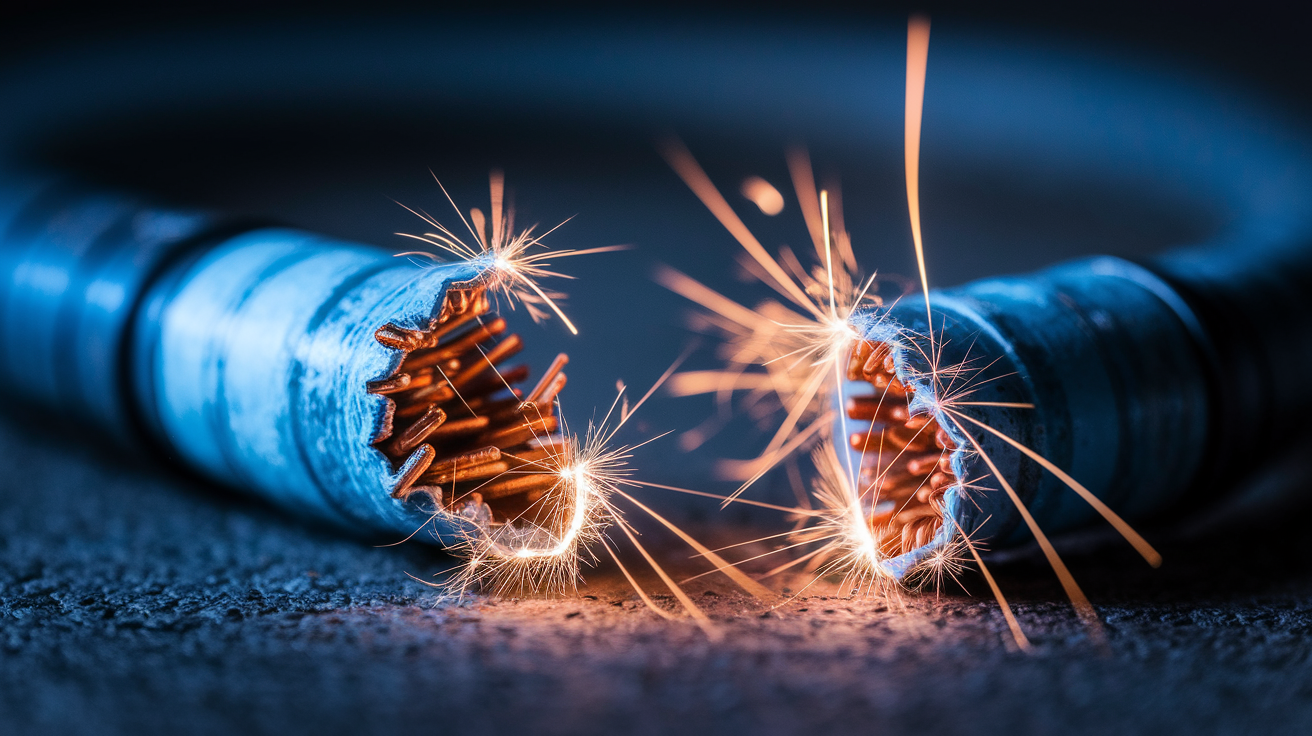
An electrical safety hazard is any condition involving electricity that can cause shock, burn, electrocution, fire, or explosion. These hazards show up when energized parts become accessible, when protective systems fail, or when electricity interacts with incompatible materials or environments.
Recognizing common hazards is the first step toward prevention. Most electrical injuries come from preventable conditions that trained eyes can spot before incidents happen.
The most common electrical hazards include:
- Overhead power lines that make contact with ladders, scaffolding, or long tools
- Damaged tools and equipment with cracked insulation, exposed wiring, or broken plugs
- Faulty wiring and overloaded circuits that generate heat and create fire risks
- Exposed electrical parts like uncovered terminals, live wires, or open panels
- Wet conditions where water increases electrical conductivity through the body
- Improper grounding that forces current through unintended paths including human bodies
Electrical hazards fall into two main contact categories. Direct contact occurs when workers or residents touch live conductive parts like energized cables or electrical components. Indirect contact happens when touching conductive parts that become energized due to insulation failure, allowing current to travel where it shouldn’t.
According to OSHA, electrocution ranks as one of the leading causes of workplace fatalities in the construction industry, alongside falls and struck by incidents. Electrical hazards exist across all environments including residential homes, commercial buildings, industrial facilities, and construction sites. Understanding what creates these hazards helps prevent the injuries and deaths they cause.
Most Common Types of Electrical Hazards

Electrical hazards take many forms across different work and home settings. Each type presents distinct risks requiring specific prevention measures.
The variety of electrical dangers means hazard recognition becomes the essential first skill for anyone working near electricity or maintaining electrical systems.
Common electrical hazard types include:
- Overhead power lines carrying high voltage that can arc to nearby equipment or workers even without direct contact, frequently involving ladders, scaffolding, or long conductive tools
- Faulty or inadequate wiring including improper connections, undersized conductors, backstabbed outlets, and outdated methods that fail under normal loads
- Circuit overloads happening when electrical current exceeds safe levels, generating heat that builds over time until fires start or equipment fails
- Exposed electrical parts like uncovered terminals, missing panel covers, open junction boxes, or damaged enclosures that leave live parts accessible
- Improper grounding forcing electricity through unintended paths including structural metal, plumbing, and human bodies instead of safe ground conductors
- Wet or moisture conditions increasing conductivity and allowing current to pass through the body more easily in bathrooms, outdoor locations, basements, and construction sites
- Temporary wiring and extension cords used as permanent installations, creating connection failures and insulation breakdown
- Unqualified installations performed by untrained personnel using incorrect materials, violating electrical codes, and creating hidden dangers
Equipment that appears inactive or disconnected may still carry voltage. Power lines often look insulated but remain energized at all times. Stored energy in capacitors and charged conductors can deliver lethal shocks long after power switches are turned off. Electricity can arc through air gaps without any physical contact, reaching nearby conductive objects or people standing too close to energized parts.
Arc Flash and Arc Blast Electrical Dangers
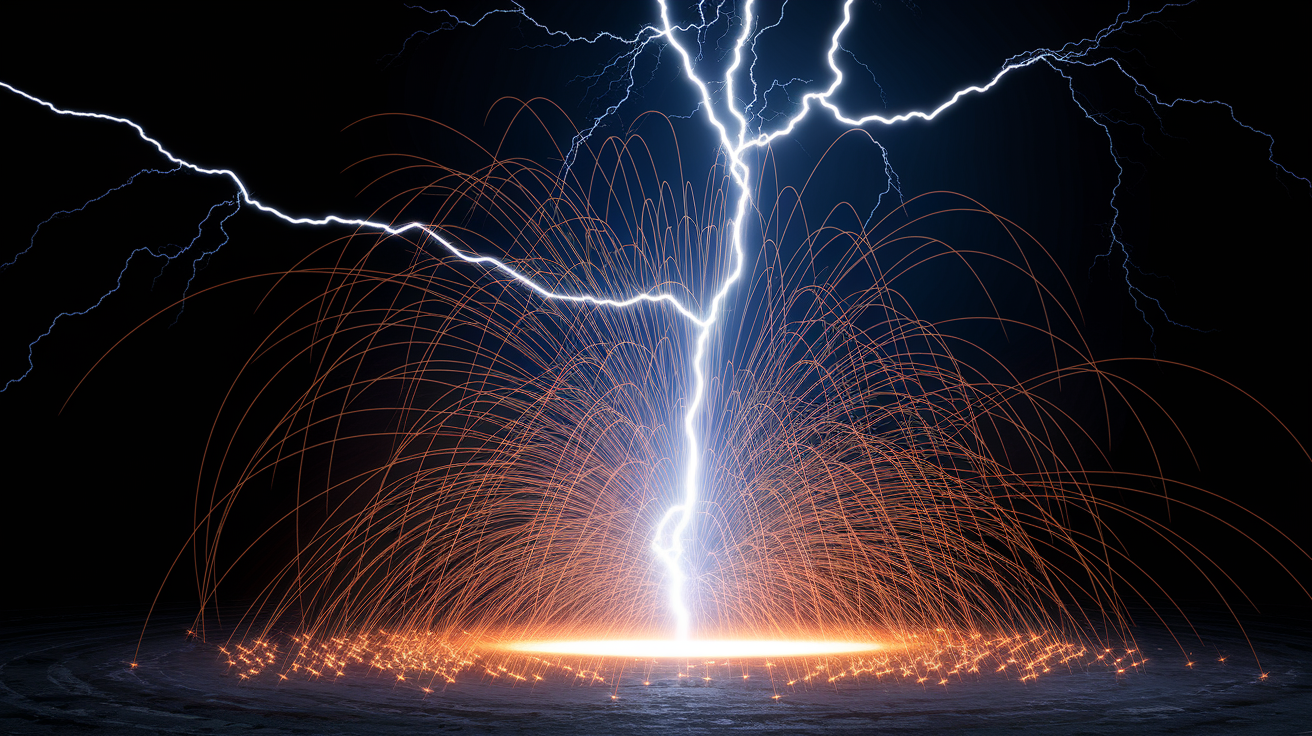
Arc flash occurs when electrical current jumps through air between conductors or from conductors to ground. This electrical discharge creates extreme heat and intense light.
The temperatures generated during arc flash events exceed the surface temperature of the sun, reaching over 35,000 degrees Fahrenheit. These extreme temperatures cause severe burns to exposed skin within milliseconds. The intense light produces ultraviolet radiation that damages eyes permanently. Workers standing several feet away still suffer serious injuries from the thermal energy released.
Arc blast is the explosive pressure wave that immediately follows arc flash. This pressure wave throws workers backward, knocks them off ladders and scaffolding, and sends molten metal shrapnel flying through the air at high velocity.
Arc flash and arc blast risks are highest when working on energized equipment, during switching operations, when equipment failures occur under load, and in panel work where conductors are close together. Workers performing maintenance on electrical panels, switchgear, motor control centers, and industrial control systems face elevated arc flash dangers. Specialized arc rated clothing and face shields become essential protective equipment for these high risk tasks, rated for specific incident energy levels measured in calories per square centimeter.
Root Causes and Risk Factors for Electrical Hazards

Most electrical hazards result from preventable conditions rather than random equipment failures. Identifying root causes helps focus prevention efforts where they matter most.
Improper installation ranks as a primary contributor to electrical hazards. Unqualified personnel using incorrect materials, violating code requirements, and creating substandard connections build hazards into systems from the start. Lack of regular maintenance allows small problems to worsen over time until they become serious risks.
Physical deterioration factors steadily degrade electrical systems. Age causes insulation to become brittle and crack. Corrosion attacks connections and conductors. Rodents chew through insulation exposing live wires. Loose connections develop from thermal cycling and vibration. Each factor creates pathways for current to escape containment.
| Risk Factor | How It Creates Hazards |
|---|---|
| Improper Installation | Wrong materials, inadequate capacity, code violations, and poor workmanship create failures waiting to happen |
| Lack of Maintenance | Deterioration goes undetected, small problems worsen, and protective systems fail when needed most |
| Unqualified Personnel | Missing knowledge leads to dangerous mistakes, incorrect repairs, and violations of safety procedures |
| Physical Deterioration | Age, corrosion, rodent damage, and loose connections allow current to escape through unintended paths |
| Environmental Exposure | Moisture, temperature extremes, chemicals, and physical damage break down insulation and protective barriers |
| Overloading | Excessive current generates heat that damages insulation, melts connections, and ignites surrounding materials |
OSHA and NFPA Regulatory Standards for Electrical Safety

OSHA establishes electrical safety standards for all workplaces under federal jurisdiction. These regulations define employer responsibilities for protecting workers from electrical hazards.
OSHA requires comprehensive electrical safety training for all employees exposed to electrical hazards. Standards cover proper lockout/tagout procedures, personal protective equipment requirements, safe work practices, and hazard communication. Employers must document training, provide appropriate PPE, and ensure workers understand the specific electrical hazards in their work areas. Violations of OSHA electrical standards result in citations, penalties, and potential criminal liability when fatalities occur.
NFPA publishes two critical electrical safety standards. NFPA 70, known as the National Electrical Code (NEC), governs electrical installations in buildings and structures.
NFPA 70E addresses electrical safety in the workplace, covering safe work practices, maintenance requirements, and PPE selection for energized electrical work. This standard provides detailed arc flash risk assessment procedures, establishes approach boundaries around energized parts, and defines what qualifies workers to perform specific electrical tasks. Most states adopt NFPA 70 as their electrical code requirement.
Electrical work requires permits and inspections to verify code compliance. Licensed electricians must perform installations and modifications. Inspectors verify proper methods, adequate capacity, correct grounding, and appropriate protective devices before authorizing systems for use. Even residential work follows electrical code requirements, with permits required for most electrical modifications, panel upgrades, and new circuits.
Lockout/Tagout Procedures for Electrical Hazard Control

Lockout/tagout procedures protect workers from accidental energization during maintenance, service, and repair work. These procedures prevent equipment from starting unexpectedly or releasing stored energy while workers are exposed to hazardous energy sources.
LOTO controls all forms of hazardous energy including electrical, mechanical, hydraulic, pneumatic, chemical, and thermal. For electrical systems, the procedure ensures complete de-energization before work begins.
Proper lockout/tagout sequence follows these steps:
- Preparation and notification where the authorized employee identifies all energy sources, notifies affected personnel, and reviews shutdown procedures
- Shutdown using normal stopping procedures to turn off equipment before isolating energy sources
- Isolation by operating disconnects, circuit breakers, or other devices that physically separate equipment from electrical supply
- Lockout application where the authorized employee places an individual lock on each isolation device, preventing anyone from re-energizing the equipment
- Stored energy release through grounding, repositioning, blocking, or bleeding down capacitors, charged circuits, and elevated components
- Verification of de-energization by testing with voltage detectors to confirm zero energy state before beginning work
Testing with proper voltage detectors remains essential before touching any conductor or electrical part. Assuming equipment is dead kills workers. Only qualified personnel trained in LOTO procedures should perform electrical isolation and verification. Each worker exposed to the hazard places their own lock on isolation points. Work doesn’t begin until every lock is in place and testing confirms zero energy.
Grounding and Ground Fault Protection Systems

Proper grounding provides a safe path for electrical current to return to earth during normal operation and especially during fault conditions. When insulation fails or equipment damage occurs, grounding channels current away from people and structures.
Improper grounding forces electricity through unintended paths. Without a proper ground connection, fault current seeks any available conductor including metal building components, plumbing systems, and human bodies. This greatly increases shock and electrocution risk when equipment failures occur.
Ground fault circuit interrupters (GFCIs) detect tiny current imbalances between hot and neutral conductors. When as little as 4 to 6 milliamps of current leaks to ground, the GFCI detects this imbalance and shuts off power within 25 milliseconds. This response time prevents electrocution by stopping current flow before it reaches lethal levels.
GFCI protection is required in specific locations where shock risks are highest. The National Electrical Code mandates GFCIs for all outlets within six feet of water sources including bathroom sinks, kitchen countertops, laundry areas, and wet bars. All outdoor outlets require GFCI protection. Basements, garages, crawl spaces, and unfinished areas need GFCI protected outlets. Construction sites and temporary power installations must use GFCI protection on all circuits.
Test GFCI outlets monthly using the built in test button. Press the test button to verify the outlet trips and power shuts off. Press reset to restore power. Replace GFCI devices that fail to trip during testing or that trip repeatedly without cause.
Circuit breakers and fuses provide overcurrent protection that complements grounding systems. These devices protect wiring and equipment from overloads and short circuits by stopping current flow when it exceeds safe levels. Breakers trip and fuses blow before heat buildup starts fires or damages conductors. While different from grounding protection, proper overcurrent devices prevent conditions that create ground faults.
Personal Protective Equipment for Electrical Work

Personal protective equipment serves as the last line of defense after engineering controls and safe work practices. Proper PPE selection depends on voltage levels, arc flash incident energy, and specific task hazards.
All electrical PPE must be rated for the specific voltage and energy levels workers will encounter. Using equipment rated below actual hazard levels provides false security while offering no real protection.
Essential PPE categories for electrical work include:
- Insulated gloves rated for specific voltage classes from 00 (500 volts) through 4 (36,000 volts), with rubber insulating gloves always worn underneath leather protector gloves to prevent punctures and abrasion
- Safety footwear with electrical hazard ratings that provide insulation between workers and ground, preventing current from flowing through the body to earth
- Eye and face protection including safety glasses for general work, face shields for short circuit exposure, and arc rated face shields with appropriate arc ratings for energized work on high energy systems
- Hard hats with Class E or Class G electrical ratings providing impact and penetration protection plus electrical insulation up to rated voltage levels
- Arc rated clothing including long sleeve shirts, pants, coveralls, and jackets designed to resist ignition and self extinguish, with arc thermal performance value (ATPV) ratings matching incident energy calculations
- Hearing protection for arc blast events that produce pressure waves capable of damaging hearing
- Non-conductive tools with insulated handles rated for voltage levels encountered, preventing current from flowing through tools into workers’ hands
Inspect all PPE before each use for cracks, tears, holes, contamination, or damage that compromises protection. Test insulated gloves using air inflation and visual inspection before each shift. Discard damaged PPE immediately. PPE must match actual hazard levels including voltage ratings for electrical exposure and arc ratings measured in calories per square centimeter for arc flash hazards. Never assume general work gloves or clothing provide electrical protection without proper ratings.
Water, Moisture, and Electrical Shock Risks
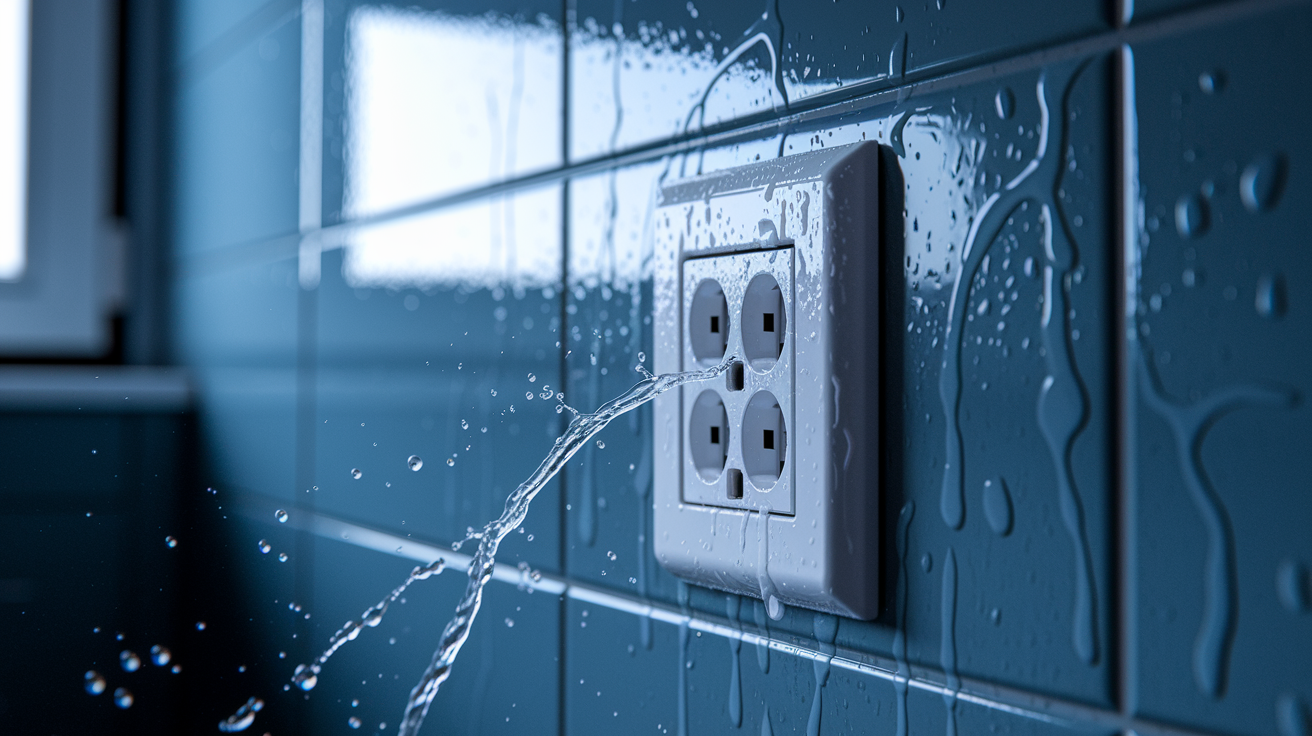
Water dramatically increases electrical hazard severity by enhancing conductivity and providing current paths through the body. Dry skin provides some resistance to current flow, but moisture eliminates this protective barrier.
High risk scenarios involving water and electricity occur constantly in residential and workplace settings. Bathrooms present shock hazards near sinks, tubs, and showers where people contact water while potentially touching electrical devices. Kitchens create risks near sinks and wet countertops. Basements with dampness or periodic flooding expose electrical panels, outlets, and equipment to moisture. Outdoor work sites subject temporary power systems to rain, standing water, and wet ground conditions. Construction sites frequently combine electrical equipment with wet concrete, mud, and rain exposure.
GFCI protection becomes essential in all these environments, as covered comprehensively in the grounding section. Ground fault circuit interrupters detect current leakage through water and wet surfaces, shutting off power before shock becomes lethal. This technology saves lives in wet locations where standard overcurrent protection responds too slowly.
Never use electrical equipment with wet hands or while standing in water. Unplug devices before cleaning them with moisture. Keep electrical panels, junction boxes, and equipment clear of leaks and drainage paths. Address water damage immediately rather than allowing electrical components to remain in damp conditions.
Electrical Fire Prevention and Combustible Material Safety

Overloaded circuits and improper wiring generate heat that builds over time until surrounding materials ignite. As current exceeds conductor capacity, resistance increases and conductors heat up. Connections become hot spots. Insulation breaks down and begins charring.
Short circuits and arc faults create instant ignition sources. When damaged insulation allows conductors to touch, massive current flows through the fault point generating sparks and molten metal. Arc fault circuit interrupters detect these characteristic current patterns and shut off power before sustained arcing starts fires. Modern electrical codes require arc fault protection in most living areas specifically to prevent these fire scenarios.
Static electricity accumulates on object surfaces, particularly in low humidity environments and where materials rub together. In locations with flammable vapors, combustible dust, or explosive atmospheres, static discharge creates sparks sufficient to cause fires and explosions. Proper bonding and grounding dissipates static charges before dangerous levels accumulate.
Fire prevention measures include:
- Avoiding circuit overloads by calculating total amperage of connected devices and staying well below circuit breaker ratings
- Using proper amperage ratings for all circuits, with conductor size, breaker size, and connected load appropriately matched
- Maintaining clearances around electrical equipment, panels, and junction boxes to prevent combustible materials from contacting heat sources
- Installing arc fault circuit interrupters in bedrooms, living areas, and locations where arc faults present fire risks
- Controlling static discharge through bonding, grounding, and humidity control in environments with flammable materials
Conducting Electrical Safety Inspections and Risk Assessments
Regular inspections identify electrical hazards before they cause fires, injuries, or equipment damage. Proactive examination catches deteriorating conditions while they’re still manageable.
Qualified electricians should perform formal electrical inspections, particularly for commercial facilities, rental properties, and homes over 25 years old. These professionals recognize code violations, improper installations, and dangerous conditions that untrained eyes miss.
| Inspection Area | What to Check | Warning Signs |
|---|---|---|
| Electrical Panels | Proper labeling, correct breaker sizes, no double tapping, adequate capacity, secure connections | Warm panel covers, buzzing sounds, burning odors, rust or corrosion, loose breakers |
| Wiring and Connections | Proper support and protection, correct splice methods, no exposed conductors, appropriate wire gauge | Exposed wiring, damaged insulation, amateur splice jobs, cloth covered wiring, aluminum connections |
| Outlets and Switches | Tight mounting, warm to touch test, proper cover plates, three prong grounding, GFCI where required | Loose outlets, warm plates, discoloration, two prong outlets, missing GFCI in wet locations |
| Cords and Tools | Intact insulation, proper strain relief, undamaged plugs, appropriate gauge for load, no repair tape | Cracked insulation, exposed conductors, damaged plugs, extension cords as permanent wiring, heat on cords |
| Grounding Systems | Proper ground rod connections, bonding of metal systems, equipment grounding paths, three wire circuits | Missing ground wires, corroded ground connections, ungrounded metal equipment, two wire circuits |
Inspection frequency depends on environment and equipment age. Commercial and industrial facilities need annual professional inspections. Residential homes benefit from inspection every three to five years, with more frequent checks for homes over 40 years old. Document all inspection findings with photographs, notes, and recommended corrections.
Follow through on corrective actions immediately for serious hazards. Prioritize exposed conductors, missing ground fault protection, overloaded panels, and amateur wiring modifications. Less critical items can be scheduled for systematic correction, but maintain a timeline and complete all repairs within a reasonable period.
Electrical Safety Training and Qualified Personnel Requirements
OSHA regulations position electrical safety training as a non-negotiable requirement for all workers exposed to electrical hazards. Employers must provide training before workers begin tasks involving electrical systems.
A “qualified person” under OSHA standards means someone trained and knowledgeable in the construction and operation of electrical equipment and installations, trained to identify and avoid electrical hazards. General employees working near electrical equipment need awareness training to recognize hazards and understand basic safety rules, but they must not perform electrical work.
Training topics must include hazard recognition specific to the work environment, lockout/tagout procedures for electrical isolation, proper selection and use of personal protective equipment, safe approach distances from energized parts, emergency response procedures for electrical injuries, and understanding of voltage levels and arc flash boundaries in the facility. Workers must know which tasks they’re qualified to perform and when to call licensed electricians.
Licensed electricians complete formal apprenticeships lasting four to five years, combining classroom instruction with supervised fieldwork. They demonstrate mastery of electrical theory, National Electrical Code requirements, proper installation methods, and safe work practices before earning journeyman licenses.
Qualified electrical workers receive specific training on the electrical systems they’ll maintain but may not hold electrician licenses. They can perform defined electrical tasks under established procedures after demonstrating competency.
DIY electrical work by unqualified homeowners creates significant hazards through code violations, improper materials, and dangerous installations. Professional electricians are required for service panel work, new circuits, permanent installations, work requiring permits, and any modifications to existing electrical systems. Simple tasks homeowners can safely perform include replacing light fixtures on existing boxes, changing outlets and switches, and resetting GFCI and arc fault breakers, but only after shutting off power at the breaker panel.
Refresher training must occur at least every three years or whenever job assignments change, new equipment is introduced, or incidents reveal training gaps. Maintain documentation of all electrical safety training including dates, topics covered, trainer qualifications, and worker signatures.
Emergency Response and First Aid for Electrical Injuries
Immediate response to electrical shock incidents determines whether victims survive or die. Speed matters, but rescuer safety comes first.
The first priority is ensuring the power source is shut off before approaching any electrical shock victim. Never touch someone still in contact with electricity, as current will flow through you as well.
Follow this emergency response sequence:
- Ensure power is off by shutting circuit breakers, unplugging equipment, or using non-conductive materials to separate the victim from the electrical source without touching them directly
- Call 911 immediately as soon as the scene is safe, even if the victim appears conscious and uninjured, because internal damage may not be apparent
- Check responsiveness by calling to the victim and checking for breathing and pulse without moving them unnecessarily
- Begin CPR if needed using chest compressions and rescue breathing if the victim has no pulse or is not breathing
- Treat for shock by keeping the victim warm and comfortable, elevating legs slightly if no spinal injury is suspected
- Cover burns with clean dry cloth without applying ointments, ice, or other treatments that may worsen tissue damage
- Do not move the victim unless immediate danger like fire or additional electrical hazards makes relocation necessary for survival
Electrical burns often appear minor on the skin surface while causing severe internal damage along the current path through the body. Entry and exit wounds may be small, but electricity damages muscles, nerves, blood vessels, and organs between contact points. Current passing through the chest can cause heart rhythm disturbances that develop hours after the initial shock. All electrical shock victims require immediate medical evaluation even if they appear uninjured and feel fine.
Comprehensive Guide to Residential Electrical Hazards and Renovation Safety
Residential electrical hazards cause thousands of home fires annually, with older homes facing increased risks from outdated wiring systems and insufficient electrical capacity for modern appliance loads. Most residential electrical fires result from preventable conditions.
Older homes built before 1970 often contain wiring systems designed for significantly lower electrical loads than today’s households demand. Air conditioning, multiple computers, large televisions, kitchen appliances, and electric vehicle chargers strain these older systems beyond their intended capacity. Recognizing warning signs before hazards become emergencies prevents injuries and property damage.
Common residential electrical hazards include:
- Overloaded outlets and power strips where too many devices plugged into single receptacles generate heat that damages connections and can ignite surrounding materials
- Extension cord permanent use and misuse including running cords under rugs, through walls, or as substitutes for proper wiring installations
- Aluminum wiring in homes built between 1965 and 1973 that requires special connection methods and has caused numerous fires due to improper terminations
- Backstabbed connections where wires are pushed into spring loaded terminal holes instead of secured under screw terminals, creating loose connections that heat up under load
- Missing GFCI protection in bathrooms, kitchens, outdoor outlets, and other wet locations where ground fault protection is now required
- Lack of tamper resistant receptacles in homes with young children, allowing objects to be inserted into outlet openings
- Knob and tube wiring found in homes built before 1950, lacking equipment grounding and using outdated insulation that becomes brittle with age
- DIY electrical modifications performed by unqualified homeowners who create code violations and dangerous conditions
- Inadequate circuit capacity for modern loads resulting in frequent breaker trips, overheated conductors, and fire risks
- Damaged cords on household appliances with cracked insulation exposing conductors and creating shock and fire hazards
Hire qualified electricians for all work inside electrical panels, adding new circuits, relocating outlets or switches, installing permanent fixtures requiring new wiring, upgrading service capacity, and correcting hazardous conditions. Homeowners can safely replace light fixtures on existing boxes, swap outlets and switches after shutting off power, reset tripped breakers, and test GFCI outlets using test buttons, but only after confirming they understand basic electrical safety.
Electrical permits exist to ensure work complies with safety codes and receives proper inspection before energization. Most jurisdictions require permits for panel upgrades, new circuits, service changes, permanent wiring installations, and major electrical modifications. Working without required permits violates codes, creates insurance issues if fires occur, and may complicate future home sales.
Electrical Safety During Home Renovations
Renovation work frequently exposes or damages existing electrical systems hidden behind walls and ceilings. Demolition reveals outdated wiring, hidden junction boxes, and previous repairs that don’t meet current safety standards.
Specific renovation hazards include hitting hidden wiring during demolition when cutting into walls or ceilings without knowing circuit locations, inadequate circuit capacity for added loads when kitchens and bathrooms are upgraded with modern appliances and features, mixing old and new wiring methods improperly like connecting aluminum wire directly to copper without proper transition methods, water exposure to electrical systems from plumbing work or during moisture damage like flooding where professional water damage restoration services become necessary to assess hidden electrical exposure, and temporary power setups that become permanent installations violating code requirements.
Temporary solutions during renovations often remain as permanent unsafe conditions. Extension cords substituting for proper circuits, exposed junction boxes without covers, and partially completed wiring projects create hazards that persist for years. Which electrical work requires permits depends on local jurisdiction, but generally includes all new circuits, panel modifications, permanent fixture installations, and service upgrades. Licensed electricians must perform this work to code standards with proper permits and inspections. Don’t replicate existing code violations discovered during renovation. Correct them. Outdated methods, missing ground fault protection, and improper connections should be brought up to current code standards even if the original installation was legal when built. If electrical fire damage occurs during or after renovation, professional fire damage restoration services can assess electrical system damage and coordinate necessary repairs as part of the recovery process.
Temporary Power and Portable Equipment Electrical Risks
Temporary power setups create elevated risks due to equipment exposure, frequent movement, and harsh environmental conditions. Construction sites and job sites using temporary installations see higher electrical injury rates than permanent facilities.
Construction site electrical hazards include temporary wiring strung overhead or across walkways where damage occurs from vehicles, equipment, and foot traffic. Generator connections made without proper grounding or overcurrent protection create shock risks. Portable power tools suffer abuse from drops, moisture, and constant use that damages insulation and internal components.
Proper extension cord selection for professional use depends on conductor gauge, length, and amperage rating. Heavier loads require larger wire gauge. 14 AWG for 15 amp circuits up to 50 feet, 12 AWG for 15 amp circuits over 50 feet or 20 amp circuits up to 50 feet, 10 AWG for 20 amp circuits over 50 feet. Inspect cords daily for cuts, abrasions, damaged insulation, exposed conductors, and damaged plugs. Remove damaged cords from service immediately rather than taping or splicing repairs.
GFCI protection is mandatory for all temporary power installations and outdoor construction use, as covered in the grounding section. Every temporary circuit must include ground fault protection through GFCI breakers on temporary panels, GFCI inline devices on extension cords, or GFCI outlets on temporary power stations.
Overhead power line clearance requirements exist to prevent contact with energized lines. Maintain minimum 10 foot clearance from lines rated up to 50,000 volts. Higher voltage lines require greater clearances. Remember that ladders, scaffolding, long tools, and equipment booms can contact or approach lines even when workers maintain safe personal distance. Survey work areas for overhead lines before beginning work. Contact utility companies to de-energize or insulate lines when adequate clearances can’t be maintained during construction operations.
Final Words
Electrical hazards show up everywhere, from overhead power lines to faulty wiring hidden behind your walls. Recognition is the first real step in prevention.
GFCI protection, proper grounding, lockout/tagout procedures, and qualified personnel all work together to reduce electrical safety hazard risks.
When you’re dealing with fire damage or water exposure that affects electrical systems, don’t wait. Get it inspected. Get it fixed right.
Your home’s electrical system should keep you safe, not put you at risk.
FAQ
What are the most common types of electrical hazards?
The most common types of electrical hazards include overhead power lines, damaged tools and equipment, faulty wiring, overloaded circuits, exposed electrical parts, wet conditions near electricity, improper grounding, and unqualified installations. Each creates shock, burn, fire, or electrocution risks.
What are the four main categories of electrical hazards?
The four main categories of electrical hazards are shock and electrocution risks from contact with energized parts, arc flash and arc blast events, electrical fires from overloads or short circuits, and burns from contact with hot surfaces or electrical arcs. All require specific prevention strategies.
What defines an electrical safety hazard?
An electrical safety hazard is any condition that creates risk of shock, burn, electrocution, fire, or explosion when working near or using electrical systems. Hazards exist in residential, commercial, industrial, and construction environments wherever electricity is present.
What is the difference between direct and indirect electrical contact?
Direct electrical contact occurs when touching live conductive parts like energized cables or components. Indirect electrical contact happens when touching conductive parts that become energized due to insulation failure, damaged equipment, or improper grounding.
When is GFCI protection required?
GFCI protection is required in wet locations, outdoor outlets, bathrooms, kitchens, basements, construction sites, temporary power installations, and anywhere moisture increases electrical conductivity. GFCIs detect current imbalances and shut off power within milliseconds.
What is lockout/tagout and when is it necessary?
Lockout/tagout is a procedure that prevents accidental energization during maintenance by physically locking equipment off and tagging it with warnings. It’s required before servicing electrical equipment to protect against unexpected startup or stored energy release.
What causes most electrical fires in homes?
Most electrical fires in homes result from overloaded circuits, improper wiring, damaged cords and plugs, and extension cords used as permanent wiring. Heat builds up over time until materials ignite, especially when amperage ratings are exceeded.
What PPE is required for electrical work?
Required PPE for electrical work includes voltage-rated insulated gloves with leather protectors, electrical hazard-rated safety footwear, arc-rated clothing for high-voltage tasks, eye and face protection, hard hats, and non-conductive tools. PPE must match voltage levels and hazards.
How does improper grounding create electrical hazards?
Improper grounding forces electrical current to travel through unintended paths, including through a worker’s or homeowner’s body, greatly increasing shock and electrocution risk. Proper grounding provides a safe path for current to return to earth.
Why is water so dangerous around electricity?
Water dramatically increases conductivity, making it easier for electrical current to pass through the body. Even damp hands or wet floors create serious shock hazards. Never use electrical equipment with wet hands or while standing in water.
What is arc flash and how dangerous is it?
Arc flash occurs when electrical current jumps through air between conductors, creating extreme heat reaching temperatures hotter than the sun’s surface. It causes severe burns, eye damage, and ignites clothing. Arc blast pressure waves follow, throwing workers and creating shrapnel.
Who is qualified to perform electrical work?
Qualified electrical workers are those with demonstrated skills, knowledge, and training to recognize and avoid electrical hazards. Licensed electricians complete formal training and code education. DIY electrical work by unqualified homeowners creates significant hazards requiring professional correction.
What are warning signs of residential electrical problems?
Warning signs include frequently tripping circuit breakers, flickering lights, buzzing sounds from outlets or panels, discolored or warm outlet covers, burning smells, and sparking. These indicate overloaded circuits, loose connections, or failing components requiring immediate professional inspection.
When do renovations require electrical permits?
Electrical permits are required when adding circuits, upgrading panels, relocating outlets or fixtures, and making modifications to existing wiring. Permits ensure code compliance, proper installation by qualified electricians, and safety inspections before energizing new work.
How often should electrical systems be inspected?
Residential electrical systems should be inspected every 3 to 5 years in older homes, before purchasing property, after renovations, and whenever warning signs appear. Commercial and industrial facilities require more frequent inspections based on equipment age and operating conditions.
What should you do if someone is shocked by electricity?
First, ensure the power source is off before approaching. Never touch someone still in contact with electricity. Call 911 immediately. If the victim is unresponsive, begin CPR. All electrical shock victims require medical evaluation even if appearing uninjured.
Why are overhead power lines so dangerous?
Overhead power lines are the leading cause of electrical fatalities. They often carry high voltage at all times, may appear insulated but are live, and electricity can arc through air before direct contact when ladders, scaffolding, or tools come too close.
What makes temporary power setups hazardous?
Temporary power setups create elevated risks due to exposure to weather, frequent movement damaging connections, improper extension cord use, and lack of permanent grounding. All temporary power requires GFCI protection and daily inspection for damage before use.
How do you prevent circuit overloads at home?
Prevent circuit overloads by not plugging multiple high-wattage appliances into single outlets, using appropriately rated extension cords temporarily only, avoiding power strips for permanent connections, and upgrading electrical panels when capacity is insufficient for modern loads.
What electrical hazards exist during home renovations?
Renovation electrical hazards include hitting hidden wiring during demolition, water exposure to electrical systems, inadequate circuit capacity for added loads, mixing old and new wiring methods improperly, and temporary power setups becoming unsafe permanent installations.