
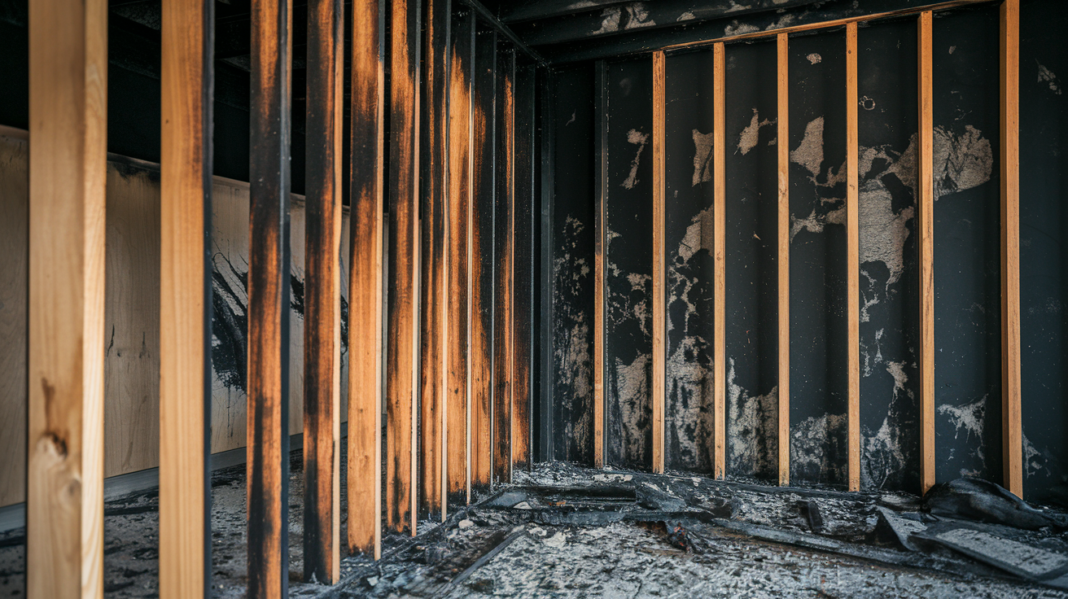

Most homeowners underestimate fire restoration costs by 40 to 60 percent because they only calculate visible damage. Here’s what really drives the bill: smoke spreads everywhere flames didn’t, HVAC systems circulate contamination throughout your home, and code upgrades often get triggered during rebuild work. A small kitchen fire might cost $4,000 to clean up, while whole-home restoration averages $20,470 and can hit $42,665 when structural damage, electrical repairs, and smoke remediation stack up. This guide breaks down actual 2024 pricing by damage type, room, and restoration task so you can budget realistically and evaluate contractor estimates.
Interior Fire Rebuild Pricing Overview and Key Line Items
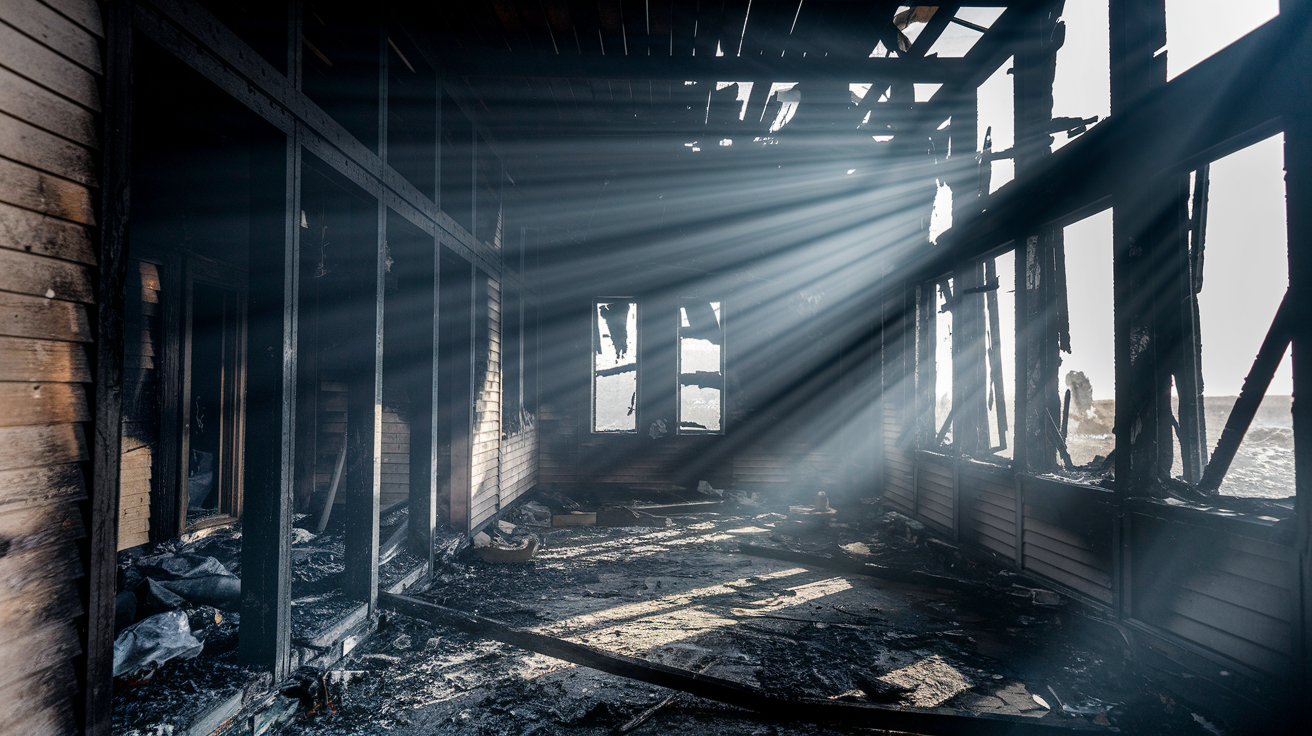
Interior fire rebuild costs typically run $4,000 to $27,000 for most residential projects. Minor localized damage might start around $200, while extensive whole-home restoration can hit $42,665 or higher. Per square foot pricing averages $4 to $7, with $5.50 being a typical mid-range rate. A 2,600 square foot home at this rate would cost approximately $14,300 to restore. The national average for complete fire and smoke damage restoration sits at $20,470, with most homeowners spending between $2,900 and $38,325 depending on damage severity and scope.
These wide cost ranges exist because every fire creates unique damage patterns. A small kitchen grease fire might require only cabinet replacement and surface cleaning. An electrical fire spreading through walls demands structural repairs, complete rewiring, and extensive smoke remediation throughout the home.
| Major Restoration Task | Typical Cost Range | Cost Driver |
|---|---|---|
| Demolition and debris removal | $2,000–$5,000 | Volume of damaged materials, disposal fees, hazardous waste handling |
| Structural framing repairs | $3,000–$12,000 | Extent of charring, load-bearing requirements, accessibility |
| Drywall removal and replacement | $1,500–$6,000 | Square footage affected, texture matching, number of rooms |
| Flooring installation | $2,000–$8,000 | Material choice, subfloor condition, room size |
| Electrical system repair | $1,500–$7,000 | Wiring replacement extent, panel upgrades, code compliance |
| HVAC cleaning and restoration | $500–$3,500 | Ductwork contamination level, system component damage |
These itemized costs represent the foundation of any rebuild estimate. Most projects require multiple line items working together, with actual totals depending on your specific damage pattern, material selections, and local labor rates. Additional specialized work like hazardous material abatement, extensive smoke remediation, or code upgrade requirements adds to these baseline figures. Understanding these core cost components helps you evaluate contractor estimates and plan your budget realistically.
Complete Interior Fire Damage Restoration Cost Breakdown
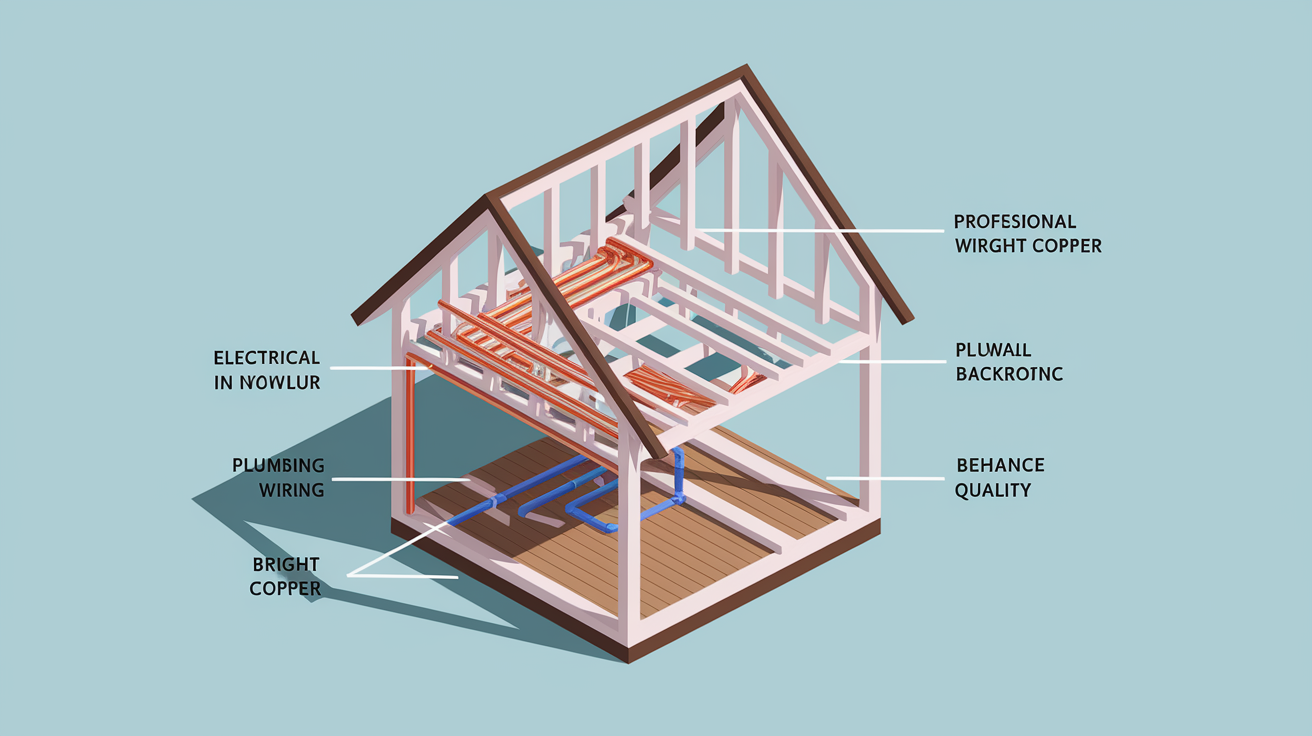
Understanding each restoration task’s individual cost helps you evaluate estimates, track insurance claims, and make informed decisions about where to prioritize spending or find savings.
| Restoration Task | Cost Range | Notes |
|---|---|---|
| Demolition and debris removal | $2,000–$5,000 | Includes hazardous waste disposal, dumpster rental, labor |
| Structural framing repairs | $3,000–$12,000 | Varies by extent of charred lumber, load-bearing modifications |
| Drywall removal and replacement | $1,500–$6,000 | Based on square footage, texture matching, multiple rooms |
| Insulation replacement | $2,130–$6,700 | Labor $1–$5.65 per square foot depending on access and type |
| Electrical system repair | $1,500–$7,000 | Includes rewiring, panel upgrades, fixture replacement |
| Plumbing restoration | $1,200–$4,500 | Pipe replacement, fixture reinstallation, water testing |
| Flooring installation | $2,000–$8,000 | Material-dependent, includes subfloor repair if needed |
| Ceiling repair | $800–$3,500 | Texture matching, structural reinforcement, insulation access |
| Interior door replacement | $600–$2,400 | Per-door costs vary by style, hardware, fire-rating requirements |
| Trim and molding | $800–$3,200 | Crown, base, window, and door casing throughout affected areas |
| Painting and primer | $1,500–$5,000 | Includes smoke-sealing primer, multiple coats, trim work |
| Cabinet replacement | $2,500–$12,000 | Kitchen and bathroom cabinets, hardware, installation |
Labor typically represents 40 to 60 percent of total restoration costs, with the remainder covering materials. Your choice between standard-grade and premium materials significantly impacts final expenses. Basic laminate countertops cost $20 to $40 per square foot installed, while granite or quartz runs $60 to $150 per square foot. Similarly, contractor-grade carpet costs $2 to $5 per square foot, while hardwood flooring runs $8 to $15 per square foot installed.
These line items form the basis for contractor estimates and insurance claims documentation. Detailed breakdowns allow you to identify where costs concentrate and where you might adjust specifications to fit your budget or insurance coverage limits.
Cost Factors by Fire Damage Type and Affected Areas
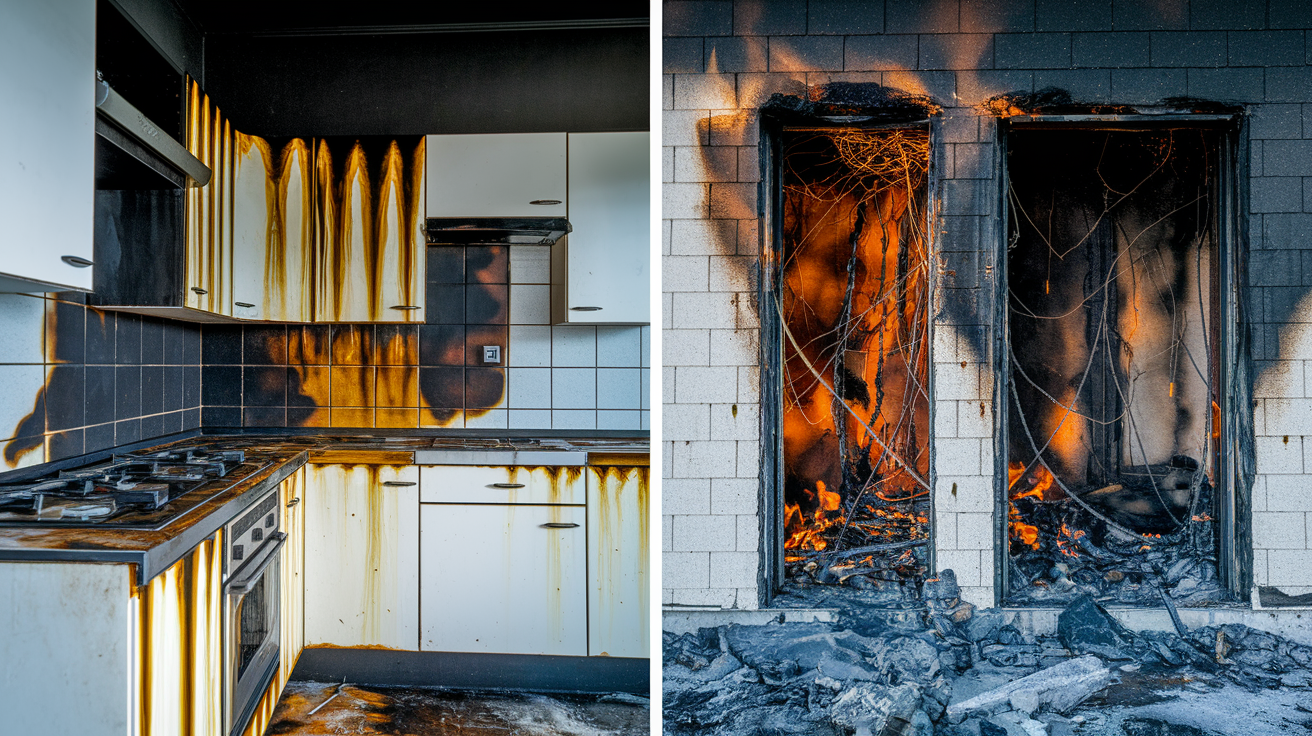
Both the type of fire and the specific rooms affected create unique cost variables that dramatically influence your final restoration bill. A grease fire concentrated in the kitchen creates different challenges than an electrical fire that spreads through wall cavities into multiple rooms.
| Fire Classification | Common Cause | Restoration Cost Range | Key Cost Drivers |
|---|---|---|---|
| Class A | Wood, paper, cloth, ordinary combustibles | $9,000–$14,000 | Structural damage extent, smoke penetration depth |
| Class B | Flammable liquids, gasoline, oil-based paint | $14,000–$20,000 | Hazardous material cleanup, contamination spread |
| Class C | Electrical equipment, wiring, appliances | $12,000–$23,000 | Complete rewiring needs, hidden wall damage assessment |
| Class K | Cooking oils, grease, commercial kitchen equipment | $12,000–$20,000 | Appliance replacement, ventilation system restoration, cabinet work |
| Class D | Combustible metals (rare in residential settings) | $16,000–$25,000 | Specialized cleanup equipment, containment requirements |
Most residential fires fall into Class A or Class K categories, with Class C common in older homes with outdated electrical systems. Class B and D fires occur less frequently in residential settings but carry higher restoration costs when they do happen.
| Room Type | Size Range | Rebuild Cost Range | Complexity Factors |
|---|---|---|---|
| Kitchen | 150–250 sq ft | $8,000–$25,000 | Cabinets, appliances, plumbing, electrical, ventilation |
| Bathroom | 40–100 sq ft | $4,000–$12,000 | Plumbing fixtures, tile work, ventilation, moisture protection |
| Bedroom | 120–200 sq ft | $3,000–$8,000 | Flooring, drywall, trim, closet systems |
| Living room | 200–400 sq ft | $5,000–$15,000 | Open space finishing, ceiling height, built-in features |
| Dining room | 120–180 sq ft | $3,500–$9,000 | Flooring matching, lighting fixtures, finish details |
| Home office | 100–150 sq ft | $3,000–$7,500 | Electrical capacity, built-in shelving, network wiring |
| Basement | 600–1,200 sq ft | $12,000–$35,000 | Moisture control, egress requirements, access challenges |
Open-concept spaces may require addressing adjacent areas even if they didn’t sustain direct fire damage. Smoke travels through connected spaces, and matching finishes across continuous flooring or wall surfaces often means extending work beyond the immediately damaged zone. Built-in features like custom shelving, wainscoting, or coffered ceilings add significant labor and material costs compared to simple painted drywall rooms. Premium finish materials in specific rooms, particularly custom cabinetry, granite countertops, or hardwood flooring, dramatically affect final costs compared to standard laminate, vinyl, or carpet alternatives.
Smoke, Soot, and HVAC Restoration Costs

Smoke penetrates porous materials like drywall, insulation, upholstery, and wood. It circulates through HVAC systems and ductwork, settles in hidden spaces throughout your home, often reaching areas that never saw flames. This invisible contamination requires specialized treatment that extends far beyond cleaning visible surfaces.
| Remediation Service | Cost Range | Application |
|---|---|---|
| Thermal fogging treatment | $200–$585 | Heated solution that penetrates materials to neutralize odor molecules |
| Ozone treatment | $235–$465 | Ozone generator breaks down odor-causing compounds at molecular level |
| Dry soot removal | $400–$700 | Fine powder residue from burned paper, wood, and fabric |
| Oily soot cleanup | $1,000–$1,700 | Sticky residue from petroleum products, grease, or plastics |
| Supply and return duct cleaning | $275–$490 | Professional cleaning of contaminated ductwork system |
| HVAC unit internal cleaning and filter replacement | $200–$600 | Cleaning evaporator coils, blower assembly, and replacing all filters |
Smoke circulates through ductwork and HVAC components during a fire, depositing soot and odor-causing compounds throughout the system. When you turn on heating or cooling after a fire, contaminated ducts redistribute smoke particles and odors into cleaned living spaces, essentially recontaminating your home. Professional HVAC cleaning prevents this cycle by removing all residue from duct interiors, registers, and system components before you resume normal operation. Hard-to-reach areas like attics and crawl spaces where ductwork runs increase labor intensity and raise costs. But skipping these areas leaves contamination sources that compromise your restoration work.
Untreated smoke damage leads to long-term odor issues that worsen in humid conditions. It compromises indoor air quality that affects respiratory health and causes material degradation as acidic smoke residue slowly corrodes metals and breaks down finishes. Professional remediation is necessary even in rooms without visible fire damage because smoke travels through wall cavities, seeps under baseboards, and settles on surfaces throughout your home. The question isn’t whether you need smoke remediation, but how extensive the treatment must be to fully address contamination.
Water Damage Restoration Costs from Firefighting Efforts
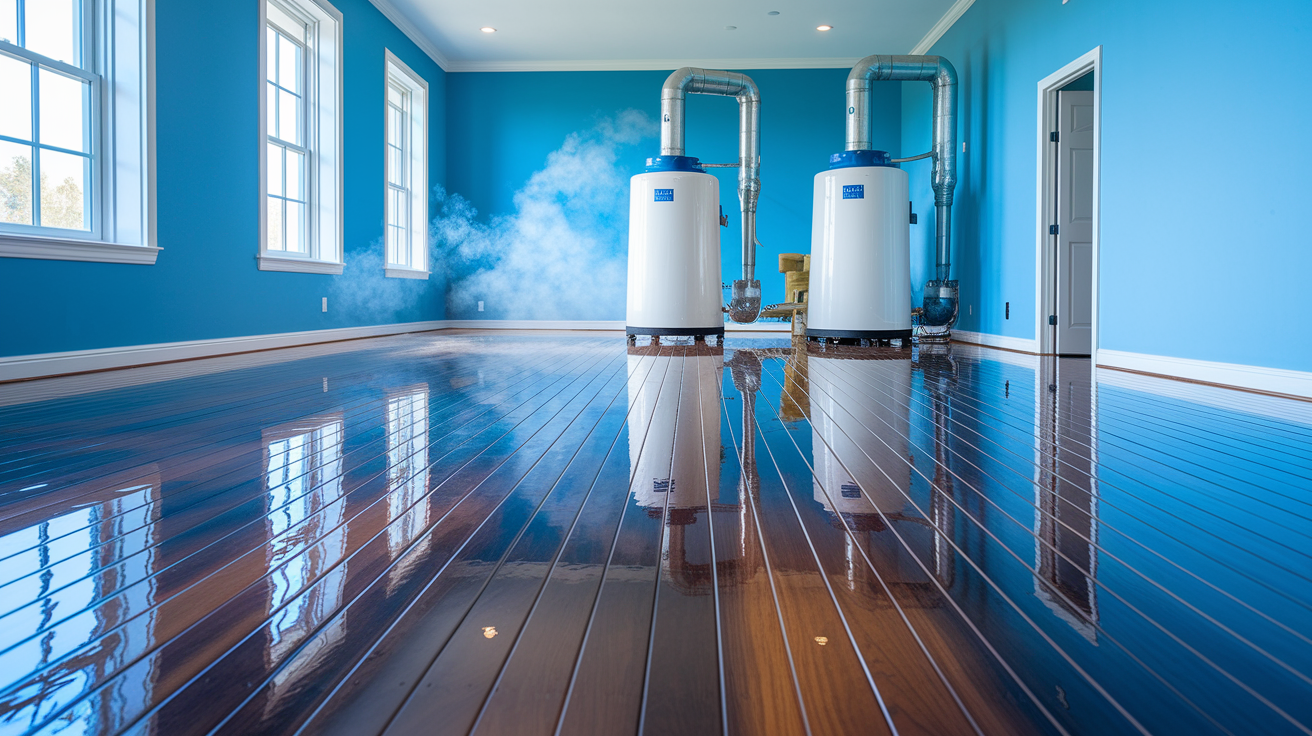
Firefighting water causes secondary damage that requires immediate attention to prevent mold growth, wood rot, and structural weakening. Fire hoses deliver hundreds of gallons of water into your home within minutes, saturating floors, walls, insulation, and contents that survived the flames.
| Water Category | Description | Cost Per Sq Ft |
|---|---|---|
| Category 1 (Clean Water) | From clean water sources like supply lines or fire hoses | $3.30–$4.05 |
| Category 2 (Gray Water) | Contains some contamination from appliances or minor sewage | $4.10–$7.00 |
| Category 3 (Black Water) | Heavily contaminated with sewage or chemical exposure | $7.00–$7.50 |
Timeline urgency for water extraction and drying directly impacts costs through mold remediation needs. Mold begins growing within 24 to 48 hours in wet conditions, transforming a straightforward water damage job into a more expensive combined water and mold remediation project. Professional water damage restoration starts with water extraction using truck-mounted equipment, followed by dehumidification, air movement, and moisture monitoring over several days. Delays of even a few days multiply costs because mold remediation requires containment barriers, specialized cleaning solutions, and disposal of contaminated materials that can’t be saved.
Insurance typically covers water damage from firefighting efforts under your fire damage claim, but documentation is critical. Photograph all water damage areas, keep detailed records of affected items, and document moisture readings that contractors take during the drying process. This evidence supports your claim and prevents disputes about whether damage came from the fire or from delayed water mitigation.
Structural Repairs and Building Code Compliance Costs
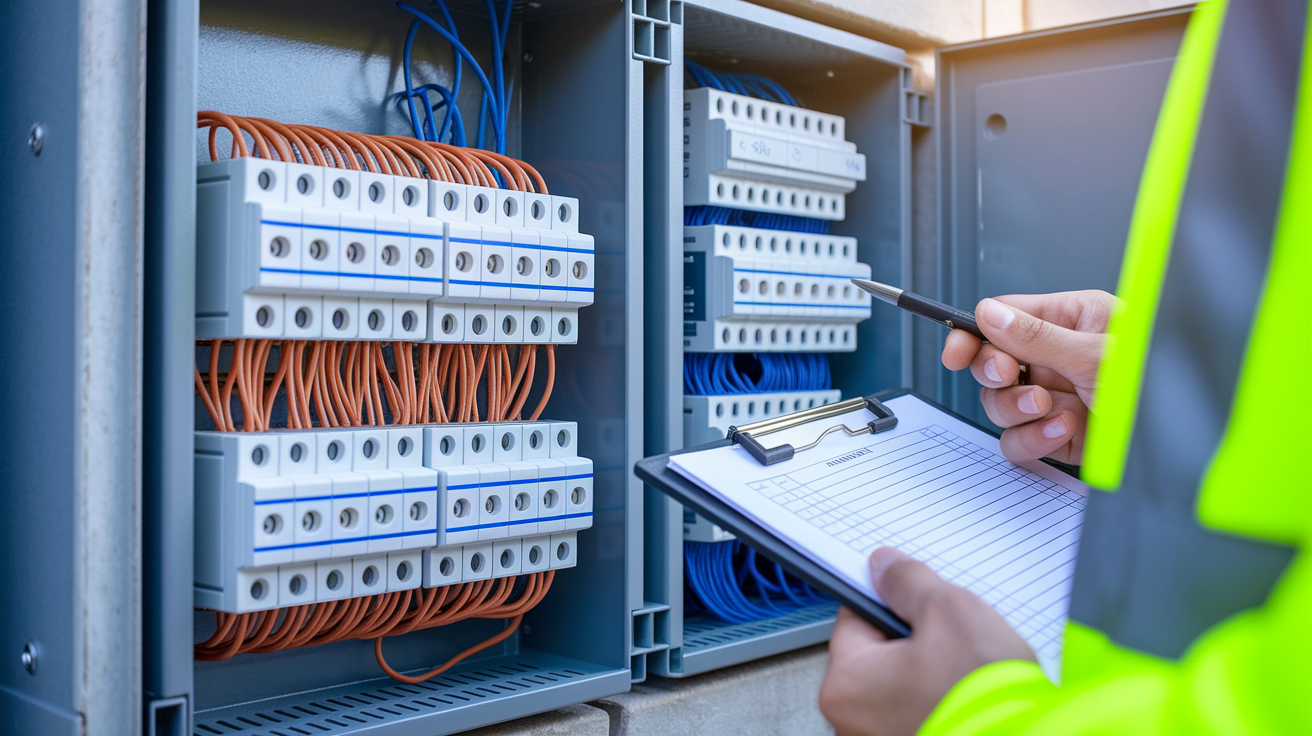
Fire damage often reveals code deficiencies that must be corrected during restoration, particularly in older homes built before modern safety standards took effect. When you open walls for fire repairs, building departments require bringing exposed systems up to current code even if those areas weren’t directly damaged.
Electrical system modernization includes upgrading from outdated fuse boxes to modern circuit breaker panels, adding required GFCI outlets in bathrooms and kitchens, and replacing aluminum wiring with copper. Costs run $1,500 to $4,000 depending on home size.
Fire-rated drywall installation may be required by code between living spaces and garages, around furnace rooms, or between multi-family units. This adds $0.50 to $1.50 per square foot over standard drywall.
Upgraded insulation requirements under current energy codes mandate higher R-values than older homes contain. Bringing attic insulation from R-19 to R-38 costs $1.50 to $3.50 per square foot.
Smoke detector placement under modern codes requires interconnected smoke detectors in every bedroom, outside sleeping areas, and on every level. Installing hardwired interconnected units costs $100 to $200 per detector.
Egress window requirements mean bedrooms need windows meeting minimum size and height requirements for emergency escape. Enlarging windows costs $2,500 to $5,000 per opening including framing modifications.
GFCI outlet installation is required within six feet of water sources in kitchens, bathrooms, laundry areas, and outdoor locations. GFCI outlets cost $15 to $25 each plus installation labor.
Permit costs typically range from $500 to $2,000 depending on project scope and local jurisdiction, with larger rebuilds requiring multiple permits for electrical, plumbing, mechanical, and structural work. Inspection fees add $100 to $300 per inspection, with most projects requiring at least three to five inspections at rough-in, insulation, and final stages. Some municipalities charge percentage-based permit fees calculated from total project cost, which can reach several thousand dollars on extensive rebuilds.
Code compliance upgrades, while adding cost, improve home safety and value. Modern electrical systems reduce fire risk, upgraded insulation lowers utility bills, and proper egress windows provide life-safety protection for occupants.
Interior Flooring Replacement Costs After Fire Damage
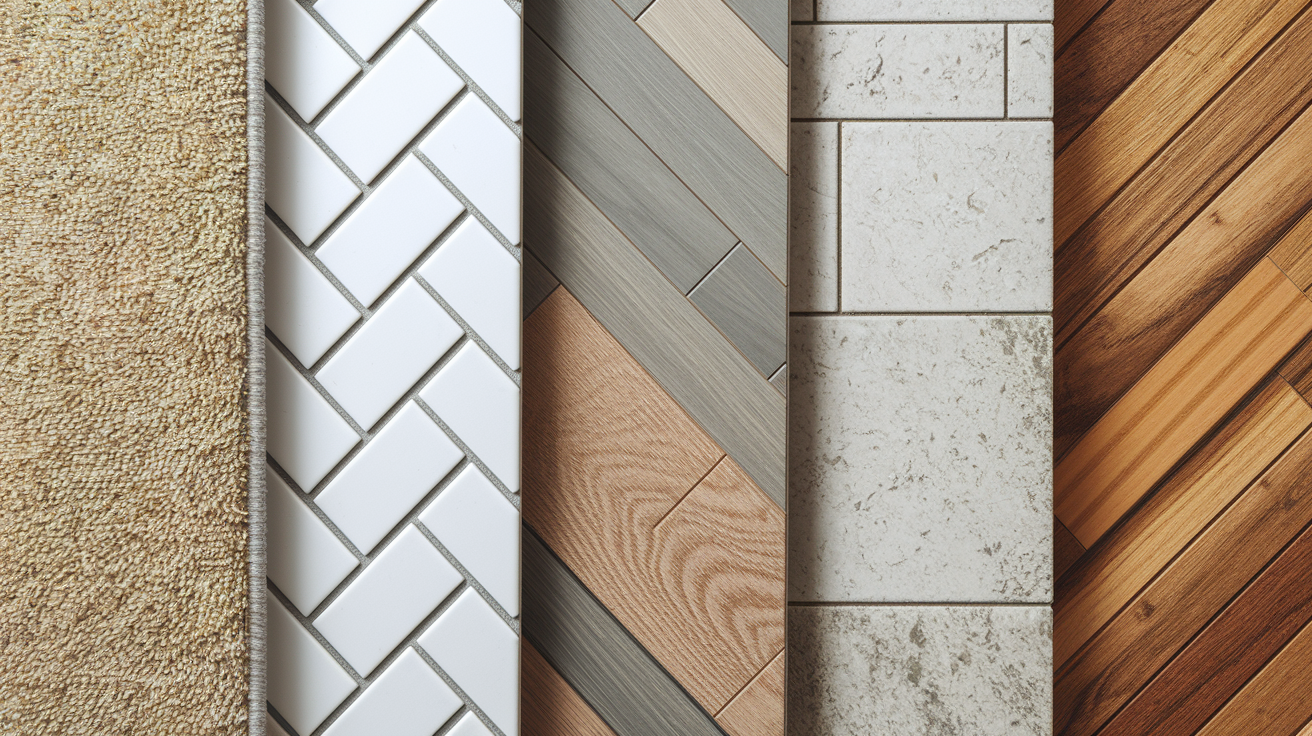
Flooring often sustains both direct fire damage from flames and heat, plus secondary water damage from suppression efforts that soaks through to subfloors. This combination frequently requires complete removal and replacement rather than surface repairs.
| Flooring Type | Removal Cost | Installation Cost Per Sq Ft | Total Avg Cost (300 sq ft room) |
|---|---|---|---|
| Carpet | $0.50–$1.00 per sq ft | $2.00–$5.00 | $750–$1,800 |
| Vinyl/Laminate | $1.00–$2.00 per sq ft | $3.00–$6.00 | $1,200–$2,400 |
| Tile | $2.00–$4.00 per sq ft | $5.00–$10.00 | $2,100–$4,200 |
| Engineered Hardwood | $1.50–$2.50 per sq ft | $6.00–$9.00 | $2,250–$3,450 |
| Solid Hardwood | $2.00–$3.00 per sq ft | $8.00–$15.00 | $3,000–$5,400 |
| Luxury Vinyl Plank | $1.00–$2.00 per sq ft | $4.00–$7.00 | $1,500–$2,700 |
Subfloor assessment and replacement adds $2 to $7 per square foot when needed, which is common after water-saturated fires. Plywood subfloors absorb water quickly, swell, delaminate, and lose structural integrity. Contractors remove damaged subfloor sections, inspect joists for moisture damage or charring, and install new plywood before proceeding with finish flooring. Skipping this step creates squeaks, soft spots, and premature finish floor failure within months.
Matching existing flooring in undamaged areas versus full-room replacement for consistency presents a practical decision. Exact matching is difficult because flooring products change over time, wear patterns differ between old and new sections, and slight color variations become obvious in good lighting. Many homeowners choose to replace entire rooms or continuous spaces rather than create visible patch jobs. This adds cost but ensures uniform appearance.
Insurance Coverage and Claim Process for Interior Fire Rebuilds

Standard homeowners policies typically cover fire damage but with important limitations, deductibles, and coverage caps that affect your out-of-pocket rebuild costs. Understanding your policy before damage occurs helps set realistic expectations and avoid financial surprises during restoration.
Dwelling coverage for structural repairs covers your home’s structure including walls, roof, built-in appliances, and permanently installed fixtures. Most policies cover actual damage costs up to policy limits, typically at your home’s replacement cost value.
Personal property coverage for contents covers furniture, clothing, electronics, and belongings damaged by fire, smoke, or water. It’s usually set at 50 to 70 percent of dwelling coverage and may have per-item limits for high-value items like jewelry or art.
Additional living expenses during reconstruction covers hotel, temporary rental, meals, and increased living costs while your home is uninhabitable. Time limits typically range from 12 to 24 months, with dollar limits often 20 to 30 percent of dwelling coverage.
Actual cash value versus replacement cost policies differ significantly. ACV policies pay depreciated value of damaged items, while replacement cost policies pay to replace items new. This difference dramatically affects payout amounts on older homes and contents.
Typical deductibles range from $500 to $2,500, though some policies carry percentage-based deductibles of 1 to 5 percent of dwelling coverage. A $300,000 home with 2 percent deductible means you pay the first $6,000 of repairs.
Policy limits and how they affect large losses matter when your dwelling coverage is $250,000 but repairs cost $300,000. You’d pay the $50,000 difference. Guaranteed replacement cost endorsements remove this cap but cost more in premiums.
The claims process requires immediate notification when safe to do so, typically within 24 to 48 hours of discovering damage. Your insurer assigns an adjuster who inspects damage, estimates repair costs, and determines coverage. Document everything before cleanup begins if safely possible, including photos, videos, and written lists of damaged items with approximate values and purchase dates. Restoration contractors provide detailed damage reports and scope of work documents that support your claim by explaining what repairs are necessary and why.
Common coverage gaps include code upgrade costs since policies typically cover restoring your home as it was, not upgrading to current code. Landscaping coverage is limited, often capped at $500 to $1,000 per tree or shrub with 5 percent of dwelling coverage maximum for all landscaping. Outbuildings like detached garages or sheds may have separate, lower coverage limits. When your claim approaches policy limits or gaps exist, you may need supplemental out-of-pocket expenses to complete restoration fully. Extended replacement cost endorsements provide buffer room by increasing coverage 25 to 50 percent above policy limits for an additional premium cost.
Regional Cost Variations for Interior Fire Restoration
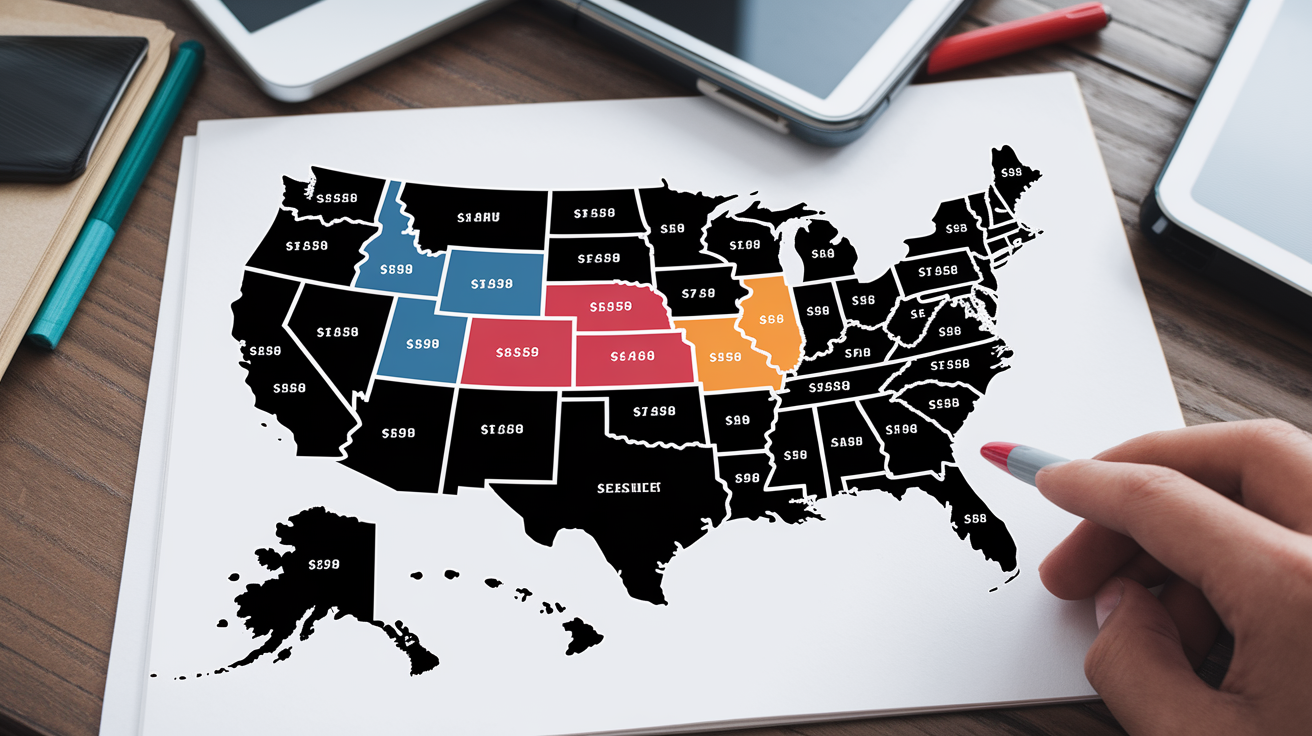
Identical fire damage can cost 30 to 50 percent more in high-cost metropolitan areas compared to rural regions, affecting your budget regardless of damage extent. These regional differences stem from labor markets, material logistics, and local regulatory environments that vary dramatically across the country.
Labor rate differences show up clearly. Coastal cities and major metros like San Francisco, New York, and Seattle see restoration labor rates of $75 to $125 per hour, while Midwest and Southeast markets average $45 to $75 per hour for the same work. Rural areas may drop to $35 to $60 per hour.
Material transportation costs hit remote locations harder. They pay premium prices for materials due to shipping distances and smaller supplier competition. A sheet of drywall costing $12 in suburban areas might run $18 to $22 in rural mountain or island communities.
Permit and inspection fees by municipality vary widely. Large cities charge higher permit fees and require more inspections than small towns. A kitchen rebuild permit might cost $250 in a rural county but $1,500 in a major city, with inspection fees adding hundreds more.
Contractor availability and demand affects pricing too. High-demand markets with construction booms see longer wait times and higher contractor rates. Post-disaster areas where multiple properties need restoration simultaneously face severe contractor shortages and price spikes.
Local building code stringency adds costs in certain regions. California seismic requirements, Florida hurricane codes, and wildfire-prone area regulations add costs that don’t exist in less-regulated regions. These requirements increase material specs and installation complexity.
Rough regional multipliers help estimate how national averages translate to your area. West Coast and Northeast markets typically run 1.2 to 1.5 times baseline national averages, meaning a $20,000 national average project costs $24,000 to $30,000 in these regions. Southeast and Midwest markets hover around 0.8 to 1.0 times baseline, bringing that same project to $16,000 to $20,000. Rural areas in any region tend toward 0.7 to 0.9 times baseline, or $14,000 to $18,000 for the example project.
Get multiple local estimates rather than relying solely on national averages. Three to five quotes from licensed contractors in your specific area provide accurate pricing that reflects your local market conditions, code requirements, and competitive environment.
Timeline and Project Management Costs for Fire Rebuilds
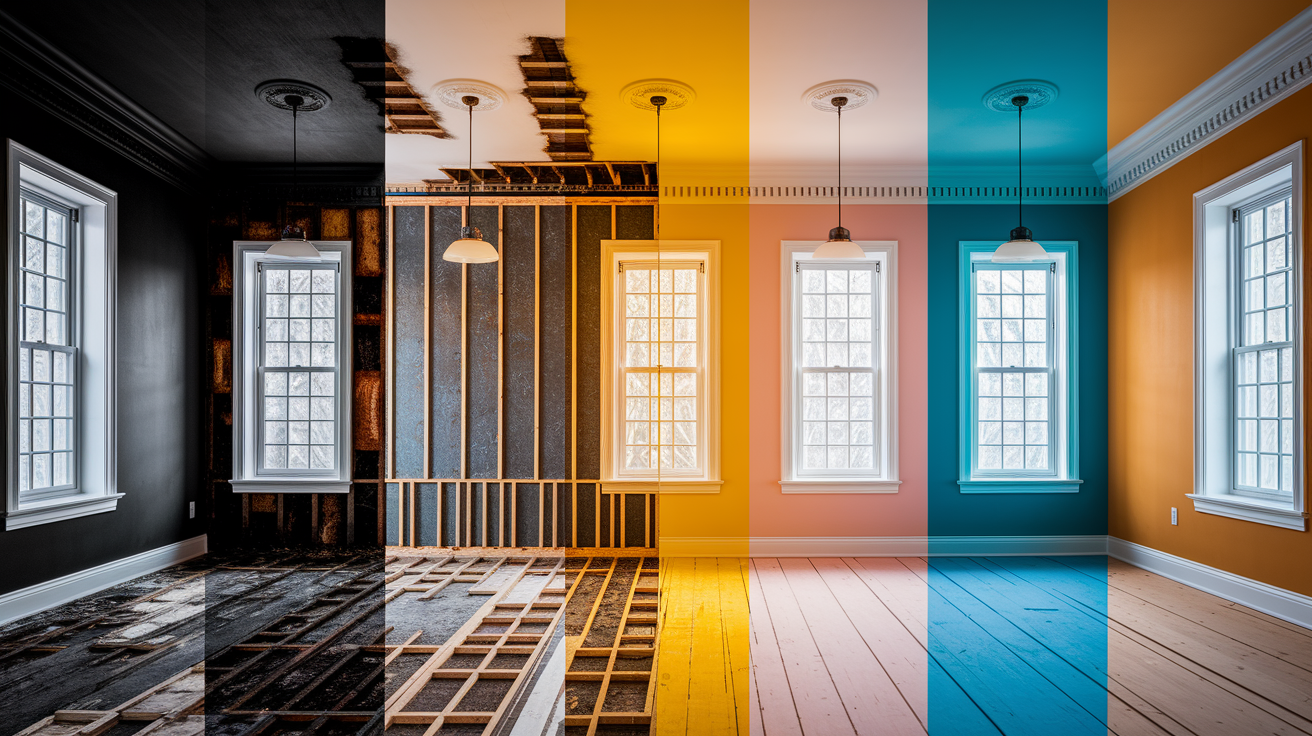
Realistic timeline expectations help you plan temporary housing, understand carrying costs, and avoid frustration during the rebuild process. Most interior fire restorations progress through distinct phases with specific durations.
Emergency stabilization takes 1 to 3 days and includes boarding up openings, tarping damaged roof areas, shutting off utilities, and securing the property against weather and unauthorized entry. Damage assessment and planning requires 3 to 7 days for professional inspection, moisture testing, scope development, and estimate preparation. Demolition and cleanup spans 1 to 2 weeks depending on damage extent, requiring removal of all burned materials, smoke-damaged surfaces, and contaminated insulation. Structural repairs take 2 to 4 weeks for framing work, roof repairs, and major system replacements before closing walls. Finish work requires 2 to 4 weeks for drywall, flooring, painting, trim, and final details.
Permit approval delays matter because building departments take 2 to 6 weeks to review and approve plans in busy jurisdictions. This adds timeline even before work starts. Expedited review costs extra but cuts wait time.
Material backorders affect availability of specific flooring, cabinets, fixtures, and appliances due to supply chain disruptions. Custom or specialty items may carry 8 to 16 week lead times.
Insurance approval processes take time as claim adjusters review contractor estimates, approve work scopes, and issue payment. Disputes over coverage require additional back-and-forth that delays starting work.
Inspection scheduling works on fixed schedules with limited availability. Missing an inspection slot delays progress by days or weeks until the next available appointment.
Contractor availability means reputable contractors book weeks or months in advance during busy seasons. Starting work may wait for your contractor’s schedule to open up.
Carrying costs during reconstruction add to your financial burden even while making no visible progress on repairs. Temporary housing runs $1,500 to $3,000 per month for apartments or extended-stay hotels comparable to your home. Storage for belongings costs $100 to $300 per month depending on the amount of furniture and items you need to protect during construction. You continue paying mortgage, property taxes, and insurance on your damaged home even while living elsewhere, creating double housing cost pressure.
Project management fees reach 10 to 20 percent of total cost when hiring general contractors to coordinate multiple trades. This percentage covers scheduling subcontractors, ordering materials, obtaining permits, coordinating inspections, and managing the job site daily. While this adds to your cost, experienced general contractors prevent delays, catch problems early, and ensure quality work that saves money over the long term.
Choosing Between Professional Restoration and DIY Fire Rebuild
Minor, isolated surface damage like a small wall area or single cabinet section might be DIY-appropriate if you have construction skills and proper safety equipment. Structural work, electrical repairs, plumbing, and extensive smoke damage require licensed fire damage restoration professionals with specialized equipment, training, and insurance coverage.
| Task | DIY Feasible? | Professional Recommended? | Risk Level |
|---|---|---|---|
| Smoke odor removal | No | Yes | High, requires specialized equipment and chemicals |
| Drywall replacement | Maybe | For large areas | Medium, finishing requires skill for professional appearance |
| Electrical repair | No | Yes, required by code | High, life safety hazard, permit required |
| Structural assessment | No | Yes | High, critical for safety and code compliance |
| HVAC cleaning | No | Yes | High, requires specialized equipment, impacts air quality |
| Flooring installation | Maybe | For complex patterns | Low to Medium, mistakes are visible but not dangerous |
| Plumbing restoration | No | Yes, permit required | High, water damage from leaks, code compliance |
| Final finishing | Maybe | For best results | Low, cosmetic impact only |
Cost-versus-risk tradeoffs favor professional work in most fire restoration scenarios. You might save $2,000 doing your own drywall but create $5,000 in problems if you miss hidden moisture, fail to seal smoke odor properly, or violate code requirements that cause issues during sale. Insurance may require licensed contractors for covered work, with policies specifically excluding damage caused by homeowner work or unqualified contractors. Your insurer won’t pay to fix problems you create through DIY attempts that go wrong.
Verify contractor qualifications before hiring. Look for a valid state contractor license showing proper classification for fire restoration work, IICRC (Institute of Inspection Cleaning and Restoration Certification) certification demonstrating training in fire and smoke damage restoration, liability insurance with minimum $1 million coverage protecting you from job site injuries or property damage, workers compensation insurance covering their employees, and verifiable references from recent fire restoration projects you can contact.
Cost-Saving Strategies for Interior Fire Rebuilds
Fire rebuilds are expensive but strategic choices reduce costs significantly without compromising quality or safety.
Final Words
The cost to rebuild interior after fire depends on damage severity, affected areas, and finish quality you choose.
Most projects fall between $4,000 and $27,000, but your specific scope drives the final number.
Start with professional assessment, get detailed estimates from licensed contractors, and document everything for insurance.
Act fast to prevent water and smoke damage from spreading. That saves money.
We coordinate the full rebuild sequence so you’re not juggling multiple contractors. One team, clear plan, finished look that matches your home.
Ready to move forward? We’ll walk you through next steps.
FAQ
How much does it cost to rebuild after a house fire?
The cost to rebuild interior after a house fire typically ranges from $4,000 to $27,000 for most homes, with minor incidents starting around $3,000 and severe cases exceeding $50,000. Per square foot pricing averages $4 to $7, depending on damage severity, materials selected, and the scope of structural repairs required. Factors like fire classification, affected rooms, smoke penetration depth, and water damage from firefighting efforts all impact final costs.
Does insurance pay for housing after a fire?
Insurance typically pays for temporary housing after a fire through additional living expenses (ALE) coverage included in most standard homeowners policies. This coverage reimburses costs like hotel stays, rental housing, meals, and storage during reconstruction, usually ranging from $1,500 to $3,000 monthly. Coverage limits and duration vary by policy, so review your specific terms and notify your insurer immediately to activate this benefit.
How long do toxic fumes last after a fire?
Toxic fumes and smoke odor last indefinitely after a fire without professional remediation, as smoke particles penetrate porous materials, circulate through HVAC systems, and settle in hidden spaces. Professional treatments like thermal fogging and ozone treatment eliminate smoke odor within days, but untreated homes continue releasing odor and compromising indoor air quality long-term. HVAC duct cleaning and thorough surface remediation prevent recontamination of cleaned spaces.
What is the most expensive thing to repair on a house after fire damage?
Structural framing repairs represent the most expensive component of fire rebuilding, typically costing $3,000 to $12,000 depending on damage extent and load-bearing element involvement. Class C electrical fires requiring complete rewiring can reach $12,000 to $23,000, while Class B flammable liquid fires cost $14,000 to $20,000 due to hazardous cleanup requirements. Combined structural, electrical, and finish work in severely damaged homes often exceeds $50,000.
What tasks can homeowners handle themselves during fire restoration?
Homeowners can handle minor tasks like removing smoke-damaged belongings, light demolition of non-structural elements, and basic cleaning of hard surfaces without professional help. However, structural assessment, electrical repairs, plumbing restoration, extensive smoke remediation, HVAC cleaning, and drywall replacement require licensed professionals due to safety risks, code requirements, and insurance coverage conditions. DIY work on critical systems risks costly mistakes and insurance claim complications.
How does fire classification affect restoration costs?
Fire classification directly affects restoration costs through cleanup requirements and material hazards, with Class A ordinary combustible fires costing $9,000 to $14,000, while Class D combustible metal fires reach $16,000 to $25,000 due to specialized equipment needs. Class B flammable liquid fires require hazardous material cleanup protocols, increasing costs to $14,000 to $20,000, and Class C electrical fires demand extensive rewiring at $12,000 to $23,000.
What building code upgrades add cost during fire rebuilds?
Building code upgrades commonly required during fire rebuilds include electrical system modernization, fire-rated drywall installation, upgraded insulation to current R-values, properly placed smoke detectors, egress window requirements, and GFCI outlet installation. Older homes may need substantial work to meet modern safety standards, with permit costs ranging $500 to $2,000 and inspections adding fees. These upgrades improve home safety and value despite increasing immediate costs.
How much does smoke and soot remediation cost separately from structural repairs?
Smoke and soot remediation costs $200 to $1,700 depending on soot type and treatment method, with dry soot removal running $400 to $700 and oily soot cleanup reaching $1,000 to $1,700. Thermal fogging for odor removal costs $200 to $585, while ozone treatment runs $235 to $465. Air duct cleaning after fire damage adds $275 to $490, necessary to prevent recontamination of cleaned living spaces.
What percentage of fire rebuild costs come from water damage?
Water damage from firefighting efforts often represents 20 to 40 percent of total fire restoration costs, with remediation ranging from $1,270 to $5,375 based on damage extent and water category. Category 1 clean water costs $3.30 to $4.05 per square foot, Category 2 gray water runs $4.10 to $7 per square foot, and Category 3 black water reaches $7 to $7.50 per square foot for professional extraction and drying.
Should you match existing materials or upgrade during fire rebuilds?
Whether to match existing materials or upgrade depends on budget, insurance coverage, and long-term home plans, with matching often more affordable but upgrades adding value and safety features. Strategic upgrades like fire-resistant drywall, improved insulation, and moisture-resistant materials in kitchens and bathrooms add minimal cost when incorporated during active construction. Some energy-efficiency and fire-safety upgrades qualify for tax credits or insurance discounts offsetting initial expenses.
How much should you budget for contingencies in fire restoration?
Budget 15 to 25 percent above initial estimates for contingencies in fire restoration to cover hidden costs discovered during demolition, like concealed structural damage, hazardous materials requiring abatement, mold from delayed water damage, and code upgrade requirements. Hard-to-reach areas like attics or crawl spaces increase labor costs, and material price fluctuations during extended projects add unexpected expenses requiring financial flexibility.
What qualifications should fire restoration contractors have?
Fire restoration contractors should hold active state licensing, IICRC certification demonstrating industry standard adherence, general liability and workers compensation insurance, and verifiable references from recent fire restoration projects. Experienced contractors provide detailed written estimates with itemized costs, clear timelines, payment schedules, warranty information, and transparent exclusions. Verify credentials before hiring and obtain multiple estimates for cost and scope comparison.