
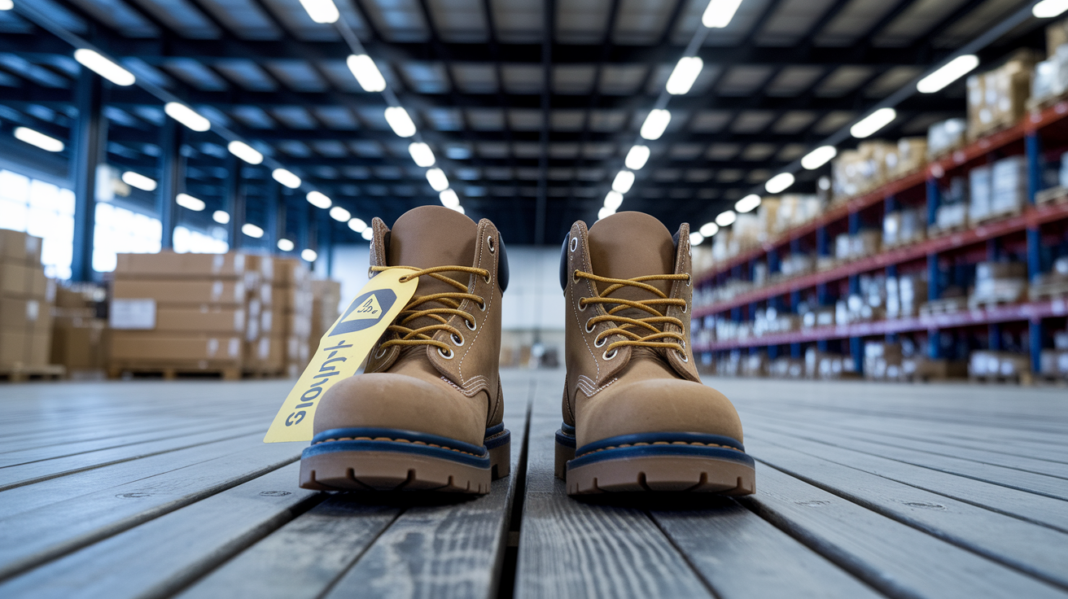

Most workers don’t think about electrical shock protection until they’re standing near live circuits or energized equipment. If your job puts you around electrical hazards, regular work boots won’t cut it. You need footwear that meets ASTM F2413 electrical hazard standards. These boots provide a critical insulation barrier between your feet and the ground when you contact energized surfaces. We’ll walk you through ASTM-certified EH safety-toe shoes, what the ratings actually mean, and how to match the right boot to your workplace hazards without overpaying for features you don’t need.
Top Brands and Product Comparisons for EH Safety-Toe Footwear
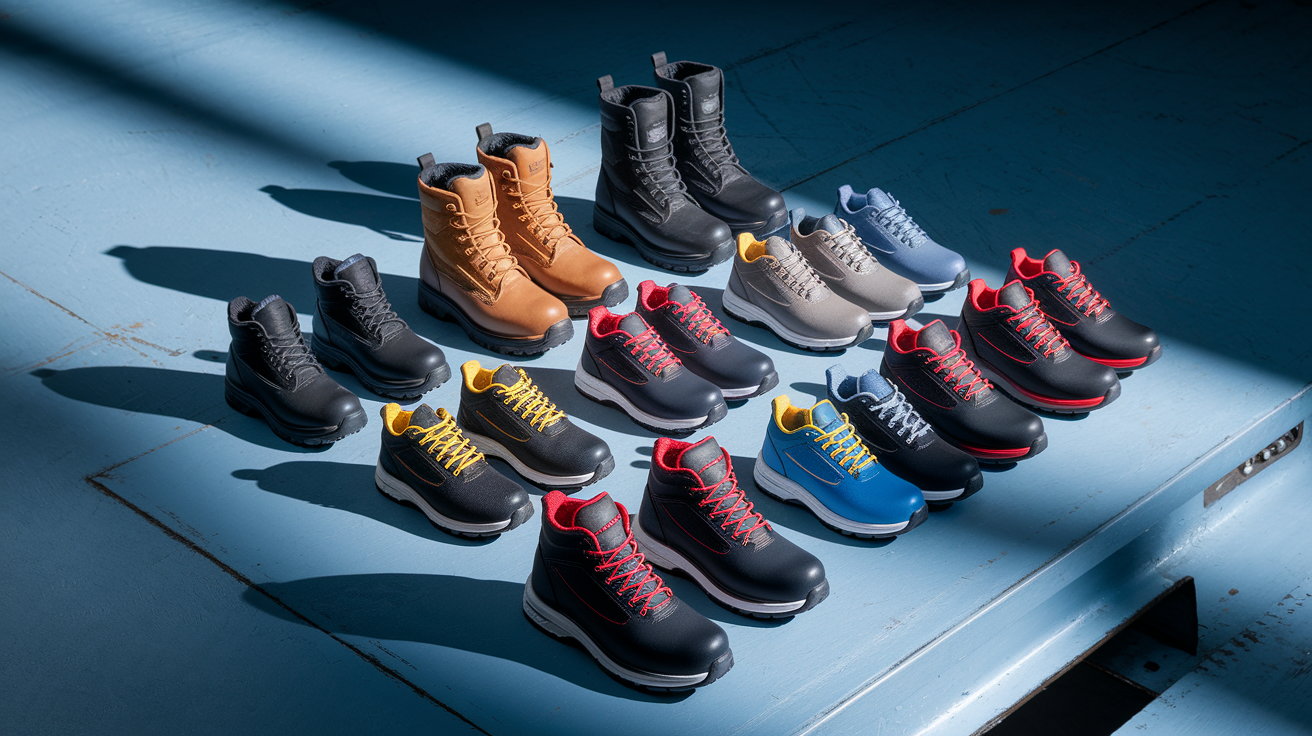
You’ve got over 200 EH-rated safety-toe styles to pick from right now. Athletic work shoes, traditional boots, specialized designs. All kinds of stuff. Major manufacturers have built out whole product lines for different workplaces, from construction sites to hospitals. The selection breaks down to 147 men’s styles and 71 women’s styles across different categories.
Product lines mix EH protection with other features like cushioning systems, tactical durability, or lightweight athletic construction. Some target fatigue reduction for people standing all day. Others go after rugged outsoles for outdoor environments.
| Product Line | Style Category | Key Features |
|---|---|---|
| Sublite Cushion Work | Athletic work shoe | Lightweight cushioning, running shoe design, shock absorption |
| Rapid Response RB | Tactical boot | Quick response design, side zipper, tactical durability |
| BB4500 Work | Athletic work shoe | Basketball-inspired design, ankle support, court traction pattern |
| All Terrain Work | Outdoor work boot | Aggressive tread, outdoor durability, varied surface traction |
| Nano Tactical | Tactical athletic | Crossfit-inspired design, flexibility, low-profile construction |
| Trailgrip Tactical | Outdoor tactical | Trail running design, grip pattern, terrain versatility |
| Zig Kinetica Edge II Work | Athletic work shoe | Energy return sole, zigzag cushioning, forward motion design |
Compare models based on toe protection type, extra safety certifications, comfort tech, and style preferences. That’s how you match footwear to workplace requirements and what you actually need. Athletic work shoes make up 122 styles, the biggest category. Traditional work boots include 33 styles for people who want higher ankle coverage. Look at how each model stacks multiple protections. Some combine EH rating with slip resistance and metatarsal guards in one boot.
What to compare:
- Toe cap material (steel, composite, alloy) and weight. Composite runs lightest. Steel offers traditional proven protection.
- Additional certifications like slip resistance, metatarsal guards, puncture resistance. 137 styles add slip-resistant soles.
- Style category. Athletic, traditional boot, dress shoe. Determines whether the boot fits your workplace dress code.
- Comfort features. Cushioning, arch support, fatigue reduction. Matters for 8-hour shifts and longer.
- Price point and warranty coverage. Higher cost often brings advanced cushioning or specialized features.
Buying Guide: Selecting the Right EH Safety-Toe Shoes
Match footwear features to specific workplace hazards and job requirements. Prevents you from overpaying for stuff you don’t need while making sure you get the certifications your employer actually requires.
How to select:
- Verify your workplace requires EH-rated footwear through hazard assessment. Ask your supervisor or safety manager about documented electrical exposure risks.
- Figure out what toe protection type you need based on impact hazard levels. Composite for 135 available styles, steel for 17 styles, or alloy for 21 styles.
- Identify additional safety features you actually need. Slip resistance, metatarsal guards, waterproof construction. Many jobs need more than just EH protection.
- Select style category that matches workplace dress requirements. Athletic shoes work in some settings. Traditional boots required in others.
- Choose correct size and width from available range. Men’s 6-14, women’s 4-8.5. 218 styles come in common sizes 8 through 11.
- Evaluate comfort features for how long you’ll be wearing them. Cushioning matters way more for all-day standing than occasional wear.
When you need multiple safety certifications, start with your employer’s required minimums. Then add features based on actual workplace conditions. The 191 EH styles offer different combinations of protection for industries from construction to healthcare. A nurse might go for slip resistance and comfort cushioning. A utility worker might need waterproof construction and metatarsal guards. Match the boot to what you actually face during your shift.
Fit evaluation means trying on footwear with the work socks you’ll actually wear. Make sure you’ve got proper toe room, about a thumb’s width from your longest toe to the boot’s end. Heel should stay secure without slippage. Walk around. Stand on your toes. Squat down. Most safety footwear requires a short break-in period, but the boot shouldn’t cause pain or pressure points even on day one.
Popular Styles and Design Options in EH Safety Footwear
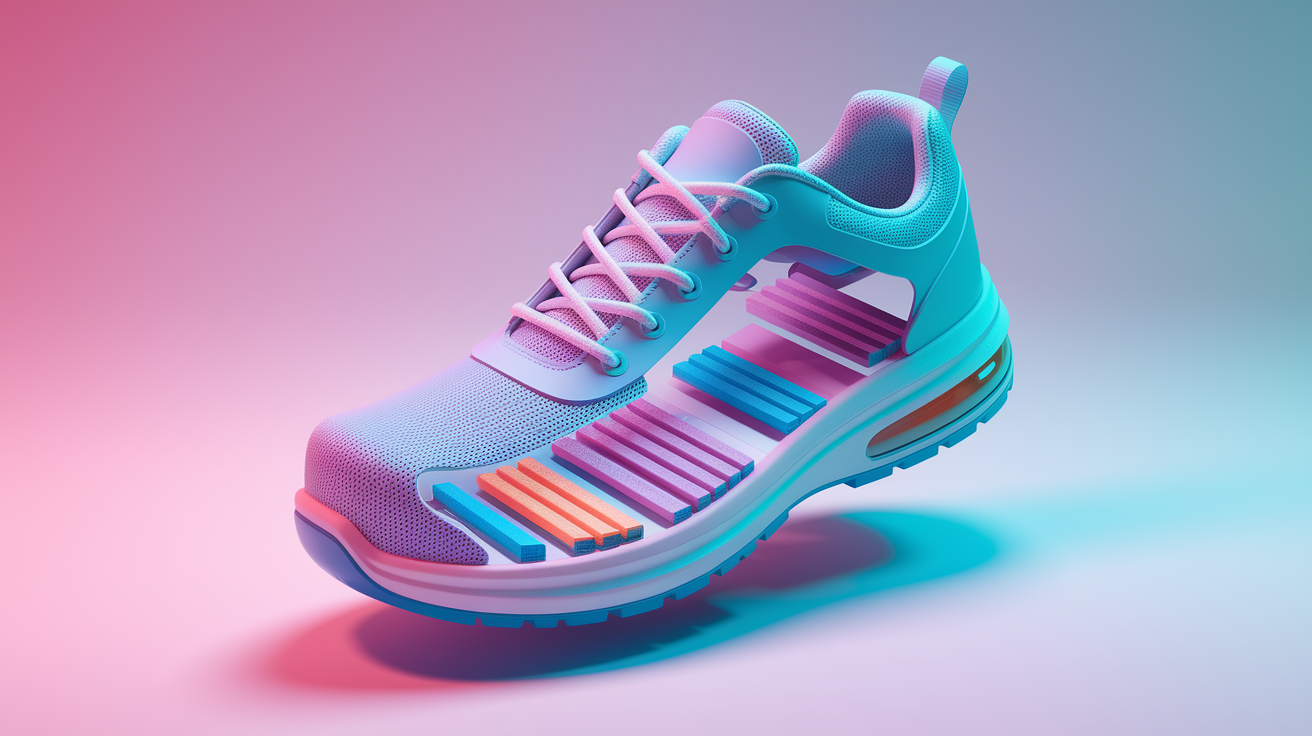
EH footwear’s evolved from traditional heavy work boots to all kinds of style options. Athletic-inspired designs that look more like running shoes than industrial boots. Workers don’t have to sacrifice comfort or modern looks to get electrical protection anymore.
Athletic work shoes now represent the largest category with 122 styles. Lightweight protection with modern aesthetics that fit in warehouses, healthcare facilities, and light manufacturing environments. These designs borrow cushioning technology and flexible construction from running shoes and training sneakers.
What’s available:
- Athletic work shoes and sneakers, 122 styles. Low-cut designs with athletic cushioning and breathable uppers.
- Traditional 6-inch work boots, 33 styles. Ankle support and durability for construction and outdoor work.
- Slip-on Romeo and Chelsea styles. Easy on and off for workers who remove boots frequently.
- Oxford and dress shoe designs. Professional appearance for utilities, postal service, and public-facing roles.
- Boat shoes and casual hikers. Versatile options that transition from work to off-duty wear.
- Slip-resistant booties and chukkas. Mid-height coverage without full boot weight.
Understanding EH-Rated Standards and Certification
ASTM F2413 certification standards verify the footwear’s electrical resistance capabilities. Class 75 rating requirements confirm the boot can withstand exposure to specific voltage levels when tested under controlled laboratory conditions. The certification process measures the footwear’s ability to resist electrical current passing through the sole and into your body. Boots must show they provide adequate insulation between your foot and the ground when contacting energized electrical equipment.
EH-rated footwear works as secondary protection, not primary safeguard, when you contact live electrical circuits or energized conductors. These boots won’t save you if you grab a live wire with your bare hands. But they can prevent electrical shock from traveling up through your feet if you step on an energized surface while working.
Testing procedures that qualify footwear for EH certification include controlled voltage resistance specs. Boots get placed on conductive plates, exposed to specific voltage levels, and monitored for current leakage. The footwear must limit electrical current to less than 1.0 milliampere under these controlled conditions. Temperature and humidity factors are regulated during testing to ensure consistent results across different manufacturers.
Certification ensures footwear can withstand specific voltage limits and prevents electrical current from passing through to you when properly maintained. But the protection degrades if the sole gets compromised by cuts, embedded metal objects, or excessive wear.
Safety-Toe Options in Electrical Hazard Footwear
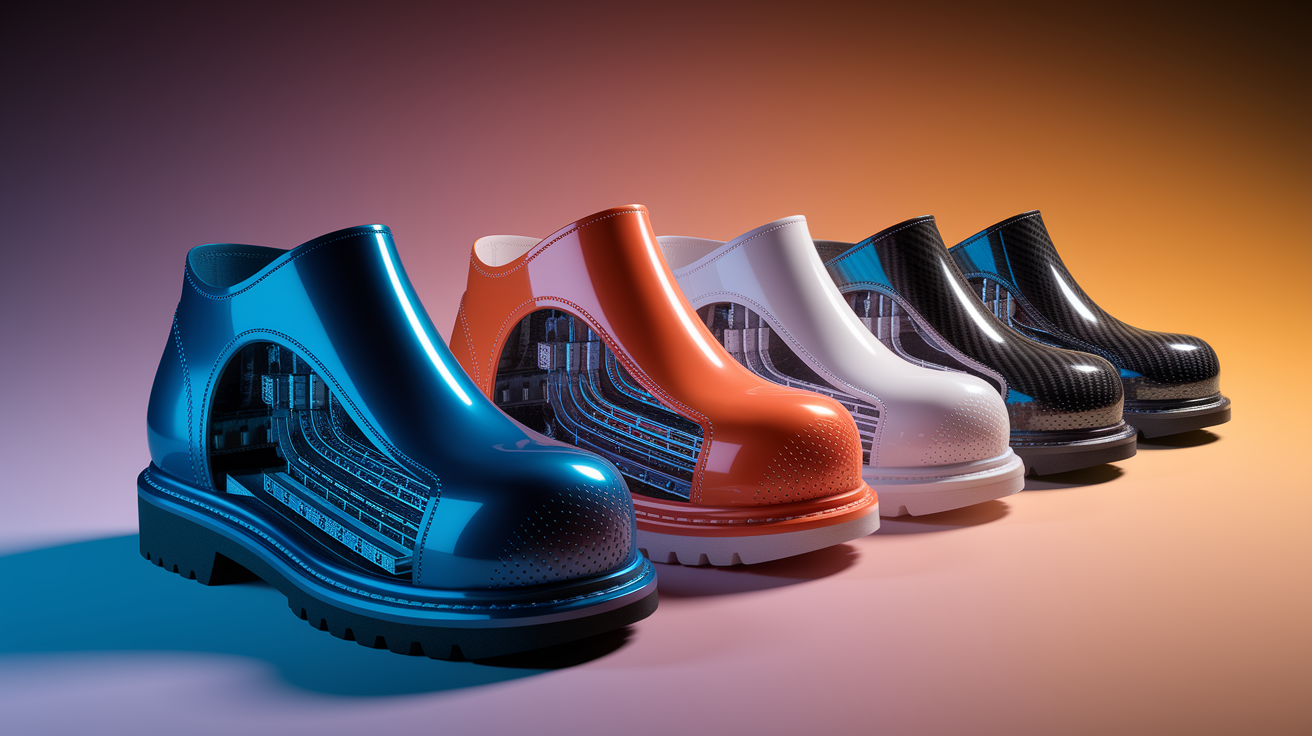
EH protection can be combined with different toe cap materials. Each offers different benefits for impact and compression protection based on ASTM standards.
Toe protection types:
- Steel toe. Traditional protection, magnetic properties, weight characteristics, durability. 17 styles available. Provides proven impact resistance but adds weight and conducts temperature. Makes your feet colder in winter and hotter in summer.
- Composite toe. Non-metallic, lightweight, non-conductive, temperature advantages. 135 styles available. Most common option because it passes through metal detectors, doesn’t conduct heat or cold, and weighs less than steel.
- Alloy toe. Lighter than steel, similar strength, thinner profile. 21 styles available. Offers a slimmer toe box than steel while maintaining impact protection for workers who need extra room for toe movement.
- Carbon toe. Lightweight alternative, flexibility benefits. 1 style available. Provides impact protection with more flex than composite or steel, though less common in current inventory.
- Soft toe. No safety toe cap, for environments without impact hazards. 44 styles available. Works when your employer requires EH protection but doesn’t have falling object risks.
Select toe type based on workplace hazard assessment, metal detector requirements, and comfort preferences. What actually happens at your job site matters. If you walk through security checkpoints, composite avoids the metal detector hassle. If you’re working around heavy equipment or falling materials, steel or alloy provides maximum impact resistance. If your workplace just has electrical exposure without impact hazards, soft toe keeps weight down and gives your toes more room to move.
Essential Construction and Protection Features
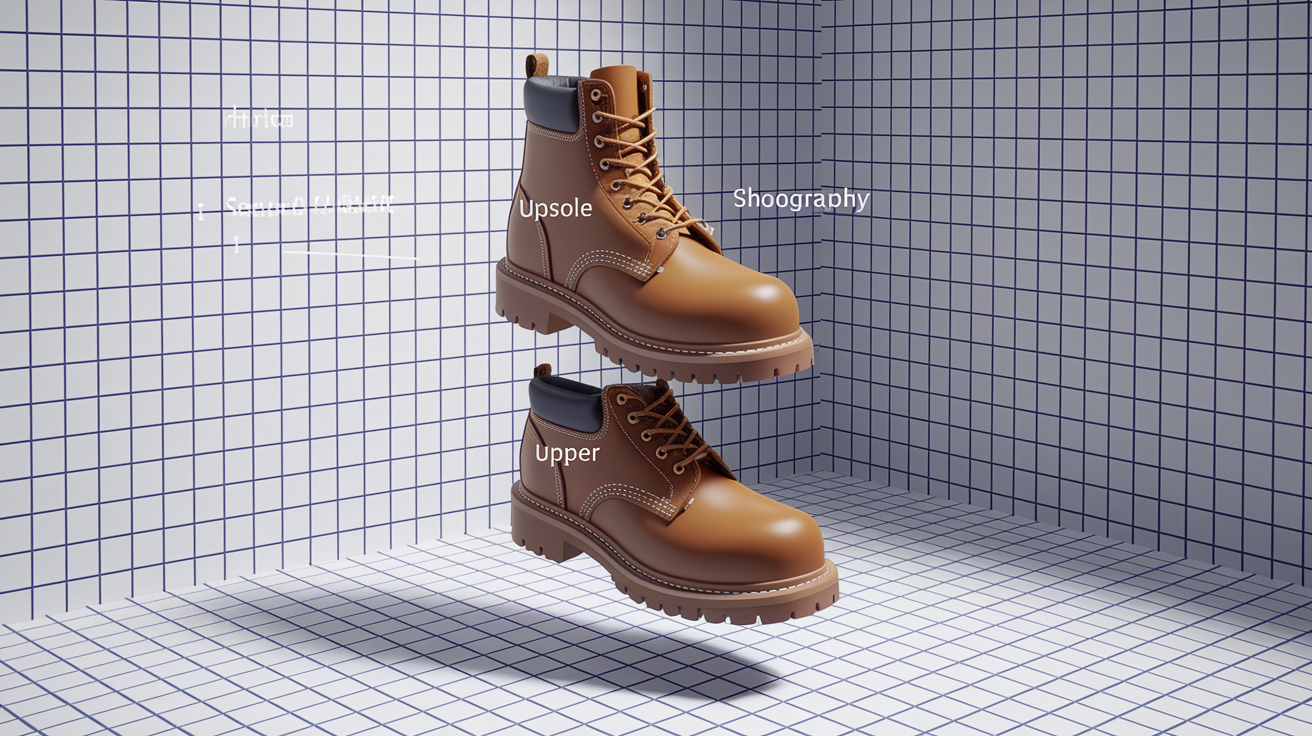
Insulated sole construction is the primary EH feature. Non-conductive materials in midsoles and outsoles create an electrical barrier between your foot and any energized surface you might step on. The rubber outsole composition stays non-conductive while providing traction and durability for various surfaces. Manufacturers build multiple layers into the sole system. A cushioning midsole, a shank for arch support, and an outsole with tread pattern. Each layer must maintain electrical resistance throughout the boot’s life.
Upper material considerations include leather construction that provides durability and some water resistance. Waterproof membranes in 29 styles keep feet dry in wet conditions. Breathable materials maintain comfort without compromising electrical protection. The upper doesn’t carry the electrical protection (that’s all in the sole), but it affects overall comfort during long shifts.
| Safety Feature | Protection Benefit | Available Styles |
|---|---|---|
| Slip resistant | Prevents falls on wet, oily, or smooth surfaces | 137 styles |
| Metatarsal guard | Protects top of foot from falling objects and compression injuries | 26 styles |
| Puncture resistant | Prevents sharp objects from penetrating through sole | Varies by model |
| Waterproof | Keeps feet dry in wet environments and outdoor conditions | 29 styles |
| Static dissipative | Safely dissipates static electricity in controlled environments | 6 styles |
| Oil/chemical resistant | Outsole resists degradation from petroleum products and chemicals | Varies by model |
Modern EH footwear combines multiple certifications and protective features in a single boot. Lets workers address several hazards without wearing different boots for different tasks. Figure out which combination matches specific job requirements by starting with your employer’s required certifications, then look at actual workplace conditions. A maintenance worker in a food processing plant might need EH rating, slip resistance, and waterproof construction. An electrician on outdoor job sites might go for EH rating, puncture resistance, and metatarsal guards. Make sure additional features don’t compromise EH protection. Static dissipative boots serve different purposes than standard EH boots and shouldn’t be substituted without understanding the difference.
Industries and Workplace Applications for EH Protection
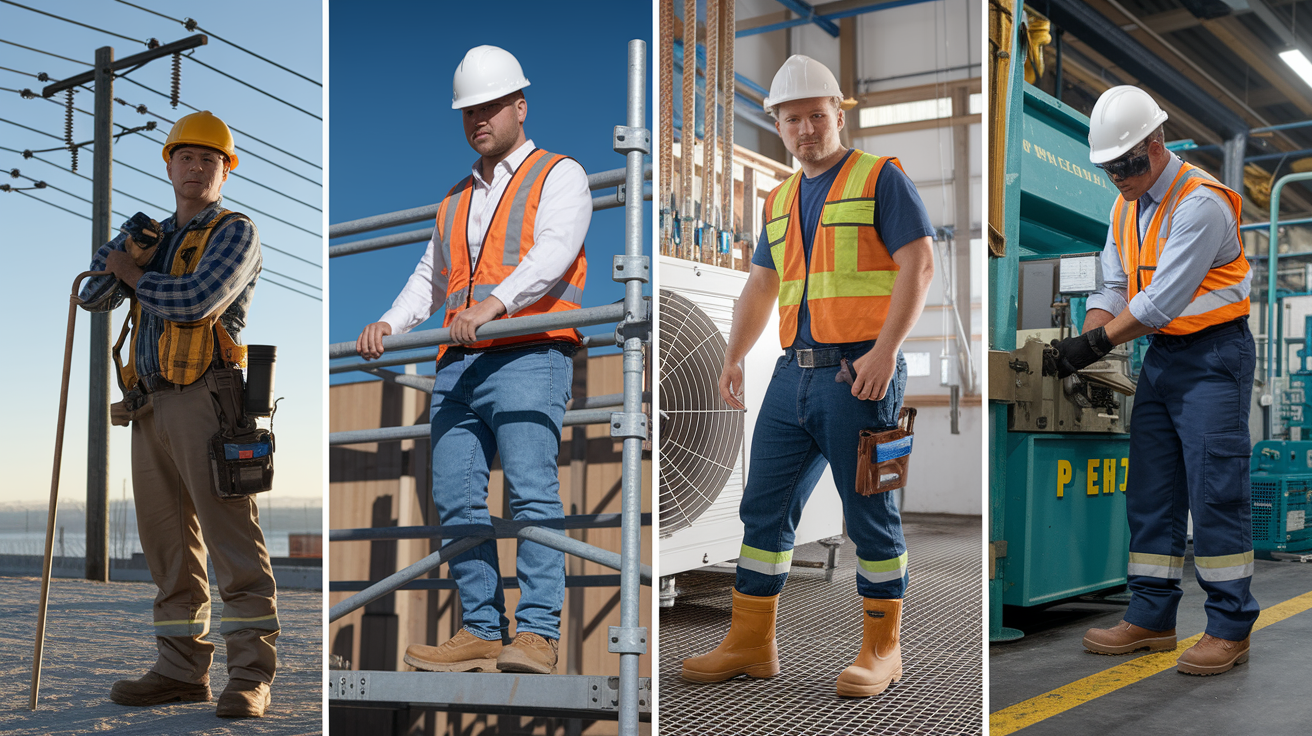
EH protection is required wherever workers may contact energized electrical equipment or work near electrical circuits. Even in industries that don’t primarily focus on electrical work.
Who needs EH protection:
- Electricians and electrical contractors. Install, maintain, and repair electrical systems in residential, commercial, and industrial settings.
- Utility and power line workers. Work on overhead lines, underground cables, and substation equipment.
- Construction and building trades. Encounter electrical circuits during framing, installation, and renovation work.
- Manufacturing and industrial maintenance. Service machinery and equipment that may have electrical exposure points.
- HVAC technicians. Work around electrical components in heating, ventilation, and air conditioning systems.
- Telecommunications installers. Handle powered equipment and work near electrical infrastructure.
- Plant and facility maintenance. Maintain buildings with exposure to electrical panels and circuits.
- Equipment service technicians. Repair industrial equipment with electrical components.
OSHA requires employers to conduct hazard assessments and provide appropriate PPE compliance when electrical hazards are identified. Your employer must evaluate the workplace, identify electrical hazards, determine what level of protection workers need, and supply footwear that meets those requirements. This applies beyond obvious electrical jobs. Food service workers near industrial kitchens, healthcare workers around medical equipment, and warehouse workers operating powered material handling equipment all work in environments where EH protection may be required based on the facility’s electrical systems.
You’ve got rights as an employee. You’re entitled to proper training on when EH-rated footwear is necessary and understanding the role of EH footwear as secondary protection. It supplements, but doesn’t replace, primary electrical safety protocols like lockout/tagout procedures and de-energization. You’re entitled to know what hazards exist at your workplace and what protection your employer requires. EH boots won’t protect you if you’re working directly on live circuits. That requires specialized training, tools, and primary electrical safety equipment. The boots protect against accidental contact with energized surfaces while performing other work tasks.
Care and Replacement Guidelines
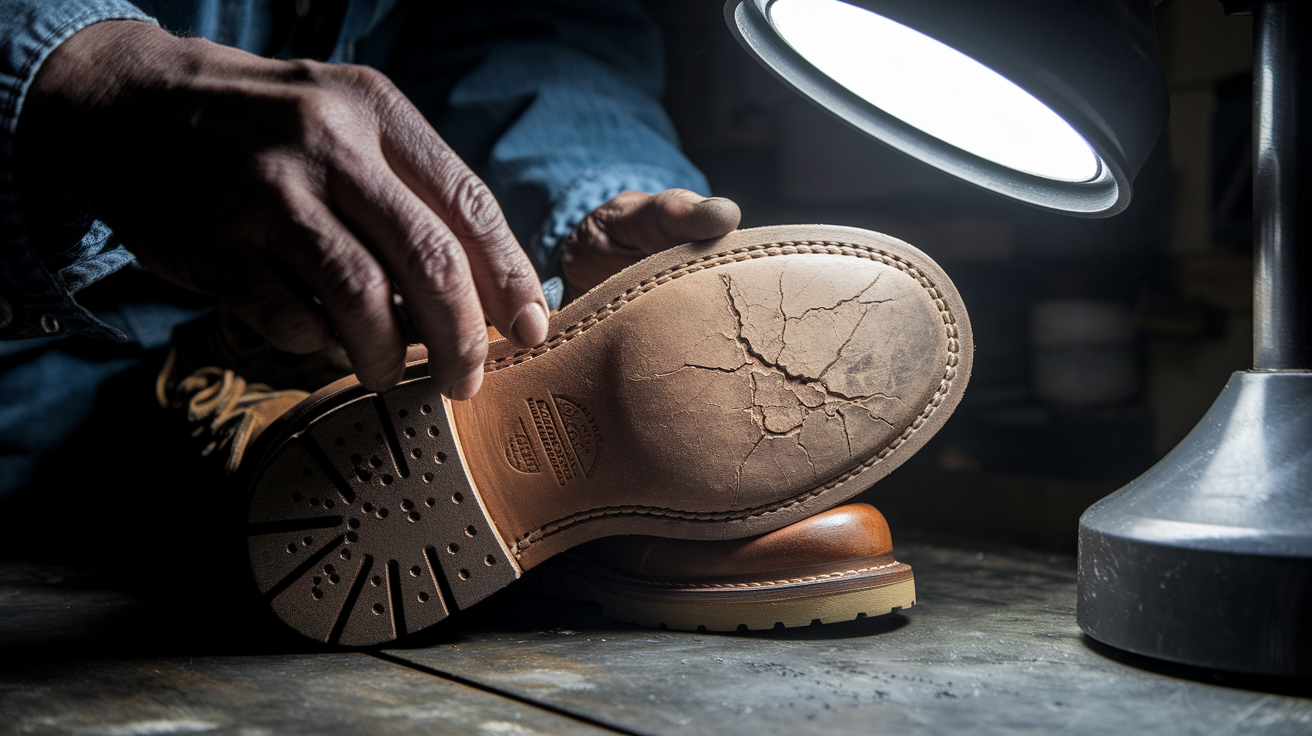
Regular inspection matters since electrical protection can degrade with wear, damage, or contamination that compromises the sole’s ability to resist electrical current.
Inspection checklist:
- Examine outsoles for cracks, punctures, or worn areas that expose inner materials. Any break in the rubber outsole creates a path for electrical current.
- Check for sole separation or delamination at the upper junction. The sole must stay fully attached to maintain the electrical barrier.
- Inspect for embedded conductive materials. Metal shavings, staples, nails. Even a small piece of metal stuck in the tread can conduct electricity.
- Verify waterproof integrity hasn’t been compromised. Water inside the boot can create a conductive path.
- Look for chemical contamination or oil saturation that affects insulation. Some chemicals break down rubber compounds.
- Check that safety toe protection hasn’t been crushed or damaged. A crushed toe cap indicates the boot took an impact and may have hidden damage.
- Assess overall wear patterns and sole tread depth. Replace when wear indicators show damage that compromises electrical protection. Typically when tread depth is less than half the original depth or when the sole shows visible cracks.
Price Ranges and Value Considerations for Electrical Hazard Work Boots
Typical price ranges for EH-rated safety-toe footwear span from budget-friendly options around $80 to $120 to premium models with advanced features reaching $180 to $250. Entry-level boots meet the same ASTM F2413 certification as premium models. They differ in comfort technology, additional safety features, and expected durability.
Value factors to look at:
- ASTM certification and testing. Baseline requirement across all price points. Every EH-rated boot meets the same electrical resistance standards regardless of cost.
- Additional safety certifications. Slip resistance, metatarsal guards, puncture resistance. Combining multiple protections in one boot adds cost but eliminates buying separate footwear.
- Comfort technology and cushioning systems. Premium cushioning matters for workers on their feet 8 to 12 hours daily.
- Durability features and warranty coverage. Better materials and construction extend the boot’s working life.
Brand comparisons show how to assess whether premium features justify higher costs based on workplace demands, wear frequency, and specific hazard exposure. A worker who wears EH boots daily for standing work gets more value from advanced cushioning and fatigue-reduction features than someone who wears them occasionally. Someone working in wet conditions benefits from waterproof construction even at a higher price. The 200 styles currently in stock across major manufacturers include options at various price points with different feature combinations.
Total cost of ownership includes replacement frequency and injury prevention value beyond the initial purchase price. A $90 boot that wears out in 6 months costs more over two years than a $160 boot that lasts 18 months. More importantly, proper protection that prevents a single electrical shock injury or slip-and-fall accident pays for itself immediately. Calculate what you actually spend per month of use, not just the upfront cost.
Final Words
Over 200 EH-rated styles give you real choices across athletic work shoes, traditional boots, and specialized designs that match your job site needs.
Electrical hazard safety-toe shoes now combine voltage protection with features like slip resistance, cushioning systems, and lightweight construction.
Compare toe cap materials, additional certifications, and comfort technologies to find footwear that handles your specific workplace hazards.
Check outsoles regularly for damage that compromises protection, and replace boots when you spot cracks, separation, or embedded conductive materials.
The right pair keeps you protected, comfortable, and focused on the work ahead.
FAQ
What are electrical hazard safety toe shoes?
Electrical hazard safety toe shoes are work boots or shoes that combine electrical shock protection with reinforced toe caps to protect against impact and compression hazards. These shoes meet ASTM F2413 standards for both electrical insulation and toe protection, creating a barrier between your feet and live electrical circuits while safeguarding toes from falling objects.
What is the OSHA standard for electrical safety shoes?
The OSHA standard for electrical safety shoes requires footwear to meet ASTM F2413 specifications for electrical hazard protection when workplace hazard assessments identify electrical shock risks. OSHA mandates that employers provide appropriate protective footwear when workers may contact energized equipment, requiring EH-rated shoes as secondary protection in electrical environments.
What are the OSHA rules for steel-toe shoes?
The OSHA rules for steel-toe shoes require employers to provide protective footwear meeting ASTM F2413 standards when workplace hazards include risk of foot injuries from falling objects, crushing, or electrical hazards. Employers must conduct hazard assessments to determine when safety toe protection is necessary and ensure provided footwear matches identified workplace risks.
Can electricians wear steel-toe shoes?
Electricians can wear steel-toe shoes if the footwear also carries an EH rating that meets ASTM F2413 electrical hazard standards. Steel toe protection combined with electrical hazard certification is available in 17 styles, providing both impact protection and electrical insulation, though composite toe options offer non-metallic alternatives that avoid magnetic properties.