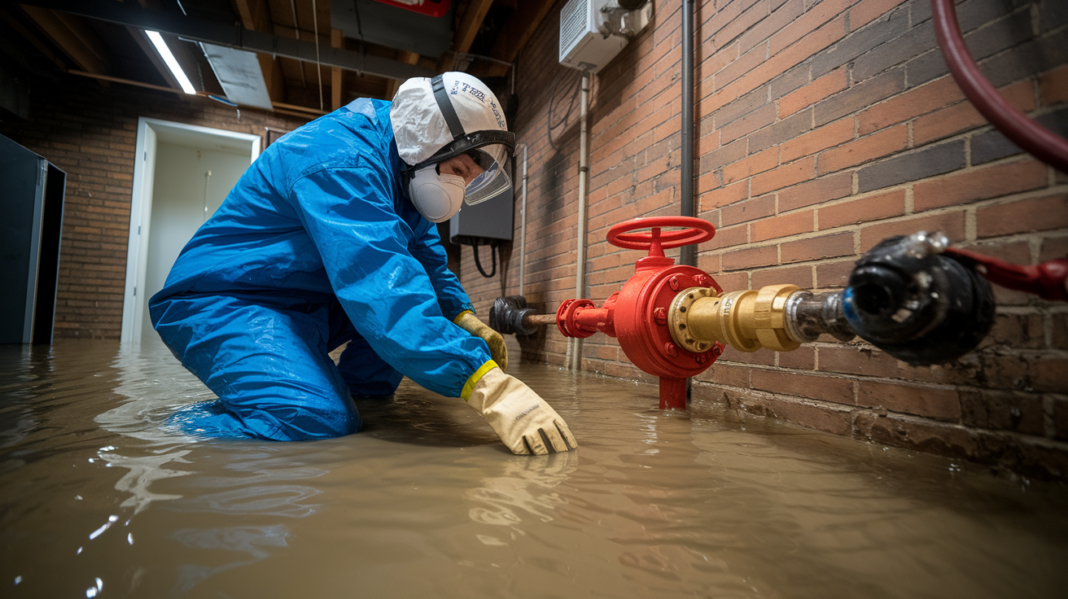

Think you can just mop up a sewage spill and call it fixed? Think again.
Raw sewage is black water loaded with bacteria, viruses, and sewer gas that starts harming people and structure the minute it enters your home.
This guide walks you through safe emergency steps to stop the risk now: how to check hazards, shut off power and plumbing, suit up with the right gear, isolate and remove contaminated materials, and document damage for repairs and insurance.
Follow these steps and you’ll cut health risks, mold growth, and repair costs.
Immediate Step-by-Step Sewage Backup Cleanup Actions
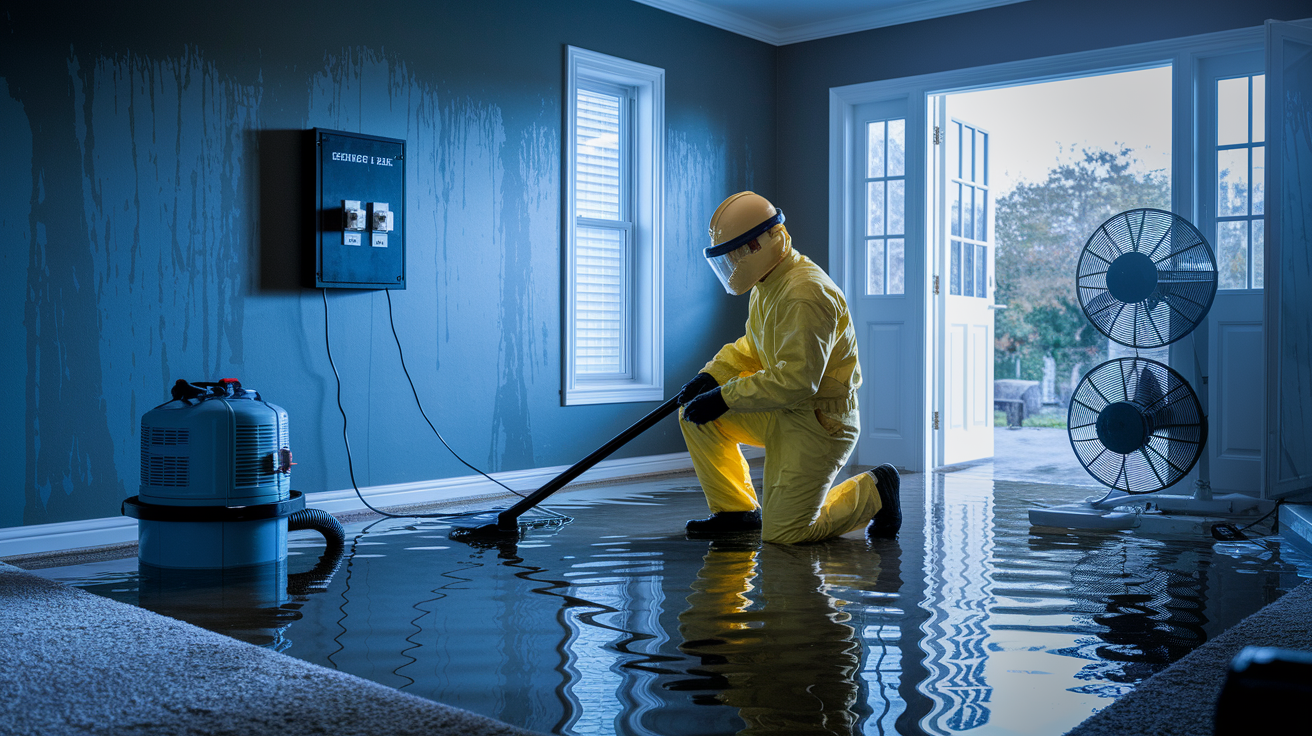
Sewage backup is Category 3 contaminated water. Black water. It’s loaded with bacteria, viruses, and parasites that can make you seriously sick. When raw sewage comes into your home through a floor drain, toilet overflow, or broken sewer line, you’re on the clock. Health exposure starts immediately, and so does structural damage. Sewer gas builds up fast in enclosed spaces, creating respiratory hazards and even ignition risks.
Before you touch anything, figure out how far the contamination spreads. Look for standing water, wet walls, saturated carpet, visible fecal matter or toilet paper. Check if the water’s reached electrical outlets, baseboards, or furniture. If the backup covers more than a small area or if you see water near any electrical panel, breaker box, or outlet, don’t enter the room.
Turn off electrical power to the affected area at the circuit breaker. Water and electricity create immediate shock and fire hazards. If the main panel is in the flooded area or you can’t safely reach it, call an electrician before entering. Once power’s confirmed off, stop all plumbing use immediately. No flushing toilets, running sinks, or using washing machines. This prevents additional sewage from entering the space.
Isolate the contaminated rooms by closing doors and turning off HVAC systems that share air with the rest of the house. This reduces the spread of airborne bacteria and sewer gases. Open windows in the affected area only, and position fans to push contaminated air outside, not into adjacent rooms.
Begin initial water removal as soon as it’s safe to enter. For small amounts of standing water, a wet/dry vacuum can start the process. For larger backups, you’ll need a sump pump or sewage pump. Don’t attempt full extraction without proper protective equipment and containment measures.
Quick response sequence for sewage backup:
- Identify the contamination zone and note all visible hazards, including electrical outlets and structural damage.
- Turn off electrical power to affected rooms at the circuit breaker.
- Stop all household plumbing use to prevent additional sewage flow.
- Evacuate people and pets from contaminated areas.
- Open windows in the affected space and close interior doors to isolate the contamination.
- Turn off HVAC systems serving the contaminated zone.
- Put on minimum protective gear (gloves and boots) before entering for initial assessment.
- Begin initial standing water removal using a wet/dry vacuum or pump if safe to do so.
Mold can begin forming within 24 to 48 hours after water intrusion. Early drying is critical even before full disinfection is complete. Fans and dehumidifiers should be positioned as soon as standing water is reduced, but full drying procedures must wait until all contaminated materials are removed and surfaces are disinfected.
Safety Protocols and Protective Gear for Sewage Cleanup
Sewage contains pathogenic bacteria like E. coli and Salmonella, viruses including hepatitis A, and parasites such as Giardia. Direct skin contact, inhalation of contaminated aerosols, or accidental ingestion during cleanup can lead to gastrointestinal illness, skin infections, respiratory distress, and more serious systemic infections. Sewer gas exposure adds risks of hydrogen sulfide poisoning and methane asphyxiation in poorly ventilated spaces.
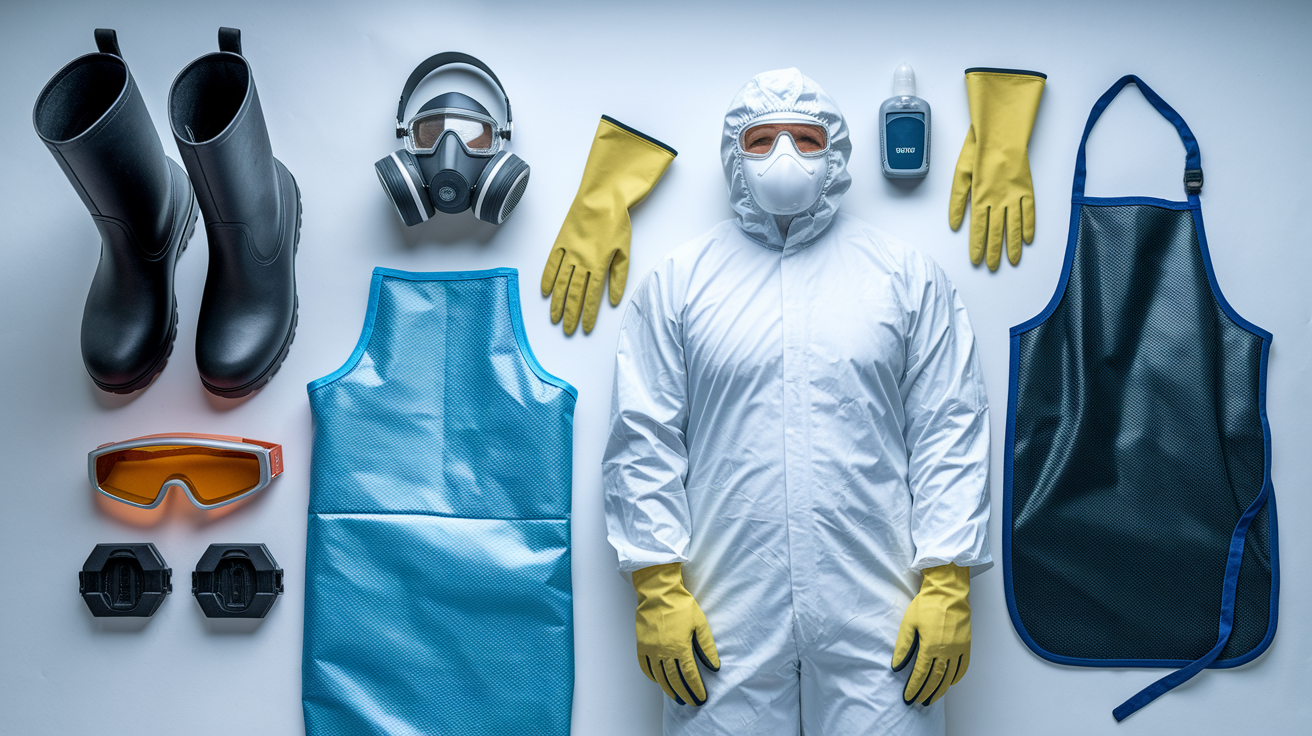
Every person entering a sewage contaminated area must wear complete personal protective equipment from the moment they cross the threshold until they’ve decontaminated and removed all gear. Partial protection isn’t sufficient when dealing with black water contamination.
Required personal protective equipment:
- Rubber boots with non-slip soles that extend above the ankle, not fabric or leather shoes that absorb contaminated water.
- Heavy duty rubber gloves rated for chemical and biological hazards, extending past the wrist. Disposable nitrile gloves aren’t adequate.
- Safety goggles or a full face shield to prevent splashes from reaching eyes and mucous membranes.
- N95 respirator or better to filter airborne bacteria and sewer gases. A cloth mask or surgical mask doesn’t provide adequate protection.
- Long sleeved coveralls or disposable Tyvek suit to prevent skin contact with contaminated surfaces.
- Waterproof apron if working in areas with deep standing water or heavy sludge.
Remove all protective clothing and boots in a controlled manner before leaving the contaminated area. Peel gloves inside out to contain contamination, and place all disposable items in heavy duty plastic bags sealed tightly. Reusable boots and coveralls must be scrubbed with hot water and disinfectant outdoors or in a utility sink, never in a kitchen or bathroom sink. Wash hands thoroughly with soap and hot water for at least 20 seconds immediately after removing gloves, scrubbing under nails and between fingers. Then wash again after handling and bagging contaminated clothing.
Electrical Hazard Considerations
Water conducts electricity. If sewage has reached outlets, light switches, appliances, or any electrical wiring, the entire floor and all wet materials become potential shock hazards. Before entering a flooded area, confirm that power to that zone is off at the main breaker panel. If you can’t safely access the panel without stepping into water, call a licensed electrician to shut off power from outside the building.
Even after power is confirmed off, treat all visible wiring, outlet boxes, and appliances as potentially energized until an electrician inspects and clears them. Standing water around furnaces, water heaters, washers, dryers, and refrigerators creates compounded risks. Don’t attempt to move or unplug any appliance standing in contaminated water.
Water Extraction and Contaminated Material Removal in a Sewage Backup Cleanup Procedure
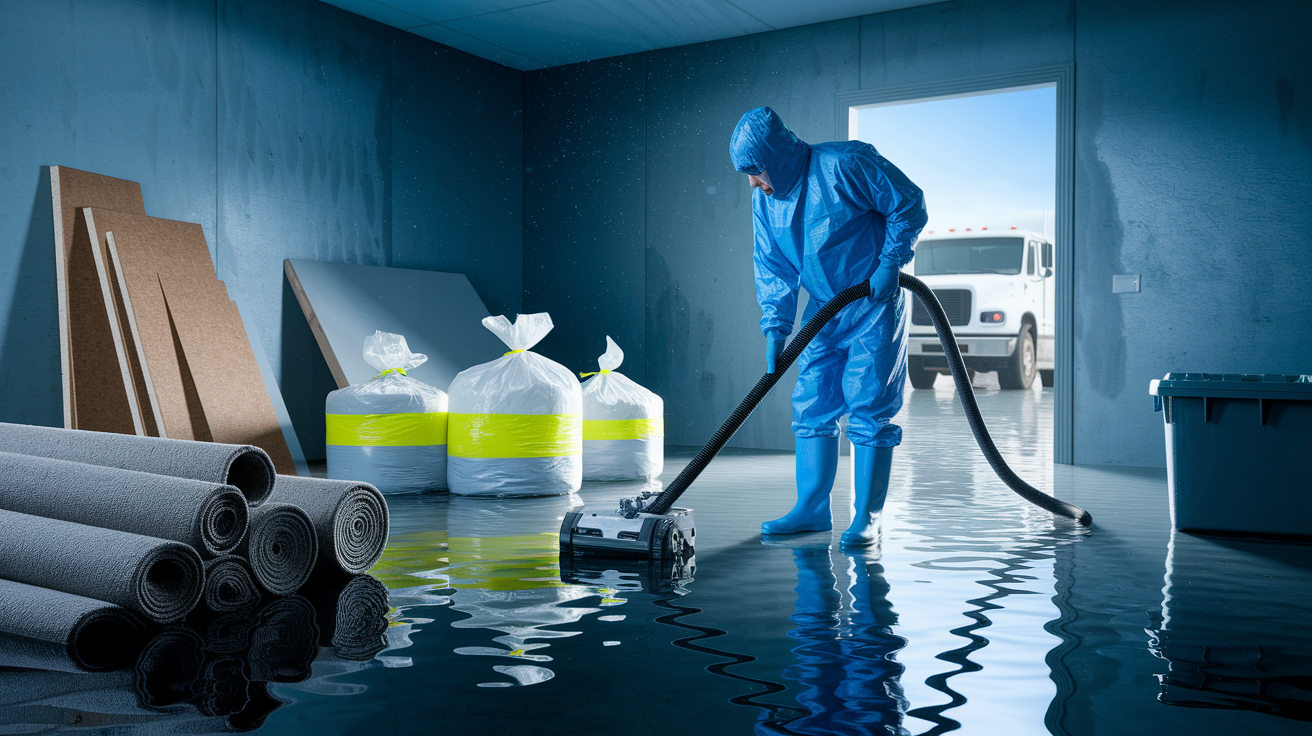
Once safety protocols are in place and the area is secured, the next priority is removing all standing sewage and contaminated water. Small backups with less than an inch of standing water can often be handled with a wet/dry vacuum rated for liquids, emptying the tank frequently into a utility sink or toilet in an unaffected part of the house. For backups covering more than a few square feet or involving more than two inches of water, you’ll need a sewage pump or submersible sump pump to move large volumes quickly.
Position the pump or vacuum hose at the lowest point in the flooded area and work methodically toward the entry point, pushing water toward the extraction tool rather than spreading it. Dispose of extracted sewage water according to local regulations. Most municipalities require disposal into a sanitary sewer cleanout or toilet, not into a storm drain or onto the ground. If you’re unsure of local rules, contact your municipal wastewater department before dumping. For extensive backups affecting multiple rooms or basements, professional restoration companies bring truck mounted extraction units and industrial pumps that remove water faster and more completely than homeowner grade equipment.
After standing water is removed, focus shifts to discarding all porous materials that contacted sewage. Porous materials absorb contaminated water deep into their structure, making complete disinfection impossible. Carpeting, carpet padding, upholstered furniture, mattresses, particleboard, and most insulation must be removed and discarded. Solid hardwood flooring can sometimes be saved if it’s quickly dried and professionally sanded and refinished, but engineered wood, laminate, and any flooring with swollen or delaminated layers must go. Drywall that wicked sewage more than a few inches above the floor line should be cut out and removed.
| Material Type | Salvageable? |
|---|---|
| Carpet and padding | No – always discard after sewage contact |
| Drywall (lower 12–24 inches) | No – cut out contaminated sections |
| Solid hardwood flooring | Sometimes – if dried quickly and refinished |
| Laminate or engineered wood | No – absorbs water and delaminates |
| Non-porous surfaces (tile, metal, sealed wood) | Yes – clean and disinfect thoroughly |
Material removal steps:
- Cut power to the area and confirm all electrical hazards are controlled.
- Remove all loose items (furniture, boxes, stored goods) from the contaminated zone.
- Pull up carpeting and padding in sections, rolling from the farthest corner toward the exit to avoid tracking contamination.
- Seal contaminated materials in heavy duty contractor bags (6 mil or thicker) immediately after removal.
- Cut and remove damaged drywall, starting at least 12 inches above the highest water line.
- Bag and remove insulation that contacted sewage or became wet from wicking.
- Dispose of bagged materials according to local solid waste regulations. Many areas require curbside notification or special pickup for sewage contaminated waste.
Final Words
Stop the water, shut off power if it’s safe, and put on basic PPE, like gloves and boots, so nobody gets hurt.
Act fast: identify the hazard, cut the source, begin short-term water removal, discard soaked porous materials, disinfect, and start multi-day drying. We also covered electrical risks, detailed extraction and disposal, and why photos and notes matter for claims.
Follow this sewage backup cleanup procedure, take photos and moisture readings, and call professionals for large jobs. Quick action prevents mold and speeds repairs, and you’ll get the space back to normal.
FAQ
Q: How to clean up after a sewage backup?
A: Cleaning up after a sewage backup means stopping the source, removing standing black water, discarding soaked porous materials, disinfecting with EPA‑approved products, and calling a pro for large extraction or structural damage.
Q: Is it safe to stay in house after sewage backup?
A: Staying in the house after a sewage backup is unsafe if sewage, odors, or wet materials are present; sewage carries bacteria, viruses, and sewer gas. Leave until power is off and contamination is controlled.
Q: How much does sewage cleanup cost?
A: The cost to clean up a sewage backup depends on size and damage; small DIY cleanups may cost a few hundred dollars, while professional extraction, testing, and repairs often cost thousands, so get a local inspection and written estimate.
Q: What is the best disinfectant for sewer backup?
A: The best disinfectant for a sewer backup is an EPA‑registered product labeled for wastewater pathogens; household bleach diluted per label is an alternative, used with gloves, ventilation, and proper contact time.