
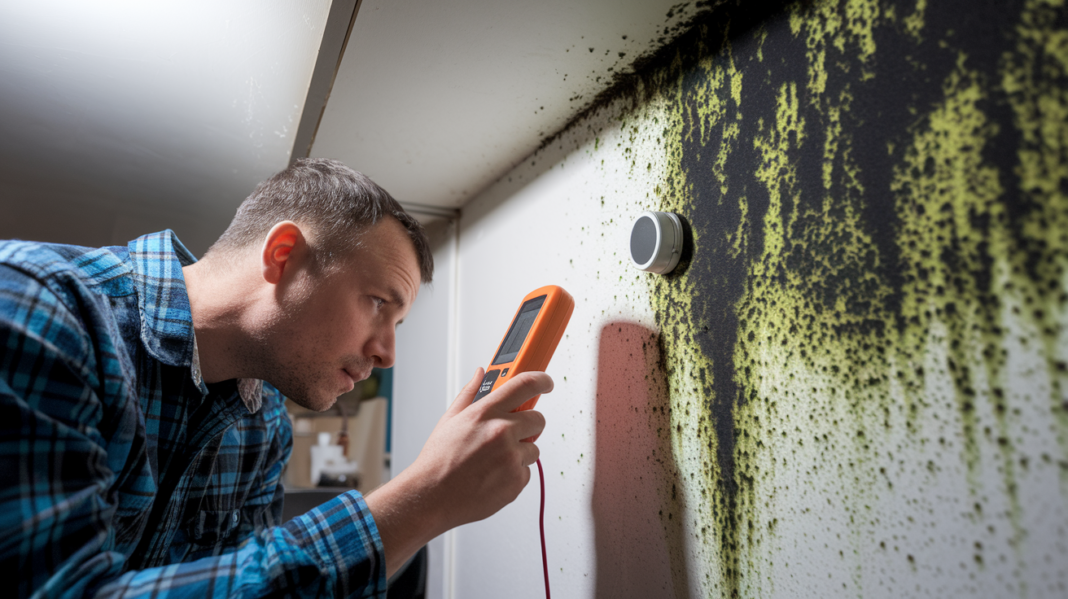

Is black mold really more dangerous than the dark spots on your shower tile?
Here’s the short answer: black mold (Stachybotrys chartarum, a species tied to chronic damp) often points to ongoing water damage and can produce mycotoxins in the right conditions.
Regular mold is a catch-all for many species that usually cause allergies and material decay but can still trigger health problems.
This post cuts through the fear and shows the real safety differences, where each grows, how to tell them apart visually and with testing, and when you need a pro to inspect and repair.
Immediate Differences Homeowners Must Know About Black Mold vs Other Mold Types
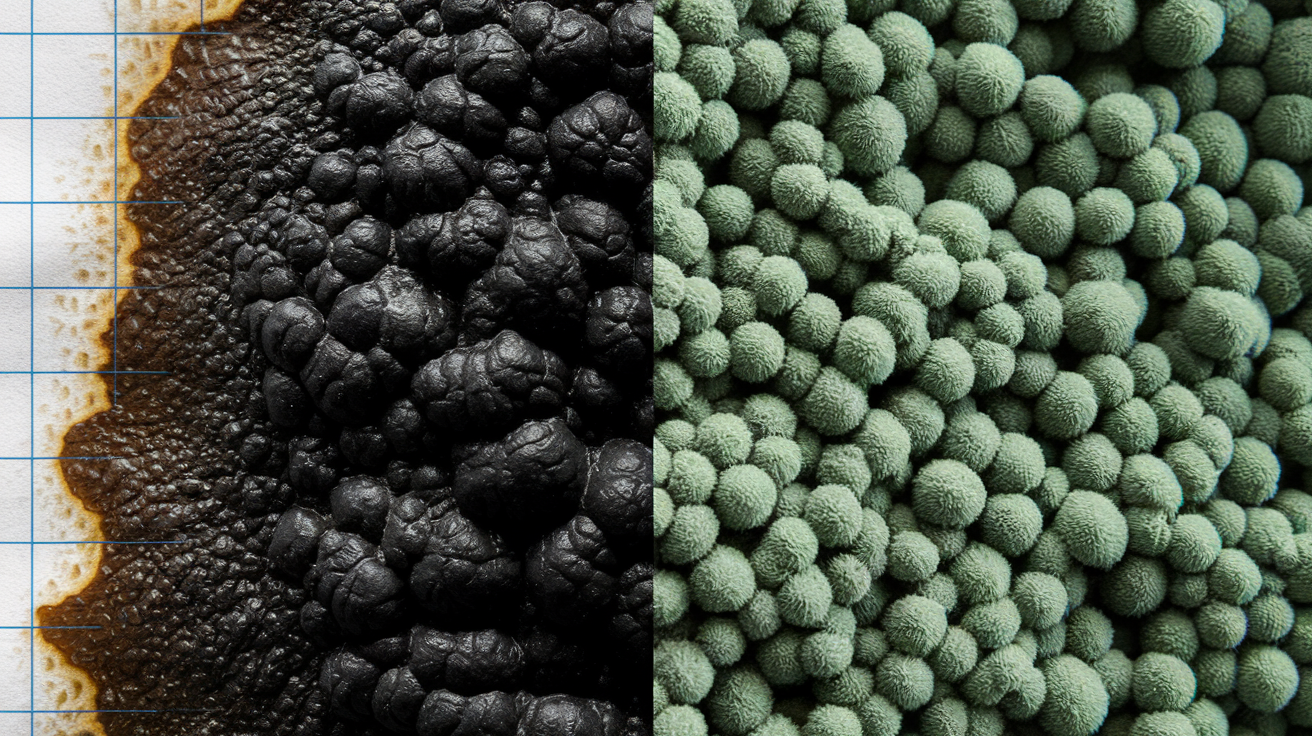
Black mold usually means Stachybotrys chartarum, a specific species that shows up dark greenish-black and often feels slimy or wet when you touch it. Regular mold is just a catch-all term for hundreds of common indoor species like Cladosporium, Penicillium, Aspergillus, and Alternaria. These can look green, brown, gray, white, or even black. The texture? Usually fuzzy, velvety, or powdery instead of slick.
Here’s the big habitat difference. Black mold loves areas with serious, ongoing water damage and extreme dampness. We’re talking behind drywall, in crawl spaces, under subfloors, near leaks that never got fixed. Regular mold pops up in everyday damp spots: bathroom tile, kitchen sinks, basement corners, attic insulation where condensation or humidity builds up. Both need moisture to survive, but black mold tells you there’s a worse water problem lurking.
You can’t judge toxicity by color. Stachybotrys chartarum can produce mycotoxins under the right conditions, sure. But other molds (including some that look harmless or show up in lighter colors) can also release allergens and irritants that trigger respiratory symptoms, skin reactions, and headaches. Lab testing is the only way to confirm species and figure out the actual health risk.
| Feature | Black Mold (Stachybotrys chartarum) | Regular Mold (Common Types) |
|---|---|---|
| Color | Dark greenish-black | Green, brown, gray, white, or black |
| Texture | Slimy, wet-looking | Fuzzy, powdery, velvety |
| Typical Locations | Behind walls, crawl spaces, chronic water damage areas | Bathrooms, kitchens, basements, attics |
| Toxicity Likelihood | Can produce mycotoxins in specific conditions | Generally allergens/irritants; some species produce mycotoxins |
How to Perform a Practical Visual Inspection for Mold in Your Home
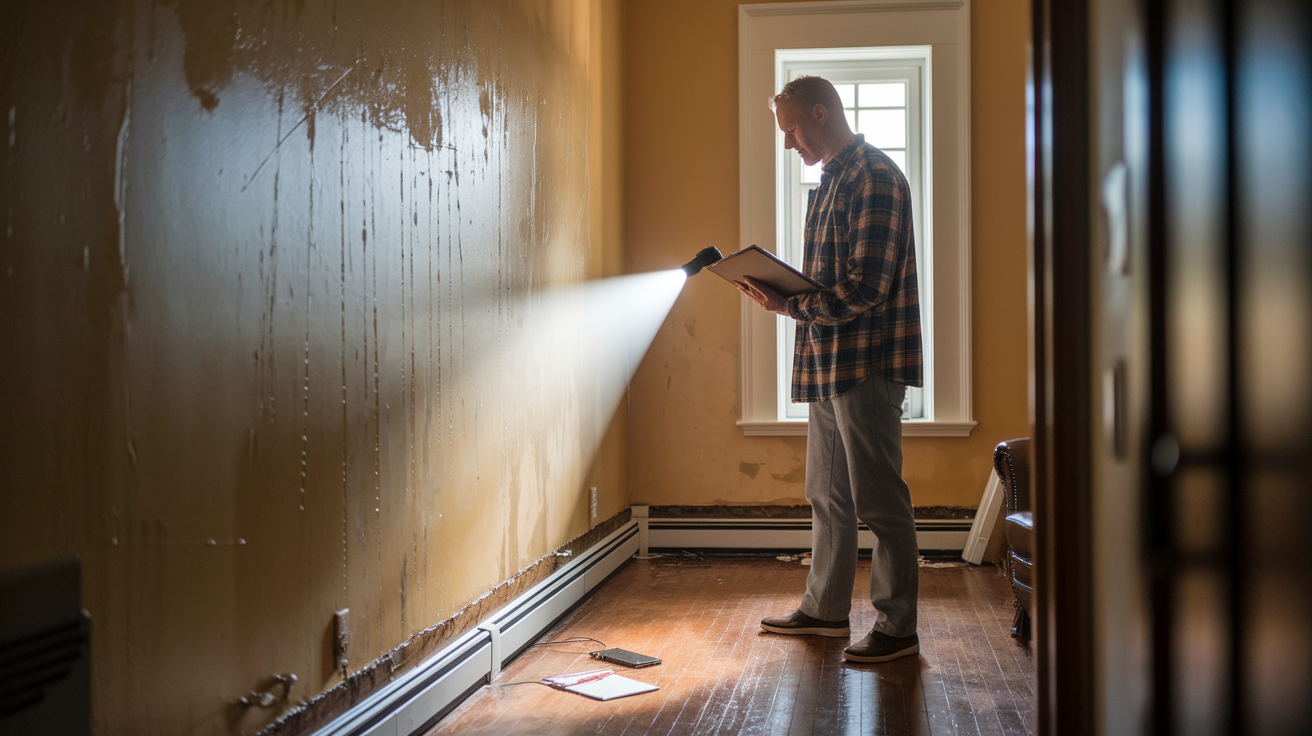
Start in rooms where water is or was present. Look for visible water stains, warped baseboards, bubbling paint, peeling wallpaper, soft or spongy drywall, anything that feels damp. Check behind furniture, inside cabinets under sinks, around windows where condensation gathers, near HVAC vents, along exterior walls where cold surfaces meet warm indoor air. A strong musty or earthy smell is often your first clue that mold’s growing somewhere nearby, even if you can’t see it yet.
Examine high-risk materials closely. Drywall paper, ceiling tiles, cardboard boxes in storage, wood trim, any porous surfaces that have been wet for more than a day or two. Use a flashlight to inspect dark corners, the underside of sinks, areas around toilets and tubs. If you find discoloration, photograph it. Note the texture, moisture level, any odor.
Six warning signs that indicate you need professional testing:
- Dark greenish-black patches that feel slimy or wet
- Mold covering more than about 10 square feet of surface area
- Recurring growth in the same spot even after cleaning
- Mold appearing after flooding, roof leaks, or plumbing failures
- Strong musty odor with no visible source
- Household members experiencing persistent respiratory symptoms, headaches, or skin irritation that improve when away from the home
Why Color Alone Is Not Enough
Many harmless mold species can appear black or very dark. Some dangerous species can start out lighter in color before maturing. Visual inspection tells you mold is present and helps you estimate the affected area, but it can’t tell you the species or whether mycotoxins are being produced. Lab analysis of air samples, surface swabs, or bulk material is the only reliable way to confirm Stachybotrys chartarum or other high-risk species and guide remediation decisions.
Toxicity and Health Risks: Black Mold vs Other Indoor Molds

Black mold has earned its reputation because Stachybotrys chartarum can produce mycotoxins. These are chemical compounds that may cause more severe health effects than the allergens released by most regular molds. Symptoms reported in connection with black mold exposure include persistent respiratory irritation, chronic sinus infections, severe headaches, extreme fatigue, difficulty concentrating, and worsening asthma. High-risk groups (infants, older adults, people with weakened immune systems, anyone with existing respiratory conditions) face greater danger from prolonged exposure.
Regular molds, while generally less potent, still trigger a wide range of symptoms. Sneezing, coughing, runny or stuffy nose, itchy eyes, skin rashes, throat irritation. Common reactions to spores and fragments released by Cladosporium, Penicillium, Aspergillus, and similar species. People with mold allergies or asthma may experience wheezing, shortness of breath, chest tightness, difficulty breathing even when the mold isn’t classified as “toxic.” Long-term exposure to any indoor mold can lead to chronic inflammation and recurrent infections.
The distinction matters for remediation urgency and occupant safety, but both black mold and regular mold deserve immediate attention. If household members develop unexplained symptoms that improve when they leave the building, arrange professional testing. Consider temporary relocation until the source is identified and removed.
Common mold symptoms (regular mold):
- Sneezing and coughing
- Runny or stuffy nose
- Itchy, watery eyes
- Skin rashes or hives
Potential black mold associated symptoms:
- Severe, persistent headaches
- Extreme fatigue and weakness
- Difficulty concentrating or memory issues
- Chronic respiratory infections that don’t respond to typical treatment
Where Black Mold vs Regular Mold Grows Inside a Home
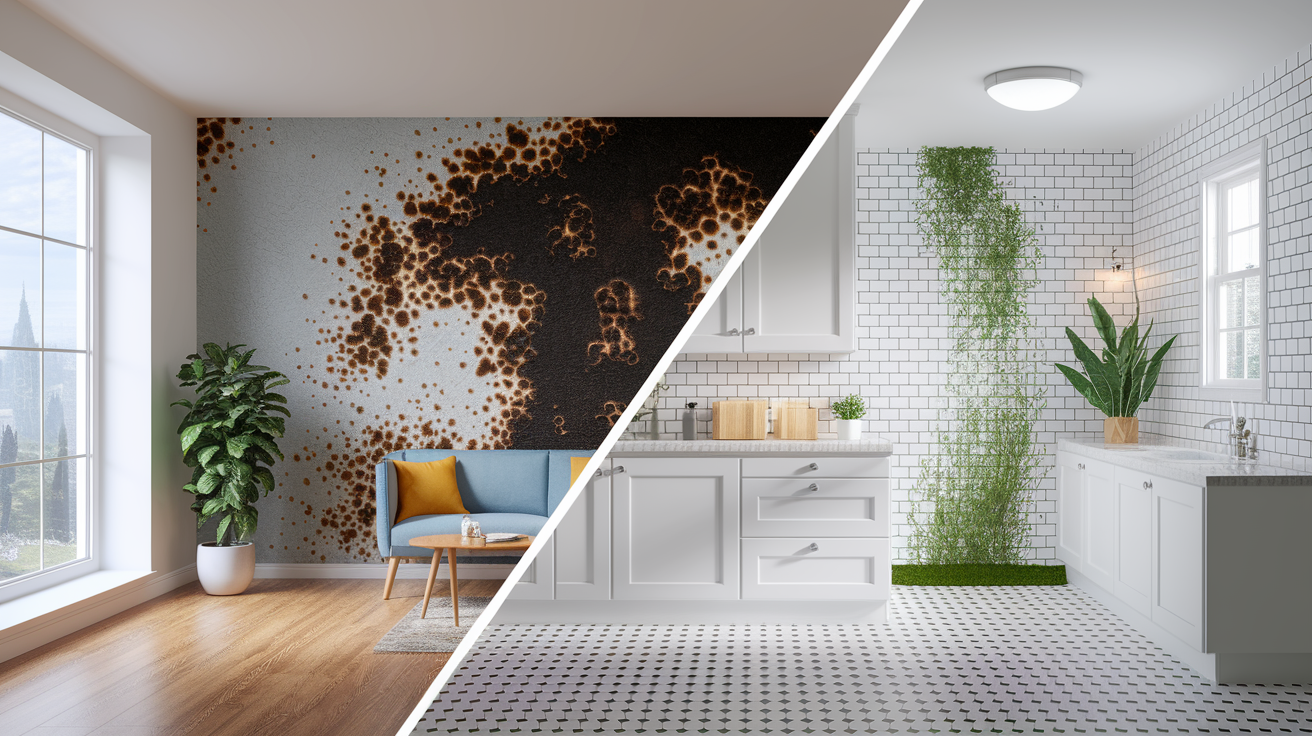
Black mold requires sustained moisture and cellulose-rich materials to establish colonies. It commonly grows behind drywall that’s been wet for days or weeks, inside wall cavities near hidden leaks, in crawl spaces with poor drainage, under flooring damaged by flooding, on ceiling tiles soaked by roof leaks. These aren’t quick-dry situations. Black mold signals chronic water intrusion or persistent condensation that’s gone unaddressed.
Regular mold adapts to a wider range of conditions and appears in everyday damp spots around the house. Bathroom grout, shower curtains, window sills with condensation, kitchen backsplashes, basement concrete, attic insulation near roof vents, drip pans under refrigerators. All provide enough moisture and organic material for common mold species to thrive. Growth can begin within 24 to 48 hours of a surface staying wet.
Five common locations for black mold:
- Behind drywall near chronic plumbing leaks
- Crawl spaces with standing water or high humidity
- Subfloors damaged by flooding or sewage backup
- Inside HVAC ducts with condensation problems
- Ceiling tiles and insulation soaked by roof leaks
Five common locations for regular mold:
- Bathroom tile grout and caulking
- Kitchen sinks and countertops near faucets
- Basement walls and floors with poor ventilation
- Attic sheathing and insulation near roof vents
- Window sills and frames with condensation buildup
Mold Testing Methods for Identifying Black Mold vs Regular Mold
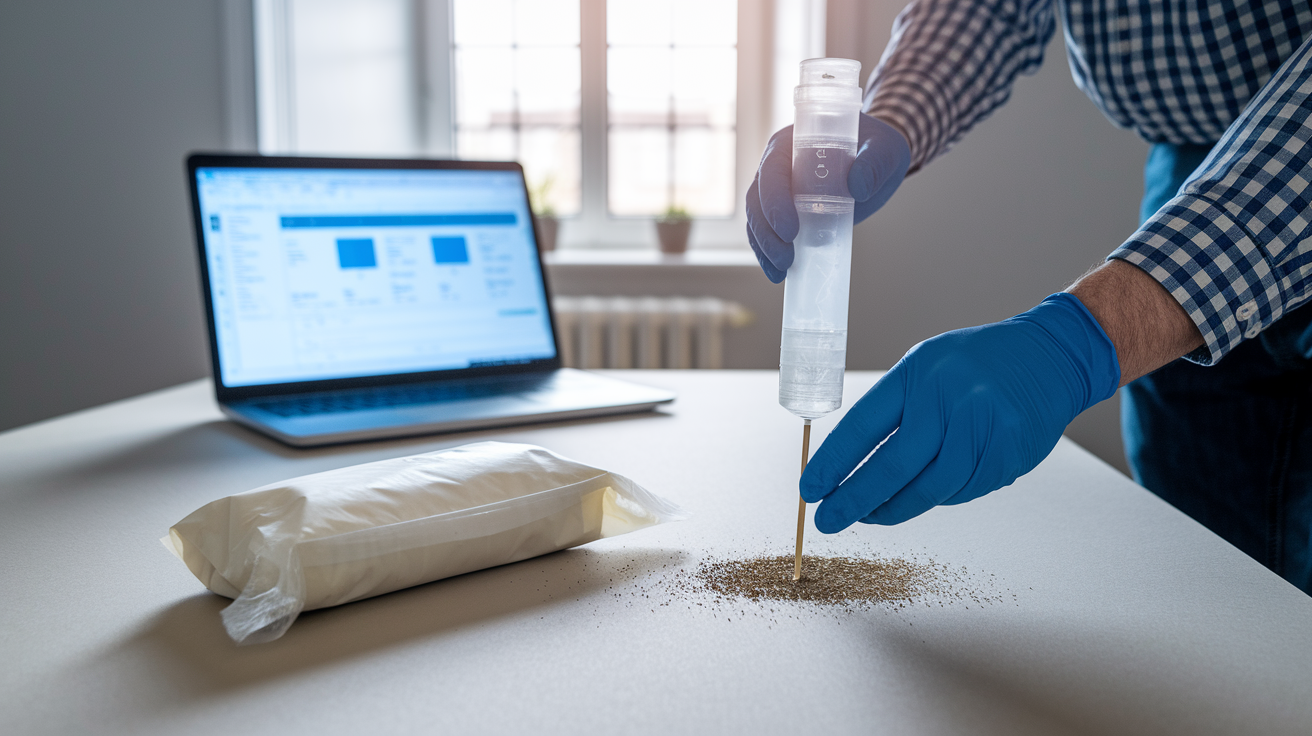
Lab testing is the only way to confirm whether dark mold is actually Stachybotrys chartarum or a less hazardous species. Air sampling captures airborne spore concentrations and identifies which species are circulating through your home. Surface sampling uses swabs or tape lifts to collect material directly from visible growth. Bulk sampling involves cutting out a small piece of contaminated drywall, insulation, or other material and sending it to the lab for analysis. Dust analysis can reveal spore levels that have settled throughout the house over time.
Professionals use moisture meters to measure water content inside walls, floors, ceilings. This helps locate hidden wet spots where mold may be growing out of sight. Infrared cameras detect temperature differences that indicate moisture trapped behind surfaces. These tools guide sampling decisions and remediation planning by showing where water damage extends beyond what you can see.
DIY test kits are available at hardware stores, but they lack the precision and species-identification capability of professional lab work. Most kits only tell you that mold spores are present (which is true in nearly every building) without distinguishing between harmless outdoor spores and toxic indoor growth. If you suspect black mold or need documentation for insurance claims or health investigations, hire a certified mold inspector. They’ll collect samples using standardized methods and send them to an accredited laboratory.
| Test Type | What It Detects | Accuracy Level | When to Use |
|---|---|---|---|
| Air Sampling | Airborne spore counts and species in indoor air | High (when done by certified inspector) | Suspected hidden mold, post-remediation clearance, ongoing symptoms |
| Surface Sampling | Species growing on visible surfaces | High (direct material analysis) | Confirming species on walls, ceilings, trim |
| Bulk Sampling | Mold embedded in porous materials | Very high (lab analysis of material) | Contaminated drywall, insulation, wood framing |
| Dust Analysis | Settled spore levels throughout home | Moderate to high | Chronic exposure assessment, pre-purchase inspections |
DIY Cleaning vs Professional Remediation for Black Mold vs Regular Mold
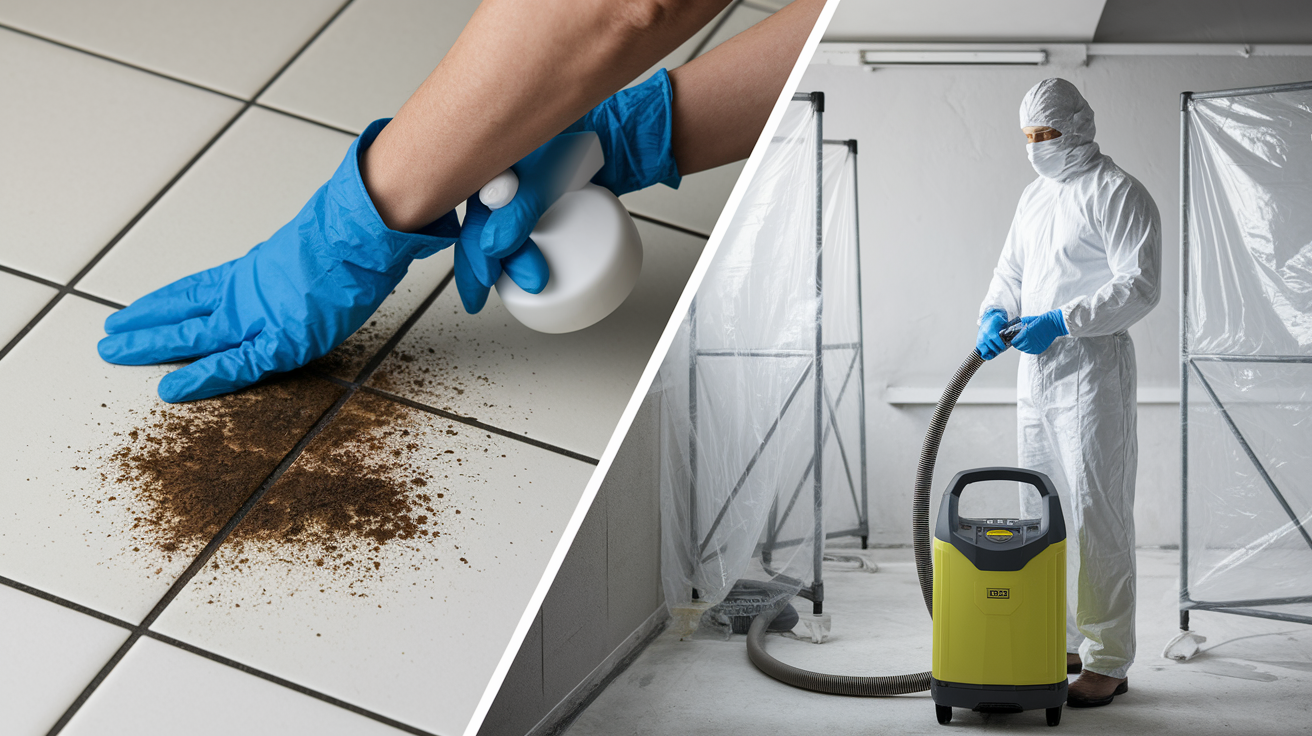
Small patches of regular mold on hard, non-porous surfaces like tile, glass, or metal can often be cleaned safely by homeowners. Mix one cup of store-bought bleach (sodium hypochlorite) with one gallon of water, or use white vinegar for a less harsh option. Spray the solution onto the mold, let it sit for 10 to 15 minutes, then scrub gently with a brush and wipe clean. Dry the surface completely afterward to prevent regrowth.
Suspected black mold, any mold growth larger than about 10 square feet, and mold on porous materials like drywall, insulation, ceiling tiles, or wood framing should always be handled by mold remediation specialists. These professionals use containment barriers and negative air pressure to prevent spores from spreading during removal, HEPA filtration to clean the air, controlled demolition to safely dispose of contaminated materials. They also address the moisture source, apply antimicrobial treatments, perform clearance testing to verify that spore levels have returned to safe ranges.
If you choose to clean small areas yourself, you must protect yourself and limit spore release. Never dry-brush mold or use a regular vacuum. Both actions send millions of spores into the air. Work in a well-ventilated space, keep other household members and pets out of the area, seal all contaminated rags and debris in plastic bags before disposal.
Seven DIY safety rules for cleaning small mold spots:
- Wear rubber gloves, safety goggles, and a disposable respirator rated for mold spores
- Ventilate the room with an open window or exhaust fan
- Use damp cleaning methods only (never dry scraping or brushing)
- Turn off HVAC systems to avoid spreading spores through ducts
- Seal contaminated materials in plastic bags immediately after removal
- Dry the cleaned surface completely within 24 hours
- Discard sponges, rags, and brushes after use (don’t reuse them)
Why Porous Materials Usually Require Professional Removal
Mold doesn’t just sit on the surface of drywall, wood, or insulation. It sends microscopic threads called hyphae deep into the material, anchoring itself and drawing moisture and nutrients from within. Surface cleaning may remove visible discoloration, but the roots remain alive. They’ll regrow as soon as conditions allow. Professionals cut out and dispose of contaminated porous materials, replacing them with new drywall, insulation, or framing to ensure complete removal and prevent future health risks.
Preventing Black Mold and Regular Mold Growth in the Home

Mold prevention starts with moisture control. Keep indoor relative humidity between 30 and 50 percent by using dehumidifiers in basements, crawl spaces, other damp areas. Run exhaust fans in bathrooms during showers and for at least 15 minutes afterward. Use range hoods when cooking to vent steam outdoors. Air conditioning also helps by pulling moisture from the air and keeping surfaces dry.
Fix leaks immediately. Roof leaks, plumbing drips, appliance hose connections, window seals. All provide the standing water mold needs to grow. Dry any wet materials within 24 to 48 hours. If a pipe bursts, a roof leaks during a storm, a washing machine overflows, extract standing water, remove soaked materials, set up fans and dehumidifiers right away.
Eight prevention steps to stop black mold and regular mold:
- Maintain indoor humidity below 50 percent using dehumidifiers and air conditioning
- Dry water-damaged materials within 24 to 48 hours
- Repair roof, plumbing, and foundation leaks as soon as they appear
- Use exhaust fans in bathrooms and kitchens during and after moisture-generating activities
- Insulate cold surfaces like pipes and exterior walls to prevent condensation
- Clean gutters and downspouts to direct water away from the foundation
- Inspect hidden areas regularly (under sinks, behind appliances, in attics and crawl spaces)
- Choose mold-resistant drywall, paint, and insulation in moisture-prone areas during renovations
Myths About Black Mold vs Regular Mold Homeowners Should Stop Believing
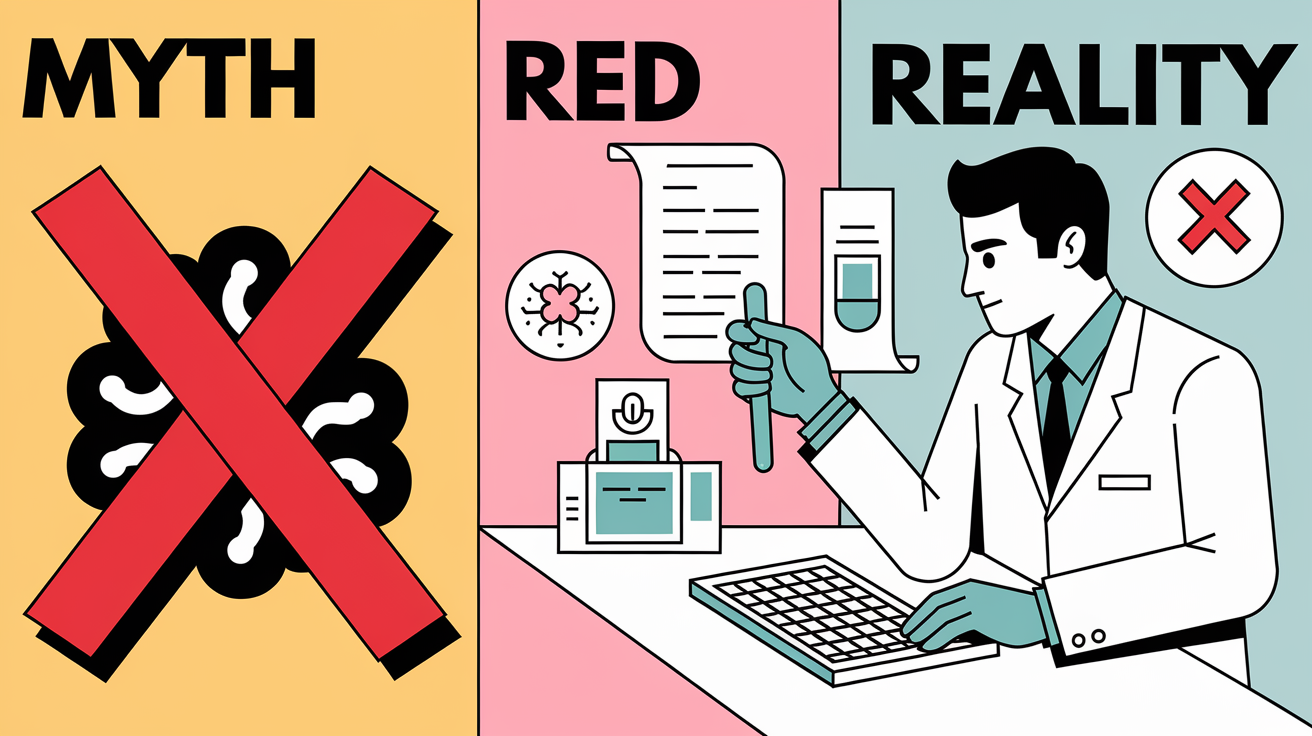
One common myth is that all black-colored mold is toxic black mold. In reality, many harmless species appear dark or black. Visual color alone can’t identify Stachybotrys chartarum. Lab testing is required to confirm the species and determine whether mycotoxins are present.
Another misconception is that you can always see black mold if it’s growing in your home. Mold often hides behind walls, under flooring, inside HVAC ducts, in other concealed spaces. A persistent musty smell or unexplained health symptoms may be the only signs until the infestation becomes severe.
Five myths with clarifications:
- Myth: All black mold is toxic. Reality: Many non-toxic mold species appear black; species identification requires lab analysis.
- Myth: If you can’t see mold, it’s not there. Reality: Mold frequently grows behind walls and under floors; odor and symptoms are warning signs.
- Myth: Bleach kills all mold permanently. Reality: Bleach removes surface discoloration but doesn’t kill hyphae in porous materials; moisture control is essential.
- Myth: Regular mold is harmless. Reality: Common molds cause allergies, asthma attacks, and respiratory infections, especially in sensitive individuals.
- Myth: You can tell dangerous mold by smell. Reality: Musty odor indicates mold presence but doesn’t identify the species or toxicity level.
FAQ: Common Questions About Black Mold vs Regular Mold

1. Can black mold grow behind walls without visible signs?
Yes. Black mold often colonizes the back side of drywall, inside wall cavities, under flooring where moisture has seeped in from leaks or condensation. A persistent musty odor, staining on baseboards, or warping of wall surfaces can signal hidden growth.
2. Is all dark-colored mold Stachybotrys chartarum?
No. Many mold species appear black, dark green, or dark brown. Lab testing using air, surface, or bulk samples is the only reliable way to confirm whether the growth is Stachybotrys or another species.
3. How quickly can mold begin growing after water damage?
Mold can start growing within 24 to 48 hours if wet materials aren’t dried. Fast water extraction, ventilation, and dehumidification are critical to prevent colonization.
4. Do I need professional testing if I see small patches of mold?
For small spots on hard surfaces with no health symptoms in the household, DIY cleaning may be adequate. If the mold is extensive, slimy, recurs after cleaning, or household members have respiratory symptoms, professional testing and remediation are recommended.
5. Can regular household mold cause serious health problems?
Yes. Common molds like Cladosporium, Penicillium, and Aspergillus release allergens and irritants that trigger asthma attacks, chronic sinus infections, skin rashes, and respiratory distress, especially in children, older adults, and immunocompromised individuals.
6. What is the typical cost range for mold testing?
Professional mold inspection and lab analysis typically range from a few hundred to over a thousand dollars depending on the number of samples, the size of the home, and the complexity of the investigation. Many inspectors offer package pricing that includes moisture mapping, air and surface sampling, and a written report with remediation recommendations.
Final Words
In the action, we covered how Stachybotrys (often called black mold) looks different from other molds, where each likes to grow, and why color alone doesn’t prove danger.
We gave a simple visual inspection plan, what symptoms to watch for, and how testing works. We explained when you can clean safely and when to call pros, plus steps to stop mold from coming back.
If you want clear next steps on black mold vs regular mold, keep records, check moisture, and act fast. You’ll get this fixed.
FAQ
Q: How do I know if I have black mold or regular mold?
A: You can suspect black mold if the growth is dark greenish-black, slimy, and on areas with long-term leaks. But color and look aren’t definitive—lab testing is needed to confirm species.
Q: Is all mold toxic or just black mold?
A: Not all mold is toxic. Black mold (Stachybotrys) can produce mycotoxins under specific damp conditions, but many molds cause allergies or irritation rather than toxins.
Q: What kills 100% of black mold?
A: No treatment reliably kills 100% of black mold on porous materials. Complete removal of affected materials, professional remediation, and proper drying/containment are the practical ways to eliminate mold and spores.
Q: Does mold cause Hashimoto’s?
A: Mold exposure does not cause Hashimoto’s disease. While mold and mycotoxins can affect immune and respiratory health, current evidence does not show mold directly causes autoimmune thyroid disease.