


Ever wonder which flooring works best when water damage strikes? When water gets into your home, the type of floor you have makes a big difference. Carpet soaks up water quickly. Vinyl has a tough inner core that stands up to moisture. Tile naturally pushes water away but needs extra maintenance to keep it in top shape. We looked at how each option handles water, holds up with wear, and the care needed over time. Choosing the right floor now can help you avoid stress and expensive repairs later.
Comparing Carpet, Vinyl, and Tile for Flooring Replacement After Water Damage
Water damage can be overwhelming. Different flooring types behave in unique ways. Carpet soaks up water quickly, increasing the risk of mold if it does not dry fully. Vinyl has a strong, waterproof core that holds up well against water, and tile naturally resists moisture while needing extra care for its grout (the material filling the gaps between tiles). Use these points to decide what suits your home best.
• Carpet
- Quickly absorbs water which can lead to mold and mildew.
- Short-term fixes like water extraction and industrial drying might save some fibers.
- Often requires replacing both the carpet and its padding to avoid hidden issues.
• Vinyl
- Built with a waterproof core and wear layer that stops swelling or tearing.
- Can be installed in various ways such as glue-down, loose-lay, or floating click designs.
- Offers a tough, consistent surface that handles everyday spills and accidents.
• Tile
- Dense ceramic or porcelain naturally repels water, though grout lines can absorb moisture.
- Needs proper sealing and regular maintenance to block moisture and prevent mold.
- Stays strong over time if the subfloor is solid and treated correctly.
Compare these options based on water resistance, durability, and long-term performance to pick the best flooring for your home.
Carpet Replacement After Water Exposure: Challenges and Options
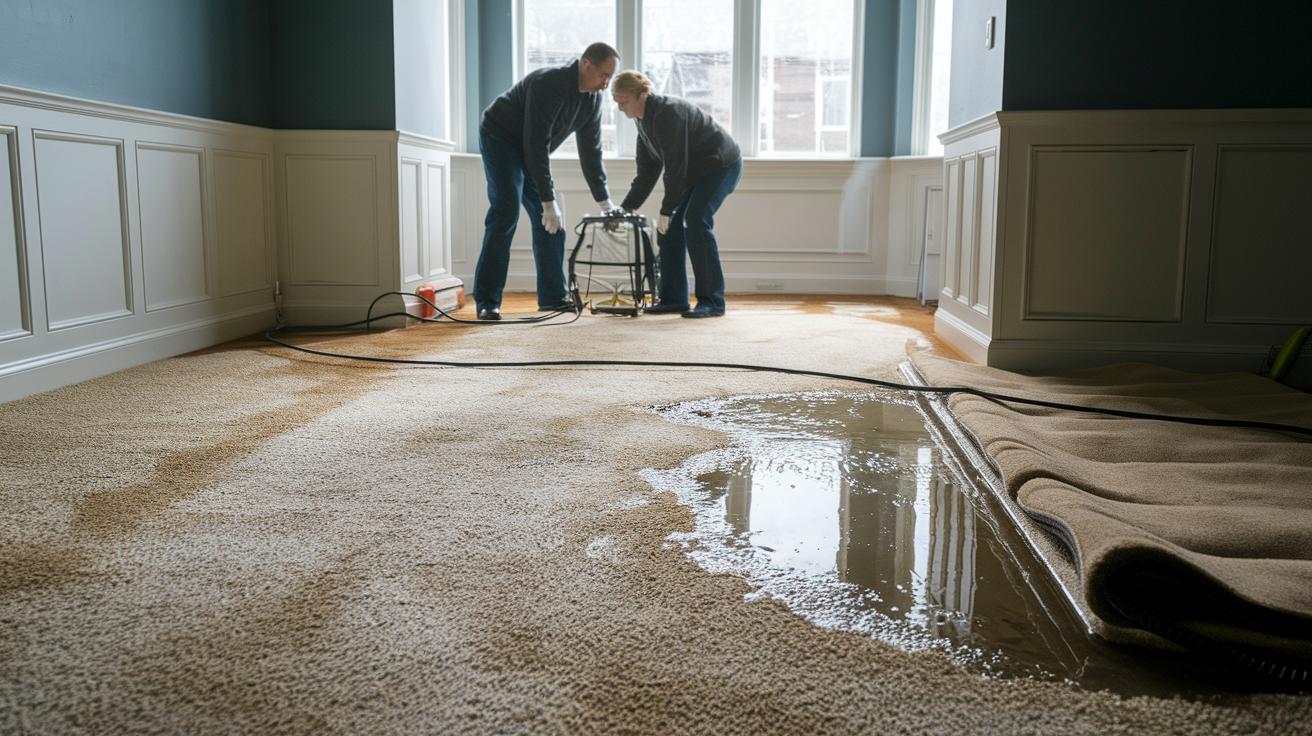
When water soaks into your carpet or rug, it can get trapped in the fibers and padding. This trapped water can cause mold and mildew to grow in just 24 to 48 hours. You might have to decide whether to try saving the carpet or replace it entirely. Sometimes, deep cleaning (called deep extraction) and using industrial drying machines can rescue short-pile carpets made of nylon or olefin (a type of synthetic fiber). But even if the top looks dry, the padding underneath might still be wet, posing long-term health risks.
If you catch the damage early, restoration methods can work well. Our team often uses a process called carpet water extraction, which removes as much water as possible before drying the carpet. You can learn more about how to prep your carpet by checking out our resource on carpet water extraction. Still, keep in mind that some fibers might not fully recover even after proper drying.
For areas that get wet often, consider choosing moisture-resistant options. Materials like olefin, solution-dyed nylon, or loop-pile designs are less likely to soak up water, which helps lower the risk of mold.
- Remove all standing water quickly.
- Use industrial drying equipment on both the carpet and its padding.
- Check for hidden moisture with reliable measurement tools.
- Replace the padding if it shows signs of damage.
Vinyl Flooring Solutions After Moisture Issues
After a flood, vinyl flooring is a smart, cost-effective option for your home. It features a waterproof core and a scratch-resistant top layer (scratches are marks on your floor). This design helps prevent mold growth and damage from floor movement.
Luxury Vinyl Plank (LVP) and Luxury Vinyl Tile usually cost about $3–$7 per square foot. While sheet vinyl gives a seamless look, it isn’t as durable as LVP.
We offer several installation methods. You can choose glue-down, loose-lay, or a floating click system (a simple way to secure the floor without glue). If a section is damaged, fixing it is easy. Often, you only need to replace the affected area without redoing the whole floor.
| Type | Cost Range per sq ft | Water Resistance Rating | Average Lifespan |
|---|---|---|---|
| Luxury Vinyl Plank | $3–$7 | High | 15-20 years |
| Luxury Vinyl Tile | $3–$7 | High | 15-20 years |
| Sheet Vinyl | $3–$7 | Moderate | 10-15 years |
We understand how stressful a flood can be, and we aim to make repairs simple and fast. If you have any concerns or need help, please reach out anytime.
Tile Replacement and Waterproof Installation Strategies
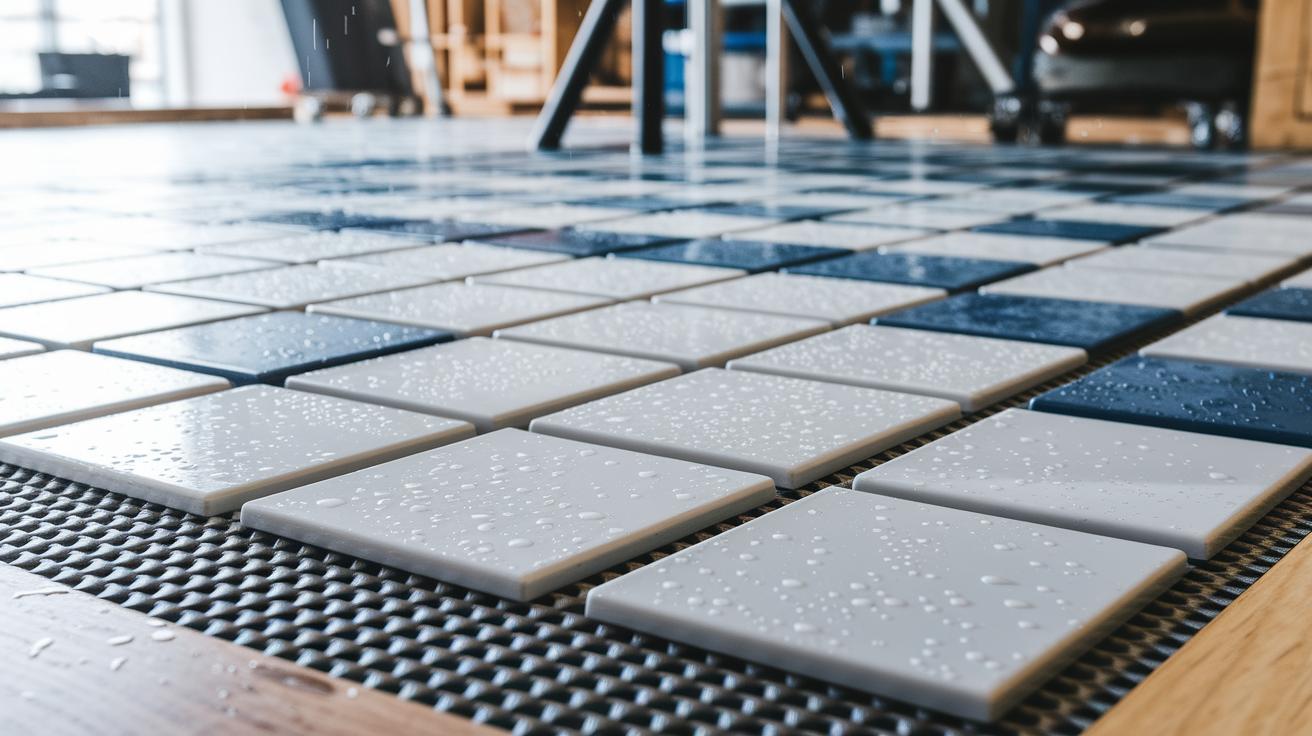
Tile floors provide a strong shield after water damage. Porcelain tile takes in less than 0.5% water, keeping moisture away. Ceramic tile can absorb up to 3% water, so extra care with the grout (material placed between tiles) is needed. Without proper sealing using epoxy or a penetrating sealant, water can sneak through and cause problems over time.
We start by preparing the subfloor. First, we shape it with a gentle slope that guides water away. Then, we install a membrane underlayment (a waterproof barrier placed beneath the tiles) to stop moisture from seeping in. This careful process prevents water from gathering under the tiles and protects your home. On average, tile installation costs between $5 and $15 per square foot for materials, and labor adds about $2 to $5 per square foot. These costs depend on the quality of your tiles and the detailed work required for a secure, moisture-resistant install.
To keep your tile floor working well over time, routine care is key. Follow these steps:
- Use epoxy or penetrating grout sealers.
- Choose a high-quality membrane underlayment.
- Make sure the tiles are installed on a proper slope.
- Clean the grout lines regularly.
- Reseal the grout every one to two years.
Taking these simple steps helps maintain water resistance and extends the life of your tile floor.
Cost Analysis for Flooring Replacement After Water Damage
After water damage, replacing your flooring can vary in cost. Carpet usually runs about $2 to $5 per square foot for the material and an extra $1 to $3 for installation. Vinyl flooring costs between $3 and $7 per square foot, with labor adding another $2 to $5 per square foot. Tile is the pricier option, with materials costing $5 to $15 per square foot and installation fees of $3 to $7 per square foot.
Keep in mind the state of your subfloor. If repairs are needed, you might spend an extra $0.50 to $2 per square foot. If the subfloor requires drying and a moisture barrier (a layer that prevents water seepage), budget for an additional $1 to $3 per square foot.
These estimates help build your overall budget. Pick materials that match your style and will save money on repairs over time.
Key factors to consider:
- How strong and durable the material is and if it is installed well.
- The upfront cost versus the possibility of future repairs.
- Whether your subfloor needs extra repair to avoid hidden surprises.
Selecting Optimal Flooring Materials for Post-Flood Recovery
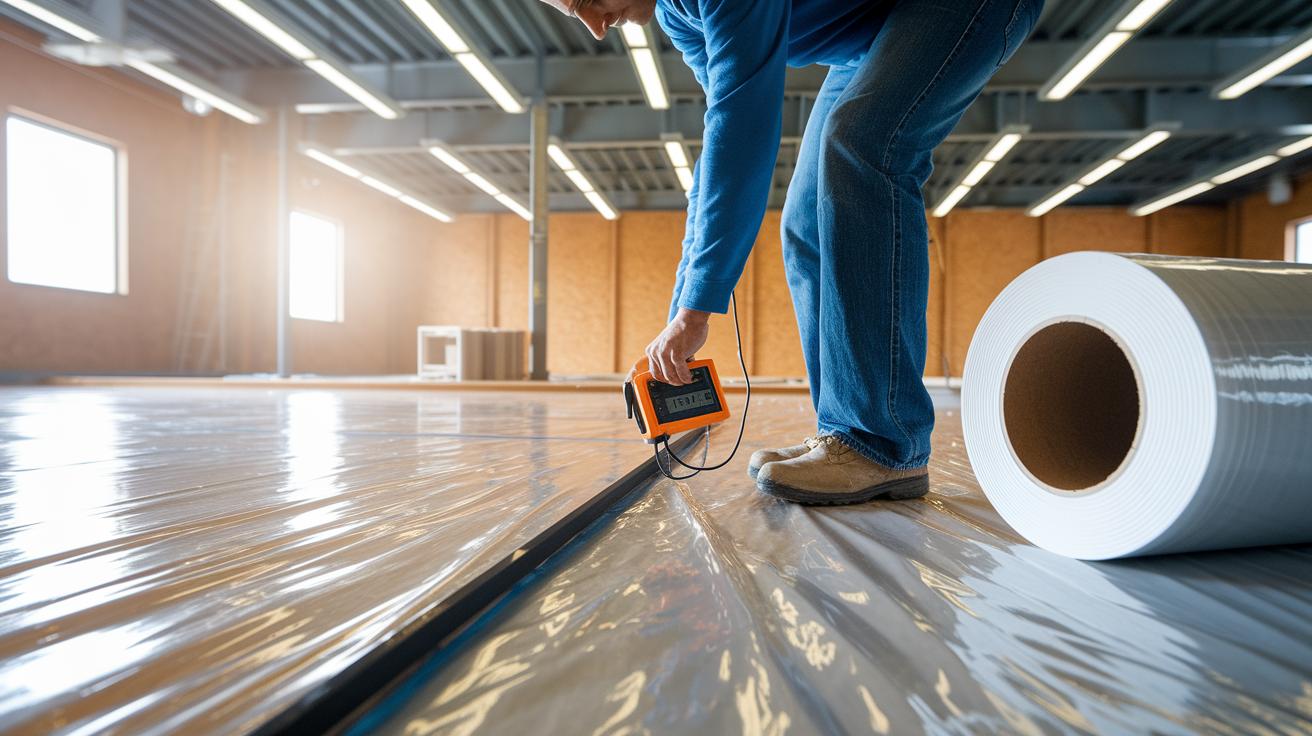
After water damage, choosing the right flooring is crucial. The subfloor must be dried to less than 12% moisture (the amount of water in the wood or concrete) before you install new flooring. A moisture meter (a tool that measures water content) helps prove that the subfloor is dry. Adding a barrier like a thin plastic membrane or a peel-and-stick underlayment beneath tile or vinyl gives extra protection. For luxury vinyl plank flooring, plan for a 1/4 inch to 1/2 inch expansion gap so the flooring can move naturally. Using cement backer board under tile helps prevent cracks and keeps your floor durable.
Subfloor Preparation and Moisture Barriers
We begin by checking moisture levels with a meter. Next, we apply barrier materials that stop any hidden moisture from causing problems later. The type of underlayment you need depends on whether you choose tile, vinyl, or another flooring option. This step protects your new floor and ensures consistent moisture control.
Professional vs DIY Installation Choices
Hiring a professional means that barrier materials and expansion gaps are set correctly. A certified installer meets warranty requirements and can spot issues you might miss. If you choose to do it yourself, follow every step and the manufacturer’s instructions carefully. Taking the time now to install the flooring correctly helps prevent future moisture problems and extra costs. Every detail counts to keep your home safe and your floors lasting longer.
Final Words
In the action, we broke down key points on carpet, vinyl, and tile as choices for flooring replacement after water damage (carpet vs vinyl vs tile). We discussed each material’s water resistance, cost, and installation needs while stressing the importance of proper subfloor care and moisture barriers. Every detail helps you make a decision that protects your home and belongings. Together, we turn challenging moments into a safe space ready for new memories.
FAQ
What is the best flooring replacement after water damage: carpet vs vinyl vs tile?
The best flooring replacement after water damage compares carpet, vinyl, and tile by weighing water resistance, durability, and maintenance. Carpet often traps moisture, vinyl resists water well, and tile remains durable with proper grout care.
How should I choose bathroom flooring after water damage: carpet, vinyl, or tile?
Bathroom flooring choices after water damage depend on moisture exposure. Carpet risks mold, vinyl offers waterproof benefits, and tile provides lasting strength when grout is sealed properly.
What is the ideal option for kitchen flooring replacement after water damage: carpet vs vinyl vs tile?
Kitchen flooring replacement after water damage favors moisture-resistant options. Carpet is more likely to harbor mold, while vinyl and tile perform well if installed with proper sealing and maintenance.
What does the rule of 3 flooring mean?
The rule of 3 flooring means checking three factors: water resistance, cost, and durability. These criteria help you choose a material that works best for your restoration needs.
What type of flooring is best for water damage?
Flooring best for water damage features high water resistance and durability. Vinyl and tile are preferred because they shield against moisture, whereas carpet and hardwood are more prone to damage.
Should I replace my carpet after water damage?
Replacing carpet after water damage is recommended if padding is soaked and mold is a risk. Even with drying, hidden moisture can create potential health hazards.
Can mold grow under vinyl plank flooring?
Mold can grow under vinyl plank flooring if moisture is trapped against the subfloor. Proper installation and a dry base help reduce this risk.