
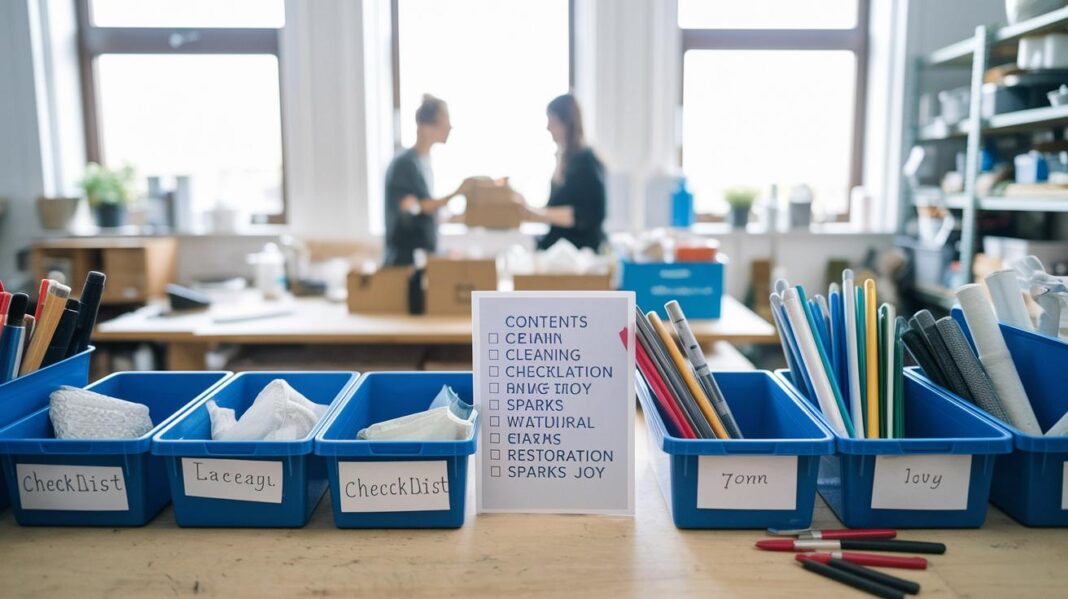

Ever wonder if bringing your belongings back to life can spark joy? When water, fire, or mold leaves you feeling overwhelmed, a simple, clear checklist can help. We start by checking each item carefully and finish with one last look over to put things back in order. We pack your items safely, clean them using trusted methods, and store them properly. Every piece is treated like a treasure. Our careful plan turns the chaos into comfort and helps you find the joy in your space again.
Comprehensive Step-by-Step Guide to Cleaning Contents for Restoration
We know how stressful it can be to deal with water, fire, smoke, or mold damage. That’s why we follow a clear checklist to bring your belongings back to life. This step-by-step process helps us take care of everything, from your everyday items to treasured keepsakes, using trusted methods.
-
Damage Assessment & Documentation
We start by checking every item and taking photos to capture all the damage. This record helps with insurance claims and guides our work. -
Inventory Tagging & Packaging
We label and pack each item carefully so nothing gets lost. This also makes sure every piece stays easy to track. -
Controlled Storage
We move your belongings to a safe, climate-controlled space (a room where temperature and moisture are managed). This stops further damage until we’re ready to clean them. -
Dry Cleaning & Wet Cleaning
We choose dry cleaning for delicate items and wet cleaning with mild, pH-balanced solutions for tougher stains. This ensures each item is cleaned the right way. -
Deodorization & Sanitization
We use techniques like ozone treatment (a method to remove odors using air molecules) and other sanitizing methods to eliminate smells and kill germs. -
Specialized Restorative Treatments
For items that are very fragile or unique, we use special methods like foam or immersion cleaning. These advanced treatments help bring back both function and appearance. -
Final Inspection & Return Logistics
Once all items meet our cleaning standards, we carefully plan how to get them back to your home. We check one last time to ensure everything is safe and clean.
Following these steps turns chaos into order. We document every detail and handle your belongings with care so you can return to a safe, comfortable home.
Pre-Cleaning Assessment and Inventory Management in Contents Restoration
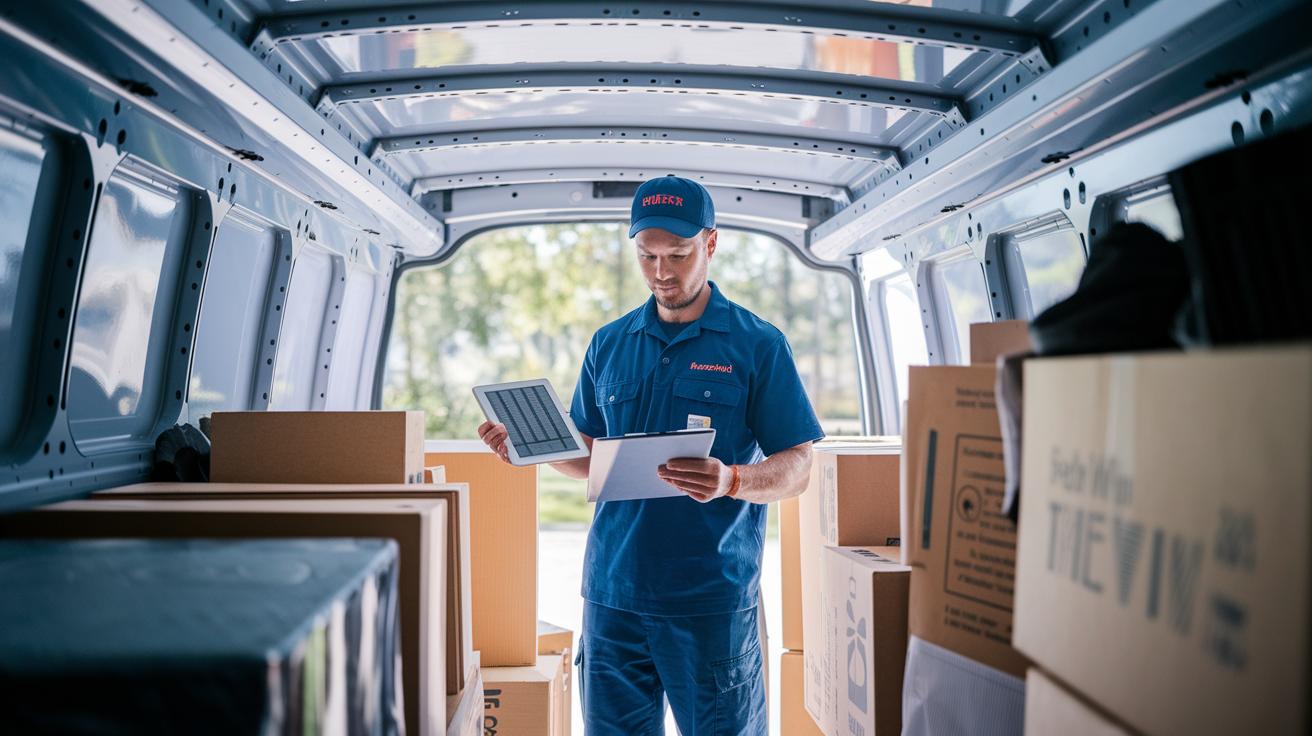
We use modern methods to document and protect your belongings. Our digital logs help with insurance claims and reduce further damage during moves from drop-off to storage and cleaning.
Damage Assessment and Documentation
We take clear photos from many angles and use digital logs to record every detail. Each item is checked for damage, no matter how small. For example, if a family heirloom has a slight burn mark, our digital logs capture all the details for future reference.
Inventory, Packaging, and Storage
We label every item with a unique ID and tag it for easy tracking. We pack items in cushioned wraps and seal them in containers to keep them safe during transfer. Digital records help move items quickly from drop-off to a climate-controlled storage room before cleaning. This organized process keeps everything efficient and secure.
Cleaning and Deodorization Techniques for Restored Contents
We blend our detailed cleaning methods into a simple step-by-step guide. For cases that need extra care, see the table below.
| Method | Best Suited For | Key Equipment |
|---|---|---|
| Dry Cleaning | Light soot and small smudges | Chemical sponges, dry absorbents |
| Wet Cleaning | Stains and spills on hard surfaces | pH-balanced detergents (gentle cleaners), microfiber cloths |
| Foam Cleaning | Upholstered furniture and fabrics | Specialized foam cleaners, soft brushes |
| Immersion Cleaning | Delicate textiles and small items | Water baths, mild cleaning solutions |
| Spray-and-Wipe | Hard surfaces and small spots | Cleaning sprays, disposable wipes |
The material type and how bad the damage is will help us choose the right method. For heavy soot, we often use dry cleaning with chemical sponges. For tough stains on hard surfaces, wet cleaning with pH-balanced detergents works best. Upholstered items get a gentle foam cleaning, while delicate fabrics are cared for with immersion cleaning. Finally, we use generators to deodorize and refresh your space, leaving it safe and odor-free.
Restorative Treatments and Specialized Cleaning Standards for Contents

Sometimes regular cleaning just isn’t enough to save your belongings. When items are damaged by water, fire, or mold, they need extra, specialized care. We use advanced methods to fix what everyday cleaning can’t reach.
Electronics need extra attention. We test each device to make sure it works properly and use controlled drying methods to remove moisture safely. These steps help protect sensitive parts like circuits and screens while keeping your devices safe.
Paper items like documents and photos also need careful treatment. We use special methods such as vacuum thermal or freeze-dry systems (techniques that gently remove moisture) to protect your important records and cherished images from warping or permanent damage.
All our cleaning and restoration work follows strict professional guidelines, and we do our best to return your items to as close to their original condition as possible.
Final Inspection, Quality Control, and Documentation in Contents Cleaning Restoration
After we clean your items, we check each piece to ensure it meets our protocols. We inspect the look of each item, making sure surfaces are free of any leftover residue. We also test mechanical parts to confirm they work properly and check for any unwanted smells. These careful checks catch any issues before we pack your items, so they look good and work well when returned.
Packaging and Return Logistics
We label each item clearly, use soft padding, and make secure transport arrangements. This process keeps your belongings safe from our storage to your doorstep. Our team manages the pickup and delivery with extra care during the final stages of the restoration process.
Claims Documentation and Compliance
We create detailed condition reports that include photos and sign-off forms from you. This documentation supports any insurance claims and meets compliance rules. We securely store all final reports for future audits or inquiries, so every restored item is fully accounted for.
Safety Protocols and Eco-Friendly Best Practices in Contents Cleaning Restoration
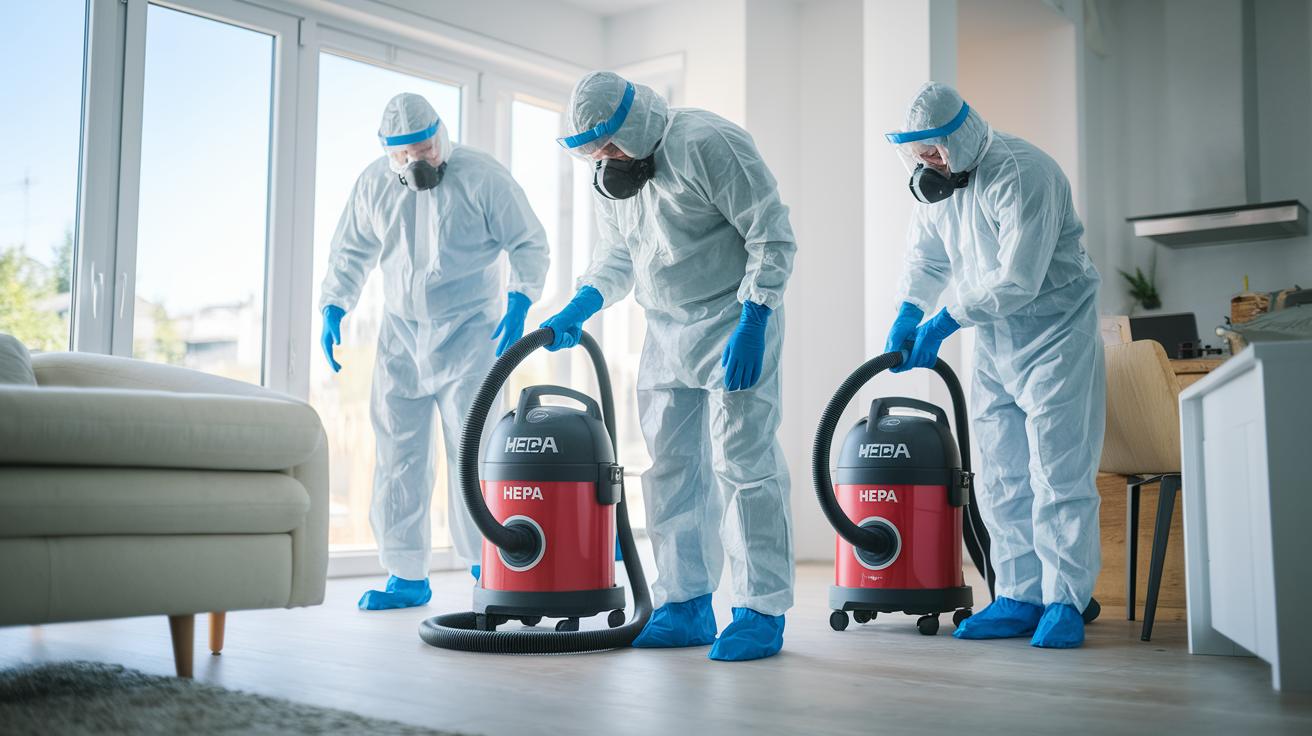
Our technicians wear the proper protective gear like gloves, respirators (masks that filter harmful particles), and coveralls to stay safe and avoid extra damage. We check the area first for dangers such as airborne contaminants and chemical residues. This careful review helps protect both our crew and your home while we start cleaning.
We set up safe zones around our work areas to keep contaminants from spreading. We use HEPA-filtered vacuums (machines that trap very small particles) and keep the air moving with good ventilation. These steps lower the risk of spreading harmful particles and help keep everyone safe during our work.
We choose cleaning products that are eco-friendly and approved by the EPA (the government agency that keeps the environment safe). All waste is sorted properly and disposed of safely so that harmful by-products do not cause further issues. This careful mix of safety and care for the environment guides how we clean and restore your belongings.
Final Words
In the action, we covered the step-by-step process to restore your belongings. We walked through assessing damage, logging and packaging items, and choosing the right cleaning methods. We also explained specialized treatments, final quality checks, and secure return logistics. We stressed safety measures and eco-friendly practices to keep you and the environment protected. Our guide brings clarity and order to a complex process. Use this contents cleaning checklist for restoration as your roadmap to getting back to a safe, livable home.
FAQ
What is a post construction cleaning checklist and does it include a PDF version?
The post construction cleaning checklist details each cleanup step after building work, and it is often available as a downloadable PDF so you can follow tasks step by step.
What do post construction cleaning rates include and how are they determined?
The post construction cleaning rates depend on area size and cleanup scope. They cover tasks from dust removal to final touches, helping you plan your budget effectively.
How do you clean walls after a renovation?
Cleaning walls after a renovation means gently wiping them with a mild cleaner and soft cloth. This method removes dust and marks while preserving the wall’s finish.
What is involved in post renovation cleaning in NYC?
Post renovation cleaning in NYC focuses on removing construction dust and debris from urban properties. Professionals use proven methods and equipment to restore a safe, liveable space.
What are post construction cleaning jobs?
Post construction cleaning jobs include detailed site cleanup after building projects. Crews remove dust, debris, and residue from floors and surfaces to prepare the area for use.
What cleaning supplies do you need for post construction cleaning?
Post construction cleaning supplies include industrial vacuums, heavy-duty dusters, specialized cleaners, and protective equipment to ensure efficient cleaning and worker safety.
How do you deep clean after a renovation?
Deep cleaning after a renovation involves tackling built-up dust and stubborn residues using specialized cleaning agents and equipment. This approach ensures a comprehensive refresh of every surface.