
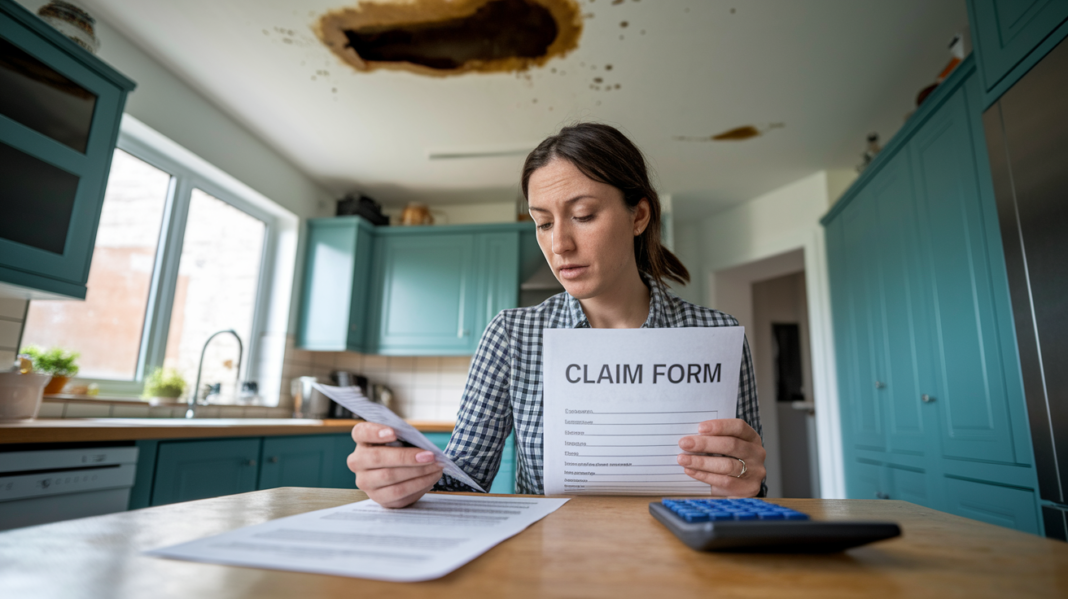

You just discovered water damage in your living room, and now you’re staring at a mess wondering if you should call your insurance company or start cleaning up first. That split-second decision matters more than you think. Filing a property damage claim the right way means following specific steps in the right order, and getting even one thing wrong can delay your payout or shrink your settlement by thousands of dollars. This guide walks you through exactly what to do first, what documentation you need, and how to avoid the common mistakes that turn a straightforward claim into a months-long headache.
Essential Steps to File Your Property Damage Claim

Filing a property damage claim means following specific steps if you want to maximize your approval odds and settlement amount.
-
Ensure safety and secure the property from further damage. Before anything else, make sure everyone’s safe and take immediate action to prevent more damage. Cover broken windows with plywood or throw tarps over exposed roof areas.
-
Contact your insurance company immediately with basic incident details using their toll-free claim hotline. Most insurers have claim lines available 24/7. Call within 24 to 48 hours of discovering the damage and provide the date, time, location, and a quick description of what happened.
-
Document all damage with photos and videos from multiple angles before any cleanup. Get wide shots showing the full extent, then take close-ups of specific problem areas. Record everything before you touch anything.
-
Create a detailed inventory of damaged items with descriptions and values. List each damaged item separately with as much detail as possible: brand names, model numbers, purchase dates, and estimated replacement costs.
-
Schedule the insurance adjuster’s inspection and prepare for their visit. The adjuster assesses the damage and determines payout amounts. Have all your documentation organized and ready to present.
-
Complete the insurance claim form with accurate, detailed information. Fill out every section carefully. Incomplete or inaccurate forms delay processing and can lead to denials.
-
Submit all required documentation and supporting evidence to your insurer. Include your photos, videos, damage inventory, receipts for emergency repairs, and any contractor estimates you’ve obtained.
-
Review settlement offer and negotiate if necessary before accepting. Don’t feel pressured to accept the first offer. Compare it against your documentation and independent repair estimates.
Following these steps systematically helps ensure nothing gets overlooked and positions the claim for the best possible outcome. Prompt action on initial notification and documentation is critical. Waiting even a few days can raise questions about when damage actually occurred. Specific requirements may vary by insurer and policy type, so ask your claims representative about any additional forms or procedures. You should take temporary protective measures immediately to prevent further damage, but hold off on permanent repairs until the adjuster approves them. The insurance company needs to see the full extent of damage first.
Required Documentation and Evidence for Your Property Damage Claim

Thorough documentation is the foundation of a successful property damage claim and directly impacts the settlement amount. Insurance companies require specific types of evidence to verify losses, and the quality of your documentation often determines whether disputed items get covered. The difference between a well documented claim and a poorly documented one can be thousands of dollars in settlement value.
Document the damage immediately before any cleanup or repairs begin. Premature action can eliminate critical evidence. Once you start moving things around or making repairs, you can’t recreate the scene for the adjuster.
Photographs and videos of all damaged areas from multiple angles and distances. Start with wide shots showing context, then move in for detailed views. Close-up images showing specific damage details and extent. Capture cracks, water stains, warped materials, smoke damage, and any structural issues. Written damage description including date, time, and circumstances of loss. Note what you saw, heard, or smelled when the damage occurred.
Complete inventory of damaged personal property with item descriptions. Include make, model, size, color, and condition before the damage. Proof of ownership documents including receipts, warranties, and purchase records. Bank statements, credit card statements, or photos showing items in your home before damage can substitute if original receipts aren’t available.
Contractor repair estimates and professional assessment reports. Get at least two independent estimates from licensed contractors for comparison. Police or fire department incident reports when applicable. Official reports add credibility and establish the date and circumstances of damage. Witness contact information and statements if relevant. Neighbors who saw storm damage occur or heard the incident can strengthen your claim. Receipts for emergency repairs and temporary protective measures. Keep every receipt for tarps, plywood, water extraction, or other immediate mitigation efforts.
Keep all damaged items and debris until the insurance adjuster approves disposal. Even if it looks like trash, that broken furniture or water damaged drywall is evidence supporting your claim. Maintain organized records of all communications with your insurance company. Log phone calls with dates, times, and names of representatives you spoke with. Make copies of everything you submit to the insurance company and keep them in a separate file for your personal records.
Understanding Your Policy Coverage and Claim Eligibility

Review your specific policy before filing to understand what’s covered, what limits apply, and what your deductible amount is. Not all property damage is automatically covered under standard homeowners insurance. Filing a claim for damage that’s excluded can waste time and create a claim history notation without any payout. Your policy declarations page shows your coverage limits and deductible. This is the document you should review first.
The main coverage types include dwelling coverage, which protects the home structure and attached structures like attached garages or decks. Contents coverage protects personal belongings inside the home like furniture, clothing, and electronics. Other structures coverage applies to detached structures like standalone garages, sheds, fences, and driveways. Loss of use coverage pays for additional living expenses if the home becomes uninhabitable during repairs. Each coverage type has separate limits stated in your policy, and the deductible typically applies to the total claim, not to each coverage type separately.
Replacement cost policies pay to replace damaged property with new items of similar kind and quality. Actual cash value policies subtract depreciation based on the age and condition of damaged items. For example, a ten year old roof with a 20 year lifespan might receive only 50% of replacement cost under an actual cash value policy. Coverage limits represent the maximum the insurance company will pay regardless of actual damage costs. If your dwelling coverage is $250,000 but repairs cost $300,000, you’re responsible for the $50,000 difference.
Water backup, earthquake, and flood damage often require separate policies or add on coverage beyond standard homeowners insurance. Standard policies typically exclude damage from floods (rising water from outside the home), earthquakes, and even sewer backup unless you purchased the specific endorsement. Review your specific policy documents or contact your insurance agent for clarification on coverage questions before assuming damage is covered.
Critical Timelines and Deadlines for Filing Property Damage Claims

Property damage claims are subject to multiple time sensitive requirements including immediate notification obligations, claim filing deadlines, and statutes of limitations that vary by state and insurance policy. Missing any of these deadlines can result in partial or complete claim denial, regardless of how legitimate the damage is. Insurance policies are contracts, and the insurer can enforce the timing requirements spelled out in the policy language.
Notify your insurance company immediately after damage occurs. Ideally within 24 to 48 hours using their toll-free claim hotline available any time. Delayed notification can be grounds for claim denial, especially if the delay allowed additional damage to occur that could have been prevented with prompt mitigation.
| Timeline Requirement | Typical Timeframe | Consequence of Missing |
|---|---|---|
| Initial notification to insurer | Within 24 to 48 hours of damage | Possible claim denial or reduced payout for preventable additional damage |
| Formal claim filing deadline | 30 to 60 days from date of loss (policy specific) | Claim denial if policy deadline is missed |
| Documentation submission | Within timeframe requested by adjuster (often 7 to 14 days) | Processing delays, possible claim denial for non cooperation |
| Adjuster inspection coordination | Typically scheduled within 3 to 10 days of claim filing | Delayed settlement, potential issues if damage changes before inspection |
| Statute of limitations (state dependent) | 1 to 6 years depending on state law | Complete loss of legal right to pursue claim through lawsuit |
Specific deadlines vary significantly by state law, insurance carrier, and individual policy terms. Some policies require written notice within a certain number of days, while others accept phone notification as sufficient. The statute of limitations for filing a lawsuit against your insurance company for claim disputes also varies by state. Some states allow six years, others just one year from the date of denial or underpayment. Review your policy documents or contact your insurance agent immediately to confirm exact deadlines applicable to your situation. Consider consulting an attorney if you’re approaching statutory limits or if the insurance company has delayed processing beyond reasonable timeframes.
Working with Insurance Adjusters During the Claim Process

The insurance adjuster is assigned by your insurance company to inspect the damage, assess repair costs, and determine the claim payout amount based on their findings and your policy coverage. Understanding their role helps you prepare for the inspection and advocate effectively for fair compensation.
You should have all documentation, photographs, and evidence organized and ready to present when the adjuster arrives. Walk the adjuster through all damaged areas and point out damage that may not be immediately visible, such as water damage inside walls, smoke residue in hidden areas, or secondary damage in adjacent rooms. The adjuster may spend only an hour or two at your property, so having everything prepared helps ensure nothing gets overlooked during their assessment.
Be present during the inspection to answer questions, provide context about the damage, and ensure all affected areas are documented in the adjuster’s report. Their assessment directly determines your settlement amount, so this is your opportunity to make sure they see everything. If you can’t be present, have a trusted family member or friend there who understands the full extent of the damage. Leaving an adjuster to inspect alone increases the risk that damage gets missed or underestimated in their report.
Company adjusters are employed directly by your insurance company. Independent adjusters are contracted by the insurer to handle claims on their behalf. Public adjusters are hired by policyholders to advocate on their behalf during the claims process. Public adjusters work for you, not the insurance company, but they charge a percentage of the settlement (typically 5% to 20%). They can be valuable for complex or high value claims where getting maximum settlement justifies their fee.
Take your own notes and photos during the inspection, request a copy of the adjuster’s report, and obtain multiple independent contractor quotes to compare with the adjuster’s estimate. This provides documentation if you need to negotiate the settlement amount. Adjusters sometimes use pricing databases that don’t reflect actual local contractor costs, or they may miss items that contractors include in their estimates. Having independent quotes from licensed professionals gives you leverage to challenge undervalued assessments.
Evaluating Settlement Offers and Negotiating Fair Compensation

Obtain multiple professional repair estimates from licensed contractors for two critical reasons: to understand the true cost of repairs and to have documentation supporting your claim amount when negotiating with the insurance company. Independent contractor quotes provide an objective baseline for comparing against the insurance company’s assessment. Getting at least two estimates helps ensure you’re not relying on a single opinion. Choosing contractors experienced with insurance restoration work often results in more detailed and accurate repair scopes.
Evaluate settlement offers by comparing the insurance company’s estimate with independent contractor quotes, checking that all damaged items and necessary repairs are included, and verifying whether the offer is based on replacement cost or actual cash value. Line item differences between the adjuster’s estimate and contractor quotes are common. The adjuster might have missed items, used lower material grades, or applied different labor rates. Check that hidden damage like water damage inside walls or structural reinforcement needs are addressed, not just visible surface damage.
Insurance companies commonly make lowball initial settlement offers to reduce their financial liability. Accepting the first offer isn’t required. Policyholders have the right to negotiate for fair compensation that covers all documented damages. The first offer often tests whether you’ll accept less without questioning it.
Document all discrepancies between the adjuster’s assessment and contractor estimates. Submit supplemental documentation to support higher repair costs. Request detailed explanations for any disputed items. Consider consultation with a public adjuster or attorney if the settlement offer appears inadequate or the insurance company is unresponsive. Present your case in writing with specific line item comparisons showing where the adjuster’s estimate falls short. Attach contractor quotes, material cost documentation, and photos highlighting damage the adjuster may have undervalued. Remain factual and professional in all communications. Emotional appeals don’t work as well as documented evidence.
Handling Claim Denials and Disputes with Insurance Companies
Claim denials occur for various reasons including policy exclusions, insufficient documentation, missed deadlines, or insurance company determination that damage isn’t covered under the policy terms. Receiving a denial doesn’t mean the claim is over. Policyholders have options to challenge the decision. Understanding why the claim was denied is the first step toward potentially overturning it or pursuing other remedies.
The formal appeal process includes requesting a written explanation of the denial with specific policy language cited, reviewing your policy to verify the denial is legitimate, gathering additional documentation or expert opinions that counter the denial reasoning, and submitting a formal appeal letter within the timeframe specified in the denial notice. Most policies outline an internal appeals process with specific deadlines for requesting reconsideration. Your appeal letter should address each reason cited in the denial, provide additional evidence or documentation, and reference specific policy language supporting your position.
Bad faith insurance practices include unreasonable claim delays, failure to conduct proper investigation, denying valid claims without justification, or offering settlements far below documented damage costs. These situations may provide grounds for legal action beyond the claim itself. Insurance companies have a legal duty to handle claims fairly and in good faith. Violating this duty can result in penalties beyond just paying the original claim amount.
Consider legal representation for complex claims with significant value, repeated denials or unreasonable delays, suspected bad faith practices, or situations where settlement offers are substantially lower than documented repair costs. Attorneys experienced in insurance claims can negotiate directly with insurers, file formal complaints with state insurance regulators, and pursue litigation if necessary. Legal consultation is particularly important if you’re approaching statute of limitations deadlines or if the insurance company has stopped responding to your communications. The cost of attorney representation is often worth it when dealing with claims valued over $50,000 or when facing complete claim denials on legitimate covered damage.
Preventing Common Property Damage Claim Mistakes
Even well intentioned actions can negatively impact property damage claims. Understanding common mistakes before filing helps protect your claim and maximize your settlement. Small errors in the early stages of the process can create problems that are difficult or impossible to fix later.
Delaying notification to the insurance company beyond 24 to 48 hours raises questions about when damage actually occurred and whether additional preventable damage happened during the delay. Beginning permanent repairs before the adjuster inspects the damage means once repairs are complete, the adjuster can’t verify the extent of damage, making it easier for the insurance company to dispute your claim.
Discarding damaged items or debris before receiving approval from the insurer eliminates the adjuster’s ability to verify your losses. Failing to document damage thoroughly with photos and videos makes it harder to prove the extent of damage, especially for items that deteriorate further over time. Not taking reasonable steps to prevent further damage is a mitigation duty. Your policy requires you to prevent additional damage where possible, and failing to do so can reduce your claim payout.
Missing claim filing deadlines or documentation submission timeframes allows insurance companies to deny claims even when the underlying damage is legitimate and covered. Accepting the first settlement offer without reviewing or negotiating means initial offers are often lower than what you can obtain through negotiation with proper documentation.
Providing incomplete or inaccurate information on claim forms can delay processing or provide grounds for denial if the insurance company views them as material misrepresentations. Failing to keep receipts for emergency repairs and temporary protective measures means without receipts, you can’t seek reimbursement for immediate mitigation expenses. Not maintaining written records of all communications with the insurance company allows verbal conversations to be disputed later, while written documentation provides a clear record of what was said and when.
While policyholders must take emergency action to prevent further damage (such as covering broken windows, tarping damaged roofs, stopping water leaks, or shutting off compromised utilities), these temporary mitigation efforts should be documented with photos and receipts. Permanent repairs should wait for adjuster approval except in situations where immediate action is necessary to prevent health hazards or additional significant damage. For example, if a burst pipe is flooding your home, you need to shut off the water and extract standing water immediately rather than waiting for adjuster approval. But you should photograph everything before and during the emergency response.
Special Property Damage Claim Situations and Considerations

Additional living expenses coverage (loss of use) pays for temporary housing, increased food costs, and other necessary expenses when your home becomes uninhabitable due to covered damage. This coverage typically starts the day you move out and continues until repairs are complete or until you reach the policy limit, whichever comes first. What qualifies includes hotel or rental housing costs, restaurant meals if you don’t have kitchen access, storage fees for furniture and belongings, and even pet boarding if necessary. Keep all receipts and submit them regularly for reimbursement rather than waiting until repairs are complete. Coverage limits vary. Some policies cap loss of use at a percentage of dwelling coverage (often 20% to 30%), while others set specific dollar or time limits.
Rental property claims involve both landlord and tenant considerations. Landlords typically file claims for structural damage, attached fixtures, and loss of rental income while the property is uninhabitable, using their landlord or investment property insurance policy. Tenants with renters insurance file separate claims for personal property damage to their belongings inside the rental unit. Each party has responsibilities. Landlords must maintain the structure and notify their insurer of damage, while tenants must report damage promptly to both the landlord and their own insurer if they have renters coverage. Neither party should begin repairs without proper authorization. The landlord controls structural repairs after their insurer approves the work.
Commercial property damage claims often involve higher complexity, business interruption coverage, inventory losses, and different documentation requirements compared to residential claims. Processing times may be longer because commercial policies often require detailed financial records showing business income loss, inventory valuations, and operational impact assessments. Business interruption coverage requires proving not just that the property was damaged, but that the damage directly caused lost revenue or increased operating expenses. Documentation needs include profit and loss statements, tax returns, inventory records, sales data, and sometimes expert business valuation reports.
Third party liability situations occur when property damage was caused by someone else’s negligence. A neighbor’s tree falling on your property, contractor damage during work, or vehicle impact into your structure. When to file with your own insurance versus pursuing the liable party’s insurance depends on the circumstances and your coverage. Filing with your own insurer is usually faster but may require paying your deductible and could affect your rates. Pursuing the liable party’s insurance avoids your deductible but often takes longer and requires proving fault. Fault based claims require additional evidence such as police reports, incident reports, witness statements, or expert assessments establishing that the other party’s negligence caused the damage. In some cases, you file with your own insurer first, then your insurance company pursues the liable party through subrogation to recover what they paid out.
Final Words
Filing a property damage claim involves specific steps, solid documentation, and clear communication with your insurance company.
Start with immediate notification. Secure your property. Document everything before cleanup begins.
Understanding your policy coverage, meeting deadlines, and working effectively with adjusters all affect your settlement outcome.
If you receive a lowball offer or denial, you have options. Negotiate with evidence. Appeal if needed. Get professional repair estimates from qualified contractors who know how to file a property damage claim properly.
Take temporary protective measures right away, but wait for adjuster approval before permanent repairs. Keep receipts. Stay organized. Follow through.
Most claims move forward when you document thoroughly and communicate clearly from the start.
FAQ
What is the average settlement for property damage?
The average settlement for property damage varies widely depending on the extent of damage, policy coverage limits, deductible amounts, and whether the settlement is based on replacement cost or actual cash value with depreciation factored in.
What not to say when filing a claim?
When filing a claim, avoid making absolute statements about fault, speculating about causes you’re unsure of, downplaying damage extent, or saying you’ve already started permanent repairs before the adjuster inspects and approves.
What are common examples of property damage?
Common examples of property damage include water damage from burst pipes or roof leaks, fire and smoke damage, wind or hail damage to roofing and siding, fallen trees on structures, and vandalism or break-in damage.
What’s the biggest mistake people often make when dealing with an insurance claim?
The biggest mistake people make when dealing with an insurance claim is starting permanent repairs before the insurance adjuster inspects the full damage extent, which eliminates critical evidence and can result in claim denial or reduced settlement.
How soon should I contact my insurance company after property damage occurs?
You should contact your insurance company immediately after property damage occurs, ideally within 24 to 48 hours, using their toll-free claim hotline since delayed notification can be grounds for claim denial under most policies.
What should I do with damaged items before the adjuster arrives?
You should keep all damaged items and debris in place until the insurance adjuster inspects and approves disposal, as premature cleanup eliminates evidence the adjuster needs to verify losses and determine settlement amounts.
Do I need multiple repair estimates for my property damage claim?
You should obtain multiple professional repair estimates from licensed contractors to understand true repair costs and provide documentation supporting your claim amount when comparing with or negotiating the insurance company’s settlement offer.
What documentation do I need to support my property damage claim?
You need photographs and videos of all damage from multiple angles, a detailed inventory of damaged items, proof of ownership documents like receipts, contractor repair estimates, and receipts for any emergency repairs or temporary protective measures.
Can I make emergency repairs before the insurance adjuster inspects?
You can and should make temporary emergency repairs to prevent further damage, such as covering broken windows or stopping water leaks, but keep all receipts and document the temporary measures with photos while waiting for permanent repair approval.
What is the difference between replacement cost and actual cash value coverage?
Replacement cost coverage pays the full cost to replace damaged items with new equivalents without depreciation, while actual cash value coverage factors in depreciation based on age and condition, resulting in lower settlement amounts.
How long does the property damage claim process typically take?
The property damage claim process timeline varies significantly based on damage complexity, documentation completeness, and insurance company workload, ranging from a few weeks for straightforward claims to several months for complex situations requiring extensive repairs.
What if I disagree with the insurance adjuster’s damage assessment?
If you disagree with the insurance adjuster’s damage assessment, submit independent contractor quotes showing higher repair costs, provide supplemental documentation supporting your position, and request detailed explanations for disputed items before considering formal appeals or legal consultation.