
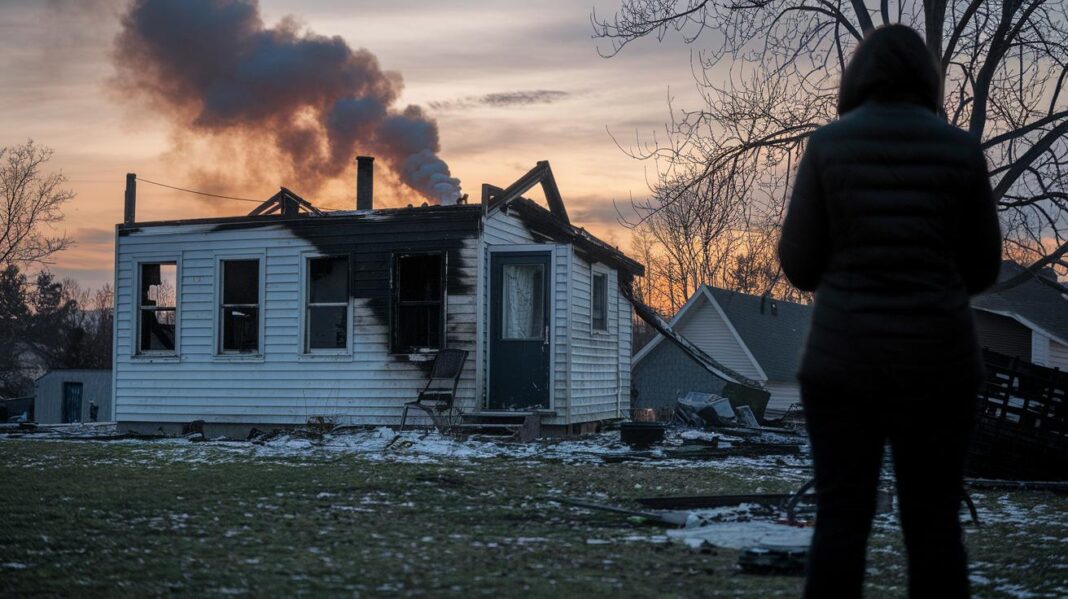

Ever worry that danger might still be in the air long after the fire is out? Even when the flames have died down, tiny soot particles and leftover gas (chemicals that can be harmful) can hurt your body. These hidden pollutants can slip into your lungs and cause health issues before you even notice. In this article, we explain how smoke and soot can affect your breathing and overall health. We’ll also show you why acting fast is important to keep your home safe and your family healthy.
Overview of Smoke and Soot Health Risks After a House Fire
After a house fire, hidden dangers from smoke and soot can still be in your home. Soot is a fine, dark powder that forms when fuel does not burn completely. Its tiny particles float in the air and settle on walls, vents, and your belongings. Smoke carries chemicals like carbon, tar, and carbon monoxide (a gas that lowers the oxygen in your blood, which can be very dangerous).
Breathing in these particles can harm you almost immediately. They easily get deep into your lungs and even enter your bloodstream. This can cause coughing, a tight chest, and trouble breathing. The chemicals, including volatile organic compounds (toxic substances released during fire damage), not only affect your lungs but can also weaken your overall health.
These harmful particles can travel through air ducts and other hidden spaces, spreading the risk throughout your home. Even a light, almost unnoticeable layer of soot can continue to lower your indoor air quality. If soot is on your furniture or in your vents, it may mean that your home still holds dangerous pollutants.
If you notice a persistent ashy smell or stale, heavy air, this is a clear sign that residues remain. We know how stressful this can feel, and we are here to help. Taking quick action by contacting professionals can reduce further exposure and keep you safe.
Inhalation Hazards and Acute Lung Injuries from Smoke and Soot
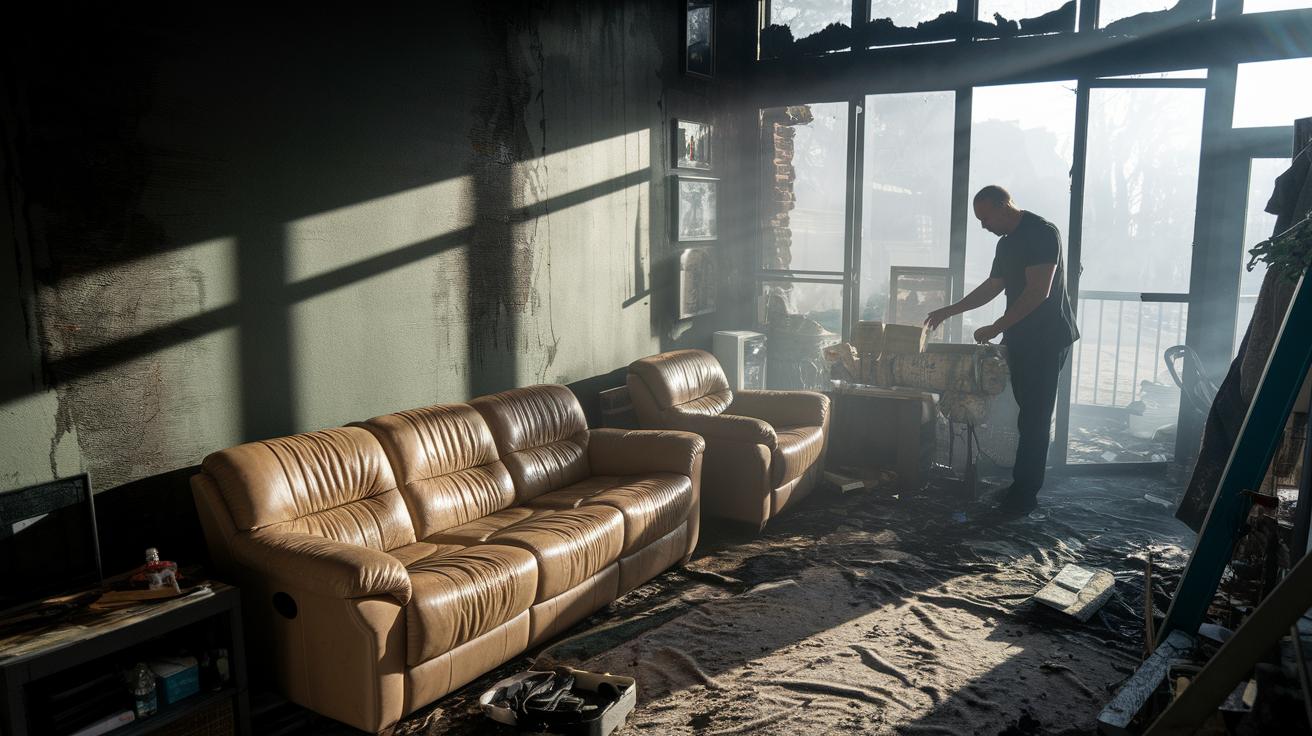
When a house fire occurs, tiny soot particles are released into the air. These microscopic particles settle on every surface in your home. They carry acids, chemicals, metals, and dust that can be harmful when you breathe them in. Imagine a light dusting covering your furniture after a kitchen mishap, except this residue is toxic.
During a fire, materials may burn incompletely. This incomplete combustion releases toxic gases called volatile organic compounds (gases that can harm your body when breathed in) along with fine particles. These substances can make your lung tissues swell and become inflamed, a bit like a scald from a hot drink. The irritation to your airways can begin within hours.
Burn fumes also include other hazardous gases that stress your lungs. Even a brief exposure may harm lung tissue and raise the risk of acute lung injury. Acute lung injury is when the tiny air spaces in your lungs become inflamed, which makes it harder to get enough oxygen, similar to struggling to breathe during a vigorous workout. People with existing breathing issues are especially vulnerable.
Symptoms like a persistent cough, shortness of breath, or chest tightness may be signs that these toxic particles have reached deep into your lungs. If you experience these signs, it is important to get help quickly to prevent further damage.
Short-Term Respiratory and Cardiovascular Effects from Smoke and Soot Exposure
After a house fire, the air is full of tiny particles and toxic gases that can harm your lungs and heart. You might start coughing heavily, feel a tight chest, or even notice wheezing right after exposure. These effects happen because the soot (fine ash particles) and chemicals irritate the delicate tissues in your airways, much like a mild asthma attack.
Breathing in these pollutants can also worsen bronchitis, making it hard to breathe or clear your airways. Carbon monoxide (a colorless, odorless gas that takes the place of oxygen in your blood) may lead to low oxygen levels. This can cause headaches, dizziness, and force your heart to work harder. In some cases, these effects begin within hours after the fire.
Whether you already have lung or heart problems, or not, these symptoms can affect anyone. If you notice any of these signs after a fire, please get help immediately to avoid further health issues.
Long-Term Health Implications of Smoke and Soot Exposure

Smoke and soot left from a house fire can cause long-lasting harm. Breathing in these tiny particles can inflame your lungs and, over time, lead to problems like COPD (a group of lung diseases that make breathing hard) and chronic bronchitis (ongoing swelling of the airways).
When soot reaches deep into your lungs, it brings with it dangerous chemicals and acids. One of these chemicals is polycyclic aromatic hydrocarbons (tiny compounds linked to lung and skin cancers). Even if you don’t feel symptoms right away, years of exposure can quietly increase your risk of cancer by weakening your lungs’ natural defenses.
The ongoing lung inflammation can also lower your immune system’s ability to fight off problems. As your body works to repair the damage, it may become more vulnerable to infections and other health issues. This stress might not show up immediately but can eventually make it harder for your body to fend off illness.
Even if you feel fine after exposure, the effects over months and years are a serious concern. Continuous contact with these particles can cause lasting scarring in your airways and a slow decline in lung function. Being aware of these dangers means you can seek medical advice early and take steps to reduce further exposure.
Recognizing Symptoms and When to Seek Help for Smoke and Soot Exposure
After a fire in your home, smoke and soot can affect your body. You might notice signs that your lungs or heart are having trouble handling the harmful particles and gases. If you see these changes, it is important to get help right away. For example, if your breathing seems different or you feel very tired, this could mean you were exposed to something dangerous.
Key signs to look for include:
- Ongoing coughing or wheezing
- Chest pain or a feeling of tightness
- Difficulty breathing even when you are resting
- Headaches or confusion (changes in brain function)
- Fast or irregular heartbeats and feeling dizzy
- Upset stomach with nausea or vomiting
If you or a loved one, especially children, seniors, or anyone with existing heart or lung issues, experiences these symptoms, please see a doctor as soon as possible. Quick, professional care can help prevent more serious problems from the lingering smoke and soot.
Preventive and Cleanup Measures to Reduce Smoke and Soot Health Risks
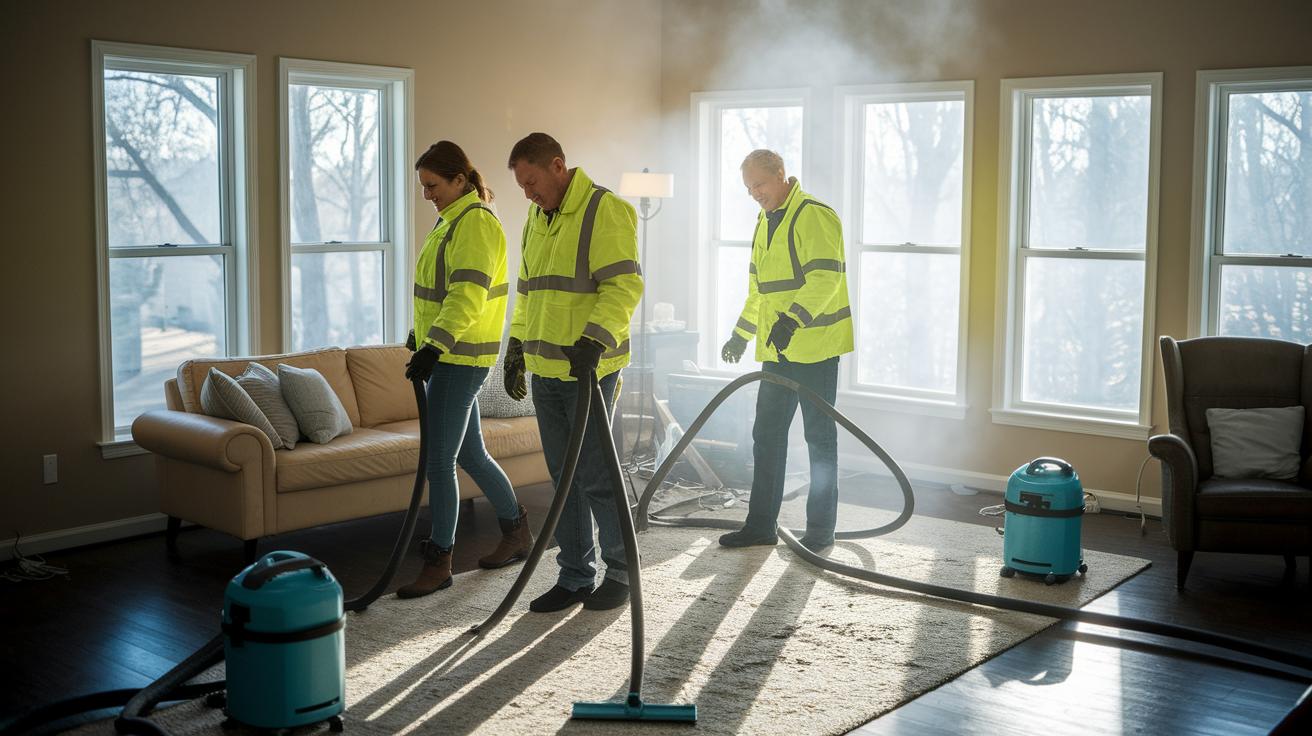
After a house fire, you need to cut down on harmful smoke and soot right away. We begin by cleaning surfaces that have picked up contaminants and using machines to improve the air. You can use a HEPA vacuum (a machine that traps tiny harmful particles) and air scrubbers (devices that clean the air) to lower your exposure and keep soot from settling again.
It’s important to wear proper protective gear during cleanup. Items like N95 or N100 respirators (masks that filter out harmful particles), gloves, and safety goggles help protect your face, hands, and eyes. Always work in a space with plenty of fresh air to avoid breathing in lingering toxic fumes.
When cleaning, use solutions that are made for toxic residues. These cleaners remove soot that could continue to harm air quality if left behind. A steady flow of fresh air helps push pollutants out and lowers their concentration.
Keep these tips in mind and use the right equipment before you start cleaning. Taking these steps now can help protect you from dangerous airborne toxins and lower long-term health risks.
| Protective Gear | Purpose |
|---|---|
| N95 or N100 Respirator | Filters 95–99% of airborne particles |
| Nitrile/Leather Gloves | Prevents skin contact with toxic residues |
| Safety Goggles | Shields your eyes from harmful particles |
| HEPA Vacuum & Scrubber | Removes settled soot and cleans the air |
Professional Restoration and Safety Assessments for Smoke and Soot
After a fire, hidden pollutants can threaten your home. We step in quickly with certified technicians who test for carbon monoxide (a dangerous, toxic gas) and tiny particles in your air. Our team performs simple on-site air tests and checks for chemicals to make sure no harmful fumes remain.
We also handle tasks like cleaning structural surfaces, working on HVAC systems (heating, ventilation, and air conditioning ducts), and deep cleaning to remove soot and smoke. We follow clear emergency steps to clear even the smallest traces and then recheck with follow-up tests to ensure your home is safe to live in again.
Count on us for fast fire damage cleanup and emergency restoration services. We work efficiently to restore air quality and provide all the documentation you need for insurance and peace of mind.
Our experienced team makes sure every step meets strict safety standards.
Final Words
In the action, we broke down the dangers of smoke and soot health risks after a house fire. We looked at how toxic particles affect breathing, discussed immediate and long-term impacts, and shared steps you can take to shield your home. We also explained when to seek help and how experts can restore your property. Every step is meant to keep you safe and help you make informed decisions. Stay positive and remember that professional help is always ready to step in when you need it.
FAQ
What to throw away after smoke damage
You should remove porous items like heavily soot-damaged carpets, drapes, clothing, and insulation. These items can harbor toxins and persistent smoke odors.
Wood smoke vs cigarette smoke
Wood smoke comes from burning natural materials and contains particulate matter and chemicals, while cigarette smoke includes nicotine and additional toxins, each posing its own set of health risks.
Wood fire health risk
Inhalation of wood fire emissions can cause respiratory irritation and systemic effects due to fine particles, carbon monoxide, and volatile organic compounds produced during combustion.
How to test air quality after a fire
You should use professional air quality monitors to measure levels of carbon monoxide, particulates, and volatile chemicals to determine when the indoor air is safe.
Harmful effects of burning wood
Burning wood releases fine particulate matter, acidic compounds, and volatile organic compounds that can irritate the lungs, worsen asthma, and trigger allergy symptoms in some individuals.
Toxic fumes after house fire
Toxic fumes contain carbon monoxide, chemicals, and fine particulates from incomplete combustion, which can immediately affect respiratory and cardiovascular health upon exposure.
Wood smoke allergy symptoms
Exposure to wood smoke may cause coughing, sneezing, itchy and watery eyes, and sometimes breathing difficulties, as the immune system reacts to irritant particles.
Is the smell of smoke after a fire harmful and can it make you sick?
While the odor itself is not directly harmful, it signals lingering toxins and chemicals that can irritate the respiratory system, so prolonged exposure should be avoided.
How toxic is smoke from a house fire?
Smoke from a house fire is highly toxic as it contains fine particles, carbon monoxide, and harmful chemicals from burned materials that can severely affect lung and heart health.
Can breathing in soot make you sick and what are the symptoms of smoke contamination?
Inhaling soot can lead to irritation, coughing, and chest tightness. Common symptoms include a persistent cough, wheezing, and fatigue, and if severe, prompt medical evaluation is recommended.