
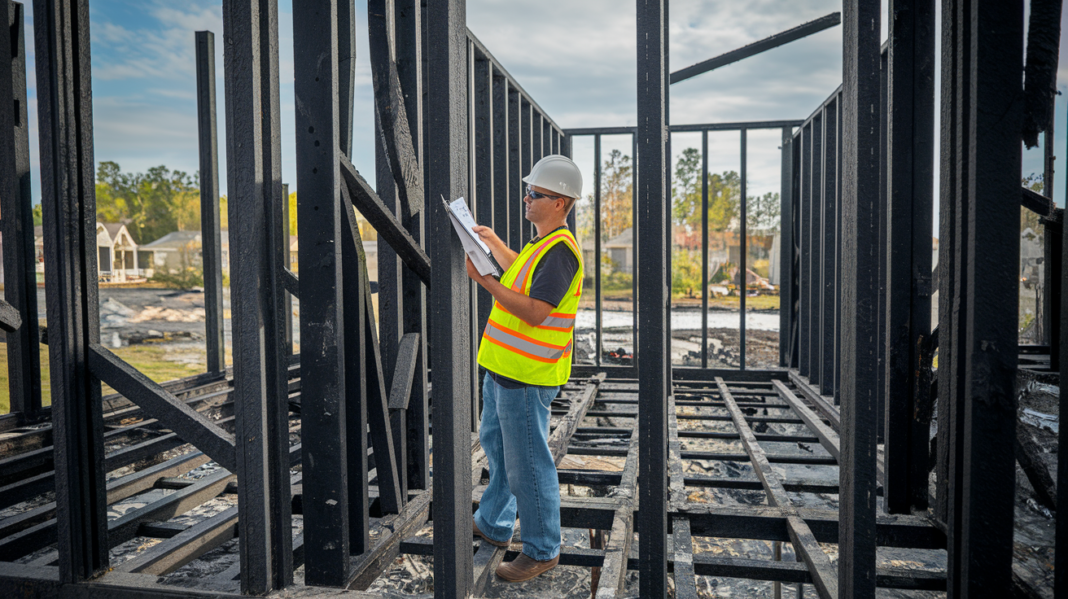

After a fire, most homeowners assume the flames caused all the damage. They didn’t. Firefighting water, toxic smoke residue, and hidden structural compromise often create more rebuilding challenges than the burn itself. A proper interior fire rebuild involves coordinated phases, strict safety protocols, and decisions that directly affect your family’s health and your home’s resale value. Here’s what actually happens from day one through move-in, what it costs, and how to choose contractors who finish the job right.
Essential First Actions and Three-Phase Overview for Fire Recovery
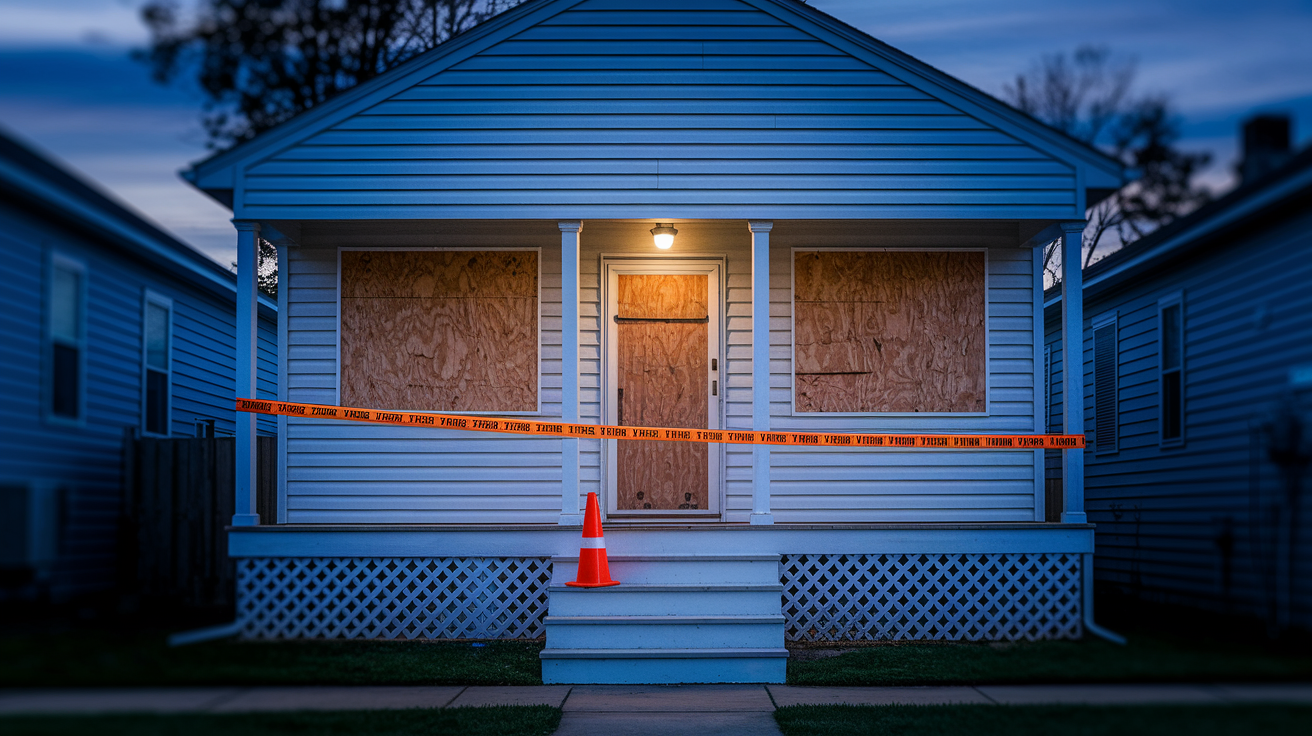
Don’t enter your fire-damaged property without professional safety clearance. Contact your insurance company right away to start the claims process. Secure the property against weather and unauthorized entry with board-up services.
Fire recovery follows three distinct phases. Assessment & Planning involves safety inspection, structural evaluation, and insurance documentation. Remediation & Demo includes hazard removal, water extraction, demolition, and deep cleaning. Rebuild & Finishing covers structural repairs, utility restoration, and cosmetic finishes that return your home to safe, livable condition. Each phase has specific goals detailed below.
Safety Assessment and Structural Evaluation Before Fire Rebuild Begins
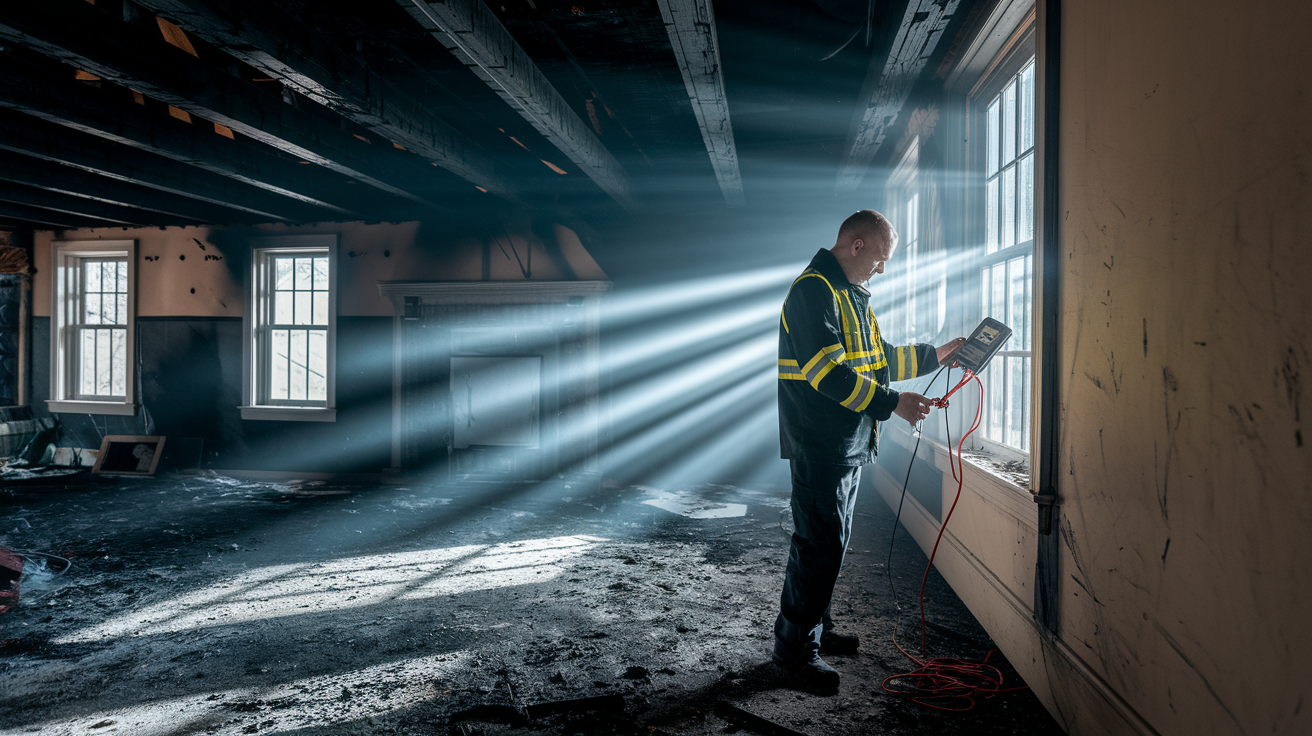
Walking into a fire-damaged home without professional clearance puts you at serious risk.
Post-fire hazards include unstable structures, falling debris, exposed nails embedded in charred wood, carcinogenic chemicals hanging in the air, electrical shock from damaged wiring, and hidden water damage that weakened floors and ceilings. Professionals trained to navigate these conditions enter with protective equipment and structural knowledge you don’t have.
Qualified inspectors holding IICRC FSRT (Fire and Smoke Restoration Technician) and WRT (Water Restoration Technician) certifications evaluate every critical system. They examine foundation integrity for heat-caused shifts or cracks. They check load-bearing elements including walls, beams, joists, and columns to determine what’s salvageable versus what requires replacement. Inspectors test air quality, identify hazardous materials like asbestos or lead that become friable when burned, assess utility damage to electrical panels and gas lines, inspect roofing for structural soundness, and flag areas susceptible to mold from firefighting water. They also check plumbing for heat-damaged pipes, HVAC systems for smoke contamination, siding for compromised weatherproofing, and interior walls for hidden damage behind surface burns.
Verify that inspectors carry proper credentials and state licensing before allowing property access. Their assessment determines which building materials can be cleaned and reused versus what must be completely removed, directly affecting your rebuild budget and timeline.
Health Hazards and Toxic Material Remediation in Fire-Damaged Interiors

Fire damage isn’t limited to what you can see. Burned building materials release toxic chemicals that penetrate and contaminate surrounding materials that look untouched.
When wood products, plastics, synthetic materials, and asbestos-containing materials burn, they release hydrogen chloride, dioxin chloromethane, nitrogen oxide, and carbon monoxide. These chemicals don’t disappear when flames go out. They settle into porous surfaces like drywall, insulation, fabrics, and ductwork. Short-term exposure causes respiratory issues, persistent coughing, bronchitis, asthma attacks, skin irritation, and eye problems. Long-term exposure carries risks including cancer, stroke, heart attack, and serious developmental consequences for infants and young children.
Professional remediation with proper protective equipment is required, not DIY cleaning. Firefighting foam used to suppress flames contains PFAS (per and polyfluoroalkyl substances) known as “forever chemicals” that require specialized handling protocols. When asbestos-containing materials burn, they release microscopic fibers that become airborne and lodge in lung tissue. Attempting to clean these materials yourself without respiratory protection, containment barriers, and proper disposal methods creates exposure that can affect your health for years.
Six common toxic contaminants requiring professional remediation:
Hydrogen chloride from burned PVC pipes, vinyl siding, and plastic materials
Dioxin chloromethane from combusted synthetic fabrics, carpets, and upholstery
Nitrogen oxide from high-temperature combustion of wood framing and natural materials
Carbon monoxide absorbed into porous surfaces during active burning
Asbestos fibers released when older insulation, floor tiles, or popcorn ceilings burn
PFAS chemicals from firefighting foam that penetrate flooring, drywall, and concrete
Water Damage and Moisture Control During Fire Interior Restoration

Firefighting efforts introduce hundreds or thousands of gallons of water that create secondary damage requiring immediate attention alongside fire repairs.
Mold growth begins within 24 to 48 hours after fire crews extinguish flames. This narrow window makes immediate moisture removal absolutely critical. Water from fire hoses soaks into wall cavities, saturates insulation, pools under flooring, and seeps into structural framing where you can’t see it. If not extracted quickly, mold colonizes these damp areas while you’re still processing the fire damage itself.
Professional crews use industrial-strength dehumidifiers that pull moisture from the air at rates household units can’t match. High-powered fans create airflow patterns that accelerate drying in wall cavities and under flooring. Wet vacuums extract standing water from carpets and padding. Moisture meters measure water content in framing lumber, drywall, and subfloors to track drying progress. Infrared cameras detect hidden moisture trapped behind walls or under flooring that visual inspection misses, preventing mold growth in concealed spaces.
Water-damaged drywall, insulation, and carpeting can’t be dried and saved. These materials are mold breeding grounds that must be removed entirely and replaced. Antimicrobial cleaners or diluted bleach sanitize surfaces touched by suppression water, killing bacteria and mold spores before they establish colonies.
Insurance Claims and Documentation for Fire Rebuild Projects
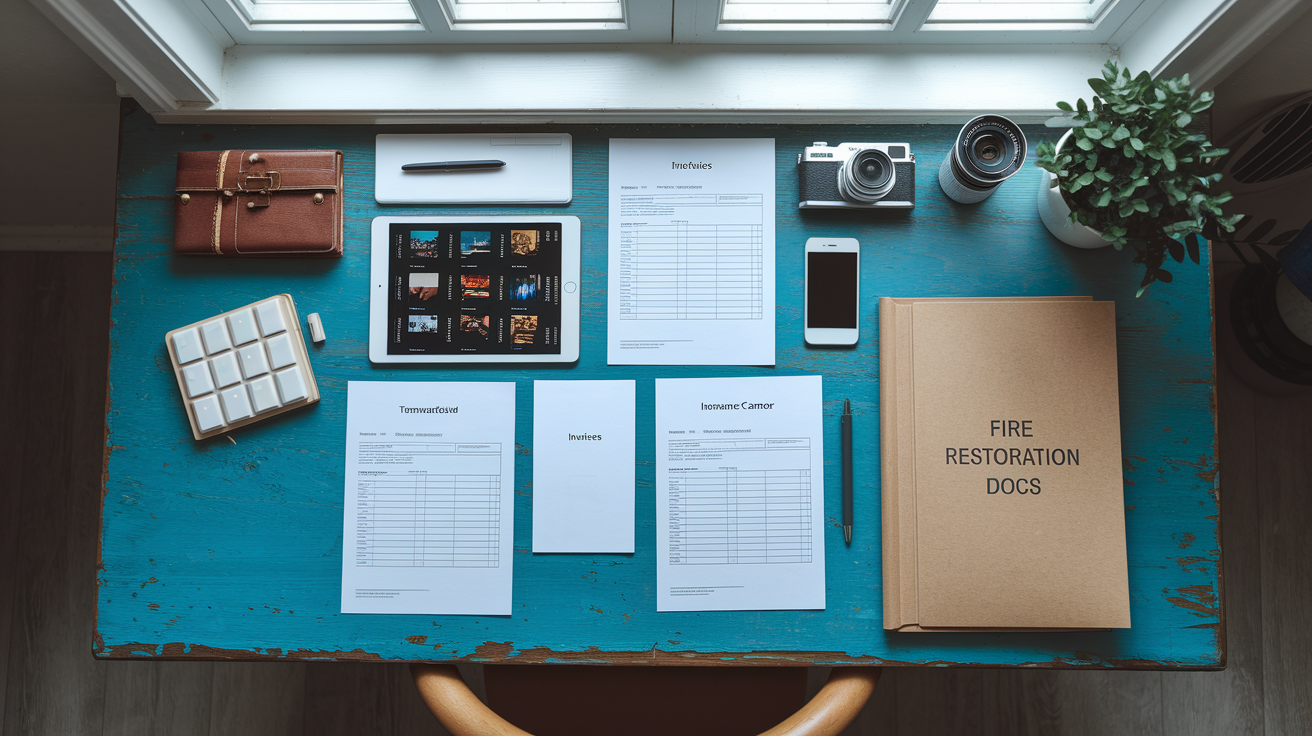
Most home insurance policies cover fire damage to the building structure, contents, and property, though coverage amounts vary significantly by policy.
Insurance adjusters inspect damage to determine covered repairs and calculate payout amounts. Restoration contractors experienced in insurance work can assist by documenting damage with detailed photos, providing itemized repair estimates that match insurance company formats, and communicating directly with adjusters to explain technical repair requirements. This support helps homeowners navigate claims without becoming overwhelmed by unfamiliar processes while dealing with displacement and stress.
Cost ranges for fire restoration vary dramatically based on damage extent. Smaller fires confined to one room cost approximately 3,000 to 5,000 dollars to repair. The national average for full fire restoration sits at 13,404 dollars. Fires causing structural damage to roofs or kitchens can exceed 50,000 dollars due to complex framing repairs, utility system replacement, and expensive finish materials. Understanding these ranges helps set realistic budget expectations and prepares homeowners for potential out-of-pocket expenses beyond insurance coverage.
Thorough documentation from day one protects your claim and maximizes reimbursement. Maintain these five critical documentation items:
Timestamped photos of all damaged areas, structural components, and destroyed contents before any cleanup begins
Itemized invoices from every contractor and vendor with detailed scope descriptions and material specifications
Professional communications including inspection reports, testing results, and contractor recommendations saved as PDFs
Daily progress photos showing work completed at each phase for insurance verification and dispute resolution
Digital backup of all documentation stored in cloud services or emailed to yourself for access if devices are damaged
Building Permits and Code Compliance for Fire Reconstruction

Building permits are legally required for fire restoration work to ensure structures meet minimum safety standards for occupants and neighbors.
Building departments inspect structural repairs, electrical installations, plumbing modifications, and HVAC work at multiple stages throughout reconstruction. Inspectors verify that load-bearing repairs use properly sized lumber, electrical circuits are correctly grounded and protected, plumbing installations meet pressure and drainage codes, and gas line repairs prevent leak hazards. These inspections protect homeowners by catching construction errors before they’re hidden behind drywall, preventing future failures that compromise safety or resale value.
Rebuilding existing fire-damaged structures costs significantly less than complete demolition and new construction due to code grandfathering. Existing structures can maintain compliance with older building codes under which they were originally permitted. Complete replacement requires bringing everything to current code including property line setbacks that may have changed since original construction, deeper footings meeting updated frost-line requirements, modern foundation drainage systems, water service line sizing, and sewer connection standards. These current-code requirements can add tens of thousands of dollars to reconstruction costs.
Final occupancy permits are required before homeowners can legally move back into fire-damaged properties. Building departments issue occupancy clearance only after verifying all permitted work passed final inspections, utility companies restored services, and structures meet minimum habitability standards. Moving in before occupancy permit approval can void insurance coverage and create liability if safety issues cause future injuries.
Demolition and Debris Removal in Fire-Damaged Home Interiors
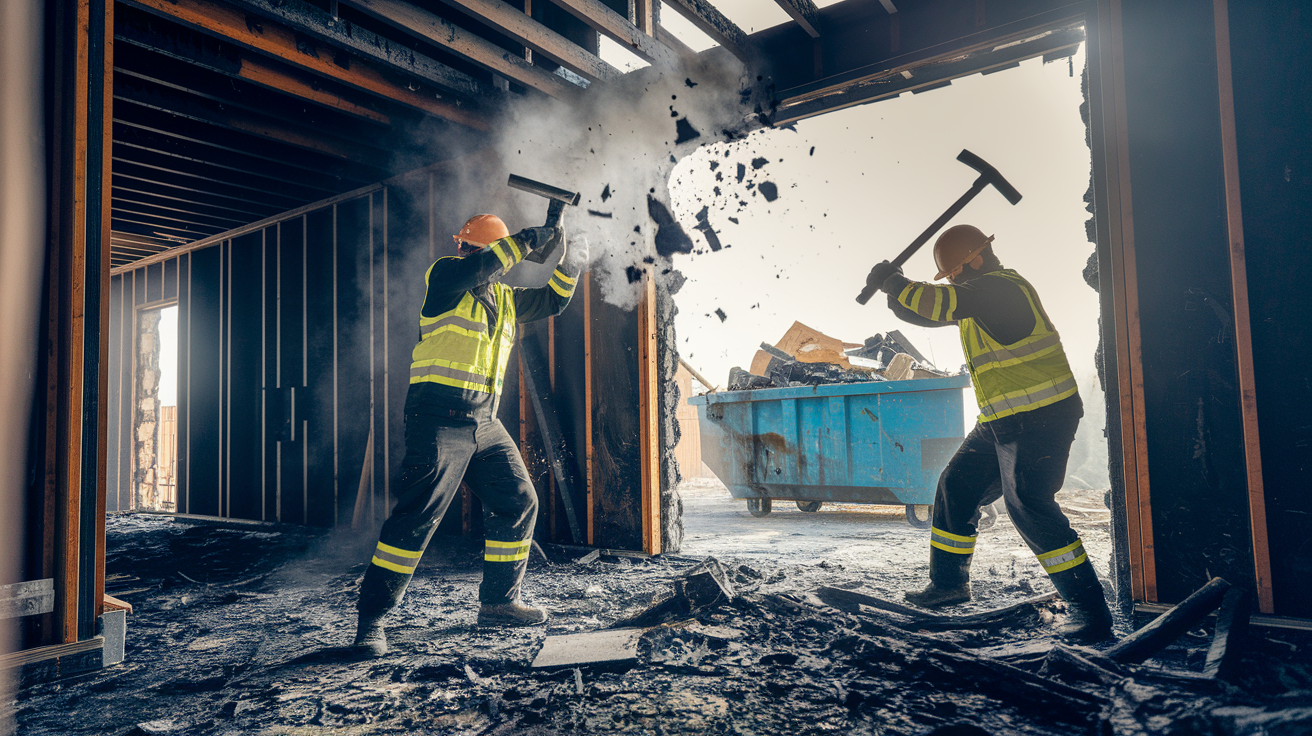
Demolition, called clear-out or muck-out in restoration terms, is the necessary first step after safety clearance.
This phase involves structural stabilization using temporary supports where fire weakened load-bearing components, then systematically removing all fire-damaged materials. Crews remove charred framing that lost structural capacity from prolonged heat exposure. Soaked insulation that absorbed firefighting water comes out entirely because it can’t be dried. Smoke-saturated drywall gets torn out because soot particles penetrate the gypsum core beyond surface cleaning. Compromised flooring including burned hardwood, melted vinyl, and smoke-saturated carpeting is pulled up along with damaged subflooring. Contents including furniture with smoke damage that penetrated upholstery, clothing that absorbed carcinogenic particulates, appliances with melted components or electrical damage, electronics with heat-damaged circuits, and all perishable food exposed to smoke or heat are removed and disposed of properly.
Emergency board-up services secure and protect the structure during restoration. Plywood sheets cover window openings where glass shattered from heat. Tarps protect roof sections where shingles burned through. Temporary doors replace fire-damaged entry points. Board-up prevents weather from causing additional damage to exposed framing, stops animals from entering the structure, and discourages unauthorized entry or theft of remaining contents and building materials.
Professionals can identify which structural components are salvageable versus compromised materials where repair costs exceed replacement value. A floor joist with surface charring but intact structural fibers can be cleaned and sealed. A joist burned halfway through its depth must be replaced because it lost load capacity.
Smoke and Soot Cleaning Before Interior Fire Rebuild
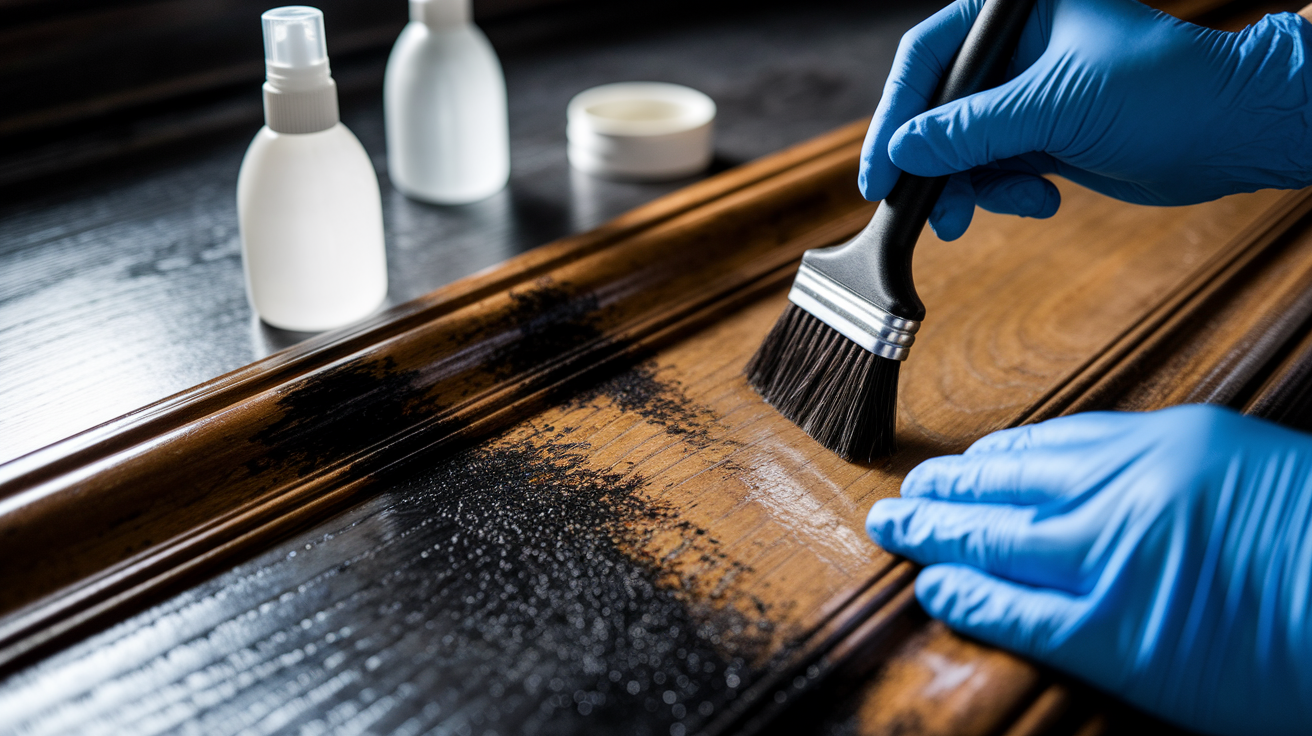
Smoke and soot penetrate porous surfaces creating both visible stains and invisible contamination that require professional-grade cleaning before rebuilding begins.
Soot particles measure microscopic in size, allowing them to infiltrate drywall pores, wood grain, concrete surfaces, and any material with texture. Surface wiping only smears these particles deeper without removing them. Chemical cleaners break down soot composition at molecular level, releasing the bond between particles and building materials. Trisodium phosphate (TSP) is highly effective for cleaning soot and charred stains from framing lumber, concrete foundations, and other structural elements, but requires proper safety equipment including chemical-resistant gloves, eye protection, and respiratory protection because TSP is a strong alkaline compound that causes skin burns and respiratory irritation on contact.
Advanced odor elimination techniques address smoke smell that persists after visible soot removal. Thermal fogging uses heated petroleum-based or water-based solutions that vaporize into microscopic particles matching smoke’s molecular size, allowing deodorizing agents to penetrate the same spaces smoke reached, neutralizing odor at its source. Ozone treatment generates ozone molecules that chemically react with and break down odor-causing compounds embedded in porous materials, though ozone is toxic to humans and requires complete evacuation during treatment. Air purifiers with activated carbon filters and HEPA filtration run continuously during cleaning to capture airborne particulates released during soot disturbance.
Air duct cleaning and HVAC system restoration prevent smoke odor recirculation throughout the home. Smoke particles settle inside ductwork and on HVAC components during the fire. When systems restart, they blow these particles and odors into every room. Professional duct cleaning removes accumulated soot. HVAC equipment including coils, blowers, and air handlers get chemically cleaned or replaced if damage is severe.
Complete odor elimination including toxins, odor traces, and discoloration must be achieved before new building materials are installed or smells become permanently trapped in rebuilt spaces. Drywall acts like a sponge. If you hang new drywall over framing that still carries smoke odor, the drywall absorbs that smell and continues releasing it for years.
Electrical and Plumbing System Restoration After Fire

Utility companies shut off power, gas, and sometimes water immediately after fires for safety. Licensed professionals must restore and inspect these systems before reconnection is authorized.
Electrical system damage from fire includes melted wire insulation that creates short-circuit and shock hazards, burned connections in outlets and switches, heat-damaged circuit breaker panels with compromised safety mechanisms, and wiring inside walls exposed to flame or extreme heat. A licensed electrician must inspect the entire electrical system, test circuits for proper grounding and load capacity, replace damaged wiring and components, install new circuit breakers and panels if heat compromised safety features, and verify all work meets current electrical code. The electrician then notifies the utility company (like SDG&E in San Diego or Edison in Los Angeles) that electrical restoration is complete and safe for reconnection. The utility performs their own verification before restoring power.
Plumbing systems require inspection for heat damage that may not be immediately visible. Plastic supply lines (PEX or CPVC) soften and deform at temperatures well below what causes visible fire damage. Copper pipes can develop pinhole leaks where prolonged heat weakened pipe walls. Drain lines made of PVC or ABS plastic melt at relatively low temperatures. Pressure testing involves sealing the system and pumping it to normal operating pressure (typically 60 PSI for residential water supply) to identify compromised sections that leak under load. Damaged pipes get replaced in sections or entirely depending on fire extent. Gas lines undergo similar pressure testing with specialized equipment that detects even tiny leaks that could cause explosions.
HVAC system restoration begins with ductwork inspection and cleaning to remove smoke residue that settled throughout the system. Sheet metal ducts withstand fire heat better than flexible duct, which often melts or collapses. Equipment inspection checks furnace heat exchangers for cracks that leak carbon monoxide, air conditioning coils for heat damage that affects refrigerant containment, blower motors for electrical damage, and control boards for melted components. Systems with significant heat exposure typically require complete replacement because repair costs approach or exceed replacement cost, and compromised systems pose ongoing safety and efficiency problems.
Structural Repairs and Framing Work in Fire Rebuild
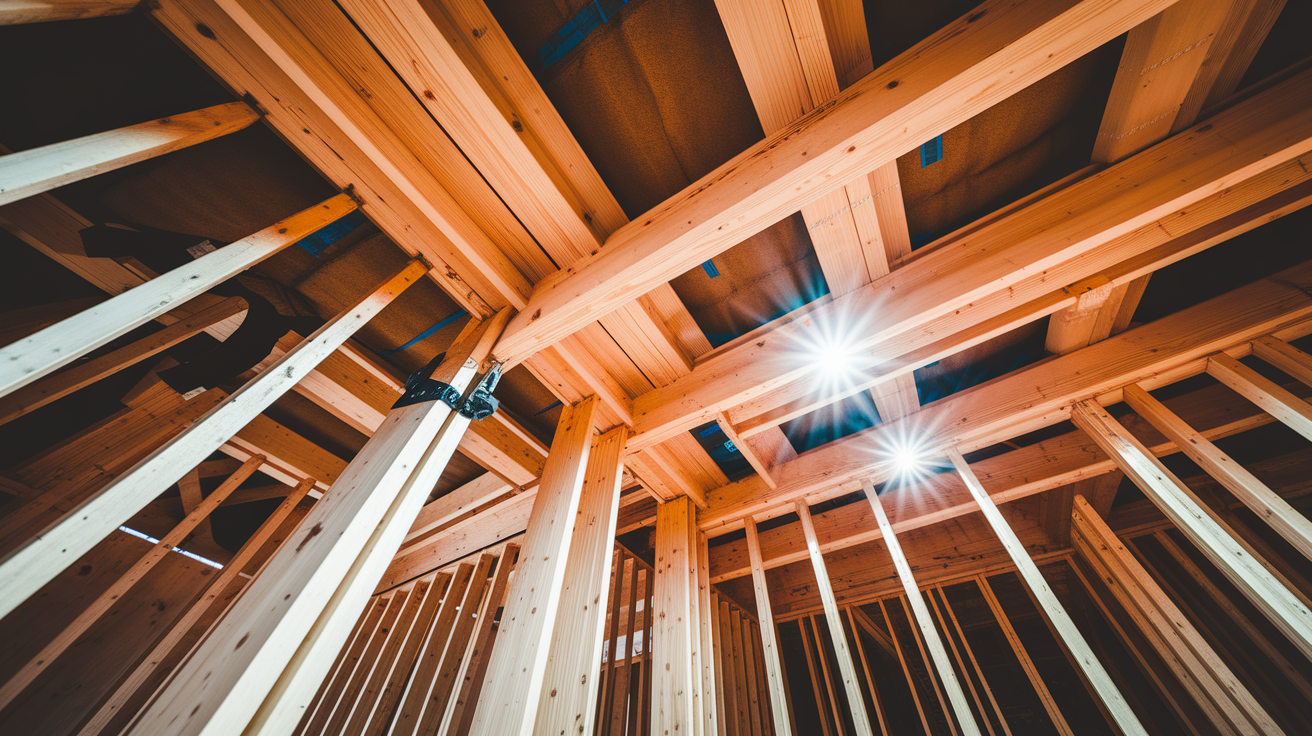
Structural framing must be repaired or replaced before finish work begins because it forms the foundation upon which all cosmetic work depends.
Common structural repairs include floor joists that support subflooring and everything above, wall studs forming the skeleton that holds drywall and siding (with special attention to load-bearing walls that carry roof and upper-floor weight), ceiling joists that prevent walls from spreading outward under roof load, beams that span long distances to transfer loads to vertical supports, columns that carry concentrated loads from beams to foundations, stairways where stringers (the angled boards supporting treads) may have burned or weakened, and subfloor plywood or OSB that lost strength from heat exposure or water saturation. Structural engineers specify repair methods for severely damaged areas, calculating required lumber sizes, connection hardware, and temporary support systems during repair.
Insulation replacement is mandatory because fire-damaged insulation must be completely removed. Fiberglass insulation exposed to flame melts and loses R-value. Cellulose insulation burns. Spray foam insulation releases toxic fumes when heated and must be cut out entirely. This phase offers opportunities to upgrade to fire-resistant or higher R-value options that improve energy efficiency. Fire-resistant insulation products include mineral wool (rock wool or slag wool) that withstands temperatures above 1,000 degrees Fahrenheit, providing both thermal performance and fire barriers between rooms.
This phase is ideal for installing fire-resistant building materials that provide both safety durability and contemporary aesthetic appeal. Treated lumber infused with fire retardants slows flame spread through framing. Metal framing studs don’t burn and maintain structural integrity during fires better than wood. Stone veneer on exterior walls or interior accent walls adds non-combustible surfaces. These upgrades cost more upfront but reduce future fire risk and often lower insurance premiums.
Drywall, Flooring, and Interior Finishes During Fire Rebuild
Finish work is where the home begins to look like a home again, transforming bare structure into livable space through room-by-room systematic restoration.
The sequence matters for efficiency and quality. Drywall installation and finishing come first, covering framing and creating smooth walls and ceilings. Drywall finishers tape joints, apply multiple coats of joint compound, and sand to create seamless surfaces. Primer application is essential for sealing residual odors that cleaning couldn’t completely remove. Primer acts as a barrier preventing smoke smell from bleeding through paint. Paint application follows, typically two coats for durability and even color, where lighter colors enhance room brightness and create an uplifting atmosphere in spaces being restored from darkness and damage. Flooring installation comes after wall painting to avoid paint splatter damage, including hardwood installation or refinishing, tile setting with grout sealing, carpeting with quality padding, or luxury vinyl plank that’s gained popularity for its durability and water resistance. Trim and molding installation finishes the visual transition between surfaces, with baseboards covering gaps between walls and floors, crown molding adding detail at ceiling lines, door casings framing openings, and window trim completing the polished look.
| Finish Component | Material Options | Typical Timeline |
|---|---|---|
| Drywall | Standard gypsum, fire-resistant Type X (5/8-inch for fire barriers), moisture-resistant green board or purple board for bathrooms | 3-7 days per 1,000 square feet including taping and finishing |
| Painting | Primer (odor-sealing formulas for fire restoration) plus two coats finish paint, color selection for brightness and mood | 2-4 days per room including drying time between coats |
| Flooring | Hardwood (3/4-inch solid or engineered), ceramic or porcelain tile, carpet with padding, luxury vinyl plank | 1-3 days per room depending on material and square footage |
| Trim | Baseboards (typically 3-5 inches), crown molding (2-6 inches), door casings, window trim in wood, MDF, or PVC | 1-2 days per room for installation, plus painting time |
| Fixtures | Lighting (recessed cans, flush mounts, chandeliers), outlet and switch covers, door hardware (handles, hinges, locks) | 1-2 days total for typical home |
Cosmetic restoration including whitewashing where applicable, multiple paint coats, and refinishing removes all traces that a fire occurred including any remaining discoloration that survived cleaning processes.
Kitchen and Bathroom Reconstruction After Fire
Kitchens and bathrooms often sustain the most severe fire damage and require specialized reconstruction, with kitchen structural damage potentially exceeding 50,000 dollars.
Kitchen rebuild components include complete cabinet replacement because smoke and heat penetrate cabinet boxes and doors beyond cleaning capability, countertop installation in materials ranging from laminate to granite or quartz depending on budget and insurance coverage, backsplash tile work that protects walls from cooking splatter while providing cleanable surfaces, appliance connections for ranges that require proper gas line installation or electrical circuits sized for load, dishwashers needing both plumbing and electrical hookups, and proper ventilation systems to prevent future fire hazards. Range hoods vented to exterior remove cooking smoke and grease-laden air that causes buildup over time. Many kitchen fires start from grease accumulation in hoods or ducts, making proper ventilation a fire-prevention upgrade during rebuild.
Bathroom reconstruction requires moisture-resistant materials to prevent mold in these high-humidity spaces. Cement board or similar water-resistant backing replaces standard drywall behind tub and shower enclosures. Tile work for walls extends at least 6 inches above shower heads to protect from water spray, and floor tile should be slip-resistant when wet. Plumbing fixture installation includes toilets, vanity sinks with proper drain venting, tub or shower valves with anti-scald protection required by current codes, and faucets. Ventilation fans vented to exterior remove humid air during showers, preventing moisture accumulation that leads to mold growth, peeling paint, and wood rot around windows.
This phase offers opportunities to upgrade to fire-resistant materials that provide contemporary aesthetic appeal when integrated into kitchen and bathroom designs. Quartz countertops don’t burn and withstand heat better than laminate. Porcelain tile floors are non-combustible and easier to clean than vinyl. Metal or glass tile backsplashes add modern style while providing fire-resistant surfaces behind cooktops. The room-by-room systematic restoration approach allows focusing budget and attention where it matters most in these high-use, high-value spaces.
Timeline and Project Phases for Interior Fire Rebuild
Rebuild timelines vary dramatically based on damage extent, from weeks for minor fires to 6 to 12 months for severe damage requiring comprehensive step-by-step process.
Some phases can overlap to accelerate overall timeline. Ordering materials during demolition means they arrive when needed rather than waiting weeks after demolition completes. Scheduling inspections in advance prevents delays waiting for inspector availability. However, other phases must be completed sequentially because later work depends on earlier completion. Structural repairs must finish before drywall installation. Electrical and plumbing rough-in must pass inspection before walls are closed. Painting must dry before flooring installation to avoid damage.
Five major timeline phases with typical duration ranges:
-
Assessment and permits (1 to 3 weeks) includes initial safety inspection, structural engineering evaluation if needed, insurance adjuster walkthrough, permit application submission, and permit approval waiting period that varies by jurisdiction workload
-
Demolition and remediation (1 to 2 weeks) covers the clear-out phase including structural stabilization, removal of unsalvageable materials, water extraction and drying, smoke and soot cleaning, and hazardous material remediation
-
Structural repairs and utility restoration (2 to 8 weeks) includes foundation repairs if necessary, framing replacement or reinforcement, electrical system restoration and inspection, plumbing system replacement and pressure testing, HVAC cleaning or replacement, and insulation installation
-
Finish work (3 to 8 weeks) encompasses room-by-room systematic restoration including drywall installation and finishing, primer and paint application, flooring installation, trim and molding, cabinet installation in kitchens and bathrooms, countertop installation, and fixture mounting
-
Final inspection and occupancy clearance (1 to 2 weeks) covers contractor punch-list completion, building department final inspection scheduling and completion, utility final connections, and occupancy permit issuance
Temporary housing considerations become critical for longer rebuilds. Check your insurance policy for Additional Living Expense (ALE) coverage that pays for hotels or rental homes while your property is uninhabitable. Factors that delay timelines include permit processing delays in busy jurisdictions, material availability issues for specialized items like custom cabinets or specific tile selections, insurance claim processing speed affecting contractor payment and work authorization, inspection scheduling during peak construction seasons when building departments are backed up, and weather conditions affecting exterior work like roofing or siding that must complete before interior finishing progresses.
Cost Estimation and Budget Planning for Fire Interior Rebuild
Homeowners typically pay between 2,968 and 28,042 dollars for full fire restoration, with a national average of 13,404 dollars. Smaller fires confined to one room cost approximately 3,000 to 5,000 dollars to repair, while fires causing structural damage to roofs or kitchens can exceed 50,000 dollars.
Factors affecting costs include damage extent measured in square footage of affected areas, material selections ranging from basic builder-grade to premium finishes, local labor rates that vary significantly between rural and urban markets, permit fees charged by building departments (typically 1 to 3 percent of project cost), and whether hazardous material remediation is required for asbestos or lead, which adds 2,000 to 10,000 dollars depending on quantity. Geographic location significantly impacts labor costs, with metropolitan areas like Los Angeles, San Francisco, or San Diego charging 30 to 50 percent more than smaller cities for the same work.
| Rebuild Component | Low Range | High Range |
|---|---|---|
| Demolition and cleaning | $2,000 | $8,000 |
| Structural repairs (framing, subfloor) | $5,000 | $25,000 |
| Electrical and plumbing systems | $3,000 | $15,000 |
| Drywall and painting | $2,500 | $10,000 |
| Flooring installation | $3,000 | $12,000 |
| Kitchen and bathroom reconstruction | $8,000 | $50,000+ |
Insurance coverage handles most structural repairs and restoration to pre-fire condition, but out-of-pocket costs arise from upgrades beyond basic restoration. If your kitchen had laminate countertops and you want granite, you pay the difference. If code requires upgrading electrical panels from 100-amp to 200-amp service, insurance typically covers that mandatory upgrade. If you choose to add recessed lighting that wasn’t there before, that’s out-of-pocket. Fire restoration costs vary widely and homeowners should budget for both insurance-covered work and out-of-pocket modifications or upgrades, with all expenses carefully documented for insurance reimbursement claims and potential tax deductions for casualty losses.
Selecting and Vetting Fire Restoration Contractors
Fire damage restoration companies handle remediation, meaning cleanup and hazard removal, while full-service fire restoration companies provide complete reconstruction services from demolition through occupancy clearance. Many homeowners need both capabilities, making it simpler to hire one company with comprehensive skills rather than coordinating separate remediation and construction contractors.
IICRC certifications are the gold standard for fire restoration professionals, setting industry benchmarks through the American National Standards Institute (ANSI). Specific credentials to verify include FSRT (Fire & Smoke Restoration Technician) demonstrating knowledge of soot types, cleaning methods, and odor control techniques, WRT (Water Damage Restoration Technician) covering moisture detection, extraction, structural drying, and mold prevention, and OCT (Odor Control Technician) specializing in advanced deodorization including thermal fogging and ozone treatment. Project managers overseeing your rebuild should carry OSHA safety training certifications proving they understand job site hazard management and worker protection requirements, plus certifications in lead and asbestos management if your home was built before 1980 when these materials were common. Companies with comprehensive restoration credentials and multi-hazard experience, like those handling water damage restoration, typically provide smoother project coordination because they understand how different damage types interact.
Eight essential contractor vetting criteria to verify before signing contracts:
Valid state and local licensing including general contractor license and specialized restoration licenses where required by state law, with license numbers verifiable through state contractor licensing boards
Adequate liability and workers compensation insurance with minimum coverage of 1 million dollars general liability and statutory workers compensation, verified by requesting certificates of insurance directly from the insurance company
IICRC certifications for key personnel including FSRT, WRT, and OCT credentials, with certification numbers verifiable through the IICRC online directory
Verifiable references from at least three recent fire restoration projects, contacted directly to ask about quality, communication, timeline adherence, and how problems were handled
Detailed written estimates with scope breakdown showing materials, labor, timeline, and payment schedule, not vague lump-sum numbers that hide cost details
Warranty offerings for workmanship (typically 1 to 2 years) and materials (varies by product), with clear terms explaining what’s covered and claim procedures
Clear project management approach with defined communication protocols including point of contact, update frequency, and how change orders are documented and approved
Decades of construction experience evidenced by years in business, portfolio of completed projects, and knowledge of building codes and material compatibility demonstrated during initial consultation
Design Opportunities and Modern Upgrades During Fire Rebuild
Rebuilds offer a unique opportunity for transformational redesign to improve layout, update outdated systems, and incorporate modern materials that weren’t possible with simple maintenance.
Popular design upgrades include removing non-load-bearing walls to create open floor plans that foster connectivity between kitchen, dining, and living areas while maintaining distinct zones through strategic furniture placement and flooring transitions. Open layouts improve sight lines for families with young children, enhance entertaining flow, and make smaller homes feel more spacious. Installing larger windows, skylights, or glass doors maximizes natural light to improve mood and reduce feelings of confinement. Natural light reduces dependence on artificial lighting during daytime hours, cutting electricity costs while creating brighter, more inviting spaces. Fire-resistant materials including metal roofing that doesn’t ignite from flying embers, stone accent walls providing non-combustible focal points, and treated wood framing infused with fire retardants provide both safety durability and contemporary aesthetic appeal that aligns with modern design trends.
Energy efficiency improvements accessible during rebuild include upgraded insulation beyond code minimum R-values, reducing heating and cooling costs by 20 to 40 percent annually compared to minimal code compliance. High-efficiency windows with Low-E coatings and argon gas fills block heat transfer in summer and retain warmth in winter. Modern HVAC systems with variable-speed compressors and smart thermostats reduce operating costs compared to older single-speed units while providing better temperature control and air quality. These improvements cost more initially but generate savings that accumulate over years of ownership.
Working with interior designers or renovation specialists experienced in post-restoration projects can provide innovative solutions tailored to homeowner needs. Designers understand building codes, material lead times, and budget allocation strategies that maximize value. They help select personal decor that celebrates resilience, incorporating salvaged items that survived the fire into the new design tells your story while honoring what you preserved. Designers familiar with trauma-informed design can create dedicated therapeutic spaces like meditation corners, reading nooks with comfortable seating and soft textiles, or zen gardens visible through new larger windows, promoting relaxation and recovery through calming colors, natural materials, plants, and soothing artwork that support emotional healing alongside physical rebuilding.
Final Inspection, Walkthrough, and Moving Back After Fire Rebuild
Final building department and fire marshal inspections are required before occupancy permits are legally issued, allowing homeowners to move back in safely.
The contractor walkthrough process happens before final inspections, giving homeowners opportunity to identify any incomplete or unsatisfactory items. Walk through slowly with a notepad, testing every light switch, outlet, faucet, door, and window. Check that doors close without binding and latches engage properly. Run water in every sink, tub, and shower to verify proper flow and drainage. Flush toilets to ensure complete refills. Test HVAC systems in both heating and cooling modes. Inspect finish quality including paint coverage, trim joints, flooring transitions, and caulking around tubs and sinks. Items noted during walkthrough go on a punch list for completion before final payment is released. This gives contractors incentive to return and address concerns promptly.
During final walkthrough, verify that comprehensive documentation was maintained throughout the process including all inspection certificates, warranty information for new appliances and materials, as-built drawings showing any layout changes, and operating instructions for new systems. Test all utilities to confirm proper operation. Check for any lingering fire evidence including visual discoloration, persistent odors, or air quality issues that could indicate incomplete cleaning.
The goal of fire restoration is complete removal of any evidence of fire including toxins, odor traces, and discoloration while ensuring structural soundness and utility functionality. When properly completed, your home should show no signs that a fire occurred. Walls are smooth and evenly painted, floors are level and finished, all utilities function reliably, and air smells clean without any smoke hints. Professional final quality checks through emergency restoration services and restoration completion standards ensure you’re moving back into a safe, comfortable home rather than an incomplete project with lingering problems.
Final Words
An interior rebuild after fire follows a clear path from safety assessment through structural repairs to finished living spaces.
Each phase builds on the last. Demolition can’t start without clearance. Finish work can’t begin until framing is solid and utilities are restored.
The timeline stretches weeks to months depending on damage extent, but working with certified professionals who understand the full sequence keeps the project moving forward.
Document everything, verify credentials, and remember that this rebuild is also a chance to improve your home’s safety, efficiency, and layout for the long term.
FAQ
What is the 30/30/30 rule for fire?
The 30/30/30 rule for fire refers to a safety guideline stating that if you see lightning and hear thunder within 30 seconds, seek shelter immediately and remain inside for 30 minutes after the last thunder. This rule helps prevent lightning-related fires and injuries during storms.
How much does it cost to rebuild after a house fire?
Rebuilding after a house fire typically costs between 2,968 and 28,042 dollars, with a national average of 13,404 dollars. Smaller fires cost approximately 3,000 to 5,000 dollars to repair, while fires causing structural damage to kitchens or roofs can exceed 50,000 dollars.
What are the 4 stages of interior structural fire?
The four stages of interior structural fire include incipient stage (initial ignition with minimal smoke), growth stage (rapid fire spread with increasing heat), fully developed stage (maximum heat release with full room involvement), and decay stage (fire diminishes as fuel is consumed).
Is anything salvageable after a fire?
Some items are salvageable after a fire, depending on damage extent and material type. Professional assessment determines which structural components can be repaired and which contents can be cleaned, while severely smoke-damaged materials, water-soaked insulation, charred framing, and perishable food must be disposed of entirely.
How long does it take to rebuild a house after a fire?
Rebuilding a house after fire typically takes weeks for minor damage to 6-12 months for severe structural damage. Timeline depends on damage extent, permit processing, material availability, insurance claim speed, and project phases including assessment, demolition, structural repairs, finish work, and final inspection.
Do I need permits to rebuild after a fire?
You need building permits to rebuild after a fire to ensure structures meet minimum safety standards for occupants and neighbors. Permits are legally required for fire restoration work, and final occupancy permits must be obtained before homeowners can legally move back into fire-damaged properties.
Can smoke damage be completely removed?
Smoke damage can be completely removed through professional cleaning methods including chemical cleaners, thermal fogging, ozone treatment, and air duct restoration. Complete odor elimination including toxins, odor traces, and discoloration must be achieved before new materials are installed or smells become permanently trapped.
What materials must be replaced after fire damage?
Materials that must be replaced after fire damage include water-soaked insulation, smoke-saturated drywall, charred framing, compromised flooring, and any structural components where repair costs exceed replacement value. All perishable food and severely damaged contents like furniture, clothing, and electronics also require disposal.
Should I hire a restoration company or general contractor after a fire?
You should hire fire restoration companies that provide both remediation (cleanup and hazard removal) and full reconstruction services. Look for IICRC-certified professionals with Fire & Smoke Restoration Technician (FSRT) credentials, decades of construction experience, and project managers trained in OSHA safety and hazardous material management.
What certifications should fire restoration contractors have?
Fire restoration contractors should have IICRC certifications including Fire & Smoke Restoration Technician (FSRT), Water Damage Restoration Technician (WRT), and Odor Control Technician (OCT). Project managers should possess OSHA safety training, valid state licensing, and certifications in lead and asbestos management for safe hazardous material handling.
How soon does mold grow after a fire?
Mold growth begins within 24-48 hours after fire crews extinguish flames, making immediate moisture removal absolutely critical. Water damage from firefighting efforts requires professional extraction using industrial-strength dehumidifiers, high-powered fans, moisture meters, and infrared cameras to prevent mold colonization.
What toxic chemicals are released during house fires?
Toxic chemicals released during house fires include hydrogen chloride, dioxin chloromethane, nitrogen oxide, carbon monoxide, asbestos fibers, and PFAS from firefighting foam. These contaminants cause short-term effects like respiratory issues and long-term risks including cancer, stroke, and heart attack, requiring professional remediation.
Can you live in a house during fire restoration?
You cannot live in a house during fire restoration until final occupancy permits are legally issued after building department and fire marshal inspections. Temporary housing is necessary during the restoration timeline, which includes hazardous material remediation, structural repairs, and utility restoration before safe occupancy.
Does insurance cover fire rebuild costs?
Insurance typically covers fire damage to the building, contents, and property, though coverage amounts vary by policy. Homeowners should document all expenses including photos, invoices, and professional communications digitalized for insurance evidence, and budget for both insurance-covered work and out-of-pocket modifications or upgrades.
What gets cleaned first after a fire?
Safety assessment and structural stabilization get completed first after fire, followed by water extraction and moisture control within the critical 24-48 hour window. Then ash, smoke, and soot removal occurs using professional methods before demolition of unsalvageable materials and reconstruction phases begin.