
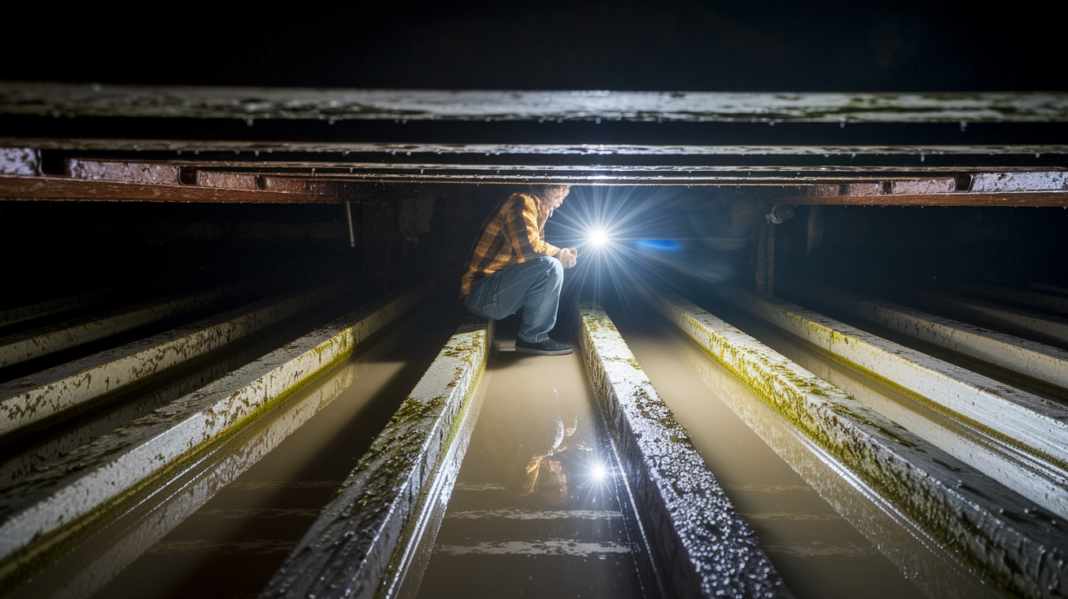

If your crawlspace flooded last week and you’re catching whiffs of that musty smell through your vents, you’re already losing time. Mold colonies establish within 24 to 72 hours after flooding, and once they lock in, they start launching spores into every room above. We’ll walk you through the critical removal steps homeowners can tackle safely, explain what testing actually tells you, and show you exactly when DIY cleanup turns into a job that needs professional equipment and containment.
Is Your Crawlspace Dangerous? Critical Assessment After Flooding
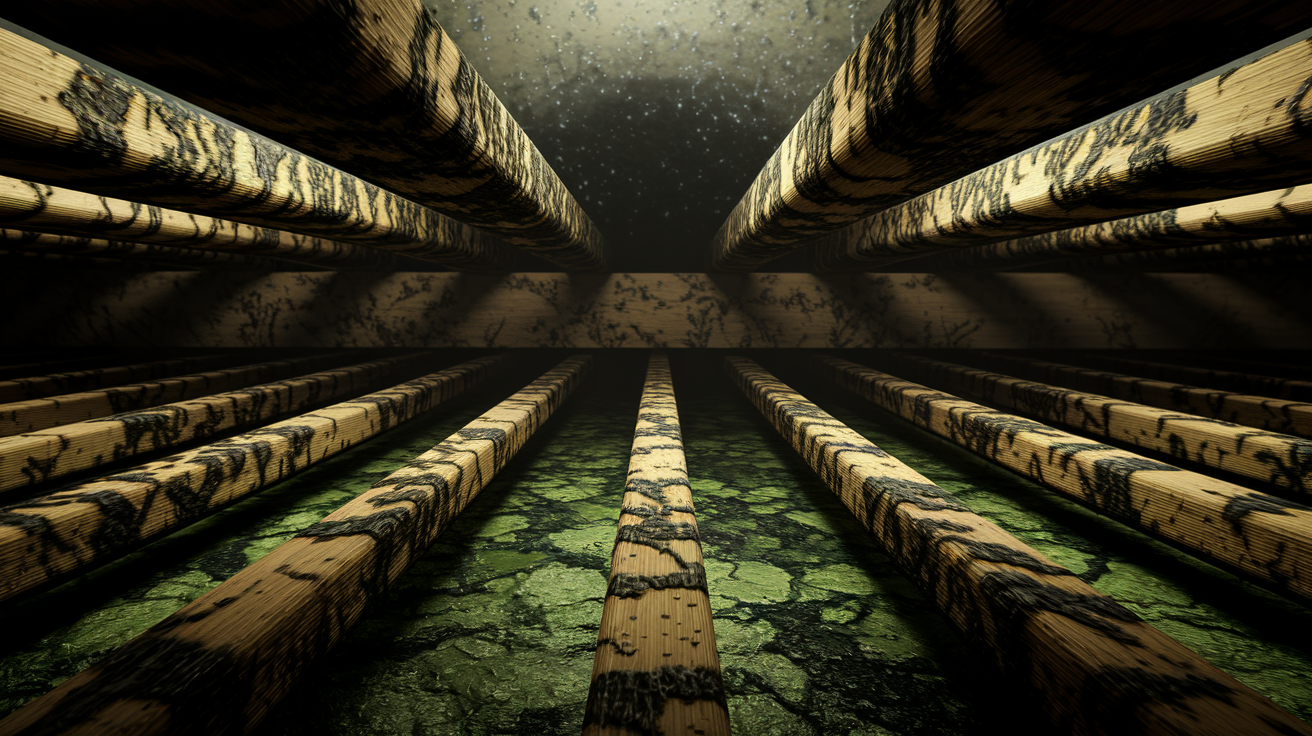
Crawlspace mold after flooding is dangerous and needs immediate attention, especially within that critical 24 to 72 hour window when colonies establish and start spreading spores throughout the living areas above.
Immediate danger signs you need to check:
Persistent musty odors coming through floors, closets, and HVAC vents, especially noticeable after rain or when humidity’s high. Visible mold colonies on accessible framing, subflooring, or joists appearing as black, green, or white patches. Condensation on plumbing lines, ductwork, or exposed wood framing showing elevated humidity levels under your home. Increased allergy irritation or respiratory discomfort while you’re indoors that wasn’t there before the flooding. Discolored or wet insulation sagging from subflooring, appearing compressed or falling away when it’s saturated.
Health symptoms getting worse in immunocompromised individuals, children, or elderly residents with chronic exposure. Moisture or water droplets on joists and beams, sometimes heavy enough that saturated wood literally drips. Warped or stained subflooring visible from below showing dark patches or cupping.
Immediate health effects include respiratory issues like coughing and wheezing, allergic reactions causing watery eyes and skin rashes, persistent headaches, and exposure symptoms from mycotoxins that develop on contaminated organic materials. Heightened risks affect immunocompromised individuals who may develop serious infections, children whose developing respiratory systems are more vulnerable, and elderly residents with existing conditions worsened by poor air quality. The danger increases with chronic exposure as spore counts build up over weeks and months.
HVAC systems distribute spores from crawlspaces throughout your entire home, affecting every room and living area. This becomes particularly severe in older homes where high efficiency cooling systems create cold ductwork that meets warm humid air entering the crawlspace. Professionals call this mold explosions. It’s rapid colony growth that launches millions of spores into circulation every time the system runs. Air quality degrades throughout the home even when visible growth stays confined to the crawlspace below.
Emergency Response: Immediate Actions and Drying Protocol
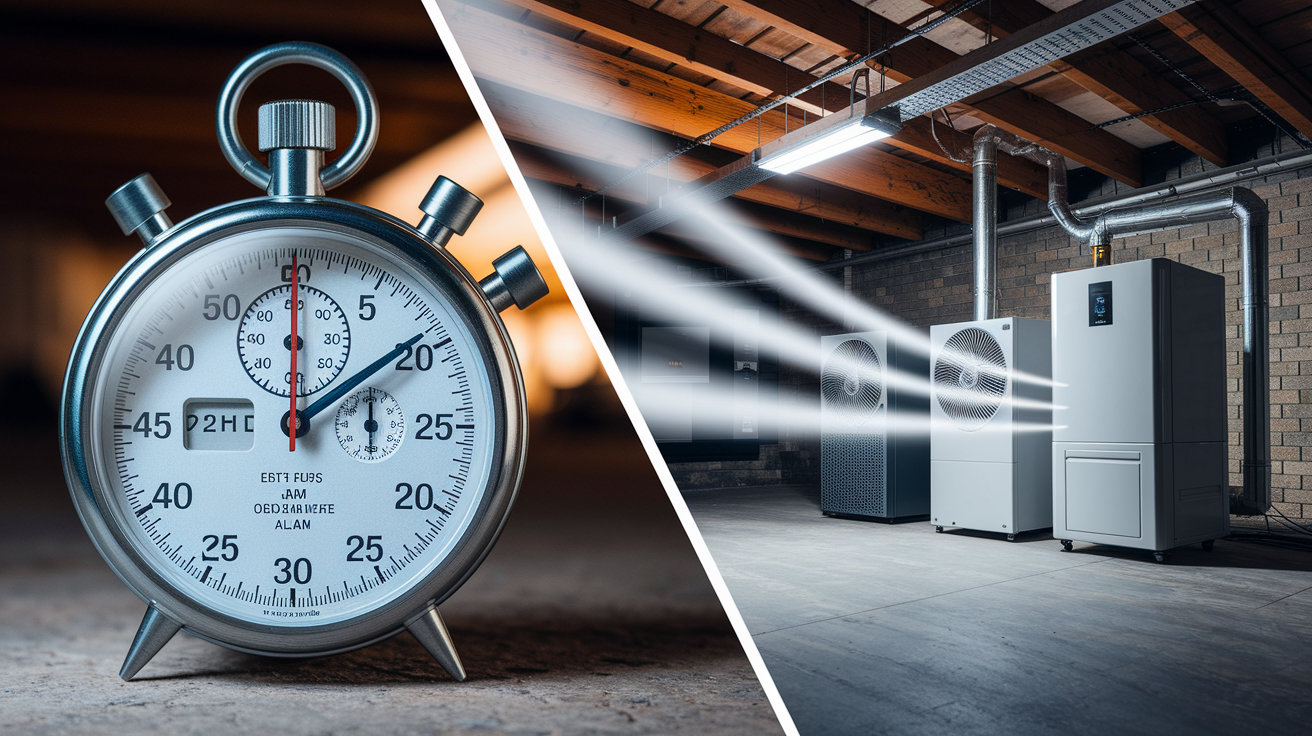
The critical 24 to 72 hour window before mold colonies establish determines whether you prevent contamination or face extensive remediation. Controlling humidity during this narrow timeframe is the most important factor because once growth starts, it spreads rapidly across wood framing and subflooring.
Sequential emergency and drying protocol:
- Remove standing water immediately using pumps, wet vacuums, or professional extraction equipment to eliminate the primary moisture source.
- Open crawlspace access points for ventilation and clear blocked vents to begin air circulation and humidity reduction.
- Remove saturated insulation to prevent moisture from being held against wood framing where it creates ideal conditions for growth.
- Document damage with photos showing water levels, affected materials, and moisture readings for insurance claims.
- Eliminate sources of ongoing moisture intrusion including plumbing leaks, foundation cracks, or drainage failures before drying begins.
- Install dehumidifiers when humidity reaches above 60%, positioning units to maximize coverage across the crawlspace.
- Use supplemental fans and blowers for air circulation combined with dehumidification, directing airflow across wet surfaces.
- Monitor wood moisture content with goal of below 20% before remediation begins, testing multiple locations throughout the space.
- Contact your insurance provider within 24 to 48 hours to report flooding and begin the claims process with proper documentation.
Critical errors sabotage drying efforts and worsen contamination. Using fans alone without moisture removal spreads spores throughout the crawlspace and into living areas through air currents. You’re distributing the problem instead of solving it. Sealing or encapsulating before complete drying locks moisture inside, creating a permanent high humidity environment that guarantees growth. Rushing remediation without allowing wood to dry below 20% causes mold to return quickly, sometimes the next morning, because wet wood provides everything colonies need to re-establish within hours.
| Material | Target Moisture Level | Typical Drying Time |
|---|---|---|
| Wood framing | Below 20% | 3-7 days |
| Concrete | Below 15% | 7-14 days |
| Soil | Reduced saturation | 5-10 days |
| Insulation | Complete drying impossible/replace | N/A |
| Subflooring | Below 20% | 4-10 days |
Emergency response professionals should be contacted immediately for sewage backup which introduces health hazards requiring specialized disinfection. Extensive flooding covering more than 500 square feet where DIY drying is impractical. Or rapid mold spread visible within 48 hours indicating aggressive contamination. For Water Damage Restoration Services, professionals bring extraction equipment, industrial dehumidifiers, and moisture monitoring tools that accelerate drying and prevent growth.
Complete Inspection and Testing Guide for Crawlspace Mold

Personal safety precautions and protective equipment are essential before entering a flooded crawlspace. Wear respirators rated N95 or higher to prevent spore inhalation. Waterproof gloves to avoid skin contact with contaminated materials. Eye protection against spore exposure. And full body covering with long sleeves and pants to minimize exposure across all skin surfaces.
You’ll need moisture meters to test wood and material moisture content accurately, hygrometers to measure relative humidity levels, flashlights or headlamps for adequate visibility in dark spaces, cameras or smartphones for documentation photos showing affected areas and moisture readings, and marking materials like colored tape or markers to identify contaminated zones requiring attention.
Step by step comprehensive inspection protocol:
- Access the crawlspace safely checking for structural stability, looking for sagging joists or damaged supports before entering.
- Check for standing water and active leaks requiring immediate attention before proceeding with inspection.
- Measure humidity levels with hygrometer targeting below 60% to prevent growth, taking readings in multiple locations.
- Test wood moisture content in multiple locations targeting below 20% for remediation readiness, focusing on framing, subflooring, and joists.
- Visually inspect framing, subflooring, and insulation for discoloration showing dark patches or water staining, condensation indicating ongoing moisture problems, visible mold colonies appearing as colored growth, and sagging or compressed materials showing saturation.
- Check for musty odors concentrated in specific areas indicating hidden contamination behind insulation or in enclosed spaces.
- Photograph all affected materials and moisture readings for documentation and insurance claims, capturing wide shots showing scope and close ups showing detail.
Professional mold testing options include air sampling for spore count analysis that measures airborne contamination levels throughout the crawlspace. Surface testing for species identification determines whether toxic varieties like black mold are present. And thermal imaging to detect hidden moisture inside walls or beneath subflooring that visual inspection misses. Professional assessment becomes necessary versus DIY methods when contamination exceeds 10 square feet indicating widespread growth, suspected black mold presence requires laboratory confirmation, or ongoing health symptoms persist despite visible cleanup suggesting hidden sources releasing spores.
Step by Step Crawlspace Mold Removal Process
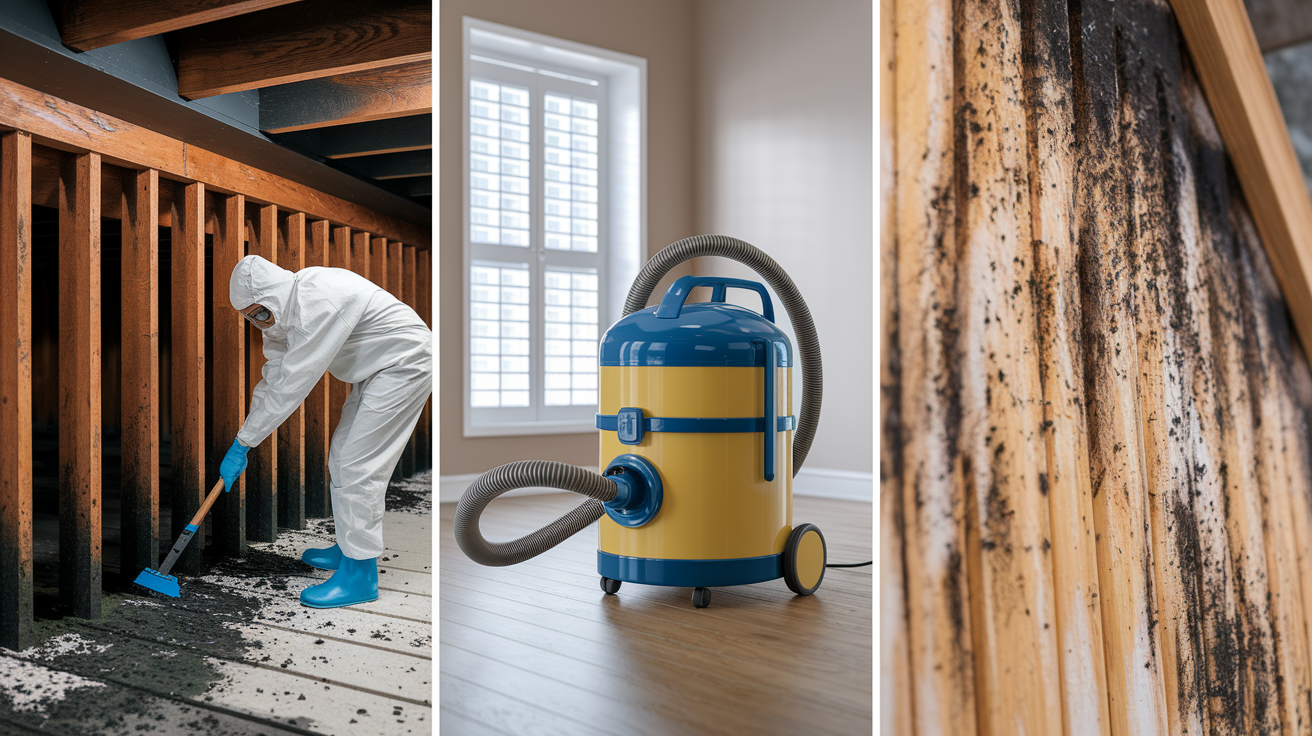
Essential protective equipment includes respirators rated N95 or higher that filter airborne spores during all remediation activities, waterproof gloves protecting hands from contact with contaminated surfaces and cleaning solutions, eye protection preventing spore exposure to sensitive mucous membranes, and full body covering with disposable suits or old clothing that gets discarded after remediation to prevent bringing spores into living areas.
Sequential removal protocol:
- Verify wood moisture below 20% and humidity below 60% confirming the space is dry enough for remediation without immediate regrowth.
- Set up containment barriers using plastic sheeting secured with tape to prevent cross contamination to living areas during disturbance.
- Install HEPA filtration and air scrubbers to capture airborne spores during disturbance, positioning units to create negative pressure.
- Remove and double bag saturated insulation for disposal as it can’t be salvaged once contaminated and holds moisture against framing.
- Apply antimicrobial treatment or disinfection solution like Anabec Advanced Cleaning Solution Plus to all affected surfaces, following product instructions for contact time and dilution rates.
- Scrub or soda blast visible mold from porous surfaces like wood framing and subflooring, using stiff brushes for light contamination or professional soda blasting for heavy growth.
- HEPA vacuum all surfaces including joists, beams, and subflooring to capture residual spores left after scrubbing, making multiple passes.
- Apply biocide application or mold preventative coating to inhibit future growth, covering all previously affected areas thoroughly.
- Monitor humidity levels for 48 to 72 hours post treatment ensuring levels stay below 50% permanently, confirming conditions won’t support regrowth.
Proper disposal methods for contaminated materials include double bagging all affected materials and absorbent materials in heavy duty plastic bags rated for construction waste. Seal bags immediately to prevent spore release during transport. And follow local regulations for disposal of mold contaminated waste. Some jurisdictions require special handling for mold contaminated debris or designated facilities that accept biological waste rather than standard landfills. Contact your local waste management authority to confirm disposal requirements in your area.
When to Hire Professional Mold Remediation Specialists

The limitations of DIY remediation become clear when contamination spreads beyond small isolated patches or when complexity requires specialized knowledge and equipment. Large scale mold contamination demands professional expertise because improper handling spreads spores throughout homes, incomplete removal allows rapid regrowth, and exposure during amateur cleanup creates health risks for household members.
Certified specialists bring EPA guidelines compliance ensuring remediation meets federal standards for safe and effective mold removal. Specialized equipment like air scrubbers that create negative pressure preventing spore escape and soda blasters that remove embedded growth from porous wood without damaging structural integrity. Proper containment procedures that isolate work areas preventing cross contamination. And guaranteed results backed by warranties addressing regrowth within specified timeframes.
Situations requiring professional help:
Mold covering more than 10 square feet of surface area, the EPA threshold where DIY methods become inadequate. Black mold or toxic species present requiring laboratory identification and specialized removal protocols. Structural damage to joists and beams compromising home integrity and requiring both remediation and repairs. Ongoing moisture intrusion from groundwater seepage or sewage backup that DIY methods can’t address.
HVAC system contamination spreading spores throughout the home every time heating or cooling runs. Immunocompromised individuals in household facing elevated health risks from spore exposure during cleanup. Failed DIY attempts with mold regrowth within weeks indicating incomplete remediation or unresolved moisture problems. Insurance claims requiring certified documentation and licensed contractor work for reimbursement approval.
Select qualified contractors by verifying certifications from IICRC or NORMI showing completed training in proper remediation techniques. Check references from recent flood remediation projects to confirm successful outcomes in similar situations. Confirm restoration services capabilities beyond just removal including structural repairs and finish work. Evaluate insurance claim experience to ensure proper documentation for reimbursement. And review detailed written estimates with scope of work outlining every step and timeframe expectations showing when work begins and completes. For Mold Remediation Services, professionals coordinate the entire process from initial assessment through final clearance testing.
Costs and Insurance Coverage for Crawlspace Mold Remediation

Typical cost factors include extent of contamination measured in square feet where larger affected areas require more labor and materials. Accessibility challenges in low clearance crawlspaces where workers must operate in confined spaces increasing labor time. Materials requiring replacement versus salvageable surfaces that can be cleaned and treated. And professional versus DIY approaches where equipment rental and product costs add up quickly even without labor expenses.
| Service | Cost Range | Timeframe |
|---|---|---|
| Professional inspection/testing | $300-$800 | 1-2 days |
| Small DIY remediation | $200-$500 | 3-5 days |
| Professional remediation (500 sq ft) | $1,500-$4,000 | 3-7 days |
| Professional remediation (1500 sq ft) | $4,000-$10,000 | 5-14 days |
| Insulation replacement | $1-$3 per sq ft | 1-3 days |
| Vapor barrier installation | $0.50-$2 per sq ft | 1-2 days |
Insurance coverage variables create confusion because flood insurance versus homeowners policies handle mold differently. Flood insurance through NFIP typically covers water intrusion from flooding events but specifically excludes resulting mold unless it develops within 72 hours and gets documented immediately. Standard homeowners policies generally exclude flood damage entirely but may cover mold resulting from sudden pipe bursts or appliance failures.
Sudden versus gradual damage distinctions matter because insurance covers unexpected events but denies claims for maintenance issues like slow leaks. Claim filing timelines require notification within 24 to 48 hours after discovery, making immediate contact essential even before full damage assessment completes.
Documentation photos taken immediately after discovery provide crucial evidence showing water levels, affected materials, and contamination extent before any cleanup begins. Professional assessment reports from certified inspectors add credibility to claims by providing third party verification of damage and recommended remediation scope. Before and after evidence for successful claims maximizes reimbursement by demonstrating the work performed and results achieved, particularly important when carriers question whether remediation was necessary or properly executed.
Property value impact from disclosed mold history varies but typically reduces buyer interest and negotiating power even after successful remediation. Disclosure requirements when selling homes with previous mold issues vary by state but generally require honest reporting of known contamination events. Most states mandate disclosure of material defects including prior mold problems, and failure to disclose creates legal liability when buyers discover undisclosed issues after purchase. Even in states without specific mold disclosure laws, general material defect requirements typically cover significant contamination events.
Long Term Prevention Strategies for Flood Prone Crawlspaces

Prevention is more cost effective than repeated remediation cycles that cost thousands of dollars every few years and consume weekends dealing with the same recurring problem. Protecting property value and health by breaking the 24 to 48 hour growth cycle means addressing the conditions that allow colonies to establish rather than fighting the same battle repeatedly after every heavy rain or seasonal flooding event.
Unconditioned crawl spaces in humid climates create ideal mold growth environments when moisture remains in contact with organic materials like wood framing and subflooring that provide the nutrients colonies need to spread. Trapped moisture in soil maintains humidity above 60% even after surface water disappears because saturated ground beneath homes releases water vapor continuously, feeding the cycle. Wood saturation from absorbed humidity provides the conditions spores need to colonize within 24 to 72 hours. Damp wood with relative humidity above 60% in the surrounding air becomes a perfect environment for rapid growth that spreads across entire crawlspaces within days.
Moisture Barriers and Encapsulation Solutions
Vapor barrier installation using 6 mil or thicker polyethylene sheeting covering soil prevents groundwater seepage by blocking water vapor rising from saturated earth beneath homes. Proper sealing techniques including taping seams with specialized vapor barrier tape creates continuous protection without gaps, and extending barriers up foundation walls at least 6 inches prevents moisture from bypassing the system at the edges.
Full crawlspace encapsulation benefits include controlled humidity maintained below 50% year round through sealed systems. Improved air quality by eliminating soil gases that carry moisture and contaminants into living areas. And long term moisture control preventing the trapped moisture conditions that enable growth even during heavy rainfall or seasonal high water tables.
Drainage and Water Management Systems
Exterior solutions including grading issues correction direct water away from foundation with minimum 6 inch drop over 10 feet, preventing pooling against foundation walls that saturates soil and increases crawlspace moisture intrusion. Gutter maintenance and downspout extensions direct water minimum 6 feet from foundation, preferably 10 feet, to prevent soil saturation in the immediate foundation zone where it enters crawlspaces most easily.
French drains installation around foundation perimeter addresses persistent water intrusion from high water tables by collecting groundwater before it reaches foundation walls, channeling it to daylight or sump systems. Sump pump installation with battery backup addresses sump pump failure risks during power outages accompanying storms when homes need pumping capacity most, preventing flooded crawlspaces when grid power fails during heavy weather events.
Ongoing Monitoring and Maintenance
Year round preventive measures include permanent dehumidifier installation with automatic humidity control maintaining levels below 50%, running continuously during humid months and cycling as needed during dry periods to maintain stable conditions. Seasonal crawlspace inspection schedule checking for new leaks or moisture intrusion every 3 to 6 months catches problems early before they develop into major contamination events requiring extensive remediation.
Hygrometer monitoring of relative humidity especially after heavy rainfall events confirms systems are working properly and humidity stays below growth thresholds. Ventilation assessment ensures adequate air circulation in vented crawlspaces or confirms encapsulation systems remain sealed. Addressing soil saturation after storm damage events before the 24 to 48 hour growth window closes means pumping standing water, running dehumidifiers, and monitoring moisture levels until wood and soil return to safe levels.
Regional Considerations for Crawlspace Flooding and Mold

Low lying areas including river valleys like Puyallup River and White River valleys and flood plains experience higher risk of seasonal flooding and groundwater seepage requiring enhanced preventive measures. Communities along these waterways including Puyallup, Orting, Sumner, and Auburn share similar post flood moisture conditions due to geographic locations in valley bottoms where water tables rise during wet seasons and storm events. Enhanced preventive measures such as elevated sump pump systems installed above expected flood levels and robust encapsulation with sealed vapor barriers become essential rather than optional upgrades in these flood prone zones.
Climate considerations affect prevention strategies across regions. Humid regions require permanent dehumidification systems running year round to combat naturally high moisture levels that keep crawlspaces damp even without flooding. Areas with heavy rainfall need robust drainage systems with French drains and extended downspouts that handle high water volumes during storms. Regions prone to natural disasters including hurricanes, river flooding, and severe storms necessitate emergency preparedness including backup power for dehumidifiers through generators or battery systems that keep moisture control running during grid outages when protection matters most.
Soil saturation patterns vary with soil type and affect how water moves through ground beneath homes. Clay soils hold moisture longer, increasing crawlspace moisture intrusion rates because saturated clay releases water vapor slowly over weeks after flooding events end. Sandy soils drain faster, reducing standing water duration but potentially allowing groundwater seepage during high water table periods when water flows through permeable sand directly into crawlspaces. Understanding local soil characteristics helps homeowners choose appropriate prevention strategies for their specific conditions.
Region specific solutions include flood zone rated sump pumps for communities like Puyallup, Orting, Sumner, and Auburn that handle higher water volumes and resist damage from debris laden floodwater. Elevated equipment installation above expected flood levels protects dehumidifiers, HVAC components, and electrical systems from water damage during flooding events. Compliance with local building codes for waterproofing in high risk areas ensures new construction and renovations meet minimum standards designed to address known regional flooding patterns and moisture challenges.
Final Words
Crawlspace mold after flooding moves fast, but you can stay ahead of it with the right plan.
Stop the water first. Dry everything below 20% moisture. Remove what can’t be saved. Treat what stays. Monitor until you’re sure it won’t come back.
If the job’s too big or mold keeps showing up, call in certified help. Your home, your family’s health, and your property value all depend on handling this right the first time.
FAQ
How quickly does mold form after a flood?
Mold forms within 24 to 72 hours after flooding when moisture remains in contact with organic materials like wood framing and subflooring in your crawlspace. This critical window determines whether you can prevent colonies from establishing and spreading spores throughout your home.
How serious is mold in a crawl space?
Mold in a crawl space is dangerous because HVAC systems distribute spores from contaminated crawlspaces throughout your entire home, affecting all living areas. Health risks include respiratory issues, allergic reactions, and heightened exposure for immunocompromised individuals, children, and elderly residents with chronic exposure.
What are the 10 warning signs of mold toxicity?
Warning signs of mold toxicity include persistent musty odors from floors and vents, increased allergy irritation while indoors, respiratory discomfort, visible mold colonies, condensation on plumbing lines, discolored or sagging insulation, health symptoms worsening in vulnerable individuals, moisture on joists, warped subflooring, and symptoms intensifying after rain or high humidity.
Will homeowners insurance cover mold in crawl space?
Homeowners insurance coverage for crawlspace mold varies significantly based on water source and damage timeline. Flood insurance typically covers water intrusion but not resulting mold, while sudden damage claims differ from gradual damage exclusions, requiring documentation photos and notification within 24 to 48 hours for successful claims.
When should I contact professionals for crawlspace mold?
Contact professionals immediately for mold covering more than 10 square feet, sewage backup, extensive flooding over 500 square feet, black mold presence, structural damage to joists and beams, HVAC system contamination, immunocompromised household members, or failed DIY attempts with regrowth within weeks.
What moisture levels prevent mold growth in crawlspaces?
Wood moisture content below 20% and relative humidity below 60% prevent mold growth in crawlspaces. Permanent dehumidifier installation maintaining levels below 50% provides long-term protection, while hygrometer monitoring after heavy rainfall confirms conditions remain unfavorable for spore colonization.
How long does crawlspace drying take after flooding?
Crawlspace drying takes 2 days to 2 weeks depending on conditions, flood extent, ventilation, and dehumidification equipment. Wood framing typically dries in 3 to 7 days, concrete in 7 to 14 days, and soil saturation reduces in 5 to 10 days when proper protocols combine air circulation with moisture removal.
Can I remove crawlspace mold myself?
You can remove crawlspace mold yourself if contamination covers less than 10 square feet, you have proper protective equipment including N95 respirators, and wood moisture drops below 20%. Larger areas, black mold, structural damage, or HVAC contamination require certified specialists with specialized equipment like air scrubbers and containment systems.
What causes mold to return after remediation?
Mold returns after remediation when wood moisture stays above 20%, humidity exceeds 60%, trapped moisture remains in soil, ongoing leaks continue, or remediation begins before complete drying. Sealing or encapsulating before materials dry completely locks moisture in, creating conditions for rapid regrowth within weeks.
How much does professional crawlspace mold remediation cost?
Professional crawlspace mold remediation costs $1,500 to $4,000 for 500 square feet and $4,000 to $10,000 for 1,500 square feet. Cost factors include contamination extent, accessibility challenges, materials requiring replacement, professional inspection fees of $300 to $800, and additional waterproofing solutions like vapor barriers.