

You’re staring at water damage right now and need to know when your home gets back to normal. Here’s the truth: flood restoration takes anywhere from 3 days to 3 months depending on how bad the damage is, how fast you call for help, and what kind of water you’re dealing with. Most homeowners underestimate the drying phase. That’s where timelines stretch or collapse based on how quickly professionals start equipment, because every hour water sits, it soaks deeper into materials you can’t see.
Flood Damage Restoration Timeline: What to Expect

Flood damage restoration takes anywhere from 3 days to several weeks. It depends on how bad things are, what kind of water you’re dealing with, and which materials got hit. The drying part alone needs 3 to 7 days of equipment running nonstop before anyone can start rebuilding. After your structure hits acceptable moisture levels, you’re looking at another 1 to 2 weeks for material replacement in simple cases. Complex jobs can stretch past 90 days.
Your timeline moves through clear phases:
-
Minor damage in one room (small bathroom overflow, single supply line leak): 3 to 5 days drying, then 1 to 2 weeks for replacing materials and finishing
-
Moderate damage across multiple rooms (appliance failure, washing machine overflow spreading to nearby spaces): 5 to 10 days drying, plus 2 to 4 weeks rebuilding
-
Significant flooding across an entire floor (water heater failure, major pipe burst): 1 to 2 weeks drying and cleanup, plus 4 to 8 weeks removing materials and rebuilding
-
Severe contamination or structural problems (basement flooding with sewage, water intrusion across multiple floors): 2 to 3 weeks drying and disinfection, plus 8 to 12 weeks for complete reconstruction
How fast you respond changes everything. Professional teams that show up in the first few hours can start pulling water immediately. That cuts drying time and stops secondary problems before they start. Where you live matters too. Teams usually hit properties within city limits in about an hour. Rural spots might wait longer.
The gap between a 5 day project and a 5 week project? That’s usually about how fast you acted. Call professionals within hours of finding flood damage and you’ll cut drying time significantly because moisture hasn’t soaked deep into materials yet. Wait even 24 hours and water migrates into wall cavities, subfloors, insulation. The affected area expands, and so does your timeline.
Taking Immediate Action to Minimize Your Timeline

Contact an IICRC certified restoration company within 24 to 48 hours. It prevents mold damage and keeps your timeline shorter. Before mold spores settle into damp drywall and start colonizing your walls, quick action stops them. Shut off your water supply if the source is internal. Document what you can see with photos and videos for insurance. Don’t use electrical outlets or appliances near standing water.
Keep your HVAC running to maintain air circulation and stable temperature. This controls humidity before professionals arrive with industrial equipment. Move portable items and furniture out of affected areas to prevent more absorption and make space for restoration gear. Contact your insurance provider to start claims, but don’t wait for adjuster approval before calling restoration pros. Emergency work typically gets covered even when started before the adjuster shows up.
Emergency Response and Water Extraction Phase of Flood Restoration

Water extraction happens fast once professionals arrive. Industrial pumps and truck mounted extraction units clear standing water in 1 to 8 hours depending on volume and access.
Initial assessment runs at the same time as water removal. Technicians measure moisture throughout your property with handheld meters, find the water source, determine contamination category, and map how far water traveled including hidden moisture in wall cavities and under flooring. This assessment guides equipment placement and helps estimate your overall timeline.
Response timing changes by location. Properties within city limits typically see emergency teams within an hour of your call. Rural areas or communities outside the immediate service area might experience 2 to 4 hour windows.
Geographic challenges don’t just slow arrival time. They also impact equipment availability and technician scheduling for monitoring visits throughout your drying phase. Remote properties sometimes need longer restoration timelines simply because daily moisture checks take more coordination, though actual drying duration stays the same once equipment is running.
Structural Drying Time After Flood Damage

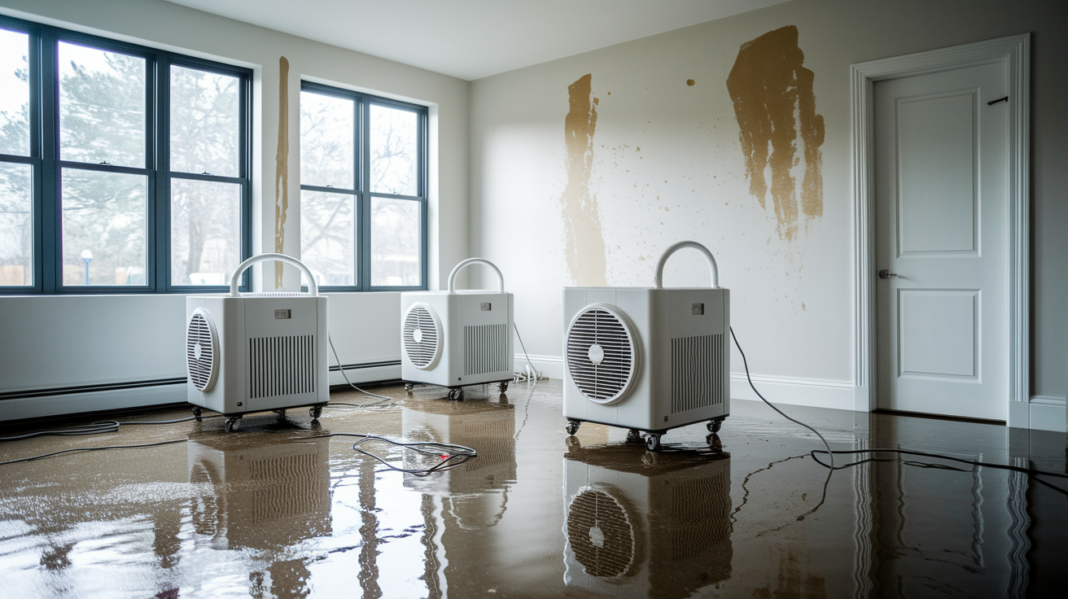
Structural drying needs 3 to 7 days of continuous equipment operation. This is the most time intensive phase. Industrial dehumidifiers pull moisture from the air while air movers create constant circulation across wet surfaces, forcing water vapor out of building materials. Equipment runs 24 hours each day. Extending this phase beyond minimum timeframe is common when working with thick materials, large square footage, or unfavorable conditions.
Dehumidifiers and air movers work as a system. Dehumidifiers extract moisture from air but can’t pull water out of materials on their own. They need air movers to create evaporation at material surfaces. Air movers without dehumidification just circulate humid air without removing moisture from your property. Professional teams position this equipment based on airflow patterns, material density, and moisture meter readings.
Technicians visit every 24 hours to measure moisture in affected materials using digital moisture meters and thermal imaging cameras. Visual dryness means nothing. Drywall can feel dry while holding significant moisture deep in its core. Moisture readings must match levels in unaffected areas before the drying phase is complete. This verification prevents hidden moisture from causing mold growth or material deterioration after equipment gets removed.
Environmental conditions add days when temperature and humidity work against the equipment. Hot and humid summer conditions in regions with high outdoor humidity force dehumidifiers to work harder and longer. Cold temperatures slow evaporation rates. High indoor humidity from cooking, showering, or laundry extends the drying phase. Restoration teams adjust equipment counts and monitor more frequently when conditions aren’t ideal.
| Drying Phase Activity | Typical Duration | Equipment Used |
|---|---|---|
| Initial drying setup and equipment placement | 2 to 4 hours | Industrial dehumidifiers, air movers, moisture meters |
| Continuous dehumidification operation | 3 to 7 days | Dehumidifiers running 24 hours, air movers repositioned as needed |
| Daily monitoring and moisture measurement | 15 to 30 minutes per visit over 3 to 7 days | Moisture meters, thermal imaging cameras, humidity sensors |
| Final moisture verification before equipment removal | 1 to 2 hours | Comprehensive moisture meter readings throughout affected areas |
Mold Prevention During the Drying Phase

Antimicrobial treatments get applied to affected surfaces during drying to prevent mold spores from establishing growth. The EPA recommends addressing water damage within 24 to 48 hours specifically because mold can begin growing within this window once moisture creates favorable conditions. Quick professional response keeps you within this timeframe and allows preventive treatment before mold appears.
Finding active mold growth adds weeks to your restoration timeline. Remediation requires containment protocols, specialized air filtration, material removal procedures, and post remediation verification testing. Containment barriers prevent mold spores from spreading to unaffected areas, but they also slow down drying in the contained space and add complexity to equipment placement. Material removal extends beyond flood damaged components to include any porous surfaces with visible mold, which increases reconstruction scope and duration.
How Water Contamination Level Affects Restoration Duration

Water contamination category determines cleaning requirements, protective equipment needs, material disposal protocols, and antimicrobial treatment intensity. All of which directly impact how long your restoration takes.
Category 1: Clean Water Incidents
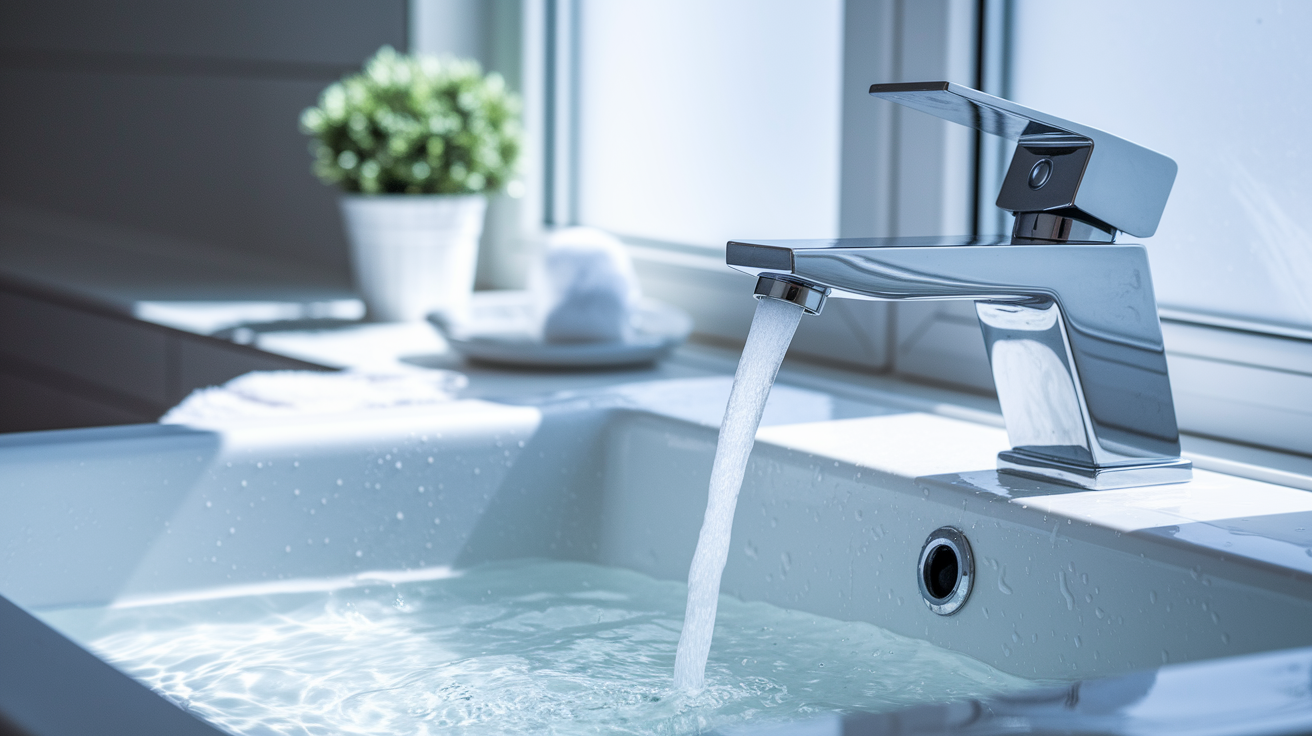
Category 1 water comes from sanitary sources like broken supply lines, sink overflows, or failed appliance hoses carrying fresh water. This classification allows the fastest restoration timeline because it doesn’t require extensive disinfection protocols or automatic material disposal. Affected materials can often be dried and salvaged rather than removed, which eliminates the reconstruction phase for many Category 1 incidents. Cleanup focuses on water extraction and structural drying without the antimicrobial treatments and protective barriers needed for contaminated water.
Category 2: Gray Water Contamination
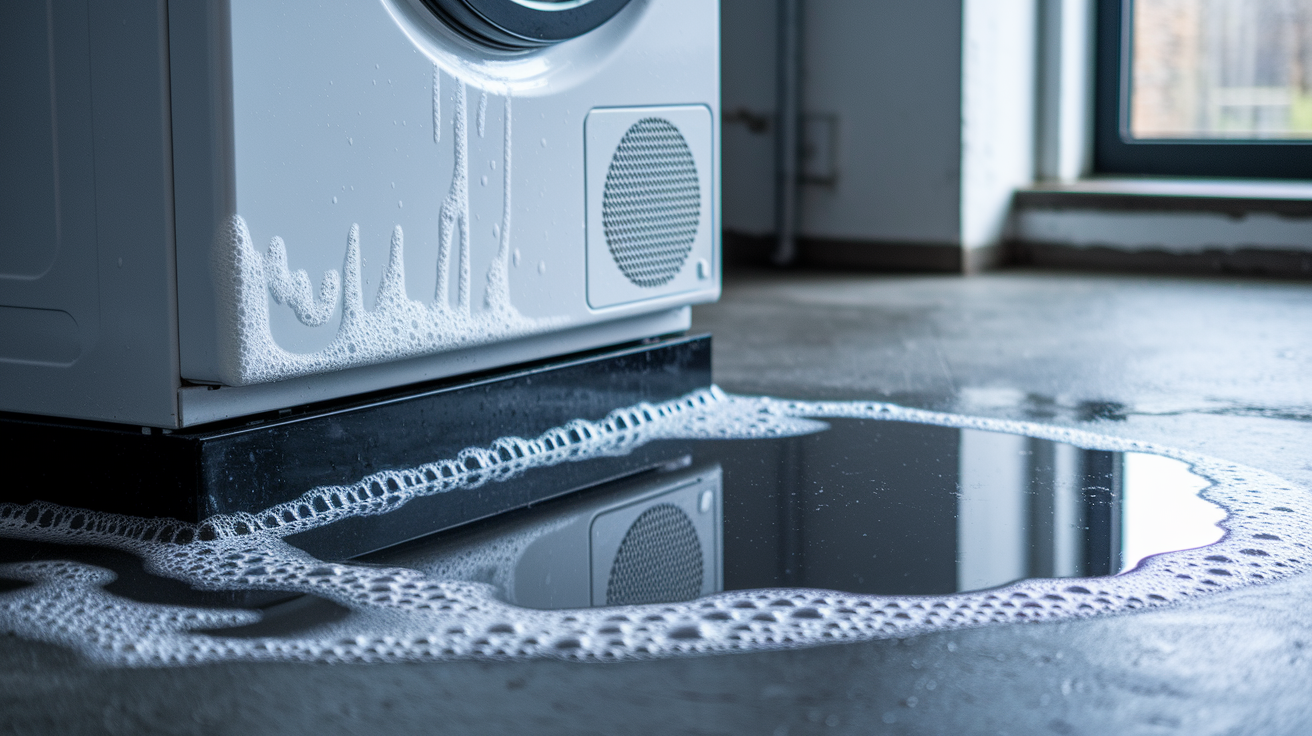
Category 2 water contains some contamination from sources like washing machine overflows, dishwasher backups, or toilet overflows without feces. Gray water is the most common contamination level in residential flood restoration. This category requires more thorough cleaning than Category 1 because the water carries detergents, food particles, or mild chemical contamination. Affected materials need antimicrobial treatment during drying, and porous materials with significant gray water exposure often require removal rather than drying. Cleanup and disinfection typically completes within 1 day once drying is finished.
Category 3: Black Water and Sewage

Category 3 water involves sewage backups, floodwater from rivers or storm surge, or any water that contacted soil or raw sewage. Black water demands the most extensive restoration protocols because it contains harmful bacteria, viruses, and potential chemical or biological hazards. Restoration teams wear protective equipment during all work phases, and contaminated porous materials face immediate removal regardless of drying potential. All affected surfaces require antimicrobial treatment and disinfection, which takes about 1 day for actual cleaning but extends overall timeline because of increased material removal scope. Category 3 incidents consistently push restoration toward the longer end of the timeline range, especially when contamination affects multiple rooms or floor levels.
Building Materials That Extend Flood Damage Restoration Time

Building materials respond to flood damage based on their porosity and density. Porous materials absorb water deeply and need extended drying time compared to non-porous surfaces like ceramic tile or sealed concrete. Square footage multiplies these material challenges. A 500 square foot basement requires different equipment counts than a 200 square foot bathroom, even when the same materials are involved.
Different materials create distinct timeline expectations:
Drywall absorbs moisture extensively through its gypsum core and paper facing, typically requiring removal and replacement rather than drying when water exposure is significant. Removal and replacement adds 5 to 10 days beyond the drying phase.
Carpet and padding hold water against the subfloor and face removal in most flood scenarios because padding rarely dries adequately before mold risk becomes unacceptable. Carpet removal happens quickly (same day) but replacement scheduling depends on material selection and installation availability.
Hardwood flooring can sometimes be dried and saved if water extraction happens within hours, but cupping, warping, or moisture penetration into the subfloor usually requires board replacement. Hardwood restoration decisions take 3 to 5 days after drying completes as boards stabilize and reveal whether they’ll return to acceptable flatness.
Laminate flooring swells when moisture reaches the fiberboard core and faces replacement in nearly all flood situations. Laminate removal and replacement typically takes 3 to 7 days depending on square footage.
Ceramic tile resists water damage but allows moisture to reach the grout, thinset, and subfloor beneath. Tile can often stay in place while the subfloor dries through grout joints, extending drying time but eliminating tile replacement from the timeline.
Concrete and sealed surfaces dry relatively quickly because water doesn’t penetrate deeply, though moisture can still collect in cracks or beneath surface coatings. Concrete drying takes 5 to 7 days in most residential scenarios.
Material removal happens once the drying phase confirms which components can’t be salvaged. This removal work takes 1 to 5 days depending on damage extent, with single room projects on the shorter end and whole floor material removal reaching the upper end. Insulation removal adds time when wall cavities were affected, and subfloor replacement extends the timeline because it’s foundational work that must finish before flooring installation can begin.
Insurance Claims and Their Effect on Restoration Duration
Insurance adjuster availability creates unpredictable delays. Some adjusters schedule site visits within 24 to 48 hours, while others appear near the end of restoration work. This can stall reconstruction phases if the adjuster needs to approve scope or additional work.
Most homeowners insurance policies cover water damage from sudden events like burst pipes, failed appliances, or roof leaks during storms. Flood damage from external sources like river overflow, storm surge, or ground saturation requires separate flood insurance through the National Flood Insurance Program or private flood carriers. Understanding which policy applies prevents delays. Filing a claim with the wrong policy type adds days or weeks while paperwork gets redirected. For detailed guidance on navigating different coverage types and the claims filing process, review Understanding Water Damage Insurance Claims.
Documentation requirements protect your timeline by providing clear evidence of damage extent and restoration necessity. Take photos and videos immediately after discovering flood damage, before any water removal begins. Continue documenting throughout the restoration process, capturing moisture readings, equipment placement, material removal, and reconstruction progress. Complete documentation prevents adjuster disputes that delay payment authorization and slow down contractor work.
Restoration companies that work directly with insurance providers streamline the claims process by submitting estimates, progress reports, and completion documentation in the formats adjusters expect. This coordination reduces back and forth communication delays and keeps projects moving forward while claims processing continues in the background.
Cleanup and Repair Phase Duration in Flood Restoration
Sanitization and odor removal procedures complete within 1 day for both Category 2 and Category 3 contamination once structural drying finishes. Technicians apply antimicrobial solutions to all affected surfaces, treat any remaining odor sources, and verify that disinfection protocols met safety standards.
Reconstruction timelines range from 30 to 90 days based on damage extent and complexity. Simple projects like drywall replacement in a single room or carpet installation take at least 30 days when you account for material ordering, contractor scheduling, and finishing work like painting and trim installation. Complex reconstruction involving multiple rooms, structural repairs, or custom finishes extends toward the 90 day mark. Inspection duration varies from 1 hour for small properties with limited damage to 4 hours for larger spaces requiring extensive documentation and moisture verification in multiple areas.
Repair scenarios create different timeline expectations:
Carpet replacement in one or two rooms: 30 to 35 days including material selection, ordering, delivery, and installation with baseboards reinstalled
Drywall repair and repainting for a single wall or room: 35 to 45 days accounting for drywall installation, taping, mudding, sanding, priming, and finish painting with proper dry time between coats
Flooring replacement in multiple rooms: 45 to 60 days depending on material type, with hardwood requiring longer timelines than laminate or vinyl plank due to acclimation requirements
Multiple room reconstruction including walls, flooring, and trim: 60 to 75 days for coordinated work sequences where drywall must finish before flooring installation, and flooring must complete before trim and painting
Full basement restoration with structural repairs: 75 to 90 days when foundation sealing, subfloor replacement, wall reconstruction, and mechanical system work all need coordination
Final inspection and walkthrough take 1 day. The restoration team reviews completed work with you, confirms that all moisture levels remain acceptable, verifies that materials match adjacent unaffected areas, and documents project completion for insurance submission.
When You Can Return Home During Flood Restoration
Minor to moderate damage affecting one or two rooms typically allows families to stay home throughout restoration. Equipment noise and activity create some disruption, but when flooding is contained to a bathroom, laundry room, or kitchen, the rest of your home remains livable. Technicians set up containment barriers to separate work areas from occupied spaces, and you can continue daily routines in unaffected rooms.
Extensive flooding or sewage backups may require temporary relocation for safety. Category 3 water contamination creates health hazards that make occupancy unsafe until disinfection completes.
Restoration equipment operates continuously throughout the drying phase, running 24 hours each day to maintain consistent dehumidification. Technicians visit daily to monitor progress, check moisture readings, and reposition air movers as needed, but these visits typically last 15 to 30 minutes unless equipment needs adjustment or additional units. You won’t have crews working in your home around the clock. Just equipment running and brief daily check ins.
Certified restoration professionals assess habitability at the start of each project and provide clear recommendations about whether you should stay or relocate temporarily. IICRC standards guide these safety determinations based on contamination level, structural stability, and affected square footage. Trust the assessment. Staying in an unsafe environment creates health risks that aren’t worth the convenience of remaining home.
Final Words
Most flood restoration projects take 3 days to several weeks depending on damage severity and building materials affected. The drying phase alone requires 3 to 7 days of continuous equipment operation before repairs can begin.
Your timeline depends on how fast you act. Professional response within 24 to 48 hours prevents mold growth and shortens the overall duration significantly.
Once structural drying completes, reconstruction adds another 30 to 90 days for material replacement and finish work. But here’s the good news: knowing how long does flood damage restoration take helps you plan for temporary housing, coordinate with insurance, and understand what’s happening at each stage.
We’ll keep you informed every step of the way so you’re never guessing what comes next.
FAQ
How long does water damage restoration take?
Water damage restoration takes 3 days to several weeks depending on damage severity, with drying alone requiring 3-7 days before repairs begin. Small incidents like bathroom overflows may complete in 48 hours, while flooded basements with contaminated water could take weeks to fully restore.
Is water damage restoration worth it?
Water damage restoration is worth it because quick professional response prevents secondary mold damage, protects your home’s structural integrity, and reduces overall repair costs. Addressing water damage within 24-48 hours stops minor problems from becoming extensive reconstruction projects that cost significantly more.
How to tell if water damage is permanent?
Water damage becomes permanent when materials remain saturated beyond safe drying timeframes, creating mold growth, structural deterioration, or warping that requires replacement. Professional moisture meters and thermal imaging confirm whether materials have dried completely or need removal, as visual dryness alone doesn’t guarantee safe moisture levels.
How long does it take to recover from flood damage?
Recovery from flood damage takes 3 days to several weeks, starting with 1-8 hours for water extraction, followed by 3-7 days of continuous drying, and then 30-90 days for reconstruction if materials need replacement. Category 3 black water and porous materials like drywall extend timelines compared to clean water incidents affecting non-porous surfaces.
What happens during the emergency response phase?
The emergency response phase happens within 1-4 hours of contact and includes initial damage assessment and water extraction using industrial pumps. Standing water removal takes 1-8 hours depending on volume, with response times faster within city limits than rural areas.
How long does structural drying take after flooding?
Structural drying takes 3-7 days of continuous dehumidifier and air mover operation, with technicians monitoring moisture levels daily using meters and thermal imaging. Drying is complete only when moisture readings match unaffected areas, not when surfaces appear visually dry, as hidden moisture causes secondary damage.
Does water contamination category affect restoration time?
Water contamination category directly affects restoration time, with Category 1 clean water restoring fastest, Category 2 gray water requiring more thorough cleaning, and Category 3 black water demanding the most extensive protocols. Black water from sewage or floodwater requires antimicrobial treatment and often material removal, significantly extending timelines.
Which building materials take longest to dry?
Porous building materials like drywall, carpet, and hardwood floors take longest to dry because they absorb more water than non-porous surfaces like tile or concrete. Material removal takes 1-5 days when drying proves insufficient, with larger square footage requiring more equipment and extended drying duration.
How do insurance claims delay flood restoration?
Insurance claims delay flood restoration when adjusters take time to schedule inspections or when documentation requirements slow approval processes. Working with restoration companies that coordinate directly with insurance providers and maintaining clear damage documentation prevents unnecessary timeline extensions and claim complications.
Can I stay home during flood restoration?
You can stay home during flood restoration if damage affects only one or two rooms with minor to moderate severity. Extensive flooding, sewage backups, or structural safety concerns require temporary relocation, with certified technicians assessing habitability and providing clear recommendations about safe occupancy.
How long does the cleanup phase take?
The cleanup phase takes 1 day for sanitization and disinfection regardless of contamination category, followed by 30-90 days for reconstruction depending on repair complexity. Simple projects like carpet replacement complete in 30 days, while extensive multi-room reconstruction extends to 90 days.
What determines if restoration takes days or weeks?
Restoration duration depends on water contamination level, affected square footage, building material types, and response time after initial damage. Quick professional contact within 24-48 hours, clean water sources, and non-porous materials push timelines toward the shorter 3-day range, while delayed response, black water, and porous materials extend restoration to several weeks.