
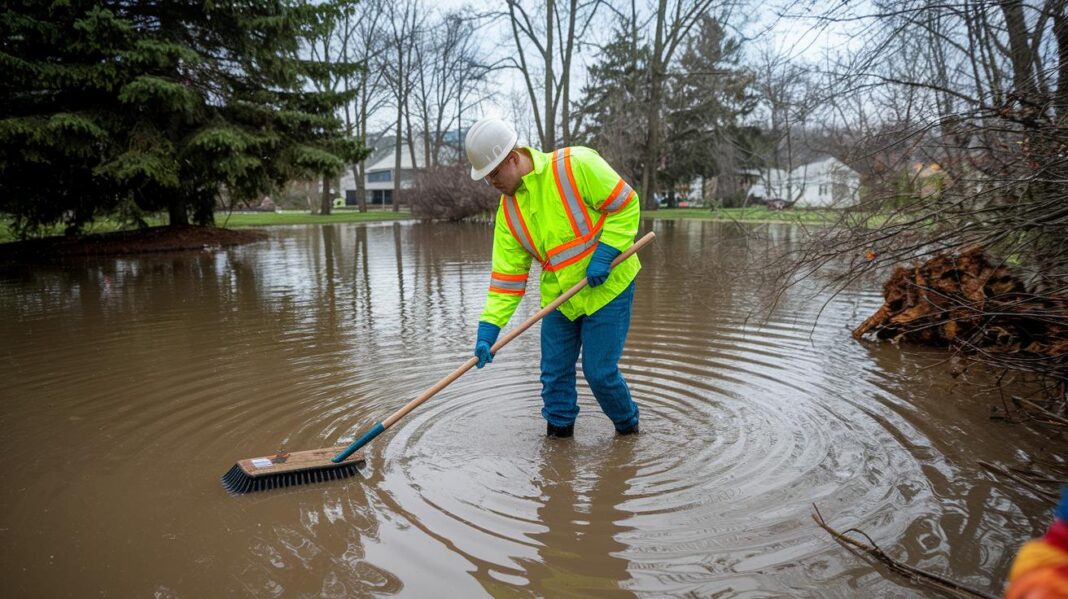

Ever worry that cleaning up after a storm might be unsafe? You can make your home secure again with a few simple steps. First, turn off your power and water. Next, check for hidden dangers like loose wires or unstable structures. Use proper gear (such as gloves and boots) to keep yourself safe. These smart actions protect you while helping to prevent extra damage. Read on for practical tips to clean up safely and keep your family secure.
Post-Storm Cleanup: Immediate Steps for Safe Debris Removal
First, turn off your power and water. Before you begin any work, take photos of any visible damage. This helps stop further harm and makes filing insurance claims easier.
Next, check the area for dangers. Walk slowly and look for hazards like fallen power lines, gas leaks, or unstable structures. If you see risks, do not enter until it is safe. Wear hard hats, safety glasses, steel-toed boots, gloves, and bright clothing to protect yourself from falling debris.
Then, clear any debris blocking access. Remove large branches, fallen trees, or heavy objects using tools like wheelbarrows. If you are trained to use chainsaws (a tool to cut trees or branches), you can use one as well. This not only protects your home from extra damage but also keeps paths clear for emergency responders.
Finally, get rid of any standing water and start drying the area. Use portable pumps or water extractors (machines that quickly remove water) to help prevent mold from growing. After the water is gone, set up fans to help air dry the area and lower the moisture levels. These steps help reduce further damage and prepare the space for necessary repairs.
Safety Assessment and Hazard Identification for Storm Cleanup
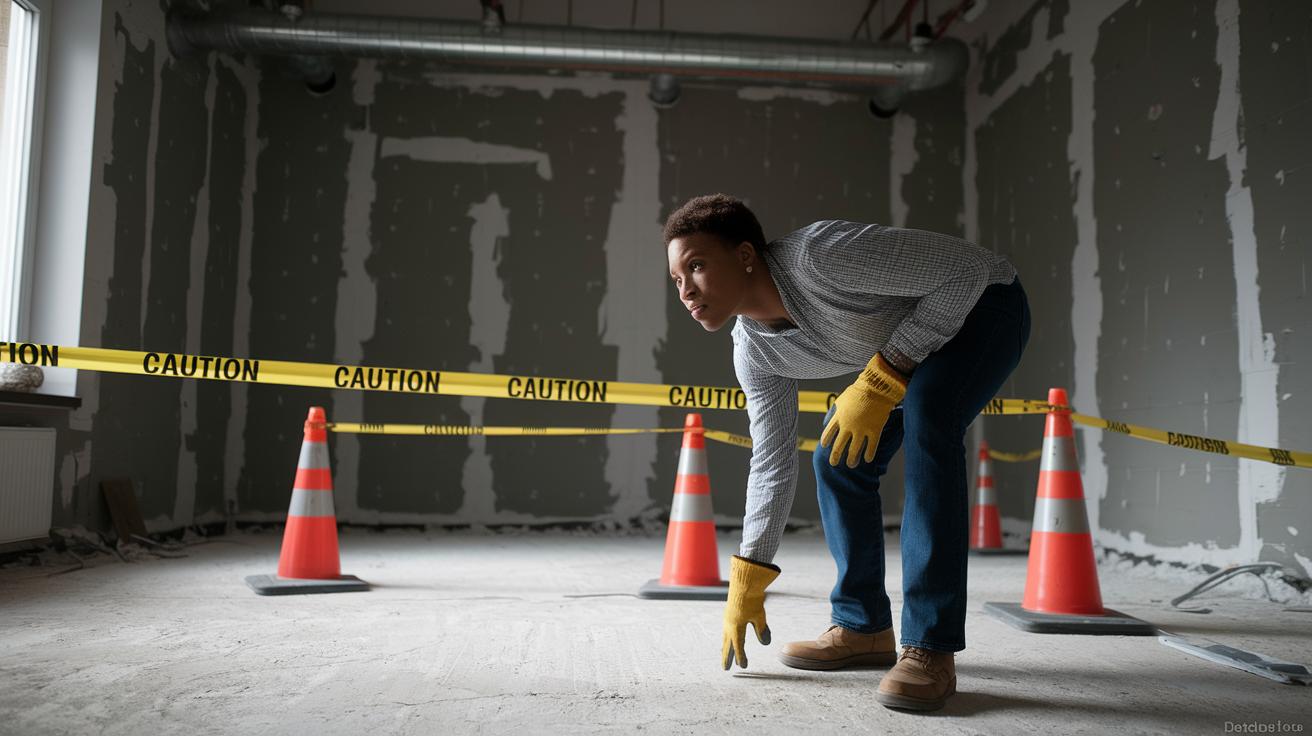
Start by carefully checking your property before cleanup begins. Walk slowly through the area and look for any hidden damage or loose debris. Use caution tape or cones to mark spots that seem unsafe.
If you spot more serious issues, like drywall crumbling near wiring or water pooling by gas lines, stop and note what you see. These signs might mean a structure is unstable, so let professionals check them later.
Before calling utility companies to shut off electricity or gas, make sure the areas you marked are secure. This extra step helps control hidden risks like loose wiring or gas leaks.
Always wear your protective gear when inspecting the site. Use gloves, a safety mask (this filters out dust and mold spores), and coveralls. A mask is especially important in dim areas where dust might be floating around.
Procedures for Debris Removal and Waste Categorization
After a storm, clearing debris fast is essential for keeping your home safe. Use a wheelbarrow (a small cart) to move waste, wear heavy gloves to protect your hands, use a shovel to lift loose dirt and broken pieces, and use a dumpster to hold large items. Having the right tools at hand helps you work quickly and lowers the risk of injury.
Sort your debris into simple groups to make removal and recycling easier. Start by putting branches and leaves (organic debris) in one pile. Next, set aside construction materials like concrete or drywall that need special handling. Then, gather metal and plastic items in another pile and keep any hazardous waste such as chemicals or broken glass in a separate container. This clear sorting makes cleanup safer and more efficient.
Finally, check with your local recycling center or hazardous waste facility to follow the proper disposal rules. In many towns, wood and other organic matter can be mulched (chopped into small pieces) to cut down on volume and cost. Label any hazardous waste containers clearly and ensure they are taken to approved sites. Taking these steps keeps your area safe and helps protect the environment.
Flood Water Extraction and Structural Drying Methods
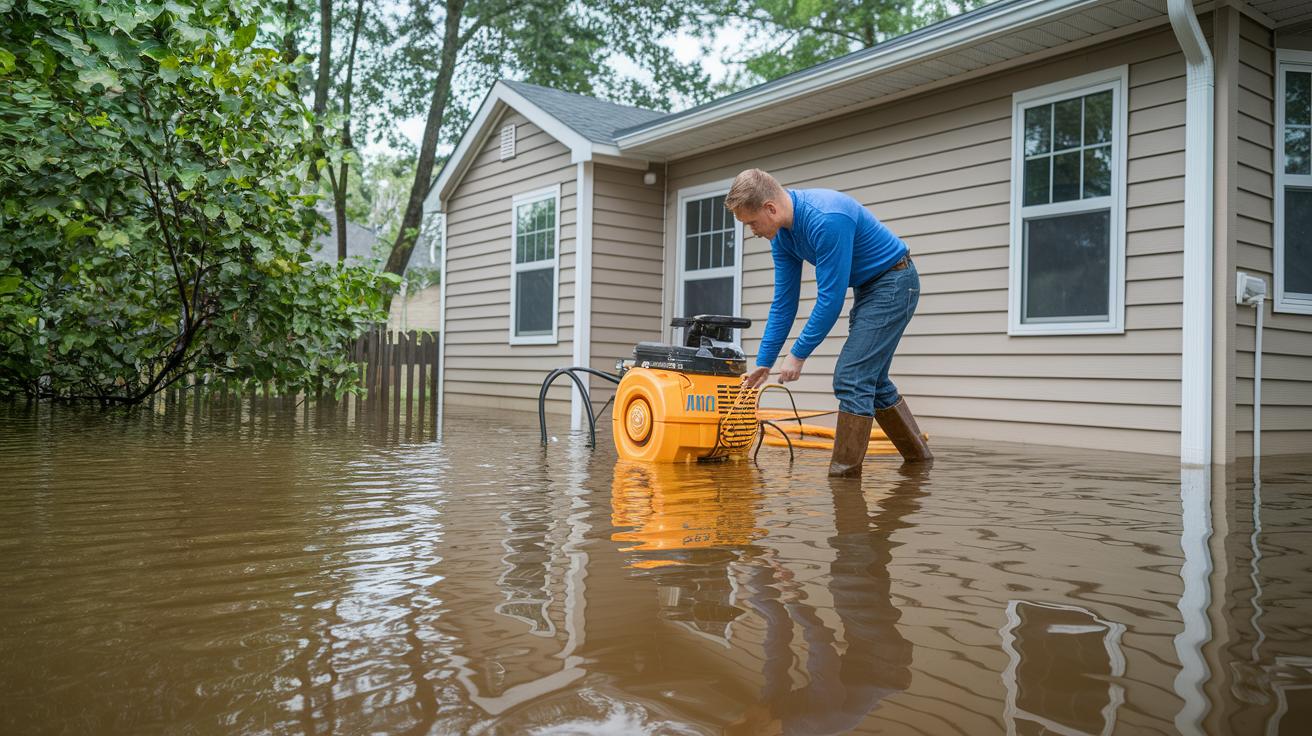
After a storm, clearing out standing water is key to preventing mold and additional damage. We use submersible pumps (machines that quickly remove water) and portable water extractors (machines that suck up water from the surface) to remove water fast. This quick work helps protect your home’s structure by reducing excess moisture. We also check hidden spots like underneath floor coverings and behind walls so nothing is missed.
Once we take out the water, we start drying your home. We set up commercial dehumidifiers (machines that pull moisture from the air) and high-capacity axial fans (strong fans that move air around) to lower indoor humidity to below 50%. This drying method helps keep drywall and insulation safe. We use hygrometers (tools that measure moisture) to follow the drying process. If materials stay wet for more than 48 hours, we may need to remove them to stop mold from growing.
| Equipment | Function |
|---|---|
| Submersible pump | Removes deep water fast |
| Portable water extractor | Sucks up surface water |
| Commercial dehumidifier | Reduces indoor humidity |
| High-capacity axial fan | Circulates air for faster drying |
Mold Prevention and Post-Storm Sanitization Practices
After a storm, the first job is to control moisture. You want to keep indoor moisture below 50% within a day or two to stop mold spores from settling in. We use dehumidifiers (machines that pull moisture from the air) and boost airflow by keeping windows open and running exhaust fans for 2 to 3 hours a day. This simple step protects your home and your health.
Selecting Effective Disinfectants
Choose EPA-registered disinfectants to clean surfaces and stop mold from growing. These cleaners work well on smooth countertops as well as porous materials like drywall. Use sprayers or foggers (devices that spread disinfectant in a fine mist) so that every spot gets a light, even coat. This method reaches hidden areas and helps keep your home safe after storm damage.
Long-Term Moisture Control Measures
After the initial drying, keeping moisture low over time is key. Use desiccant products (materials that absorb water) in tucked-away areas where dampness might stick around. Keep a regular ventilation schedule and make sure your HVAC system is well-maintained to support steady airflow. These steps help ensure your home stays mold-free for the long term.
Interior Cleaning Tactics for Salvaging Storm-Damaged Belongings
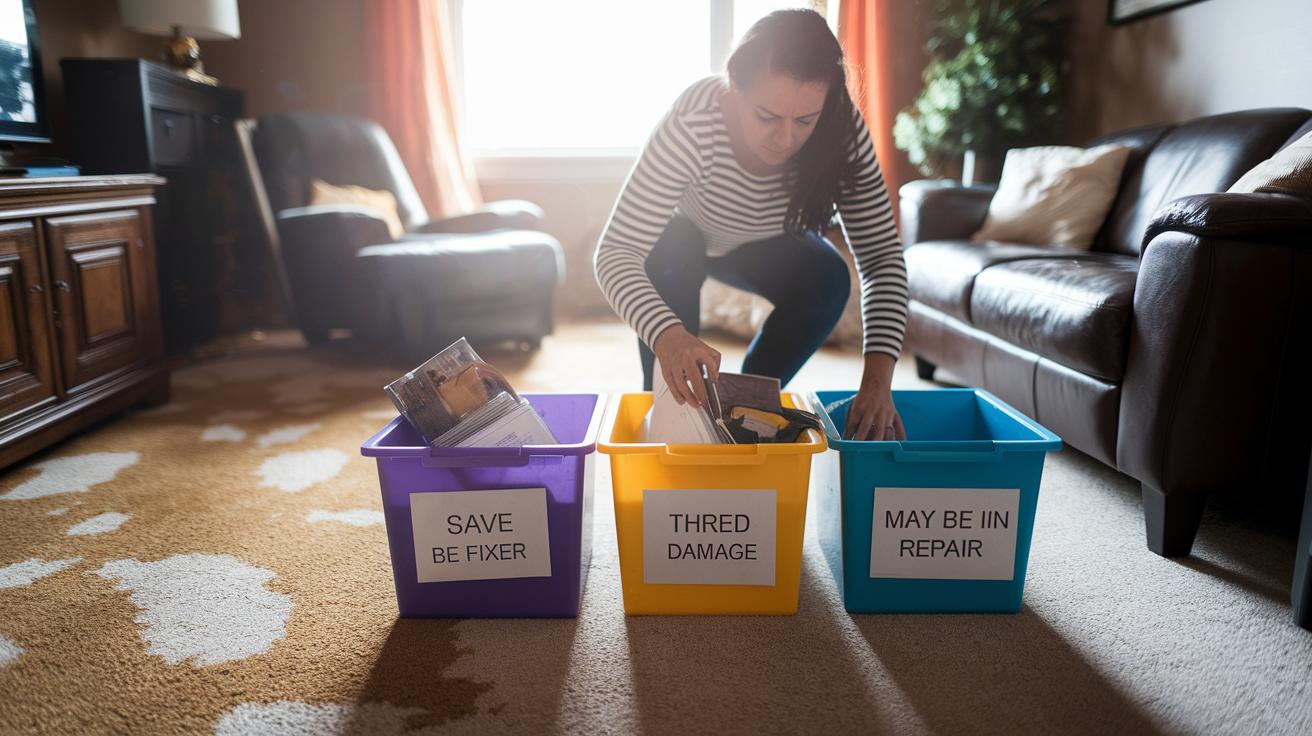
We know this is a tough time. When a storm hits, water damage spreads fast. That’s why you need to act quickly to save what you can.
First, sort your items into three groups: items that can be saved, items that might be fixed, and items that are beyond repair. This simple step helps stop more damage and lowers the chance of mold (a type of fungus that grows in damp spots).
Here’s what we do to help you:
- Sort items into the three groups
- Remove water fast from carpets and upholstered furniture
- Clean electronics safely using special cleaning liquids (solvents) and letting them dry for at least 48 hours
- Dry textiles by washing with antimicrobials (germs-killing soap) and hanging them in direct sunlight
- Clean hard surfaces with germ-fighting cleaners to cut odors and stop bacteria
- Record what you repair for insurance purposes
For waterlogged carpets, we use a wet/dry vacuum within 24 hours. We also add antifungal treatments to lower mold risk. Electronics need extra care. We clean them with the right solvents so each part can dry completely. Hard surfaces get treated with special cleaners made for post-flood jobs. And by documenting the repairs, your claim gets handled smoothly.
Quick cleaning stops more harm and sets the stage for getting your home back to normal. We’re here to help every step of the way.
Proper Disposal of Hazardous Materials and Waste
When handling hazardous household items, it’s best to sort them quickly. Separate out paint cans, chemicals, batteries, and anything that leaks. Check storage areas and clearly mark each container with its contents. This helps prevent dangerous reactions and keeps your home safe. For example, label a paint can as "white paint" so everyone knows it contains a solvent.
Always follow your local waste disposal rules. Bring marked hazardous items to approved facilities and treat used protective gear and dirty rags as hazardous waste. These simple steps help keep you safe and protect the community.
Coordinating with Professionals and Managing Insurance Documentation
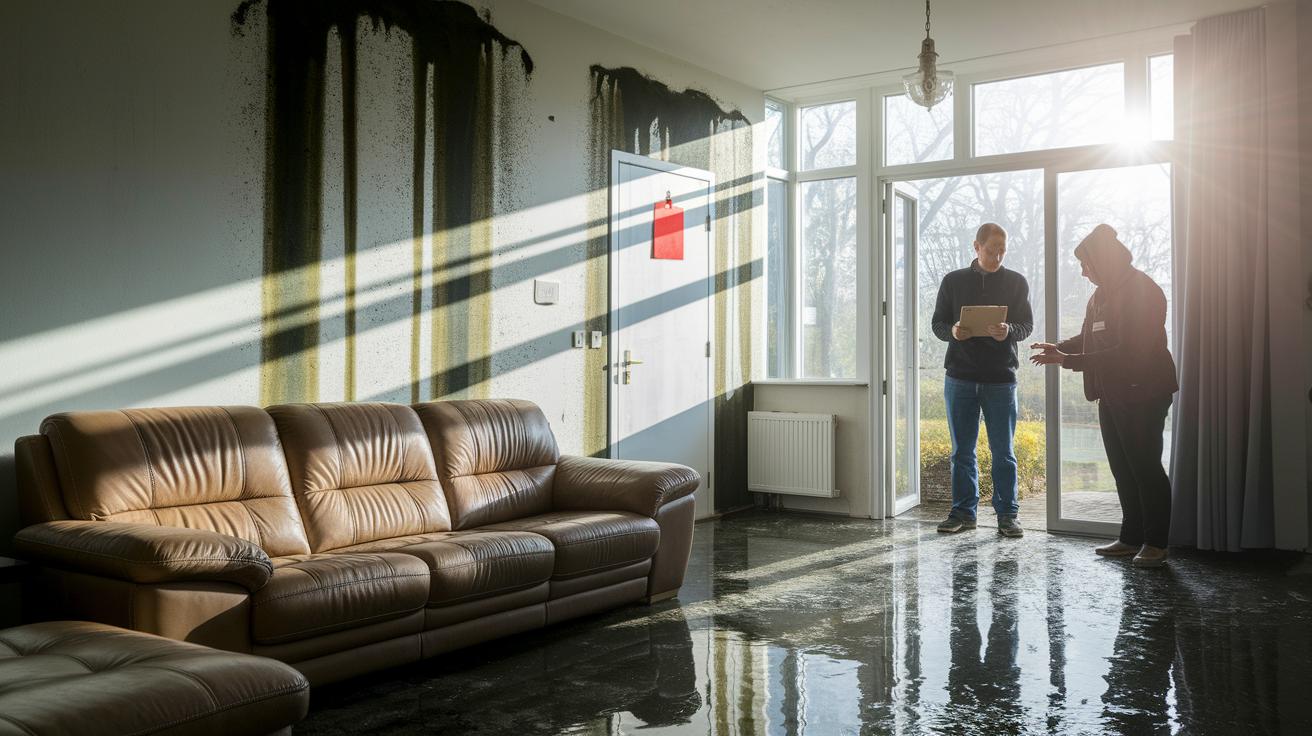
If your home shows signs of serious structural damage, unsafe water, or mold, please call professional restoration experts right away. They have the right tools and experience to fix the problem quickly and safely. We know this is hard, but getting help fast lowers risks and speeds up your recovery.
Make sure to document the damage for your insurance claim. Walk around your home and take clear photos of every affected area. Write down the date and time for each picture. Also, list what is damaged and note details like when the storm hit and any emergency board-up work (temporary fixes to secure your home). Keeping this organized with repair estimates and receipts makes the claim process smoother.
When choosing a contractor, check that they have proper certifications such as IICRC (a trusted certification for restoration work) or state restoration licenses. Read customer reviews and ask for examples of their previous work. This way, you can be sure you’re working with a team that will handle both the repair work and the insurance details efficiently.
Final Words
In the action, we covered key steps to restore your home after a storm. We looked at turning off utilities, safely removing debris, extracting water, and preventing mold. We also explained how to salvage belongings and dispose of hazardous materials while coordinating with professionals and insurers.
When you know how to clean up after a storm, you can act fast and cut further damage. Every step brings your home closer to a safe, livable condition with a clear, manageable process.
FAQ
How to clean up after a storm in your house?
Cleaning up after a storm means first ensuring safety by shutting off utilities and wearing protective gear. Next, remove debris and water using pumps and fans, then dry and inspect the area for further damage.
What steps are involved in natural disaster cleanup?
Natural disaster cleanup starts by securing your home and documenting damage. Then, clear debris, extract water, safely dispose of hazardous materials, and sanitize affected areas to prevent mold and further risks.
How to clean up a flooded floor?
Cleaning up a flooded floor involves removing standing water with a wet/dry vacuum or mop, drying the surface with fans or dehumidifiers, and sanitizing thoroughly to prevent mold growth.
What service options are available for hurricane and disaster cleanup?
Professional disaster cleanup companies offer services like debris removal, water extraction, sanitizing surfaces, hazardous material disposal, and thorough drying. They work according to safety standards and local regulations to restore your home.
What are two things you should not do after a disaster?
After a disaster, you should not use electrical appliances that could be unsafe, nor should you re-enter a structure that might be unstable. Both actions could lead to injury or further damage.
How to sanitize your house after a flood?
Sanitizing after a flood involves cleaning surfaces with an EPA-registered disinfectant, treating porous materials with antimicrobials, and ventilating the area to remove wetness and reduce mold risk.
Is it safe to use a washing machine after a flood?
Using a washing machine after a flood is safe only if it has been professionally inspected and cleaned. Floodwater can leave behind contaminants or damage that might require repair before reuse.