

You’ve probably heard you can just prime over smoke smell and call it done, but pick the wrong KILZ formula and that odor comes creeping back in three months. The difference between formulas isn’t marketing hype. It’s chemistry. Oil-based KILZ Original locks down heavy cigarette tar differently than water-based KILZ 2 handles light residue. We’ll break down which formula actually seals smoke odor based on what you’re dealing with, not what the label claims.
Effective KILZ Products for Blocking Smoke Odor
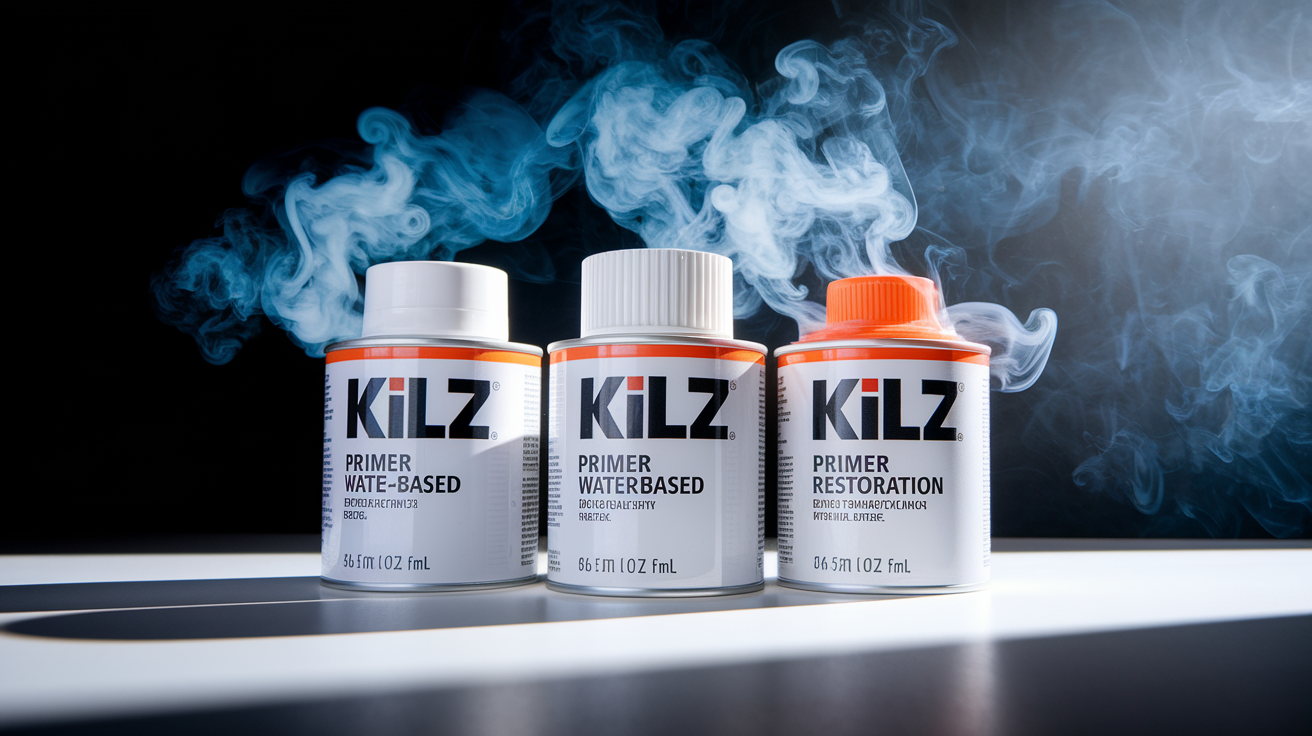
KILZ primers block smoke odor when you pick the right formula and don’t mess up the application. The primer seals smoke contaminated surfaces before you paint, stopping odor molecules from bleeding through to your finished wall. Without it, smoke smell comes right through even if you slap on three coats of regular paint.
KILZ makes primers with different chemical bases (oil, water, and shellac performance hybrids) built to handle different levels of smoke damage. What you need depends on whether you’re dealing with light residue or heavy cigarette smoke that’s been soaking in for years.
| Product | Base Type | Smoke Odor Blocking Power | Best Application | Key Features |
|---|---|---|---|---|
| KILZ Original | Oil-based | Heavy-duty | Severe cigarette smoke, fire damage, interior/exterior surfaces | Trusted for 40+ years, excellent adhesion, blocks heavy stains and odors |
| KILZ Original Low Odor | Oil-based | Heavy-duty | Heavy smoke damage in occupied spaces | Lower VOC than standard oil primers, still requires ventilation |
| KILZ Restoration | Water-based with oil/shellac performance | Heavy-duty | Cigarette smoke, fire damage, pet odors, subfloors | Water cleanup, comparable blocking to oil primers, one-coat coverage |
| KILZ 2 | Water-based | Light to medium | Third-hand smoke, light staining | Fast-drying, multi-surface, economical for mild odor issues |
| KILZ 3 Premium | Water-based | Medium | Moderate stains, covering dark colors | High hiding power, not specifically formulated for heavy odor blocking |
For light smoke exposure or third-hand residue, KILZ 2 works fine and costs less. If someone smoked occasionally in one room years back, this water based formula seals those mild odors. For heavy cigarette smoke where walls show yellowing and the smell hits you at the door, use KILZ Original or KILZ Restoration. Both handle severe tobacco damage.
Fire damage needs KILZ Original or KILZ Restoration depending on your situation. Go with oil based KILZ Original when you’re working on exterior surfaces, empty spaces, or anywhere you can ventilate heavily during application. Pick water based KILZ Restoration when you need easier cleanup, lower VOC exposure, faster dry times, or you’re working in occupied spaces where strong solvent odors create problems. Both block smoke odor equally well. The choice comes down to application conditions rather than blocking power.
Cigarette Smoke and Tobacco Odor Removal with KILZ
Cigarette smoke doesn’t just float through a room and disappear. The tar and nicotine penetrate porous surfaces like drywall, wood, and ceiling tiles, bonding with the material microscopically. This creates visible yellow brown staining plus embedded odor that lives inside the wall surface itself. You’ll see stains on walls and ceilings, but you’ll also find smoke residue on cabinet interiors, closet walls, door frames, anywhere air circulated while someone smoked indoors.
Just painting over smoke damaged surfaces traps odor molecules beneath the paint film temporarily. They migrate through latex paint within weeks or months. The paint acts like a temporary lid, not a permanent seal. As temperature and humidity shift, those trapped odor compounds work their way through the paint layer and release back into the room. You’ll notice the smell returning gradually. You might see yellow staining bleeding through your fresh paint.
KILZ primers create a chemical barrier that encapsulates smoke residue and blocks odor transmission through to the topcoat. The primer seals the contaminated surface, preventing smoke compounds from moving through the paint system. For rental properties where a tenant smoked for years, house flipping projects where you’re removing smoke smell before listing, or moving into a home where previous owners smoked, KILZ application to all interior surfaces eliminates the odor source rather than just covering it.
Surface Preparation Before Applying KILZ Primer
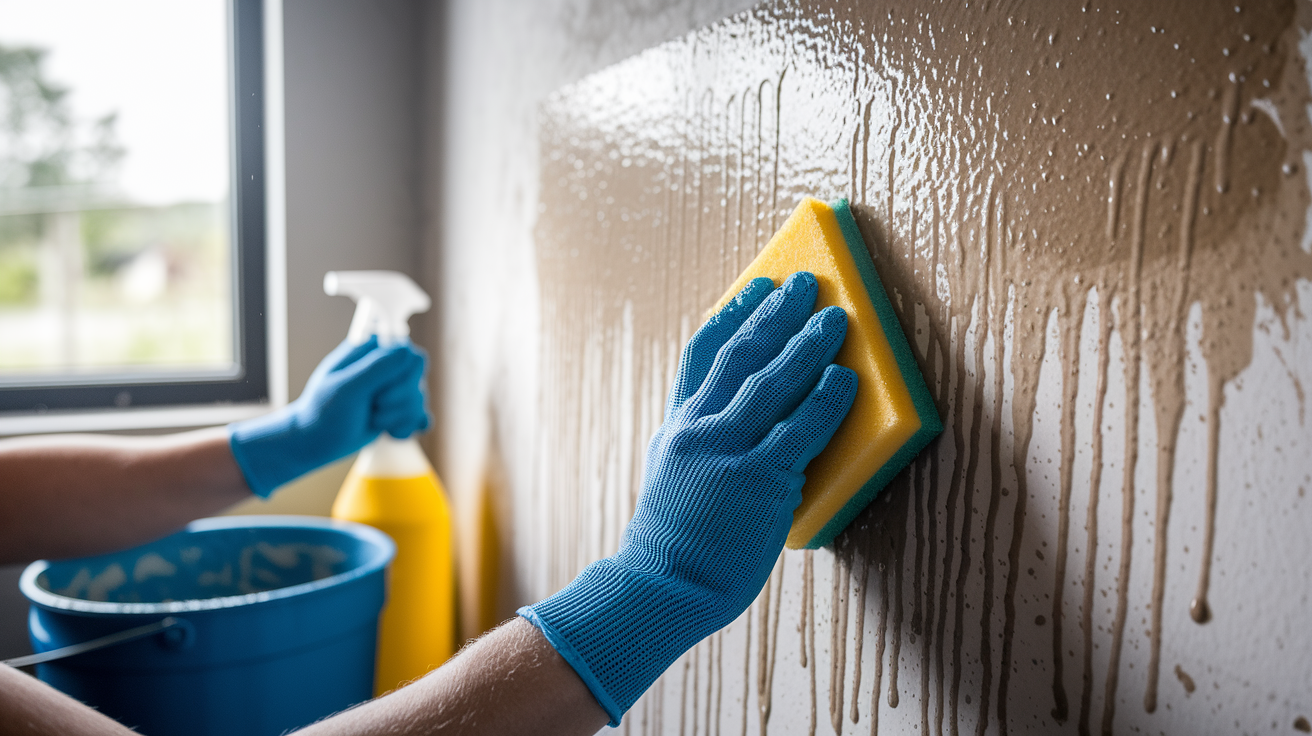
Surface prep determines whether your primer seals smoke odor or fails within months. Cleaning removes surface contamination that would otherwise prevent primer adhesion and leave gaps in your odor barrier.
-
Wipe down all surfaces with a damp cloth to remove dust, cobwebs, and loose debris that would prevent primer contact with the wall surface.
-
Remove any loose or peeling paint using a scraper or wire brush, creating a solid substrate for the primer to bond to.
-
Clean heavily nicotine stained surfaces with TSP (trisodium phosphate) cleaner to cut through the greasy tar residue. Mix according to package directions and scrub walls, ceilings, and woodwork thoroughly.
-
Rinse TSP cleaned surfaces with clean water to remove cleaner residue that would interfere with primer adhesion.
-
Allow all surfaces to dry completely, typically 24 hours after washing, before applying any primer.
Surface preparation matters because KILZ needs direct contact with the contaminated material to seal it effectively. Dust, grease, or loose paint creates separation between the primer and the smoke damaged surface, leaving pathways for odor to escape. On heavily smoked surfaces where nicotine has created a shiny, sticky coating, that residue must be cleaned off or the primer won’t bond properly to the wall beneath it.
Application Methods for KILZ Smoke Odor Primers
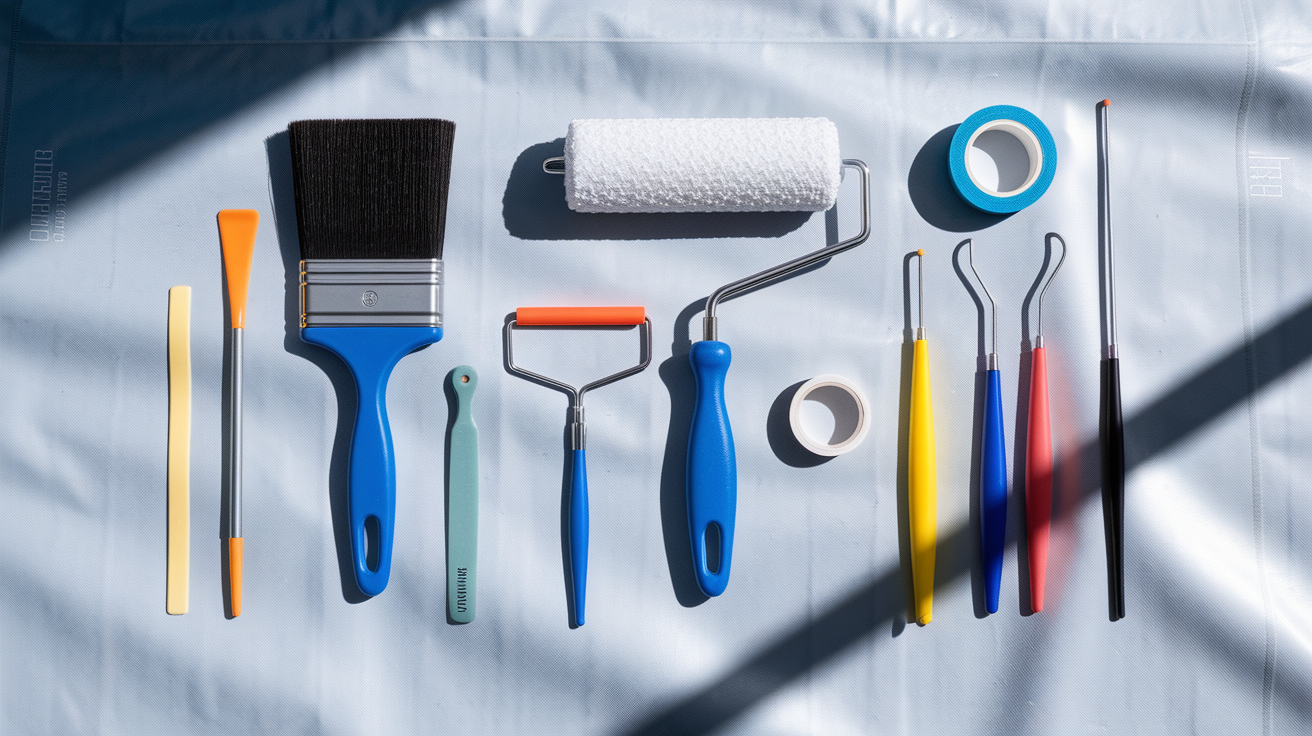
Start by cutting in around edges, corners, and trim using a quality angled brush. Load the brush with primer, then work it into corners and along ceiling lines where rollers can’t reach. This creates a sealed perimeter before you fill in the main wall areas.
After cutting in, use a 3/8 inch to 1/2 inch nap roller to fill in the remaining wall and ceiling surfaces. The roller distributes primer evenly across large areas without the streaking that brushes sometimes leave. Roll in a W pattern to spread primer, then fill in sections with overlapping vertical strokes for solid, even coverage.
| Application Factor | Specification |
|---|---|
| Coverage per gallon | 300-400 square feet depending on surface porosity |
| Dry time before topcoat | 1 hour minimum for KILZ Restoration, 2-4 hours for oil-based formulas |
| Coat requirements | One coat sufficient for cigarette smoke, two coats for severe fire damage |
| Stirring frequency | Thoroughly before use, occasionally during application to maintain consistency |
One coat handles cigarette smoke odor blocking in most situations when applied at proper thickness without thin spots or holidays. You’ll know you need a second coat if you see staining bleeding through the primer after it dries, or if you still smell smoke odor coming through the sealed surface. Check the primed surface after it dries completely. If you see yellow brown discoloration appearing through the primer or notice smoke smell when you put your nose near the wall, apply a second coat before painting.
Fire Damage Restoration Using KILZ Primers
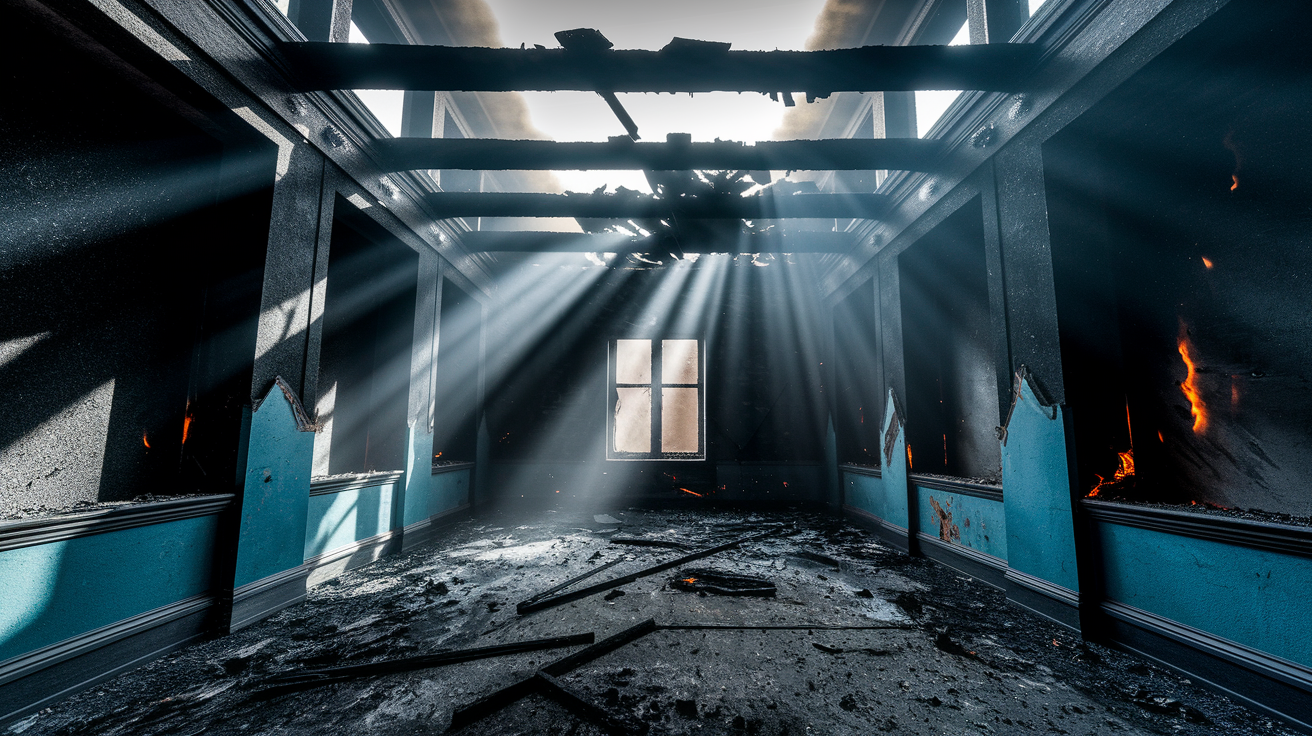
Wildfire smoke exposure differs significantly from direct fire damage inside a structure. Wildfire smoke that drifted into a home through windows or ventilation creates surface contamination similar to cigarette smoke. It deposits odor and soot on walls and ceilings but doesn’t usually involve heat damage or heavy charring. KILZ Restoration or KILZ Original handles wildfire smoke odor effectively on these surfaces.
Direct fire damage inside a structure involves heat exposure, heavy soot deposits, charred materials, and potential structural compromise that primer alone can’t fix. KILZ works on surfaces that remain structurally sound after fire. Drywall that’s smoke stained but not burned through, wood framing that’s blackened but not charred deep, concrete that’s discolored but not cracked. The primer seals smoke odor into these salvageable materials so they can remain in place rather than requiring replacement.
When fire damage includes melted materials, deep charring that compromises structural integrity, collapsed drywall, or insulation that absorbed smoke and water during firefighting, Fire and smoke-related home repairs: drywall replacement, odor-sealing preparation, insulation removal and replacement, repainting, trim and door repair, and restoring damaged interior finishes handle the damage repair before any primer application. Primer seals smoke odor in damaged but salvageable materials. It doesn’t restore materials that are physically destroyed or structurally unsafe.
Drying Time and Topcoat Compatibility for KILZ Primers
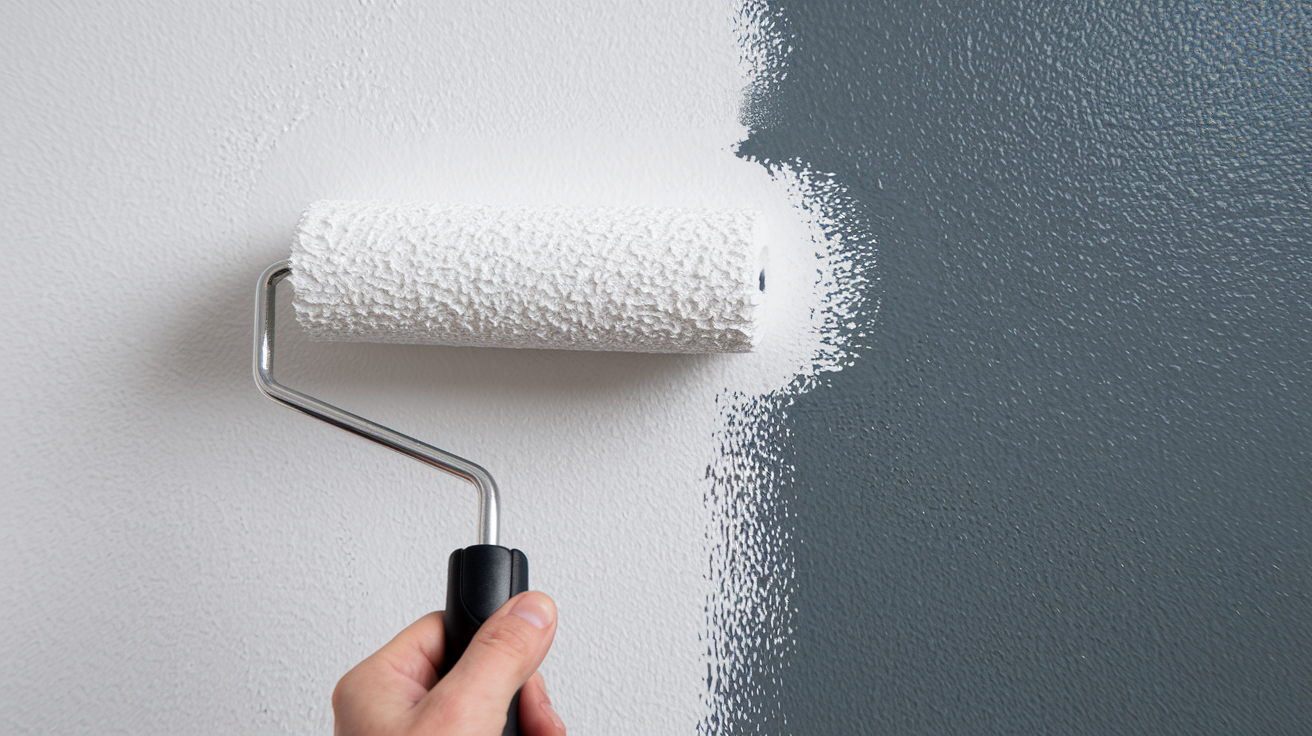
Proper drying time ensures the primer fully cures and creates an effective odor barrier before you seal it beneath topcoat paint.
KILZ Restoration allows topcoat application after 1 hour minimum dry time in normal temperature and humidity conditions. KILZ Original and other oil based formulas require 2 to 4 hours before recoating, longer in cool or humid conditions. Best practice waits 24 hours before topcoating any primer, even fast drying formulas, to ensure complete curing and maximum odor blocking.
Temperatures below 50°F significantly extend dry times and may prevent proper curing. Don’t prime in cold conditions. High humidity slows drying for all primer types but especially affects water based formulas. Use ventilation and dehumidification if needed.
Applying topcoat paint before the primer fully dries traps solvents beneath the paint layer, creating soft spots that remain tacky and don’t cure properly. This compromises the odor barrier and leaves sections where smoke smell can eventually penetrate. Remove painter’s tape before the topcoat fully dries to avoid pulling up dried paint edges, usually 30 to 60 minutes after painting, when the surface is dry to touch but not fully cured.
Cost Considerations and Where to Purchase KILZ Primers
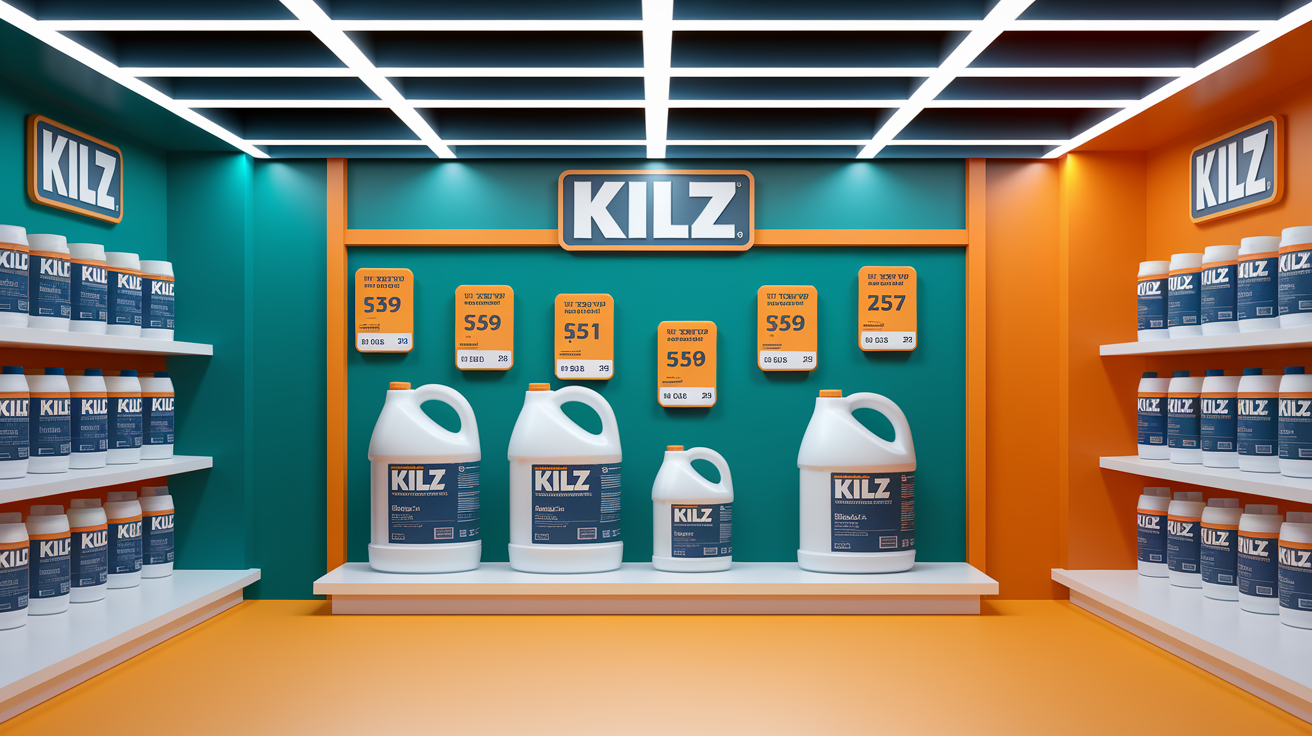
KILZ primer costs vary significantly between container sizes, with larger containers offering substantially better per gallon pricing. Paint shortages and market fluctuations affect pricing. One documented case showed a 5 gallon container increasing approximately $40 within one year.
For whole house smoke odor projects or multi room renovations, buying the 5 gallon size reduces your per gallon cost considerably compared to multiple 1 gallon purchases. Calculate your square footage coverage needs before purchasing to determine the most economical container size.
| Container Size | Typical Price Range | Best For |
|---|---|---|
| 1 gallon | $25-$45 | Single room, small repair projects, testing product before larger purchase |
| 2 gallon | $50-$75 | 2-3 room projects, moderate smoke damage |
| 5 gallon | $110-$180 | Whole house projects, rental property preparation, house flipping |
Home Depot and Lowe’s stock KILZ products in store where you can examine different formulations and ask staff questions about which product fits your project. Amazon offers delivery convenience and sometimes competitive pricing, particularly useful when you need large quantities delivered to your project site. Compare in store and online pricing before purchasing, checking for contractor discounts at home improvement stores if you’re buying multiple containers for extensive projects.
Safety Precautions When Using KILZ for Smoke Odor
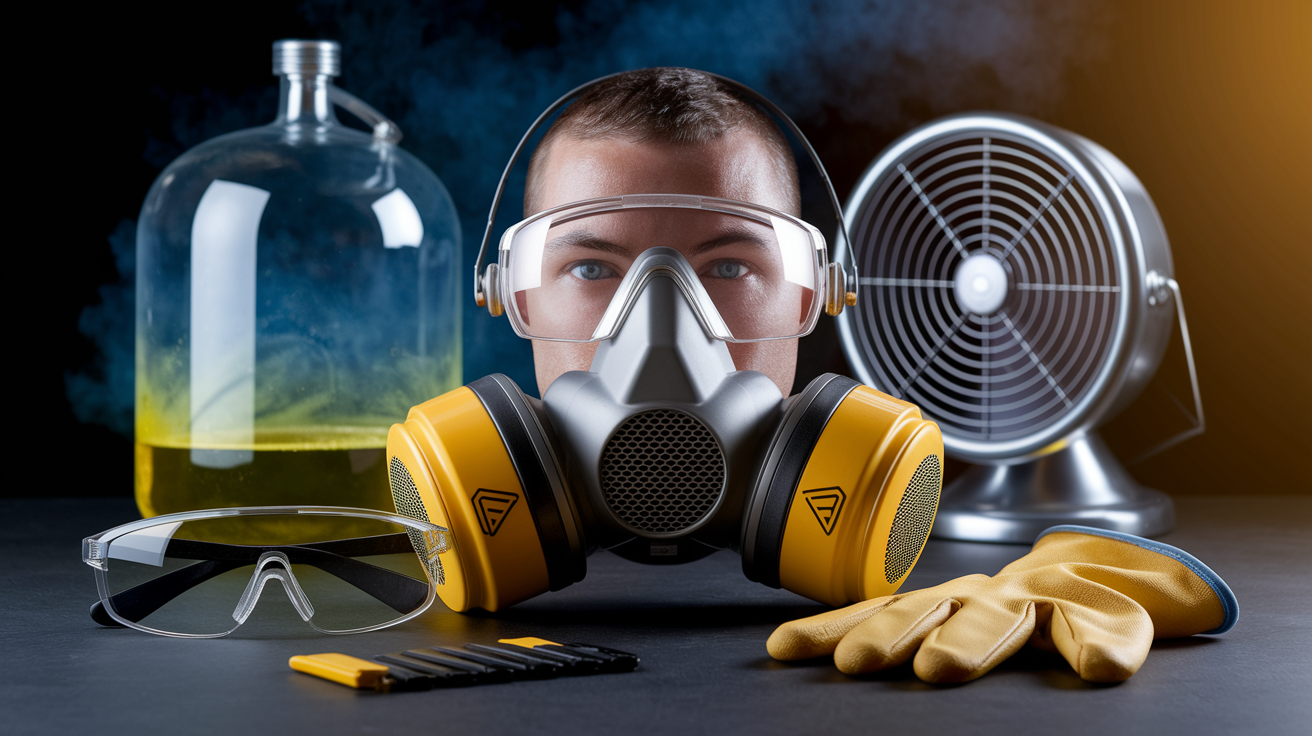
Primer application temporarily adds strong chemical odors to spaces that already have compromised air quality from smoke damage. This doubled odor exposure requires proper protection.
Use a respirator with organic vapor cartridges (not just a dust mask) when applying oil based KILZ formulas in enclosed spaces. Wear safety glasses or goggles to protect eyes from primer splatter, particularly important when rolling ceilings. Use nitrile or latex gloves to prevent skin contact with primer and solvents.
Set up cross ventilation with fans in windows, one blowing out to exhaust fumes and one bringing fresh air in. Limit continuous exposure time to 2 or 3 hours, taking breaks outside to clear your lungs. Keep children and pets completely away from the application area until primer dries and odor dissipates.
Oil based KILZ formulas contain higher VOC levels and require substantial ventilation during application and drying. The strong solvent smell indicates active off gassing of chemical compounds that shouldn’t be breathed heavily. Even KILZ Original Low Odor, while producing less smell than standard oil primers, still releases VOCs and needs ventilation. Water based KILZ Restoration contains lower VOC levels and produces less intense odor during application, but you still need airflow to prevent vapor buildup in enclosed spaces.
Cleanup procedures differ significantly between formulas. Oil based KILZ requires mineral spirits or paint thinner to clean brushes, rollers, and any spills. Soap and water won’t work. Water based KILZ Restoration cleans up with soap and water, eliminating the need for chemical solvents. Clean tools immediately after use before primer dries on the bristles or roller nap.
Dispose of oil soaked rags, used mineral spirits, and leftover oil based primer according to local hazardous waste regulations. Don’t pour solvents down drains or throw oil soaked materials in regular trash where they can spontaneously combust. Water based primer disposal follows standard latex paint disposal rules for your municipality.
Alternative Brands and When to Consider Them
Zinsser BIN shellac based primer represents the primary alternative to KILZ for extreme smoke odor situations. BIN uses denatured alcohol as its solvent base rather than mineral spirits or water, creating a harder, more impermeable seal than either oil or water based primers. Professional restorers sometimes prefer BIN for fire damage restoration where smoke odor is exceptionally severe.
Shellac based primers like BIN offer slightly superior blocking power for the most extreme odor situations, but they come with application challenges that KILZ formulas avoid. BIN dries extremely fast, often within 15 to 30 minutes, which makes application difficult for inexperienced users. You have to work quickly before the primer becomes tacky. The denatured alcohol base produces intense fumes that require even more ventilation than oil based primers. Cleanup requires denatured alcohol, and the primer costs more per gallon than most KILZ formulations.
Consider switching to Zinsser BIN when KILZ Restoration or KILZ Original have been properly applied but smoke odor persists through the primer, when you’re dealing with fire damage so severe that professional restorers recommend shellac based sealing, or when you need the absolute maximum blocking power regardless of application difficulty or cost. For standard cigarette smoke odor, pet odors, or typical smoke damage scenarios, KILZ formulations provide equivalent results with easier application and lower cost.
Common Mistakes When Using KILZ for Smoke Odor

Application errors cause most KILZ primer failures rather than the product itself being ineffective. These mistakes compromise the odor barrier that properly applied primer creates.
Skipping surface cleaning before priming leaves greasy nicotine residue that prevents primer adhesion, creating gaps where odor escapes. Inadequate ventilation during application seems counterintuitive when dealing with odor, but poor airflow extends dry times and can prevent proper curing.
Applying primer too thin by overworking it with the roller or stretching coverage beyond manufacturer specifications leaves insufficient material to block odor transmission. Painting topcoat too soon before primer fully dries traps solvents and prevents complete curing, weakening the odor barrier.
Using KILZ 2 for heavy smoke damage when KILZ Original or Restoration is needed (choosing the wrong formula for damage severity guarantees failure). Failing to address odor sources beyond wall surfaces, like smoke saturated carpet pad, insulation, or HVAC ductwork that continuously recontaminate the space even after walls are sealed.
Verify primer effectiveness by smelling the primed surface after it dries completely but before topcoating. Put your nose close to the wall in several locations. If you still detect smoke odor coming through the primer, apply a second coat or switch to a stronger formula. If odor persists after two properly applied coats of appropriate primer, the smell is coming from sources beyond the primed surfaces and you need to identify and remediate those additional contamination points.
Long-Term Effectiveness and Maintenance After KILZ Application
Properly applied KILZ primer creates a permanent odor barrier that doesn’t require reapplication or maintenance. Once the primer fully cures and you’ve topcoated it with paint, the sealed barrier remains effective indefinitely under normal conditions. The primer chemically encapsulates smoke residue and prevents odor molecule migration through the paint system for the life of the paint job.
The primer itself produces temporary odor during application and drying. This is solvent off gassing, not smoke smell. For oil based formulas, expect noticeable primer smell for several days after application. Water based KILZ Restoration produces less intense odor that typically dissipates within 1 to 2 days. Once you apply topcoat paint over the cured primer, the primer smell disappears completely and won’t return.
Smoke odor returning after proper KILZ application indicates one of three problems. Incomplete surface coverage leaving unprimed sections where odor escapes, new smoke exposure from continued smoking in the space, or moisture damage that has compromised the primer seal and allowed odor compounds to reactivate. Check for missed spots first, particularly in closets, behind doors, cabinet interiors, and other areas easily overlooked during initial priming.
KILZ offers warranty coverage for product defects but not for application errors or inappropriate product selection. If you’ve properly prepared surfaces, selected the correct formula for your damage severity, applied it according to manufacturer directions, and odor still penetrates, contact KILZ customer support with documentation of your application process and purchase information. Most performance issues trace back to application problems rather than product failure, but manufacturer support can help troubleshoot persistent issues.
Professional Application Versus DIY KILZ Projects
KILZ primer application involves accessible techniques that most homeowners can perform successfully with basic painting skills and proper safety equipment.
DIY appropriate scenarios include single room or small area smoke damage where you can complete the project in 1 to 2 days, straightforward wall and ceiling priming without extensive damage repair needed first, available time to properly prepare surfaces, apply primer carefully, and ventilate adequately, or rental property preparation or house flipping where you’re managing multiple trades and can schedule priming between other contractors.
Professional appropriate scenarios include whole house smoke damage combined with repairs to drywall, flooring, or structural components, fire damage restoration requiring assessment of which materials are salvageable versus need replacement, occupied homes where you need fast completion with minimal disruption to residents, or commercial properties with liability considerations or building code requirements for certified restoration work.
Water-related home repairs: leak-related drywall repair, ceiling and wall restoration, flooring replacement, baseboard and trim repair and Interior rebuilding and finishing: drywall hanging and finishing, texture matching, interior painting, flooring installation combine damage repair with priming application when smoke odor accompanies physical damage to surfaces.
A hybrid approach works well for extensive damage where professional contractors handle drywall replacement, subfloor repairs, or structural work, then you complete the priming and painting yourself to reduce labor costs. Alternatively, professionals can prime difficult areas like vaulted ceilings, stairwells, or spaces requiring scaffolding, while you handle straightforward room priming. Match the approach to your skill level, available time, and project complexity rather than assuming either all DIY or all professional is the only option.
Final Words
KILZ primers give you real options for blocking smoke odor when you pick the right formula and prepare surfaces correctly.
KILZ Restoration and KILZ Original handle most cigarette smoke and fire damage situations. Clean the surfaces first, apply even coats, and give the primer time to dry before painting.
If you’re dealing with fire damage that affected structure or insulation, get the repairs done right before you prime. We handle the full sequence so you don’t paint over problems that need fixing first.
Once the killz for smoke odor is sealed properly and your topcoat is on, that barrier holds. Your home can smell clean and feel normal again.
FAQ
Does KILZ block smoke smell?
KILZ blocks smoke smell when properly applied to affected surfaces. KILZ primers create a sealing barrier that prevents smoke odor molecules embedded in porous materials from penetrating through fresh paint layers.
Is there a paint that kills smoke smell?
There is no paint that kills smoke smell, but specialty primers like KILZ Restoration and KILZ Original seal smoke odors by creating an impermeable barrier. Regular paint without primer allows odor molecules to bleed through the new finish.
Does KILZ cover up odors?
KILZ covers up odors by sealing them into the surface rather than eliminating them. The primer creates a permanent barrier that traps odor molecules in the substrate, preventing them from entering your living space.
Will painting walls cover smoke smell?
Painting walls will not cover smoke smell without primer application first. Paint alone is too porous to block embedded smoke odors, which will penetrate through the new paint within days or weeks.
Which KILZ product works best for heavy cigarette smoke?
KILZ Original and KILZ Restoration work best for heavy cigarette smoke because they offer maximum odor blocking performance. KILZ 2 handles light smoke stains but lacks the sealing power needed for severe nicotine damage.
How many coats of KILZ are needed for smoke odor?
One coat of KILZ is needed for smoke odor from cigarette exposure when properly applied. Heavy fire damage or persistent nicotine staining may require a second coat if odor bleeds through after drying.
Can you use KILZ on smoke-damaged ceilings?
You can use KILZ on smoke-damaged ceilings using the same application method as walls. Ceilings often absorb more smoke than walls and benefit from KILZ Original or KILZ Restoration for complete odor blocking.
How long does KILZ smell last after application?
KILZ smell lasts a few days after application, with oil-based formulas producing stronger odor than water-based products. The primer odor completely disappears once topcoat paint is applied and dried.
Do I need to clean walls before applying KILZ for smoke?
You need to clean walls before applying KILZ for smoke to remove loose residue and ensure proper primer adhesion. Wipe surfaces with a damp cloth or TSP solution for heavy nicotine buildup.
What is the difference between KILZ Original and KILZ Restoration for smoke?
The difference between KILZ Original and KILZ Restoration for smoke is the base formula. KILZ Original is oil-based requiring mineral spirits cleanup, while KILZ Restoration is water-based with comparable performance and soap-and-water cleanup.
Can KILZ block fire damage smoke smell?
KILZ can block fire damage smoke smell from light to moderate exposure. Severe fire damage with structural compromise or heavy soot penetration requires professional restoration services before primer application.
How soon can you paint over KILZ after smoking odor treatment?
You can paint over KILZ after one hour minimum dry time following smoke odor treatment. Waiting longer in high humidity or cool temperatures ensures complete primer curing for maximum odor blocking.
Does KILZ work on third-hand smoke?
KILZ works on third-hand smoke by sealing residual nicotine and tar embedded in walls, ceilings, and trim. Proper surface preparation and complete coverage are necessary to block persistent third-hand smoke contamination.