


You might think insurance companies pay claims in days, but most homeowners wait weeks or months watching their damaged property sit unrepaired while the process crawls forward. The timeline for your property damage claim depends on how fast you document everything, how complex the damage is, and whether your insurer moves quickly or drags their feet. This guide walks you through each phase, what happens when, and how to avoid delays that keep your home in limbo longer than necessary.
Complete Property Damage Claim Timeline: Phases and Timeframes

The complete property damage claim process usually takes 2 to 8 weeks for straightforward claims and 2 to 6 months for complex ones, with certain disputed or catastrophic cases stretching well beyond that. How long your claim takes depends on damage extent, how well you document everything, how responsive your insurer is, and whether disputes or hidden damage pop up during repairs. The table below breaks down each phase with typical timeframes and what you’ll need to handle at each stage.
| Phase | Typical Timeframe | Key Actions Required |
|---|---|---|
| Initial filing and first contact | 0-3 days | Report damage to insurer, provide basic incident details, receive claim number |
| Claim acknowledgment | 1-30 days (state-dependent) | Confirm receipt of acknowledgment letter or email, verify claim number and adjuster assignment |
| Adjuster assignment | 2-5 days | Wait for adjuster contact, prepare access to damaged areas, gather initial documentation |
| Documentation submission | 3-7 days | Submit photos, videos, inventories, receipts, and any required supporting documents |
| Property inspection | 5-10 days after initial contact | Schedule and attend inspection, provide access, answer adjuster questions |
| Damage assessment and estimate review | 7-14 days | Obtain contractor estimates, submit to insurer, respond to assessment questions |
| Settlement offer and negotiation | 10-21 days | Review settlement offer, negotiate if needed, provide additional documentation to support valuation |
| Approval and payment processing | 5-15 days | Accept settlement, complete required forms, coordinate with mortgage company if applicable |
| Contractor coordination and repair start | 1-4 weeks (variable) | Select contractor, schedule work, obtain necessary permits, coordinate start date |
| Repair completion and final inspection | Variable by damage extent | Monitor repair progress, coordinate final inspection with adjuster or contractor |
| Final payment release | 7-14 days after completion | Submit completion documentation, final invoices, photos of completed work |
| Claim closure | 1-5 days | Confirm all payments received, file final documentation, obtain closure confirmation |
These timeframes represent standard scenarios where communication flows smoothly, liability is clear, and damage assessment is straightforward. Catastrophic events like hurricanes or wildfires create processing backlogs that can double or triple these timelines as hundreds or thousands of neighbors file claims at once. Complex structural damage, coverage disputes, or hidden problems discovered during repairs will push the process significantly beyond these baseline estimates. The sections that follow explain specific factors that speed up or slow down each phase and what you can do to keep things moving.
Initial Steps: Filing a Claim and First Contact
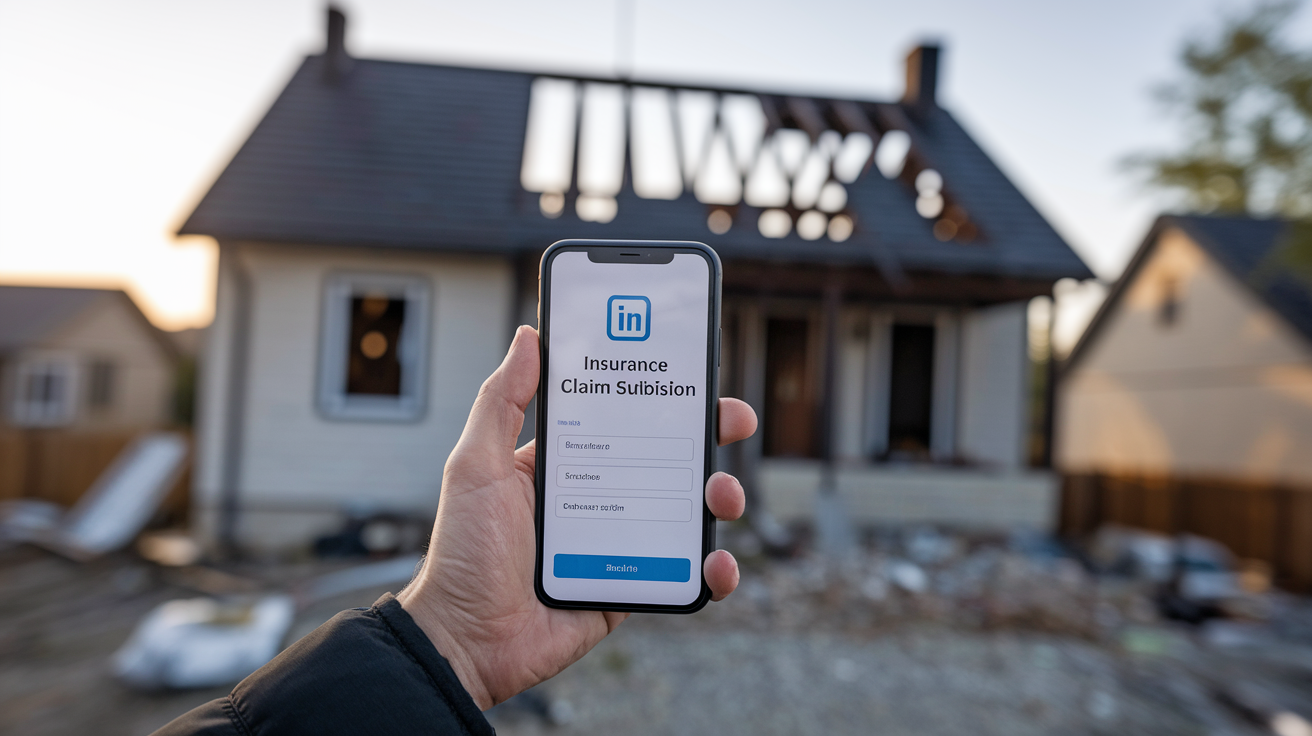
Filing your claim right after discovering damage speeds up the entire process and prevents your insurer from using delayed reporting as grounds for denial or reduced payment.
Contact your insurance company as soon as you identify damage, whether that’s calling their claims line, using their mobile app, or working through your agent. You’ll provide basic details about what happened, when it occurred, and a general description of the damage you can see. The insurer assigns a claim number during this initial contact, which you’ll use for all future communication. Within 24 to 72 hours, an adjuster gets assigned to your case and typically makes first contact by phone to schedule an inspection and confirm the information you provided.
Most insurers acknowledge your claim in writing within a few days, but state law allows up to 30 days for formal confirmation that they received your report. Natural disasters and catastrophic events delay initial contact because adjusters get overwhelmed by mass claim situations where entire neighborhoods file simultaneously. After a major storm or wildfire, you might wait a week or longer for that first adjuster call instead of the usual couple of days. That initial delay doesn’t mean your claim isn’t being processed. It just means you’re in a queue with many others.
Documentation Requirements for Your Damage Claim

Complete documentation speeds up every phase of your claim, while missing information creates delays as the insurer requests additional evidence and waits for you to gather it. Strong documentation also supports higher settlement values because it proves the extent of damage and the value of what you lost.
Different damage types require different evidence packages. Water damage claims need photos showing the water source, affected areas, and any visible damage to floors, walls, or contents, plus documentation of the timeline if the problem developed over hours or days. Fire damage requires extensive photo documentation of charred materials, smoke staining, and structural impacts, often from multiple angles to show the full scope. Storm damage benefits from weather reports confirming the event, plus exterior and interior photos showing wind or hail impact points. Every claim type benefits from detailed inventories of damaged items with descriptions, approximate purchase dates, and estimated replacement values.
Essential documentation to gather immediately:
- Photos and videos from multiple angles showing all damaged areas before any cleanup or repairs begin
- Detailed inventory of damaged or destroyed items including brand names, ages, and estimated values
- Police reports if damage resulted from theft, vandalism, or any criminal activity
- Weather reports and official records confirming storms, wind speeds, or precipitation during the damage event
- Receipts and invoices for any emergency repairs made to prevent further damage
- Multiple contractor estimates for permanent repairs
- Communication logs tracking every call, email, or conversation with your insurer
- Witness statements from neighbors or others who observed the damage or the event that caused it
Timing matters for documentation. Taking photos before you move anything or make temporary repairs creates the strongest evidence of what actually happened. Waiting even a few days weakens your position if moisture dries, debris gets cleared, or conditions change.
The Adjuster Inspection and Damage Assessment Phase

The adjuster inspection typically occurs 2 to 7 days after your initial claim filing for standard situations, though catastrophic events can push that timeline to several weeks when demand surges. The adjuster’s job is to verify that damage occurred, determine what your policy covers, and estimate repair or replacement costs.
During the inspection, the adjuster photographs damage, takes measurements, documents affected materials and systems, and asks questions about how the damage happened and when you discovered it. This visit usually takes 30 minutes to 2 hours depending on damage extent. Simple claims like a single broken window move quickly, while extensive water damage affecting multiple rooms or structural fire damage requires detailed documentation and may need follow-up visits. The adjuster evaluates what’s immediately visible but can’t always identify hidden damage inside walls or beneath floors at this stage. That’s why supplemental claims for additional damage happen frequently once repairs begin.
Your insurer might send a company adjuster (their employee), an independent adjuster (contracted by the insurer), or you might hire a public adjuster to represent your interests. Public adjusters work for you, not the insurance company, and they typically charge 5 to 15% of your final settlement. Hiring one may add 2 to 4 weeks to the timeline because they conduct their own detailed assessment and prepare separate documentation, but homeowners with high value or complex claims often see significantly higher settlement offers that more than offset the fee and time investment. The choice to hire a public adjuster makes most sense when damage exceeds $50,000, when you’re dealing with complex structural issues, or when your initial settlement offer seems inadequate.
Repair Coordination, Settlement, and Payment Structure

The estimate gathering, settlement negotiation, and payment coordination phases typically span 3 to 6 weeks total, though complex claims or disagreements over valuation can extend that considerably.
Obtaining multiple contractor estimates usually takes 3 to 10 days depending on contractor availability and damage complexity. Most insurers and restoration professionals recommend getting at least two or three estimates from licensed contractors who specialize in your damage type. Submit these estimates to your adjuster along with any documentation showing how contractors calculated their numbers. After the insurer receives estimates, they review them against their own assessment, which takes 7 to 21 days for standard claims. More extensive damage requiring careful cost analysis or specialized contractor input extends this review period.
Settlement negotiations happen when your contractor estimates differ significantly from the insurer’s calculated payout. Most policies pay on either actual cash value (which deducts depreciation based on age and condition) or replacement cost (which covers full repair or replacement without depreciation deductions). Understanding which coverage your policy provides affects how much you receive in initial payments. For large claims, you often get two checks: one paying actual cash value up front, then a second payment for the recoverable depreciation after you complete repairs and submit invoices proving the work was done. This structure protects the insurer from paying for repairs you never actually make.
| Payment Type | Timing | Purpose | Amount Considerations |
|---|---|---|---|
| Initial advance payment | Within days of filing for emergency situations | Cover immediate emergency repairs to prevent further damage | Typically $1,000-$5,000, deducted from final settlement |
| Actual cash value payment | 5-15 days after settlement approval | Initial payment reflecting depreciated value | Repair cost minus depreciation and deductible |
| Replacement cost payment after repairs | 7-14 days after submitting completion documentation | Recoverable depreciation paid once repairs proven complete | Difference between actual cash value and full replacement cost |
| Final supplemental payment | 1-3 weeks after additional damage identified and approved | Cover legitimate additional costs discovered during repairs | Based on reinspection and supplemental claim approval |
| Deductible responsibility | You pay before insurance coverage begins | Your out-of-pocket portion per policy terms | Typically $500-$5,000 depending on policy selection |
Making emergency repairs to prevent further damage is necessary and usually covered, but document everything and keep receipts. Waiting for full adjuster approval before all repairs protects you from paying for work your policy might not cover, but some damage worsens by the day. If you have active water intrusion or openings in your roof that expose your home to weather, make temporary repairs immediately and document the problem thoroughly. When working with qualified contractors experienced in fire damage home repairs, they understand insurance requirements and can help coordinate documentation and scope with your adjuster. Starting your home repair and restoration process with contractors who work regularly with insurance claims often speeds up the approval and payment timeline because they know what documentation insurers need and how to submit it properly.
Property Damage Claim Timelines by Damage Type

Simple claims for minor damage may close within 2 to 3 weeks, while extensive property damage or disputes over coverage can stretch the process across months. Different damage types follow different typical timelines because they involve different investigation requirements, repair complexity, and potential for hidden damage.
Water Damage Claims
Water damage claims typically process within 2 to 4 weeks for straightforward cases like a burst pipe or appliance failure with limited spread. Speed matters with water damage because moisture creates ongoing problems like mold growth, structural weakening, and odor issues that worsen each day. Insurers usually respond quickly to water damage claims because delayed mitigation costs them more money.
The timeline extends when the water source is unclear, when coverage questions arise about whether damage came from sudden events versus gradual leaks, or when mold concerns require testing and remediation. If your adjuster suspects the water damage developed over weeks or months rather than happening suddenly, expect additional investigation and possible coverage disputes that can add 3 to 6 weeks to the process. Starting water damage home repairs quickly matters both for preventing additional damage and for supporting your claim timeline, since prompt action proves you took reasonable steps to minimize loss.
Fire and Smoke Damage Claims
Fire and smoke damage claims take 4 to 8 weeks or longer because they involve complex assessment of structural safety, smoke penetration, and multiple damaged systems. Even small fires create smoke residue that travels through HVAC systems and penetrates porous materials far from the actual flames.
Adjusters inspect structural integrity, electrical systems, HVAC contamination, and the full extent of smoke damage before approving settlement amounts. This investigation period adds time but protects you from undersettlement that doesn’t account for hidden smoke damage inside walls or ductwork. Fires involving potential electrical faults or suspicious origin trigger additional investigation that extends timelines by weeks or months.
Storm, Wind, and Hail Damage Claims
Storm damage claims typically process within 3 to 6 weeks under normal circumstances, but catastrophic weather events create massive backlogs that extend timelines to several months. When severe storms damage hundreds of homes in your area simultaneously, adjusters work through claims in filing order while managing limited capacity.
Seasonal factors affect contractor availability and repair timelines even after your claim settles. Major storms in spring and summer create contractor backlogs that can delay the start of your repairs by weeks, which extends the overall time from damage to completion even though the insurance portion closed. Wind and hail damage assessment can be straightforward when impact points are clear, but disputes sometimes arise over whether damage came from the recent storm or from previous weather events, adding investigation time.
Flood Damage Claims
Flood damage requires separate flood insurance through the National Flood Insurance Program or private flood carriers, which processes claims independently from your standard homeowners policy. NFIP claims typically take 30 to 60 days from filing to payment, with that timeline extending after major flooding events when thousands of claims file simultaneously.
Coordination between flood insurance and homeowners insurance becomes necessary when a storm causes both flood damage and wind damage to the same property. You’ll work with separate adjusters and separate timelines for each coverage type, which complicates repair coordination and extends the overall process.
Factors That Delay Property Damage Claims

Understanding what causes delays helps you set realistic expectations and, in some cases, take action to prevent or minimize time extensions.
Common factors that add days or weeks to standard timelines:
- Incomplete documentation requiring follow-up requests for photos, inventories, receipts, or supporting evidence
- Coverage disputes over whether damage falls within policy terms or matches exclusion language
- Liability questions when third parties may bear responsibility and investigation determines fault
- Hidden or additional damage discovered during repairs that wasn’t visible during initial assessment
- Seasonal contractor availability limiting how quickly approved work can actually start
- Catastrophic event backlogs when adjusters manage hundreds of claims simultaneously
- Extended investigation periods for high value claims or suspicious circumstances
- Policy exclusion disputes requiring legal interpretation of contract language
- Missing or delayed cooperation from homeowners who don’t respond promptly to requests
Prompt cooperation and providing requested information quickly moves every phase of the process forward. When your adjuster asks for additional photos, contractor estimates, or clarification about how damage occurred, responding within 24 to 48 hours keeps your claim moving. Delayed responses add days or weeks each time information sits waiting.
Complex or high value claims trigger extended review periods because insurers examine details more carefully before authorizing large payouts. Claims exceeding $50,000 often require multiple levels of approval, independent estimates, and detailed documentation review that adds 2 to 4 weeks to standard timelines. This investigation protects both you and the insurer by ensuring the settlement accurately reflects legitimate damage and necessary repairs.
Getting Your Claim Processed Faster

Homeowners who stay organized and responsive can shorten their claim timeline by weeks compared to those who wait for their insurer to drive every step.
Specific ways to keep your claim moving forward:
- File immediately after discovering damage rather than waiting to assess the full extent yourself
- Respond to all adjuster requests within 24 to 48 hours with complete information
- Keep organized files with all photos, receipts, estimates, and correspondence in one place
- Make yourself available for inspections rather than requiring multiple reschedules due to conflicts
- Use digital tools and online portals when your insurer offers them for faster document submission
- Follow up every 5 to 7 days if you haven’t heard updates on your claim status
- Select contractors quickly after receiving settlement approval rather than delaying while you research options
- Submit completion documentation and invoices immediately after repairs finish
You can control how quickly you gather documentation, how promptly you respond to requests, and how available you make yourself for inspections and communication. Those factors directly impact your timeline. What you can’t control includes adjuster workload, catastrophic event backlogs, state mandated review periods, and how quickly your insurer’s internal approval processes move. Focusing your energy on what you control keeps your claim from stalling due to your own delays.
Realistic expectations matter. Even with perfect cooperation and complete documentation, you can’t force a 6 week process into 2 weeks. State regulations, approval requirements, and inspection logistics create minimum timelines that apply regardless of how prepared you are. Your goal is reaching that minimum rather than extending it with preventable delays.
Supplemental Claims and Additional Damage Discovery
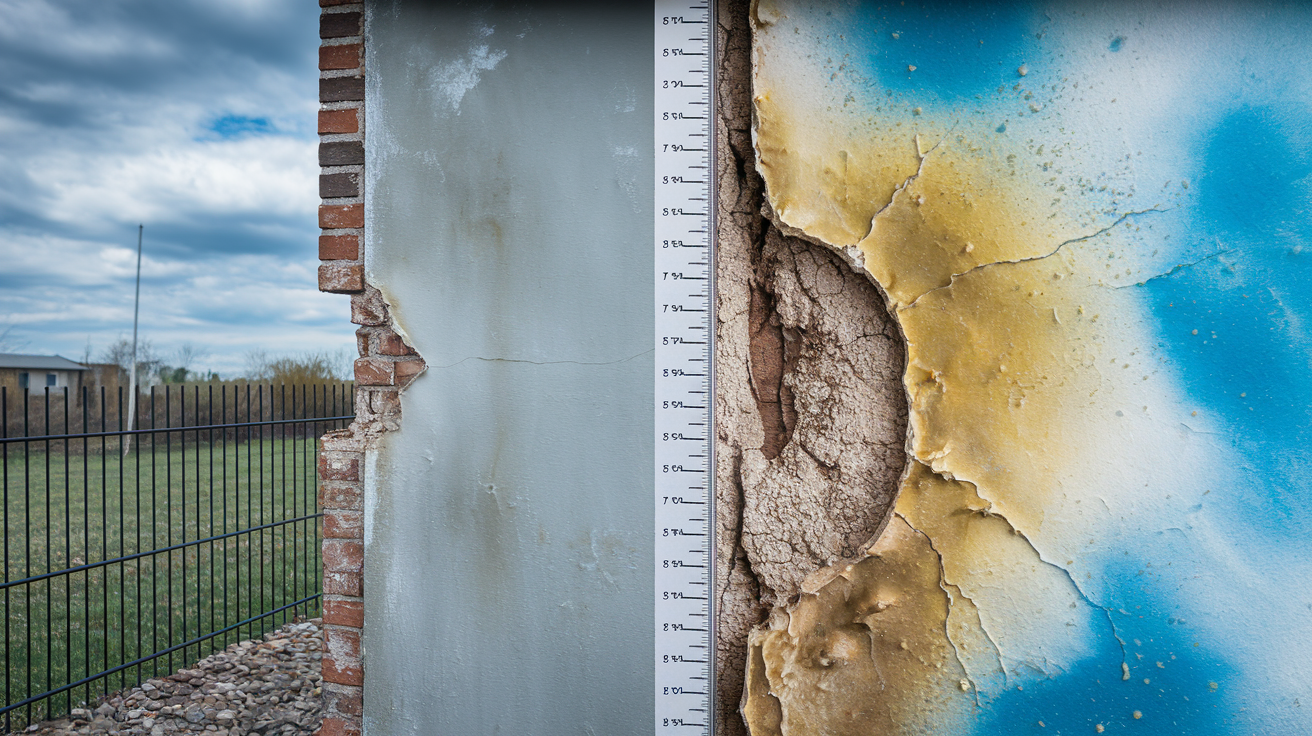
Hidden damage often surfaces 2 to 4 weeks into repair work when contractors open walls, remove flooring, or access areas that weren’t fully visible during the initial inspection. Water damage inside wall cavities, structural issues behind finishes, or additional fire damage in attic spaces commonly appears only after demolition begins.
Filing a supplemental claim starts a new mini cycle of inspection, assessment, and approval that typically takes 1 to 3 weeks. Your contractor documents the newly discovered damage with photos and detailed notes, then submits this information to your adjuster. The adjuster either approves the additional work based on documentation alone or schedules a reinspection to verify the findings in person. Simple supplemental claims for obviously related damage get approved quickly, while unexpected findings that raise coverage questions require more investigation.
Recoverable depreciation payments happen after you complete repairs and submit final invoices proving the work was done. This final payment typically processes 7 to 14 days after your insurer receives completion documentation including paid invoices, photos of finished work, and any required contractor lien releases. The two payment structure means your claim doesn’t fully close until all repairs finish and final documentation gets submitted, which extends the overall timeline from initial filing to final check by whatever time your repairs require. Large restoration projects can take 2 to 3 months from start to finish, meaning your claim remains open that entire period even though the settlement amount was determined much earlier.
Additional Living Expenses and Extended Displacement

Some policies include additional living expenses coverage that pays for temporary housing, meals, and other costs when damage makes your home unlivable during repairs. This coverage activates when you can’t safely stay in your home, which happens frequently with extensive fire damage, major water damage affecting living areas, or structural issues requiring evacuation.
ALE coverage duration depends on how long repairs reasonably take, typically ranging from a few weeks for moderate damage to several months for extensive reconstruction. Your policy sets a dollar limit and a time limit for this coverage, often expressed as a percentage of your dwelling coverage or a specific number of months. Documentation requirements include receipts for hotel stays, increased food costs beyond your normal budget, storage fees for belongings, and other reasonable expenses directly caused by displacement. Submit these expenses regularly (weekly or biweekly) rather than waiting until repairs complete, as this speeds up reimbursement and prevents cash flow problems.
Mortgage companies and lienholders often require endorsement on insurance checks before you can cash them, which adds 7 to 14 days to the payment timeline. When your settlement check arrives, it may include your name and your mortgage company’s name, requiring both signatures. You’ll submit the check to your lender along with contractor estimates and a scope of work, they review everything to ensure their collateral is being properly repaired, then they endorse the check back to you. Some lenders hold funds in escrow and release them in stages as work progresses, which further extends the timeline and requires submitting progress documentation at each phase.
Claim Denials, Appeals, and Dispute Resolution
Common denial or dispute reasons include policy exclusions that bar coverage for specific damage types, coverage limitations that cap payouts below actual repair costs, and valuation disagreements where the insurer’s estimated repair cost falls significantly below contractor quotes.
The formal appeal process typically takes 30 to 60 days for internal review after you submit your appeal letter explaining why you believe the denial was incorrect or the settlement insufficient. Your appeal should include additional documentation supporting your position: independent contractor estimates, expert assessments, policy language interpretation, photos showing damage extent, or evidence that the damage cause falls within covered perils. The insurer reviews your appeal and either upholds the original decision, modifies the settlement, or approves previously denied coverage.
When internal appeals don’t resolve the dispute, most policies include an appraisal clause that allows both parties to hire appraisers who assess damage independently, then work together to reach agreement. If the two appraisers can’t agree, they select a neutral umpire who makes the final decision. This appraisal process typically takes 60 to 90 days and costs several thousand dollars, but it resolves valuation disputes without litigation. Mediation offers another option where a neutral third party helps you and your insurer negotiate, though mediation is non-binding unless both parties agree to the proposed resolution.
Hiring a public adjuster or attorney becomes necessary when settlement offers fall far short of legitimate repair costs, when your claim gets denied despite clear coverage, or when the insurer delays unreasonably without explanation. Legal representation extends the timeline because attorneys conduct their own investigation and follow formal dispute procedures, but it often results in significantly higher settlements that justify the time investment. Cases involving bad faith insurance practices, wrongful denial, or unreasonable delay may include additional compensation beyond just covering your repairs.
State Regulations and Legal Time Limits
State regulations create minimum standards for how quickly insurers must acknowledge claims, conduct investigations, and issue payment decisions. Many states require claim acknowledgment within 10 to 30 days of filing, though the specific timeframe varies. Some states mandate that insurers make coverage decisions within 40 days after receiving all necessary documentation, while others allow longer investigation periods for complex claims.
The statute of limitations for filing property damage claims varies by state and damage type, typically ranging from 1 to 6 years. This deadline marks the last date you can file a lawsuit against your insurer if settlement negotiations fail. Missing this deadline eliminates your legal right to pursue compensation through court action. Different damage types may have different filing windows. Water damage might have a shorter statute than structural damage, and contract disputes versus tort claims follow separate timelines.
| Requirement Type | Typical Timeframe | State Variation Notes |
|---|---|---|
| Claim acknowledgment | 10-30 days | Some states require acknowledgment within 15 days, others allow up to 30 |
| Initial coverage decision | 30-60 days | Many states mandate decisions within 40 days of receiving complete documentation |
| Appeal response deadline | 30-45 days | Internal appeal review periods vary by state regulation and policy terms |
| Statute of limitations filing window | 1-6 years | Varies significantly by state and whether claim is contract-based or tort-based |
| Payment release after approval | 5-30 days | State prompt payment laws often require payment within specific timeframes after approval |
When to Hire Professional Help for Your Claim
Deciding whether to hire a public adjuster, attorney, or other professional representation depends on claim complexity, settlement adequacy, and your comfort level navigating the insurance process.
Situations when professional help typically makes sense:
- High value claims exceeding $50,000 where settlement differences of even a few percentage points justify professional fees
- Initial claim denial or settlement offers that fall significantly below reasonable repair costs
- Complex damage requiring specialized assessment like structural engineering analysis or environmental testing
- Liability disputes where fault determination affects coverage or involves multiple parties
- Catastrophic loss involving total or near total property destruction
- Policy interpretation disagreements over whether specific damage falls within coverage terms
- Approaching statute of limitations deadlines with unresolved claims that may require legal action
Public adjusters work on contingency, typically charging 5 to 15% of your final settlement, which means they only get paid if you receive payment. They handle documentation, contractor coordination, damage assessment, and settlement negotiation on your behalf. Hiring a public adjuster may add 2 to 4 weeks to your timeline because they conduct independent assessment and prepare detailed claim packages, but policyholders with complex or high value claims often see settlement increases of 20 to 50% or more that far exceed the adjuster’s fee.
Legal representation becomes necessary when bad faith insurance practices appear, when your insurer unreasonably delays or denies legitimate claims, or when settlement negotiations reach an impasse and litigation seems likely. Attorneys add more time to the process than public adjusters because legal procedures follow formal timelines, but they provide leverage that often motivates insurers to settle more fairly. The balance between extended timeline and improved settlement outcome depends on your specific situation. Most homeowners handle routine claims without professional help while those facing denials or lowball offers benefit significantly from representation.
Final Words
Most property damage claims settle within 2-8 weeks for straightforward cases, but understanding each phase helps you stay in control when timelines stretch longer.
Quick filing, complete documentation, and prompt responses to requests keep your claim moving forward. The more organized you stay, the fewer delays you’ll face.
If repairs reveal hidden damage or your settlement feels off, you have options. Supplemental claims, appeals, and professional help exist for exactly these moments.
We handle property damage repairs while you handle the claim. That keeps both processes moving so you get back to normal faster.
FAQ
What are the 4 stages of the insurance claim cycle?
The 4 stages of the insurance claim cycle are filing and acknowledgment, investigation and assessment, settlement determination, and payment processing. After you report damage, an adjuster inspects your property, evaluates coverage, negotiates settlement amounts, and releases payment once you approve the offer.
Does your insurance go up immediately after a claim?
Your insurance rates typically do not go up immediately after a claim but may increase at your next policy renewal. Rate adjustments depend on claim severity, your claims history, and state regulations, with increases generally appearing 30 to 90 days after renewal.
What is the average settlement for property damage?
The average settlement for property damage varies widely based on damage extent, typically ranging from a few thousand dollars for minor repairs to tens of thousands for major structural damage. Settlement amounts reflect actual repair costs minus your deductible, with complex fire or flood claims often exceeding $50,000.
What is the average time for claim settlement?
The average time for claim settlement ranges from 2 to 8 weeks for straightforward claims and 2 to 6 months for complex damage. Simple water damage claims often settle within a month, while extensive fire damage or disputed coverage can extend the timeline to several months or longer.
How long does it take for an adjuster to inspect damage after filing?
An adjuster typically inspects damage within 2 to 7 days after you file a claim for standard situations. During catastrophic events affecting multiple properties, inspection scheduling may extend to 2 to 3 weeks due to high claim volume in your area.
What documentation speeds up my property damage claim?
Complete documentation speeds up your property damage claim by providing photos from multiple angles, detailed item inventories with values, receipts for emergency repairs, and contractor estimates. Submit all requested evidence within 3 to 7 days to avoid processing delays and demonstrate damage extent clearly.
When do I receive payment after settling a property damage claim?
You typically receive payment 5 to 15 days after accepting a settlement offer for standard claims. Large claims often involve multiple payments: initial actual cash value payment immediately, then replacement cost payment after completing repairs, with mortgage company endorsement adding 7 to 14 days.
How does hiring a public adjuster affect my claim timeline?
Hiring a public adjuster may add 2 to 4 weeks to your claim timeline but often results in higher settlement amounts. Public adjusters handle documentation, negotiate with insurers on your behalf, and manage complex damage assessments for extensive losses exceeding $50,000.
Can I file a supplemental claim for hidden damage discovered later?
You can file a supplemental claim for hidden damage discovered during repairs, typically within the first 2 to 4 weeks of restoration work. The supplemental claim process requires reinspection and approval, adding 1 to 3 weeks to your overall settlement timeline.
What factors delay property damage insurance claims most?
The factors that delay property damage insurance claims most include incomplete documentation, coverage disputes, liability questions involving third parties, and hidden damage discovered during repairs. Natural disasters and catastrophic events create processing bottlenecks that extend timelines by weeks or months.