
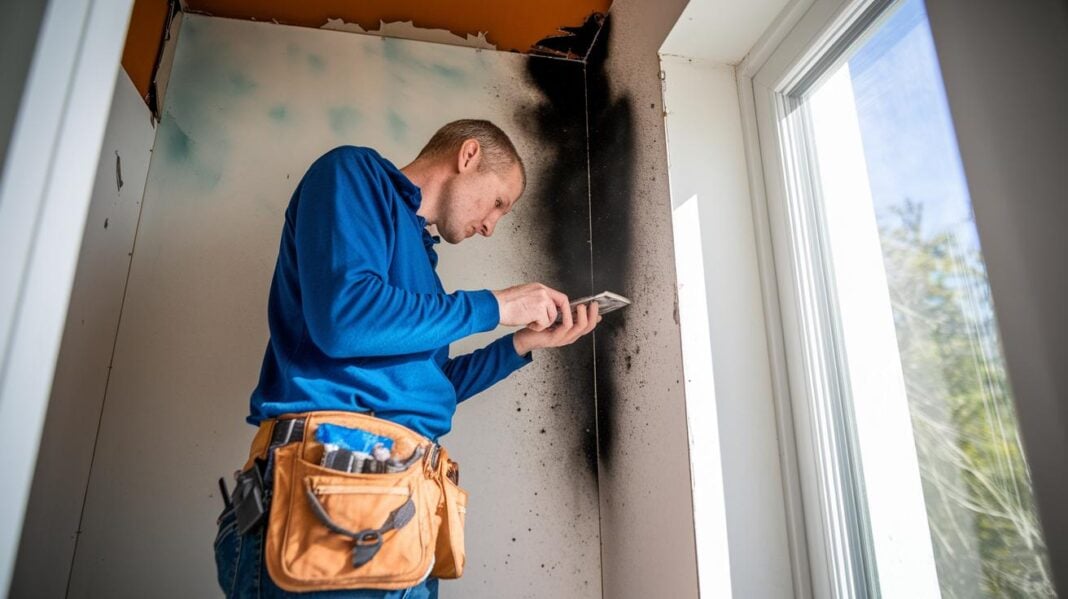

Ever wonder if you can save your walls after smoke damage? Smoke leaves stubborn stains, odors, and hidden pollutants. Sometimes a deep clean with the right tools (special cleaning products and brushes) does the trick. Other times you’ll need to seal the wall (apply a protective coating) to trap any lingering issues. And if the damage is too deep, replacing the drywall is the safest bet. In this guide, we explain when to clean, seal, or replace your wall so you can make the best decision for your home.
Expert Decisions for Smoke-Damaged Drywall: Clean, Seal, or Replace
Smoke particles can seep right into drywall, leaving stains, stubborn smells, and hidden pollutants. We start by giving the wall a close look. We check for soot streaks and color changes, then use tools like a moisture meter (which checks water levels) and a soot detector (which finds hidden residue) to see how deep the damage goes.
If the damage is only on the surface, cleaning works well. We use HEPA-filter vacuums (machines that trap tiny particles) to suck up loose soot. Then we gently wipe the wall with sponges and mild cleaning agents. This clears the visible soot and helps lessen minor smells.
If cleaning alone doesn’t do the job but the wall is still in good shape, sealing can lock in the trouble spots. We spread a special primer-sealant that traps any remaining smoke particles. This stops odors and stains from coming back, as long as the drywall isn’t warped or starting to peel.
When the wall is badly damaged, warped, peeling, or filled with deeply embedded toxins, we need to replace it. In these cases, we remove the damaged sections and install new drywall. This keeps your home safe and strong.
Assessing Smoke Damage on Drywall: Structural and Visual Evaluation
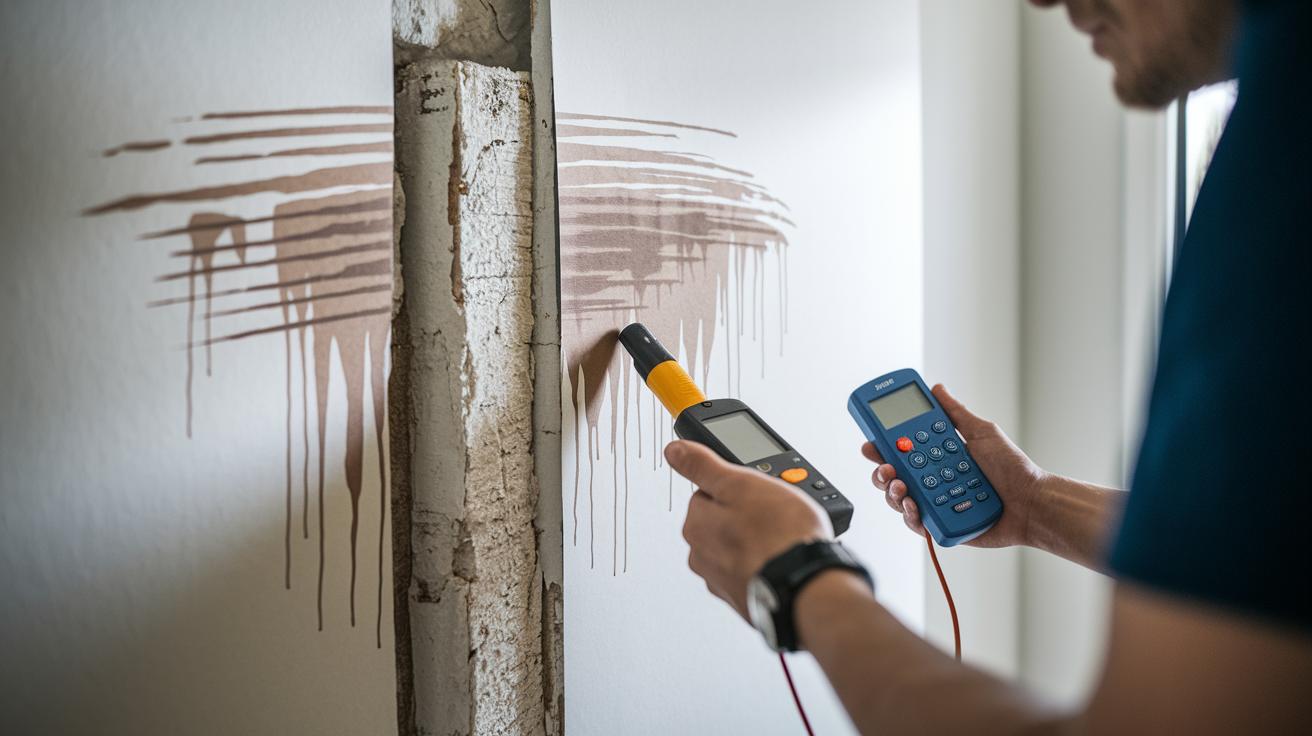
The first step is a close visual sweep of your walls and ceilings. Look for discoloration, soot streaks, and char marks. These signs can hint at how deep the smoke damage goes.
We then use tools like moisture meters (devices that check water levels) and forensic soot detectors (instruments that find hidden residue) to uncover spots that might be missed by the naked eye.
Technicians carefully inspect the gypsum core, the material behind the wall’s surface, for any sign of crumbling edges, warping, or sagging panels. For example, check if any section of the wall seems softer or less uniform than usual.
Here is a simplified process:
- Identify visible discoloration or soot.
- Use moisture meters and soot detectors for hidden damage.
- Check gypsum cores for structural issues.
This combined visual and instrumental approach determines the severity of the damage. Based on what is found, we decide if cleaning can restore the wall, if sealing will lock in remaining residues, or if complete replacement is necessary for a safe, lasting repair.
Cleaning Techniques for Smoke-Damaged Drywall: Soot Stain and Odor Removal
We begin by using a vacuum with a HEPA filter (a filter that traps tiny particles) to pick up loose soot. This step stops the soot from spreading and gets the wall ready for a deeper clean.
Next, our team uses dry sponges or special cleaning chemicals made for smoke residue. These products break down tar-like soot without hurting the drywall paper. We gently apply the cleaner with a sponge so that the soot lifts away from the wall.
After removing most of the soot, we wipe the wall with a mild detergent. This helps break down any remaining residue and reduces discoloration and lingering smells.
For the final step, we use odor-neutralizing foggers and sanitizers. These treatments clear out stubborn odors and help fight any germs that might be left behind.
| Step | Description |
|---|---|
| 1. HEPA Vacuuming | Removes loose soot particles to prevent further spread |
| 2. Dry Sponge/Chemical Application | Gently lifts soot with a cleaning sponge and safe chemicals |
| 3. Detergent Wipe Down | Breaks down remaining residue and cleans the surface |
| 4. Odor Neutralization | Uses foggers and sanitizers to remove smells and germs |
For more details on our cleaning and deodorizing techniques, please visit fire smoke damage cleanup (https://firefloodrescue.com?p=278).
Sealing Strategies for Smoke-Damaged Drywall: Primer and Sealant Applications

After cleaning, sealing is a vital step to lock in leftover stains and odors. We use special primer-sealants that cover any smoke particles still in the drywall. Products like shellac-based or oil-based stain blockers seep deep into the porous material (a thin, absorbent building surface) to trap stubborn soot. This creates a barrier that cuts down on lingering smells and stops future smoke staining.
We also offer an eco-friendly option with water-based, low-VOC high-build primers (low-VOC means fewer harmful chemicals). We apply two thin layers of primer and wait 2 to 4 hours between coats, according to the manufacturer's instructions. This careful process ensures the primer dries completely, forming a durable seal that withstands heat and stops stains from bleeding through.
After each coat, our team inspects the wall to make sure the primer is evenly spread and sticks well. This extra care not only makes the wall look better but also reinforces it by locking in any remaining smoke particles. Homeowners benefit from less long-term damage and improved indoor air quality.
This sealing method is a cost-effective alternative to full replacement. It provides quick odor control and lasting wall protection. The result is a simple yet strong solution that restores your space after fire or smoke damage, keeping your walls safe and visually appealing.
Replacement Criteria for Smoke-Damaged Drywall: When Salvage Isn’t an Option
When you see the paper peeling away, the gypsum (a soft mineral used in drywall) crumbling, or panels drooping under their own weight, we must replace the drywall completely. If the edges are badly exposed and toxins remain even after cleaning and sealing, it is safest to remove the damaged parts entirely.
Here is how we replace smoke-damaged drywall:
- We carefully cut out the affected sheets.
- We inspect and repair the studs or insulation behind the wall to remove any hidden damage.
- We install new gypsum boards (the flat panels used for walls) to rebuild the structure.
- We tape the joints and apply joint compound (a filler that smooths seams) for an even finish.
- We prime the new drywall to lock in any leftover dust or minor residues.
- We repaint the wall to restore a fresh, odor-free look.
This process not only brings back the look and strength of your home but also removes potential health risks from lingering toxins. By replacing the damaged panels, we help ensure your home stays safe, comfortable, and free of hidden contaminants.
Cost Analysis: Cleaning vs Sealing vs Replacing Smoke-Damaged Drywall
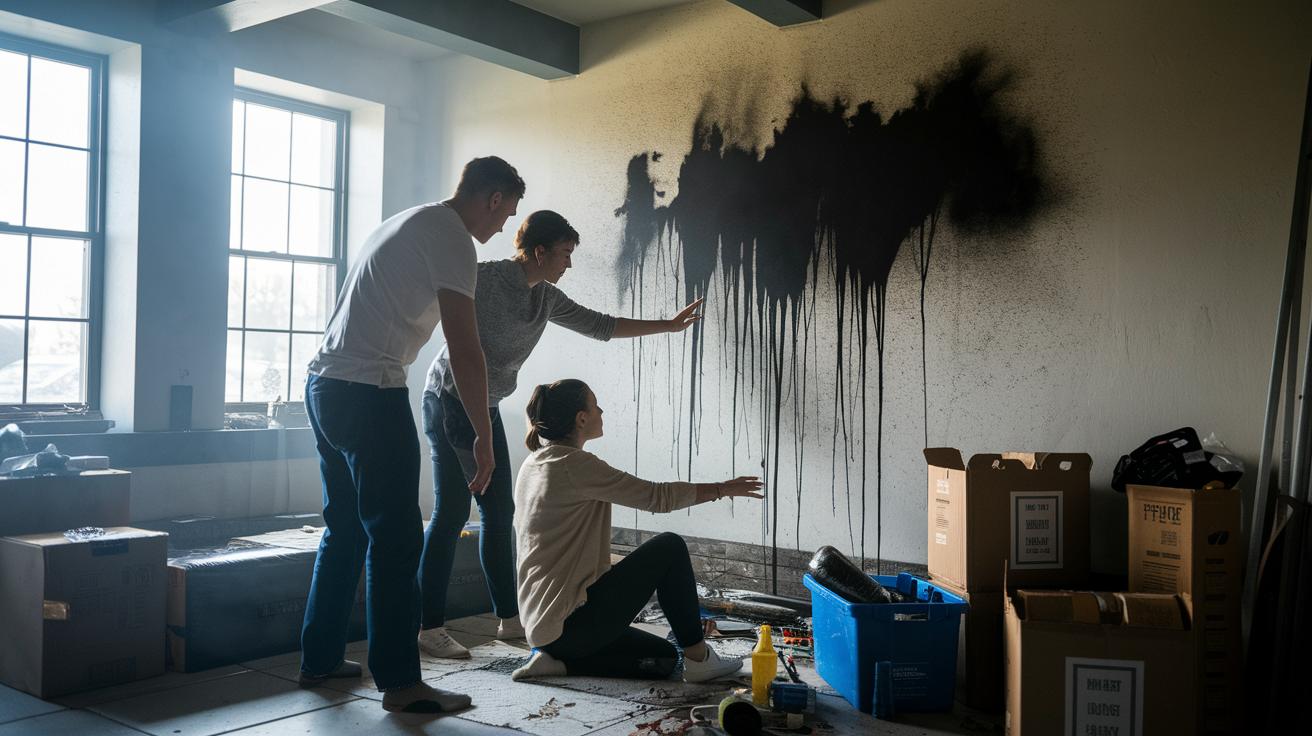
When smoke damages your drywall, there are three main ways to fix it: cleaning, sealing, or replacing. Cleaning usually costs around $1 to $3 per square foot. This method removes loose soot and light stains, but if you do it yourself, you might miss hidden residue. Missing spots can mean you have to clean again later.
Sealing costs about $1 to $2 per square foot. We apply a special primer-sealant that locks in leftover smoke particles. This helps cut down on odor and stops stains from coming through later. Sealing works well if the drywall is still strong but just has smoke marks.
Replacement is the most expensive option, coming in at $4 to $6 per square foot. You need to replace the drywall if it is crumbling, warping, or has absorbed too much smoke. The final cost depends on how bad the damage is, labor fees, material costs, and disposal fees.
| Option | Estimated Cost (per sq ft) |
|---|---|
| Cleaning | $1–$3 |
| Sealing | $1–$2 |
| Replacement | $4–$6 |
Health, Safety, and Pro Advice: DIY vs Professional Restoration for Smoke-Damaged Drywall
You might try cleaning smoke-damaged drywall yourself using a HEPA vacuum (a machine that traps tiny particles), mild cleaning agents, and odor-neutralizing sprays. This method can clear off visible soot but might not reach hidden contaminants inside the wall cavities. It’s like wiping a counter but missing the spots underneath.
Professional restoration teams take a deeper approach. They set up containment barriers and use HEPA filtration (air filters that trap tiny particles) during cleanup. Their crew wears protective gear to keep everyone safe while they work thoroughly.
If you notice a lingering smell, widespread damage, or signs of mold, it’s a good idea to call in experts. For bigger issues, contact emergency restoration services at https://firefloodrescue.com?p=193.
- DIY cleaning may lower costs but risks leaving behind hidden contaminants.
- Professional methods provide complete cleaning and added safety to reduce long-term health risks.
Final Words
In the action, we tackled the tough choices between cleaning, sealing, or replacing drywall affected by smoke. We broke down inspection methods, cleaning steps, and when to seal or replace panels. Our guide showed clear decision points for protecting your home’s safety and air quality while keeping restoration costs manageable.
Remember, properly treating smoke-damaged drywall: clean, seal, or replace can make all the difference in restoring your home quickly and safely. Stay positive and move forward with confidence.