

You can’t paint over smoke smell and expect it to stay gone. Regular paint just covers the surface while nicotine and tar keep releasing odor from inside your walls. Within weeks, that smell creeps right back through. Sealing primers actually trap those compounds below the surface and stop them from migrating outward. Not all smoke blocking primers work the same, and picking the wrong type means you’re repainting in six months when the odor returns.
Best Odor Blocking Primers That Permanently Seal Smoke Smell
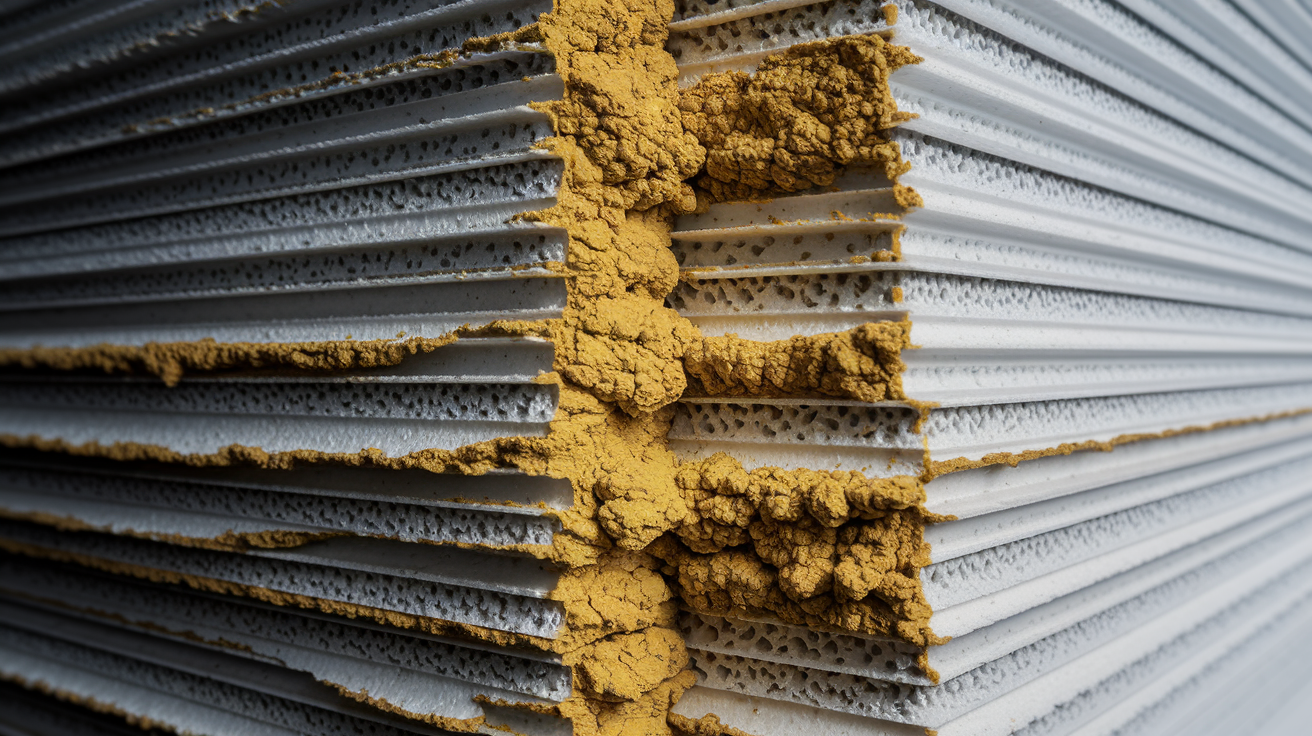
Regular paint won’t stop smoke odor from coming back through your walls. Smoke molecules and nicotine soak into porous stuff like drywall, wood, and plaster. Standard latex paint (even the good stuff) just covers the surface without trapping what’s underneath. Give it a few weeks or months, and those odor compounds migrate right through the paint film. You’re back where you started. Actually fixing the problem requires specialized primers that seal the barrier between contaminated surfaces and your finish coat. These primers lock in smoke residue and stop odor molecules from traveling outward.
Three main types of primers handle smoke smell, and they don’t all work the same:
Shellac based sealers (B-I-N by Zinsser): Top effectiveness for odor blocking. The alcohol based formula creates a barrier against nicotine and tar that’s basically impermeable. Best choice for heavy cigarette smoke damage, fire restoration work, and ceiling smoke stains where the yellowing is bad.
Oil based products (Zinsser Cover Stain): Decent at blocking stains. Locks in the discoloration but generally can’t touch shellac for actually controlling smell. Works when you care more about covering visible staining than eliminating odor.
Water based alternatives (Ultra Recon Smoke and Odor Sealer, RECON Smoke Odor Sealer): Specialized formulas made specifically for nicotine. Less chemical smell while you’re applying it, better if people are still living in the space. Don’t try standard water based primers. Only products designed for smoke will actually perform.
Shellac primers beat the other categories for blocking smoke odor every time. The alcohol based chemistry in products like B-I-N creates a tighter seal against those volatile organic compounds that nicotine residue keeps releasing. Oil based products seal stains fine but don’t trap odor molecules as completely. That gap matters most on heavily contaminated surfaces where cigarette smoke has soaked deep into drywall or wood.
Go with shellac when eliminating odor is the priority and the smell is strong. Pick oil based if you’re mainly covering visible yellowing and the odor isn’t terrible. Choose specialized water based when you need lower VOC levels for health reasons or you’re working in occupied spaces where you can’t ventilate much.
Comprehensive Product Comparison: Shellac, Oil-Based, and Water-Based Smoke Sealers
Shellac primers use denatured alcohol as the base with natural resin that dries into a hard film you can’t penetrate. Oil based sealers use alkyd resins in mineral spirits that cure through oxidation. Water based smoke sealers use specialized acrylic polymers with bonding agents designed to trap smoke particles. The chemical differences determine how each one creates that vapor barrier. Shellac forms the tightest seal because the alcohol evaporates fast and leaves dense resin coverage. Oil based products cure slowly into a solid barrier. Water based formulas depend on polymer crosslinking to block odor molecules from moving.
| Primer Type | Key Products | Odor Blocking Effectiveness | Pros | Cons | Best Use Cases |
|---|---|---|---|---|---|
| Shellac based | B-I-N by Zinsser | Highest (9/10) | Superior odor blocking, affordable, easy to find, dries fast, sticks to anything | Strong smell during application, you need ventilation, alcohol fumes | Heavy nicotine buildup, fire restoration, rental turnovers, ceiling smoke stains |
| Oil based | Zinsser Cover Stain | Moderate (6/10) | Good stain blocking, locks in discoloration, durable | Weaker on odor than shellac, heavy scent, high VOCs, slow drying | Moderate staining with mild odor, when you need stain blocking more than odor control |
| Water based specialized | Ultra Recon, RECON Smoke Odor Sealer | Good (7/10) | Low odor, eco friendly, better for chemical sensitivity, improved indoor air, available at Amazon and Home Depot | Usually less effective than shellac, might need two coats on heavy staining | Occupied spaces, chemical sensitivity, moderate smoke damage, low VOC requirements |
B-I-N by Zinsser earned its spot as the most recommended shellac sealer for nicotine and fire work. It’s cheaper than specialized paint systems, you can grab it at most hardware stores and home centers, and it delivers consistent results on smoke residue. The effectiveness rating sits near the top for stopping yellowing and blocking odor. On surfaces with moderate cigarette smoke damage, one coat usually does it. Heavily contaminated walls (especially ceilings where tar builds up from rising heat) often need two coats of shellac primer. If you can still smell smoke after cleaning and letting one primer coat dry, put on a second layer before moving to topcoat.
Zinsser Cover Stain and similar oil based products lock in surface discoloration from cigarette smoke effectively. They create a solid barrier that stops brown or yellow staining from bleeding through your finish paint. The odor blocking sits lower than shellac, which matters when you actually want to eliminate smell rather than just hide stains. VOC levels run high, creating strong fumes during application that stick around longer than shellac. Anyone with chemical sensitivity should plan for serious ventilation time or pick a different product. Oil based primers work when you’re covering visible staining in empty spaces where you can air things out properly.
Specialized water based systems like Ultra Recon and RECON Smoke Odor Sealer represent newer technology built specifically for nicotine. Standard water based primers fail at smoke odor control because they don’t create good enough barriers against volatile compounds. These specialized formulas use modified acrylic chemistry and technology that physically traps odor compounds below the surface. The advantages include low odor formulas that let you work in occupied homes without overwhelming people, reduced chemical sensitivity concerns for families with respiratory issues or allergies, better indoor air quality during application compared to solvent products, and eco friendly alternatives that still do the job. You can pick up RECON products at Amazon and Home Depot without special ordering.
Water based systems generally don’t match shellac for blocking severe smoke damage. On light to moderate nicotine contamination, they work fine. On heavy buildup from years of indoor smoking, expect to need two coats and possibly still get some breakthrough. The health benefits and allergy reduction matter most when occupants can’t leave during the work or have medical conditions affected by solvent fumes.
Surface Cleaning Pre-Treatment Before Applying Smoke Sealing Primer
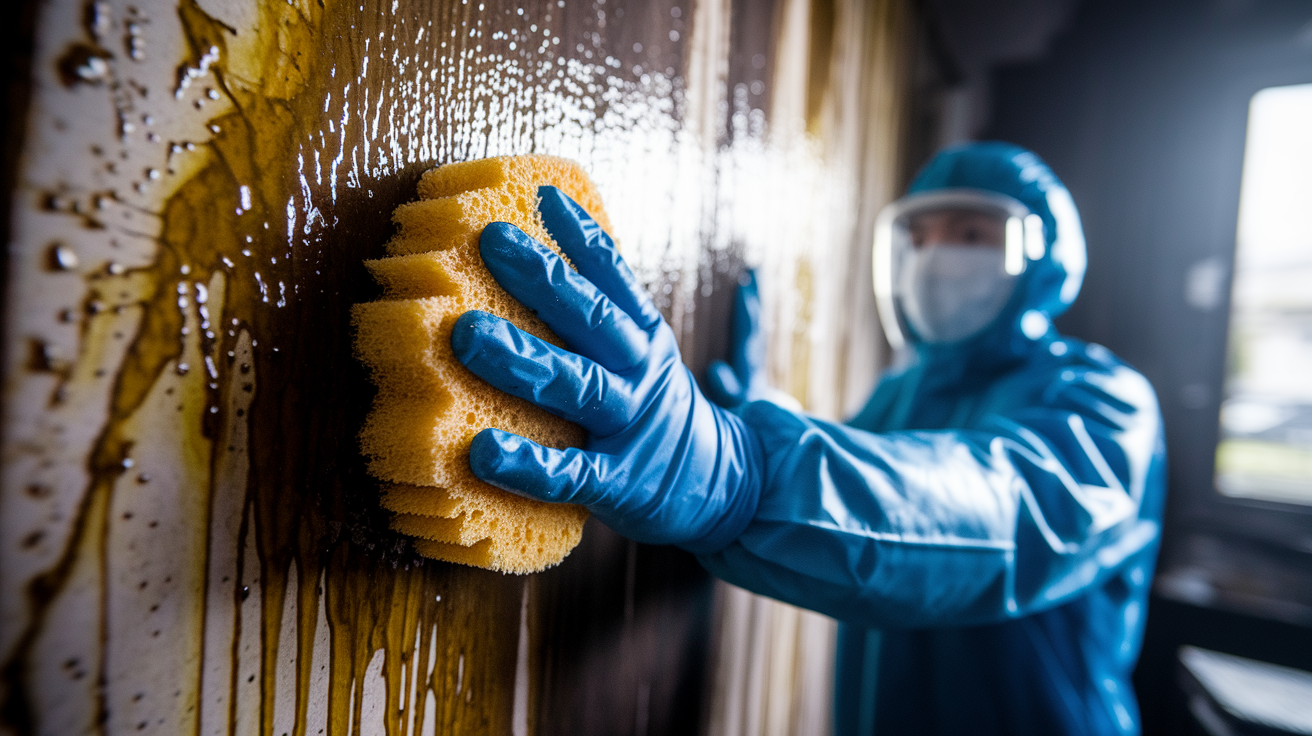
Surface prep determines whether your sealing primer actually works or fails within months. Nicotine, tar, and oily smoke residue sitting on walls creates a contamination layer between your primer and the building material. If you seal over heavy buildup without cleaning, the primer bonds to greasy residue instead of the wall surface. That weak bond eventually fails, letting smell break through as the primer layer separates.
Complete cleaning happens in three steps:
-
Use dry cleaning sponges to remove surface soot and heavy nicotine buildup: These specialized sponges (chemical sponges) lift loose particles and greasy film without water. Wipe walls in straight lines, rotating the sponge to use clean sections as it gets loaded with residue.
-
Wash walls with TSP (trisodium phosphate) solution to remove remaining residue: Mix TSP powder with warm water per package directions. Scrub walls with the solution using a sponge or cloth, working bottom to top to prevent streaking. TSP cuts through the oily film that dry sponges can’t fully remove. Rinse with clean water after washing.
-
Let surfaces dry completely before primer application: Wait at least 24 hours after washing. Touch the surface to verify it feels completely dry. Any remaining moisture prevents proper primer adhesion and can trap odor underneath your sealing layer.
Nicotine and tar don’t just sit on the surface. They soak into porous drywall paper, unsealed wood, and textured finishes. Cigarette smoke creates a sticky film that penetrates inward over months and years of exposure. When you skip cleaning and go straight to primer, you’re trying to seal over a contaminated layer that’s already compromised. The primer can’t create an effective vapor barrier because it’s not actually bonding to clean material. Cleaning removes the bulk of contamination so your primer makes direct contact with the wall surface, creating the tight seal that stops smell from breaking through.
Ceilings, baseboards and trim need extra attention. Ceilings get the most tar because smoke rises and deposits concentrated residue on upper surfaces. Scrub these areas twice with TSP if the first wash doesn’t remove all visible yellowing. Baseboards and trim often have thick buildup in corners and details where smoke residue settles. Use a small brush or toothbrush with TSP solution to work into grooves and edges.
Check if the surface is ready by wiping a white cloth across the wall after it dries. If yellow or brown residue transfers to the cloth, clean again. The surface should feel slightly rough or chalky, not greasy or slick.
Alternative Smoke Odor Removal Methods and When Sealing Paint is Necessary
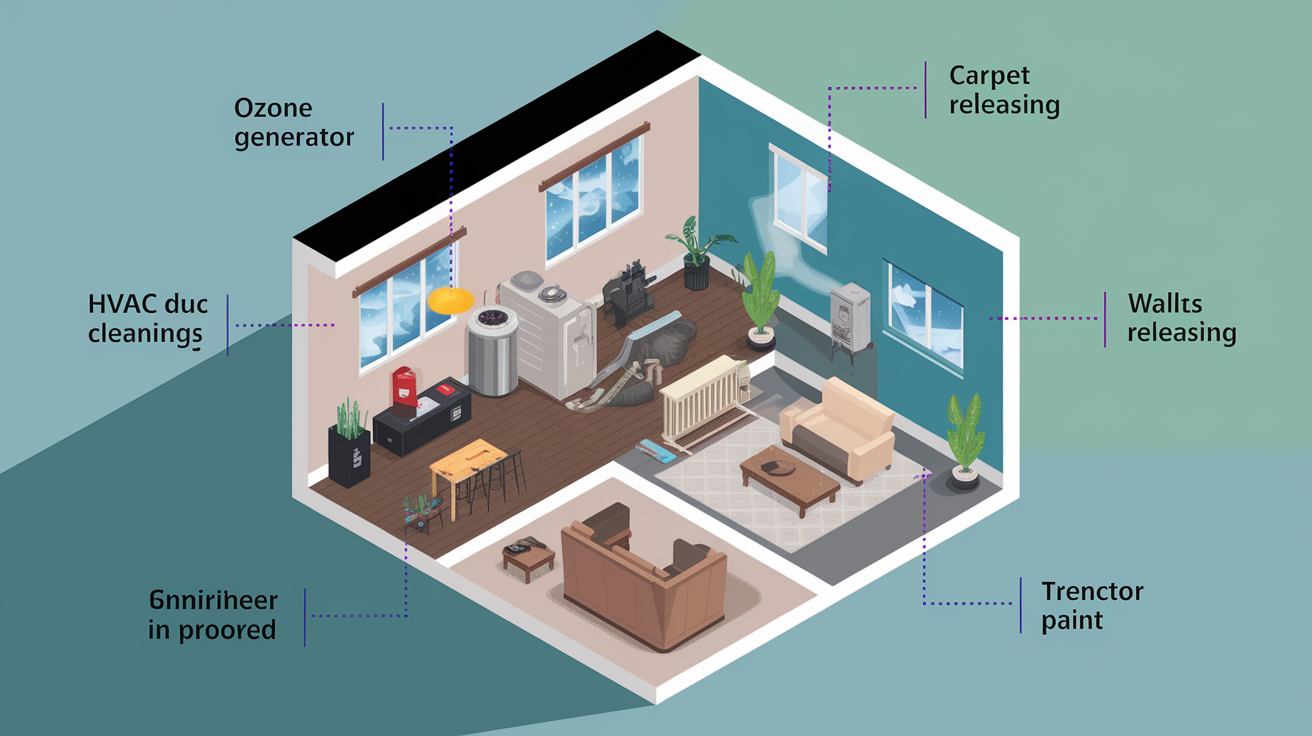
Air fresheners, candles, and plug in deodorizers temporarily mask smoke smell without addressing the source. Ozone generators break down some airborne odor molecules but can’t reach compounds trapped inside porous materials. These approaches provide temporary relief but don’t create permanent solutions. Smoke sealing paint works by trapping odor compounds behind a barrier they can’t release through. Products like RECON Smoke Odor Sealer prevent odor compounds from penetrating through paint layers by creating a sealed film that blocks them from moving.
Alternative smoke remediation methods serve different purposes:
Thermal fogging: Releases fine deodorizing particles that treat airborne smoke smell and reach into small spaces. Works for general air quality but doesn’t seal residue in walls or ceilings.
Ozone treatment: Powerful oxidation breaks down smoke molecules in air and on surfaces. Requires completely evacuating the space. Works on soft materials like upholstery but has limited effectiveness on contamination sealed in walls.
HVAC system cleaning: Removes smoke particles trapped in ductwork and air handler components that keep recirculating odor. Necessary for whole home contamination but doesn’t address what surfaces have absorbed.
Carpet replacement: Carpet padding absorbs enormous amounts of smoke residue that can’t be cleaned or sealed. Replacement often required for homes with heavy smoking history.
Comprehensive cleaning before any sealing: All methods work better after thorough cleaning removes surface residue. Sealing dirty surfaces just traps contamination without eliminating the source.
Smoke smell sealing paint becomes necessary after cleaning fails to eliminate embedded odors or when smoke has penetrated porous building materials beyond what surface cleaning can address. If you’ve scrubbed walls with TSP, treated carpets, cleaned ducts, and the smell returns within days or weeks, the odor source lives inside your drywall, wood framing, or other porous components. At that point, sealing is the practical solution. It locks in what you can’t remove without gutting the building.
Other approaches work alongside sealing for complete remediation. Improve ventilation by running exhaust fans during and after cleaning to pull contaminated air outside. Replace HVAC filters several times during the first few weeks after sealing to catch particles released during the process. Address odor sources beyond visible surfaces by checking attics, crawl spaces, and wall cavities where smoke may have traveled through air gaps.
Pet odor and mold smell require different products. Pet urine enzymes and mold spores create distinct odor molecules that don’t respond to smoke sealers. Don’t expect smoke sealing paint to handle these unrelated problems.
Figure out whether odor comes from surfaces you can seal or requires more extensive work including replacing structural components. If smoke odor concentrates near specific areas like a former smoking room, sealing those surfaces usually works. If the entire house smells strongly and you’ve already cleaned thoroughly, the contamination may have reached insulation, subflooring, or structural wood that needs replacement rather than sealing. For comprehensive smoke remediation guidance, see our Smoke Damage Restoration resource.
Application Techniques for Smoke Odor Sealing Paint Products
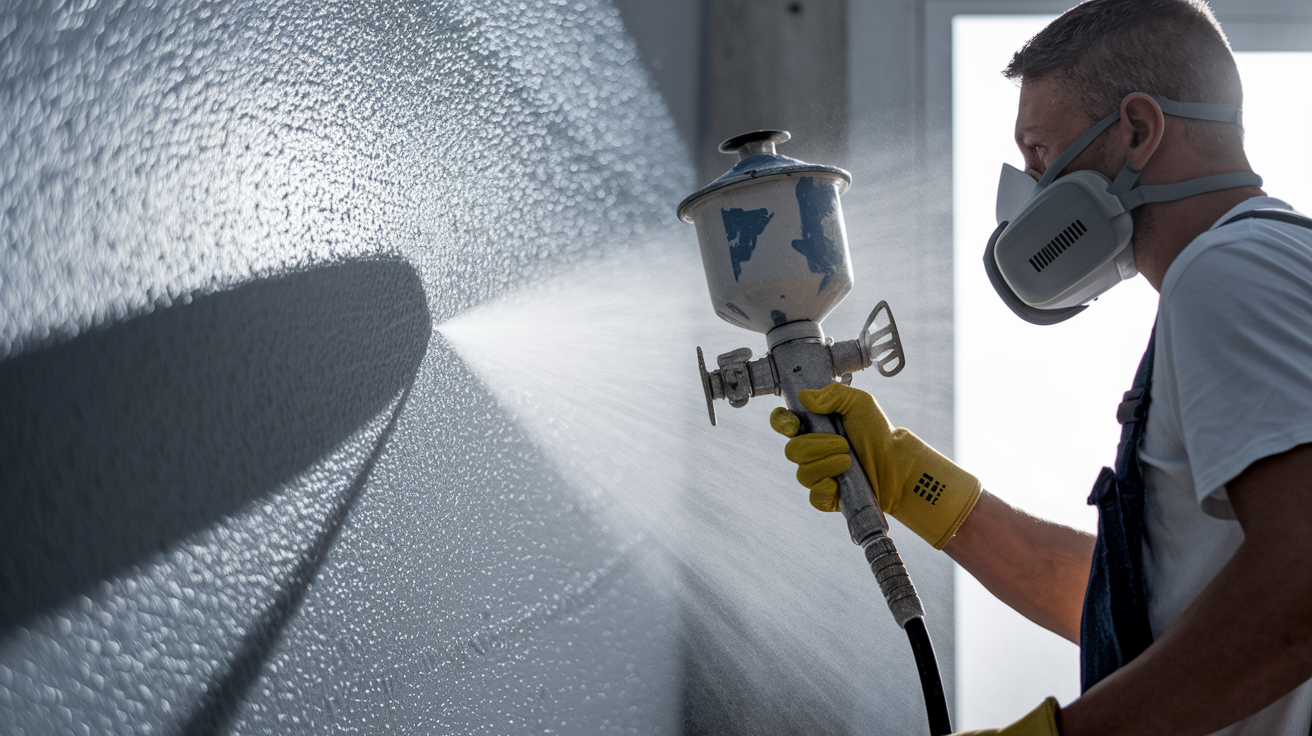
Application method directly affects how well the sealer covers contaminated surfaces and blocks odor. Uneven coverage leaves thin spots where smoke molecules can push through. Missing edges, corners, or textured areas creates gaps in your vapor barrier. The tool you choose determines film thickness, coverage consistency, and how well the product penetrates into porous surfaces to create a complete seal.
| Application Method | Best For | Coverage Rate | Product Types |
|---|---|---|---|
| Brush application | Trim, corners, edges, small areas, detailed work | Varies by surface porosity | All primer types, RECON encapsulating paint |
| Roller application | Large wall surfaces with shellac or oil based primers | Standard wall coverage | Shellac primers, oil based primers (not recommended for RECON products) |
| Airless spray equipment | Large projects, textured surfaces, maximum coverage efficiency | 200-400 sq ft per gallon smooth surfaces, 100-200 sq ft porous surfaces | RECON encapsulating paint, shellac primers, oil based primers |
| HVAC spray systems | Professional fire restoration, complete home sealing | Whole home application | Specialized professional grade sealers |
Airless spray equipment delivers the most consistent results for RECON Smoke Odor Sealer and similar products. Set your sprayer pressure between 2200 and 3000 PSI. Use tip sizes from 0.017 to 0.023 for proper atomization. Smaller tips for smooth surfaces, larger tips for textured walls or porous wood. These settings create fine droplets that build even film thickness without runs or sags. Hold the spray gun 12 to 18 inches from the surface and maintain steady passes with 50 percent overlap.
Apply one generous coat by brush or airless spray on clean, dry surfaces. Don’t try to stretch coverage thin. A generous single coat beats two skimpy applications because continuous film thickness matters for vapor barrier properties. Porous or heavily stained surfaces typically require two coats. Let the first coat dry completely, then apply the second using the same technique. If you can see substrate color through the primer or notice thin coverage in corners, plan on a second coat.
Safety matters during application. Open windows on opposite sides of the room to create cross ventilation. Run a box fan pointing outward to pull fumes outside. Wear a respirator rated for organic vapors (look for cartridges marked OV or combination OV/P100) when applying oil based or shellac primers. The alcohol and solvent fumes can cause headaches and dizziness in enclosed spaces. Put on nitrile gloves and long sleeves to prevent skin contact, especially with shellac primers that stick to skin and require alcohol to remove. Don’t apply when air or surface temperature drops below 50 degrees. Cold temperatures prevent proper curing and reduce odor blocking effectiveness.
Proper film thickness creates reliable vapor barrier properties. One generous coat of RECON at manufacturer’s recommended coverage (200 to 400 square feet per gallon on smooth surfaces) builds adequate thickness. Thin coverage to stretch a gallon farther compromises the seal.
Clean tools and drips before products dry. Shellac primers require denatured alcohol for cleanup. Oil based primers need mineral spirits or paint thinner. Water based products clean with soap and water if you catch them wet. Once these products cure, they’re permanent. Dried primer on brushes or sprayer parts turns them into scrap.
Drying Time Requirements and Recoating Intervals for Smoke Sealers
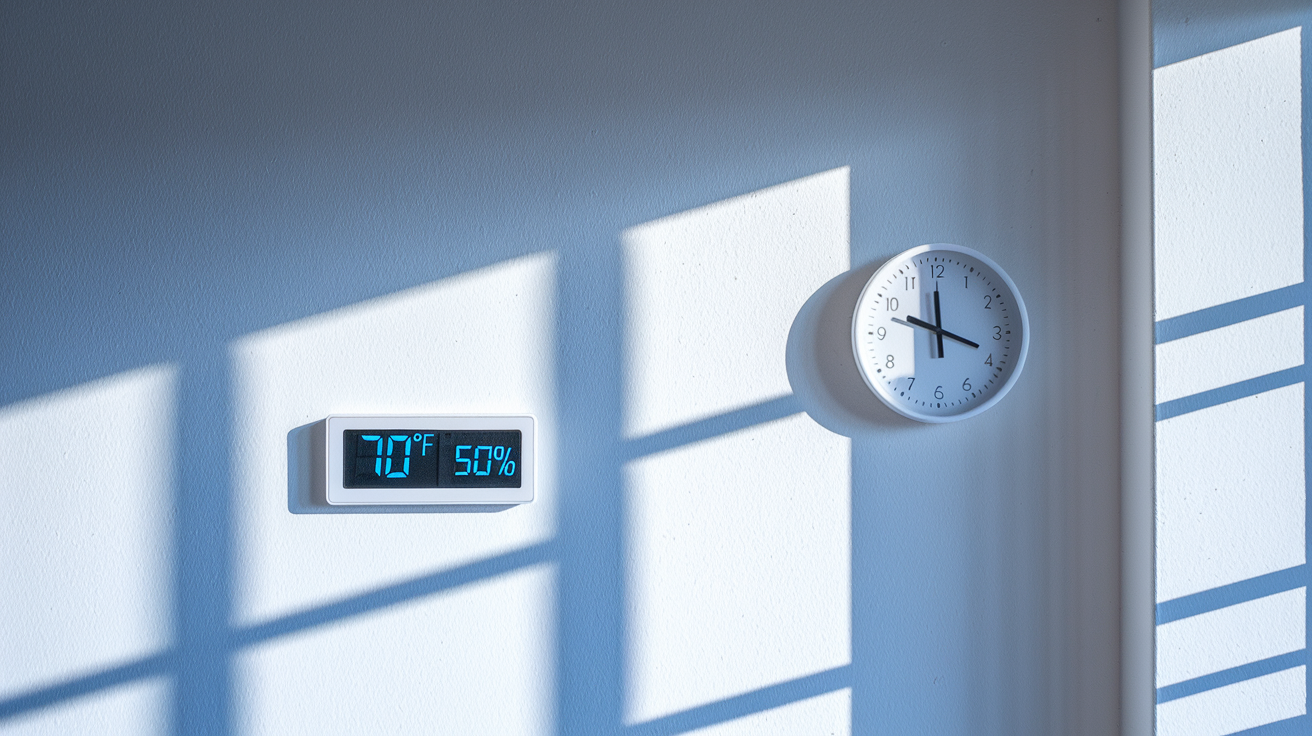
Proper drying and curing directly affects how well the product performs. Rush the process by recoating too soon or applying topcoat before the sealer cures, and you trap solvents underneath that prevent complete hardening. Incomplete curing leaves weak spots in your vapor barrier where odor molecules can eventually push through. Environmental conditions during and after application determine whether the product reaches full strength or remains partially cured with compromised performance.
Key timing requirements for RECON Smoke Odor Sealer and similar products:
Touch dry time at 70°F and 50% humidity: Around 4 hours and 30 minutes. Surface feels dry to light touch but hasn’t reached full cure.
Minimum recoat waiting period: 24 hours before applying topcoat. This allows adequate curing for the sealer to reach maximum hardness and odor blocking performance.
Minimum application temperature: 50°F for both air and surface temperature. Below this point, curing slows dramatically and may never complete properly.
Optimal temperature range: 70 to 77°F with moderate airflow for fastest, most reliable curing.
Humidity considerations: 50% relative humidity is ideal. Very high humidity (above 80%) slows drying. Very low humidity (below 30%) can cause surface skinning before deeper layers cure.
Topcoat compatibility directly affects long term performance. RECON Smoke Odor Sealer and similar products require 100 percent acrylic latex topcoats with eggshell sheen or higher. Flat paints don’t provide adequate protection for the sealed layer underneath. You can’t use alkyd or oil based paint topcoats. The solvents in oil based paints can soften or partially dissolve the cured sealer, breaking the vapor barrier you just created. This isn’t a small detail. Using the wrong topcoat can undo your entire sealing effort.
Lightly sand the cured sealer surface with 220 grit sandpaper before applying topcoat. Wipe away dust with a damp cloth and let dry. This light scuffing improves the bond between sealer and finish coat.
Temperature and humidity swing the curing period significantly. At 60°F, expect the 24 hour minimum to stretch toward 36 hours. At 80°F with good airflow, curing happens faster but don’t cut the 24 hour wait short. Cold surfaces slow the process more than cold air. If you’re painting an exterior wall in winter, the wall temperature may sit well below room air temperature. Measure surface temperature directly before applying sealer or topcoat.
Cost Analysis and Coverage Rates for Smoke Sealing Projects

Coverage rates vary by surface type because porous materials absorb more primer into the substrate instead of building film thickness on the surface. A gallon of sealer goes twice as far on smooth, sealed drywall compared to raw wood paneling or heavily textured walls. Smoke damage severity also affects material needs. Surfaces with thick nicotine buildup may require two coats where lightly affected areas need only one.
| Surface Type | Coverage Per Gallon | Coats Typically Needed | Estimated Cost Range |
|---|---|---|---|
| Smooth surfaces (drywall) | 200-400 square feet | 1 coat | $30-45 per gallon, $0.08-0.23 per square foot |
| Porous surfaces (textured walls, wood paneling) | 100-200 square feet | 1-2 coats | $30-45 per gallon, $0.15-0.45 per square foot |
| Heavily stained areas (ceiling smoke stains, areas near ashtrays) | 100-150 square feet | 2 coats | $30-45 per gallon, $0.40-0.60 per square foot |
Professional grade products versus DIY options differ mainly in packaging size and availability rather than performance for most smoke sealing applications. B-I-N shellac primer performs identically whether you buy a quart at Home Depot or order contractor gallons. RECON Smoke Odor Sealer at Amazon delivers the same results as professional orders. Price points stay similar. Expect $30 to 45 per gallon for quality smoke sealers regardless of source. The main advantage of retail availability at locations like Amazon and Home Depot is quick access without waiting for professional supplier delivery or meeting minimum order requirements.
Landlord smoke remediation creates specific cost pressure because vacancy periods drain revenue while turnover costs pile up. Affordable options like B-I-N shellac primer help landlords turn units quickly while minimizing expenses. A typical 10×12 bedroom with 8 foot ceilings has roughly 400 square feet of wall and ceiling area. One gallon of shellac primer handles that room with moderate smoke damage for $35 to 40 in materials. Add cleaning supplies (TSP, sponges) and topcoat paint, and you’re looking at $80 to 100 in materials per room for complete odor elimination. Compare that to paying for extended vacancy or dealing with tenant complaints about lingering smoke smell.
Calculate total project costs by measuring wall and ceiling square footage, then dividing by expected coverage rates. For a 1,200 square foot apartment (roughly 3,000 square feet of wall and ceiling surface), budget 8 to 10 gallons of primer for smooth surfaces with one coat, or 15 to 20 gallons for porous surfaces requiring two coats. Add 20 percent to your estimate for waste, touchups, and areas that need extra coverage.
Budget considerations should drive product selection when you’re dealing with light to moderate smoke odor in spaces that will be occupied quickly. Maximum odor blocking performance justifies higher cost shellac sealers when smell is severe, the building sits vacant during work, or occupants have chemical sensitivities that make odor breakthrough unacceptable. Don’t cheap out on sealer if you’re handling heavy nicotine contamination. Spending an extra $100 on better primer beats doing the job twice.
Starting with proven shellac or specialized products gets it done once. A homeowner who tries standard primer, watches smell return, repaints with slightly better primer, and eventually calls a professional has spent triple the cost and wasted weeks of time.
Preparing Different Surface Types for Smoke Smell Encapsulation
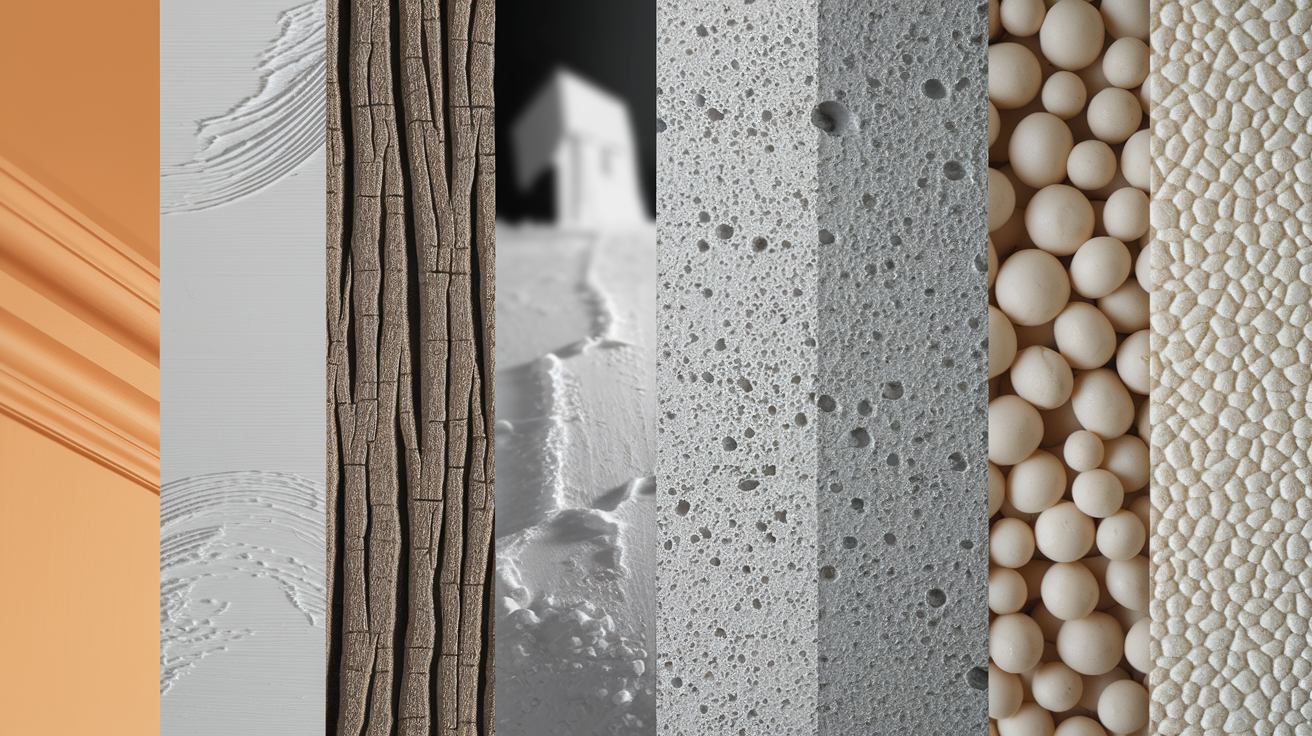
Drywall, wood, concrete, and textured finishes all absorb smoke molecules differently based on porosity and surface characteristics. Smooth, sealed surfaces trap less contamination in shallow layers that cleaning removes more completely. Porous materials with open texture or unsealed fibers allow nicotine and tar to penetrate deeper, requiring more aggressive sealing and often multiple primer coats.
Drywall and Ceiling Smoke Stain Treatment
Drywall paper acts like a sponge for cigarette smoke. The cellulose fibers absorb nicotine, tar, and odor compounds that penetrate beyond what surface cleaning reaches. Ceilings get the most visible staining because rising smoke deposits concentrated tar directly overhead. You’ll see brown or yellow patches that spread outward from light fixtures and ceiling fans where heat circulation concentrated the contamination. Heavily affected ceiling areas often need two coats of shellac primer even after thorough TSP washing. Apply the first coat generously, let it dry completely for 24 hours, then check whether you can still see discoloration or smell odor. If either remains noticeable, apply a second coat using the same coverage rate. Don’t thin the second coat trying to save material. Double coating works because you’re building thicker vapor barrier properties.
Wood Paneling and Trim Sealing Methods
Wood paneling, baseboards, door frames, and window trim present challenges because bare or lightly finished wood absorbs smoke deep into the grain. Expect reduced coverage rates of 100 to 200 square feet per gallon compared to 200 to 400 on smooth drywall. The primer soaks into wood fibers before building surface film, using more material per square foot. Brush application works better than rolling on trim and paneling because you can work the sealer into grain patterns, corners, and details where smoke residue concentrates. Pay extra attention to horizontal surfaces like baseboards and windowsills where tar settles from air circulation. Sand wood surfaces lightly with 120 grit sandpaper before priming to open the grain slightly, which helps shellac primer penetrate and seal more effectively.
Concrete and Textured Wall Applications
Concrete basement walls and rough textured drywall finishes like popcorn or knockdown create absorption characteristics that demand extra material. The irregular surface means you’re coating peaks and valleys instead of flat area, dramatically increasing square footage. Textured ceilings often require 25 to 50 percent more primer than coverage charts suggest because the raised texture adds hidden surface area. Concrete’s porosity varies depending on whether it was sealed previously. Unsealed basement walls in older homes drink up primer fast, sometimes requiring two coats for adequate seal. Brush application offers advantages for irregular surfaces because you can work primer into recessed areas that spray application might bridge over without full coverage. When spraying textured surfaces, use multiple passes from different angles to ensure you’re not leaving shadowed areas thin.
Test sealing effectiveness on a small area behind a door or in a closet before committing to full application. Prime a 2×2 foot section, let it cure for three days, then smell it carefully. If odor still comes through after proper curing time, that surface needs a second coat or possibly a switch to stronger shellac sealer.
Professional Contractor Hiring Versus DIY Smoke Sealing
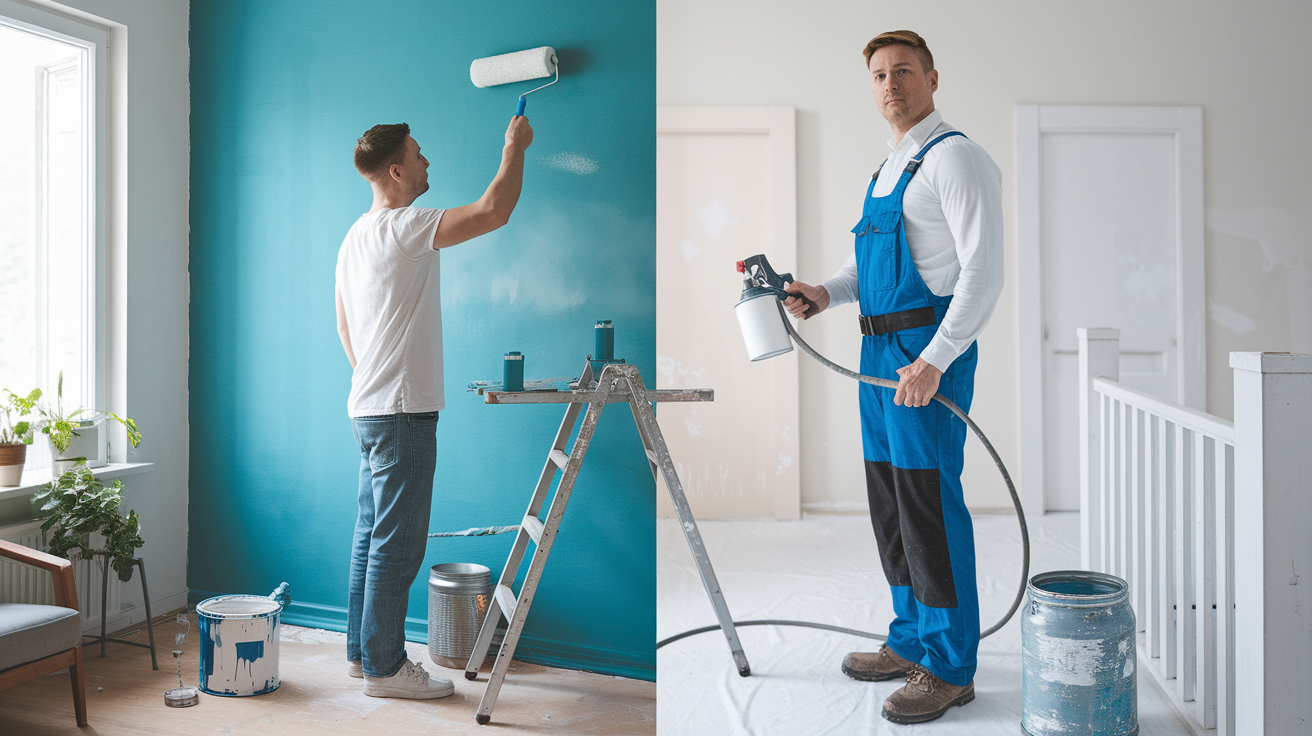
Professional contractor hiring makes sense for extensive fire restoration work where smoke damage affects most of the home. Contractors working with insurance claims understand what information adjusters require and how to photograph, measure, and scope work for reimbursement. They provide written estimates that break down materials, labor, and timeline in formats insurance companies expect. For home resale preparation requiring guaranteed results, professional work comes with warranty coverage that protects you if odor returns. Buyers and their inspectors take professional certification more seriously than DIY assurances during real estate transactions.
DIY options work well for moderate smoke damage confined to one or two rooms where you can take your time and aren’t working under insurance or sale deadlines. Products like RECON Smoke Odor Sealer available at Amazon and Home Depot put professional grade materials in reach without contractor markup. The learning curve for application techniques sits within reach for homeowners comfortable with basic painting skills. Expect 8 to 12 hours of actual work time per average bedroom when you include cleaning, priming, drying time, and topcoating. Most of that time is waiting for coats to cure rather than active labor. Project duration runs 3 to 5 days per room when you account for cleaning, first primer coat, second coat if needed, and final topcoat, assuming good weather and ventilation.
Comparison between approaches:
Total cost differences: DIY materials run $80 to 150 per room versus $400 to 800 for professional work including labor. Save 60 to 75 percent by doing it yourself.
Quality assurance and warranty coverage: Professionals guarantee their work and return if smell breaks through. DIY means you fix any problems yourself.
Time investment: DIY takes your personal time across multiple days. Professionals finish faster but you’re paying for their efficiency.
Professional assessment is necessary even if you complete the actual painting when smoke damage might extend into wall cavities, HVAC systems, or structural components you can’t see. Contractors trained in fire restoration can inspect and determine whether surface sealing will actually solve the problem or if you need more extensive work. They’ll spot issues like smoke in attic insulation or behind walls that will continue causing odor even after you seal visible surfaces. For fire damage scenarios requiring comprehensive evaluation, review our Home Fire Damage Repair information.
Preventing Smoke Smell Breakthrough After Initial Sealing
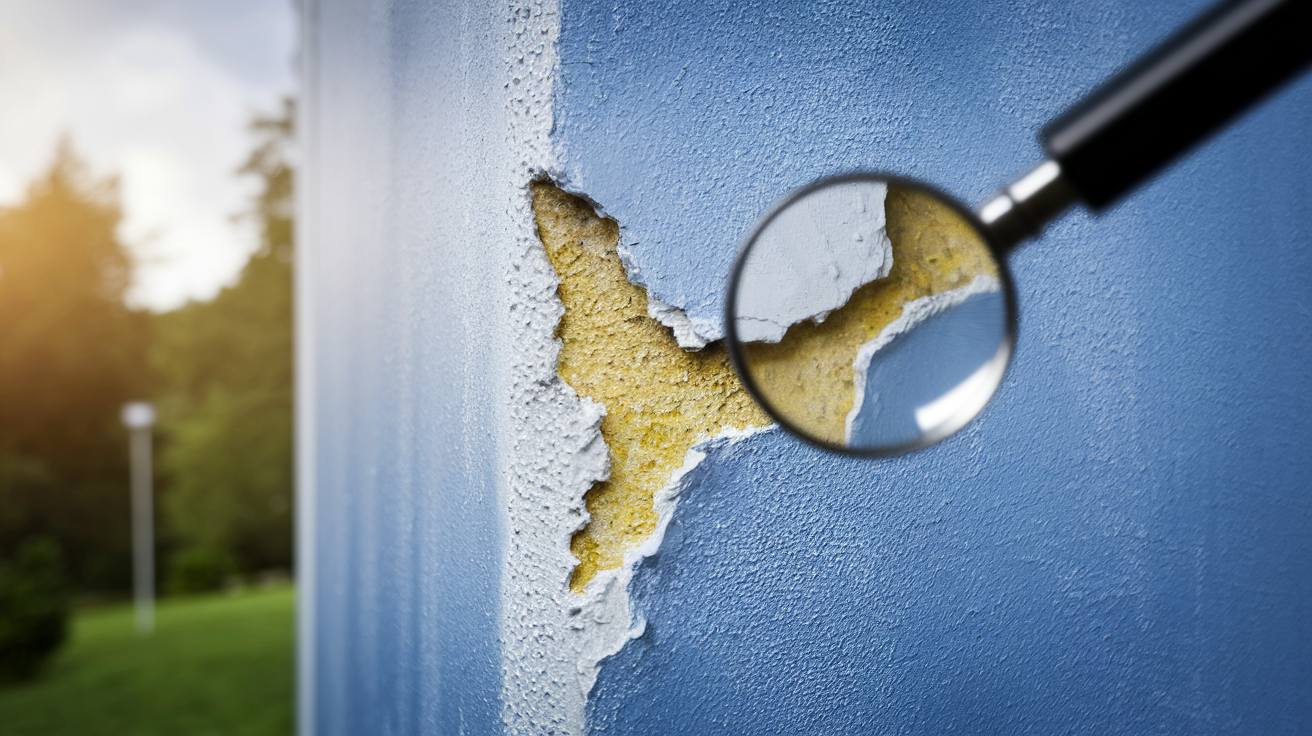
Smell breakthrough happens when your sealing barrier fails because primer coverage left gaps, incompatible topcoats damaged the vapor barrier, or moisture compromised adhesion between primer and substrate. A properly sealed surface creates a layer that odor molecules can’t cross. When that seal fails at any point (a missed corner, a thin spot, a crack in the primer), volatile compounds trapped underneath find the weak point and push through to the surface. You’ll notice breakthrough as gradual odor return, usually starting faint and building over weeks as more molecules escape.
Vapor barrier properties depend on continuous film thickness across the entire surface. RECON Smoke Odor Sealer and similar products work by creating a sealed film that prevents odor compounds from penetrating through paint layers. The barrier isn’t chemical neutralization. You’re not destroying the smell, you’re locking it away from air contact. That means any interruption in coverage creates a path for smoke molecules attempting to migrate outward. Proper film thickness, typically achieved through manufacturer’s recommended coverage rates without stretching material thin, ensures adequate barrier density.
Preventing yellowing requires careful topcoat selection because the wrong finish paint chemistry attacks your cured sealer. RECON products and similar systems specifically require 100 percent acrylic latex topcoats with eggshell sheen or higher. Why acrylic latex? The water based chemistry won’t redissolve your cured sealer. Why eggshell sheen or higher? The resin content in higher gloss paints creates better protection for the sealed layer underneath. Why avoid alkyd or oil based topcoats? The mineral spirits and other solvents in oil based paints soften cured water based and shellac sealers, breaking the barrier you worked to create. This isn’t optional. Using oil based topcoat over water based sealer will cause failures.
Prevention strategies to maintain your sealed barrier:
Ensure complete surface coverage without gaps: Use adequate lighting during application to spot missed areas while primer is still wet. Check corners, ceiling lines, and around fixtures where it’s easy to skip.
Apply recommended number of coats on porous surfaces: Don’t assume one coat handles textured walls, wood paneling, or heavily stained areas. If manufacturer specs or surface condition indicate two coats, apply them.
Light sanding and cleaning between primer and topcoat: Scuff the cured sealer with 220 grit sandpaper, dust thoroughly, then wipe with slightly damp cloth. This helps topcoat adhere properly rather than sitting on a slick sealed surface.
Maintain moisture protection by addressing any water intrusion sources: Fix roof leaks, plumbing leaks, and condensation problems before or immediately after sealing. Water infiltration behind your sealed surfaces lifts primer from the substrate, creating gaps where odor escapes.
Monitor sealed areas during the first few weeks after completing the work. Walk through rooms when they’re closed up and warm. This is when any breakthrough will be most noticeable. If you detect odor returning in specific spots, address those immediately with additional sealer application. Don’t wait for smell to spread. Touch up the affected area by cleaning the surface, applying another coat of sealer to that section with 6 inches of overlap beyond the problem spot, letting it cure fully, then retouching topcoat to blend.
Final Words
Sealing smoke odor permanently comes down to choosing the right smoke smell sealing paint and applying it correctly.
Shellac primers like B-I-N handle nicotine and fire damage better than oil-based or water-based options, but each type has its place depending on your project. Clean the surface first with dry sponges and TSP wash. Apply generous coats. Let it cure properly before topcoating with acrylic latex.
If you skip steps or use the wrong products, the smell comes back.
For light to moderate smoke damage, most homeowners can handle this work themselves with the right sealer and patience. Heavier damage or insurance-involved fire restoration usually needs professional help to get it sealed completely the first time.
FAQ
Is there a paint that kills smoke smell?
A: There is no paint that kills smoke smell, but specialized odor blocking primers like B-I-N by Zinsser and RECON Smoke Odor Sealer permanently seal smoke odor by creating a vapor barrier that prevents odor-causing compounds from penetrating through paint layers.
How do you seal in smoke smell?
A: You seal in smoke smell by first cleaning surfaces with dry sponges and TSP solution, then applying a shellac-based sealer like B-I-N or specialized encapsulating paint that creates a vapor barrier over nicotine residue and tar deposits embedded in porous surfaces.
Does Kilz get rid of cigarette smoke smell?
A: Kilz standard primers do not effectively get rid of cigarette smoke smell because water-based formulas are insufficient for locking in nicotine. Shellac-based sealers like B-I-N by Zinsser or specialized products like Ultra Recon provide better odor blocking performance for cigarette smoke damage.
Will paint cover the smell of smoke?
A: Paint will not cover the smell of smoke without proper sealing primer underneath. Regular paint allows odor-causing compounds to migrate through paint layers, requiring specialized shellac-based or encapsulating primers that create permanent odor solutions rather than temporary masking.
What is the difference between shellac and oil-based smoke sealers?
A: The difference between shellac and oil-based smoke sealers is that shellac primers like B-I-N provide superior odor blocking effectiveness for nicotine and fire restoration, while oil-based primers like Zinsser Cover Stain offer lower odor blocking performance but better stain coverage in specific situations.
How many coats of smoke sealing primer do I need?
A: You need one generous coat of smoke sealing primer on smooth surfaces with light damage, but porous or heavily stained surfaces typically require two coats for effective vapor barrier properties and smell breakthrough prevention, particularly on ceiling smoke stains.
Can I use a roller to apply smoke odor sealing paint?
A: You cannot use a roller for some products like RECON Smoke Odor Sealer, which requires brush or airless spray application. Shellac primers work well with rolling technique for maximum primer adhesion to walls on smooth drywall surfaces.
How long does smoke sealing primer take to dry?
A: Smoke sealing primer takes approximately 4.5 hours to dry to touch at 70 degrees Fahrenheit and 50 percent humidity, but you must wait at least 24 hours before applying topcoat for proper curing period and odor encapsulation performance.
What kind of topcoat can I use over smoke sealing primer?
A: You can use only 100 percent acrylic latex topcoats with eggshell sheen or higher over smoke sealing primer. Alkyd or oil-based paint topcoats are incompatible and compromise vapor barrier properties that prevent smell breakthrough.
Do I need to clean walls before applying smoke sealing primer?
A: You need to clean walls before applying smoke sealing primer using dry cleaning sponges to remove soot and TSP solution to wash away nicotine residue. Surfaces must be completely dry before primer application for proper adhesion properties and sealing effectiveness.
How much does smoke sealing primer cover per gallon?
A: Smoke sealing primer covers 200 to 400 square feet per gallon on smooth surfaces like drywall, but coverage drops to 100 to 200 square feet per gallon on porous surfaces including textured walls and wood paneling requiring additional material.
Can water-based primers seal smoke smell effectively?
A: Water-based primers cannot seal smoke smell effectively unless they are specialized formulas like Ultra Recon or RECON Smoke Odor Sealer designed specifically for nicotine sealing. Standard water-based primers are insufficient for locking in cigarette smoke damage and preventing odor breakthrough.
Should I hire a professional for smoke smell sealing or do it myself?
A: You should hire a professional for extensive fire restoration coating, insurance claim documentation, or home resale preparation requiring guaranteed results. DIY homeowner options work for moderate smoke damage when products are available at Amazon and Home Depot.
What temperature do I need to apply smoke sealing primer?
A: You need to apply smoke sealing primer when air and surface temperature is at least 50 degrees Fahrenheit, with optimal application occurring between 70 to 77 degrees Fahrenheit at 50 percent humidity for proper drying time and curing.
Why does smoke smell come back after painting?
A: Smoke smell comes back after painting when sealing barriers fail due to inadequate coverage, incompatible topcoats, or moisture intrusion that compromises adhesion properties. Proper film thickness and vapor barrier properties prevent odor-causing compounds from migrating through paint layers.