
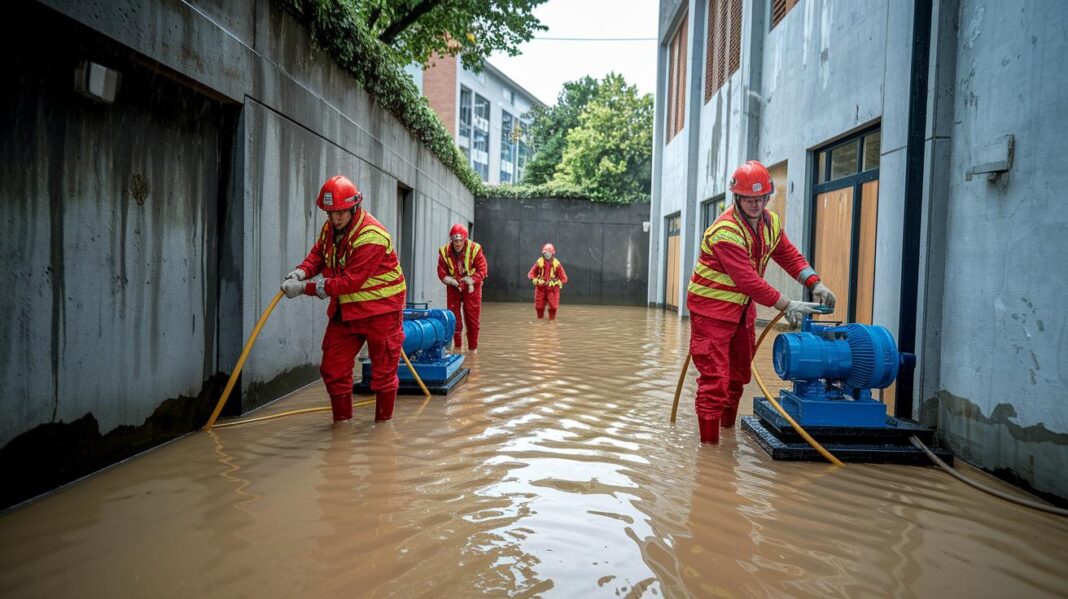

Flood damage can quickly put your home and family at risk. We act fast to remove standing water (this is called water extraction) so that mold does not start growing hidden damage. Imagine a giant vacuum that soaks up spills before they seep into your walls and floors.
We use strong pumps (machines that quickly move water) and heavy-duty vacuums (tools built to clean hard-to-reach areas) to restore your home fast. Taking action early protects your family and helps secure your home again.
Core Water Extraction Techniques Explained
Water extraction means taking out standing water from your home with powerful tools like submersible pumps (machines that push or pull water) and industrial vacuums (big, heavy-duty vacuums). We do this to stop water from seeping into your house’s foundation and causing hidden damage that might weaken its support.
When a flood leaves water on floors and surfaces, it can hurt your home’s strength. We clear water fast, just like using a giant vacuum to clean up spills before they damage important parts of your house.
Quick water removal is key because mold can start growing in just 24 to 48 hours. Mold (a fungus that can cause allergies and asthma attacks) can put your family’s health at risk. That’s why we act fast to reduce hazards and keep your air safe. If there’s a risk of mold, we follow a proper cleanup process to make sure your indoor environment stays healthy.
By taking quick action, we help prevent further complications and work to get your home back to normal sooner.
Water Extraction Equipment and Methods

When water enters your home, we act fast to remove it using the right tools. Our equipment pulls water and moisture out so your home can dry quickly.
Submersible pumps work like a fast pump to clear large amounts of water. They can pump between 500 and 1,000 gallons per hour. We place them directly in the water so they start working right away. This helps prevent water from seeping into your home’s foundation.
Our industrial wet/dry vacuums are built for tough jobs. They have strong motors (5–10 horsepower, which is a measure of engine power) that let them suck up water from floors and tight spots. They also use filters to catch tiny particles, leaving the space cleaner.
Portable dehumidifiers help dry the air. They remove about 50 to 70 pints of moisture each day. Placing them where water damage occurred helps lower humidity and stops mold from growing.
| Equipment | Primary Use | Capacity |
|---|---|---|
| Submersible Pump | Fast water removal | 500–1,000 GPH |
| Industrial Wet/Dry Vacuum | Suction from floors and hidden spots | 5–10 HP |
| Portable Dehumidifier | Lowering air moisture | 50–70 pints/day |
Comparing DIY vs. Professional Water Extraction
When water damage occurs, you might think about using a wet vacuum and towels to clean it up yourself. These DIY methods work for small spills but can miss hidden moisture that builds up mold and causes more damage. We use powerful machines that pull out water fast and completely. This approach helps prevent long-term issues and protects your home or business.
- More powerful equipment
- Faster water removal and drying
- Less chance of hidden moisture and mold
- Cost differences: renting equipment vs. full service
- Fixed outcomes with warranties
If the water damage is large or moisture hides behind walls or under floors, professional help is needed. Our experienced technicians are available 24/7 to handle these situations quickly and efficiently. We not only remove the water but also take steps to secure your property, lower health risks, and prevent future issues. This complete service gives you peace of mind during a stressful time.
Specialized Water Extraction and Mitigation Services
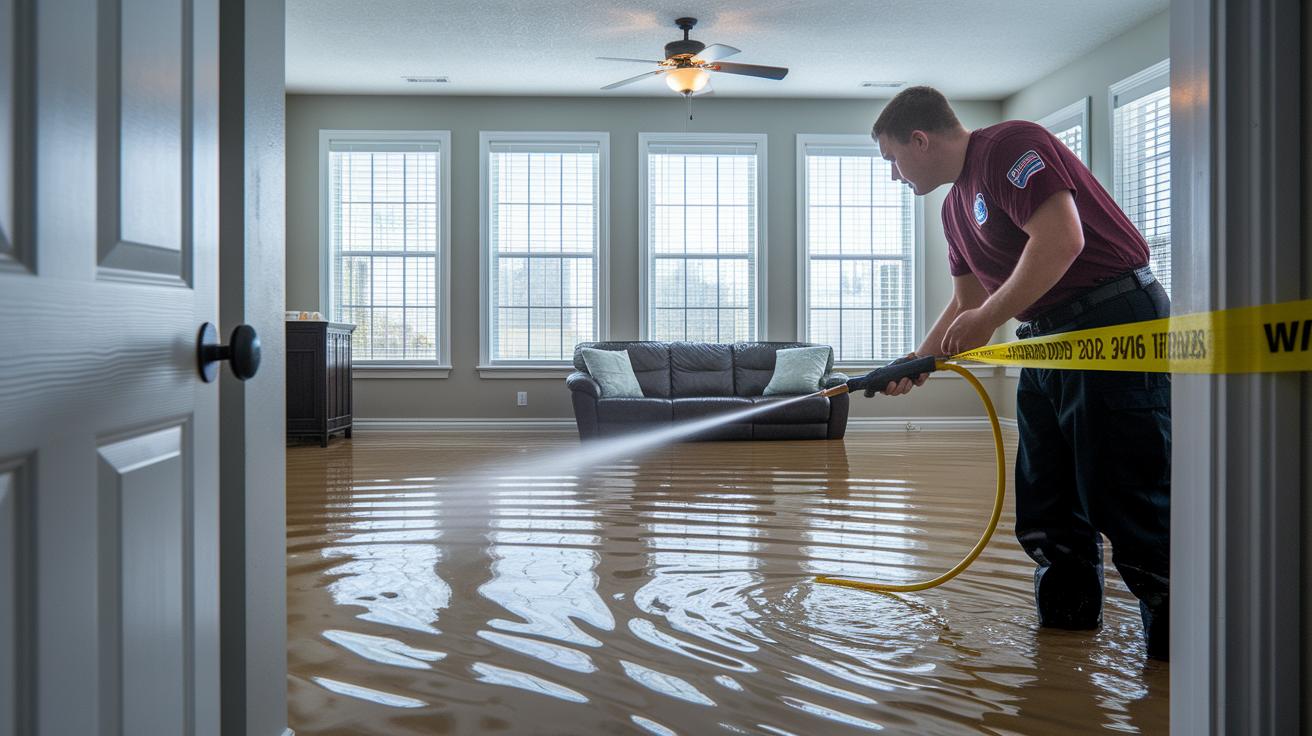
When flood damage hits, we act fast. We don't just pull out the water, we protect your home or business right away. We handle residential, commercial, and large loss cases with care. Our services include fast water removal, leak repair, and more. We follow proven industry guidelines to dry, secure, and restore your space. For more details, please check our Emergency Restoration Services.
Water Mitigation
After we remove the water, we move quickly to stop any more damage. We seal off affected areas and bolster weak spots to keep water from seeping in further. This step helps reduce the need for extra repairs later.
Drying & Dehumidification
We use powerful dehumidifiers (machines that remove moisture from the air) to dry out your property. We place these machines strategically to boost airflow and pull moisture from surfaces. This helps lower the risk of mold and further damage.
Controlled Demolition
Sometimes, parts of your building are too damaged to save. We safely remove these materials to stop hidden moisture from causing more trouble. This controlled demolition clears the way for proper repairs.
Emergency Board-Up
We also secure your home quickly with emergency board-up services. We cover windows, doors, and other open areas to protect your property until full repairs can begin.
Safety Guidelines and Industry Standards for Water Extraction
We take safety very seriously during water extraction. Our crew wears hard hats, gloves, safety glasses, and protective coveralls. We also inspect the site thoroughly before work begins. This helps us spot hazards like wet floors or unstable areas so we can protect both our team and your property.
We follow the standards set by IICRC (a group that sets cleaning and restoration rules) and OSHA (the organization that makes sure workplaces are safe). Our technicians use moisture meters (tools that measure dampness) and check electrical systems to reduce risks. Our team holds current certifications and receives regular training. This means our work meets the required cleanup and dehumidification steps after a flood.
We know acting fast is important. Through our Priority Disaster Response program, we record every step we take. This careful documentation helps us meet flood hazard guidelines and keeps everyone safe while work is being done.
Cost Considerations for Water Extraction Services

When you need water extraction, many things can affect the price. The size of the area, how bad the damage is, and the tools needed all play a part. Large areas may need stronger machines and extra hands. The type of water, not dirty, slightly dirty, or very dirty, changes the cost too. Extra work like drying walls or preventing mold can also add up.
Here are some common cost details:
- Equipment rental can cost between $100 and $200 per day.
- Labor may run from $50 to $100 per hour.
- If you call us during an emergency or after regular hours, you might pay about 1.5 times the normal rates.
To help keep your bill low, try to schedule the service during normal business hours. Getting several quotes from licensed water cleanup experts can help you compare both prices and quality of work. This way, you get the right help and a fair price.
Final Words
In the action, we explored water extraction techniques that safeguard your home. We explained how rapid removal prevents foundation problems and mold risks, detailed the essential tools, and compared DIY methods with expert services.
By reviewing safety protocols and cost considerations, you now have a clear guide for quick recovery. Fast water extraction minimizes damage and paves the way for safe restoration. We’re here to help you move forward with confidence.
FAQ
What is the process of water extraction?
The water extraction process means removing standing water using pumps and vacuums. It prevents foundation damage and mold growth by clearing water quickly and efficiently.
How does a water extraction machine or water extractor work?
The water extraction machine works by using submersible pumps and industrial vacuums to remove water fast. This method stops water from seeping into structures and causing further damage.
How much does water extraction cost?
The cost of water extraction depends on factors like area size, water type (clean, gray, or black), and equipment needs. Prices vary, so it’s wise to request multiple quotes for the best value.
How long does water extraction take?
The water extraction process usually takes a few hours to a full day, depending on water volume and damage extent. Quick extraction is essential to prevent mold, which can start within 24 to 48 hours.
What is carpet water extraction?
Carpet water extraction involves removing water from carpets with powerful vacuums and drying machines. It restores the carpet and helps prevent mold and odor issues from lingering moisture.
How do I find water extraction services near me?
Searching for water extraction near you can be done online by checking local listings and reviews. This approach helps you connect with dependable service providers in your area.
How do I extract water from a phone?
Water extraction from a phone means drying out the device and using moisture removal tools. Professional help is recommended to avoid further damage and ensure all moisture is cleared.
What is water extraction from air?
Water extraction from air refers to removing moisture from the surrounding environment using dehumidifiers. This process helps reduce ambient moisture and prevents conditions that encourage mold growth.
What is a water extraction method for plants?
Water extraction for plants involves techniques to obtain moisture from plant tissues or condense ambient water. This method is typically used in research or controlled resource recovery settings.