
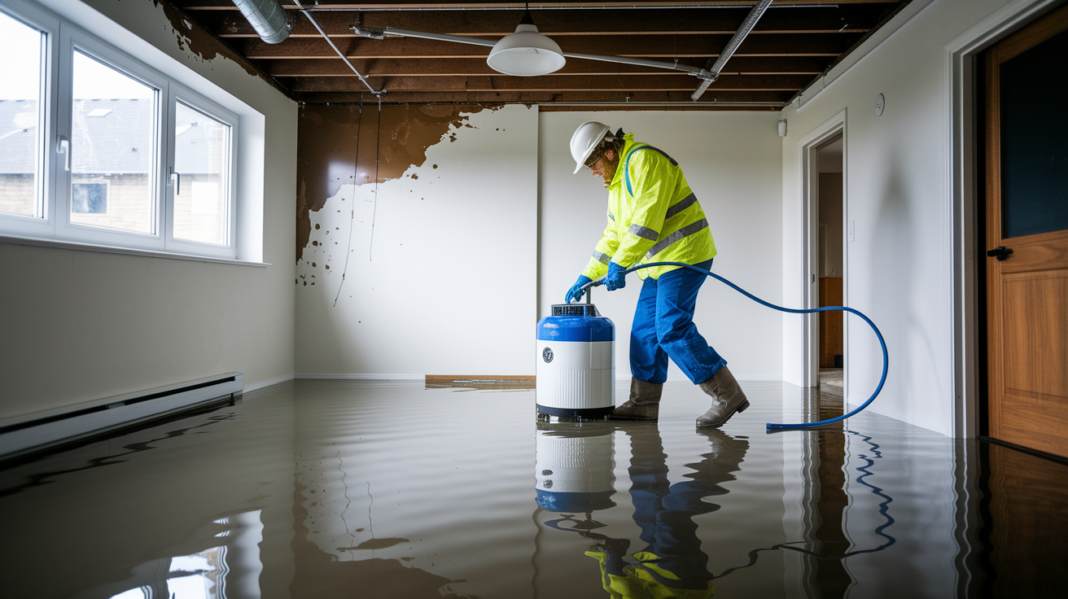

When floodwater invades your home, you’ve got about 24 to 48 hours before minor damage turns into a structural nightmare. Every hour counts because water doesn’t just sit there. It migrates through walls, soaks into subflooring, and creates conditions for mold growth that starts faster than most homeowners realize. Flood damage restoration isn’t a single task you check off a list. It’s a carefully sequenced process where professionals extract standing water, dry hidden moisture, disinfect contaminated surfaces, and rebuild damaged areas in the right order so your home is actually safe and dry, not just surface-level presentable.
What Happens During Flood Damage Restoration: Step-by-Step Overview

Flood damage restoration isn’t just mopping up and hoping for the best. It’s a coordinated process where each phase builds toward getting your property back to normal. You can’t skip steps or rush through them without risking problems down the road. Here’s what actually happens when professionals tackle water that shouldn’t be in your house.
Certified techs show up and figure out what they’re dealing with using moisture meters and infrared cameras that see what you can’t. Then they pull out standing water with industrial pumps and vacuums that handle way more volume than anything you’d rent at a hardware store. After extraction comes the drying phase, where air movers and commercial dehumidifiers work around the clock to pull moisture from walls, floors, and ceiling cavities. Once things are dry, pros sanitize and disinfect everything because floodwater carries contamination you don’t want sticking around. Then comes the repair work, replacing damaged drywall, insulation, flooring, and anything else that didn’t survive. Finally, technicians verify complete drying with another round of measurements to confirm it’s actually safe.
Timeline depends on how bad things got. Minor flooding might wrap up in a few days. Extensive water intrusion can stretch into several weeks. The longer water sits, the worse it gets for your subflooring, wall cavities, and structural supports. Fast professional response stops that progression and shuts down mold before it even starts.
Emergency Response and Initial Contact Steps

When flooding happens, you’ve got a short window to prevent disaster from getting worse.
First, make sure it’s safe. Evacuate if you need to and stay clear of electrical hazards. Don’t walk through standing water if outlets or appliances are underwater. If a burst pipe caused this mess and you can safely reach the main water valve, shut it off. Contact an emergency restoration company right away because the first 24 hours determine what can be saved versus what you’re replacing. Document everything with photos and video before anything moves. Insurance needs proof of water levels, affected rooms, and damaged belongings. If it’s safe, move valuables out of harm’s way. Lift furniture onto blocks, get electronics and documents to dry spots. But don’t start major cleanup before professionals assess the situation. Hidden moisture and contamination need specialized detection and treatment.
Emergency restoration companies answer calls 24/7 and typically show up within hours. Speed matters because water doesn’t wait. It migrates through porous materials fast, spreading damage to areas that seemed fine at first. The sooner pros get eyes on your situation, the more they can salvage.
Emergency work starts the moment crews arrive. They’ll handle temporary repairs like boarding up broken windows or damaged walls. If your roof took a hit, they’ll install tarps to stop additional water from getting in while restoration happens. When flooding is severe or sewage got involved, teams provide content pack out services, safely removing and storing your stuff in a controlled environment until your home is ready. These stabilization steps halt further damage while the complete repair plan gets rolling, especially critical when flooding came from severe weather that compromised your home’s exterior.
Emergency Assessment and Damage Inspection Phase

Certified technicians arrive quickly to evaluate what you’re dealing with, starting with visible flooding and then investigating spots you can’t easily check. They examine wall cavities, subflooring beneath carpets, insulation inside walls, and the underside of cabinetry. This thorough look identifies all affected areas, including moisture that’s already traveled away from where the flood started.
The inspection goes way beyond what you can see. Professionals use advanced detection tools because moisture hides in places that look and feel dry on the surface. Walls might appear fine while the interior cavity holds trapped water. Flooring could seem solid while the subfloor underneath has absorbed enough moisture to support mold growth within days.
Assessment relies on moisture meters that measure saturation in building materials like drywall, wood framing, and concrete. Infrared cameras detect hidden water pockets behind walls and under flooring. Thermal imaging reveals moisture related temperature variations that indicate active water intrusion. Visual inspection catches structural damage to walls, floors, ceilings, and load bearing components. Documentation photography supports insurance claims, showing moisture readings and affected areas.
Water categorization determines the entire restoration approach. Clean water comes from supply lines or rainwater and poses minimal contamination risk. Gray water contains some contaminants from sources like washing machines, dishwashers, or toilet overflow without feces. Black water is heavily contaminated from sewage backup, groundwater intrusion, or floodwater that contacted soil and debris. Each category requires different safety precautions, protective equipment, and disposal methods for affected materials.
Standing Water Removal and Extraction Methods
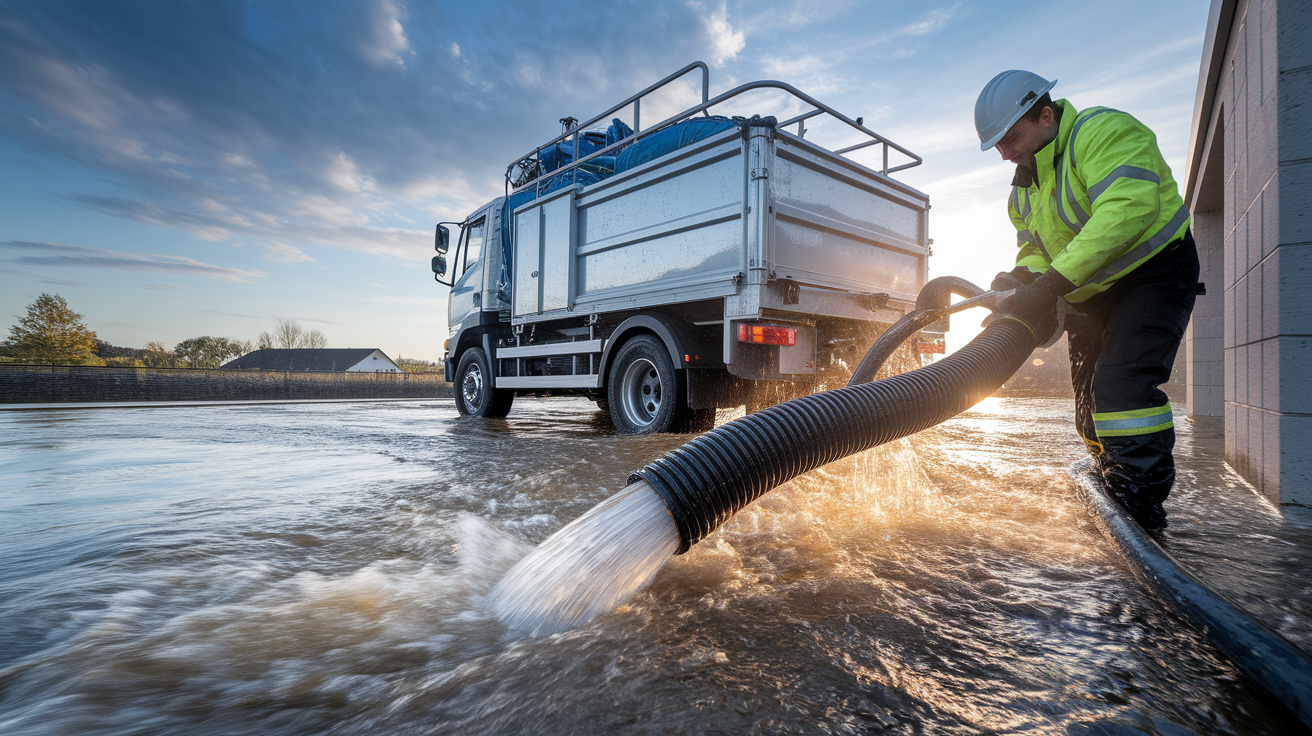
Restoration companies deploy industrial pumps for large water volumes in flooded basements and ground floor areas where water depth exceeds an inch. These high powered pumps move hundreds of gallons per minute, dramatically reducing standing water within the first few hours. For smaller volumes or areas where large pumps can’t reach, technicians use truck mounted and portable wet vacuums that extract water from corners, closets, and between furniture.
After removing visible standing water, weighted extractors and sub surface extraction tools pull moisture from deep within carpets, padding, and upholstered furniture. These specialized tools apply pressure while vacuuming, forcing water up from materials that would otherwise stay saturated for days. Carpet padding typically can’t be saved after flooding because it acts like a sponge, holding contaminated water against your subflooring where it causes damage and supports microbial growth.
Rapid water removal prevents electrical hazards, reduces structural damage, and stops mold growth before it begins. Every hour that standing water remains increases the severity of damage. Drywall wicks water upward, wood framing absorbs moisture and begins to swell, and subflooring starts to come apart. The longer water sits, the more materials get removed and replaced rather than dried and saved. Extraction continues until moisture meters confirm no standing water remains and saturation levels have dropped to where structural drying equipment can complete the job. This thoroughness makes the difference between successful restoration and a property with hidden moisture that causes problems months later.
Structural Drying and Dehumidification Techniques

Industrial dehumidifiers extract moisture from the air while high velocity air movers create circulation patterns that speed up evaporation from building materials. This combination pulls water from deep within walls, floors, and ceilings where it’s migrated beyond the surface. Air movers get positioned strategically to target affected structural layers, creating controlled airflow that moves warm, dry air across wet surfaces while pulling humid air away.
Wall cavity drying requires specialized techniques. Technicians may drill small inspection holes to introduce air movement inside walls, making sure moisture doesn’t remain trapped between studs where it would eventually cause mold growth and wood rot. Floor drying systems direct airflow under hardwood or tile to dry the subfloor without removing the finished surface, when possible.
Drying equipment includes industrial dehumidifiers for extracting airborne moisture and maintaining low humidity levels. High velocity air movers increase air circulation and create evaporation at material surfaces. Specialized meters monitor moisture and humidity levels in real time throughout the space. Infrared cameras verify complete drying in hidden areas like wall cavities and under flooring.
Technicians continuously monitor humidity and moisture levels with specialized meters, checking readings multiple times daily during active drying. They adjust equipment placement and intensity based on these measurements, moving air movers to target areas that aren’t drying as quickly or adding dehumidifiers if humidity levels remain too high. The goal is humidity below 60% and moisture content in building materials returning to normal levels, typically 12 to 15% for wood products.
Complete drying usually takes three to five days for moderate flooding, longer for extensive water intrusion or humid weather conditions that slow evaporation. Even minor moisture left behind can lead to long term structural damage or mold growth posing serious health and safety risks. Professionals verify complete drying with moisture meters before proceeding to repairs, making sure every affected material has returned to acceptable moisture levels. This verification step prevents the common DIY mistake of covering up damp materials with new drywall or flooring, which traps moisture and guarantees future problems.
Cleaning, Sanitization, and Disinfection Procedures
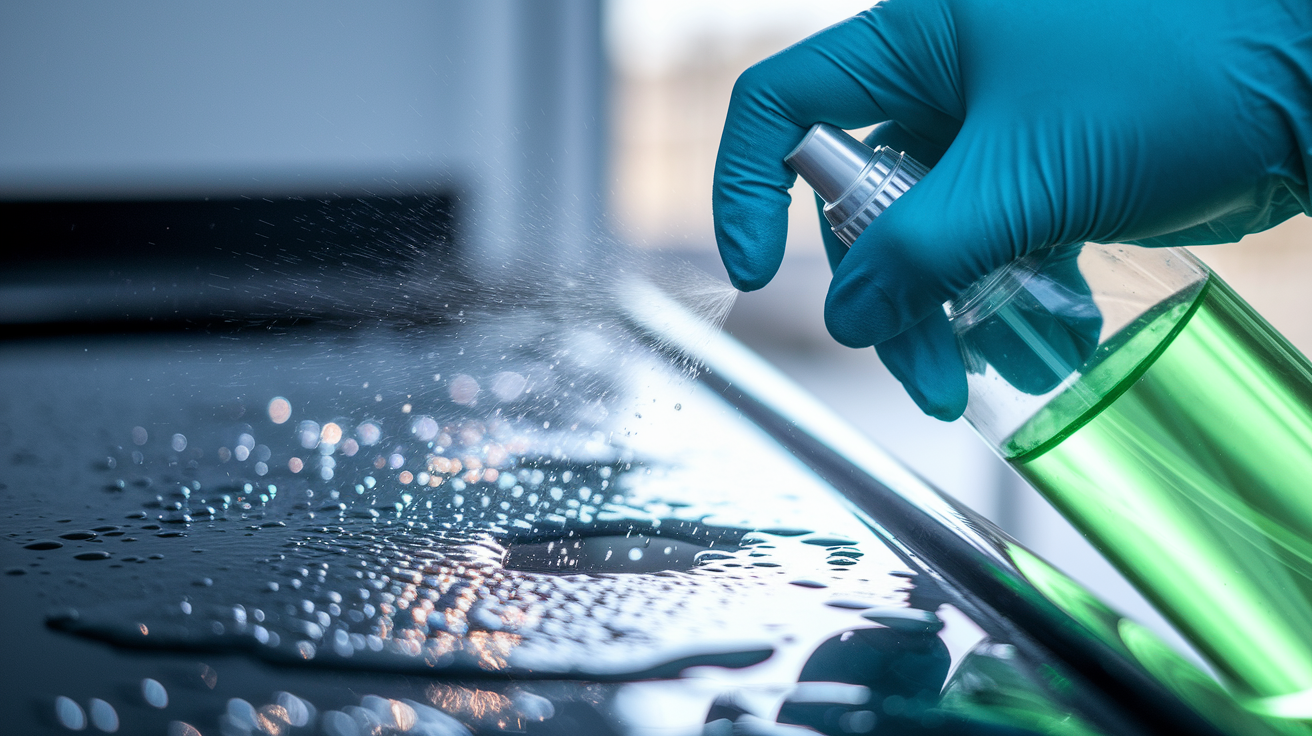
Floodwater contains dangerous contaminants requiring professional disinfection. Even water that looks relatively clean has contacted soil, building materials, and surfaces that harbor bacteria.
| Contaminant Type | Health Risk | Treatment Method |
|---|---|---|
| Bacteria | Gastrointestinal illness, infections, skin reactions | EPA-registered disinfectants, antimicrobial treatments |
| Viruses | Hepatitis, respiratory illness, gastroenteritis | Broad-spectrum sanitizers, surface sterilization |
| Sewage/waste | E. coli, parasites, serious infection | Category 3 protocols, complete material removal |
| Chemicals/toxins | Skin irritation, respiratory damage, long-term exposure effects | Specialized cleaning agents, protective neutralization |
Professionals assess which materials can be cleaned versus what must be removed and disposed of safely. Porous materials like drywall, insulation, and carpet padding that contacted category 2 or 3 water typically can’t be adequately disinfected and require removal. Non porous surfaces like tile, sealed concrete, and most hard furniture can be thoroughly cleaned and sanitized. This assessment prevents the false economy of trying to save materials that will continue harboring contaminants and causing health problems.
Antimicrobial treatments get applied to all affected surfaces, walls, and floors to prevent mold growth during and after the drying process. These treatments create an environment where mold spores can’t establish colonies even if minor moisture remains during the drying phase. Content cleaning addresses furniture, carpets, and upholstery that can be salvaged through deep cleaning and deodorization. Specialized techniques remove embedded dirt, contamination, and odors from salvageable belongings, often using controlled environments and professional cleaning equipment that produces better results than field cleaning.
Restoration, Repair, and Reconstruction Work

Restoration scope varies from minor repairs to major reconstruction depending on damage extent and how long water remained in contact with building materials. A basement that flooded for a few hours requires different intervention than one that sat in standing water for days. Water category also determines what can be saved versus what must be removed for safety.
Common material replacements include drywall sections or entire walls when water wicked more than two feet up from the floor. Damaged insulation inside walls gets removed because it loses effectiveness when wet and can harbor mold growth. Baseboards and trim typically require replacement after flooding since they’re made from materials that swell, warp, and don’t return to their original shape even after drying. Compromised subflooring gets replaced when moisture meters show it hasn’t dried adequately or when visible warping and coming apart have occurred.
Flooring restoration varies by material type. Carpet and padding in flooded areas almost always require replacement, especially if contaminated water was involved. Hardwood floors can sometimes be saved if dried quickly and thoroughly, though cupping and crowning may develop, requiring sanding and refinishing. Tile and vinyl flooring may survive if the subfloor beneath them dried completely, but often the adhesive fails and the flooring must be removed to address subfloor damage anyway.
Finishing work makes sure repaired areas blend with existing surfaces. Technicians repaint walls and ceilings, matching existing colors and textures as closely as possible. They install new trim and baseboards, often using profiles that match what’s elsewhere in your home. Attention to detail during this phase makes the difference between repairs that stand out and restoration that fits right in with undamaged areas. Content restoration handles salvageable furniture, electronics, and belongings through specialized cleaning, repair, and when necessary, replacement. Professional restoration companies coordinate all these repairs under one plan rather than leaving you to manage separate contractors for different work.
Mold Prevention and Remediation Strategies
Mold begins growing within 24 to 48 hours of water exposure, making speed critical throughout every phase of flood damage restoration.
Mold prevention during restoration starts with rapid water extraction within the first 24 hours. Removing standing water before mold spores activate stops growth before it starts. Immediate dehumidification to lower humidity below 60% matters because mold needs humid conditions and won’t establish colonies in properly dried environments. Continuous air circulation with air movers prevents moisture from settling on surfaces and creating mold friendly conditions. Antimicrobial treatments get applied to all affected surfaces during the cleaning phase to stop mold growth on treated materials. Ongoing moisture monitoring confirms complete drying, verifying moisture levels return to normal so mold won’t develop after equipment removal.
When mold growth is discovered during assessment or develops despite prevention efforts, mold remediation procedures begin immediately. Technicians establish containment using plastic sheeting and negative air pressure to prevent mold spores from spreading to unaffected areas. They remove affected materials that can’t be adequately cleaned, which often includes drywall, insulation, carpet, and porous building materials where mold has penetrated beyond surface level. HEPA filtration runs continuously during remediation to capture airborne spores, and after visible mold removal, verification testing confirms spore counts have returned to normal levels. This systematic approach addresses active growth while preventing cross contamination that would spread the problem throughout your property.
Restoration Timeline and What to Expect
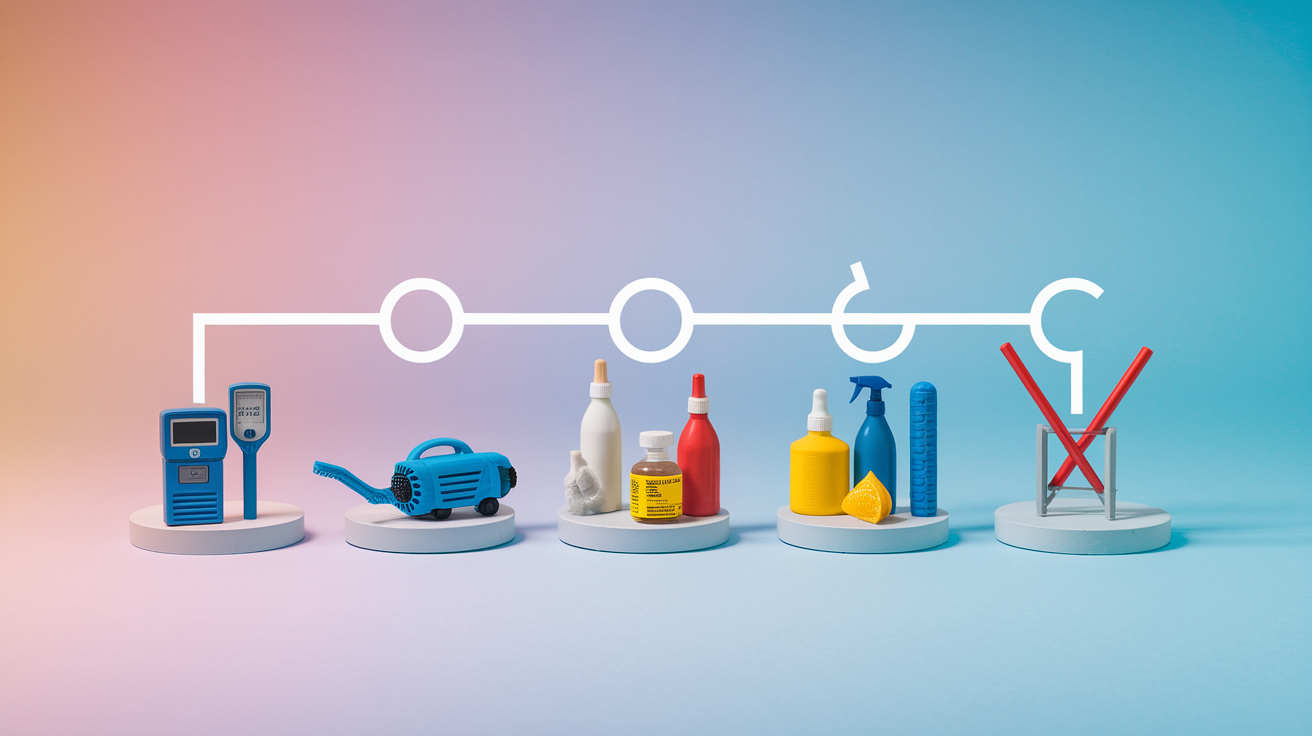
Restoration timelines vary significantly based on damage severity, property size, and the extent of structural repairs required.
| Restoration Phase | Typical Duration |
|---|---|
| Assessment | 2 to 4 hours on initial visit |
| Water extraction | 1 to 3 days depending on water volume |
| Drying/dehumidification | 3 to 7 days for most properties, longer for severe flooding |
| Cleaning/sanitization | 2 to 3 days, may overlap with drying phase |
| Repairs/reconstruction | 1 to 4 weeks depending on extent of damage |
| Final inspection | 1 to 2 hours for walkthrough and verification |
Several factors affect timeline and explain why some restorations finish quickly while others take weeks. Extent of water damage drives duration more than any other factor. A flooded basement takes longer than a single room event. Category of water matters because contaminated water requires more extensive cleaning and material removal. Size of the affected area impacts timeline since larger spaces need more equipment and more time for thorough drying. Materials involved influence duration because some dry faster than others. Concrete and masonry hold moisture longer than wood framing. Weather conditions affect drying time since high humidity slows evaporation even with professional equipment running.
You should expect daily progress updates from the project manager or lead technician assigned to the restoration. Monitoring visits occur regularly to check moisture readings and adjust equipment placement for optimal drying. Equipment adjustments happen as conditions change, with air movers getting repositioned and dehumidifiers getting moved to target areas that need more attention. Coordination with contractors follows for any repairs requiring specialized trades like electrical work, plumbing repairs, or HVAC modifications. Completion verification happens through a final walkthrough where you see the finished restoration and receive a certificate of completion documenting the work performed and confirming your property meets industry standards for moisture levels and safety.
Cost Factors and Budget Considerations
Flood damage restoration costs vary widely based on multiple factors that interact with each other. A small area with severe contamination may cost more than a large area with clean water that got extracted quickly. Professional restoration prevents more expensive long term damage like structural failure, ongoing mold problems, and health issues that develop when contamination isn’t properly addressed. The investment in complete restoration protects your property value and keeps your family safe.
| Cost Factor | Impact on Total Cost |
|---|---|
| Water category/contamination level | Category 3 (black water) costs significantly more due to safety protocols and disposal requirements |
| Square footage affected | Larger areas require more equipment, labor hours, and materials |
| Materials requiring replacement | Hardwood floors and custom finishes cost more than basic carpet and standard drywall |
| Extent of structural damage | Load bearing wall repairs or foundation work add substantial costs |
| Mold remediation needs | Active mold growth requires containment, removal, and verification testing |
| Contents restoration requirements | Cleaning and restoring personal belongings adds to total project cost |
Restoration companies work directly with insurance carriers, submitting detailed estimates and documentation that support your claim. Many offer payment plans for amounts not covered by insurance or for homeowners managing deductibles. The detailed estimates provided during initial assessment break down costs by phase, showing what’s needed for extraction, drying, cleaning, and repairs. This transparency helps you understand where money gets allocated and why certain steps matter. Choosing licensed, insured companies that offer warranty service protects your investment. Reputable restoration companies stand behind their work with guarantees covering both labor and materials for a specified period after completion.
When to Call Professionals vs. DIY Limitations
While minor spills may be manageable with household equipment and quick action, flood damage almost always requires professional restoration due to hidden moisture, contamination risks, and the speed at which secondary damage develops.
Call professionals immediately when water covers more than one room or exceeds 1 inch depth anywhere in your property. If the water source is contaminated, meaning sewage backup, storm water carrying debris, or groundwater intrusion, you need pros. When water has contacted electrical systems, outlets, appliances, or the main electrical panel, don’t mess around. If structural damage is visible or suspected, including sagging ceilings, warped floors, or cracking walls, get help. And when mold growth is present or likely due to water sitting for more than 24 to 48 hours, it’s beyond DIY territory.
You might handle small, clean water spills caught immediately and confined to hard, non porous surfaces. Surface level moisture with no material saturation can sometimes be managed if you act fast. Single item cleanup like a small appliance overflow that affected only the immediate area might not need a pro.
But professional restoration companies offer emergency availability with technicians on call 24/7, certified expertise in water damage restoration and structural drying, and complete restoration services that prevent costly long term damage from incomplete DIY attempts. The specialized equipment used by professionals includes truck mounted extractors, industrial dehumidifiers, thermal imaging cameras, and commercial air movers that produce results impossible to achieve with household wet dry vacuums and box fans. For extensive flooding or any contaminated water situation, professionals provide the expertise and equipment necessary to fully restore your property and prevent ongoing problems that develop when hidden moisture and contamination remain after amateur cleanup attempts.
Insurance Claims and Documentation Requirements
Most homeowner policies cover certain flood damage restoration, but coverage varies by cause and policy type. Water damage from burst pipes, appliance malfunctions, and sudden internal flooding typically falls under standard homeowner policies. Flooding from external sources like rising rivers, storm surge, or groundwater intrusion usually requires separate flood insurance. Understanding your coverage before disaster strikes helps you know what to expect when filing claims.
Professional restoration companies assist with claims by providing detailed documentation, comprehensive damage assessments, and restoration plans that show what work is necessary and why. They communicate directly with insurance adjusters, often walking them through the property to explain findings and restoration scope. This expertise helps move claims forward because adjusters understand that documentation from certified professionals carries more weight than homeowner descriptions alone. Immediate contact with both your insurance company and an emergency response provider matters. Most policies require prompt notification and have specific timeframes for beginning work to prevent further damage.
Required documentation for insurance claims includes detailed damage assessment reports showing affected areas, moisture readings, and water category. Comprehensive photography and video documentation shows damage extent before, during, and after restoration. Moisture readings and damage measurements get recorded at multiple points throughout the restoration process. Itemized inventory of damaged belongings includes descriptions, conditions, and replacement values. Restoration scope of work and cost estimates break down by phase and material. Certificate of completion after restoration confirms work performed and final moisture verification.
Working with licensed, insured restoration companies helps make sure insurance claims processing goes smoothly. These companies understand policy requirements, provide documentation in formats adjusters expect, and maintain the professional standards insurance companies rely on when approving claims and issuing payment.
Safety Precautions and Health Considerations
Water extraction reduces electrical hazards that make standing water dangerous. Never enter flooded areas without first shutting off electrical power to those spaces at your circuit breaker or main panel. Outlets, switches, and appliances submerged or contacted by water can cause electrocution. Structural instability develops quickly when framing members absorb water. Ceiling materials sag, floors become spongy, and walls may lean. Watch for these warning signs and evacuate any area showing structural movement or unusual settling.
Contamination risks from category 2 gray water and category 3 black water create serious health hazards. Gray water from washing machines, dishwashers, or toilet overflow without feces contains detergents, food particles, and bacteria that cause gastrointestinal illness and skin infections. Black water from sewage backup, rising floodwater that contacted soil, or toilet overflow with feces carries E. coli, parasites, viruses, and pathogens causing severe illness. Never attempt cleanup of contaminated water without proper training and equipment. What looks like minor contact can lead to infection, especially if you have any cuts or compromised immune function.
Protective equipment professionals use includes full personal protective equipment such as waterproof suits, rubber boots, and heavy duty gloves when working with contaminated water. Respirators with appropriate filters get used during mold remediation or when airborne contaminants are present. Proper ventilation during cleaning prevents concentrated chemical exposure and maintains air quality throughout the restoration process. Air quality testing may be recommended before reoccupying spaces that experienced sewage contamination or extensive mold growth. HVAC system inspection makes sure contaminated air hasn’t circulated through ductwork, spreading mold spores or bacteria throughout the property. These safety measures protect both restoration workers and your family from health risks that stick around even after visible water disappears.
Final Words
The flood damage restoration process moves through clear phases, from emergency response and water extraction to complete structural drying and final repairs.
Each step builds on the last. Swift water removal stops immediate damage. Thorough drying prevents mold. Professional cleaning eliminates health risks. Careful reconstruction brings your home back.
Speed matters, but so does doing it right. Missing hidden moisture or skipping antimicrobial treatments creates problems that show up weeks later.
When flood damage hits, you need a team that handles the whole sequence. One call, one plan, start to finish.
FAQ
What are the steps of water damage restoration?
The steps of water damage restoration follow a systematic sequence: emergency response and assessment, standing water removal, structural drying and dehumidification, cleaning and sanitization, repairs and reconstruction, and final inspection. Each phase builds on the previous one to return your property to pre-damage condition safely.
What’s the difference between remediation and restoration?
Remediation and restoration differ in scope and timing. Water mitigation stops active damage and prevents it from spreading (emergency water removal, temporary repairs, board-up). Restoration comes after, repairing and rebuilding damaged materials to return your home to normal condition.
What does a restoration company do after a flood?
A restoration company after a flood removes standing water, dries structural materials completely, cleans and disinfects contaminated surfaces, removes unsalvageable materials, rebuilds damaged walls and floors, and verifies safe humidity levels. They coordinate the entire process from emergency response through final walkthrough.
How long does water damage restoration take?
Water damage restoration takes anywhere from a few days for minor damage to several weeks for extensive flooding. Timeline depends on water category, square footage affected, structural damage extent, and how long water remained before extraction. Professionals provide specific estimates after initial assessment.
Can I stay in my home during flood restoration?
Staying in your home during flood restoration depends on damage extent and contamination level. Minor restoration may allow occupancy in unaffected areas. Extensive flooding, contaminated water, or necessary structural repairs typically require temporary relocation until air quality and safety are verified.
What equipment do professionals use for flood drying?
Professionals use industrial-grade dehumidifiers to extract airborne moisture, high-velocity air movers for circulation, moisture meters to measure saturation levels, infrared cameras to detect hidden water, and specialized sub-surface extractors for carpets and padding. This equipment accelerates drying beyond household fans or shop vacuums.
Does homeowner insurance cover flood damage restoration?
Homeowner insurance coverage for flood damage restoration varies by policy and water source. Most policies cover sudden pipe bursts or appliance failures. Natural flooding typically requires separate flood insurance. Contact your insurance company immediately and work with licensed restoration companies who document everything properly.
When should I call a professional restoration company?
Call a professional restoration company immediately when water covers more than one room, exceeds one inch depth, comes from contaminated sources like sewage or groundwater, contacts electrical systems, or causes visible structural damage. Professionals prevent secondary damage that DIY cleanup misses.
How do restoration companies prevent mold growth?
Restoration companies prevent mold growth by extracting water within 24 hours, running dehumidifiers to lower humidity below 60 percent, creating continuous air circulation, applying antimicrobial treatments to all affected surfaces, and monitoring moisture levels until materials reach acceptable dryness. Speed matters since mold starts growing within 48 hours.
What flood-damaged materials can be saved?
Flood-damaged materials that can often be saved include hardwood floors (if dried quickly), some furniture pieces, tile flooring, metal fixtures, and solid wood trim. Materials requiring removal include saturated drywall, compromised insulation, soaked carpet and padding, and anything contacted by sewage or contaminated water. Professionals assess salvageability during inspection.