


Ever wondered if you could salvage your belongings after a fire on your own? I'm sorry this happened, and we know it can be overwhelming. In this guide, we show you clear, step-by-step actions to help you revive smoke-damaged items at home.
Here’s how to get started:
- Check each room thoroughly. Look for visible damage, soot, and residue.
- Sort your items. Set aside things that need extra care from those that can be cleaned easily.
- Take clear photos. Snap before-and-after pictures to track your progress and help with insurance claims.
- Protect yourself. Use a mask and ensure good airflow (open windows or use a fan) to keep the air clean while you work.
With these simple steps, you can take charge of cleanup and start bringing your treasured items back to life. We’re here to help you get back to a safe, livable home.
Step 1 – Assessing Smoke Damage on Belongings
Start by carefully looking over every part of the affected area. Walk through each room and check sofas, chairs, walls, and air vents for any black residue. Use a flashlight to peek into corners and other dark spots where soot might hide. Spotting small traces now can help avoid bigger problems later.
Next, sort items into two groups: those that soak up smoke and odors (like fabrics and carpets) and those that only show a surface stain (like wood and metal). Write down each item's material and condition. This helps you decide if an item needs a deep clean or professional help.
Finally, take clear photos of all the damage. Capture each room and every item with visible soot. Add labels with the location and a short note about what you see. These pictures will help track the cleanup and can be useful when you file an insurance claim.
Step 2 – Protective Equipment and Ventilation Essentials for Smoke Cleanup
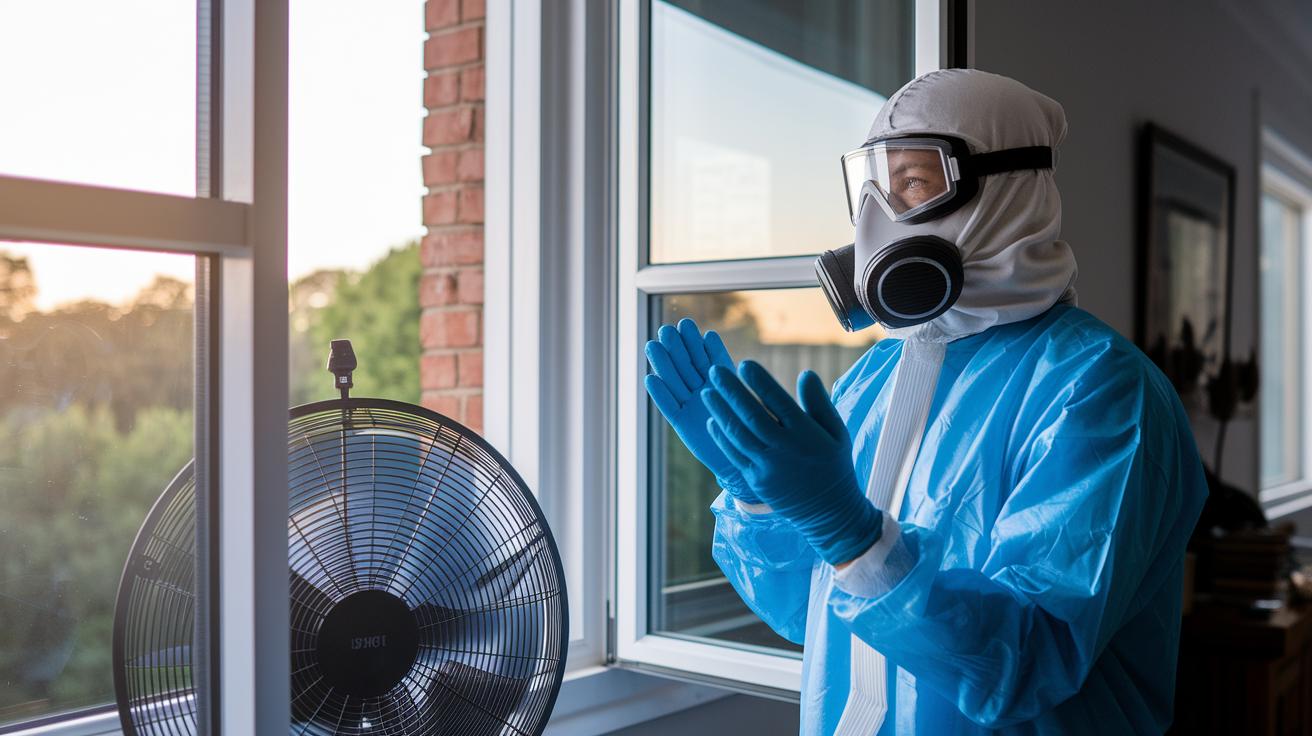
Start your cleanup by putting on the right safety gear. Wear an N95 or P100 mask (a face covering that traps tiny, harmful soot particles), nitrile gloves (protective gloves that keep harmful substances off your skin), and safety goggles (to shield your eyes from falling debris). This gear acts like a barrier against unseen dangers in the smoke.
Next, open all your windows and doors to let fresh air in. Use fans to push contaminated air outside. This helps clear the air faster and reduces the chance of inhaling any lingering soot.
Before you turn your HVAC system back on, clean or replace your furnace and A/C filters. These filters trap soot, and cleaning them stops particles from recirculating through your home. Taking this simple step keeps your indoor air safer and fresher as you continue cleaning.
Step 3 – Removing Loose Soot and Ash from Surfaces
Begin by using dry removal methods. Use a dry chemical sponge or a HEPA-filter vacuum (an air-moving tool that traps tiny soot particles) to lift the loose soot without spreading it. Work from the top down, start with high areas like walls and cabinets so that the soot doesn't fall onto surfaces you have already cleaned.
A homeowner shared, "I used a dry sponge first, gently dabbing the soot off the top shelf to keep it from running down." This method clears away ash and soot particles, setting the scene for a deeper clean.
Next, move to the wet cleaning step. Mix warm water with a small amount of mild detergent. Use a microfiber cloth (a cloth made from tiny fibers designed to pick up particles) to wipe down hard surfaces gently. Be careful not to soak porous materials such as wood or fabric, as too much liquid can cause staining or warping. One homeowner tip was to dampen the cloth just enough to remove the stubborn soot without saturating the surface. This careful approach helps protect your materials while getting rid of any remaining soot.
Step 4 – Cleaning Techniques for Different Materials

Hard Surfaces
For hard surfaces such as tile, glass, and countertops, start by using a dry cleaning sponge to lift loose soot gently. Next, wipe the area with a damp cloth soaked in warm water mixed with a little mild detergent. Always test a small, hidden spot first to ensure nothing gets damaged. One homeowner noted that testing helped prevent any discoloration.
Fabrics and Upholstery
Begin by vacuuming your fabrics and upholstery with a HEPA filter vacuum (a type of vacuum that traps tiny particles) to remove as much dust and soot as possible. Then, try an upholstery shampoo or sprinkle a bit of baking soda on a small area as a test. Gently dab the spot to lift the embedded particles while keeping the fabric safe from too much moisture.
Electronics
Before cleaning electronics, make sure the device is completely turned off to prevent any risk of short circuits. Use a dry cleaning sponge to carefully remove surface soot, and then use compressed air (a tool that blows air forcefully) to clear out any remaining particles. Never use liquids on electronics, as they can damage the sensitive circuits. One device owner shared, "I kept my smartphone dry and simply used a sponge and a bit of air."
Paper-Based Items
For paper items like documents and photographs, use a soft, archival-grade brush to gently remove light soot. Brush lightly so you don't smear the surface. Handle these items carefully to maintain their quality while removing any soot present.
Step 5 – Odor Elimination Strategies for Smoke-Damaged Contents
If your home has smoke damage, you can use simple steps to clear unwanted odors. A popular trick is to sprinkle baking soda on fabrics and leave it overnight. Baking soda (a natural odor absorber) helps pull out stubborn smoke smells without harsh chemicals. You can also spray white vinegar (a natural cleaner) around the room. This helps break down burnt scents and freshen the space. Many homeowners use these methods for quick, temporary relief from smoke odors.
These home solutions work well, but you might need extra measures for a full clean-up. Using an air purifier with a carbon or HEPA filter (machine that catches tiny particles) can improve your indoor air. In tougher cases where odors stick around, professional treatment could be needed.
Here are some steps and tools you might use:
- Baking soda on fabrics left overnight to absorb odors.
- Activated charcoal in open containers to catch airborne particles.
- White vinegar sprayed in rooms to break down smoke smells.
- Portable air purifiers with carbon or HEPA filters for cleaner air.
- Professional thermal fogging or chlorine dioxide gas treatments for deep removal of smoke residues.
Step 6 – Tackling Stubborn Smoke Stains and Residue Buildup
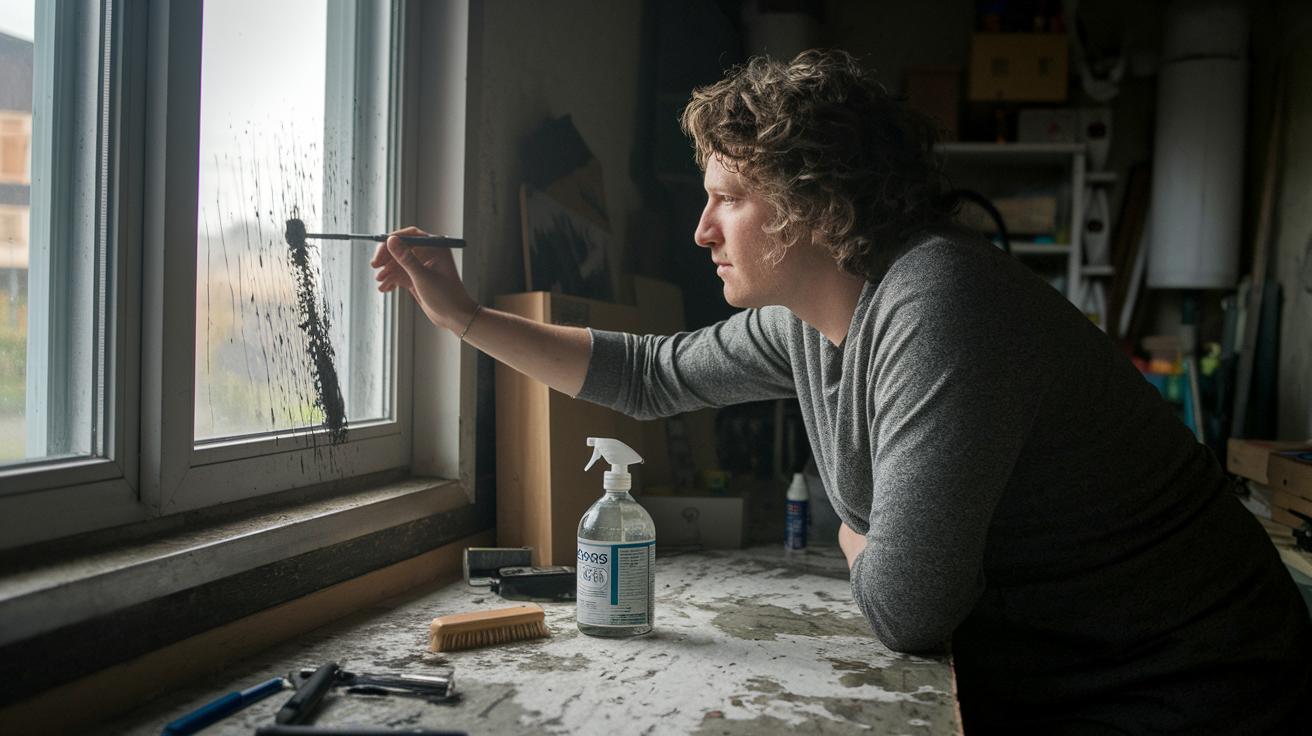
First, check what kind of soot you have. Sometimes, the soot is oil-based and leaves behind a sticky, tar-like film on walls or other surfaces. Knowing if the soot is oil-based, dry, or a mix helps us decide the best cleaning approach. One homeowner shared that noticing the oily feel changed their cleaning method completely.
Next, pick the right cleaner for each type of residue. For oil-based soot, use a degreaser (a cleaner that breaks down grease) sparingly. Always follow the instructions on the container and test a small hidden spot first. One tip we heard was, "Start with a tiny bit to see how the surface reacts."
Then, scrub safely based on the surface you are cleaning. Use a dry-cleaning sponge to lift tar-like marks off walls. On smooth surfaces like metal or ceramic, a mild abrasive pad works well to scrub off hardened residue. After you clean, grab a clean cloth to wipe away any remaining chemicals. Always test your method on a small area first to ensure it is safe before cleaning larger spots.
Step 7 – Restoring Furniture and Valuables After Smoke Exposure
Start with your wood furniture. Take apart pieces if you can so you expose joints and hidden areas where soot might hide. Wipe down all surfaces using a grease-cutting cleaner (a cleaner that breaks down oils and residues). Next, apply a seal-primer before you refinish. One homeowner shared that taking apart their dining table helped reveal spots that were missed before. This process not only removes the soot but also stops it from breaking down the wood fibers.
For fabric items like upholstered chairs, begin with a thorough vacuum using a HEPA filter (an air filter that traps tiny particles like mold and soot). Then, clean the fabric with a gentle steam treatment or fabric shampoo to lift out embedded particles. Remember, too much moisture can harm some materials.
For precious items such as jewelry, porcelain, or metal heirlooms, using a professional ultrasonic bath can be the safest approach. This machine uses sound waves in water to gently remove soot without causing damage. Review each piece carefully based on its material and value before cleaning it yourself. Take your time with every item to avoid causing further harm.
- After cleaning, treat wood items by applying a polish or sealant recommended for smoky residues.
- For upholstered pieces, use a fabric refresher to neutralize any lingering odors.
- Dry delicate items in a well-ventilated area to prevent moisture buildup.
Step 8 – When to Call Professionals and Avoid DIY Pitfalls
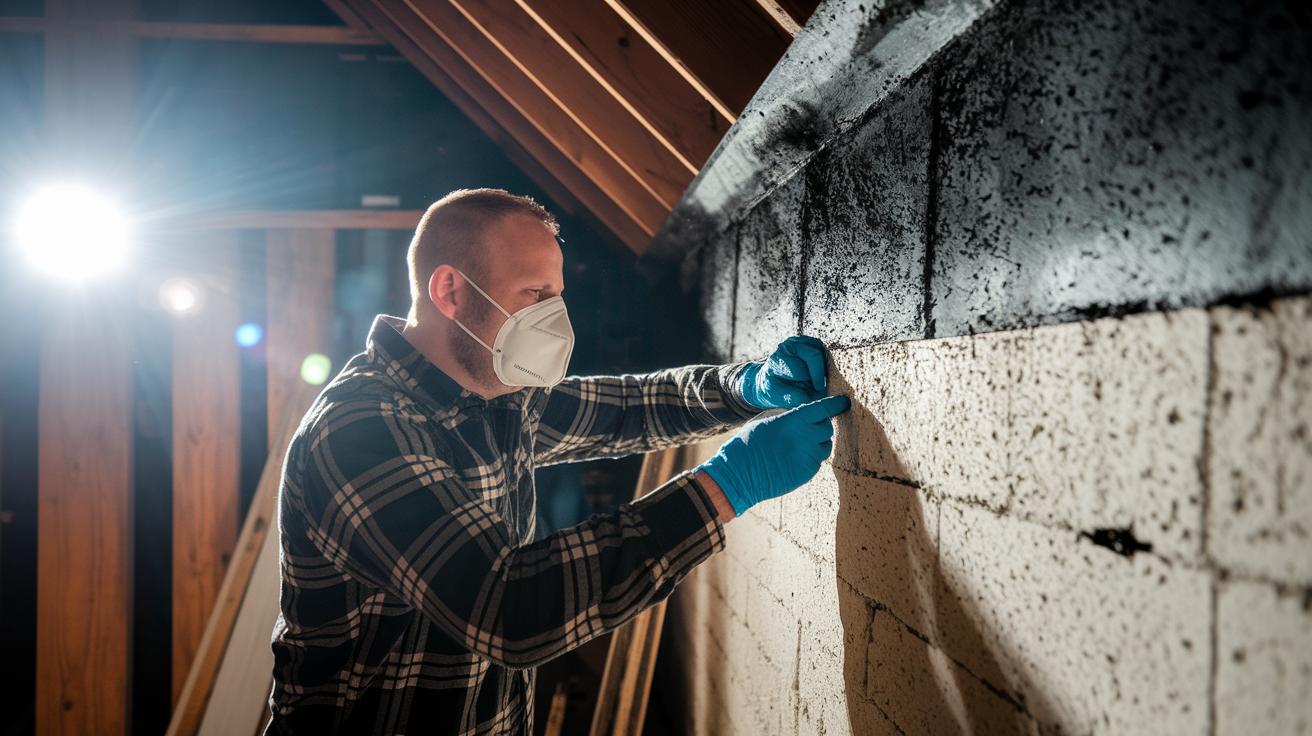
Sometimes homeowners try to clean up serious smoke damage by themselves. However, DIY fixes can end up making the damage worse. For example, using too much water on items that soak up liquids or skipping essential safety gear like masks and gloves can spread harmful soot and chemicals instead of containing them. Even if small soot spots seem manageable, hidden deposits in vents or on walls may be missed. This can leave behind stubborn smells or cause further damage.
When smoke damage covers large areas or the smell persists after a few cleaning attempts, it’s time to call in professionals. If you see signs of contamination on structural elements or soot deeply embedded in walls and ducts, expert help is needed. Skilled technicians use special foggers (machines that disperse cleaning solution as a fine mist) and sealed cleaning methods that reach areas regular tools cannot. Relying on professionals makes sure the cleanup is complete, protecting your health and preserving your home.
Final Words
In the action, we worked through assessing smoke damage, using protective equipment, removing soot and ash, and handling specific materials with care. We shared clear techniques to rid your property of lingering odors and stubborn residues. We also explained when it’s best to call in professionals to protect your belongings and health.
Keep this DIY guide for cleaning smoke damaged contents handy for future challenges. Stay safe, and remember that every step counts in getting your home back to a livable space.
FAQ
How can I clean smoke damaged contents using a DIY approach?
Cleaning smoke damage yourself is doable. Start by assessing each item’s condition, use proper protective gear like N95 masks and gloves, and gently remove soot with dry sponges or HEPA vacuums and approved cleaning solutions.
How do you clean smoke damage on walls and ceilings?
Cleaning smoke damage on walls and ceilings starts with dry removal using chemical sponges or HEPA vacuums to lift loose soot. Follow with a mild detergent solution and avoid over-wetting porous surfaces.
What smoke damage cleaning products can I use, including options from Home Depot?
Home improvement stores offer cleaning products such as chemical sponges, HEPA vacuums, and mild detergent solutions. These items help lift soot, neutralize odors, and are designed for safe, effective smoke damage cleanup.
What should be thrown away after smoke damage?
Items that are deeply saturated with soot or emit strong smoke odors should be discarded. This often includes certain fabrics, paper goods, and electronics that may retain harmful residues and persistent odors.
How do I clean after fire smoke damage effectively?
After fire smoke damage, begin with a thorough inspection, then carefully remove loose soot using appropriate tools. Next, clean surfaces with a mild detergent and address lingering odors using household remedies like baking soda or vinegar mist.
How much does smoke damage cleaning cost?
The cost of cleaning smoke damage varies greatly. DIY methods are usually less expensive, while professional services cost more depending on the extent of damage, area size, and required specialized treatments.
What is the best product to clean smoke damage?
The best approach uses a combination of protective gear, a chemical or dry-cleaning sponge for soot removal, and a mild detergent solution to clean surfaces without spreading residues further.
What does Servpro use to remove smoke smell?
Servpro uses specialized cleaning agents and techniques such as thermal fogging. These methods deeply penetrate materials to neutralize embedded odors and remove smoke smells from affected areas.
Can smoke damaged furniture be saved?
Smoke damaged furniture can often be restored. Using HEPA-filter vacuuming, steam cleaning, or professional upholstery treatments may save your furniture if the damage is not too severe.