
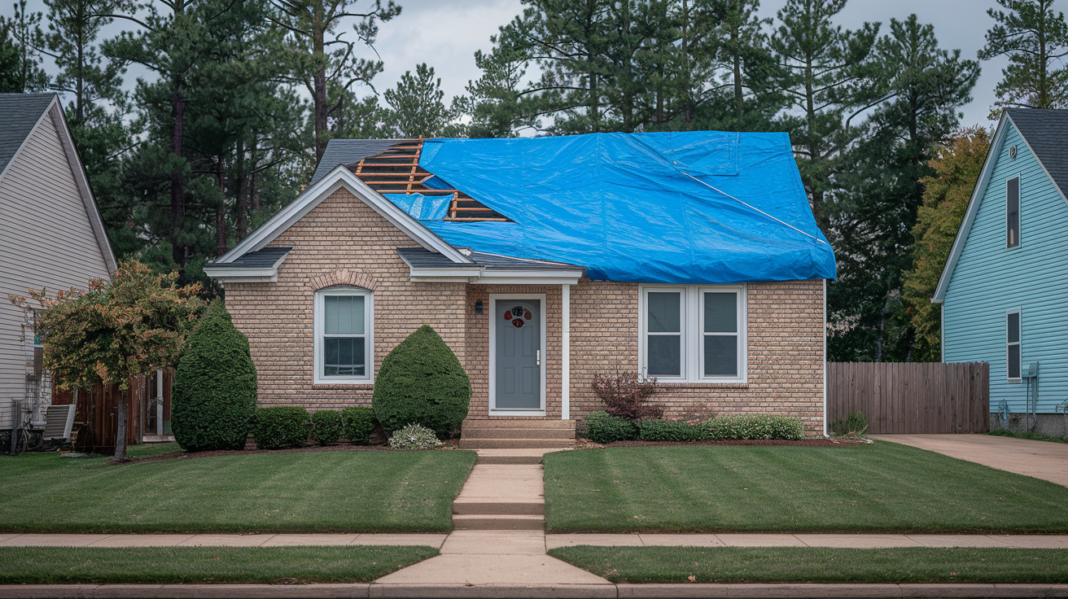

You just spotted a blue tarp on your neighbor’s roof, and maybe you’re wondering what happened or if you should worry about your own home. That bright blue covering means one thing: storm damage that needs quick protection before the next rain makes everything worse. When you see tarps going up, it’s a sign that roofs took a hit and homeowners are racing to stop water from getting inside and causing bigger problems. Understanding what that tarp really means, and when you might need one, helps you protect your home when damage strikes.
What Blue Tarps on Roofs Signal to the Community
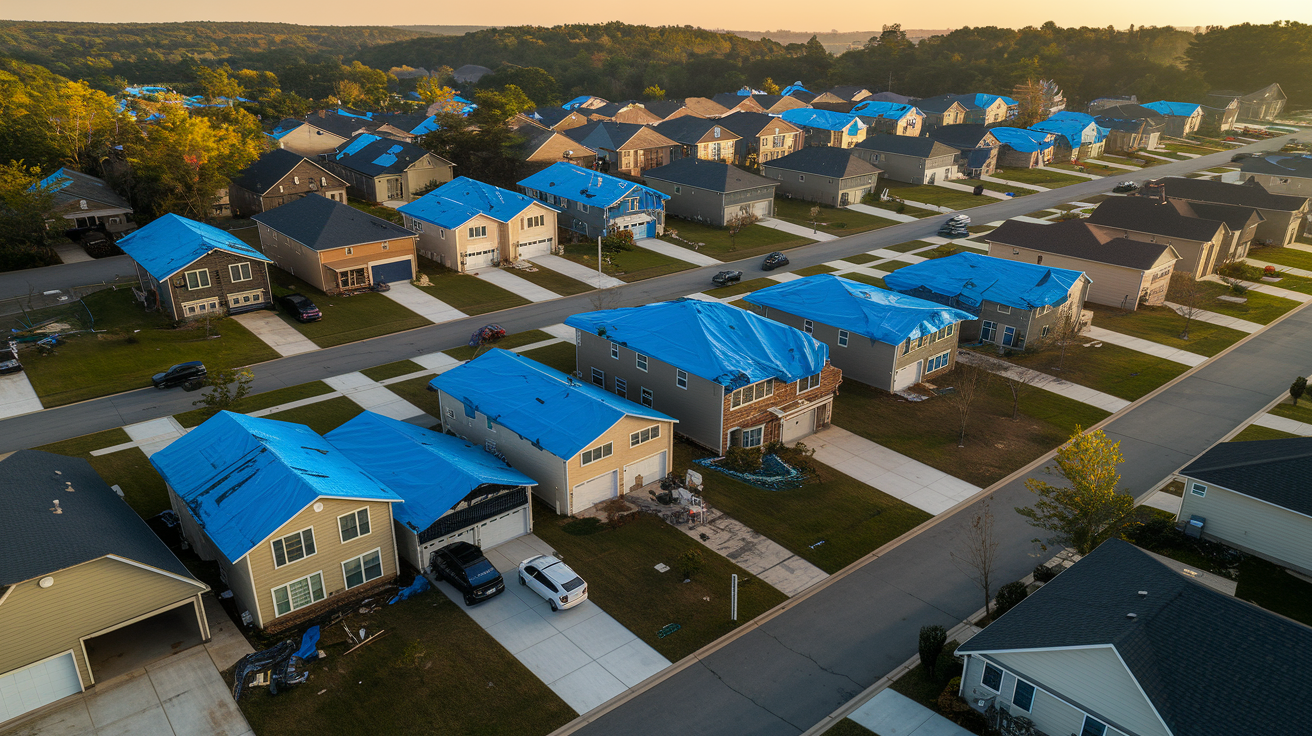
A blue tarp on a roof means the home has taken damage that needs immediate weather protection.
The practical reality is simple. The roof got damaged from storms, fallen debris, wear and tear, or other causes, and the tarp acts as an emergency barrier stopping water from getting in and making things worse. The tarp keeps rain out of damaged areas, protecting interior spaces from water damage, ceiling stains, soaked insulation, and mold while the homeowner figures out permanent repairs.
When blue tarps start showing up across multiple houses, it signals widespread storm damage hitting an entire area. The community’s in recovery mode after a serious weather event. After Hurricane Ian, thousands of Florida homes had blue tarps at the same time, creating a visual reminder of just how bad things got. This concentration of tarped roofs helps disaster assessment teams understand damage extent and coordinate emergency response across affected regions.
Blue became the industry standard for emergency tarping because it’s highly visible for aerial surveys, disaster assessment teams, and insurance adjusters doing damage assessments from vehicles or aircraft. Blue polyethylene tarps get mass produced, they’re cheap, and you can find them at any hardware store or through roofing contractors. That makes them the practical choice for emergency roof protection. The bright color also helps insurance companies and government agencies spot homes needing assistance during post disaster recovery.
Blue tarps show proactive damage mitigation to protect the property. They demonstrate the homeowner’s waiting for permanent repairs, dealing with insurance claims, or waiting for contractor availability when demand’s high.
Common Roof Damage Scenarios Requiring Emergency Tarping
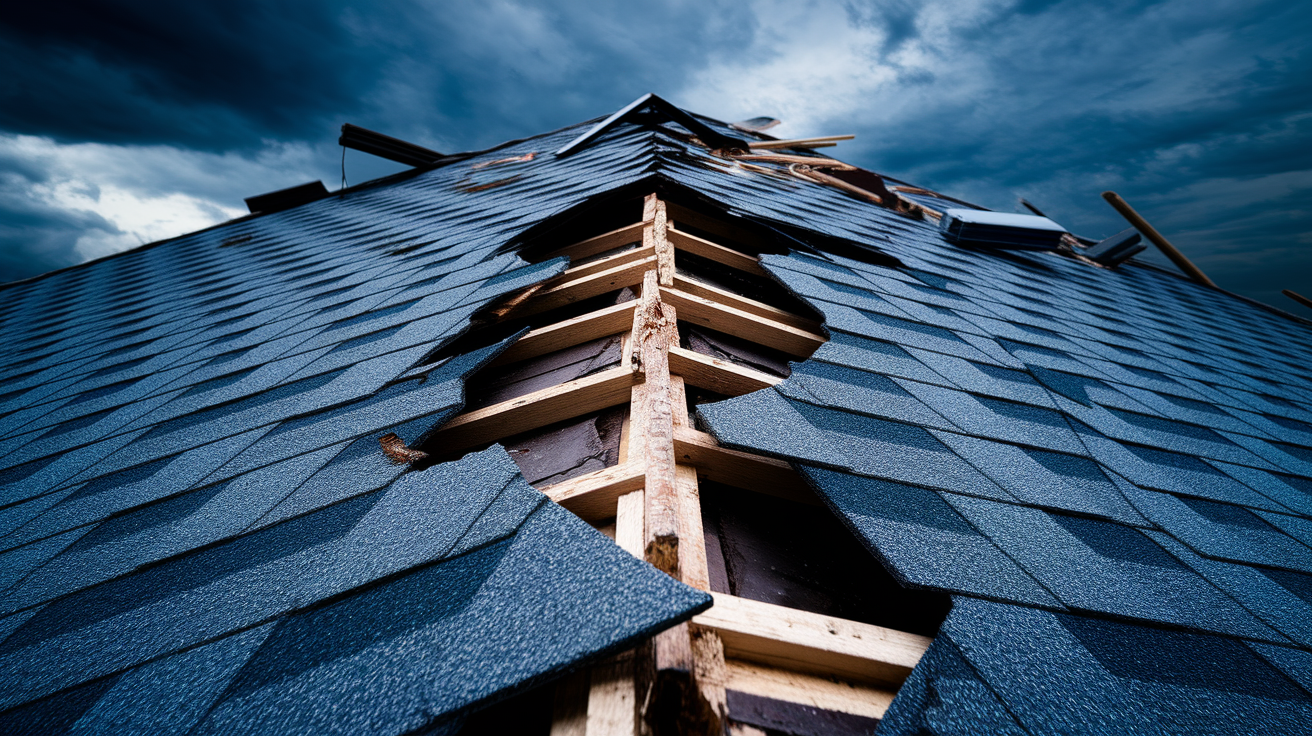
Multiple types of damage make emergency tarping necessary to protect homes from continued exposure.
Getting damage covered quickly with tarps matters. It prevents minor roof problems from turning into major structural issues requiring expensive interior repairs.
Common scenarios needing emergency tarping include:
Hurricane and tropical storm damage with wind blown shingles, lifted roofing materials, and compromised roof decking
Tornado damage causing partial roof collapse, missing sections, and exposed structural elements
Fallen tree limbs and branches puncturing roof surfaces and damaging underlying decking
Lightning strikes creating holes, splits, and thermal damage to roofing materials
Missing or blown off shingles leaving underlayment or decking exposed to weather
Hail damage causing widespread impacts that compromise shingle integrity and create leak points
Wind damage lifting flashing, tearing membrane materials, and separating roof components
Animal intrusion from raccoons, squirrels, or birds creating entry points and damaging roof materials
Tarps create a waterproof barrier stopping rain, snow, and moisture from entering damaged roof areas. This prevents interior damage including ceiling stains, insulation saturation, structural wood rot, and mold growth. The temporary covering maintains a dry interior environment while contractors schedule inspections, insurance adjusters assess claims, and homeowners arrange financing for permanent repairs. Without this protective barrier, even small damaged areas allow continuous moisture intrusion that quickly escalates repair costs.
Tarps protect against debris intrusion and further weather related deterioration while permanent repairs get arranged. The covering shields damaged roof decking from additional rain events, protects exposed insulation from moisture saturation, and keeps wind from lifting additional shingles around damaged areas. This protective layer buys time for proper repair planning without letting damage worsen with each passing storm.
FEMA’s Operation Blue Roof Program Explained
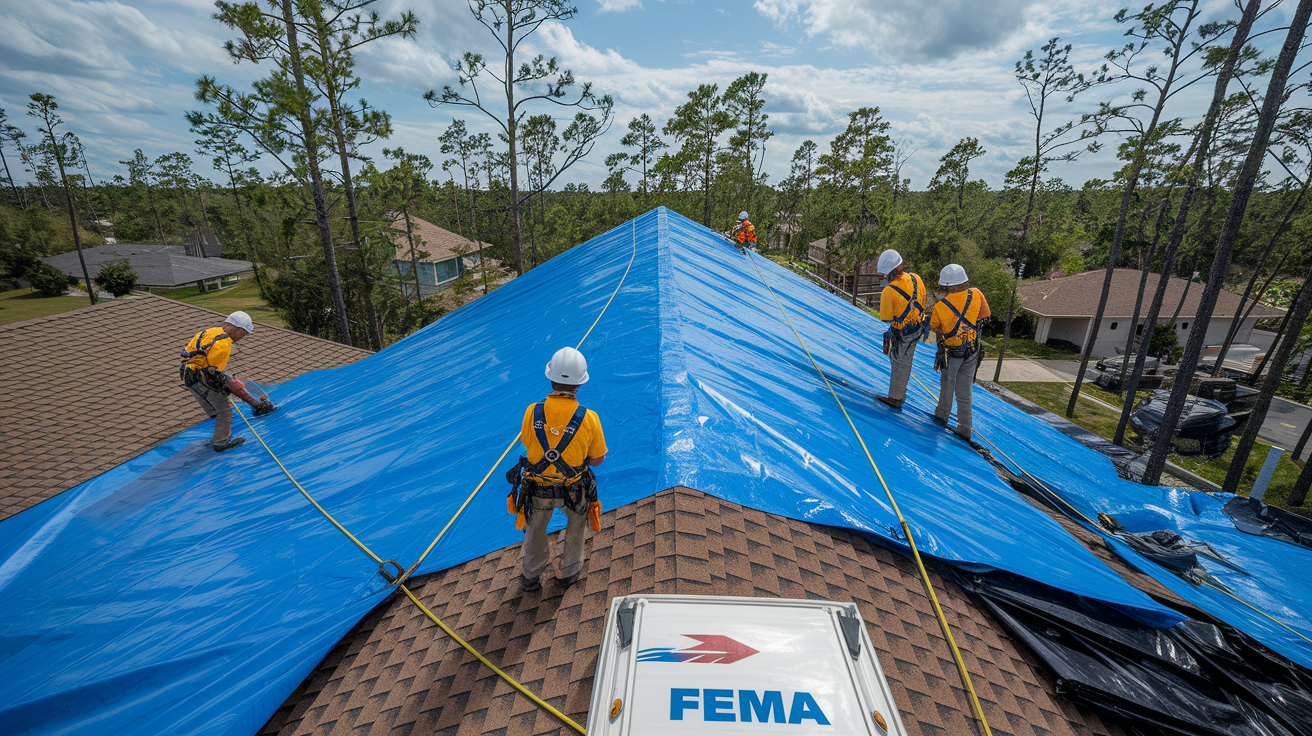
Operation Blue Roof is FEMA’s disaster response program providing emergency roof protection after major disasters.
The program gives free temporary roof covering after presidentially declared disasters in areas experiencing widespread roof damage from hurricanes, tornadoes, and severe storms. FEMA contracts with roofing companies to install blue tarps on damaged roofs at no cost to eligible homeowners, helping communities stabilize property damage during the critical weeks following disasters. After Hurricane Ian, thousands of Florida homeowners got free tarp installation through Operation Blue Roof, protecting homes while contractors worked through the massive backlog of permanent repair requests.
The program typically activates within days of a major disaster declaration and continues operating for several weeks until homeowners can arrange permanent repairs.
Program details include:
Eligibility requires homeowners with primary residences in declared disaster areas with visible roof damage from the qualifying storm event
Application process involves registering with FEMA disaster assistance and requesting Operation Blue Roof services through the agency’s helpline or website
Installation timeline varies based on damage volume, with crews prioritizing severely damaged homes and working through registered addresses systematically
Coverage limitations specify that tarps address emergency protection only, not permanent repairs, and homeowners remain responsible for arranging permanent roof restoration
Program availability depends on disaster declaration status and typically ends 30 to 60 days after activation, requiring homeowners to transition to permanent solutions or private tarping services
Insurance Claims and Blue Tarp Coverage

Most homeowners insurance policies cover emergency tarping costs as part of damage mitigation requirements.
Tarps demonstrate the homeowner’s duty to prevent further damage, which insurers require as a condition of coverage. Insurance policies typically include language requiring policyholders to take reasonable steps to protect property from additional damage after a covered loss, and emergency tarping qualifies as a necessary protective measure. Homeowners who don’t tarp damaged roofs may face claim denials for secondary water damage that happens after the initial storm event, making prompt tarping both a practical necessity and an insurance obligation.
Tarps protect property during the claims assessment period while adjusters inspect and process claims.
Typical coverage includes installation costs ranging from $200 to $1,000, materials including the tarp and securing components, and the importance of documentation with photos and receipts proving the expense. Most insurance companies reimburse emergency tarping costs as part of the dwelling coverage without counting against policy limits, recognizing these expenses as damage mitigation rather than repairs. Keep all receipts from professional tarp installation and photograph the damaged areas before and after tarp placement to support your claim documentation. Insurance adjusters often need several days or weeks to inspect damage before authorizing payment, making tarps necessary temporary coverage during claims processing. For comprehensive support during water intrusion events, water damage home repair services coordinate emergency stabilization with insurance documentation requirements.
Proper Blue Tarp Installation on Damaged Roofs
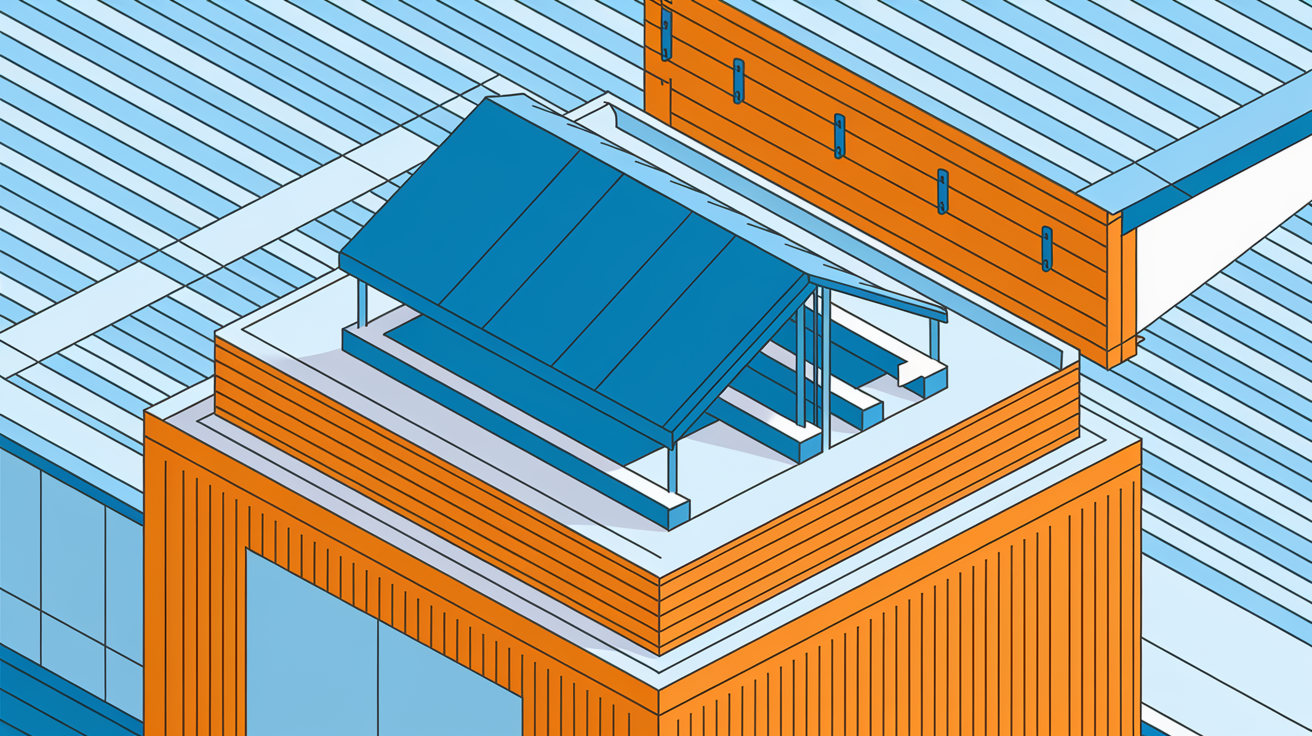
Professional installation follows a systematic process ensuring effective weather protection and secure attachment.
Assess the Roof Damage
Damage inspection and measurement require climbing onto the roof to identify all compromised areas, missing shingles, exposed decking, and potential leak points. Measure the damaged area and add several extra feet on all sides to ensure adequate coverage that extends well beyond the compromised section.
Select the Appropriate Tarp Size and Type
Choose heavy duty polyethylene tarps with reinforced edges sized to exceed the damaged area by at least three to four feet in all directions, ensuring the tarp reaches intact roof surfaces for proper securing.
Clear Debris from the Roof Surface
Remove loose shingles, broken materials, tree branches, and any debris from the damaged area before tarp placement to create a smooth surface that allows the tarp to lay flat without puncture risks from sharp objects underneath.
Position the Tarp Correctly
Lay the tarp over the damaged area with proper overlap extending beyond damage boundaries, ensuring the tarp reaches from ridge to eave when possible and covers enough surface area for secure attachment to solid roof structure.
Secure the Tarp Using Proper Methods
Wrap 2×4 anchor boards in tarp edges rather than nailing directly through the material, which tears easily under wind stress. Sandwich the tarp edge between two boards and nail or screw the boards into solid roof decking, creating a secure attachment that distributes stress across the board length rather than at individual nail points. Use weights like sandbags or lumber pieces for temporary securing when immediate repairs are anticipated and permanent attachment isn’t necessary.
Professional roofing contractors should handle installation for safety and effectiveness. Working on damaged roofs involves serious fall risks, requires proper safety equipment including harnesses and stable ladder placement, and demands experience judging structural stability of compromised roof sections. Contractors carry liability insurance protecting homeowners from injury claims and ensure proper installation that withstands wind without causing additional damage to surrounding roof areas.
Roof Inspection and Damage Assessment Before Tarping
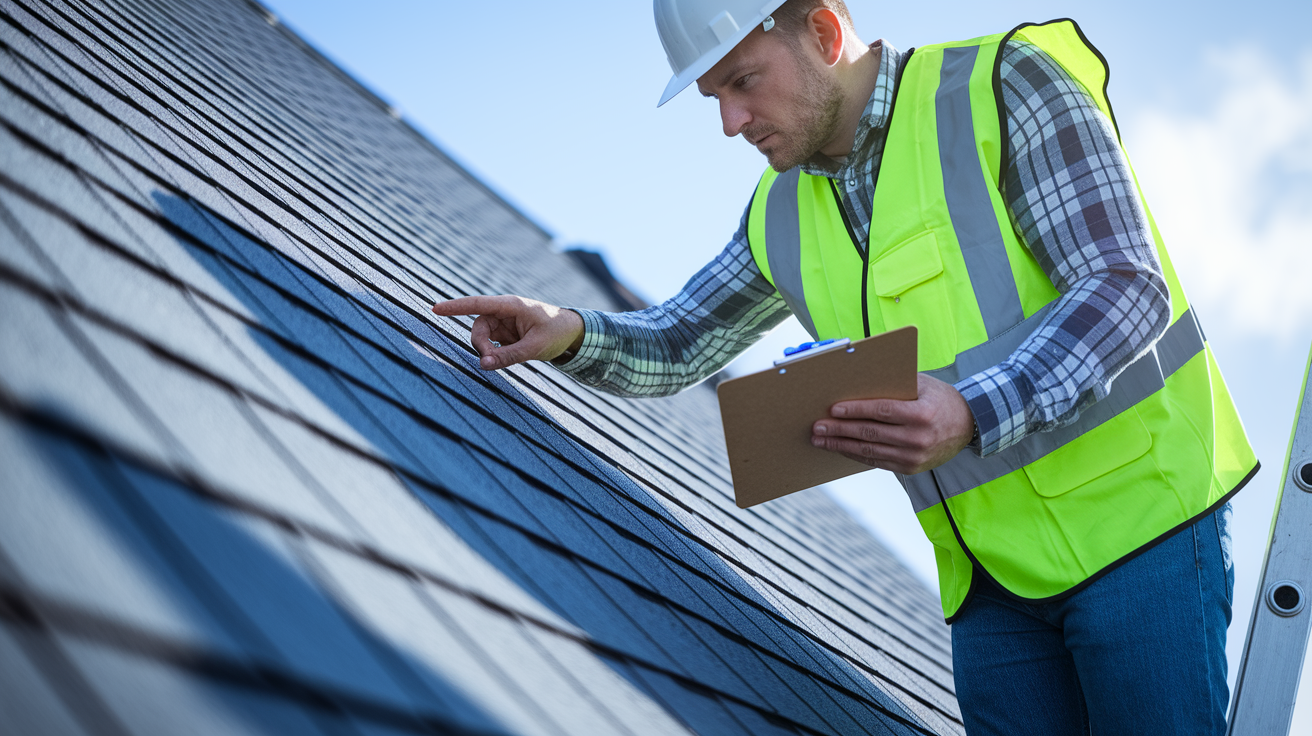
Proper damage assessment matters before tarping to understand the full scope of roof compromise.
Inspections identify the extent of damage, affected areas, and necessary tarp coverage while documenting the condition for insurance purposes. Professional contractors examine the roof surface, check for hidden damage not visible from ground level, and determine whether the roof structure remains stable enough to support workers during tarp installation. This assessment prevents tarping over damaged decking that might collapse under worker weight and identifies secondary damage that might not be immediately obvious from exterior observation. For immediate professional assessment after discovering damage, emergency home repair services respond quickly to evaluate conditions and implement protective measures.
Documentation through photos is crucial for insurance claim support, showing the damage condition immediately after the storm and proving the need for emergency tarping expenses.
Complete inspection areas include:
Missing shingles showing how many are gone and whether the underlying felt or decking is exposed
Exposed decking indicating whether wood sheathing has water staining, soft spots, or structural compromise
Flashing damage around chimneys, vents, valleys, and roof edges where metal components may be bent, torn, or separated
Underlayment condition checking whether felt paper or synthetic underlayment remains intact or has torn away
Attic moisture inspecting for water stains, wet insulation, or active leaking that indicates damage location and severity
Interior ceiling stains documenting water damage inside the home that correlates with roof damage locations
Structural integrity evaluating whether rafters, trusses, or decking show signs of damage requiring immediate attention beyond tarping
Tarp Durability and Maintenance Requirements
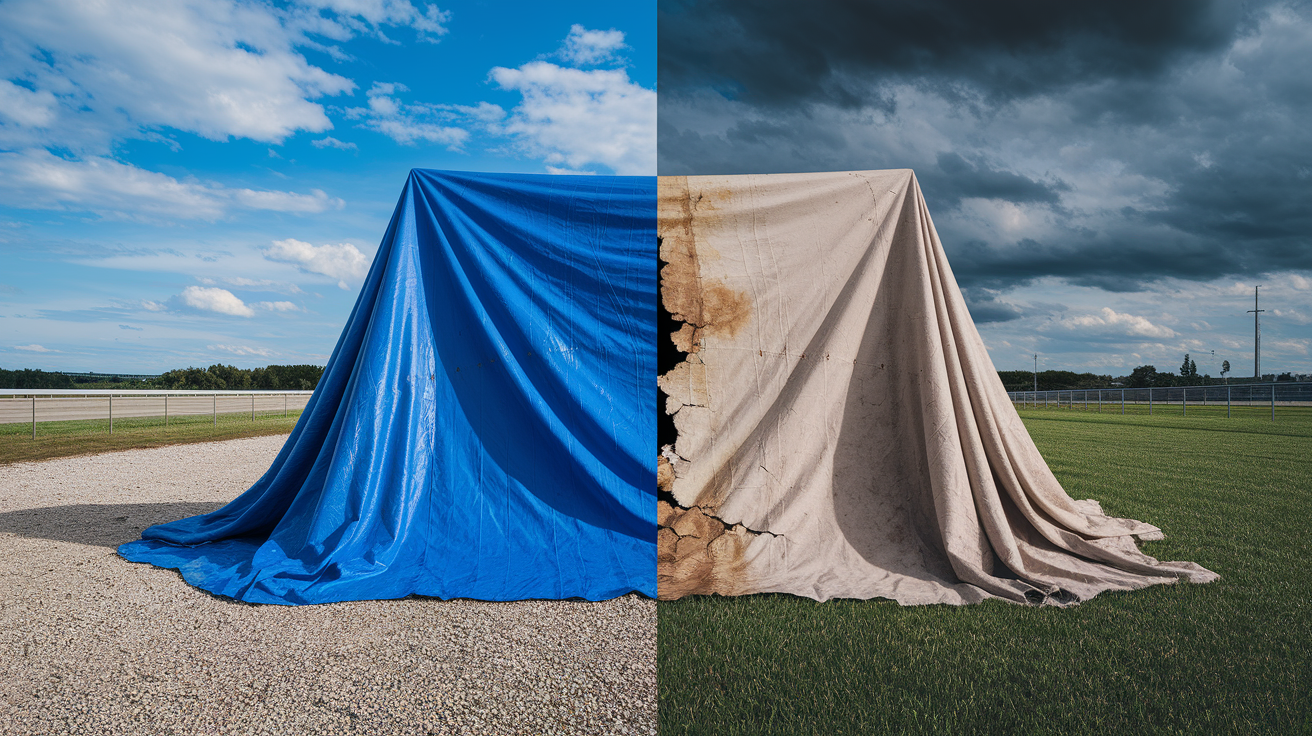
Heavy duty blue tarps typically last 30 to 90 days depending on weather conditions and installation quality.
Tarps are explicitly temporary solutions requiring eventual replacement with permanent roofing because the material degrades under sun exposure, tears under wind stress, and loses waterproof integrity over time. No tarp provides a permanent fix regardless of quality or installation method. You need to understand that tarping is emergency stabilization, not roof repair, and permanent solutions must follow within the tarp’s effective lifespan to prevent renewed damage when the tarp fails.
Regular professional inspection for tarp integrity, proper securing, and potential need for tarp replacement before permanent repairs ensures continued protection during the waiting period. Schedule inspection every two to three weeks during the tarped period, checking for tears, lifted edges, loosened securing points, and water pooling that might indicate improper drainage or tarp positioning.
Factors affecting tarp lifespan and maintenance considerations:
UV exposure breaks down polyethylene material, causing brittleness and tearing within 60 to 90 days of direct sun exposure
Wind conditions place stress on secured edges, potentially lifting tarps or tearing material at attachment points during storms
Installation quality determines whether securing methods withstand weather stress or fail prematurely due to improper technique
Tarp material grade affects durability, with heavy duty options lasting longer than light duty tarps not designed for roofing applications
Weather severity during the tarped period impacts lifespan, with multiple rain events and high winds accelerating deterioration
Securing method effectiveness influences how well the tarp remains in place, with proper anchor board techniques outperforming direct nailing
Inspection frequency requirements depend on weather activity, with post storm checks necessary after each significant wind or rain event
Repair Versus Replacement Decisions for Tarped Roofs
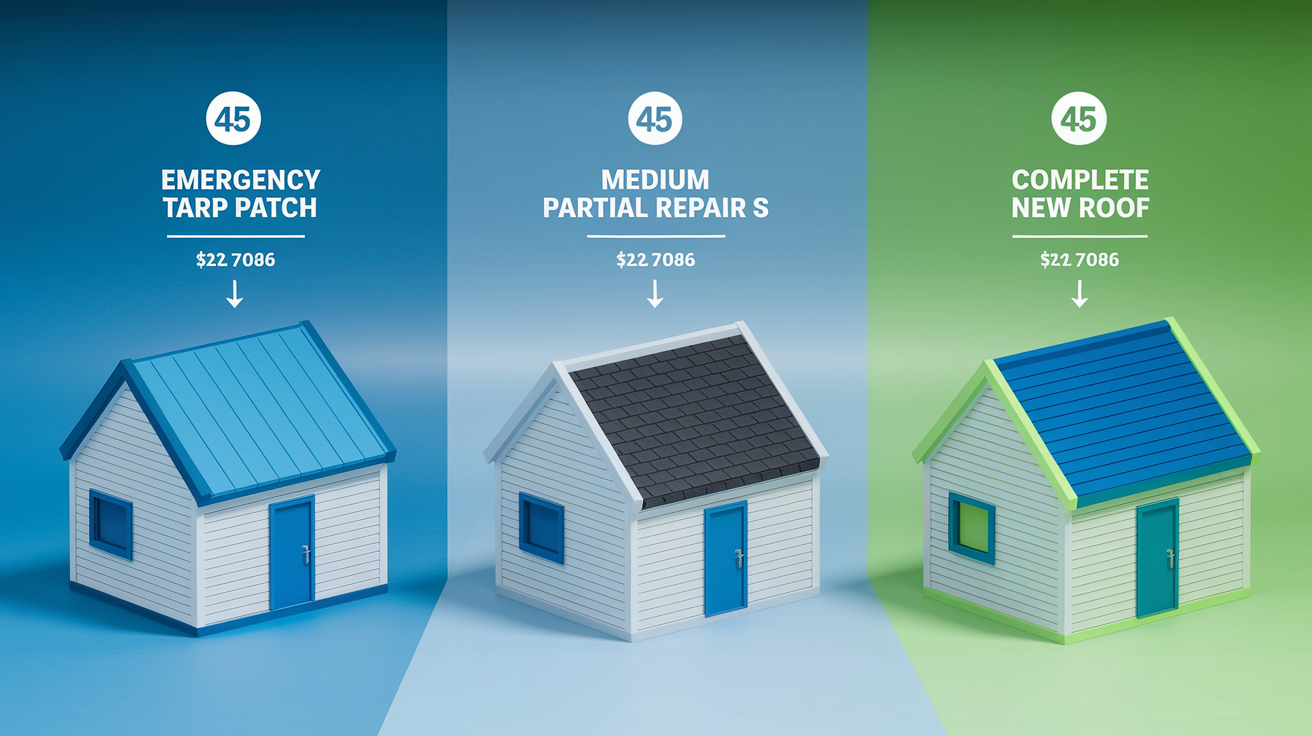
Extensive tarp coverage often indicates damage too severe for simple repairs, particularly when the tarped area exceeds 30% of the total roof surface or when damage affects multiple roof planes. Roof age combined with damage severity influences replacement decisions. Older roofs near the end of their typical lifespan (15 to 25 years depending on material) make poor candidates for partial repairs that only extend function temporarily. When a 20 year old roof experiences significant storm damage, full replacement provides better long term value than patching the damaged section only to face additional repairs as the aging undamaged sections fail over the next few years.
Typical tarp installation costs as temporary emergency measures usually range from $200 to $1,000 depending on damage size and roof access difficulty, while partial roof repairs cost $1,500 to $5,000, and full roof replacement ranges from $8,000 to $25,000 based on home size and material selection.
| Solution | Typical Cost Range | Duration | Insurance Coverage |
|---|---|---|---|
| Emergency Tarping | $200 – $1,000 | 30-90 days | Usually covered under mitigation |
| Partial Roof Repair | $1,500 – $5,000 | 5-10 years | Covered if storm-related with deductible |
| Full Roof Replacement | $8,000 – $25,000 | 15-30 years | Covered if storm-related with deductible |
Permanent replacement makes more sense financially than repeated repairs when damage is extensive, the roof is older than 15 years, or when insurance coverage will pay for replacement after the deductible. Insurance coverage factors include whether the policy provides replacement cost value or actual cash value, the deductible amount (typically $1,000 to $2,500), and whether the damage qualifies as a covered peril. Some policies include clauses limiting coverage on older roofs or requiring depreciation calculations that reduce payout amounts, making it important to review policy specifics before deciding between repair and replacement.
Older roofs near end of life may use tarps while homeowners arrange financing for full replacement. Spending money on repairs doesn’t make financial sense when the entire roof needs replacement within a few years anyway. Budgeting for permanent solutions involves working with insurance to understand coverage and out of pocket costs, obtaining multiple contractor estimates, considering payment plans or contractor financing options, and potentially accessing home equity or emergency fund savings for deductible payment and any coverage shortfalls.
Safety Concerns and Risks of DIY Blue Tarp Installation
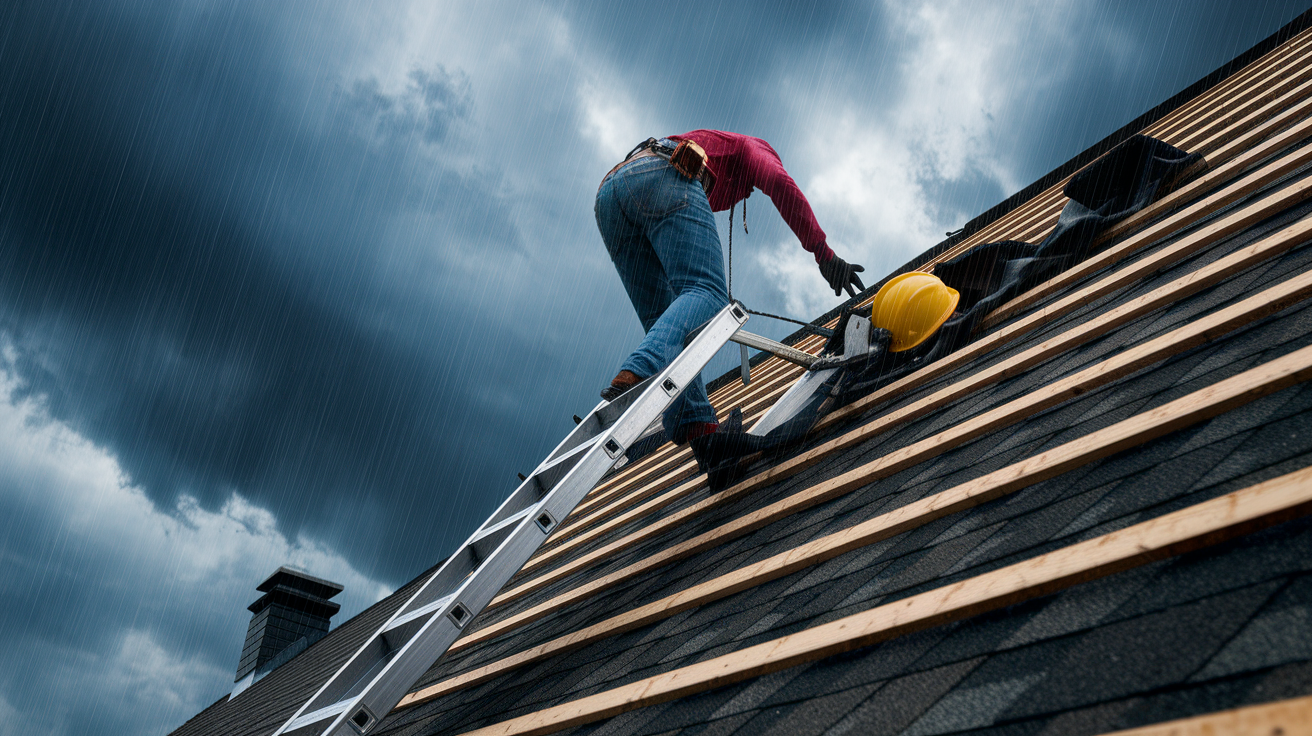
Tarping damaged roofs involves serious safety hazards that homeowners without proper training and equipment can’t safely manage.
Specific safety risks of DIY tarping include:
Working at height on residential roofs typically 10 to 30 feet above ground creates fall risks that cause serious injuries or death
Unstable damaged roof surfaces may have compromised decking that can’t support weight safely, creating collapse risks
Weather conditions during emergency situations often include wind, rain, or recently wet surfaces that increase slip and fall hazards
Improper equipment such as inadequate ladders, missing fall protection, or incorrect securing tools increases accident risk
Inadequate securing causing further damage when DIY methods fail to hold tarps properly, allowing wind to lift them and tear additional shingles
Potential for injury requiring emergency room treatment, resulting in medical bills that exceed professional installation costs
Professional contractors have proper safety equipment including OSHA compliant fall protection harnesses, stable commercial grade ladders and roof jacks, and liability insurance covering any injuries that occur during installation.
Emergency situations require professional response for safety and effectiveness. Trained crews complete installations quickly and correctly without exposing homeowners to unnecessary injury risks.
Legal and Code Requirements for Temporary Roof Tarps
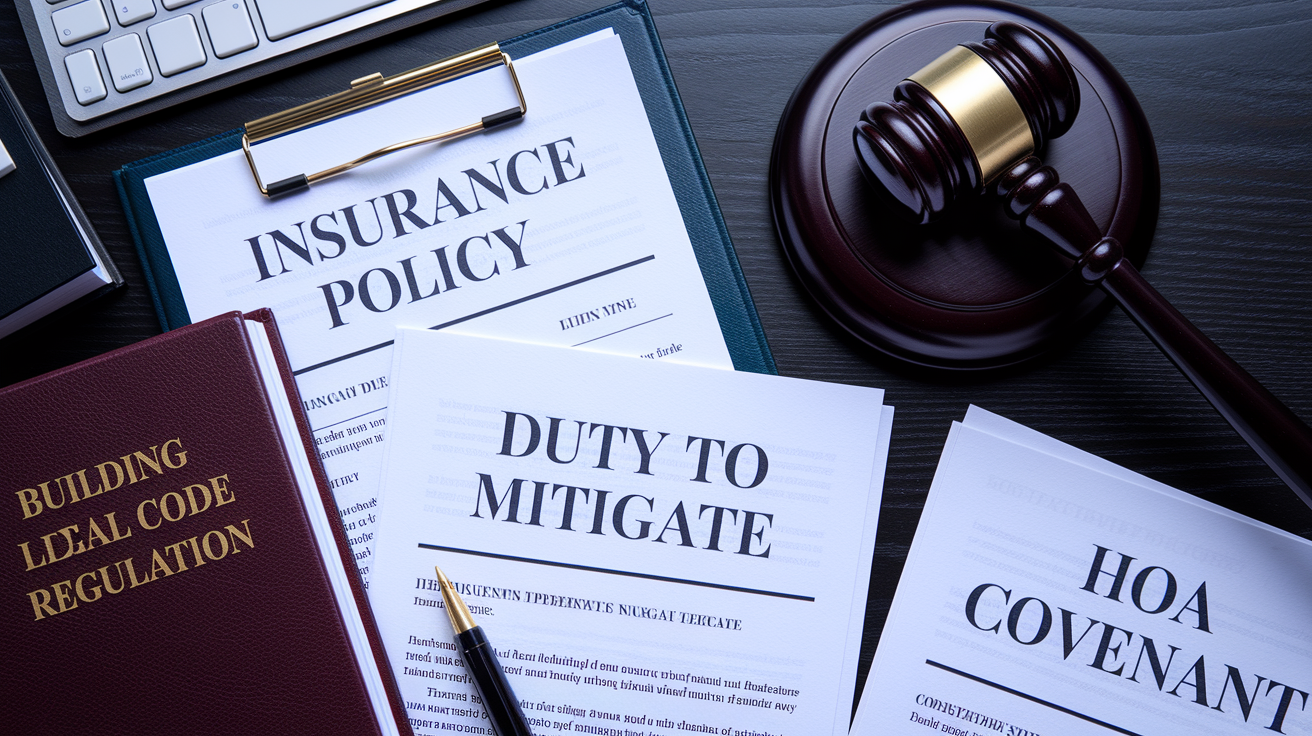
You have a legal duty to mitigate damage under most insurance contracts, meaning you must take reasonable steps to prevent additional damage after a covered loss.
Failure to tarp and prevent further damage may result in denied insurance claims for secondary damage including water damage to interior spaces, mold growth, and structural deterioration that occurs after the initial storm event but before permanent repairs. Insurance companies can legally refuse payment for damage that results from your failure to act, making prompt tarping both a practical necessity and a legal obligation under the insurance agreement’s mitigation clause.
Local permitting and code considerations for temporary structures exist in some jurisdictions, though most areas exempt emergency tarps from permit requirements as temporary protective measures. Check with local building departments if tarps will remain in place longer than 90 days, as extended temporary structures may trigger permit or inspection requirements.
HOA regulations may have specific requirements or restrictions regarding tarp appearance and duration, with some communities limiting how long tarps can remain visible or requiring specific colors or installation methods. Review HOA covenants and notify the association about storm damage and temporary tarping to avoid potential fines or violations during the repair period.
Next Steps After Blue Tarp Installation on Your Roof
Tarping is just the first step in roof damage recovery, with several critical actions required to complete the claim process and arrange permanent repairs.
Follow these steps after tarp installation:
Document damage with photos showing the damaged areas before tarping, the tarped roof from multiple angles, and any interior water damage for insurance claim support
Contact insurance company immediately to report the damage and begin the claim process, providing policy number and brief damage description
File claim promptly within the timeframe specified in your policy, typically within a few days to several weeks of discovering damage
Schedule adjuster inspection as soon as possible to have the insurance company assess damage, document losses, and determine covered repair costs
Obtain multiple contractor estimates from licensed roofing companies for permanent repair work, ensuring estimates are detailed and include all necessary work
Review coverage and out of pocket costs including your deductible amount, any policy limitations, and the timeline for insurance payment
Schedule permanent repairs with a qualified contractor once insurance coverage is confirmed and financing is arranged
Maintain tarp integrity until repairs complete by inspecting the tarp regularly and contacting the installer if securing fails or tears develop
Timeline expectations vary based on contractor availability, insurance processing speed, and the extent of community damage affecting repair scheduling, with permanent repairs typically occurring 2 to 12 weeks after tarping depending on storm severity and regional contractor capacity. Stay proactive throughout the repair process by following up with insurance adjusters weekly, maintaining communication with contractors, and checking tarp condition after weather events. For coordinated permanent repair work after emergency stabilization, home repair services manage the complete restoration process from initial damage through final finishes.
Final Words
A blue tarp on a roof means immediate action was taken to protect a home from further damage. It signals that the homeowner is working through the repair process, whether that involves insurance claims, contractor scheduling, or arranging financing for permanent fixes.
Tarps are temporary solutions, not endpoints. They buy time while you coordinate the right permanent repairs with qualified professionals.
If you see a blue tarp on your roof or your neighbor’s, it means someone is actively managing damage and preventing it from getting worse. That’s exactly what responsible property protection looks like after unexpected damage strikes.
FAQ
Why do people put blue tarps on their roof?
People put blue tarps on their roofs to create emergency temporary protection after storm damage, wind damage, fallen debris, or other roof failures that expose the interior to weather and moisture intrusion.
What does a blue tarp on a house mean?
A blue tarp on a house means the roof has sustained damage requiring immediate waterproof coverage to prevent further water damage, mold growth, and interior deterioration while the homeowner arranges permanent repairs.
Who puts blue tarps on roofs?
Professional roofing contractors typically put blue tarps on roofs because installation involves safety risks from working at height on damaged surfaces, though FEMA’s Operation Blue Roof program installs tarps free after presidentially declared disasters.
What do blue tarps mean?
Blue tarps mean active damage mitigation efforts are underway to protect property from water intrusion and signal the homeowner is working through insurance claims, contractor scheduling, or waiting for repair materials and permanent roof restoration.
How long can a blue tarp stay on a roof?
A blue tarp can stay on a roof for 30 to 90 days typically, depending on weather conditions, UV exposure, installation quality, and tarp material grade before requiring replacement or permanent roofing repairs.
Does homeowners insurance cover blue tarp installation?
Homeowners insurance covers blue tarp installation costs as part of required damage mitigation when storm damage is documented, including materials and professional installation expenses, which homeowners should document with photos and receipts.
Should I install a roof tarp myself?
You should not install a roof tarp yourself due to serious safety hazards including working at height, unstable damaged surfaces, weather exposure risks, and potential for improper securing causing additional damage or injury.
When does a tarped roof need full replacement instead of repair?
A tarped roof needs full replacement instead of repair when damage covers extensive areas, the roof age is near end-of-life, or repeated storm damage makes replacement more cost-effective than ongoing repair expenses.
What happens if I don’t tarp my damaged roof?
If you don’t tarp your damaged roof, water intrusion causes secondary damage including ceiling stains, insulation saturation, structural wood rot, and mold growth, which insurance may not cover due to failure to mitigate.
How do I apply for FEMA’s Operation Blue Roof program?
You apply for FEMA’s Operation Blue Roof program after a presidentially declared disaster by contacting FEMA directly, providing proof of storm damage, and meeting eligibility requirements for free temporary roof protection installation.