
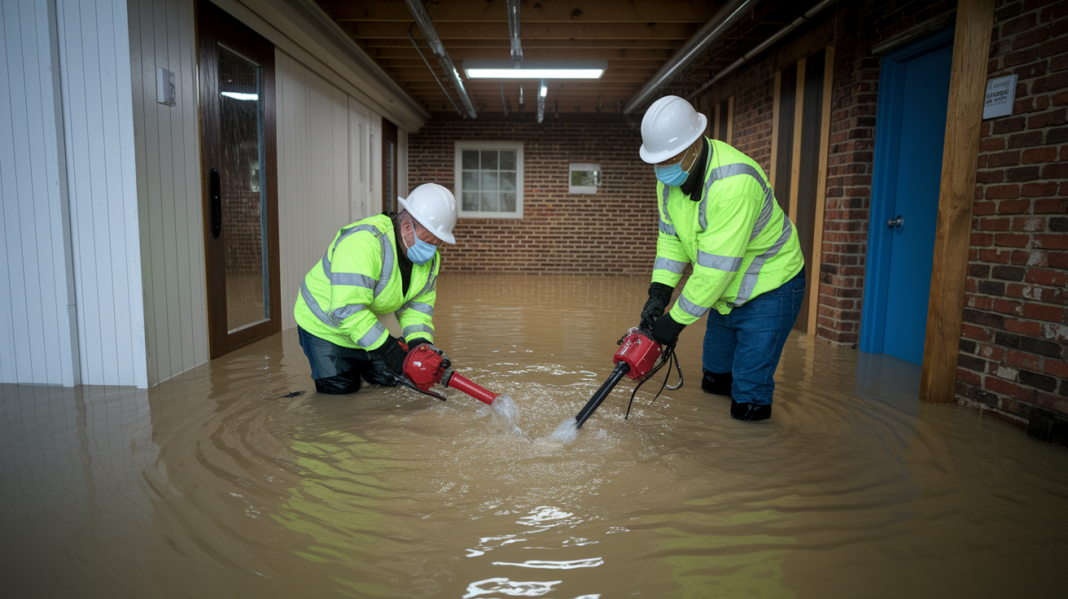

Most homeowners think all water damage is the same until they’re standing in their kitchen wondering why their insurance company keeps asking, “Did the water come from inside or outside your house?” That distinction isn’t insurance paperwork nonsense. It changes everything about cleanup, safety, timeline, and cost. Water damage from a burst pipe and flood damage from a storm surge require completely different restoration approaches because floodwater carries contamination that interior water leaks don’t. Understanding which problem you’re facing helps you call the right professionals and protect your family from serious health risks during cleanup.
Key Differences Between Flood and Water Damage Restoration
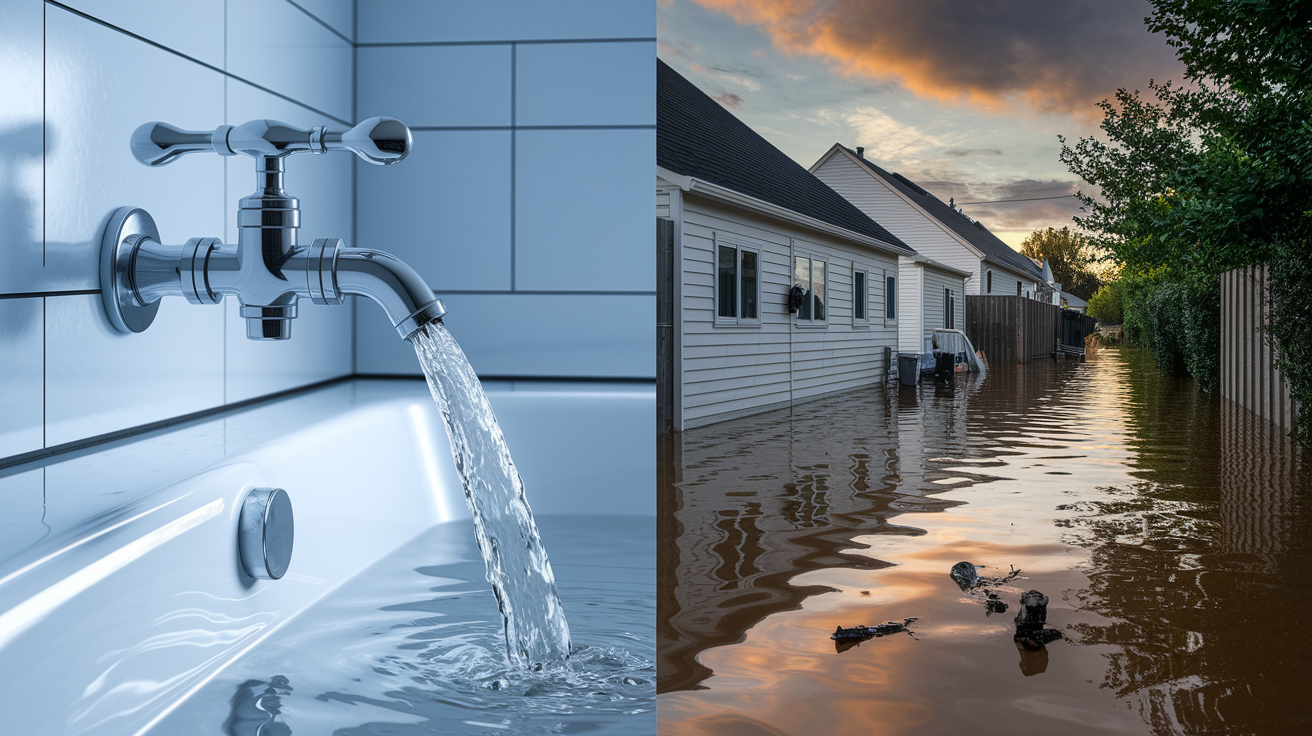
The core difference between flood damage restoration and water damage restoration comes down to a simple question: where did the water come from? Water damage handles problems from internal sources. Burst pipes, leaky water heaters, washing machine overflows, roof leaks. Flood damage addresses water from external environmental sources like heavy rainfall, river overflow, storm surges, and flash flooding. If the water came from inside your home, it’s water damage. If it came from outside, it’s flood damage.
This source distinction matters because it affects everything else. Water damage typically affects individual homes in isolation, often just a single room or section. Flood damage is more severe and extensive, frequently covering entire floors and impacting multiple properties simultaneously across a neighborhood. Water damage from sources like plumbing failures usually involves clean or gray water, which presents minimal contamination risk. Floodwaters are classified as Category 3 black water, containing sewage, chemicals, pathogens, debris, and mud that create significant health risks from bacteria, viruses, and potential mold exposure.
| Aspect | Water Damage Restoration | Flood Damage Restoration |
|---|---|---|
| Water Source | Internal household sources (pipes, appliances, roof) | External environmental sources (storms, rivers, rainfall) |
| Contamination Level / IICRC Category | Category 1 (clean) or Category 2 (gray water) | Category 3 (black water with sewage, chemicals, pathogens) |
| Affected Area Scope | Localized to specific rooms or sections | Extensive, often entire floors or multiple properties |
| Typical Severity | Moderate, usually contained damage | Severe, widespread structural and contamination issues |
| Common Causes | Burst pipes, appliance malfunctions, roof leaks, plumbing failures | Heavy rainfall, hurricanes, river overflow, storm surges, flash flooding |
| Health Risk Level | Low to moderate (depends on water category) | High (contaminated with bacteria, viruses, chemicals) |
Comprehensive Water Damage Restoration: Process, Timeline, and Equipment
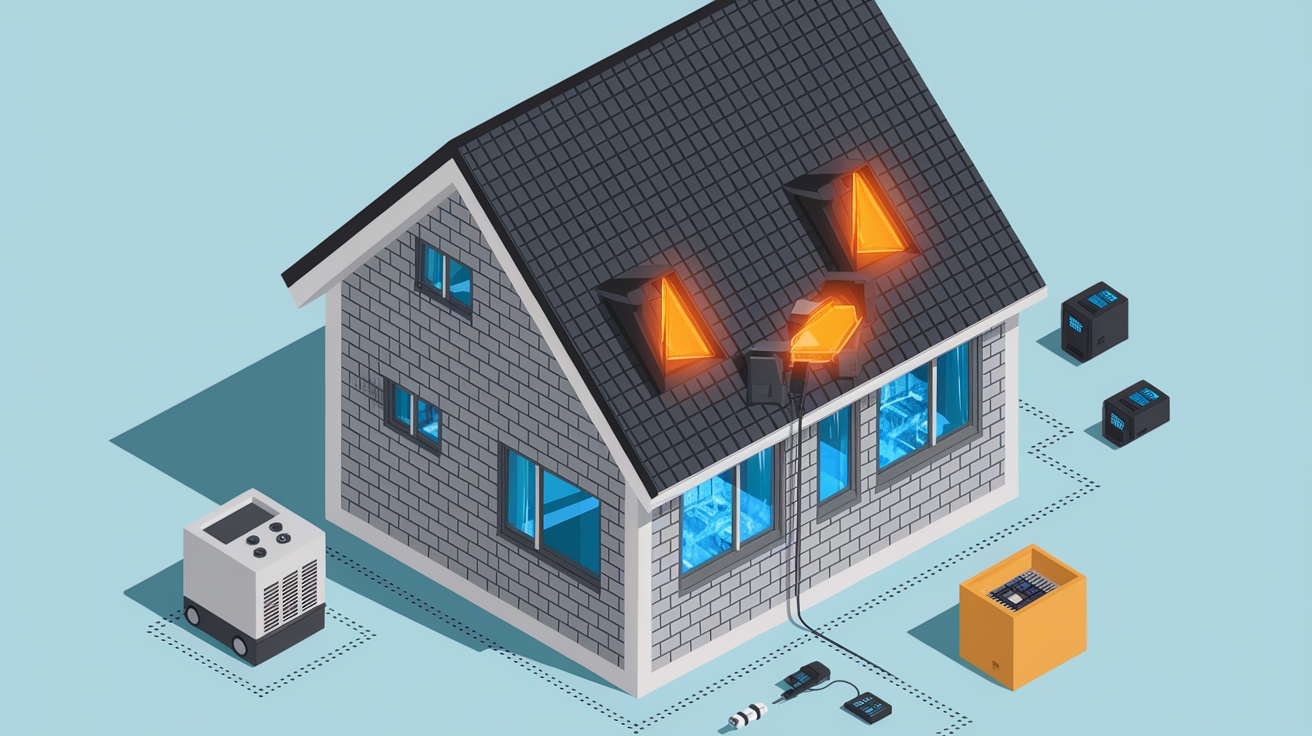
Water damage refers to destruction caused by unwanted or excessive water from internal household sources. It can happen suddenly when a pipe bursts or a washing machine hose fails. It can also develop gradually through a slow roof leak that goes unnoticed for weeks. Common water damage sources include roof leaks from storm damage, plumbing failures in supply lines or drain pipes, washing machine malfunctions, dishwasher overflows, water heater leaks, HVAC system condensation issues, and sewage backups from clogged lines.
Professional assessment is critical even for seemingly minor water damage. Certified technicians identify hidden moisture trapped in wall cavities, subflooring (the layer under your flooring), and insulation where homeowners can’t see it. The clock starts immediately because mold can start growing within 24 to 48 hours if affected areas aren’t dried properly.
The water damage restoration process follows these steps:
Emergency contact and rapid response. Professional teams respond within hours of your call, arriving with extraction and drying equipment ready to deploy immediately.
Source identification and water shut off. Technicians locate the leak or failure point and stop water flow at the source, whether that means closing supply valves, shutting off the main water line, or coordinating emergency plumbing repairs.
Standing water extraction. Truck mounted or portable extraction units remove standing water from floors, carpets, and other surfaces using powerful vacuum systems.
Moisture detection and damage assessment. Moisture meters measure hidden dampness levels inside walls, floors, and ceilings while thermal imaging cameras detect water presence behind surfaces without invasive investigation.
Structural drying. Industrial fans promote rapid air circulation across wet surfaces while commercial dehumidifiers pull humidity from the air and materials, creating optimal drying conditions.
Damage repair, antimicrobial treatment, and final moisture verification. After drying, technicians apply antimicrobial treatments to prevent mold growth, repair damaged materials like drywall and flooring, and verify with moisture meters that all affected areas have returned to normal levels.
The specialized equipment makes the difference between proper restoration and ongoing problems. Moisture meters measure dampness levels inside materials that look dry on the surface. Thermal imaging detects temperature variations that indicate water presence in walls and ceilings. Industrial fans move thousands of cubic feet of air per minute to accelerate evaporation. Commercial dehumidifiers continuously remove moisture from the air and pull it out of saturated materials.
Water damage can take 3 to 5 days to dry out completely, depending on the extent of saturation and materials affected. During this period, dehumidifiers run continuously, fans stay positioned on wet areas, and technicians monitor moisture levels daily. Antimicrobial treatments prevent mold growth during the critical drying window. Final verification ensures that all affected areas have returned to normal moisture levels before equipment is removed and repairs begin. Minor water damage caught early might resolve in three days, while significant saturation affecting multiple rooms could require the full five days or slightly longer.
Comprehensive Flood Damage Restoration: Process, Timeline, and Safety Protocols
Flood damage occurs when water from external environmental sources submerges a home, typically from large scale natural events. According to the National Flood Insurance Program (NFIP), a flood is defined as excess water covering at least two acres of normally dry land or affecting two or more properties. Primary causes include heavy rainfall that overwhelms drainage systems, hurricanes and tropical storms bringing storm surge, river overflows (called riverine flooding), and flash flooding from sudden intense rainfall. Flooding can range from just a few inches to several feet of standing water. Even a few inches can cause severe structural damage to flooring, drywall, and building materials.
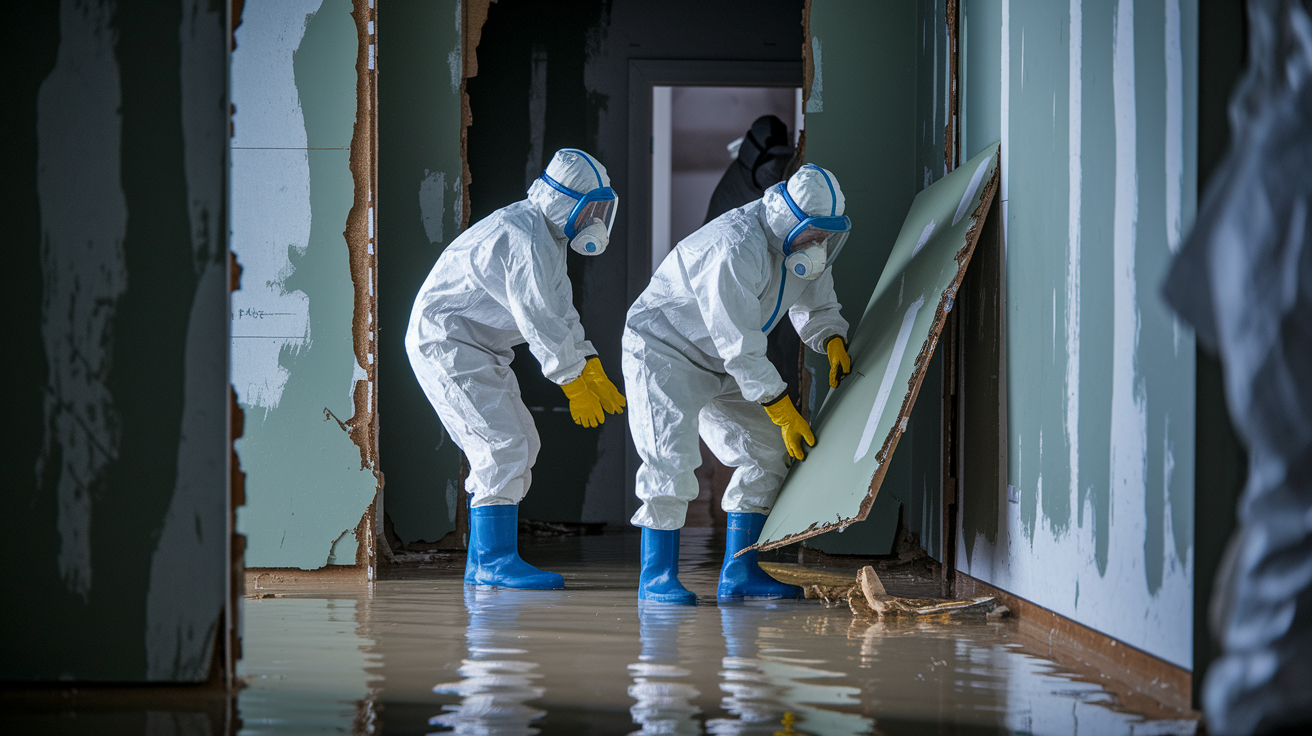
Floodwaters are classified as Category 3 black water, the most contaminated and hazardous classification. They contain sewage from overwhelmed municipal systems, chemicals from industrial runoff and household products, pathogens including bacteria and viruses, debris like soil and vegetation, and mud that penetrates porous materials. Safety protocols and personal protective equipment (PPE) are mandatory during flood restoration because direct contact with contaminated water creates serious health risks. Before any cleanup begins, flood damage requires inspection and documentation by insurance adjusters, so restoration teams must coordinate timing carefully.
The intensive flood damage restoration process follows these steps:
Documentation and insurance adjuster assessment. Property owners photograph all damage from multiple angles while waiting for the insurance adjuster to inspect, assess, and document the full scope before authorizing cleanup.
Contaminated water extraction. Specialized pumps remove standing floodwater, often requiring submersible pumps for deeper water and truck mounted extraction units for final removal from saturated materials.
Removal of porous materials. Carpeting, padding, insulation, and drywall up to the flood line must be removed and disposed of because they absorb contaminated water and can’t be adequately sanitized.
Deep cleaning with industrial grade antimicrobial disinfectants. All remaining surfaces, including framing, concrete, and unaffected materials, receive thorough cleaning with EPA registered disinfectants that kill bacteria, viruses, and mold spores.
Structural drying using heavy duty dehumidifiers and air movers. Commercial grade equipment runs for extended periods to dry structural elements like studs, joists, and subflooring that will remain as part of the rebuilt home.
Comprehensive mold remediation and prevention treatments. Technicians treat all surfaces with mold inhibiting solutions and inspect thoroughly for any signs of microbial growth (unwanted growth from moisture) before reconstruction begins.
Reconstruction and rebuilding. Removed drywall, insulation, flooring, baseboards, and other materials are replaced, returning the property to its pre loss condition.
Porous materials like drywall, insulation, and carpeting must be removed during flood restoration because they absorb contaminated water deep into their structure where disinfectants can’t reach. These materials become permanent hosts for bacteria and mold spores. Industrial grade antimicrobial disinfectants are applied to all structural surfaces that remain, including wood framing, concrete foundations, and subfloors. Heavy duty dehumidifiers run continuously for days or weeks to pull moisture from structural elements that dry much slower than surface materials.
Flood damage restoration typically takes weeks rather than days. Contamination concerns require extensive disinfection time beyond simple drying. Necessary demolition of affected materials adds days to the timeline. Structural elements like floor joists and wall studs require prolonged drying to reach safe moisture levels. Comprehensive mold remediation adds inspection and treatment time. Reconstruction work to replace removed drywall, insulation, and flooring extends the timeline further. The critical need for proactive mold prevention given the high contamination risk means no shortcuts, because flooded properties face significant risk for mold growth if any moisture or contamination remains trapped in building materials.
Insurance Coverage: Water Damage vs Flood Damage

Standard homeowners insurance covers sudden, accidental water damage from internal household sources. This includes burst pipes during freezing weather, washing machine supply line failures, dishwasher overflows from mechanical malfunctions, and roof leaks caused by storm damage like missing shingles. Your policy typically covers both the water removal and repairs to damaged materials like drywall, flooring, and personal belongings.
Flood damage is specifically excluded from standard homeowners insurance policies. It doesn’t matter if your home floods from a hurricane, overflowing river, or flash flooding from heavy rainfall. If the water came from outside your property, your homeowners policy won’t cover it. Separate flood insurance is required through the National Flood Insurance Program (NFIP) or private insurance companies that offer flood coverage.
NFIP is federally backed and available even in high risk flood zones where private insurers might decline coverage. The program offers standardized coverage limits and rates based on flood risk mapping. Private flood insurance has become more available in recent years and may offer higher coverage limits, additional protection for items NFIP excludes, and sometimes lower premiums depending on your property’s risk profile and coverage needs.
Verify your coverage before damage occurs. Review your homeowners policy to confirm what water damage scenarios are covered and what exclusions apply. Check whether you have flood insurance if you live in a flood prone area or near bodies of water. Review policy exclusions, deductibles (the amount you pay before insurance coverage begins), and coverage limits annually to ensure adequate protection. Many homeowners discover their coverage gaps only after damage occurs, when it’s too late to add protection.
Restoration Costs and Timeline Comparisons

Water damage restoration typically costs $1,500 to $5,000 for localized damage affecting one or two rooms. The 3 to 5 day timeline covers water extraction, drying with industrial equipment, moisture verification, and minor repairs like drywall patching or flooring replacement in the affected area. Factors affecting water damage costs include the square footage impacted, the water category (clean Category 1 water costs less to remediate than gray Category 2 water), and which materials sustained damage. Hardwood flooring replacement costs more than carpet, for example.
Flood damage restoration typically costs $7,000 to $30,000 or more depending on severity and the extent of required demolition and reconstruction. The multi week timeline includes contaminated water extraction, removal and disposal of porous materials, deep disinfection of remaining surfaces, extended structural drying, comprehensive mold remediation, and complete reconstruction of removed materials. Flood cost factors include contamination level requiring intensive disinfection protocols, structural damage extent affecting foundations or framing, the scope of required demolition (partial room versus entire floors), rebuilding scope from basic drywall replacement to complete interior reconstruction, and mold remediation needs if growth developed before restoration began.
| Factor | Water Damage Restoration | Flood Damage Restoration |
|---|---|---|
| Typical Cost Range | $1,500 to $5,000 | $7,000 to $30,000+ |
| Typical Timeline | 3 to 5 days for drying and minor repairs | Multiple weeks including drying, demolition, and reconstruction |
| Primary Cost Drivers | Affected square footage, water category, materials damaged | Contamination level, structural damage, demolition scope, rebuilding extent, mold remediation |
| Complexity Level | Moderate, focused extraction, drying, and localized repairs | High, requires demolition, deep disinfection, structural drying, and reconstruction |
When to Call Professional Restoration Services
The decision between DIY cleanup and professional restoration depends on contamination level, extent of damage, and safety concerns. Small spills from clean water sources might be manageable with household equipment, but most water intrusion requires professional assessment and specialized drying equipment.
Call professional restoration services immediately for these situations:
Any Category 2 (gray water from appliances or fixtures) or Category 3 (black water from sewage or flooding) contamination. Flood damage from external environmental sources. Standing water exceeding 2 inches deep anywhere in the home. Water affecting multiple rooms or covering multiple floors. Structural damage visible in walls, ceilings, or floors including sagging, warping, or soft spots. Water exposure lasting more than 24 hours before discovery or initial response. Visible mold growth appearing as dark spots or patches, or musty odors indicating hidden mold. Water damage affecting electrical systems, outlets, appliances, or any area near electrical panels.
IICRC certified technicians bring proper training in water damage restoration standards and contamination protocols. Their 24 hour emergency availability means rapid response during the critical window before mold growth begins. Professional extraction and drying equipment works faster and more thoroughly than household fans and dehumidifiers. Detailed documentation throughout the restoration process supports insurance claims with photos, moisture readings, and scope of work reports that adjusters require for claim approval.
Insurance Claims Process for Water and Flood Restoration

Proper documentation is critical for claim approval and maximum reimbursement. Insurance companies require proof of damage extent, affected materials, and restoration necessity before authorizing payment. The more thorough your initial documentation, the smoother your claims process.
Follow these steps when filing water damage or flood damage insurance claims:
Document all damage immediately. Take photos and videos from multiple angles showing standing water, water lines on walls, damaged flooring, saturated materials, and affected belongings before any cleanup begins.
Create detailed inventory. List all damaged items including furniture, electronics, clothing, and building materials with purchase dates and estimated values when possible to support replacement cost claims.
Contact insurance company within 24 to 48 hours. Report the claim immediately by phone and follow up with written notice if required by your policy terms.
Prevent further damage with emergency mitigation. Take reasonable steps like shutting off water sources, placing tarps over roof leaks, or extracting standing water, but save all receipts because mitigation costs are usually reimbursable.
Wait for insurance adjuster inspection. Especially critical for flood damage, don’t remove damaged materials or begin major cleanup until the adjuster documents everything, or you risk claim denial for lack of evidence.
Obtain multiple restoration estimates. Get written estimates from licensed restoration contractors detailing scope of work and costs, then proceed after receiving claim approval and understanding your coverage limits.
Professional restoration companies often streamline the claims process significantly. They provide claims assistance by communicating directly with adjusters in the technical language insurance companies understand. Their detailed damage assessment documentation includes moisture readings, material testing, and photographic evidence that supports claim validity. Many offer direct billing options where they bill the insurance company directly after you pay your deductible. They can communicate progress updates to adjusters throughout restoration, reducing the back and forth homeowners would otherwise manage themselves.
Selecting a Qualified Restoration Contractor
Contractor choice directly impacts restoration quality, how quickly your home returns to normal, and whether your insurance claim processes smoothly. Emergency situations require immediate decisions when you’re stressed and your home is damaged, but certain qualifications are non negotiable regardless of urgency.
Verify these contractor selection criteria before signing any agreement:
IICRC certification and ongoing technician training. Industry recognized certification ensures technicians follow proper protocols for water extraction, structural drying, and contamination handling.
Proper licensing and liability insurance. State contractor licenses and current liability coverage protect you if additional damage occurs during restoration work.
24 hour emergency response availability. Water and flood damage worsen by the hour, so immediate response capability matters.
Positive customer reviews and verifiable references. Check online reviews and ask for references from recent projects similar to your damage situation.
Experience with both water damage and flood damage restoration. Contamination protocols, safety requirements, and restoration processes differ significantly between water and flood scenarios.
Direct insurance billing and claims assistance services. Simplifies the payment process and ensures proper documentation for claim approval.
Written estimates and restoration guarantees. Clear scope of work, timeline expectations, and quality guarantees protect you from surprise costs or incomplete work.
FireFloodRescue.com provides qualified restoration partnership with rapid emergency response within hours of contact. We coordinate comprehensive damage assessment using moisture detection equipment and thermal imaging to identify all affected areas, including hidden moisture. Our restoration services run from initial water extraction through structural drying, demolition of contaminated materials when necessary, and final repairs that blend seamlessly into your home. We bring expertise in both water damage and flood damage restoration with full understanding of contamination protocols, insurance documentation requirements, and claims support to help you navigate the process from emergency call through final walk through.
Final Words
Water damage and flood damage restoration both return your home to safe, livable condition, but the path depends on where the water came from and what it carried with it.
Water damage from internal sources typically means faster timelines, localized repairs, and standard homeowners insurance coverage.
Flood damage from external sources requires extended restoration, intensive contamination protocols, and separate flood insurance.
Both situations need fast professional response to prevent secondary damage and mold growth. The right certified restoration team assesses the situation, coordinates the full scope of work, and handles everything from emergency stabilization through final repairs.
When damage happens, call professionals who understand the difference and have the equipment, training, and experience to handle either scenario correctly.
FAQ
Is water damage the same as flood damage?
Water damage is not the same as flood damage. Water damage comes from internal sources like burst pipes or appliance leaks, while flood damage originates from external environmental sources like storms or river overflow.
What is water damage restoration called?
Water damage restoration is called by several names including water mitigation, water extraction services, emergency water cleanup, or moisture remediation, depending on the specific stage of the restoration process being performed.
What is water damage restoration?
Water damage restoration is the process of removing unwanted water from inside a home, drying affected areas, and repairing damage caused by internal sources like plumbing failures, roof leaks, or appliance malfunctions.
Is a flood-damaged car worth buying?
A flood-damaged car typically is not worth buying because contaminated floodwater causes extensive hidden damage to electrical systems, engines, and interiors that often leads to ongoing mechanical failures and safety hazards.
How long does water damage restoration take?
Water damage restoration typically takes 3 to 5 days for complete drying and minor repairs, depending on the extent of affected areas, moisture levels, and the category of water involved.
How long does flood damage restoration take?
Flood damage restoration takes multiple weeks due to contaminated water requiring extensive disinfection, necessary demolition of porous materials, structural drying, comprehensive mold remediation, and reconstruction of removed building materials.
What is Category 3 water?
Category 3 water is highly contaminated black water from external sources like floods, sewage backups, or rising rivers that contains harmful bacteria, viruses, chemicals, and pathogens requiring specialized safety protocols during cleanup.
Does homeowners insurance cover water damage?
Homeowners insurance typically covers water damage from sudden, accidental internal sources like burst pipes, appliance malfunctions, and roof leaks, but specifically excludes flood damage from external environmental sources.
Does homeowners insurance cover flood damage?
Homeowners insurance does not cover flood damage. Separate flood insurance through the National Flood Insurance Program or private insurers is required to protect against water damage from external environmental sources.
When should I call a professional restoration company?
You should call a professional restoration company immediately for contaminated water, flood damage, standing water over 2 inches, damage affecting multiple rooms, structural damage, water exposure exceeding 24 hours, or mold growth.
What causes water damage in homes?
Water damage in homes is caused by internal sources including roof leaks, burst pipes, plumbing failures, washing machine overflows, dishwasher leaks, water heater malfunctions, HVAC issues, and sewage backups.
What causes flood damage to homes?
Flood damage to homes is caused by external environmental sources including heavy rainfall, hurricanes, storm surges, river overflows, flash flooding, and other natural disasters affecting multiple properties simultaneously.
How much does water damage restoration cost?
Water damage restoration typically costs $1,500 to $5,000 for localized damage, depending on affected square footage, water category classification, damaged materials, and the extent of necessary repairs and drying.
How much does flood damage restoration cost?
Flood damage restoration typically costs $7,000 to $30,000 or more, depending on contamination severity, structural damage extent, required demolition scope, rebuilding needs, and comprehensive mold remediation requirements.
Can I clean up water damage myself?
You can clean up minor water damage yourself only if it involves clean water affecting a small area for less than 24 hours, but professional restoration is recommended to prevent hidden mold growth and structural issues.
What equipment is used for water damage restoration?
Water damage restoration uses specialized equipment including moisture meters for hidden dampness detection, thermal imaging cameras, industrial air movers, commercial dehumidifiers, truck-mounted water extractors, and antimicrobial treatment solutions.
How do I file an insurance claim for water damage?
To file an insurance claim for water damage, document all damage with photos and videos, create a detailed inventory, contact your insurance company within 24-48 hours, prevent further damage, and wait for adjuster inspection before major cleanup.
What is the NFIP definition of a flood?
The NFIP defines a flood as excess water covering at least two acres of normally dry land or affecting two or more properties, typically caused by heavy rainfall, hurricanes, or river overflow.
How quickly does mold grow after water damage?
Mold can start growing within 24 to 48 hours after water damage if affected areas are not properly dried, making rapid professional response critical to prevent microbial growth and health risks.
What is IICRC certification for restoration?
IICRC certification is the industry standard credential for restoration technicians, indicating proper training in water damage restoration, contamination handling, drying techniques, and adherence to professional restoration protocols and safety standards.