
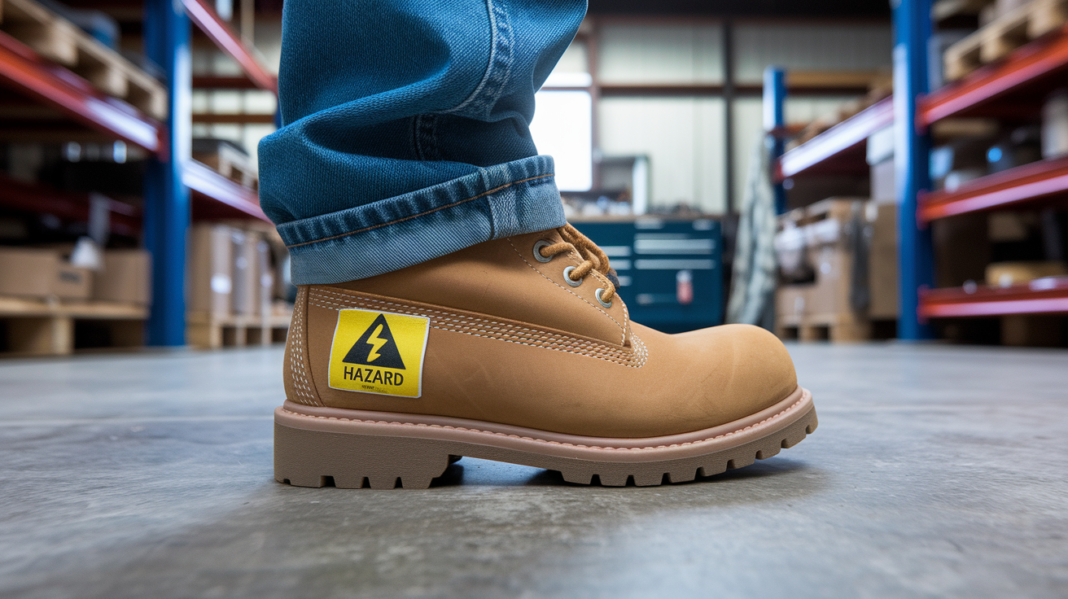

Most electrical workers know their footwear needs to protect against shock, but many don’t realize their current boots might fail at the worst moment. Water contamination, worn soles, or the wrong safety toe can turn rated footwear into a liability faster than you’d think. Understanding what ASTM F2413 electrical hazard certification actually means, and which toe protection works for your specific job, helps you choose boots that protect against voltage and every other hazard you face on site. We’ll break down the protection standards, explain how different toe types affect your work, and show you what to look for in boots that keep you safe.
ASTM F2413 Standards and Protection Specifications

ASTM F2413 electrical hazard certification requires footwear to withstand 18,000 volts at 60 Hz for one minute with no current flow exceeding 1.0 milliampere under dry conditions. This rating means the shoes can work as a secondary protective barrier when workers accidentally contact live electrical circuits. The testing process involves placing the footwear on a conductive surface, filling it with small steel ball bearings or saline solution, then applying the specified voltage while measuring any current that passes through the sole. Footwear fails if current exceeds the 1.0 milliampere threshold or if the insulation breaks down during the test period.
Workers requiring electrical hazard safety toe shoes include:
- Electrical workers installing, maintaining, or repairing electrical systems in commercial and residential buildings
- Utility workers servicing power lines, transformers, and distribution equipment
- Construction personnel working near underground or overhead electrical infrastructure
- Telecommunications technicians handling fiber optic and copper cable systems near power sources
- Manufacturing workers operating equipment with exposed electrical components or high voltage machinery
- Power plant employees maintaining generation equipment, switchgear, and transmission systems
The protection works through non-conductive rubber or polymer materials in the sole and heel that block electrical current from traveling through the shoe to the ground. When a worker steps on or touches a live electrical source, the insulating sole prevents the body from becoming a path to ground, which is what causes electrical shock. This secondary protection matters most when primary safety measures fail, like damaged wire insulation or unexpected energized equipment. Workers need EH rated footwear any time they’re exposed to circuits carrying more than 50 volts, work with power tools in wet conditions, or perform tasks near energized electrical panels and junction boxes.
Safety Toe Types Available in EH-Rated Footwear
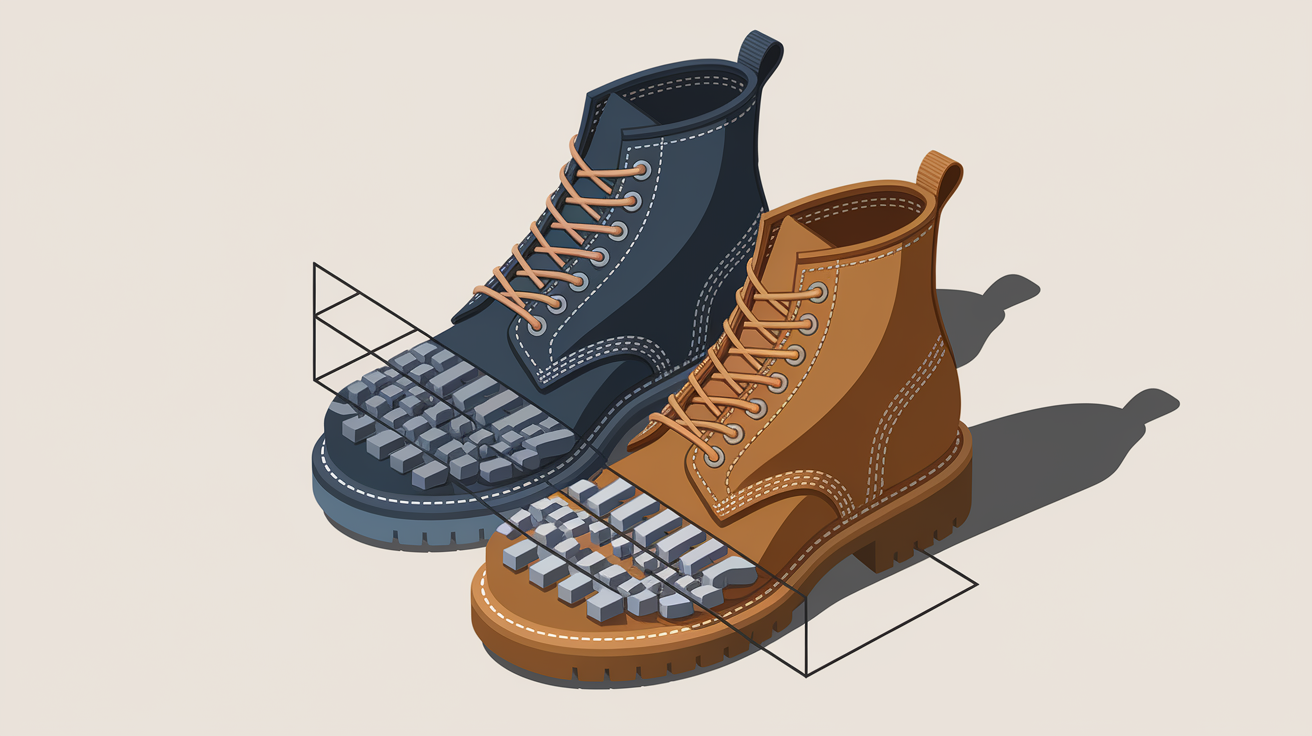
Electrical hazard footwear combines voltage protection with impact resistant toe caps, giving workers defense against multiple hazards simultaneously. The toe protection type affects weight, metal detector compatibility, and temperature transfer, making the choice important for specific work environments.
Composite Toe Protection
Composite toe caps use non-metallic materials like carbon fiber, Kevlar, or fiberglass to meet ASTM F2413 impact and compression standards without adding metal. These toes pass through metal detectors without triggering alarms, making them preferred for airport workers, security personnel, and facilities requiring frequent screening. Composite toes also provide better insulation than metal options since the materials don’t conduct heat or cold as readily. The lighter weight compared to steel reduces foot fatigue during long shifts, though composite caps typically require slightly more interior space than metal alternatives.
Steel Toe Protection
Steel toe caps deliver maximum impact resistance and durability in the smallest physical profile. The dense metal withstands repeated impacts better than other materials and maintains protection even after significant wear. Steel toes work best for heavy manufacturing, demolition, and construction environments where workers face severe crush hazards. The tradeoff comes in weight. Steel adds 8 to 12 ounces compared to composite options. It also transfers temperature, with metal conducting heat and cold directly to the foot. Steel also sets off metal detectors and can create sparks if struck against certain surfaces.
Alloy Toe Protection
Alloy toe caps use aluminum, titanium, or other lightweight metals to provide impact protection between composite and steel in both weight and strength. These toes offer better impact resistance than composite while weighing 30 to 50 percent less than steel. The thinner profile allows manufacturers to design shoes with more interior space and better fit. Alloy toes conduct temperature like steel but the reduced mass means less thermal transfer overall. They still trigger metal detectors but generate fewer security concerns than steel due to the lighter metal composition.
Specialty Toe Options
Carbon fiber toe caps represent the premium end of composite protection, offering impact resistance approaching steel while maintaining the lightest weight of any protective toe. Nano toe technology uses advanced composite materials engineered at the molecular level for maximum strength to weight ratio. Soft toe styles skip the protective cap entirely, serving workers who need electrical hazard protection in environments with minimal impact risks, like telecommunications work or electrical panel inspection where mobility and reduced weight matter more than toe impact defense.
| Toe Type | Material | Weight | Metal Detector Safe | Best For |
|---|---|---|---|---|
| Composite | Carbon fiber, Kevlar, fiberglass | Lightest | Yes | Security, aviation, temperature extremes |
| Steel | Hardened steel alloy | Heaviest | No | Heavy manufacturing, demolition, maximum impact |
| Alloy | Aluminum, titanium | Medium | No | Construction, general industrial, balanced protection |
| Carbon Fiber | Advanced carbon composite | Very light | Yes | Precision work, extended wear, premium applications |
| Nano Toe | Molecular-engineered composite | Very light | Yes | Technology sector, clean rooms, agility-focused roles |
ASTM F2413 Certification Standards for EH Safety Footwear

ASTM F2413 certification represents a comprehensive testing standard that evaluates multiple protective characteristics, with electrical hazard protection being one component. The certification process involves independent laboratory testing where footwear samples undergo standardized procedures to verify they meet minimum performance thresholds. Manufacturers submit production samples, not hand selected prototypes, ensuring the tested shoes represent what workers actually receive. The certification doesn’t expire, but manufacturers must retest if they change materials or construction methods that could affect protective performance.
The electrical hazard testing portion requires controlled environmental conditions with relative humidity between 50 and 60 percent and temperatures near 72 degrees Fahrenheit. Technicians fill each shoe with conductive material that simulates a foot, then place the shoe on a grounded steel plate. They apply 18,000 volts at 60 Hz through the conductive fill material for 60 seconds while monitoring current leakage through the sole. The footwear passes if leakage remains under 1.0 milliampere throughout the test period. Any breakdown in insulation or current exceeding the threshold results in immediate failure. Testing occurs on dry, clean footwear. Any contamination or moisture invalidates the results since real world conditions affect electrical resistance.
The 18,000 volt rating doesn’t mean the shoes protect workers who directly contact that voltage. Instead, it demonstrates the insulating capability of the sole and heel materials under controlled conditions. Real world protection depends on dozens of variables including sole thickness, wear patterns, moisture contamination, and the specific electrical fault scenario. The rating provides a standardized benchmark for comparing products, but workers should never view EH footwear as primary protection against electrical shock. It works as backup defense when other safety systems fail.
Certification limitations matter as much as capabilities. Water, oil, chemicals, and other contaminants dramatically reduce electrical resistance by creating conductive pathways through the sole material. Worn soles expose less insulating material, reducing protective capability even if no punctures or cracks appear. Temperature extremes affect rubber and polymer compounds, potentially compromising insulation. The ASTM rating applies only to current flow through the sole to ground. It provides no protection against arc flash, current between two body parts, or shock from sources other than ground contact.
Multi-Hazard Protection Features in EH Safety Footwear
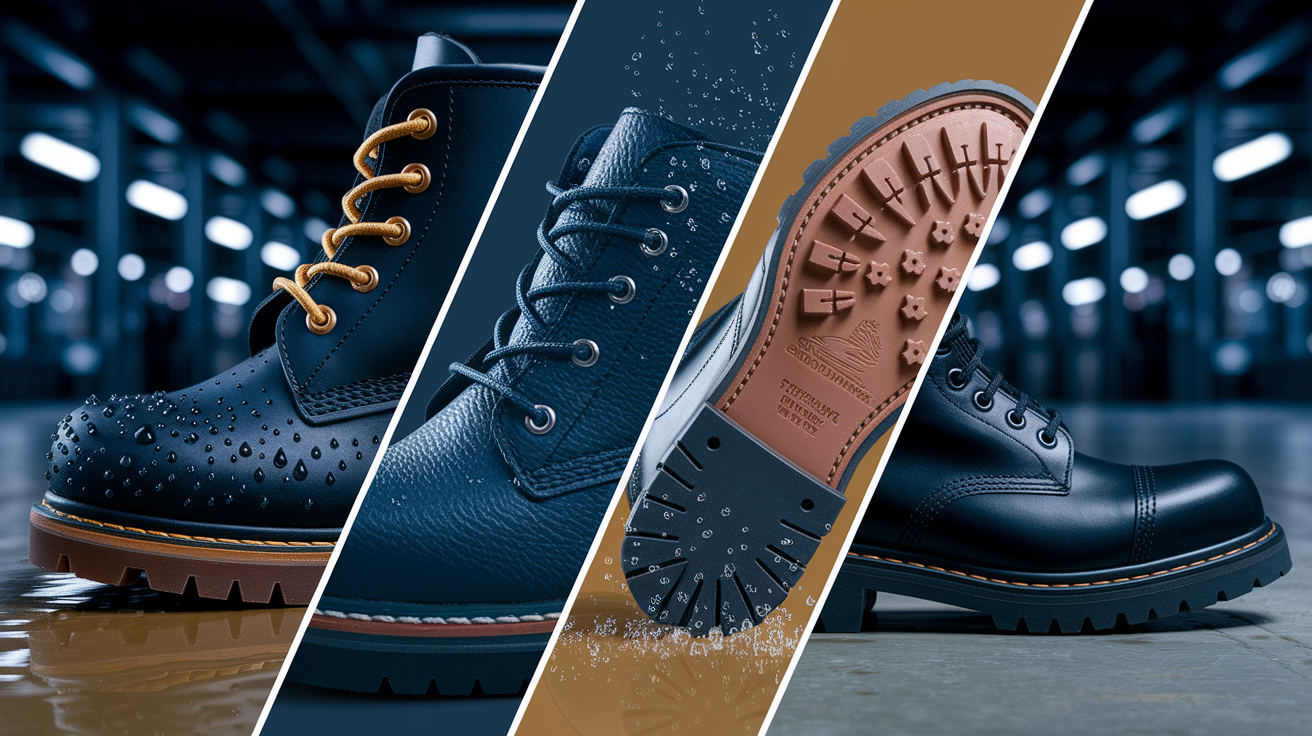
Most electrical workers face multiple hazards simultaneously, which is why manufacturers integrate additional protective features into electrical hazard footwear. A utility worker splicing underground cables needs protection from voltage, slips on muddy surfaces, punctures from debris, and water intrusion. Rather than requiring separate footwear for each hazard, multi featured designs address the full range of workplace risks. The key is ensuring additional features don’t compromise electrical hazard protection. Some materials that improve slip resistance or waterproofing can reduce electrical insulation if poorly implemented.
Slip resistance and waterproofing represent the most common secondary features paired with electrical hazard certification. Slip resistant outsoles use specialized rubber compounds and tread patterns to maintain traction on oily, wet, or contaminated surfaces common in electrical work environments. Waterproof construction keeps feet dry in wet conditions but must be carefully engineered since moisture inside the boot can compromise electrical insulation. Manufacturers typically use waterproof membranes above the midsole level, keeping the electrically insulating sole layer dry even when the upper portion gets wet.
Additional protective features commonly integrated with electrical hazard certification include:
Slip resistant outsoles using oil resistant rubber compounds with multi directional tread patterns, tested to ASTM F2913 standards for coefficient of friction on wet and oily surfaces.
Waterproof construction incorporating breathable membranes like expanded PTFE that block liquid water while allowing moisture vapor to escape, keeping feet dry from both external and internal moisture sources.
Puncture resistant midsoles using flexible materials like woven Kevlar or composite plates that prevent sharp objects from penetrating through the sole while maintaining flexibility for natural foot movement.
Metatarsal guards adding impact protection over the upper foot and ankle area, defending against falling objects that might miss the toe cap or strike above it.
Static dissipative properties allowing controlled discharge of static electricity to prevent sparks in environments with flammable vapors while maintaining higher resistance than conductive footwear.
Chemical resistance using specialized polymers in sole compounds and upper materials that resist degradation from oils, solvents, acids, and industrial chemicals.
Oil resistant soles utilizing rubber compounds that maintain flexibility and integrity when exposed to petroleum products and industrial lubricants.
Heat resistant materials in sole compounds that withstand contact with hot surfaces up to specified temperatures, typically 300 to 500 degrees Fahrenheit for brief contact.
The distinction between electrical hazard and static dissipative (or ESD) footwear confuses many workers. EH footwear provides high electrical resistance to prevent shock, while ESD footwear provides controlled low resistance to safely discharge static electricity. These are opposite properties. You can’t have both in the same shoe. Workers in electronics manufacturing need ESD protection to prevent static discharge from damaging sensitive components. Workers around live circuits need EH protection to prevent shock. Wearing the wrong type creates serious hazards.
Cold weather insulation like 3M Thinsulate maintains EH certification because the insulating fibers don’t create conductive pathways. The insulation sits in the upper boot away from the sole layer that provides electrical protection. However, workers should verify that insulated boots maintain current EH certification since adding any material changes the electrical characteristics. Arc flash protection requires specialized garments beyond standard EH footwear. The electrical hazard rating addresses shock from ground contact, not the thermal and blast hazards from arc flash events.
Selecting the Right Electrical Hazard Safety Toe Shoes for Your Work Environment

Different work environments present distinct combinations of electrical hazards and secondary risks that should guide footwear selection. A telecommunications technician working primarily indoors on low voltage circuits needs different protection than a utility line worker handling high voltage distribution systems outdoors in all weather conditions. The indoor technician might prioritize lightweight athletic styles with basic EH protection, while the outdoor worker requires waterproof boots with insulation, aggressive tread, and possibly metatarsal guards. Understanding the specific hazard profile helps match footwear capabilities to real world risks.
Job specific requirements extend beyond obvious electrical exposure to include surfaces walked on, environmental conditions, weight carried, and duration of wear. Workers who climb ladders need outsoles with ladder rung traction features. Those working on concrete floors all day benefit from maximum cushioning and shock absorption. Mobile workers covering miles daily want lightweight designs that reduce fatigue. Heavy equipment operators sitting most of the shift can accept heavier boots with maximum protection. Temperature extremes require insulation or ventilation features. Chemical exposure demands resistant materials in both soles and uppers.
Matching footwear features to workplace conditions prevents both under protection and over specification. Buying premium waterproof boots with metatarsal guards makes little sense for a technician working exclusively in climate controlled electrical rooms. Conversely, basic athletic EH shoes fail in outdoor utility work where puncture resistance, waterproofing, and ankle support matter as much as electrical protection.
Consider these factors when selecting electrical hazard safety footwear:
Primary electrical hazard assessment. Identify voltage levels encountered, frequency of exposure, and whether work involves energized circuits or lockout tagout procedures. Higher voltage and frequent live work justify premium EH footwear with verified recent testing certification.
Secondary protection needs. List additional workplace hazards including slip risks, impact hazards beyond toe area, puncture risks from debris, chemical exposure, and falling object risks. Prioritize the most frequent and severe exposures.
Environmental conditions. Account for indoor versus outdoor work, temperature ranges encountered, wet or dry conditions, and surface types. Outdoor workers in cold climates need insulated waterproof styles. Indoor workers in climate controlled spaces can use lighter, more breathable options.
Comfort requirements for job duration. Match cushioning, weight, and fit features to how long the footwear stays on. Workers standing 10 to 12 hours daily need maximum cushioning and lightweight construction. Mobile workers benefit from athletic shoe technology. Seated workers can accept heavier, more protective designs.
Budget constraints and replacement cycle. Factor in how often boots need replacement based on wear patterns. Budget options lasting six months might cost more annually than premium footwear lasting two years. Calculate total ownership cost rather than just purchase price.
Employer specifications and procurement policies. Verify whether your employer requires specific brands, features, or certification levels. Some companies maintain approved product lists or reimburse only certain footwear types. Check requirements before purchasing.
Certification verification and documentation. Confirm footwear carries current ASTM F2413 electrical hazard certification. Check for tags, labels, or documentation proving certification. Avoid unmarked footwear or products claiming “electrical hazard protection” without ASTM certification proof.
Comfort Technology and Innovation in Modern EH Safety Footwear

Modern electrical hazard footwear incorporates athletic shoe technology that was unimaginable in traditional work boots. Manufacturers recognized that comfort directly affects safety. Workers in painful footwear cut shifts short, work less carefully, or avoid wearing proper protection. By borrowing cushioning systems, lightweight materials, and ergonomic design from running and court shoes, today’s EH footwear delivers protection without the punishment. Rockport Works leads this approach by literally applying athletic shoe science to protective footwear, creating styles that feel like sneakers but meet full ASTM F2413 standards.
Cushioning systems address the reality that many electrical workers stand on concrete or hard surfaces for extended periods. Ortholite Comfort Foam uses open cell polyurethane that bounces back after compression, maintaining cushioning throughout long shifts. Comfortzone systems combine multiple foam densities, placing firmer support where the foot needs stability and softer cushioning where impact occurs. Shock absorption features in the heel and forefoot reduce the repetitive stress that causes foot, knee, and back fatigue. These technologies prevent end of shift pain without compromising the sole thickness and material density required for electrical hazard protection.
Breathability and moisture management prevent the swampy boot feeling that makes long shifts miserable. Modern moisture wicking linings pull sweat away from skin, moving it toward the boot’s outer layers where it can evaporate. Perforated insoles allow air circulation while maintaining structural support. Kodiak’s SOS Smell Out Science uses treated materials that resist bacterial growth, preventing the odor buildup common in protective footwear worn daily. These features matter for foot health. Moisture saturated boots cause blisters, fungal infections, and skin breakdown that force workers off the job.
Outsole technology has advanced beyond basic rubber compounds to engineered systems that optimize multiple performance factors. Vibram high performance rubber outsoles use specialized compounds that maintain flexibility in cold weather while resisting wear on abrasive surfaces. Multi density outsole construction places harder rubber in high wear zones like the heel while using softer, grippier compounds in the forefoot for traction. Ladder specific tread patterns include features that grip round rungs securely. The trick is achieving these performance benefits while maintaining the uniform, non-conductive sole required for electrical hazard certification.
Weight reduction technologies make eight hour shifts easier without compromising protection. Advanced composite toe caps deliver impact resistance in lighter packages than traditional steel. Engineered mesh uppers provide structure and support at a fraction of leather’s weight. EVA foam midsoles cushion and stabilize while weighing less than rubber. These weight savings add up. Reducing boot weight by just eight ounces per foot means lifting 800 fewer pounds during a mile of walking. Over a full shift, that difference prevents significant fatigue. The ergonomic design principle throughout modern EH footwear follows the foot’s natural motion rather than fighting it, reducing the break in period and long term joint stress.
Material Construction in Electrical Hazard Work Boots

Material selection for electrical hazard footwear starts with the sole and heel, where non-conductive compounds provide the actual voltage protection. Manufacturers use rubber or polymer materials specially formulated to maintain high electrical resistance even under compression and flexing. These compounds must resist degradation from oils, chemicals, and environmental exposure that could compromise insulation. The sole thickness matters. Thinner soles may meet the ASTM test when new but wear through the insulating layer faster than thicker constructions. Quality EH footwear uses multi layer sole construction with the insulating layer protected above wear exposed layers.
Upper materials balance durability, breathability, and protection based on the intended work environment. Full grain leather provides maximum abrasion resistance and durability for rugged outdoor work and construction sites. The natural material breathes better than most synthetics and develops a custom fit over time. Nubuck and suede leathers offer similar durability with a different texture and appearance. However, leather requires more maintenance and adds weight compared to synthetic alternatives. Modern synthetic uppers use engineered textiles that provide targeted reinforcement in wear zones while incorporating mesh panels for breathability. These materials typically weigh less and dry faster than leather but may not last as long in harsh conditions.
Insulation materials integrate into electrical hazard footwear without compromising the non-conductive sole properties since they sit in the upper boot away from the electrical barrier. 3M Thinsulate uses microfibers that trap body heat while allowing moisture vapor to escape, providing warmth without bulk. The insulation works for cold weather outdoor work in utilities, construction, and telecommunications where workers face temperature extremes. The key is ensuring the insulation doesn’t absorb and hold moisture, which could eventually affect electrical protection if water wicks down toward the sole layers.
Metal free construction serves workers who pass through metal detectors regularly or work in facilities prohibiting metal components. These designs use composite safety toes, non-metallic shanks for arch support, and plastic or composite hardware like eyelets and speed hooks. The completely non-metallic construction maintains full ASTM F2413 protection including electrical hazard certification while allowing passage through security screening. Aviation workers, power plant personnel entering high security areas, and telecommunications technicians in data centers benefit from metal free designs. The construction typically adds minimal weight compared to steel toe equivalents and eliminates concerns about metal conducting temperature extremes to the foot.
Sizing, Fit, and Break-In for EH Safety Toe Footwear
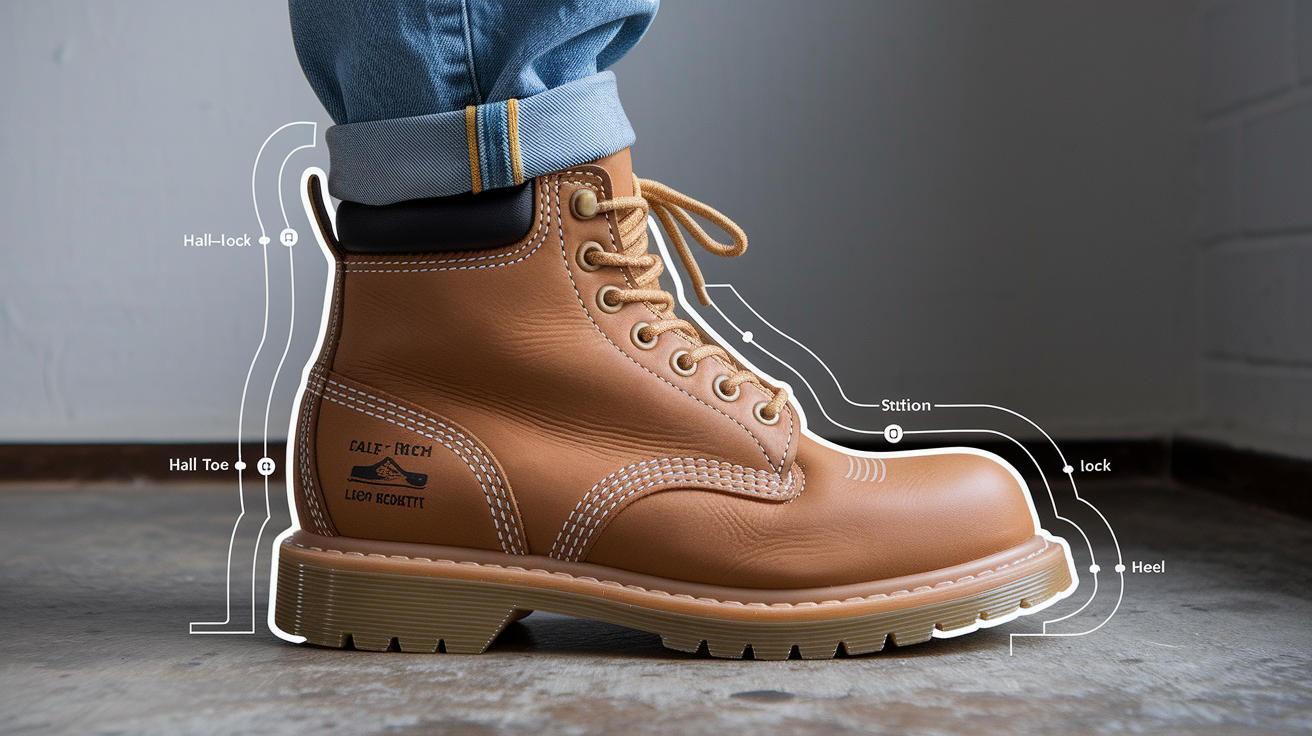
Proper fit directly affects both safety and comfort since poorly fitted electrical hazard footwear can compromise protection and cause injury through different mechanisms. Too tight boots restrict circulation and create pressure points that cause pain and blisters. Too loose footwear allows the foot to slide forward, jamming toes into the safety cap with each step. The heel should lock securely without slipping, preventing the friction that causes blisters during extended wear. Electrical hazard certification testing occurs on properly fitted boots, so significant fit deviation from the tested state may affect protection.
Safety toe caps require additional interior space compared to regular footwear, which affects sizing in ways many first time buyers don’t expect. The protective cap sits in front of the toes, which means your foot doesn’t slide all the way to the front like in athletic shoes. Most people need to size up by half to a full size in safety toe footwear to account for this toe cap space. The cap should never touch your toes during normal wear. You need roughly a half inch of clearance so toes don’t jam forward during downhill walking or sudden stops. Some workers find wider widths provide better overall fit by giving toes more room to spread naturally.
Break in periods vary by construction materials and individual foot shape. Full grain leather boots typically require one to two weeks of regular wear to soften and conform to your foot. Start with shorter shifts if possible, gradually increasing wear time as the boots adapt. Synthetic uppers usually require minimal break in, often feeling comfortable from the first wear. Even with proper break in, some discomfort is normal during the adaptation period as your feet adjust to the structure and support of safety footwear. Persistent pain, numbness, or severe blisters indicate fit problems rather than normal break in. Return or exchange boots that cause these issues rather than trying to force adaptation.
Follow these fitting tips when selecting electrical hazard safety toe footwear:
Measure and try on boots at the end of your work day when feet are at maximum size from swelling and expansion that occurs during activity.
Account for the toe cap space by ensuring at least a half inch of clearance between your longest toe and where you feel the safety cap.
Try boots with the same sock type and thickness you’ll wear during work, as sock variations significantly affect fit.
Check width requirements by verifying the boot’s widest part aligns with your foot’s widest part without pinching or excessive looseness.
Test with any custom insoles or orthotics you’ll use, as aftermarket insoles change interior volume and may require sizing adjustments.
Verify heel lock by ensuring your heel stays planted firmly without lifting during walking motion.
Width availability varies significantly across manufacturers and directly impacts fit quality for many workers. Reebok offers extensive width options with most styles available in medium and wide widths, plus extra wide, 4E, and 6E options for workers with broader feet. Rockport provides medium and wide widths across its collection. Kodiak focuses primarily on standard widths. Gender specific fitting matters because men’s and women’s feet differ in more than just size. Women typically have narrower heels relative to forefoot width, higher arches, and different proportions. Women’s specific electrical hazard footwear accounts for these differences in the last shape (the mold around which boots are built), providing better fit than simply scaling down men’s sizes.
Popular EH Safety Toe Shoe Styles and Categories
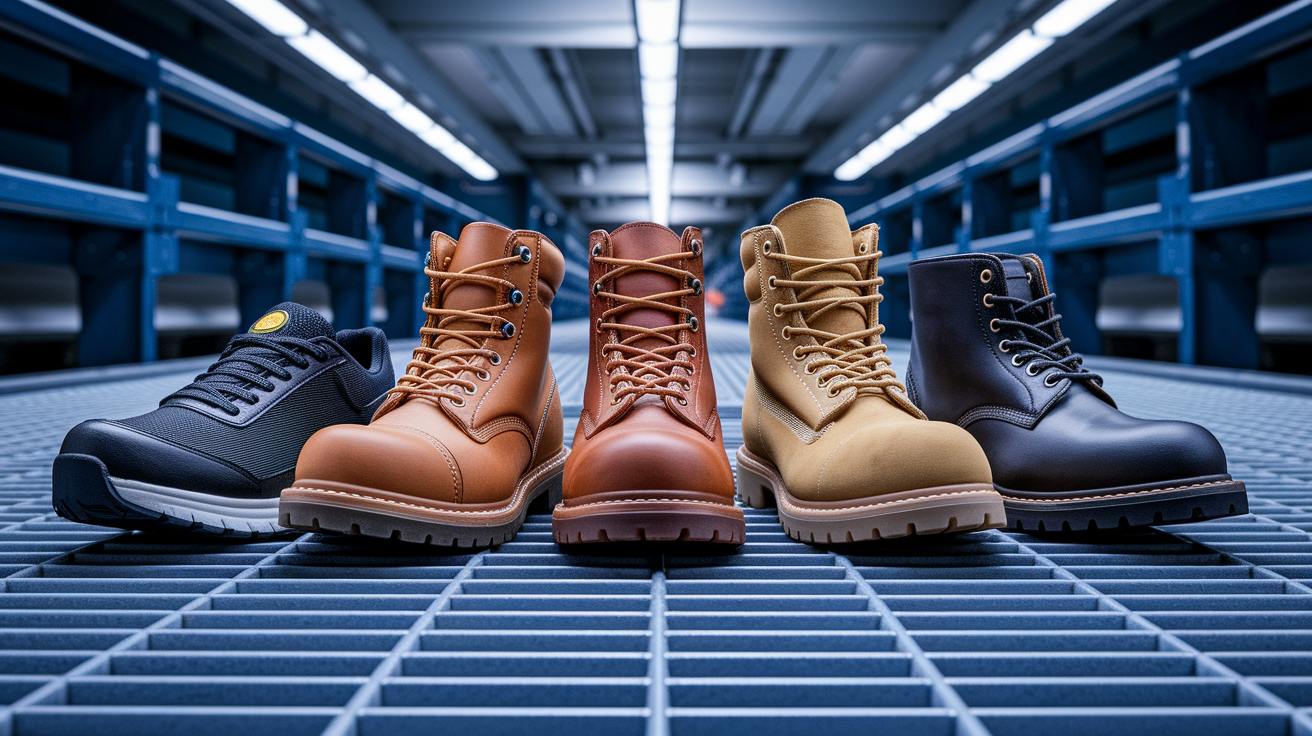
Electrical hazard safety footwear has evolved beyond the steel toe leather boot stereotype into diverse style categories that serve different work environments and worker preferences. This variety lets workers match footwear style to job requirements, with some choosing athletic inspired sneakers for mobility and light weight, while others select traditional 8 inch boots for maximum ankle support and protection. Understanding available style categories helps workers find options that meet both safety requirements and personal work style.
Athletic Work Shoe Styles
Athletic work shoes bring sneaker comfort and agility to electrical hazard protection. These low cut styles use EVA foam cushioning, breathable mesh uppers, and lightweight construction borrowed directly from running and court shoes. The Reebok Sublite Cushion Work series exemplifies this category with foam cushioning that rivals non-safety sneakers, making them popular with warehouse workers, technicians, and light industrial workers who walk miles daily. Athletic styles work well indoors or in clean environments where aggressive tread and waterproofing aren’t required. The low cut design provides maximum ankle mobility for climbing, kneeling, and varied movement patterns.
Traditional Work Boot Styles
Six inch and eight inch lace up boots deliver the durability and support that made work boots standard for generations. The higher cut provides ankle stability on uneven surfaces and prevents debris from entering the boot. Full grain leather construction resists abrasion and punctures better than lighter materials. Traditional boots like Kodiak’s 6 inch and 8 inch styles combine time tested construction with modern features like Vibram outsoles and updated cushioning. These boots serve construction workers, utility line technicians, and outdoor electrical workers who need maximum protection and support. The higher cut does restrict ankle flexibility compared to low cut styles, which is a worthwhile tradeoff in demanding environments.
Specialized Professional Styles
Tactical, military, and emergency service designs integrate electrical hazard protection into footwear built for specific professions. The Reebok Rapid Response RB military line provides AR670-1 compliant options for military electricians and engineers. Tactical styles like the Nano Tactical combine athletic shoe technology with features like side zippers for rapid deployment and reinforced toes for breaching work. Police, fire, and EMS styles address the unique requirements of emergency responders who need slip resistance, quick dry materials, and fluid resistance alongside electrical protection. These specialized designs recognize that different professions face distinct work conditions even when all require electrical hazard certification.
Alternative style options beyond athletic shoes and boots include:
Oxford work shoes offering dress shoe appearance with safety features for workers in customer facing roles or office industrial combination environments.
Slip on styles providing convenience for workers who frequently remove footwear while maintaining full safety protection when worn.
Boat shoe designs like Rockport’s Sailing Club series combining casual styling with slip resistance and electrical hazard protection.
Chukka boots delivering a middle ground between athletic shoes and traditional boots with ankle coverage in a more compact package.
Chelsea boots using elastic side panels for easy on off while providing the protection and support of traditional lace up boots.
Brand Options and Collection Availability for EH Footwear

Multiple manufacturers specialize in electrical hazard safety footwear, each bringing distinct design philosophies and collection breadth. Understanding the major brands helps workers identify which manufacturer’s approach aligns best with their specific needs, whether that’s maximum style variety, specialized features, or rugged work boot construction.
Reebok Work Collection
Reebok Work offers the most extensive electrical hazard collection with 218 total styles combining voltage protection with athletic inspired comfort. The collection splits into 147 men’s styles and 71 women’s styles, with 200 styles currently in stock for immediate availability. The range emphasizes athletic work shoes with 122 athletic styles leading the collection, but also includes 33 traditional work boots, 32 hunting and outdoor styles, 32 police/fire/EMS designs, and 18 military styles. This breadth means most workers can find multiple options that fit their work environment. Sizing spans from size 6 through 14 with extensive width availability including medium (216 styles), wide (213 styles), extra wide (5 styles), 4E (6 styles), and 6E (2 styles) options. The collection emphasizes multi feature integration with 137 styles combining electrical hazard and slip resistance, and 133 styles pairing EH with safety toe protection. Free shipping and free returns within the contiguous United States reduce purchase risk.
Rockport Works Collection
Rockport Works positions its 24 ASTM F2413 certified electrical hazard models at the intersection of style and protection. The collection includes 10 men’s styles and 14 women’s styles, with 23 currently in stock. Rockport’s defining characteristic is the integration of athletic shoe science and comfort technology into work footwear, incorporating lightweight shock absorption and advanced cushioning throughout the line. Popular series include More Energy, Sailing Club, Pulse Tech Work, Parissa Work, truFLEX Work, and Daisey Work. The company offers diverse style categories beyond traditional boots including booties, sneakers, boat shoes, oxfords, chukkas, and slip ons. This style variety appeals to workers who prioritize appearance alongside protection, particularly in retail, hospitality, and customer facing industrial roles. Sizing ranges from 4 to 8.5 in medium and wide widths. Free shipping covers all U.S. states except Alaska and Hawaii.
Kodiak Boots Collection
Kodiak Boots focuses on traditional work boot construction with 12 electrical hazard models emphasizing rugged durability and outdoor performance. The collection concentrates on 6 inch boots, 8 inch boots, and Chelsea boot styles rather than athletic shoes, serving workers in demanding construction, utility, and outdoor environments. Kodiak integrates high performance features like Vibram rubber outsoles for maximum traction and durability, 3M Thinsulate insulation for cold weather work, and waterproof construction on select models. The boots utilize technologies including Ortholite Comfort Foam, Kodiak SOS Smell Out Science for odor control, and both Comfortzone Lite and Comfortzone System cushioning. Available in black, brown, gray, and green colors, the collection offers composite safety toe, nano toe, and steel toe options. Sizing runs from 5 to 15 including half sizes. Price ranges span $100-149, $150-199, and $200-249, with most models falling in the mid range. Free shipping is available within the contiguous United States.
| Brand | Total EH Styles | Men’s Options | Women’s Options | Key Features |
|---|---|---|---|---|
| Reebok Work | 218 | 147 | 71 | Extensive athletic styles, wide size/width availability, multi feature integration, free returns |
| Rockport Works | 24 | 10 | 14 | Athletic shoe science, advanced cushioning, style variety including oxfords and boat shoes |
| Kodiak Boots | 12 | 12 | 0 | Traditional boot construction, Vibram outsoles, 3M Thinsulate insulation, waterproof options |
Price Ranges and Value Considerations for EH Safety Shoes
Electrical hazard safety footwear typically ranges from $100 to $250, with the majority of styles falling between $120 and $180. Budget friendly options in the $100-149 range provide ASTM F2413 electrical hazard certification and basic safety toe protection, usually in simpler constructions with fewer secondary features. Mid range footwear from $150-199 adds comfort technologies, better materials, and additional protections like slip resistance or waterproofing. Premium styles in the $200-249 range incorporate advanced cushioning systems, specialized outsole compounds, and multi feature protection combinations. The highest priced options don’t necessarily provide more electrical protection since all must meet the same ASTM standard. The price difference reflects construction quality, comfort features, and durability.
Features and materials that justify higher price points include genuine Vibram outsoles rather than generic rubber compounds, full grain leather uppers instead of synthetic materials, advanced cushioning systems like dual density foam or gel inserts, and waterproof membrane construction. Metal free designs often cost more due to the specialized composite materials required. Athletic inspired styles with extensive cushioning technology typically price higher than basic work boots despite sometimes using lighter weight materials. The brand name also affects pricing, with established safety footwear manufacturers commanding premiums over generic imports.
Total cost of ownership often matters more than purchase price alone. Budget boots lasting six months and requiring two purchases annually cost $200-300 per year. Premium boots lasting 18-24 months cost $200 once with no replacement expense during that period. Factor in the productivity loss and discomfort during break in periods for new boots. Keeping one quality pair longer often beats cycling through cheaper replacements. Foot health costs matter too since poor quality footwear contributes to pain, time off work, and potential medical expenses that far exceed the savings from buying cheap boots.
Value factors to consider when evaluating electrical hazard safety footwear price include:
Certification costs built into the price reflecting independent laboratory testing and quality control required to verify ASTM F2413 compliance.
Material quality determining how long the boots maintain structural integrity and protective capabilities before requiring replacement.
Construction methods with cemented soles typically costing less but separating sooner than stitched or direct attach construction.
Comfort technology features like memory foam footbeds, gel cushioning, and athletic shoe inspired midsoles that prevent fatigue related issues.
Durability expectations based on sole thickness, upper material abrasion resistance, and reinforcement in high wear zones.
Manufacturer warranties covering defects in materials and workmanship, with longer warranty periods indicating manufacturer confidence in construction quality.
Maintenance and Care for Electrical Hazard Safety Footwear
Proper maintenance extends footwear life while ensuring continued electrical hazard protection throughout the service period. The sole and heel provide the actual voltage protection, so any damage to these areas compromises safety even if the rest of the boot looks fine. Daily inspections catch developing problems before they create hazards. Check soles for punctures, embedded metal objects, or deep cuts that expose underlying layers. Look for cracks in the sole or separating layers that could allow moisture penetration or reduce insulating capability. Verify that stitching remains intact and no tears or holes appear in upper materials.
Cleaning methods affect both boot longevity and continued protection. Remove surface dirt and debris daily using a soft brush or damp cloth. Accumulated mud and chemicals degrade materials over time. For leather uppers, use leather specific cleaners that condition while cleaning rather than harsh detergents that dry and crack the material. Synthetic uppers tolerate mild soap and water but check manufacturer guidance since some treatments can affect waterproof membranes. Never use solvents or petroleum based cleaners that can degrade the rubber compounds in soles, potentially compromising electrical insulation. Clean boots thoroughly after exposure to chemicals, oils, or contaminants that might affect materials.
Follow these maintenance procedures to maximize electrical hazard footwear life and protection:
Conduct daily visual inspections before each shift, checking sole condition, upper integrity, and overall structural soundness. Look specifically for sole punctures, cracks, or separation between layers.
Use proper cleaning methods matched to material types, brushing off surface debris daily and deep cleaning weekly or after heavy soiling. Avoid harsh chemicals or solvents near rubber soles.
Employ correct drying techniques when boots get wet, using newspaper stuffing or boot dryers rather than direct heat sources. Never place wet boots near radiators, heaters, or in direct sunlight since rapid drying
Final Words
Electrical hazard safety toe shoes aren’t just another checkbox on a compliance form. They’re a critical barrier between you and serious injury when you’re working around live circuits.
The right pair combines ASTM F2413 certification with the specific protection features your job demands, whether that’s composite toes for lighter weight, waterproofing for wet conditions, or slip resistance for variable terrain.
Start with your actual workplace hazards. Match those to certified protection features. Verify the fit works for long shifts.
When your footwear does its job right, you don’t think about it. You just work safely, move confidently, and go home whole at the end of the day.
FAQ
What are electrical hazard safety-toe shoes?
Electrical hazard safety-toe shoes are specialized protective footwear designed with non-conductive soles and heels that resist electrical current flow, preventing electricity from passing through your body to the ground. These shoes meet ASTM F2413 standards and provide secondary protection against electrical shock in work environments where you might contact live electrical circuits. They combine impact protection from the safety toe with electrical insulation capabilities.
What is the OSHA standard for electrical safety shoes?
The OSHA standard for electrical safety shoes requires footwear to meet or exceed ASTM F2413 specifications for electrical hazard protection. OSHA mandates employers assess electrical hazards and provide appropriate protective footwear when workers face risk from live electrical circuits. The footwear must maintain non-conductive properties and pass voltage resistance testing under dry conditions to provide secondary electrical shock protection.
What are the OSHA rules for steel-toe shoes?
OSHA rules for steel-toe shoes require employers to provide protective footwear meeting ASTM F2413 standards when workplace hazard assessments identify foot injury risks from falling objects, compression, or punctures. The footwear must meet impact and compression resistance requirements specific to identified hazards. Employers must ensure workers wear appropriate safety footwear in designated areas and provide training on proper use and limitations.
Can electricians wear steel-toe shoes?
Electricians can wear steel-toe shoes if the footwear carries electrical hazard (EH) certification meeting ASTM F2413 standards for shock resistance. The steel toe provides impact protection while non-conductive soles and heels prevent electrical current flow through the body to ground. Modern EH-rated steel-toe footwear combines both protections, though electricians working in metal-detector environments may need metal-free composite toe alternatives instead.