
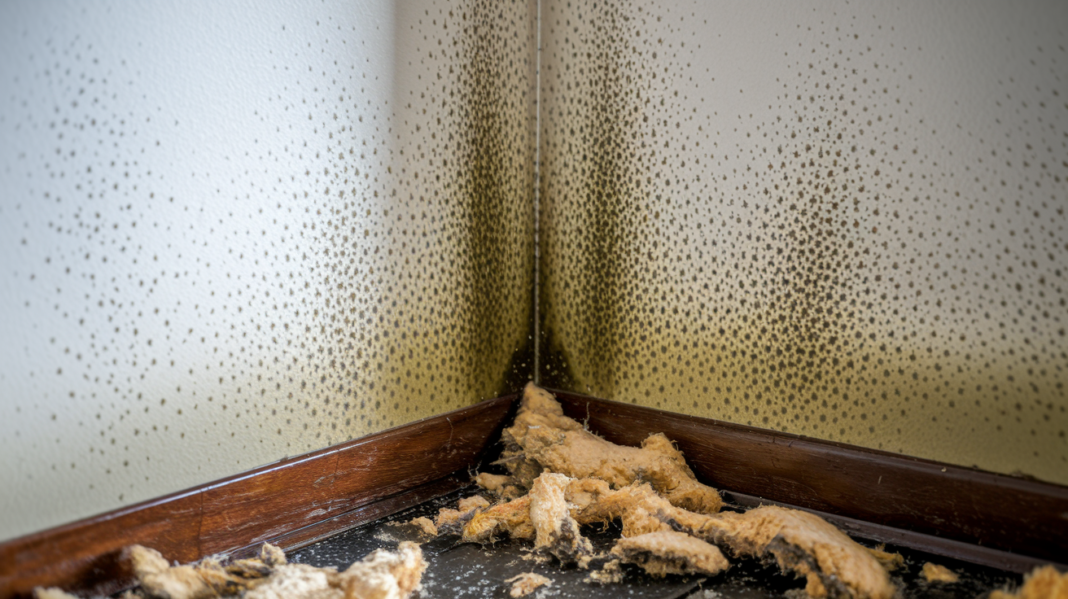

Mold after a flood is more dangerous than most people realize.
In 24 to 48 hours, spores start colonizing wet drywall, insulation, and carpet.
That creates breathing problems, allergy attacks, and hidden structural damage, especially for kids, older adults, and anyone with lung issues.
This post lays out the health risks of flood-related mold and shows why professional remediation, including containment, moisture mapping, HEPA air control, and proper documentation, stops further harm, protects your household, and makes rebuilding possible.
Immediate Actions for Mold After Flooding
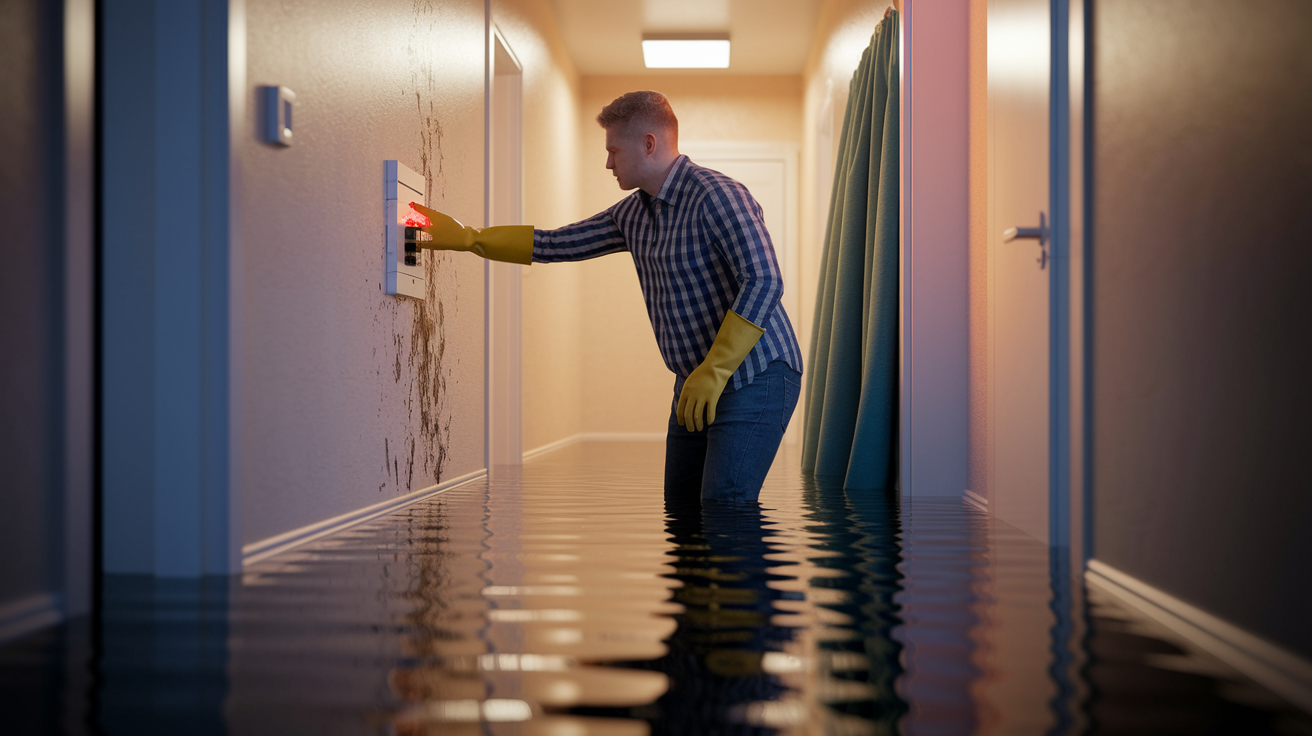
Mold doesn’t wait. Within 24 to 48 hours of flooding, spores already hanging out in every home start colonizing wet drywall, insulation, and carpet. The longer stuff stays wet, the deeper the growth digs in. What starts as a moisture problem turns into a health hazard and a structural mess pretty fast.
Exposure to flood-related mold irritates your respiratory system, sets off allergic reactions, and makes asthma worse in anyone already dealing with it. Kids, elderly folks, and anyone with chronic lung issues face bigger risks. When you mix contaminated floodwater with mold spores, you’re looking at conditions that need fast, smart action.
Before pros show up, here’s what you can do to limit damage and keep your household safer:
- Turn off electricity to flooded areas at the breaker panel if you can reach it safely.
- Stop water from coming in by shutting off the main supply if a pipe burst, or seal obvious entry points with tarps.
- Open windows and doors only if the air outside is less humid than what’s inside. Ventilation helps, but bringing in sticky outdoor air just makes things worse.
- Get standing water out using pumps or wet vacs. The faster water’s gone, the less mold can set up shop.
- Move furniture, electronics, and personal items you can save to a dry spot so contamination doesn’t spread.
Don’t touch visible mold with bare hands. And don’t hang out in heavily contaminated rooms without a mask. These first moves buy you time and cut down exposure until trained remediators can figure out the full picture.
How Fast Mold Grows After Flooding

Mold spores sit dormant until moisture wakes them up. In a flooded home, that happens quick. Wet drywall, soaked insulation, damp carpet… all perfect conditions. Organic material, darkness, moisture levels above 60 percent. Growth often starts where you can’t see it, behind walls and inside ceiling cavities, before discoloration or that musty smell shows up on surfaces.
Speed depends on what got wet. Porous surfaces that trap water speed things up, while non-porous items like metal and sealed concrete hold out longer. Knowing these timelines helps you realize how tight the response window really is.
| Material Type | Likely Mold Growth Window |
|---|---|
| Drywall and wood framing | 24–48 hours |
| Carpet and padding | 24–72 hours |
| Insulation (fiberglass, cellulose) | 24–48 hours |
| Tile, sealed concrete, metal | 72+ hours (surface only) |
Health Risks of Flood-Related Mold Exposure

Flood conditions bring in bacteria, sewage contaminants, and organic debris that mix with mold. That creates a more dangerous setup than your typical household moisture problem. Exposure can cause coughing, nasal congestion, throat irritation, wheezing, skin rashes. For people with asthma, mold sets off acute attacks. In immunocompromised folks, prolonged contact can lead to fungal infections that need medical treatment.
Kids and older adults face higher risk because their respiratory systems are more sensitive. Even short exposure during cleanup can kick off symptoms that stick around for days. And it’s not just about “black mold.” Many species common after flooding produce allergens and irritants that mess with your health, especially when you disturb them during amateur cleanup.
The health impact scales with how bad the contamination is and how long you’re exposed. Spending hours in a heavily molded room without respiratory protection increases the dose of spores you’re breathing in. Symptoms might seem mild at first… scratchy throat, watery eyes. But repeated exposure makes the response worse. People with chronic conditions should stay out of affected areas completely until pros finish remediation and clearance testing confirms the air quality is safe.
First 24–48 Hours: Homeowner Actions Before Professionals Arrive

The first two days after flooding decide how much damage mold can do. Safe drying steps include getting standing water out with pumps or wet vacs, opening windows when outdoor humidity is lower than indoors, and isolating rooms with visible mold by closing doors and sealing gaps with towels. These moves slow colonization and cut down airborne spore counts in clean areas.
Here’s the sequence to stabilize things before remediation pros arrive:
- Make sure it’s electrically safe. Turn off power to flooded zones at the breaker if you can reach the panel without stepping in water.
- Document all damage with photos and video, including water lines on walls, soaked materials, visible mold growth. Insurance claims need this evidence.
- Remove standing water as fast as you can using submersible pumps, wet vacuums, or buckets if mechanical options aren’t available.
- Pull up soaked carpet and padding within 24 hours if flooding was clean water only. Carpet exposed to sewage or sitting submerged for a long time has to go.
- Run fans and dehumidifiers in affected areas, but don’t blow air directly at moldy surfaces. That just spreads spores.
- Toss porous items that stayed wet for more than 48 hours. Drywall, insulation, particleboard, upholstered furniture… they typically can’t be saved.
- Don’t try cleaning visible mold yourself if the area’s bigger than 10 square feet, if water came from sewage, or if you’ve got respiratory conditions.
Skip the bleach on porous materials. It doesn’t penetrate deep enough to kill embedded mold, and the moisture it adds can make growth worse. Leave antimicrobial treatments to pros who use products designed for flood contamination.
When DIY Mold Cleanup Is Unsafe

Small patches of surface mold on hard, non-porous stuff like metal shelving or sealed tile can sometimes be cleaned by homeowners wearing gloves and an N95 mask. Anything beyond that gets risky. When mold covers more than 10 square feet, roughly a 3-foot by 3-foot section, you need professional remediation to make sure it’s completely removed and health complications don’t follow.
DIY cleanup also becomes unsafe when the water source was sewage or contaminated floodwater. Category 2 and Category 3 water carry bacteria and pathogens that require specialized disinfection and disposal protocols. Handling these materials without proper containment spreads contamination and exposes you to infection risk.
Other situations that need professional help:
- Mold growth inside HVAC ducts or air handlers, which spreads spores throughout your home every time the system runs.
- Structural contamination affecting wall cavities, floor joists, or ceiling insulation, where hidden growth keeps going behind surfaces you can see.
- Vulnerable people in the household. Infants, elderly residents, pregnant people, or anyone with asthma or immune disorders face higher health consequences from exposure.
- Uncertainty about how bad the damage really is, especially when musty odors stick around but visible mold is limited. That often signals hidden reservoirs that need moisture mapping and thermal imaging to locate.
Trying remediation without containment, negative air pressure, and HEPA filtration risks spreading spores to clean areas and embedding contamination deeper into porous materials.
Professional Mold Remediation Process Explained

Licensed remediation contractors follow industry protocols designed to remove mold, prevent cross-contamination, and verify safe conditions before reconstruction starts. The process involves containment, controlled removal, antimicrobial treatment, and clearance testing. These steps require specialized equipment and training beyond typical homeowner resources.
Inspection and Moisture Mapping
Pros start with a detailed inspection using moisture meters, infrared cameras, and hygrometers to locate all wet materials, including those hiding behind walls and under flooring. Moisture mapping creates a baseline that guides the scope of work and identifies areas where mold’s likely growing even if you can’t see it yet. Some contractors do air and surface sampling during this phase to document contamination levels and identify mold species, though sampling isn’t always necessary for straightforward flood jobs. The inspection typically takes one to three hours and produces a written scope that outlines which materials have to be removed, what can be cleaned, and the expected timeline.
Containment and Air Control
Before demolition begins, the team builds containment barriers using 6-mil polyethylene sheeting to seal affected areas from the rest of your home. HEPA-rated air scrubbers create negative pressure inside the containment zone. Air flows in but doesn’t escape, preventing spores from spreading to clean rooms. Negative pressure is measured and maintained at a differential of 0.02 to 0.05 inches of water column. The team sets up airlocks and decontamination chambers for workers and materials entering and exiting. This controlled environment matters when removing contaminated drywall, insulation, or flooring, which releases high concentrations of spores during handling.
Removal of Contaminated Materials
Porous materials that absorbed floodwater and supported mold growth get removed and double-bagged for disposal. Drywall below the waterline, soaked insulation, wet carpet and padding. Non-porous items like metal studs, PVC pipes, and sealed concrete are cleaned in place using HEPA vacuuming and antimicrobial agents. Demolition is methodical. Workers wet-mist surfaces to reduce airborne spores, cut materials into manageable sections, and pass debris through the containment airlock into sealed bags. The goal is complete removal of contaminated substrate, not cosmetic cleaning. For typical residential jobs, material removal takes one to three days depending on how big the affected area is.
Treatment and Final Clearance Testing
After removal, all remaining surfaces get HEPA-vacuumed and scrubbed with antimicrobial solutions to kill residual spores and prevent regrowth. The team verifies that moisture levels have returned to baseline. Wood framing typically dried to below 15 to 16 percent moisture content, confirmed using calibrated meters. Air movers and dehumidifiers run continuously during this phase, often for two to seven days, until readings stabilize. Once drying’s complete, a third-party inspector or the remediation firm performs clearance testing. Visual inspection, moisture verification, and optional air or surface sampling to confirm contamination’s been eliminated and the space is safe for reconstruction. Clearance testing typically happens 24 to 72 hours after the final cleaning and costs $200 to $600 depending on how many samples are collected.
Costs and Insurance Coverage for Mold Remediation

Remediation costs scale with the size of the contaminated area, the materials affected, and how complicated access is. Small jobs, a single room with limited surface mold on non-porous materials, often range from $500 to $3,000. Moderate contamination involving drywall removal, insulation replacement, and multi-day drying in several rooms typically costs $3,000 to $10,000. Major structural remediation, including HVAC cleaning and reconstruction of flooded lower floors, can hit $10,000 to $50,000 or more.
Insurance coverage depends on what caused the water damage and the terms of your policy. Standard homeowners policies often cover mold remediation if it resulted from a sudden, accidental event like a burst pipe, but they exclude mold caused by neglect or long-term moisture problems. Flood insurance, purchased separately through the National Flood Program or private insurers, may cover cleanup costs when rising water is the source. Many policies cap mold coverage or require that remediation starts promptly to limit damage. Documenting every step, keeping receipts, and notifying your insurer within 24 to 72 hours strengthens your claim.
| Contamination Severity | Typical Cost Range | Notes |
|---|---|---|
| Small (under 100 sq ft, surface only) | $500–$3,000 | Often includes inspection, cleaning, antimicrobial treatment |
| Moderate (100–500 sq ft, drywall removal) | $3,000–$10,000 | Containment, material removal, drying, clearance testing |
| Large (500+ sq ft, structural work) | $10,000–$50,000+ | HVAC cleaning, multi-room demolition, reconstruction |
| Additional testing (pre/post air sampling) | $200–$700 | Lab analysis of spore counts and species identification |
Choosing a Certified Mold Remediation Contractor

Credentials matter when you’re hiring for mold remediation. Look for contractors with IICRC S520 certification, which confirms training in mold-specific removal protocols, and IICRC WRT certification for water damage restoration. State contractor licenses, general liability insurance, and pollution or environmental liability coverage protect you if something goes wrong during the job. Request a certificate of insurance and verify coverage amounts directly with the insurer before work starts.
A qualified contractor provides a written scope of work that details containment procedures, materials to be removed, equipment deployment, drying targets, and clearance testing plans. They explain timelines, cost breakdowns, and disposal methods without pressuring you to commit before you review the estimate. Post-remediation verification, either through the contractor’s own clearance protocol or a third-party inspector, should be included or clearly stated as an additional line item.
When you’re evaluating contractors, confirm these things:
- IICRC or equivalent mold-remediation certification for lead technicians, not just the company.
- Proof of insurance including general liability and pollution coverage, with limits appropriate to the job size.
- At least three recent references from local jobs involving flood-related mold, with contact information you can verify.
- A detailed written estimate with line-item pricing for inspection, containment, removal, drying, treatment, and testing. Avoid vague lump-sum bids.
- Willingness to coordinate with your insurance adjuster and provide documentation, photos, and moisture logs needed for claims.
Red flags include contractors who promise immediate “mold-killing” treatments without removing contaminated materials, refuse to provide insurance proof, or pressure you to authorize work before you get a written scope. Remediation requires methodical containment and removal, not shortcuts.
Final Words
Start by stopping the water and removing standing moisture. Those first moves limit mold and make the rest of the recovery easier.
We covered immediate steps, how fast mold grows, health risks, what to do in the first 24–48 hours, when DIY is unsafe, the professional remediation process, and how costs and insurance work.
For reliable flood damage mold remediation, act fast, document what you see, and bring in a certified team when needed. You’ll get your home back safe and livable.
FAQ
Q: How to deal with mold after a flood?
A: Dealing with mold after a flood means stopping water, removing wet materials, starting controlled drying with air movers and dehumidifiers, isolating contaminated areas, and calling professionals for large or sewage-contaminated jobs.
Q: What are the 10 warning signs of mold toxicity?
A: The 10 warning signs of mold toxicity are persistent coughing, wheezing, chronic sinus congestion, frequent headaches, fatigue, brain fog, skin rashes, eye irritation, nausea, and worsened asthma or breathing issues.
Q: Is mold covered by flood insurance?
A: Mold coverage on flood insurance is often limited or excluded; some policies or endorsements cover remediation if tied to a covered flood event, so document damage, file promptly, and check your policy or agent.
Q: How long does it take for mold to set in after a flood?
A: Mold can start growing within 24 to 48 hours after a flood; porous materials like drywall, insulation, and carpet often show growth faster, so begin drying and removal immediately.