
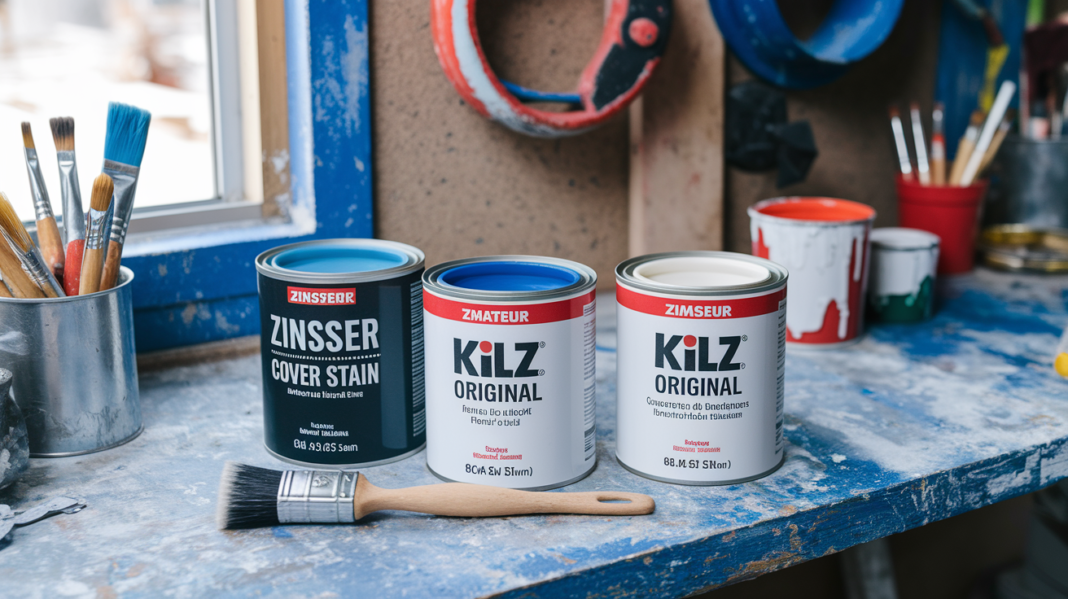

Think a new paint job will fix smoke smell? Think again.
If smoke has soaked into drywall or wood, ordinary paint won’t stop the odor.
An oil-based primer for smoke odor forms a dense, deep seal that locks smoke molecules so the smell doesn’t come back.
I’ll show Zinsser, Kilz, and BIN—three primers that actually work, when to use shellac instead, and simple prep and application steps so you don’t paint over the problem.
Best Oil-Based Primers for Blocking Smoke Odor (Top Picks)
Oil-based primers build a dense, resin-heavy barrier that traps smoke molecules and stops odor from bleeding through your topcoats. The solvent carriers in these formulas get deeper into porous surfaces than water-based options, sealing contamination at the substrate level instead of just coating what’s on top. When cigarette smoke, fire soot, or cooking odors have soaked into drywall or wood, an oil-based primer stops the smell from coming back after you paint.
Three products handle smoke odor better than most alternatives. Zinsser Cover Stain is a solid alkyd primer that seals nicotine stains and moderate smoke odor with one coat and dries fast enough to topcoat the same day. Kilz Original is heavier duty, designed for severe penetration like house fires and long-term smoking damage. It works well on wood and masonry. BIN is shellac-based rather than oil, but it’s included here as a benchmark because it outperforms both oil options in extreme cases. It’ll seal cat urine, heavy soot, and stubborn tannins that other primers miss.
- Zinsser Cover Stain: fast-drying alkyd, best for light to moderate cigarette smoke and water stains, recoats in 1–2 hours.
- Kilz Original: thick oil-based sealer for heavy smoke penetration, fire damage, and porous substrates like bare wood and concrete block.
- BIN Shellac Primer: fastest odor lock and stain blocking, recoats in 45 minutes, but requires alcohol cleanup and smells strong during application.
For light smoke or isolated staining, Cover Stain is enough. For a house fire or years of heavy smoking, start with BIN on the worst areas and follow with Kilz or Cover Stain everywhere else. If the odor is moderate and you want one product for the whole job, Kilz Original handles it without needing a second primer type.
How Oil-Based Primers Block Smoke Odor
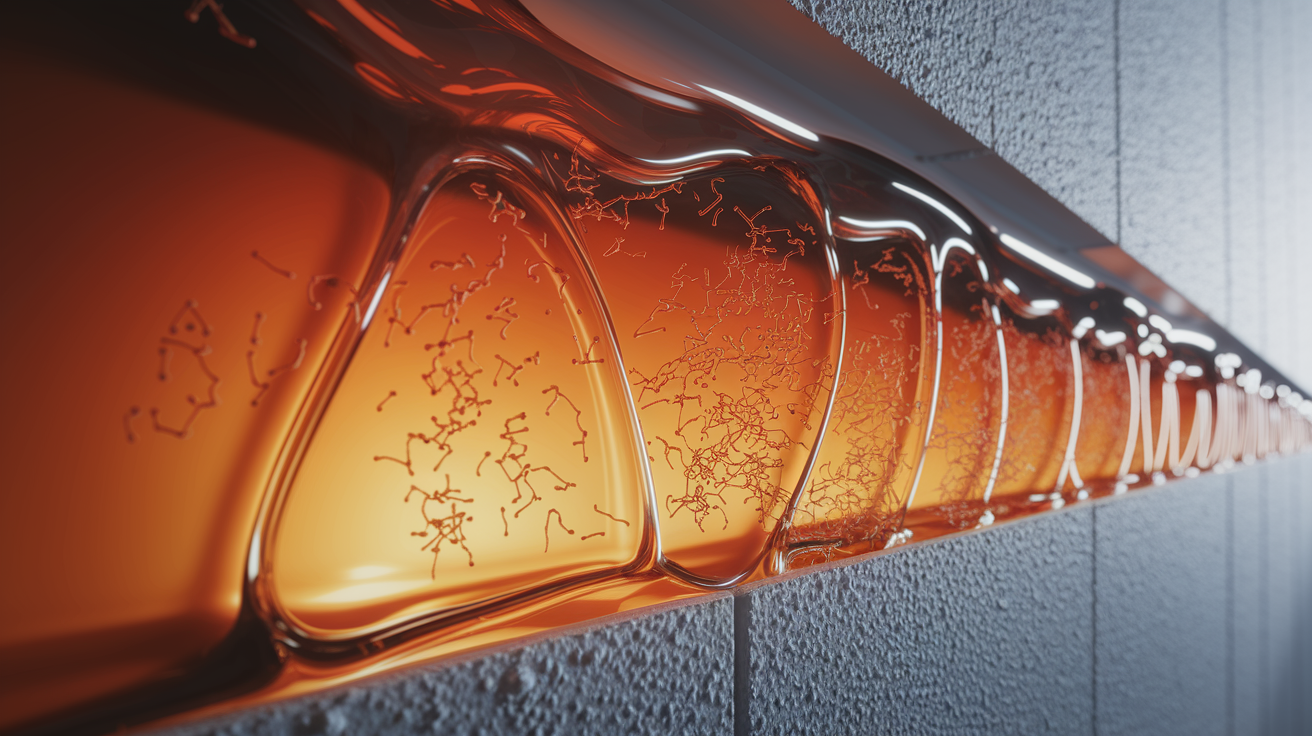
Smoke odor doesn’t just sit on the surface. Particulates from cigarette tar, wood combustion, and cooking grease soak into drywall paper, plaster, and bare wood grain. Once embedded, those molecules keep releasing smell into the air, even after washing and repainting with standard latex paint. The smell comes back because water-based coatings don’t fully encapsulate the contamination.
Oil-based primers solve this by forming a solvent-heavy resin barrier that locks contaminants in place. The alkyd resins bond tightly to the substrate and harden into a semi-impermeable film. Solvents in the primer carry the sealing resins deep into the pores of drywall and wood, displacing air pockets where odor molecules hide. Once cured, the primer layer prevents volatile organic compounds in the smoke residue from migrating outward. You get a stable seal that stops the smell from bleeding through latex topcoats or re-emerging months later when humidity rises.
Surface Preparation Before Applying Oil-Based Primer
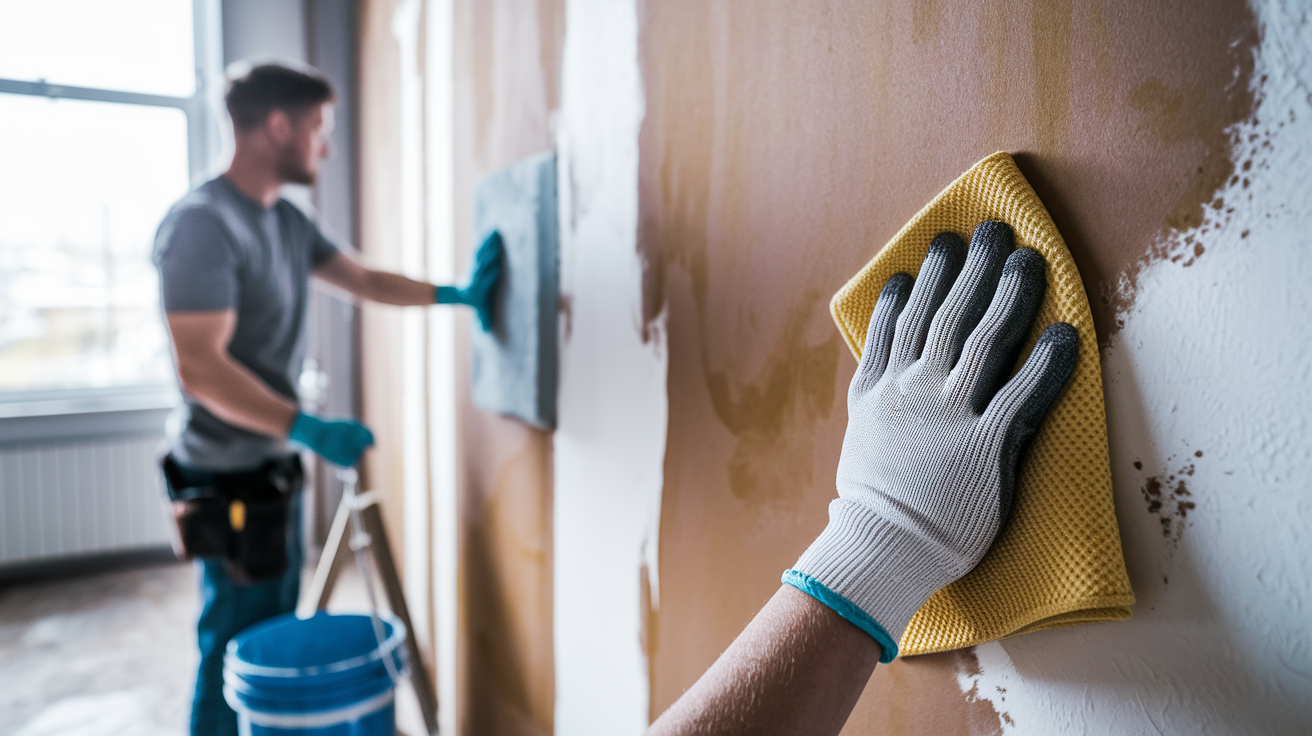
Primer can’t seal odor if the surface is coated in soot, grease, or loose debris. Cleaning removes the bulk of contamination so the primer can bond to the substrate instead of floating over a layer of residue that’ll peel or bleed.
-
Vacuum loose soot and ash with a HEPA filter vacuum or wipe walls with dry microfiber cloths to remove surface particles without smearing them deeper.
-
Wash greasy smoke residue with a TSP substitute or heavy-duty degreaser mixed according to label directions, working from bottom to top to prevent streaking. Rinse with clean water and let dry completely.
-
Spot-treat stubborn nicotine or tar stains by wiping with a solvent like denatured alcohol on a rag. This dissolves sticky residue that water-based cleaners leave behind.
-
Sand glossy or sealed surfaces lightly with 120-grit sandpaper to break the sheen and give the primer mechanical grip. Sand spackled patches smooth with 220-grit after filling cracks or holes.
-
Remove and replace any drywall or insulation that’s heavily charred, water-damaged, or crumbling. Primer can’t seal structural damage or materials saturated with contaminants.
Step-by-Step Guide to Applying Oil-Based Primer for Smoke Odor Removal
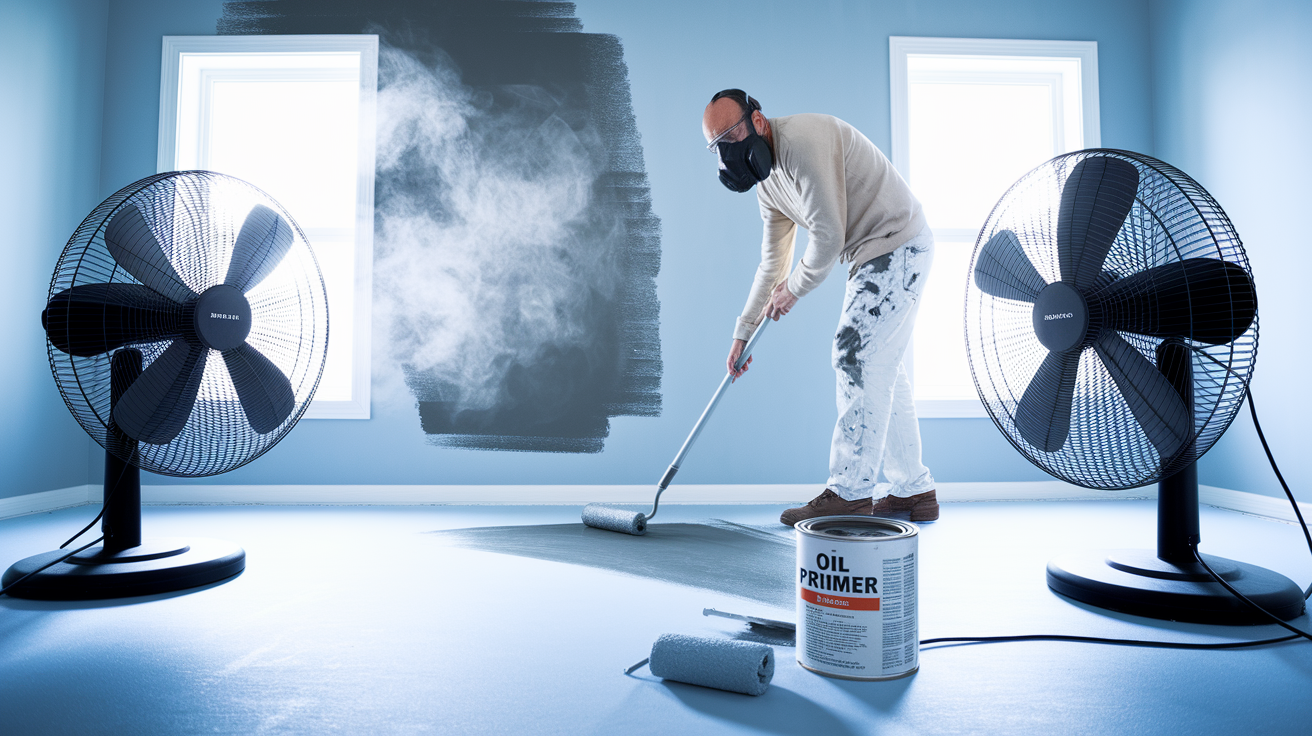
Set up cross-ventilation with box fans in windows before opening the primer can. Oil-based primers release solvent fumes that need continuous air movement to clear the space and reduce inhalation exposure. Point one fan inward at one end of the room and one fan outward at the opposite end to create a steady flow that pulls fumes outside.
Pour enough primer for 10 minutes of work into a separate roller tray or cut bucket and keep the main can covered when not pouring. Oil primers dry fast once exposed to air, and solids settle quickly. Stir the can every 20 minutes to redistribute pigment. Use a 3/8-inch nap roller for smooth drywall or a 1/2-inch nap for textured ceilings, and load the roller evenly without overloading. That causes drips and uneven sealing.
Roll primer in a W pattern to spread it evenly, then back-roll without lifting the roller to smooth the coat. Let the first coat dry to the touch, usually 1 to 3 hours depending on temperature and humidity. Check for odor bleed-through by smelling the surface up close. If the smell is faint or gone, apply one finish coat of paint. If odor is still strong, apply a second coat of primer and wait another full dry cycle before topcoating.
-
Open windows and set up exhaust fans to ventilate the workspace continuously during application and drying.
-
Stir the primer thoroughly and pour a working amount into a tray, covering the tray with plastic wrap between dips to slow drying.
-
Cut in edges and corners with a natural-bristle brush, then roll walls and ceilings in overlapping W strokes, back-rolling to level the coat.
-
Allow the primer to dry for the manufacturer’s recommended recoat window, typically 1–3 hours for most oil-based formulas.
-
Smell-test the primed surface once dry. If odor is eliminated, proceed to topcoat with two finish coats of latex or alkyd paint.
-
If odor persists, apply a second primer coat, allow another full dry period, then topcoat as planned.
Drying Times, Cure Times, and Coverage Rates
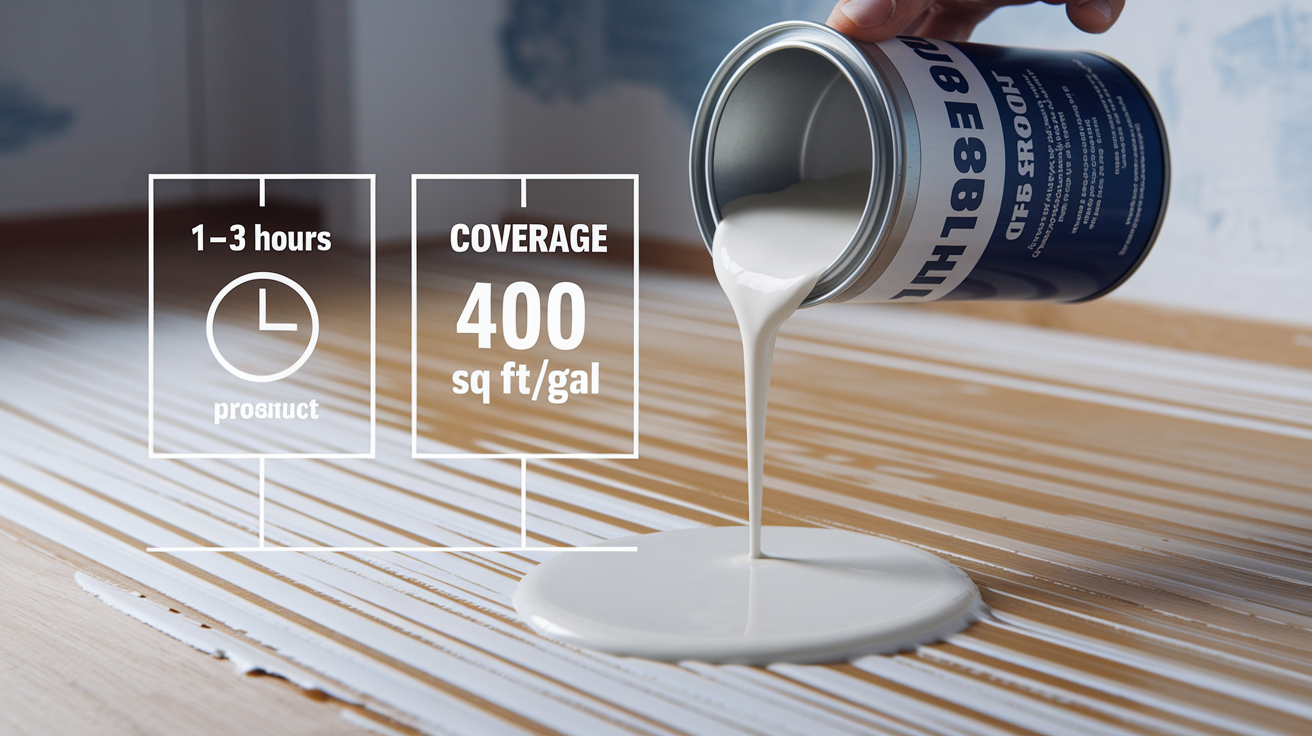
Oil-based primers dry to the touch faster than many water-based options but take longer to cure fully. Dry time refers to when the surface no longer feels tacky and can be recoated. Cure time is when the primer reaches full hardness and maximum odor-blocking performance, which usually takes about seven days. Plan to topcoat within the recoat window to ensure proper adhesion between layers.
Coverage depends on surface porosity and texture. Smooth, sealed drywall uses less primer per square foot than raw wood or heavily textured ceilings. Most oil-based primers list 400 square feet per gallon on the label, but real-world coverage on porous or damaged smoke-stained surfaces often drops to 300–350 square feet per gallon. For a 12×12 room with 8-foot ceilings, plan on one gallon per coat plus a small reserve for touchups and waste.
| Product | Dry Time | Coverage Rate |
|---|---|---|
| Zinsser Cover Stain | 1–2 hours | 300–400 sq ft/gal |
| Kilz Original | 2–4 hours | 300–400 sq ft/gal |
| BIN Shellac Primer | 30–45 minutes | 350–400 sq ft/gal |
Oil-Based vs Shellac-Based Primers for Smoke Odor
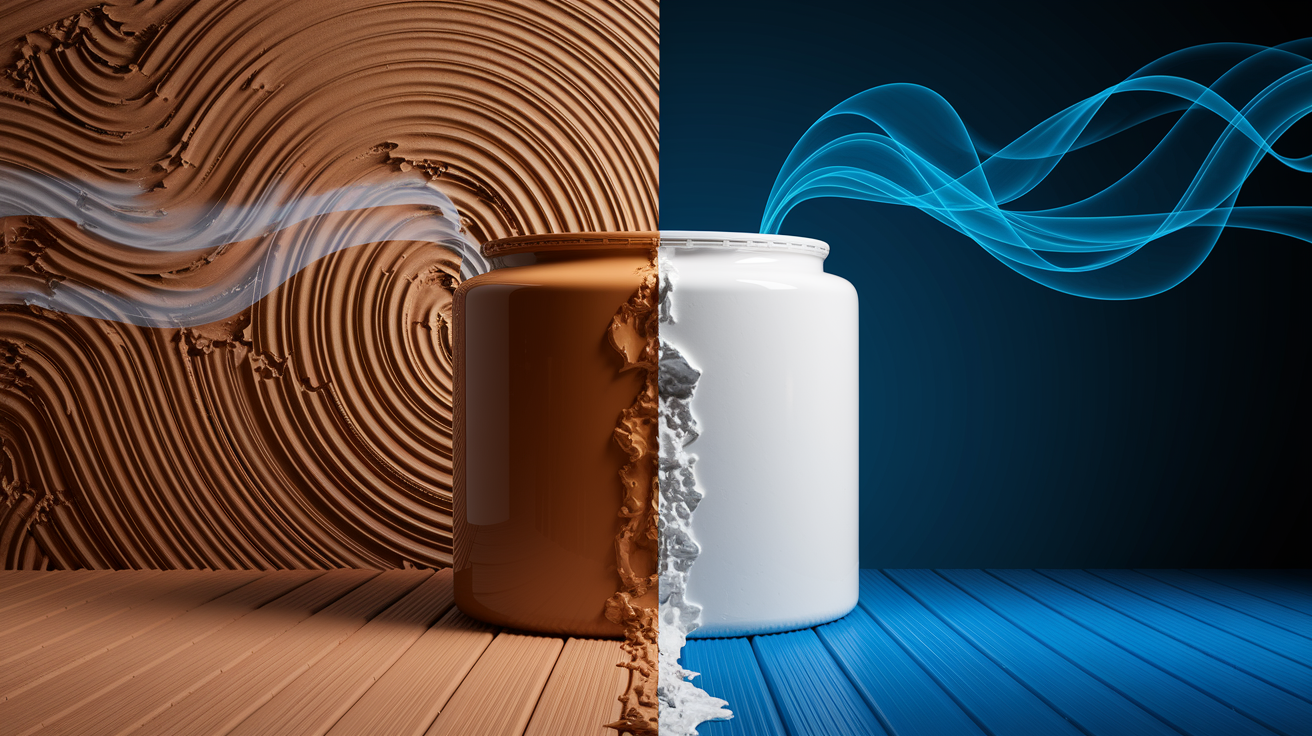
Oil-based primers and shellac-based primers both seal smoke odor, but they do it differently and with different trade-offs. Oil primers use alkyd resins suspended in mineral spirits, creating a thick, flexible film that sticks well to most surfaces and is easy to sand smooth. Shellac primers use natural resin dissolved in denatured alcohol. It dries in minutes and locks odor faster than any oil formula. For severe smoke damage from a house fire or decades of chain-smoking, shellac usually wins because it seals contaminants that oil primers can slow but not stop completely.
Shellac smells stronger during application than most oil primers, and the alcohol fumes are sharp and require the same respirator protection. Cleanup is easier in some ways. You’ll need denatured alcohol or ammonia-based cleaner instead of mineral spirits. But shellac dries so fast that brushes and rollers harden if left out for even a few minutes. Oil primers give you more working time, cost less per gallon in most cases, and are less brittle once cured. That matters on surfaces that expand and contract with humidity changes.
- Odor-blocking strength: shellac locks severe odors in one coat. Oil-based primers handle light to moderate smoke and may need two coats for heavy contamination.
- Application difficulty: oil primers stay workable longer and are easier to roll smoothly. Shellac dries too fast for beginners and clogs tools quickly.
- Cost: oil-based primers typically cost $25–$50 per gallon. Shellac primers often sell by the quart at $20–$40, making per-gallon equivalent costs higher.
- Odor during use: oil primers release petroleum-solvent smell that lingers for hours. Shellac releases sharp alcohol fumes that dissipate faster but are more intense while wet.
Buying Guide: Choosing the Right Oil-Based Primer for Smoke Odor
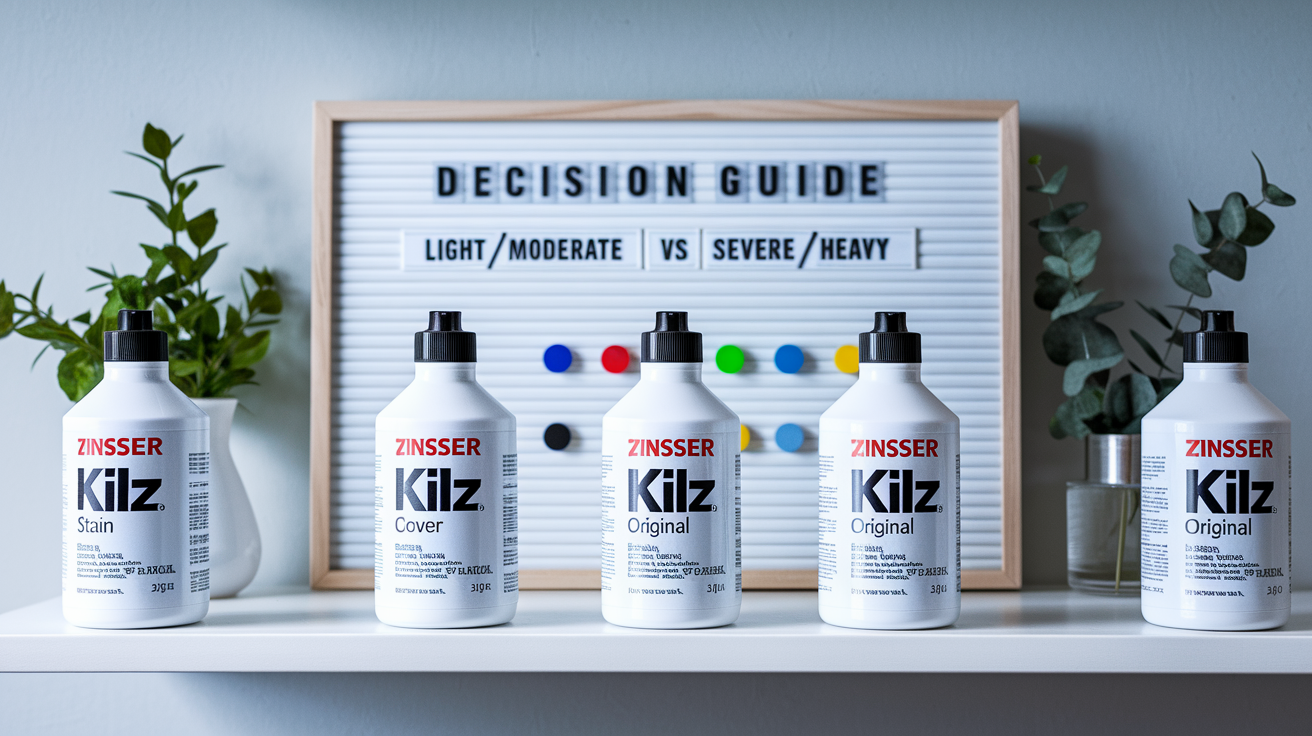
Start by assessing the severity and source of the odor. Light cigarette smoke that’s accumulated over a few years in one room responds well to a single coat of Zinsser Cover Stain or a similar fast-drying alkyd primer. Heavy smoke from a house fire, long-term chain-smoking in multiple rooms, or soot that’s penetrated into wood framing requires a stronger formula like Kilz Original or a shellac primer for the first coat. If you’re unsure, smell the wall after cleaning it. A faint smoky smell means one coat of oil primer will likely handle it. A strong, sharp odor even after washing means you need either two coats of oil primer or one coat of shellac followed by an oil or latex topcoat.
Surface type also drives the choice. Smooth drywall that was painted before the smoke damage can usually be sealed with a standard oil-based stain blocker. Bare wood, unpainted drywall, or porous masonry soaks up more contamination and needs a primer with higher solids content and better penetration. That’s where Kilz Original and similar heavy-duty oil formulas work better than lighter-bodied products. If you’re priming over glossy or semi-gloss paint, plan to sand lightly first. Oil primers bond poorly to slick surfaces without mechanical tooth.
Budget and timeline matter too. Shellac primers cost more per square foot and dry faster, which is helpful if you need to finish a room in one day. Oil-based primers cost less, cover more area per gallon, and give you time to correct mistakes while rolling. But they tie up the room longer because of the extended dry time and stronger lingering fumes. If you’re doing the work yourself and have time, oil-based is usually the better value. If you’re paying a crew or need the space back in service quickly, the speed of shellac often justifies the extra cost.
Final Words
You’re in the action: we listed top oil-based primers like Zinsser Cover Stain and Kilz, showed how they seal smoke molecules, and compared shellac for the worst cases.
You also got plain prep steps, a step-by-step application plan, and drying and coverage details so the primer sticks and the odor stays put.
Pick the product by severity, follow prep and cure times, and document results. An oil based primer for smoke odor can stop the smell and let you move toward repairs with confidence.
FAQ
Q: What is the best primer to seal smoke smell? What is the best primer for smoke houses?
A: The best primer to seal smoke smell and for smoke-damaged houses are oil-based sealers like Zinsser Cover Stain or Kilz Original; shellac-based BIN is stronger for extreme or persistent odors.
Q: Will primer cover cigarette smoke? Is there a paint that covers smoke smell?
A: Primers and paint can cover cigarette smoke when you apply an oil- or shellac-based primer first; oil-based handles typical nicotine odor, while shellac (BIN) is best for heavy, long-standing smoke smells.