


Think a quick wipe will fix soot on wood? Think again.
Soot is full of tiny particles, oils, and acids that can sink into the grain, stain finishes, and leave a smell that won’t quit.
This post gives clear, step-by-step methods you can do right away—how to protect yourself, why you dry-clean first, when to bring in stronger cleaners, and the signs you’re stripping the finish.
You’ll also learn safe odor fixes and the few times it makes sense to call a professional so the job’s really done.
Immediate Method for Cleaning Soot from Wood
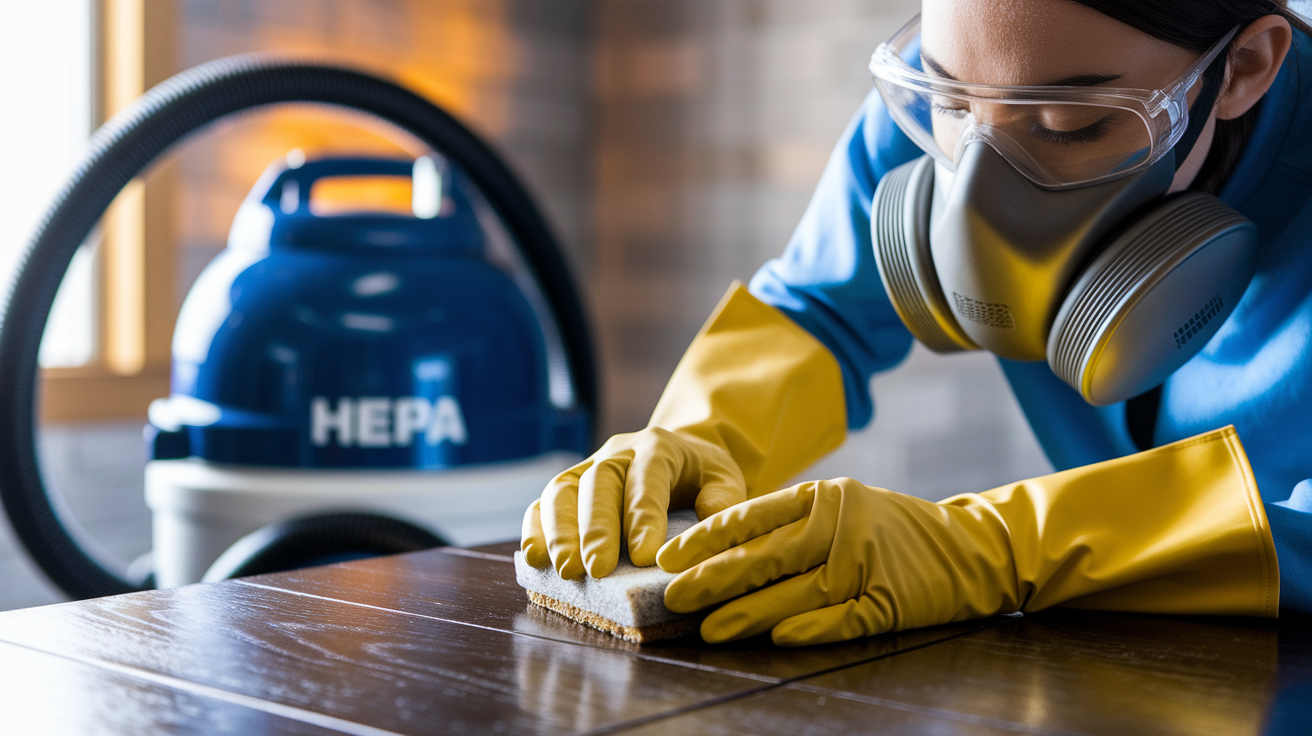
Before you touch anything, suit up. Soot particles are tiny enough to slip into your lungs, and the oils and acids in the residue can irritate your skin. Grab an N95 or P100 respirator, nitrile gloves, and safety glasses. Crack open your windows and position a fan pointing out so airborne particles get pulled away from you instead of floating around the room.
Don’t reach for a damp cloth first. That’s the fastest way to push carbon deeper into the grain and smear it across the finish. Dry cleaning lifts the loose layer without bonding it to the surface. Once you’ve removed the dry soot, you can use a barely damp cloth to get what’s left.
What you’ll need:
• N95 or P100 respirator and nitrile gloves
• Chemical sponge (dry soot sponge), sometimes called a rubber sponge
• HEPA vacuum with soft brush attachment
• Microfiber cloths (at least 6)
• Small bucket of warm water
• Mild dish soap (1 tablespoon per quart of water)
• Second bucket of clean rinse water
• Drop cloths to protect your floor
How to clean it:
- Vacuum the wood surface gently with the HEPA brush attachment. Hold the nozzle just above the surface so you’re lifting soot instead of grinding it in.
- Wipe with the chemical sponge using light, straight strokes. Work in one direction only. Don’t press hard.
- Rotate or flip the sponge when the working surface turns black. Toss it when all sides are saturated.
- Mix 1 tablespoon of mild dish soap into 1 quart of warm water. Dampen a microfiber cloth and wring it until it feels almost dry.
- Wipe the wood in the direction of the grain. Use light pressure and short passes.
- Right away, follow with a second cloth dampened in clean rinse water. Wipe away any soap residue.
- Dry the surface immediately with a clean, dry microfiber cloth.
Stop if the finish starts to dull, lift, or feel sticky. That means you’re removing the protective coating along with the soot. At that point, you need to either switch to something gentler or plan to refinish the piece. Pushing harder won’t remove the soot. It’ll just strip the finish and leave you with worse damage than you started with.
Differences Between Cleaning Finished and Unfinished Wood

Finished wood has a sealed surface. Polyurethane, varnish, lacquer, or paint. That layer blocks moisture and keeps soot from soaking into the grain. You can use slightly damp cleaning methods because the liquid sits on top of the finish instead of being absorbed. The soot usually wipes away without staining the wood underneath.
Unfinished wood has open pores. Soot particles settle into the grain and bond with the natural oils and fibers. If you use too much water or cleaner, the liquid carries the soot deeper and spreads it sideways. That’s why unfinished wood requires slower, layered cleaning. Mostly dry methods, with solvents used sparingly on a nearly dry cloth. You’re lifting carbon out of the grain, not washing it across the surface.
You’ll know the method is working when each pass of the sponge or cloth comes away visibly dirty, and the wood surface looks cleaner without appearing darker or wetter. If the wood starts to swell, darken unevenly, or feel fuzzy, you’re using too much liquid. Stop, let it dry completely, and reassess. For unfinished pieces, mineral spirits on a lint free rag may be safer than water based cleaners. Test in a hidden spot first.
Deep Cleaning Methods for Stubborn Soot
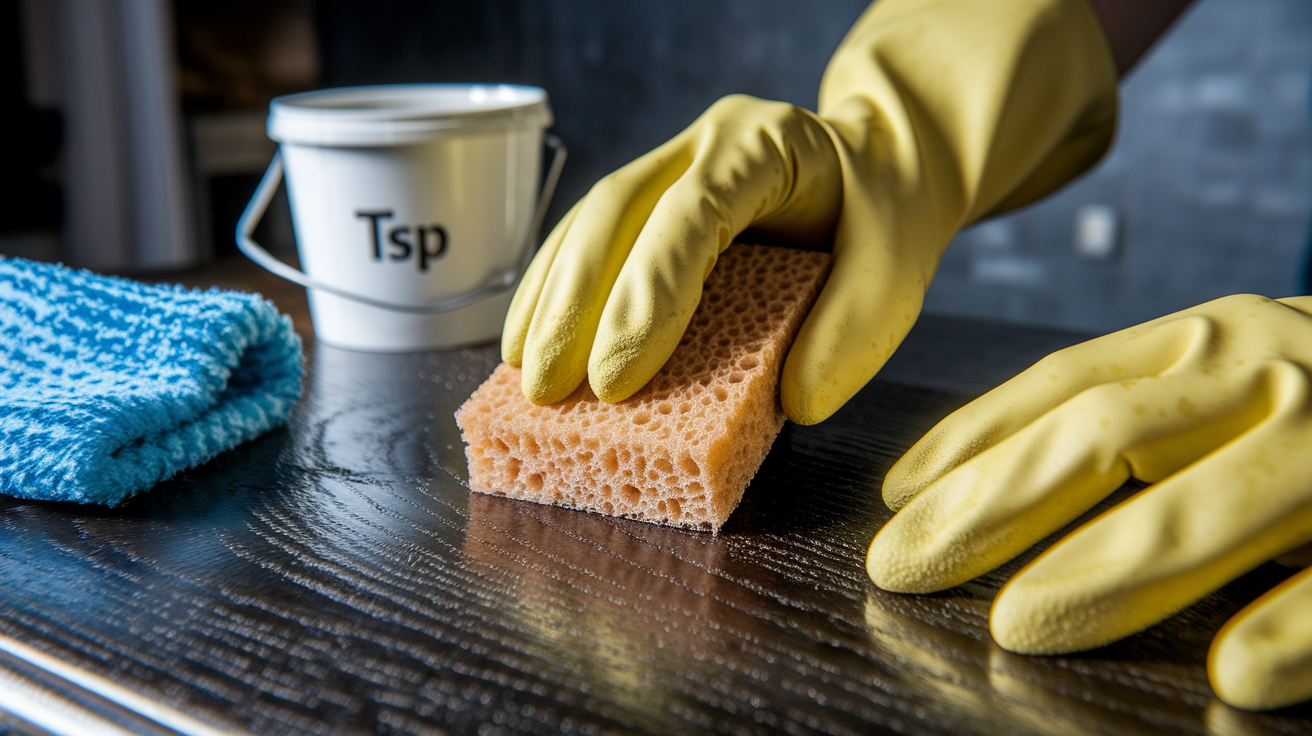
When dry cleaning and mild soap don’t remove the residue, you can escalate to stronger options. Trisodium phosphate, or TSP, is a heavy duty cleaner that cuts through oily carbon buildup. Mix 1/3 cup of TSP powder into 1 gallon of warm water. Wear gloves and eye protection. TSP will dull or strip some finishes, so test it on a hidden edge first. If the finish stays intact after 5 minutes, you can proceed.
Use TSP sparingly. Dampen a cloth in the solution, wring it almost dry, and wipe the soot in straight passes. Rinse immediately with a second cloth dampened in clean water, then dry the surface. Don’t let TSP sit on the wood. If the finish starts to soften or turn cloudy, stop and rinse thoroughly.
White vinegar is a gentler alternative for light soot and odor. Mix 1 part vinegar to 4 parts water. The acid cuts oily residue without the harshness of TSP. Vinegar works well on finished wood but can raise the grain on unfinished surfaces, so test first. Apply with a damp cloth, rinse, and dry right away.
Commercial wood cleaners labeled for smoke or soot often contain surfactants designed to lift carbon without stripping finish. Follow the product instructions exactly and always spot test. Over cleaning—scrubbing too hard, using too much cleaner, or repeating the process too many times—removes the protective finish along with the soot. Once the finish is gone, the wood will absorb stains, water, and dirt. At that point, you’re no longer cleaning soot. You’re planning a refinish.
Removing Lingering Smoke or Soot Odor From Wood

Soot leaves behind volatile organic compounds. Small odor molecules that settle into the wood grain. Even after the visible residue is gone, the smell can stick around. That’s because the carbon particles carried oils, chemicals, and combustion byproducts that bonded to the porous fibers.
Place shallow bowls of baking soda on or near the wood surface. Replace the baking soda every 24 to 48 hours. Activated charcoal pouches work the same way. They pull odor molecules out of the air around the wood. Keep the space ventilated with fans and open windows to help the odors disperse. Expect measurable improvement in 2 to 7 days for light smoke exposure.
If the odor doesn’t fade after a week, it means soot penetrated deeper than surface cleaning can reach. That usually happens with unfinished wood, porous trim, or pieces that were exposed to heavy smoke for an extended period. In those cases, the wood may need sealing with a stain blocking primer or sanding to remove the top layer of contaminated grain. Persistent odor isn’t just unpleasant. It’s a sign that cleaning alone won’t solve the problem.
When Professional Restoration Is Necessary

If the wood is charred, blistered, or warped, household cleaning won’t fix it. Structural damage means the heat changed the wood fibers, not just the surface. Professionals use moisture meters, thermal imaging, and air quality testing to measure damage you can’t see. They also have HEPA filtered equipment, industrial air scrubbers, and commercial grade soot removers that aren’t sold in retail stores.
Call a professional restorer when soot covers more than 100 square feet, when it’s entered wall cavities or HVAC ducts, or when odor lingers after 48 to 72 hours of ventilation and cleaning. Professionals can seal contaminated surfaces with vapor barriers, apply thermal fogging or ozone treatment for odor, and replace materials that can’t be salvaged. They document the work with photos and moisture readings, which helps with insurance claims. If your insurance requires certified cleanup or if you’re unsure whether the damage is safe to handle, that’s when you stop and make the call.
Preventing Future Soot Buildup on Wood

Soot forms when fuel doesn’t burn completely. That happens with dirty chimneys, poorly vented stoves, low quality firewood, or candles burning in drafty areas. Annual chimney inspections and cleanings reduce creosote and carbon buildup. Use seasoned hardwood with low moisture content. Wet or green wood produces more smoke and soot.
Keep wood surfaces sealed. A coat of polyurethane, varnish, or wax creates a barrier that soot can’t penetrate. Wipe trim, mantels, and furniture near fireplaces every few weeks with a dry microfiber cloth to remove dust before it bonds with airborne oils. Run an air purifier with a HEPA filter in rooms with wood burning appliances or frequent candle use. Those small habits keep soot from settling in the first place.
Final Words
Start by lifting loose soot with dry methods—vacuum with a soft brush and wipe with gentle cloths—before any wet cleaning. That stops smearing and keeps the finish safe.
We covered safety basics, finished vs unfinished wood care, deeper options like TSP or vinegar, odor control, and when to call a pro.
Following these steps for how to remove soot from wood will save many surfaces. If it gets worse, experts can finish the job. You’ll have your wood back to normal.
FAQ
Q: What gets soot out of wood?
A: Soot on wood is removed by lifting dry soot first (vacuum with a soft brush or dry sponge), then gentle washing with mild detergent and water, using TSP or commercial cleaners for stubborn residue.
Q: Will Dawn dish soap remove soot? Does rubbing alcohol remove soot?
A: Dawn dish soap can remove light soot when mixed with water; rubbing alcohol can dissolve oily soot but may strip finishes, so test a hidden spot and use sparingly.
Q: Does soot stain permanently?
A: Soot staining can be permanent if it soaks into unfinished wood. Finished wood often cleans up, but deep penetration may require sanding, refinishing, or replacing the damaged piece.