


Wiping smoke off drywall is a waste of time.
Smoke residue is a sticky mix of tar, soot, and other compounds that cling to paint and dig into the drywall paper.
For smoke residue removal drywall needs a tested approach, and we’ll show the quick test to know what you’re dealing, the safe cleaners and techniques that don’t ruin the wall, and when sealing or replacement is the right call.
You’ll learn step-by-step actions to stop stains, cut the smell, and document the job so your claim is clear.
Immediate Steps for Smoke Residue Removal on Drywall
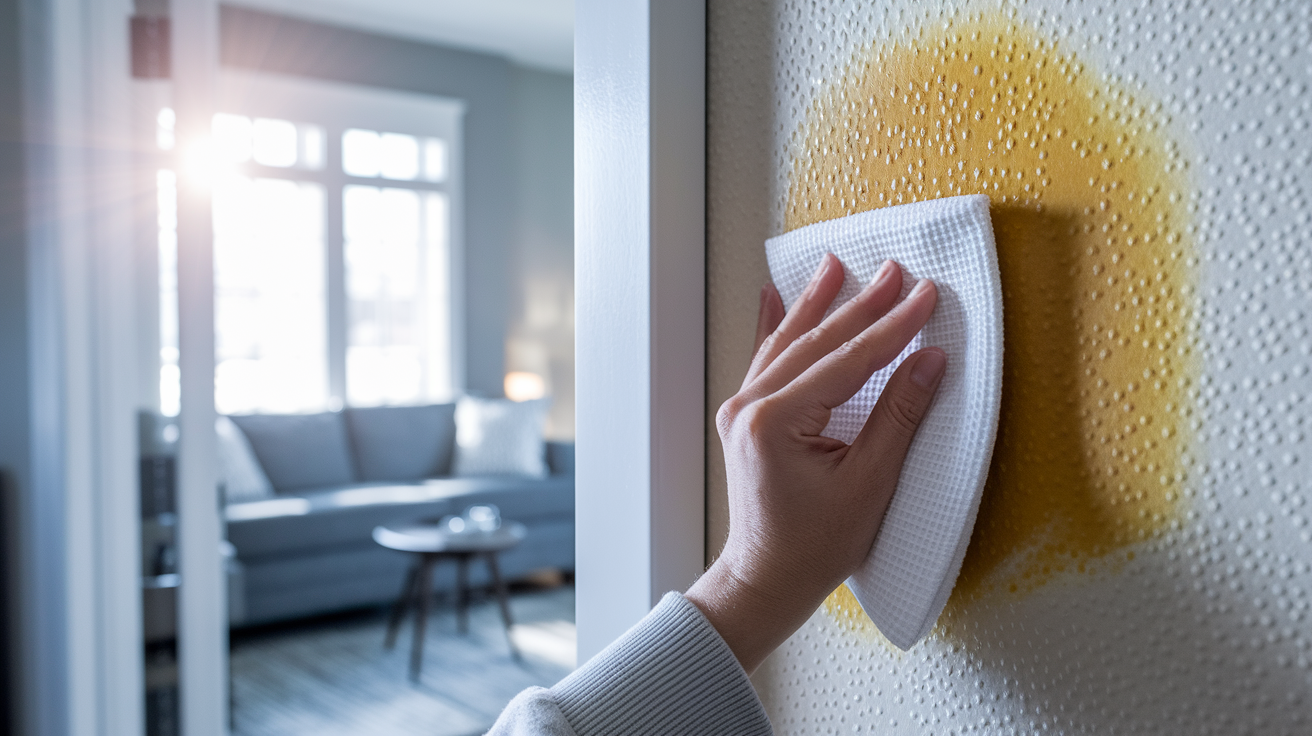
Smoke residue isn’t just sitting on your wall. It’s a sticky mix of tar, nicotine, and carbon that grabs hold of the textured surface and digs into the pores of your paint and paper face. Even a small kitchen fire or a few days of indoor smoking can leave compounds that bond deep, making this way more complicated than wiping down a countertop.
Before you grab any cleaner, run a quick test. Get a white microfiber cloth damp with plain water and wipe a 4 inch square somewhere you won’t notice, maybe behind a door. If the cloth turns yellow or brown, you’ve got smoke residue. If it smears instead of lifting, that’s oily tar and water won’t touch it. “Before I even opened the bucket, I wiped one square behind the bedroom door. The cloth turned mustard yellow in two strokes.”
Drywall is porous and hates too much water. Soak it and you’ll watch the paper face bubble, the gypsum core soften, and seams swell. Work gently. Keep things damp, not wet. Dry each section as you go.
Cleaning sequence:
- Dry dust the walls with a microfiber mop head or soft brush so you’re not smearing loose soot around.
- Test a hidden 4 inch spot with a damp cloth to see what you’re dealing with.
- Clean that test area lightly with mild dish soap, about 1 teaspoon per quart of warm water.
- Don’t oversaturate. Wring cloths until they’re barely damp and blot any drips right away.
- Dry the cleaned section with a clean towel so you don’t get mineral spots or let moisture soak in.
Identifying the Severity of Drywall Smoke Damage

Not all smoke leaves the same mess. Oily soot from burning plastics or cooking grease smears heavy and you’ll need surfactants to break it down. Dry soot from wood or paper lifts easier with gentle wiping. Protein based smoke from burned food might look almost invisible but produces a smell that won’t quit, even after you clean.
Run your 4 inch microfiber test in a few different rooms. If the cloth picks up light gray dust that rinses clean, you’ve got dry soot and mild contamination. If it smears brown and leaves a greasy film, expect heavier buildup and more time. If the wall looks clean but smells sharp, you’re dealing with protein residue or deep tar penetration.
Severity indicators:
- Light: Thin gray film, lifts with damp microfiber, no odor after one pass, only in one room.
- Moderate: Yellow brown transfer on cloth, smearing when you first wipe, mild smoky smell, visible color change on flat paint or around vents.
- Heavy: Thick oily residue, cloth soaked in one wipe, strong smell that won’t leave, bubbling or peeling paint, staining on multiple walls or ceilings.
- Structural concern: Drywall feels soft or spongy, seams are swollen, paper face is lifting, water was used during fire suppression and walls are still damp.
- Hidden damage: Residue inside wall cavities, HVAC ducts contaminated, insulation holding odor, baseboards showing wicking stains.
- Replacement threshold: Drywall that stayed wet longer than 48 hours, visible mold growth, crumbling gypsum, or odor that comes back after cleaning and priming.
Best Cleaners for Removing Smoke Stains from Drywall
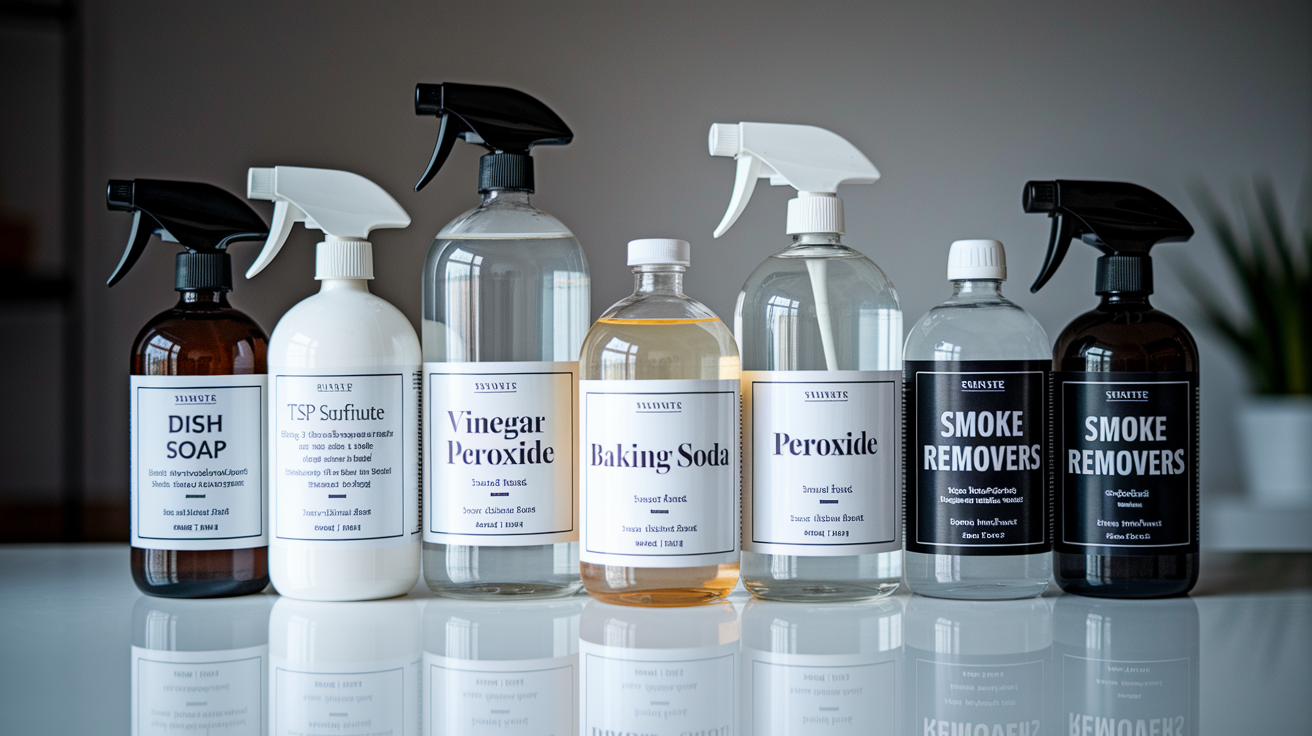
Start with mild dish soap for most painted drywall. Mix 1 teaspoon of clear dish soap per quart of warm water. Apply with a damp microfiber cloth, let it sit for 60 to 90 seconds, then wipe gently in small circles and rinse with clean water. This works for light residue on semi gloss or satin finishes and won’t hurt your paint.
For moderate to heavy staining, grab a TSP substitute. It’s got stronger alkaline surfactant action without the environmental headaches of old school TSP. Mix about 1/4 cup of powder per gallon of water, but check the label. Wear nitrile gloves, tape off your baseboards, apply with a damp sponge, let it dwell for 2 to 3 minutes, then rinse really well with plain water. Don’t use TSP substitutes if your paint manufacturer says it’ll dull the finish. Check your paint can or call them if you’re not sure.
A vinegar rinse helps knock down odors after you’ve cleaned with surfactants, but it’s not a degreaser. Mix equal parts white vinegar and warm water, mist or wipe the cleaned wall lightly, then rinse again with plain water so you’re not leaving acid on the surface. Don’t use vinegar on unsealed lime plaster, natural stone, or delicate wallpapers. Baking soda paste (1 tablespoon baking soda mixed with 2 tablespoons water) works as a mild scrub for small spots on glossy paint. Wipe and rinse well. For brightening small spots on white painted surfaces, 3% hydrogen peroxide can help, but spot test first and don’t leave it on too long or you’ll bleach streaks.
| Cleaner | Best Use Case | Mix Ratio | Notes |
|---|---|---|---|
| Dish Soap | Light residue, eggshell or semi gloss paint | 1 tsp per quart warm water | Safe for most latex paints; rinse well |
| TSP Substitute | Moderate to heavy tar/nicotine on painted drywall | About 1/4 cup per gallon water | Wear gloves; rinse thoroughly; may dull some finishes |
| Vinegar Solution | Odor neutralizing after surfactant cleaning | Equal parts white vinegar and warm water | Not a degreaser; avoid on stone/unsealed plaster |
| Baking Soda Paste | Small localized stains on glossy paint | 1 tbsp baking soda + 2 tbsp water | Mild abrasive; rinse completely |
| Hydrogen Peroxide | Brightening white painted spots | 3% solution, undiluted | Spot test; avoid prolonged contact; risk of bleaching |
| Commercial Smoke Removers | Heavy professional grade jobs | Follow manufacturer instructions | Often pH balanced; may include surfactants and odor neutralizers |
Techniques for Effective Drywall Smoke Residue Removal

Always clean from top to bottom. Gravity pulls dirty rinse water down the wall, so if you start at the ceiling you won’t streak over sections you already cleaned. Keep the wall evenly damp, not saturated. Wring your microfiber cloth or sponge until it’s just moist, not dripping. Uneven moisture causes blotchy drying and can leave mineral deposits if your water’s hard.
Microfiber cloths lift oils better than cotton rags because the split fibers create tiny channels that trap tar and nicotine instead of smearing them around. Use a two bucket method. One bucket holds your cleaning solution, the other holds clean rinse water. Dip, wipe a small section, then rinse the cloth in the clean bucket before you reload with cleaner. Change the rinse water when it turns cloudy. This keeps you from redepositing residue onto areas you just cleaned. “I learned the hard way that a dirty rinse bucket just spreads the problem around.”
Don’t use abrasive pads or scrub brushes on flat paint. Flat and matte finishes have a porous, non reflective surface that burnishes easily, leaving shiny streaks where you scrubbed. For stubborn spots on flat paint, let the cleaner sit longer or move to a stronger product instead of scrubbing harder. On satin, eggshell, or semi gloss finishes, a soft sponge is fine, but test your pressure in a hidden spot first. Steam cleaning and pressure washing will destroy drywall. Both dump way too much moisture into the gypsum core and paper face.
Odor Removal Methods After Cleaning Drywall Smoke Residue

Cleaning the visible residue takes out most surface odor, but smoke compounds can hang around in soft goods, HVAC systems, and porous materials even after walls look clean. A vinegar rinse helps neutralize some odor compounds, but it can’t touch deep set smells embedded in drywall, insulation, or ductwork.
Replace your HVAC filters right after smoke exposure. Old filters hold soot and recirculate the smell every time the system runs. Run ventilation with windows open whenever the weather’s decent, and point box fans outward to push contaminated air out. In small rooms or closets, set out activated charcoal or baking soda in shallow trays to passively absorb airborne odor molecules. If odor sticks around after thorough cleaning and drying, the tar and nicotine have soaked into the drywall surface and you’ll need a sealing primer before you repaint. Professional deodorization methods like thermal fogging or ozone treatment can handle whole home contamination, but both need you to clear out and should only be done by trained technicians.
Odor removal strategies:
- Apply a vinegar and water rinse (equal parts) after surfactant cleaning, then rinse again with plain water.
- Replace all HVAC filters and check ductwork for visible soot buildup.
- Use charcoal based odor absorbers in enclosed spaces like closets, pantries, and bathrooms.
- Wash or dry clean curtains, upholstery, and bedding that absorbed smoke.
- Run an air purifier with a HEPA filter and activated carbon stage in affected rooms.
- Ventilate continuously for at least 72 hours after cleaning, weather permitting.
- Apply a shellac based or oil based sealing primer to lock in residual odor before repainting.
- Consider professional thermal fogging or ozone treatment for severe whole home contamination (requires evacuation and certification).
Priming and Sealing Smoke Stained Drywall Before Painting

If yellow or brown staining stays visible after cleaning, or if odor lingers even after everything’s dry, you need a sealing primer before you repaint. Painting directly over smoke residue almost always fails. Tar and nicotine bleed through latex paint within days or weeks, and the smell comes back as soon as the room warms up.
Shellac based primers block odor most aggressively. They dry fast, seal porous surfaces tight, and stop volatile organic compounds from migrating through the paint film. Oil based primers also give you strong stain and odor blocking, though they take longer to dry and need mineral spirits for cleanup. Specialty smoke blocking primers are made specifically for fire and smoke restoration and usually combine shellac or oil resins with odor neutralizing additives. All three work, but shellac is the go to for heavy nicotine and stubborn smells. “We primed a rental unit three times with latex before switching to shellac. One coat of shellac finally stopped the bleed through.”
Apply primer in thin, even coats using a roller with the right nap for your wall texture. Let it dry all the way before you topcoat. In bad cases, you might need a second primer coat. Once the primer is dry and odor free, you can apply standard latex or oil based paint as your finish.
| Primer Type | Strength | Best For |
|---|---|---|
| Shellac based | Highest odor and stain blocking | Heavy nicotine, persistent smoke odor, fast drying needs |
| Oil based | Strong stain blocking, good odor control | Moderate smoke damage, when extended dry time is acceptable |
| Specialty Smoke blocking | Formulated for fire/smoke restoration | Professional remediation, insurance documented jobs, combined stain and odor issues |
When Cleaning Isn’t Enough: Replacing Smoke Damaged Drywall
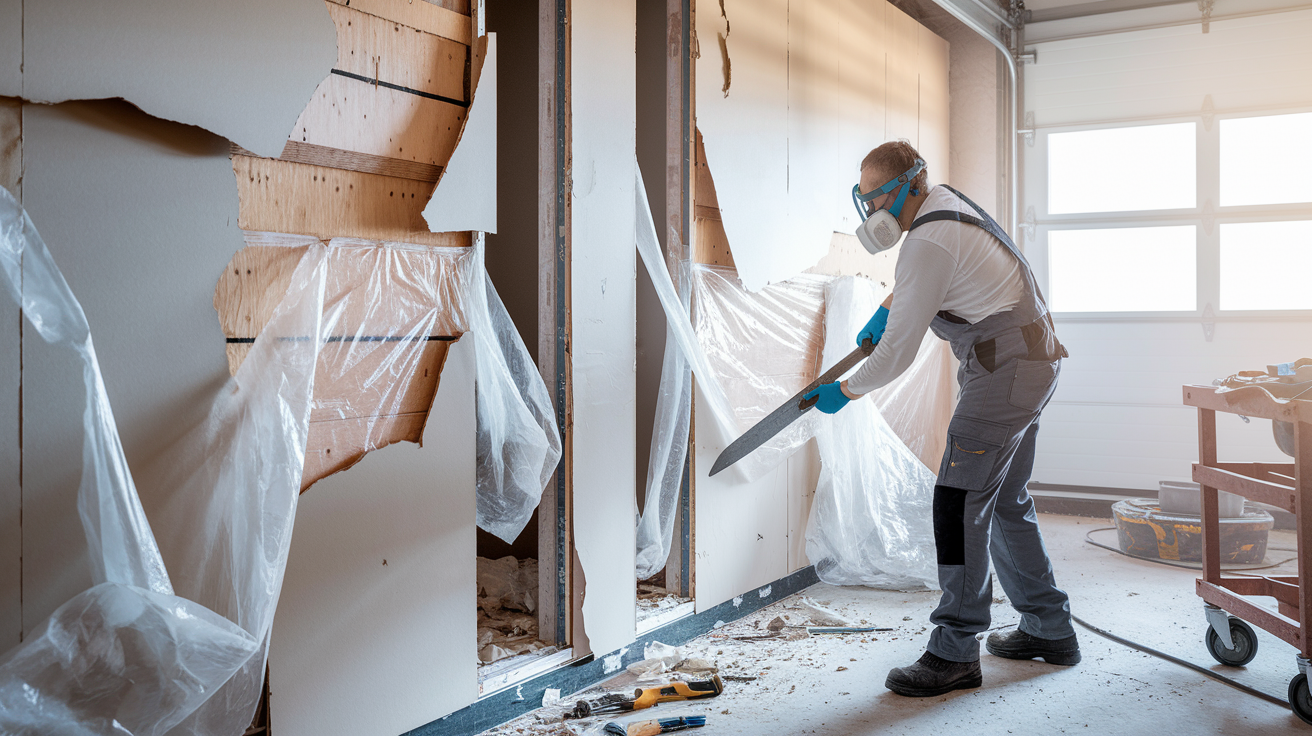
DIY cleaning works when smoke residue sits on the surface and the drywall itself is still solid. It fails when the gypsum core is compromised, the paper face is peeling, or odor hangs on even after you’ve sealed with primer. In those cases, tearing it out and replacing it is faster, cheaper, and more reliable than trying over and over to save contaminated material.
Drywall that stayed wet longer than 48 hours after fire suppression is at high risk for mold growth inside the wall cavity. If seams are swollen, the paper face is bubbling, or you can push the surface in with light finger pressure, the core has soaked up too much water and needs to be replaced. Deep smoke odor that comes back after cleaning, drying, and priming usually means tar and nicotine have punched through the paper face into the gypsum, insulation, or framing. No amount of surface cleaning will fix it.
Get rid of contaminated drywall according to local rules. Some places treat fire damaged building materials as special waste because of heavy metals, asbestos in older homes, or hazardous combustion byproducts. Contact your municipal waste office before you haul material to a standard landfill. When you cut out damaged sections, wear a respirator rated for particulates, contain dust with plastic sheeting, and check the wall cavity for hidden soot, char, or moisture before you install new drywall.
Conditions indicating replacement:
- Drywall stayed saturated longer than 48 hours and now feels soft, spongy, or crumbles under pressure.
- Seams are swollen, tape is lifting, or paper face is peeling away from the gypsum core.
- Visible mold growth on the surface or a musty smell behind the wall.
- Odor sticks around after thorough cleaning, drying, and application of shellac based sealing primer.
- Structural damage from fire, like charring, cracking, or loss of rigidity.
- Heavy tar saturation that bleeds through multiple primer coats or shows up again seasonally when heat or humidity rises.
Professional Smoke Remediation Services for Drywall

Professionals bring tools, training, and insurance documentation workflows you can’t match on your own. IICRC certified restoration technicians use HEPA air scrubbers to capture airborne soot, apply commercial grade alkaline surfactants made for tar and nicotine, and follow multi stage drying and deodorization protocols. They also carry moisture meters, thermal imaging cameras, and particle counters to verify that hidden contamination is gone, not just covered up.
Severe tar buildup from long term smoking, whole home smoke damage from structure fires, or contamination in HVAC systems and wall cavities usually need professional remediation. Contractors document every step with photos, moisture readings, and detailed scopes of work, which makes insurance claims and supplements easier when hidden damage shows up during tearout. If cleaning fails or the job grows beyond a single room, hiring a licensed, insured restoration contractor saves time, cuts health risk, and gives you results you can verify.
Criteria for choosing a smoke remediation contractor:
- IICRC certification in fire and smoke restoration (a nationally recognized training standard for damage cleanup and rebuild).
- Active general liability and workers’ compensation insurance. Ask for certificates before work starts.
- Detailed written estimates that separate cleaning, priming, and reconstruction line items. Skip lump sum bids without breakdowns.
- References from recent smoke or fire restoration projects. Ask to see before and after photos and contact past clients.
- Clear communication about timeline, access needs, and how they’ll protect unaffected areas during containment and cleaning.
Tools, PPE, and Safety Measures for Drywall Smoke Cleaning

Wear nitrile gloves to protect your hands from alkaline cleaners and oily soot. Latex gloves can break down when exposed to petroleum based residues. Use safety glasses or goggles to stop splashes, especially when you’re working overhead on ceilings. A respirator rated N95 or higher protects against fine soot particles and volatile organic compounds released during cleaning. Standard dust masks don’t filter tar vapors or sub micron carbon particles.
Ventilation matters. Open windows, run box fans pointed outward, and don’t trap chemical vapors or soot dust in the work area. If you can’t ventilate well, stop and reschedule for better conditions. Never mix ammonia based cleaners with bleach or other chlorine products. The combination makes toxic chloramine gas that damages your respiratory system within minutes.
Drywall should stay damp, not wet. Wring cloths and sponges well before wiping, blot drips right away, and dry each section with a clean towel after rinsing. Oversaturating drywall weakens the gypsum core, lifts the paper face, and sets up conditions for mold. Work in small sections, check your progress often, and stop if the surface starts to feel soft or shows bubbling.
Advanced Deep Clean Steps for Stubborn Smoke Residue
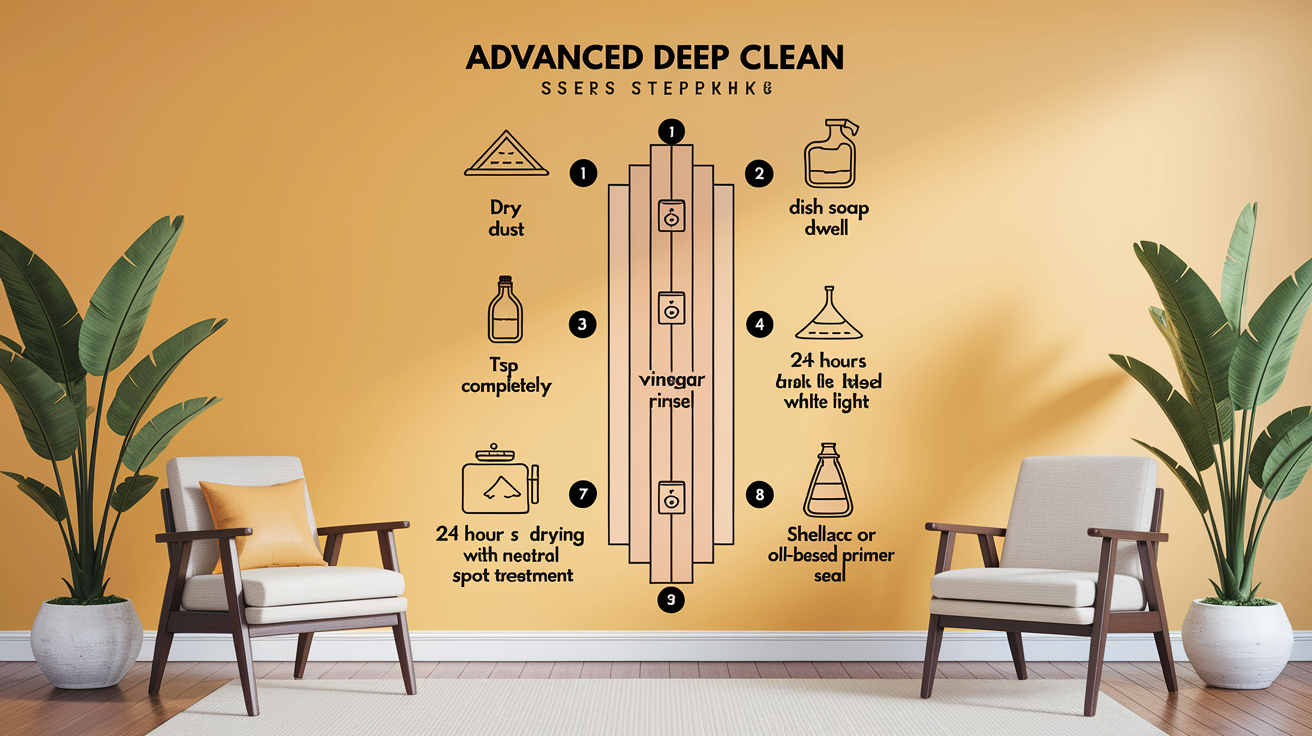
When initial cleaning leaves behind visible staining or lingering odor, step through a methodical deep clean workflow before you commit to primer and paint. This targets embedded residue without over wetting or damaging the drywall surface.
- Dry dust the entire wall again with a clean microfiber mop head to grab any soot loosened during the first cleaning pass.
- Apply dish soap solution (1 teaspoon per quart warm water) with a damp microfiber cloth, working top to bottom in 3 foot sections. Let it dwell 60 to 90 seconds, wipe gently, then rinse with clean water.
- Move stubborn areas to TSP substitute (about 1/4 cup per gallon water). Apply with a damp sponge, allow 2 to 3 minutes of dwell time, then rinse thoroughly. Change rinse water when it turns yellow or cloudy.
- Apply a vinegar deodorizing rinse (equal parts white vinegar and warm water) to the entire cleaned surface, then rinse again with plain water to remove acidity.
- Dry the wall completely with clean towels, working in the same top to bottom pattern to stop streaking.
- Allow 24 hours of drying with good ventilation, then check under neutral white light (3500 to 4000K) instead of warm bulbs, which make yellowing look worse and hide true residue removal.
- Spot treat any remaining discoloration with 3% hydrogen peroxide on a cotton swab (white painted surfaces only). Blot and rinse right away to avoid bleaching.
- If staining or odor sticks around after full drying and spot treatment, apply a shellac based or oil based smoke sealing primer before repainting. Don’t try more wet cleaning, because the residue has soaked into the drywall surface.
Maintaining Clean Drywall After Smoke Residue Removal
If smoking keeps happening indoors, plan a light maintenance wipe down every 1 to 3 months to stop heavy buildup. Use the same mild dish soap solution (1 teaspoon per quart warm water) on a damp microfiber cloth, focusing on high traffic areas, walls near seating, and ceilings above smoking zones. Regular cleaning stops tar from bonding deep into paint pores and makes each session faster.
Air purifiers with HEPA filtration and activated carbon stages cut down airborne particulates before they land on walls. Put purifiers in rooms where smoking happens and run them all the time. Washable paint finishes like satin or semi gloss instead of flat tolerate repeated cleaning without burnishing or losing sheen, making long term maintenance easier and less damaging to the wall surface.
Ongoing maintenance actions:
- Wipe walls every 1 to 3 months with mild dish soap solution to stop tar accumulation.
- Replace HVAC filters every 30 to 60 days in smoking households instead of the standard 90 day interval.
- Run a HEPA air purifier with activated carbon continuously in rooms where smoking occurs.
- Use satin or semi gloss paint on high contact walls to improve washability and cut staining.
- Ventilate rooms right after smoking by opening windows and running exhaust fans to reduce particle deposition.
FAQ: Common Questions About Drywall Smoke Residue Removal
Can I use only vinegar to remove smoke stains?
Vinegar helps knock down odors but doesn’t break down oily tar and nicotine as well as surfactant based cleaners like dish soap or TSP substitute. Use vinegar as a deodorizing rinse after cleaning with a grease cutting product.
Is TSP substitute safe for all painted drywall?
TSP substitutes are phosphate free and generally safe for latex and oil based paints, but always rinse well and test in a hidden area first. Some manufacturers warn that alkaline cleaners may dull flat or matte finishes.
Will hydrogen peroxide damage my paint?
3% hydrogen peroxide is safe for spot treating small stains on white painted surfaces, but leaving it on too long or using higher concentrations can bleach or discolor paint. Always spot test and rinse right after application.
Can I paint over smoke stains without cleaning first?
No. Tar and nicotine will bleed through standard latex paint within days or weeks. Clean the surface, let it dry completely, then apply a shellac based or oil based sealing primer before painting.
How do I prevent streaking when cleaning walls?
Work top to bottom, keep the surface evenly damp instead of saturated, change rinse water when it turns cloudy, and dry each section with a clean towel right after rinsing.
What if the odor comes back after cleaning and priming?
Persistent odor usually means tar has soaked into the drywall core or contaminated insulation and framing. At that point, replacing the affected drywall works better than more cleaning or priming.
Can I clean smoke residue off wallpaper?
Vinyl wallpaper can handle mild dish soap solution if you keep it barely damp and don’t soak seams. Paper wallpaper needs dry cleaning sponges and gentle dabbing instead of wiping. Test in a hidden corner first.
How long does drywall take to dry after cleaning?
With good ventilation and moderate humidity, drywall dries within 12 to 24 hours. Use fans to speed drying and don’t prime or paint until the surface feels completely dry to the touch.
What is the best primer for heavy smoke damage?
Shellac based primers give you the strongest odor and stain blocking for heavy nicotine and tar. Oil based primers also work well but take longer to dry.
Do I need to clean ceilings the same way as walls?
Yes. Smoke rises and deposits heavily on ceilings. Use the same cleaning methods, work in small sections, and protect yourself from drips by wearing safety glasses and putting drop cloths below your work area.
Final Words
You’re wiping a 4‑inch test square and seeing yellow transfer — that tells you right away what to do next.
Start with dry dusting, a spot test, and light cleaning. Then judge severity, pick the right cleaner, keep surfaces evenly damp, and dry thoroughly. Seal stubborn stains with primer, or replace board that’s ruined. Use PPE, document for insurance, and call a remediation pro for heavy contamination.
Following these steps for smoke residue removal drywall helps stop stains and smells and gets your walls ready for paint. You’ll be back to normal soon.
FAQ
Q: How to get cigarette smoke residue off walls? Can you get smoke out of drywall?
A: Getting cigarette smoke residue off walls and removing smoke from drywall is possible, but it takes testing, dry dusting, mild cleaning, and often a sealing primer or stronger cleaner if stains or odor persist.
Q: Will Dawn dish soap clean nicotine off walls?
A: Dawn dish soap can remove surface nicotine when mixed sparingly with warm water, acting as a mild degreaser; heavy tar or deep staining usually needs a stronger alkaline cleaner or a sealing primer.
Q: How do you clean a house that has been smoked in for years?
A: Cleaning a house smoked in for years means staged work: dry dusting, deep cleaning walls and fabrics, HVAC filter changes, odor absorbers, and likely priming or replacing heavily contaminated drywall; consider professional remediation for whole-house issues.