
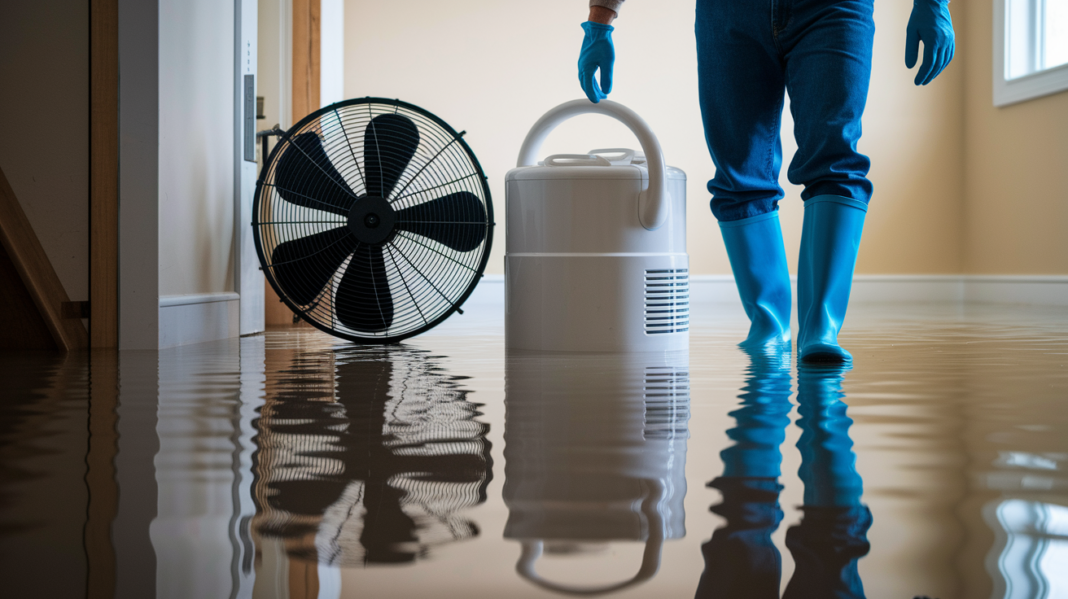

What if waiting 48 hours after a flood costs you the walls, carpet, and the smell that never leaves? Mold can begin growing within 24 hours once floodwater soaks into drywall, flooring, and insulation. This post gives you a clear, hour-by-hour plan: how to extract standing water first, start airflow and dehumidifiers, what to remove and what you might save, how to check moisture and humidity targets, plus simple steps to document the work for your insurance. Move fast and you’ll stop most mold before it starts.
Immediate Steps to Stop Mold Growth After Flooding (Do This First)

Mold starts growing within 24 hours of floodwater entering your home. Once it takes hold, it spreads fast, especially when humidity pushes past 60 percent and materials like drywall, insulation, and carpet stay soaked. You’ve got about 48 hours to stop the process before it turns into a much bigger mess.
Get the standing water out first. Nothing else matters until you do this. The longer water sits, the deeper it soaks into floors, baseboards, and wall cavities. Even a thin layer will wick into porous materials and create hidden moisture pockets that feed mold for weeks. Use a wet/dry vacuum, a submersible pump, or just buckets and towels if that’s what you’ve got. Just get it out.
Start moving air the second you remove standing water. Open windows if it’s not humid outside, turn on ceiling fans, and aim box fans or air movers at wet surfaces. Moving air speeds up evaporation and stops moisture from settling into materials. Without airflow, a damp room can stay wet for days even after the visible water is gone.
Track your humidity to know if your efforts are actually working. A basic hygrometer will tell you the relative humidity in each room. You’re shooting for below 50 percent, ideally between 30 and 40. If the number stays high, mold will grow even if things look dry.
Here’s what you need to do in the first hours after flooding:
- Pull out all standing water using a wet/dry vacuum, pump, or manual extraction with towels and buckets.
- Start drying fast by placing fans or air movers in every affected room and aiming them at wet floors and walls.
- Get air moving by opening windows and doors if outdoor conditions allow, and running exhaust fans in bathrooms and kitchens.
- Toss soaked porous materials like carpet padding, wet insulation, and any drywall that stayed wet for more than a day or two.
- Track humidity with a hygrometer in each room and adjust equipment until readings drop below 50 percent.
Speed is everything. Every hour of wetness gives mold a better shot at taking hold. If you move within the first 24 to 48 hours, you can stop most of it before it starts.
Safety Measures Before Beginning Cleanup

Floodwater isn’t clean. It’s usually carrying sewage, chemicals, pesticides, and bacteria from streets, yards, and industrial areas. Touching contaminated water or breathing dust from dried flood residue can cause infections, respiratory problems, and skin reactions. Wear nitrile gloves, rubber boots, and an N95 respirator at minimum before you step into any flooded space.
Electrical hazards are everywhere after flooding. Water reaches outlets, appliances, breaker boxes, and wiring inside walls. If you see standing water near electrical equipment or if water got to outlet level, shut off power at the main breaker before you go in. Don’t assume circuits are safe just because lights are off. If you’re not sure whether it’s safe to kill the power yourself, call an electrician or your utility company first.
Protective gear cuts your exposure to mold spores, contaminants, and sharp debris hidden under murky water. You need waterproof gloves, rubber boots that cover your ankles, safety goggles to protect against splashes, and a respirator rated N95 or higher. If you’re pulling out moldy drywall or insulation, upgrade to a P100 respirator and wear disposable coveralls. Keep your gear on the whole time you’re working in the affected area. Wash your hands and face thoroughly when you’re done.
Detailed Drying Techniques and Equipment Options

High capacity dehumidifiers pull moisture from the air faster than small household units. They work better in large or heavily saturated rooms. A dehumidifier rated for 30 to 70 pints per day is usually enough for a single room, but severe flooding might need commercial units that remove 100 pints or more. The dehumidifier condenses water vapor and collects it in a tank or drains it through a hose, lowering humidity so wet materials can release moisture into the air.
Air movers are specialized fans built to push large volumes of air across surfaces and into tight spaces. They’re more effective than household box fans because they move air at high velocity, which speeds evaporation from floors, walls, and baseboards. For a flooded room, place two to four air movers in corners and aim them toward wet areas. If you don’t have air movers, use multiple box fans on high speed and position them so air circulates constantly. Leave them running 24 hours a day until moisture readings return to normal.
Combining dehumidifiers and air movers creates the fastest drying conditions. The air movers pull moisture out of materials, and the dehumidifier removes that moisture from the air before it can settle back onto surfaces. This cycle keeps the drying process moving instead of stalling. Check your hygrometer every few hours. Adjust fan positions or add more equipment if humidity isn’t dropping.
Key equipment for effective drying:
- Wet/dry vacuum to extract standing water and pull moisture from carpets and upholstery before drying.
- High capacity dehumidifier rated for the square footage of your affected space, running continuously until humidity drops below 50 percent.
- Air movers or box fans positioned to maximize airflow across all wet surfaces, with at least two units per large room.
- Hygrometer and moisture meter to track progress and confirm materials have returned to normal moisture levels before you close walls or replace flooring.
Material-Specific Mold Prevention (Floors, Walls, Furniture)
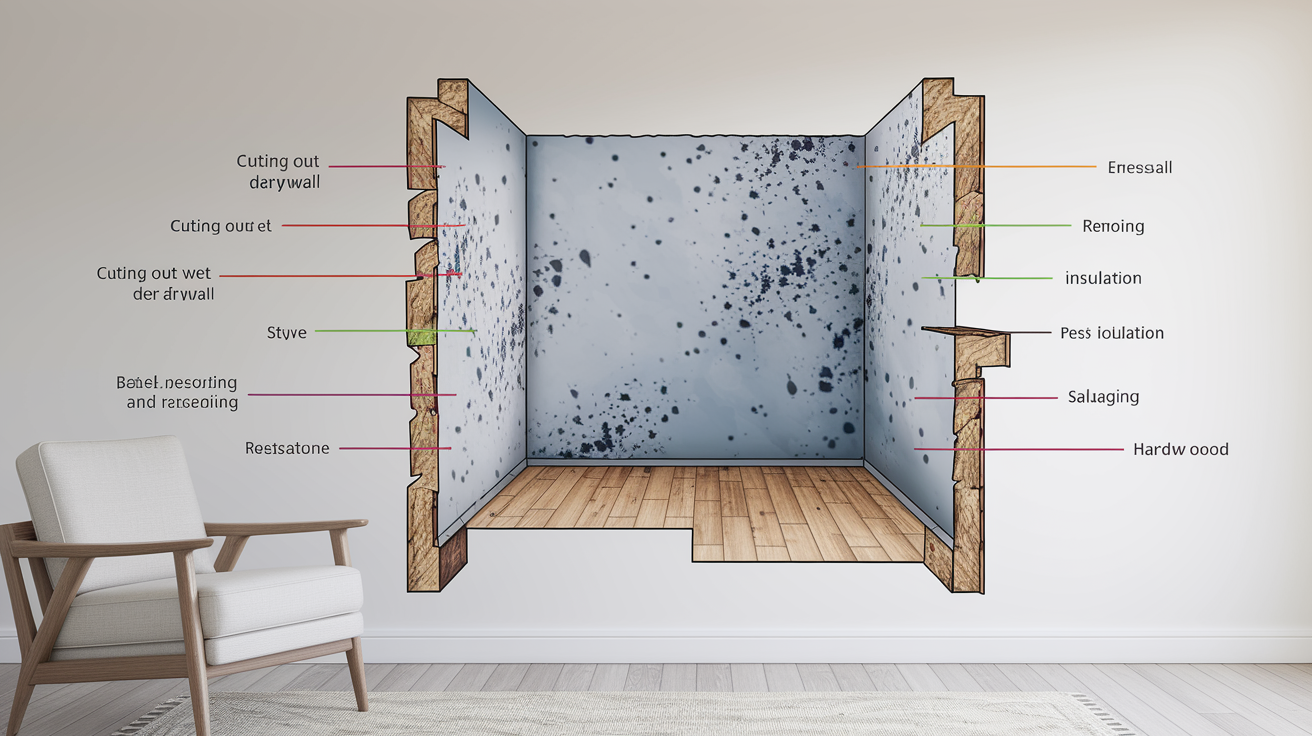
Drywall and insulation absorb water fast and hold it deep inside, where it can’t evaporate without removal. If drywall stayed wet for more than 24 to 48 hours, cut it out at least 12 inches above the visible water line and pull out the soaked insulation behind it. Wet drywall might look intact, but the paper facing and gypsum core create perfect conditions for mold. Leaving it in place usually means hidden mold and persistent musty odors later.
Carpet and padding require different decisions depending on how long they stayed wet and what type of water soaked them. Carpet padding almost always needs to be tossed if it was underwater for more than a day or two. It acts like a sponge and holds contaminated water against the subfloor. The carpet itself can sometimes be saved if you extract the water immediately, dry it thoroughly with air movers, and have it professionally cleaned. If the water was contaminated or the carpet stayed wet for more than two days, replacement is safer.
Hardwood floors can often be salvaged if you act fast. Lift a few boards or create small gaps to allow airflow underneath, then run dehumidifiers and air movers continuously. Monitor the wood with a moisture meter. Don’t attempt sanding or refinishing until readings return to the normal range for your wood species. Warped or cupped boards may flatten as they dry, but some damage can be permanent if water sat too long.
| Material | Action Needed | Salvageable? |
|---|---|---|
| Drywall (wet >24–48 hours) | Cut out and remove at least 12 inches above water line; discard wet insulation | No |
| Carpet padding | Remove and discard if soaked >24–48 hours | No |
| Hardwood flooring | Lift or gap boards, dry with air movers and dehumidifiers, monitor moisture levels | Often yes, if dried quickly |
| Upholstered furniture | Extract water, dry rapidly; discard if soaked >24–48 hours or contaminated | Sometimes, with professional cleaning |
Furniture and upholstery are tough calls. Solid wood furniture can usually be dried and refinished, but upholstered pieces that stayed soaked for more than a day or two are hard to save. Foam cushions and fabric hold water, bacteria, and odors that don’t come out with ordinary cleaning. For high value pieces, contact a professional restoration company within the first day. For everyday furniture, expect to discard most upholstered items if they were underwater.
Preventing Mold in the Weeks After Cleanup

Mold can come back days or weeks after you finish drying if moisture finds its way back into the structure. Hidden leaks, condensation, or another weather event can restart the process, especially if humidity climbs back above 50 percent. Keep your dehumidifier running and your hygrometer in place for at least two to four weeks after the initial cleanup. Check readings daily.
Regular inspections help you catch new problems before they turn into mold. Walk through every affected room once a week and look for water stains, soft spots in drywall, musty smells, or discoloration on baseboards and trim. Check closets, cabinets, and areas behind furniture where air doesn’t circulate well. If you notice any of these signs, measure the moisture level with a moisture meter and restart drying immediately if readings are elevated.
Humidity control is your long term defense against mold. Even after repairs are complete, indoor humidity above 50 percent creates conditions that allow mold to grow on dust, fabrics, and any surface that holds a little moisture. Run your HVAC system with a clean filter, use bathroom and kitchen exhaust fans during showers and cooking, and keep at least one dehumidifier running if your home tends to stay humid.
Key ongoing prevention checks:
- Inspect all previously flooded areas weekly for new stains, odors, or soft spots that indicate hidden moisture.
- Monitor indoor humidity with a hygrometer and keep levels between 30 and 50 percent.
- Replace HVAC filters monthly and check ductwork for signs of moisture or mold growth after flooding.
Final Words
In the action of the first hours, stop the water, extract standing water, and kick on air movers and dehumidifiers to keep mold from taking hold. Wear protective gear, shut off power if needed, and remove soaked porous materials.
After drying, keep checking materials and humidity for several weeks, and document readings and photos for your insurer.
If you want to know how to prevent mold after flooding, move fast, measure, and follow the steps above. You’ll cut the risk and get things back to normal sooner.
FAQ
Q: How soon does mold grow after a flood and how do I stop it?
A: Mold can begin growing within 24–48 hours after a flood; to stop it, remove standing water, start rapid drying with air movers and dehumidifiers, increase ventilation, and discard soaked porous materials.
Q: What are the 10 warning signs of mold toxicity?
A: The 10 warning signs of mold toxicity include persistent cough, wheeze, nasal congestion, throat irritation, headaches, fatigue, brain fog, skin rashes, eye irritation, and recurrent sinus infections.
Q: Will spraying vinegar in the shower prevent mold?
A: Spraying vinegar in the shower can help reduce surface mildew but won’t fully prevent mold; it removes light growth, yet ventilation, drying, and regular cleaning are needed for lasting prevention.