
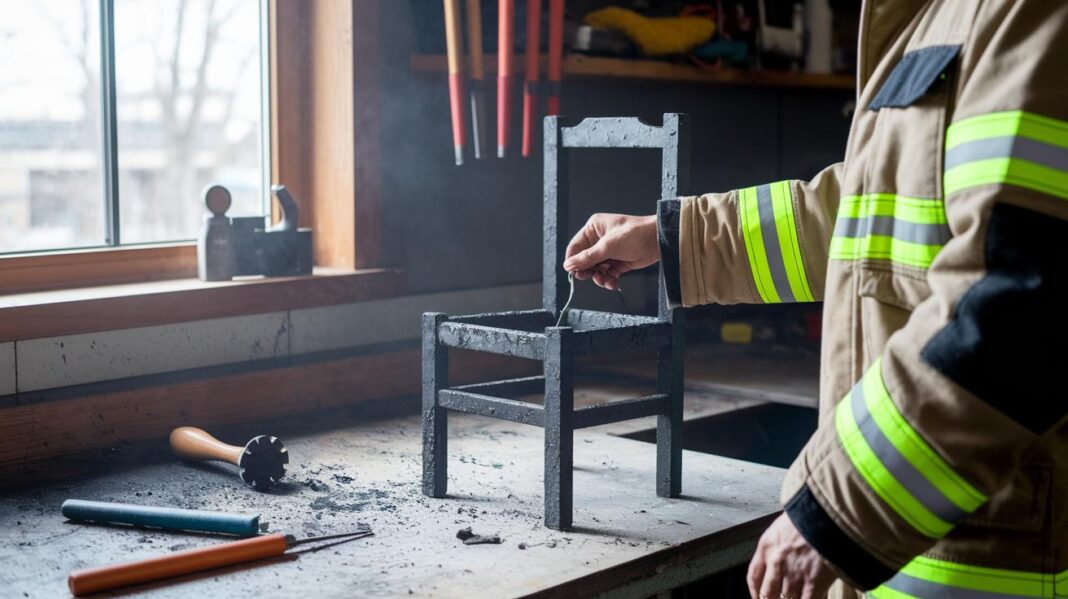

Have you wondered if you can save your favorite furniture after a fire? It might seem impossible, but quick and careful steps can bring back its charm. We first check for burning marks, stubborn soot, and water stains to keep the damage from getting worse. Using gentle methods and the right tools, we remove both visible and hidden soot without harming your pieces. This guide shows you a simple, safe process to restore your furniture and help it look its best again.
Key Steps for Cleaning Fire Damaged Furniture
A fire is stressful, and quick, careful cleaning can stop more damage from happening. First, we check for charring, heavy soot, and water marks (from firefighting efforts). Taking these early steps helps prevent long-lasting stains and smells.
Start by examining each piece of furniture closely. Look for surface soot, burn marks, and any water damage that might make things worse. Understanding its condition lets us choose the best cleaning tools and techniques.
Using the right tools protects your furniture. We use a vacuum with a soft-bristle attachment, a soot sponge (a sponge designed to pick up soot), and cleaners safe for wood or fabric. This way, we remove both loose and hidden dirt without causing additional harm.
- Check each item for charring, soot buildup, smoke stains, and water marks.
- Gently remove loose soot using a vacuum hose or a soft-bristle brush.
- Wipe surfaces with a soot sponge to lift away oils and residues.
- For wood pieces, clean with a mild soap-and-water solution or a wood-safe cleaner, then apply a polish or conditioner.
- For upholstered items, use a flat-brush vacuum, then clean with a mild detergent, and let it dry completely.
- Lightly dust with baking soda or use a vinegar solution to neutralize any lingering odors.
Following these steps in order helps you remove both visible soot and hidden residues while keeping your furniture’s finish intact. This methodical approach leads to a more effective and lasting restoration.
Essential Safety Precautions for Fire Damaged Furniture Cleanup
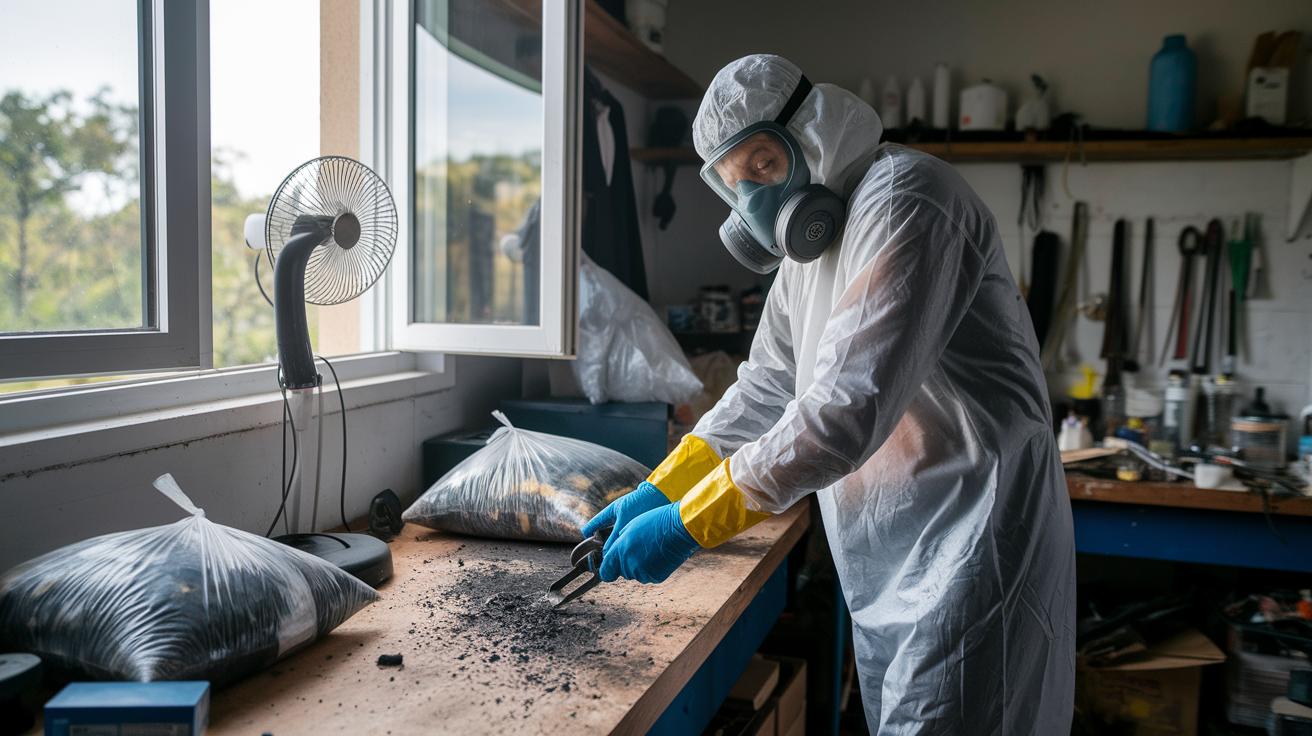
Wear protective gear like nitrile gloves, an N95 mask (or better), goggles, and long sleeves. This gear keeps harmful soot and chemicals away from your skin. Think of it like handling a sponge soaked in oil without wearing gloves, it’s risky.
Open windows and run fans to keep your work area full of fresh air. Cover items that weren’t affected and seal off your work zone to stop soot from spreading. This helps clear toxic air quickly and shields clean surfaces.
Dispose of used sponges, cloths, and filters in sealed bags. Doing so prevents toxins from moving around your home. Also, avoid using water or cleaning solutions on unknown surfaces until you test them for safety.
Assessing Damage Before Cleaning Fire Damaged Furniture
Start by closely checking each piece of furniture to see how the fire affected it. Look for signs like a layer of soot, scorched spots, or odd discoloration. This quick look helps you decide how serious the damage is before cleaning.
Next, inspect each item in more detail. For wood furniture, check for warping, cracks, or a peeling finish. With fabric items, look for burn holes, spots where the color has changed, or water stains from firefighting efforts. Use a small test sponge (a sponge that helps check if a cleaning solution will hurt the finish) on a hidden spot to see if the material might suffer more damage. This helps tell the difference between light surface damage and deeper harm that needs extra care.
After your survey, decide on what to do next. Sort each item as one that can be fully restored, one needing professional help, or one that should be retired. If you’re unsure about an item’s condition, it’s wise to call a cleanup professional. A careful evaluation now can help prevent more damage later.
Cleaning Techniques for Wood Furniture Affected by Fire
Finished Wood Cleaning
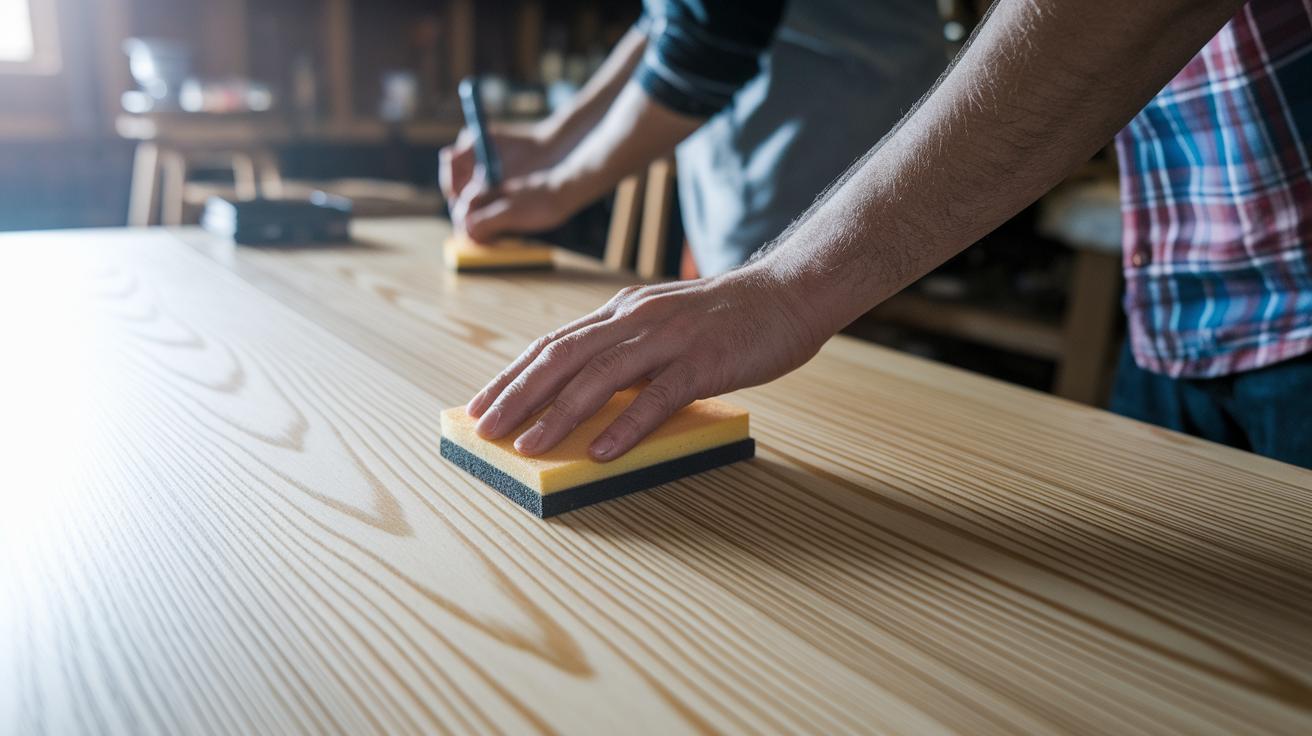
For finished wood, start by using a vacuum with a soft brush tip to lift loose soot without harming the surface. Next, grab a soot sponge (a sponge designed to remove soot gently) and wipe lightly following the wood grain. Then, wash the area with a solution of warm water mixed with a bit of mild dish soap or a pH-balanced wood cleaner (one that keeps the wood’s natural acidity in check). Work carefully and evenly to clear away both surface dirt and the oily residue left by soot. Once the wood is clean and dry, apply a wood polish or conditioner to restore its shine and add protection. Even a small amount of soot left behind can permanently damage the finish.
Unfinished Wood Cleaning
For unfinished wood, begin by vacuuming with a soft-bristle brush attachment to remove loose soot without driving particles into the porous surface. Avoid harsh scrubbing which could push the soot deeper. If stubborn stains remain, use a microfiber cloth lightly dampened with mineral spirits (a gentle cleaning liquid for tough stains). Wipe gently over the affected areas and allow the wood to air dry naturally. This method helps prevent over-wetting the wood and stops residue from setting in. It’s a good idea to test on a hidden spot first to be sure there is no damage.
| Furniture Type | Cleaning Method |
|---|---|
| Finished Wood | Vacuum → Soot Sponge → Mild Soap → Polish |
| Unfinished Wood | Brush Vacuum → Mineral Spirits Wipe → Air Dry |
Restoring Upholstery and Fabric Furniture After Fire
Fire can leave behind stubborn soot, smells, and stains on both fabric and leather. Quick cleanup helps stop these problems from becoming permanent. Start by using a vacuum with a flat-brush attachment held just above the surface. This lifts dry soot without pushing it further into the fibers. Always test your cleaning solution in a hidden spot first to make sure it won’t harm the material.
Fabric Upholstery Cleaning
First, gently vacuum the fabric with a flat-brush attachment held a short distance away. This step helps avoid pushing soot deeper into the upholstery. Next, try a small spot using a mild upholstery detergent or a mix of vinegar and water (a natural cleaner made by diluting vinegar in water). This test checks that the cleaner does not cause any discoloration or damage. When you’re sure it is safe, evenly apply the cleaner over the affected area. Then, carefully blot the fabric with a white microfiber cloth to lift off the soot and residue. Avoid rubbing hard, as this could drive the dirt deeper into the fibers. Finally, let the fabric air-dry completely in a room with good airflow. Proper ventilation is key to drying the fabric and preventing mold from forming.
Leather Furniture Cleaning
For leather, start by holding the flat-brush attachment about one inch away from the surface. This helps protect the leather from scratches or wear. Use a cleaner made specifically for leather on a soft cloth and gently treat the area. After cleaning, apply a leather conditioner (a product that replenishes oils) to keep the leather soft and prevent it from drying out. Like fabric, let the leather air-dry in a well-ventilated room so that no cleaning residue or moisture remains. Following these steps can help restore the look and feel of your leather furniture after fire damage.
Effective Odor Elimination Methods for Smoke and Soot
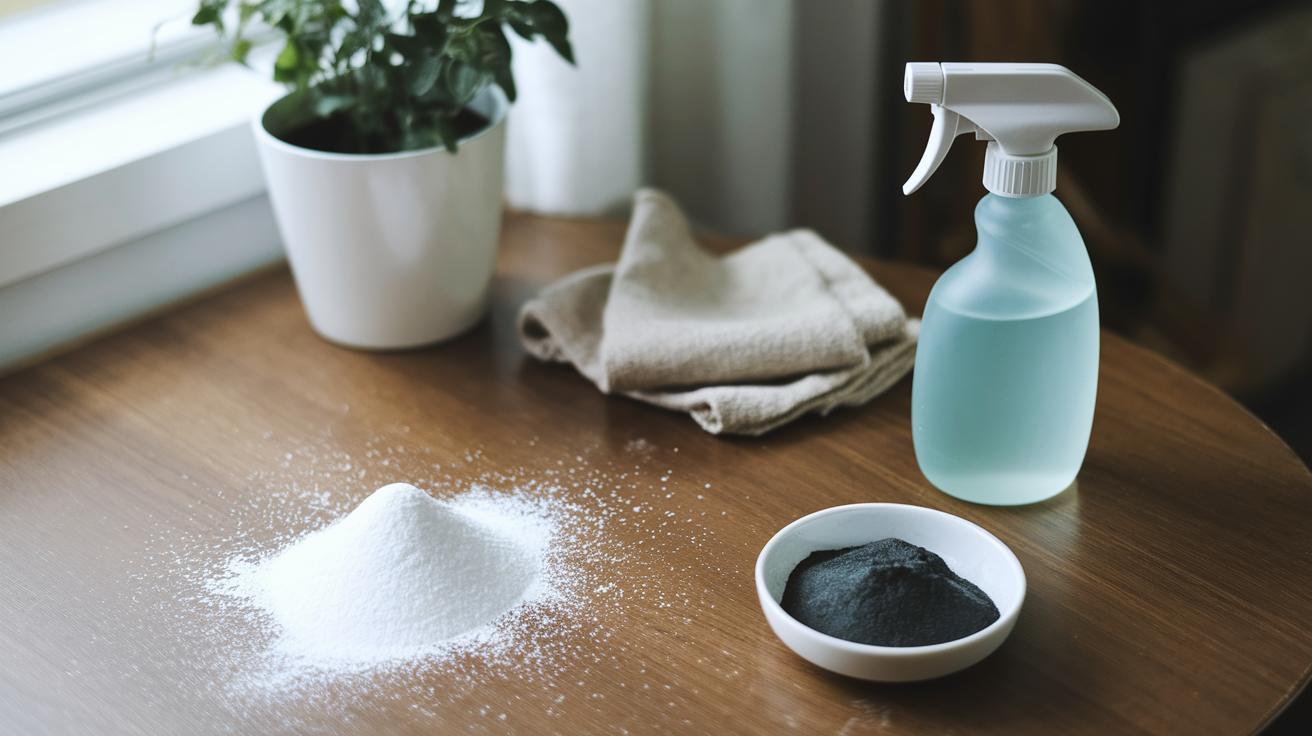
For a simple home fix, you can dust a light layer of baking soda on fabrics. Let it sit for 30 minutes to absorb the smoke smell, then vacuum it up. Baking soda helps lift burnt odors from soft surfaces without using harsh chemicals. For wood furniture, mix equal parts white vinegar and water (vinegar is a natural cleaner that cuts smoke smells) and wipe down the surfaces. This clean mix stops the odor from soaking into the wood. You can also place bowls of activated charcoal (a material that traps odors) or extra baking soda inside furniture for added help. Running box fans in a closed room for 24 to 48 hours helps push out trapped particles and refresh the air.
If these do-it-yourself steps do not remove all the odor, you might need advanced equipment. Sometimes smoke and soot settle deep into materials. In these cases, professionals use tools like hydroxyl generators (machines that break down odor molecules), ozone machines (devices that change the air quality), or ClO₂ treatments (using chlorine dioxide gas in controlled amounts) to neutralize stubborn smells. These methods clear the hidden residues and restore a cleaner, fresher environment. Always test a small area first and allow enough drying time to keep your fire-damaged furniture safe.
When to Seek Professional Fire Damage Cleanup Services
If you see deep burn marks on your furniture, warped wood, thick layers of soot, or a strong, lingering smoke smell, the damage is too serious for a DIY cleanup. When fires leave marks that seep into surfaces or ruin the finish on valuable items, trying to fix it yourself can make things worse.
Certified fire cleanup experts have the right training and tools to handle these problems. They use special machines like hydroxyl generators (devices that break down bad smells), thermal foggers, ozone machines (which clean odor-causing particles), or ClO₂ treatments (a chemical process that removes embedded smells) to clean up and restore surfaces. Their help is very important for antiques or sentimental pieces, as using the wrong method might permanently damage them.
When you notice that the damage goes beyond basic soot removal or if an item seems weakened, it is time to call in experts. For quick help with fire damage cleanup, search for "fire damage cleanup near me." They can check your home and use the right methods to restore it safely and effectively.
Case Studies of Successful Fire Damaged Furniture Restorations
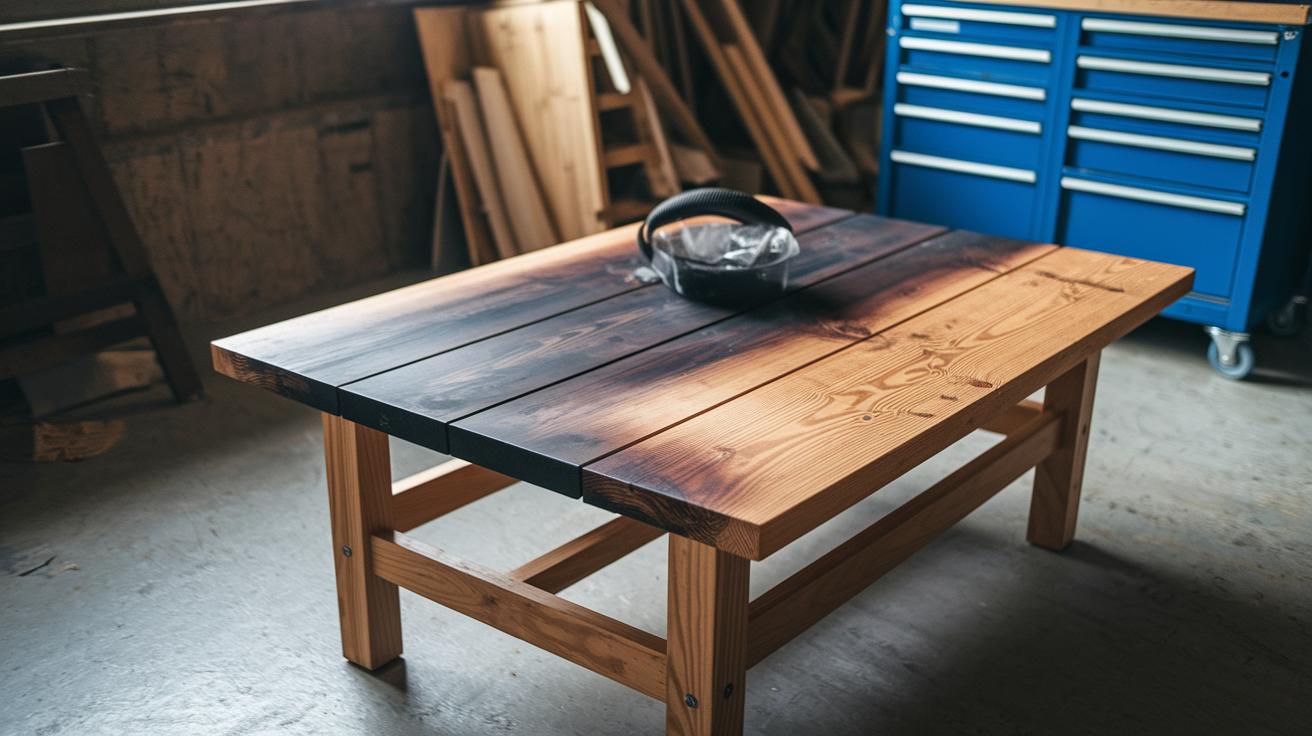
We restored a pine coffee table that had a thin layer of soot and light charring from a small fire. Although the damage affected its look, the table could still be saved. First, we gently vacuumed the table with a soft brush attachment to remove the loose soot. Then, we used a soot sponge (a tool designed to lift dirty particles safely) to lift the embedded soot without harming the wood. After a light wash with a mild wood cleaner, we polished the table to bring back its natural shine and enhance the wood grain. The table’s finish was fully restored, turning a difficult situation into a victory in furniture restoration.
In another case, a leather sofa had absorbed smoke odor and some soot after a house fire. Cleaning leather requires care because the wrong method can cause more harm. We started with a flat-brush vacuum held at a safe distance to gently remove dry soot without scratching the leather. Next, a light application of vinegar mist was used to clean the affected areas while keeping the leather intact. After treating it with a leather conditioner to restore its softness, we completed the process with an ozone treatment (a method that neutralizes odors) to eliminate any lingering smell. The end result was a refreshed, supple leather sofa with no sign of previous smoke damage.
Final Words
In the action, we cover each step to clean fire damaged furniture safely, from assessing the damage and removing loose soot to using specialized cleaners and deodorizing solutions. We break down tasks for wood, upholstery, and odor elimination so you know exactly what to do. We also highlight when it's best to call pros for support. Following these clear steps can help restore your home quickly and keep you safe. Remember, knowing how to clean fire damaged furniture gives you control during a tough time. Stay positive and take action.
FAQ
How to clean fire damaged furniture couch?
Cleaning fire damaged furniture, such as a couch, means first removing loose soot using a vacuum or soft brush. Next, test a mild detergent solution on a hidden spot before cleaning the entire piece and allowing it to air dry.
What smoke damage cleaning products work best?
Smoke damage cleaning products include professional-grade soot sponges, mild detergents, and pH-balanced wood cleaners. These help lift embedded soot and odors while protecting delicate surfaces.
How to clean smoke damage on walls and ceiling?
Cleaning smoke damage on walls and ceilings involves gently wiping the surfaces with a cloth soaked in a mild soap and water solution or specialized cleaner, working in small sections to avoid spreading soot.
What steps are involved in cleaning after fire smoke damage?
Cleaning after fire smoke damage starts by assessing the area, removing loose soot carefully, and then using proper cleaning solutions. Thorough drying and deodorizing help eliminate lingering odors safely.
What is the smoke damage cleaning cost?
Smoke damage cleaning cost varies based on damage extent, the area affected, and cleaning methods used. A detailed estimate from professionals will clarify the expense for labor, supplies, and any specialized equipment.
How to clean smoke damaged wood furniture?
Cleaning smoke damaged wood furniture means vacuuming loose soot with a soft brush, using a professional-grade soot sponge, and then gently cleaning with a mild soap solution or mineral spirits before applying polish or conditioner.
What does professional cleaning after a fire involve?
Professional cleaning after a fire uses specialized equipment like hydroxyl or ozone machines. Experts assess deep-seated damage and use advanced methods to remove soot and odors with safety in mind.
What is the fire clean up cost?
Fire clean up cost depends on the damage’s severity and materials involved. Factors include labor, cleaning supplies, and special equipment. Requesting a detailed estimate from a certified service can help you plan accordingly.
Can smoke damaged furniture be saved?
Smoke damaged furniture can often be restored if cleaned promptly and correctly. Professional restoration methods may revive wood, fabric, or leather items, although severely damaged pieces might require replacement.
What should you spray on fire damaged wood?
For fire damaged wood, use a mild, pH-balanced wood cleaner spray that safely lifts soot without harming the finish. Always test on a small, hidden area first before full application.
What absorbs fire smoke smell effectively?
Effective odor absorbers for fire smoke include baking soda, activated charcoal, and vinegar solutions. These materials neutralize lingering smells when used with proper ventilation and cleaning techniques.