
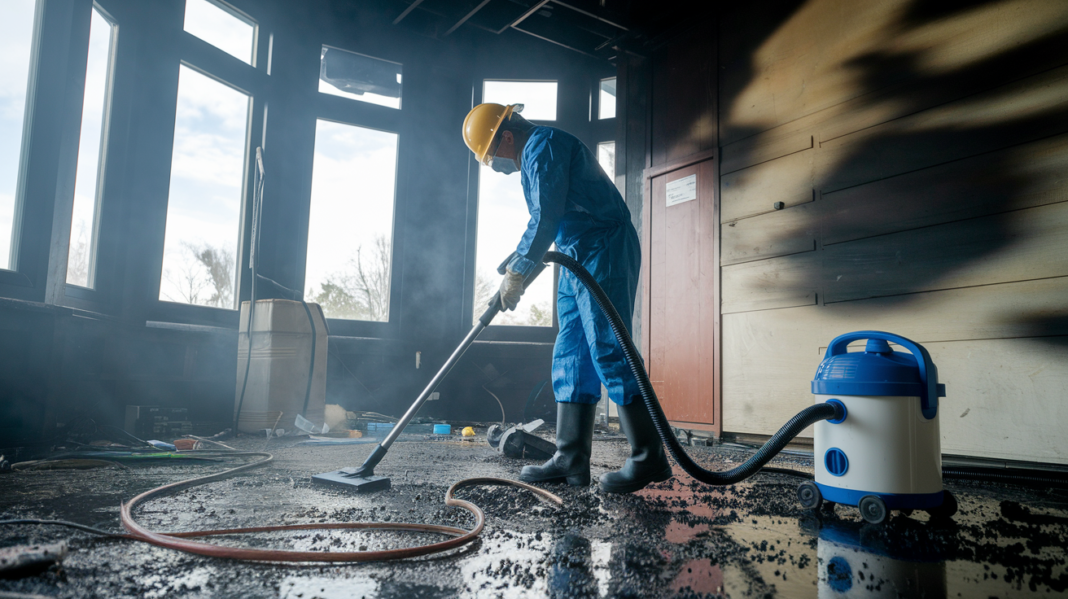

Think you can just wipe soot away? Think again. Soot isn’t like dust; it smears, digs into fibers, and can harm your lungs. Before you touch anything, stop soot from spreading, protect yourself, and check whether this is light surface dust or heavy smoke damage. This post walks you through simple, practical steps that work: what to do first, why you start dry using a HEPA vacuum (a filter that traps tiny particles) and dry-cleaning sponges, when to add water or solvents, and when to call in pros so the stain and the risk don’t come back.
Immediate Steps for Cleaning Soot Residue Effectively

Your first job is stopping soot from spreading while you figure out what you’re actually dealing with. Don’t grab a sponge or spray anything yet. Check the safety section below first, because soot particles can mess with your lungs and skin in ways you don’t want to ignore. Take five minutes to assess whether you’re looking at light surface dust or heavy smoke damage. That difference tells you if this is a weekend DIY project or if you need to call in restoration pros.
Shut off your HVAC right now. If air keeps running through the ducts, you’re pulling soot into every room and caking it onto filters, registers, and ductwork you can’t even see. Seal doorways to clean rooms with plastic sheeting or jam damp towels along the threshold. Open windows in the damaged space for ventilation and throw drop cloths over anything you can’t move out. Protect your floors with newspapers or old sheets, and plan to toss those covers when you’re done so you don’t scatter soot back across the house.
The sequence that works is dry first, wet second. Soot looks dry, but the moment you add water or cleaner it smears into a greasy black film. Start with HEPA vacuuming to pull up loose particles, then use a dry cleaning sponge to absorb what’s left, and only after that move to detergent or solvent for stubborn marks. Skip the dry steps or scrub hard and you’ll push carbon deeper into porous stuff, turning a surface issue into permanent discoloration.
Turn off the HVAC to stop soot from riding through ducts into rooms that are still clean.
Isolate the area with plastic or closed doors and get airflow going with open windows.
HEPA vacuum loose soot by holding the nozzle about half an inch off surfaces. Don’t press in or you’ll smear.
Use a dry cleaning sponge with gentle downward strokes. Don’t wet it. Once it’s wet, it’s useless.
Don’t add moisture until all dry soot is gone. Water locks carbon into fibers and pores.
Never scrub or rub soot stains during the first pass. Blot, lift, or wipe gently so you don’t embed it deeper.
Essential Safety Precautions for Cleaning Soot Residue

Soot isn’t normal dirt. These tiny carbon particles get into your body through your lungs, skin, and eyes, and long term exposure links to respiratory issues, bronchitis, heart disease, and cancer. Treat every soot cleanup like a health hazard, not just a messy chore. That black dust on your walls and carpet is combustion byproduct from wood, plastics, synthetic fibers, and household materials that didn’t burn completely. The particles are small enough to settle deep in lung tissue.
Put on your protective gear before you touch anything. Keep the room ventilated with windows open and fans running, but remember the HVAC stays off until you finish vacuuming and wiping. If you start feeling lightheaded, step outside for fresh air. Change gloves and respirator filters when they look dirty, and wash your hands plus any exposed skin right after each work session.
NIOSH rated N95 or P100 respirator mask to filter airborne soot particles. A pack of 10 runs about $10 to $30.
Nitrile gloves to protect your hands from carbon residue and cleaning chemicals. A box of 100 costs around $15 to $30.
Safety goggles to shield your eyes from soot dust kicked up during vacuuming and wiping.
Disposable coveralls or long sleeves and pants to keep soot off your skin. Coveralls cost about $8 to $20 each.
Final Words
Shut off the HVAC, seal the room, and put on your respirator and gloves. Those first moves stop soot from spreading and protect your lungs.
Start dry: HEPA vacuum about 0.5 inch from surfaces, then use a dry-cleaning sponge. Don’t wet or scrub at first — that just smears soot. Light jobs can finish in hours with basic supplies; heavy smoke often needs a pro.
Take photos and moisture readings for your claim, then complete repairs so the space is truly restored. Cleaning soot residue is manageable, and you’ll be back to normal soon.
FAQ
Q: Will Dawn dish soap remove soot?
A: Dawn dish soap can remove light greasy soot on nonporous surfaces when used after dry cleaning, but it will smear dry soot if used first; start with HEPA vacuuming and a dry‑cleaning sponge.
Q: How do professionals clean soot?
A: Professionals clean soot by starting dry: HEPA vacuuming close to surfaces, then using dry‑cleaning (chemical) sponges, followed by targeted wet cleaning, odor control, repairs, and clear documentation for insurance.
Q: Does soot stain permanently?
A: Soot stains can be permanent on porous materials; quick dry‑first cleaning, testing, and professional restoration may save many surfaces, but severely charred or deeply soaked materials often need replacement.
Q: Does white vinegar remove soot?
A: White vinegar won’t reliably remove dry soot; it can help lift smoke odor or light residue after HEPA vacuuming and dry‑cleaning, but avoid wetting soot before dry methods to prevent smearing.