
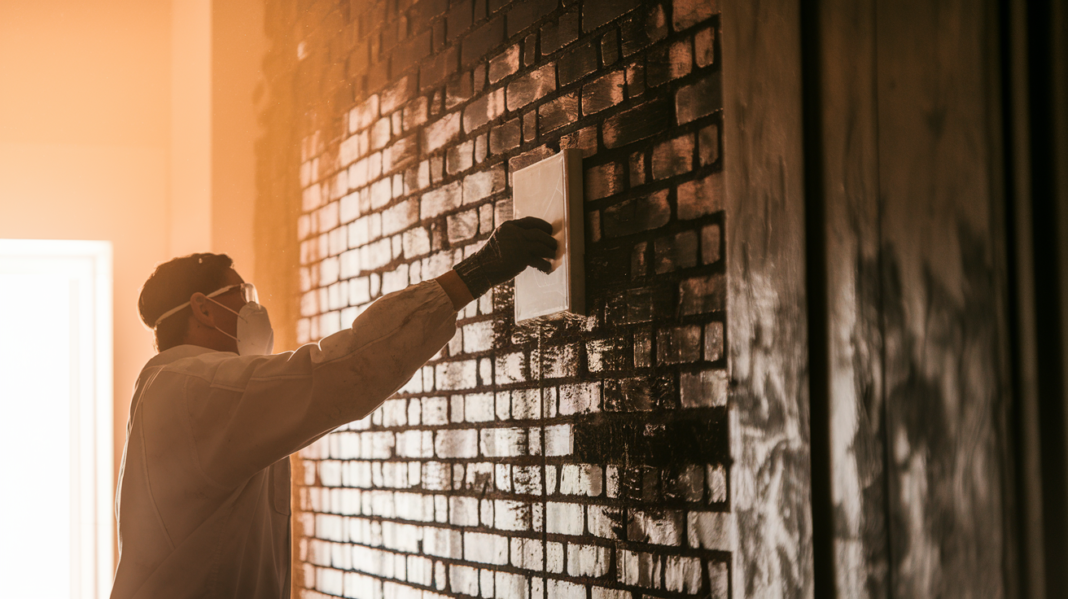

Think all soot cleaners work the same? They don’t. Soot is oily, acidic, and will etch metal, stain walls, and keep smelling if you don’t remove it the right way. The right soot cleaning solution lifts stubborn stains without smearing or driving particles deeper into surfaces. This post shows the top solutions, when to use solvent-based removers, dry-cleaning sponges, TSP, and odor neutralizers, and the exact cleaning order so you stop more damage fast, remove the stain, and get the space ready for repairs.
Top Soot Cleaning Solutions That Deliver Fast, Effective Results
Soot is acidic and leaves oily, powdery residue that etches metal, stains walls, and carries particles that affect breathing. The right soot cleaning solution stops further damage and lifts stains without smearing or driving particles deeper into surfaces.
Commercial soot removers work faster and reach deeper than household cleaners. Solvent-based agents break down the oils and carbon that bind soot to surfaces. Professional-grade formulas are designed for heavy smoke damage, eliminating odor-causing residue in one or two passes. DIY options exist and we’ll cover them later, but when time matters or the damage is widespread, ready-to-buy solutions deliver consistent results with less trial and error.
Here are six soot cleaners that remove stubborn stains and work across multiple surfaces:
Solvent-based soot removers are formulated with petroleum distillates or glycol ethers that dissolve oily soot. They’re ideal for walls, ceilings, and painted surfaces.
Heavy-duty degreasers cut through thick, sticky soot from cooking fires or incomplete combustion. They’re effective on metal and hard surfaces.
Trisodium phosphate (TSP) concentrate is an industrial-strength powder mixed with water (4 to 6 tablespoons per gallon) for large wall and ceiling cleaning jobs.
Dry-cleaning sponges (chemical sponges) are vulcanized rubber sponges designed to lift dry soot without water. Use them before any liquid cleaner to prevent smearing.
Smoke and soot odor neutralizers use enzyme-based or encapsulating formulas that neutralize odor molecules instead of masking them. They’re often used after surface cleaning.
HEPA-filtered cleaning equipment rental kits include HEPA vacuums and air scrubbers for controlling airborne soot during cleanup.
Choose solvent-based removers for oily, sticky soot from incomplete combustion or cooking fires. Use dry-cleaning sponges and TSP for dry, powdery soot from fireplaces or candles. If soot has spread through HVAC ducts or embedded in porous materials, professional equipment and formulas are necessary to prevent recontamination and lingering odors.
Understanding Soot and How It Affects Your Choice of Cleaning Solution

Soot isn’t just carbon. It’s a mix of tiny carbon particles, acids, oils, and chemical residue from incomplete combustion. Those particles are small enough to settle into fabric fibers, behind baseboards, and inside walls, where they continue to corrode metal, discolor surfaces, and release odors.
Different fires produce different soot types. Dry, powdery soot comes from wood or paper fires and can usually be vacuumed and wiped with mild cleaners. Oily, sticky soot comes from synthetic materials, plastics, or cooking fires and requires solvents to break down the greasy film.
If you use water or dish soap on oily soot before using a dry sponge or solvent, you’ll smear the residue and lock it into the surface. If you skip ventilation and leave HVAC running, soot will circulate through ducts and redeposit on clean surfaces. The type of soot determines which cleaner works and which order you use it in.
| Type of Soot | Common Source | Cleaning Solution Type | Risk Level |
|---|---|---|---|
| Dry, powdery soot | Wood, paper, candle fires | Dry-cleaning sponge, TSP, vinegar | Moderate (staining, odor) |
| Oily, sticky soot | Plastic, synthetic materials, cooking fires | Solvent-based removers, degreasers | High (etching, persistent odor, toxicity) |
| Protein-based residue | Kitchen fires, burned food | Enzyme cleaners, degreasers, odor neutralizers | High (invisible film, strong odor) |
| Coal or fuel soot | Coal stoves, furnaces, oil heaters | Dry-cleaning solvents, oil-based cleaners (no water) | Very high (toxicity, deep staining) |
Step-by-Step Guide: Using a Soot Cleaning Solution Correctly
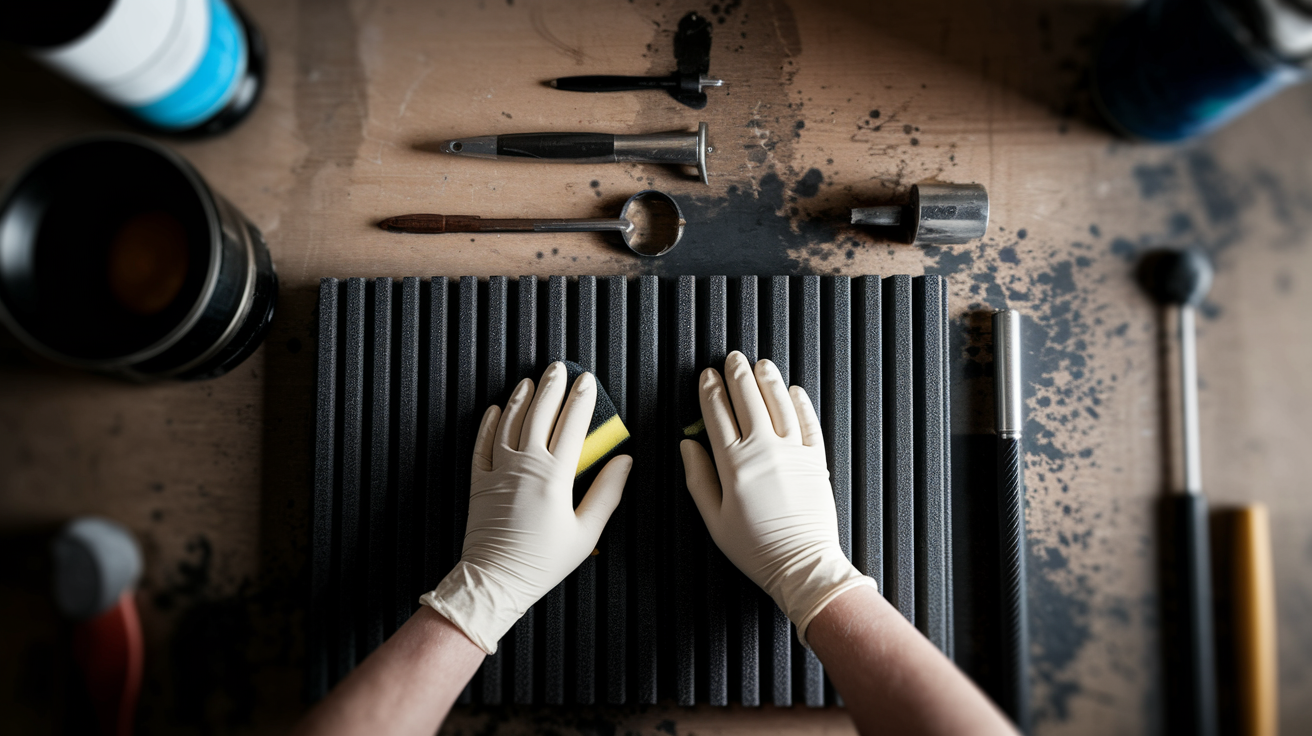
The order you clean in determines whether soot lifts or smears. Using liquid cleaners before dry methods will drive particles deeper and turn a removable stain into a permanent one.
Open all windows and doors, even in winter. Fresh air dilutes airborne particles and speeds drying. Turn off HVAC at the thermostat and breaker to stop soot from circulating through ductwork.
Put on personal protective equipment before touching anything. Wear a respirator (not a dust mask), long sleeves, long pants, gloves, and eye protection. Soot particles are fine enough to irritate lungs and eyes.
Remove or protect undamaged items. Move furniture, rugs, and objects that aren’t affected by soot. Cover floors with plastic sheeting or drop cloths to catch falling debris.
Vacuum loose soot gently with a HEPA vacuum and upholstery attachment. Use light suction and don’t press hard or scrub. Work from top to bottom so falling particles don’t recontaminate clean areas.
Use a dry-cleaning sponge (chemical sponge) on all surfaces before applying any liquid. Wipe in straight lines and flip or replace the sponge as it darkens. Don’t use water, soap, or solvents yet.
Apply your chosen soot cleaning solution to a clean rag, not directly to the surface. For commercial solvent-based removers, soak the rag and wipe in small sections. For TSP solution, mix 4 to 6 tablespoons TSP plus 1 cup household cleaner per gallon of warm water, then apply with a wrung-out sponge.
Wipe surfaces a second time with warm water and a small amount of dish soap or degreaser. This step removes solvent residue and any remaining oily film. Rinse the rag frequently to avoid streaking.
Dry surfaces immediately with fans or air movers. Don’t leave walls, wood, or carpets damp. Moisture trapped in porous materials can lead to mold, warping, or bubbling paint.
Never skip the dry-cleaning sponge step. Never use a stiff brush or scrubbing pad on soot. Never apply heat or put soot-stained fabrics in the dryer until the stain is completely gone.
DIY Soot Cleaning Solutions for Budget-Friendly Cleanup
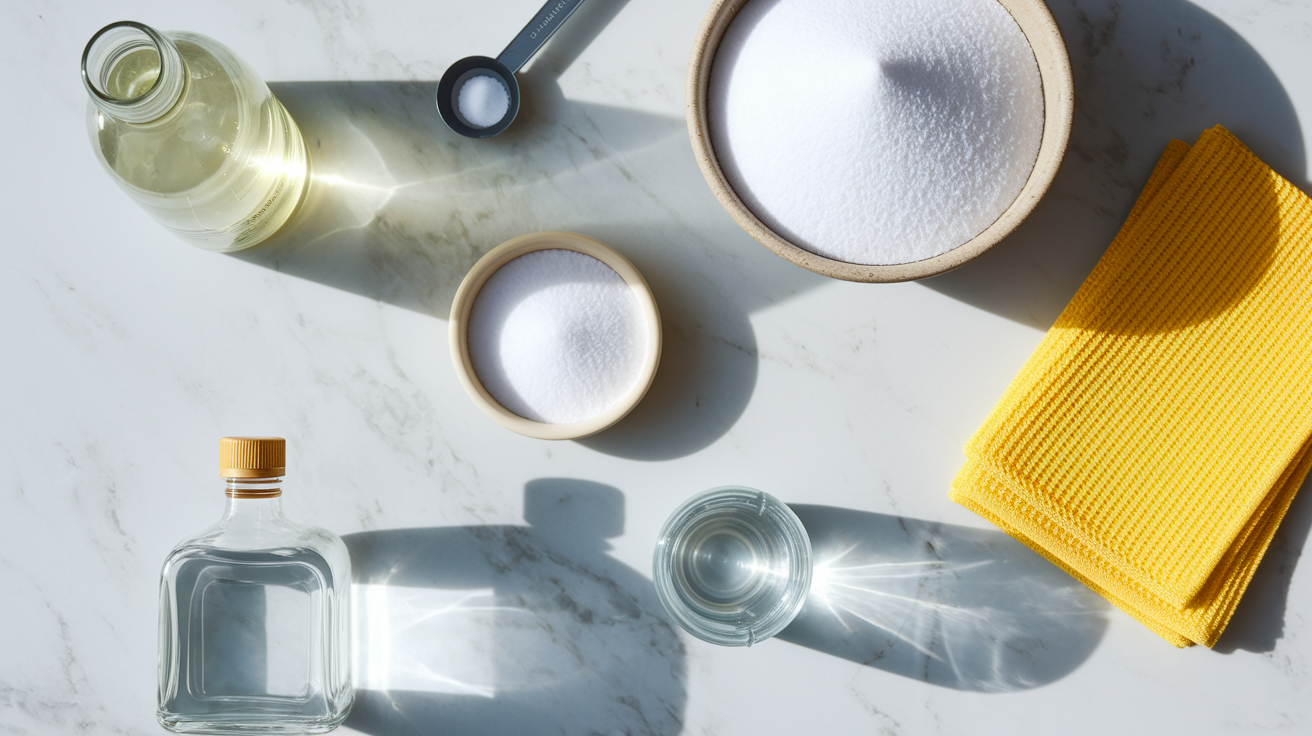
Homemade cleaners work well on light to moderate soot when you follow the correct application order. Always test any DIY formula on a hidden spot first to confirm it won’t discolor or damage the surface.
Here are four DIY soot cleaning recipes with precise measurements:
White vinegar solution. Mix 1 cup white vinegar with 1 gallon warm water. Use on finished wood, painted walls, and nonporous surfaces after dry-sponge cleaning. Vinegar cuts through acidic residue and neutralizes odors.
Baking soda paste. Mix 3 tablespoons baking soda with 1 tablespoon water to form a thick paste. Apply to stubborn soot spots on metal, tile, or brick. Let sit 5 minutes, then wipe with a damp rag.
Rubbing alcohol wipe. Pour rubbing alcohol (isopropyl alcohol, 70% or higher) onto a microfiber cloth. Use on light bulbs, glass, mirrors, and electronics. Alcohol evaporates quickly and doesn’t leave streaks.
Dish soap and warm water rinse. Mix 1 tablespoon dish soap (unscented, no lotion) with 1 gallon warm water. Use as a final rinse after solvent or vinegar cleaning to remove oily film and cleaning residue.
Don’t use baking soda or vinegar as your first step. They work after you’ve removed loose soot with a vacuum and dry-cleaning sponge. Don’t use rubbing alcohol on colored or printed surfaces without testing first, as it can lift dyes or finishes.
If DIY methods leave streaks, smears, or lingering odor after two passes, the soot has likely penetrated beyond the surface. At that point, sealing with a specialized primer or calling a restoration professional is more effective than repeating the same steps.
Choosing the Right Soot Cleaning Solution for Each Surface Type

Different materials hold soot in different ways. What works on drywall can damage wood, and what’s safe for metal can ruin electronics.
Walls and Ceilings
Use a TSP solution (4 to 6 tablespoons TSP plus 1 cup household cleaner per gallon of warm water) on painted drywall and plaster. Work from the ceiling down in small sections. Wring out your sponge well to avoid oversaturating the wall. Rinse each section with plain warm water to prevent white streaks or residue buildup. If soot has soaked into unpainted drywall or the paper backing has darkened, sealing with a smoke-blocking primer is often necessary before repainting.
Fireplaces and Brick
Vacuum brick and stone surfaces first with a soft brush attachment. Use a dry-cleaning sponge in straight lines to lift surface soot. For embedded stains, apply a baking soda paste (3 tablespoons baking soda, 1 tablespoon water) and scrub gently with a nylon brush. Rinse with warm water and wipe dry. Avoid acidic cleaners like vinegar on natural stone or unsealed masonry, as they can etch the surface.
Carpets and Rugs
Sprinkle a generous layer of cornstarch or baking soda over the soot-affected area. Brush lightly without scrubbing and let sit for at least one hour to absorb oils. Vacuum with a HEPA vacuum using the hose attachment, not the brush head. Mix 1 tablespoon hydrogen peroxide with 3 tablespoons warm water (for light-colored carpets) or use rubbing alcohol on a cloth (for colored carpets). Blot the stain, don’t rub. Follow with a damp microfiber cloth to remove cleaning solution, then dry with fans.
Upholstery and Curtains
Shake fabric items outdoors to release loose particles. Vacuum gently with a soft-brush attachment. Soak washable fabrics in cold water (never hot) and wash on the highest safe setting with baking soda or white vinegar added to the cycle. Don’t use a dryer until the soot is completely removed, as heat will set the stain. Send delicate or dry-clean-only items to a professional cleaner and tell them the fabric was exposed to smoke.
Electronics and Appliances
Unplug all devices before cleaning. Use compressed air to blow soot out of vents and ports. Wipe external surfaces with isopropyl alcohol on a microfiber cloth. Don’t use water, soap, or spray cleaners. If soot has entered the internal components of computers, televisions, or appliances, have them inspected by a professional before powering them on. Internal soot can cause short circuits or overheating.
Safety Precautions When Using Any Soot Cleaning Solution

Soot contains acids, carbon particles, and chemical residue that can irritate skin, eyes, and lungs. Proper protection and ventilation aren’t optional.
Wear a respirator rated for fine particles, not a simple dust mask. Soot particles are small enough to pass through cloth and paper filters.
Keep all windows and doors open during cleaning. Even in cold weather, ventilation removes airborne particles and helps surfaces dry faster.
Turn off HVAC systems at the thermostat and breaker. Running air handlers will spread soot through ductwork and redeposit it on cleaned surfaces.
Never rub or scrub soot with dry rags or brushes. Rubbing drives particles deeper into fibers and porous surfaces, turning a surface stain into a permanent one.
Don’t overwet carpets, upholstery, or drywall. Excess moisture can cause mold growth, warping, or paint bubbling. Wring out sponges and rags until they’re barely damp.
Test every cleaning solution on a hidden spot first. Solvents, peroxide, and even vinegar can discolor fabrics, lift paint, or dull finishes.
Preventing cross-contamination is just as important as cleaning. Don’t walk from soot-covered rooms into clean areas without changing shoes or removing protective clothing. Soot particles cling to clothing, hair, and skin and will transfer to other surfaces. Place disposable plastic mats or tarps at doorways to contain debris. Bag and seal soot-contaminated rags, sponges, and vacuum filters immediately after use.
Professional Soot Cleaning Solutions and When to Use Them
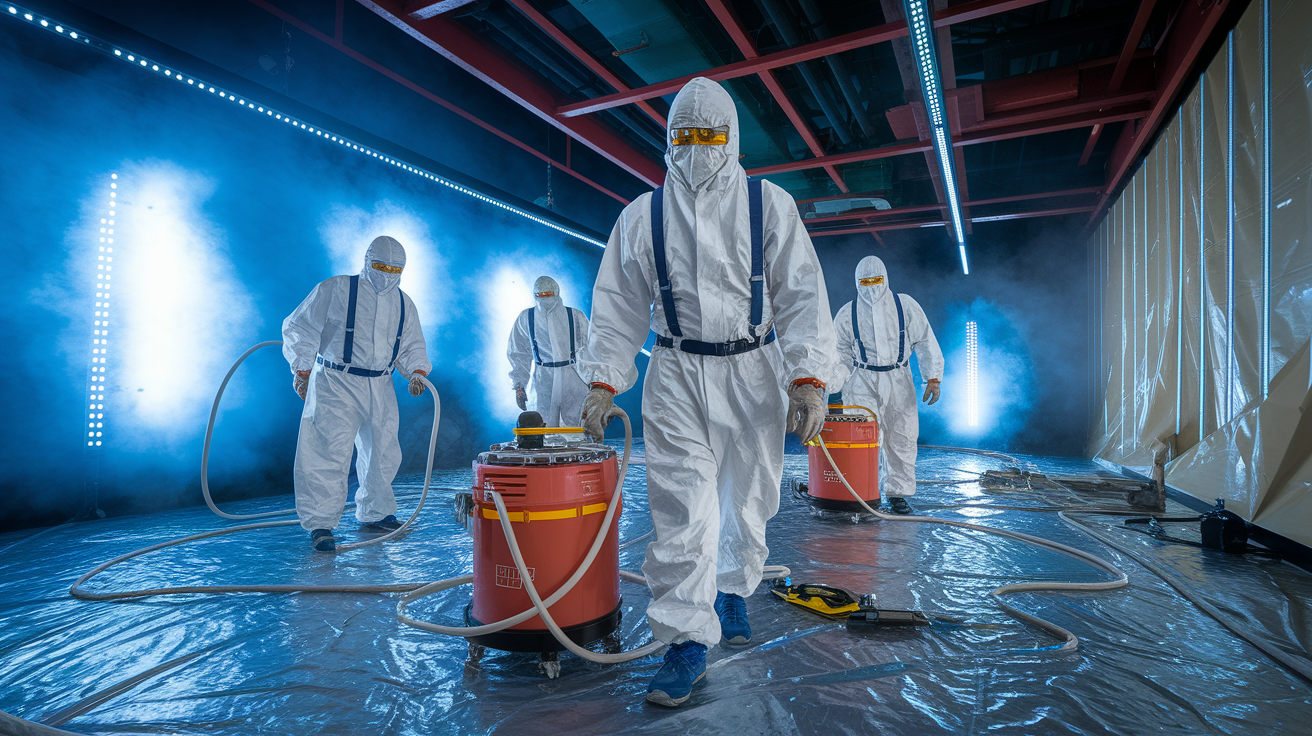
Professional restoration teams use HEPA-filtered vacuums that capture particles as small as 0.3 microns, air scrubbers to remove airborne soot during cleaning, and specialized chemical formulas designed to neutralize acidic residue without damaging surfaces. They follow IICRC (Institute of Inspection, Cleaning and Restoration Certification) standards to document the work for insurance claims and verify air quality after cleanup.
Call a licensed restoration contractor when soot has spread beyond surfaces you can reach or when DIY cleaning doesn’t remove odors or stains.
Here are five situations where professional soot cleaning solutions are necessary:
Soot in HVAC ducts or air handlers. Ductwork must be vacuumed with HEPA equipment and sanitized to prevent recontamination. Standard home vacuums can’t reach or filter these areas.
Soot inside walls, behind baseboards, or in ceiling cavities. Porous materials like insulation and drywall absorb smoke and soot. Cleaning may require material removal, sealing, or replacement.
Lingering smoke odor after thorough cleaning. Persistent odors indicate embedded soot or chemical residue that surface cleaning can’t reach. Professionals use thermal fogging, ozone treatment, or hydroxyl generators to neutralize odor molecules.
Large areas with heavy soot coverage. Whole-home or multi-room cleanup requires industrial equipment, trained crews, and proper containment to avoid spreading particles during work.
Insurance requirements for certified documentation. Many homeowner policies require professional assessment, photos, moisture readings, and detailed scopes before approving coverage for cleanup, repairs, or content restoration.
Professional teams also handle content pack-out (removing and cleaning furniture, clothing, and belongings off-site) and coordinate repairs after cleanup, including drywall replacement, painting, and sealing.
Preventing Soot Buildup After Cleaning and Maintaining Cleaner Surfaces

Once soot is removed, preventing new buildup protects your work and keeps air quality better. Regular maintenance around heat sources, ventilation systems, and combustion appliances stops soot from forming in the first place.
Schedule annual chimney sweeping and fireplace inspections. Creosote and soot buildup inside chimneys can ignite and cause chimney fires. A certified sweep removes deposits before they become a hazard.
Install glass doors or fireplace inserts to contain soot. Physical barriers stop soot and ash from escaping into living areas during fires or when the damper is left open.
Use HEPA air purifiers in rooms with fireplaces, wood stoves, or candles. Portable air scrubbers capture airborne particles before they settle on walls, furniture, and fabrics.
Apply a carpet fiber protector around fireplaces and high-traffic areas. Protectants create a barrier that makes soot easier to vacuum and reduces staining.
Avoid masking smoke odors with candles, sprays, or plug-ins. Fragrances don’t remove soot particles or neutralize odor molecules. They can trap smells in fabrics and make it harder to identify recurring soot sources.
HVAC maintenance is critical after any soot event. Have ducts inspected and cleaned if soot circulated through the system. Replace all air filters immediately after a fire or smoke event, even if they look clean. Soot particles are too small to see but will continue to circulate and redeposit if filters aren’t changed.
FAQs About Choosing and Using a Soot Cleaning Solution

What’s the most important step when cleaning soot? Always use a dry-cleaning sponge before any liquid cleaner. Using water or solvents first will smear oily soot and drive particles deeper into surfaces, making stains permanent.
Can I use dish soap and water to clean soot? Only after you’ve vacuumed loose particles and used a dry-cleaning sponge. Dish soap works well as a final rinse to remove solvent residue and oily film, but it should never be your first cleaning step.
Will hydrogen peroxide damage my carpet? Hydrogen peroxide (1 tablespoon diluted with 3 tablespoons warm water) is safe for most light-colored, colorfast carpets, but always test on a hidden area first. Don’t use it on colored carpets without testing, as it can bleach dyes.
Why does smoke smell come back after cleaning? Soot and smoke particles are embedded in porous materials like insulation, drywall, and HVAC ducts. If odor returns, professional air scrubbing, sealing, or material replacement is needed to stop the source.
What’s the difference between a HEPA vacuum and a regular vacuum? HEPA vacuums filter out particles as small as 0.3 microns, capturing soot and preventing it from being blown back into the air. Regular vacuums lack fine filtration and will recirculate soot during cleanup.
Final Words
Soot is acidic and it stains and smells, so the first move is to stop more harm.
We focused on ready-to-buy commercial cleaners, like solvent-based removers, degreasers, and pro-grade products, while also covering tested DIY recipes and the right order: vacuum, dry sponge, solvents, rinse, dry.
Pick cleaners that match the soot type and surface, follow safety steps, and call professionals when soot reaches HVAC or porous materials.
Choose the right soot cleaning solution and you’ll get the space clean and ready to live in again.
FAQ
Q: What is the best solution for cleaning soot?
A: The best solution for cleaning soot is a professional solvent-based soot remover used with HEPA vacuuming and dry-cleaning sponges, followed by a degreaser rinse to tackle oily, acidic soot and stop stains and odors.
Q: Will Dawn dish soap remove soot?
A: Dawn dish soap can remove some soot but is mainly for light, oily residues; use it as a rinse after dry cleaning and solvents, not as the first step on heavy or embedded soot.
Q: Does vinegar dissolve soot?
A: Vinegar can help dissolve some soot and neutralize acidic residues on nonporous surfaces, but it’s weaker than commercial solvents; test first and use vinegar only in light DIY rinses.
Q: Which chemical dissolves soot?
A: Chemicals that dissolve soot include solvent cleaners like mineral spirits, commercial degreasers, and TSP (trisodium phosphate); choose solvent-based formulas for oily soot and use PPE and ventilation when applying them.