
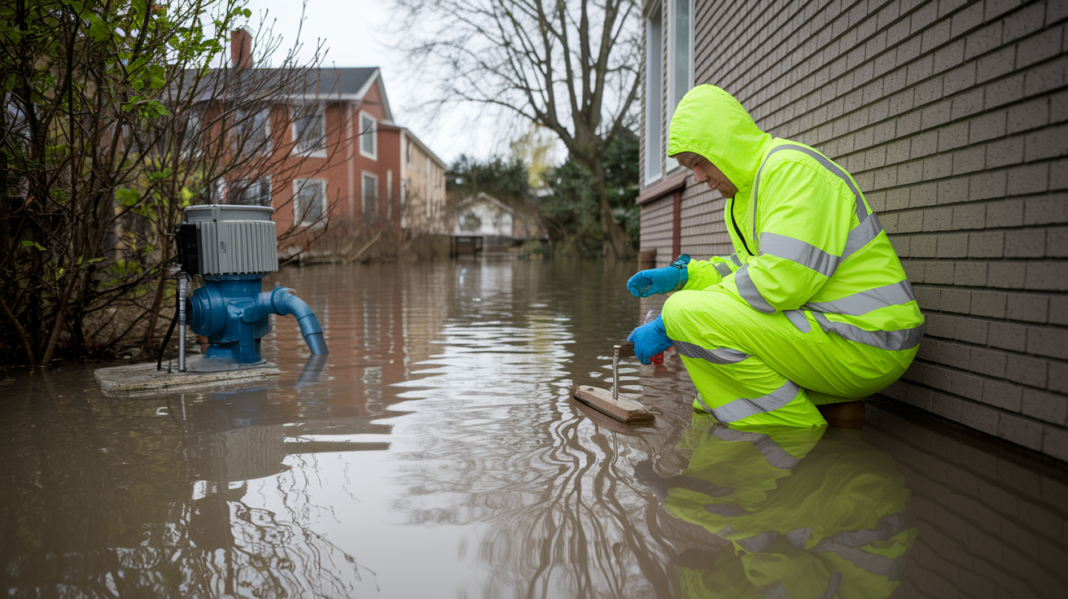

Think a few inches of water in your basement is no big deal?
That’s the risky mistake that turns a small cleanup into a mold nightmare.
In the first 24 to 48 hours mold spores settle and repairs get much more costly.
This guide gives clear, practical steps you can take right now:
shut off electricity safely, stop the water if you can, check contamination, remove standing water, and set up drying and documentation for insurance.
Act fast and smart to stop more damage and make repairs simpler.
Immediate Basement Flood Cleanup Actions for Fast, Safe Recovery
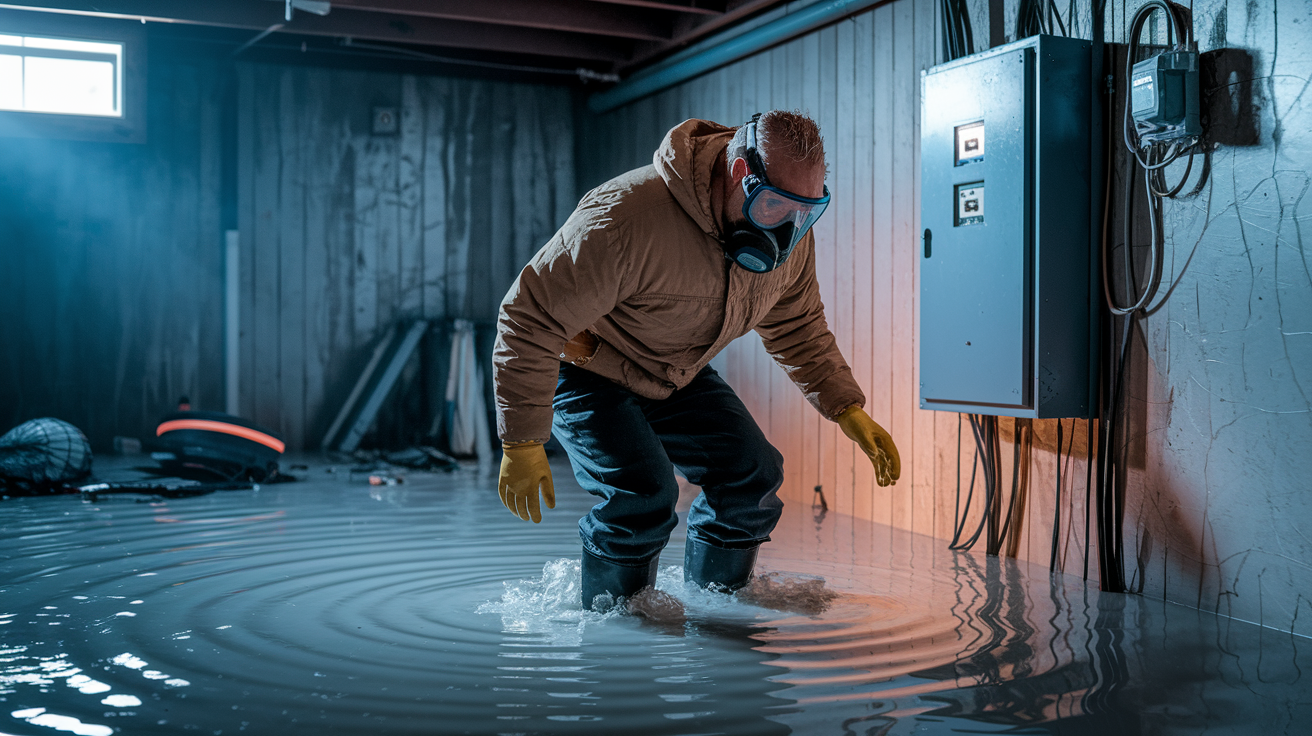
When water floods your basement, the first 24 to 48 hours decide whether you’re dealing with a manageable cleanup or an expensive mold disaster. Mold spores settle on wet surfaces within a day. Once they take hold, remediation becomes a bigger, costlier job. Speed matters, but safety always comes first. Before you step into standing water, you need to eliminate electrical hazards, confirm the water source is stopped, and understand what kind of contamination you’re dealing with.
Stopping the water source depends on what caused the flood. If a burst pipe or a leaking water heater is the problem, shut off the main water supply or the valve feeding that fixture. If heavy rain overwhelmed your drainage or a sump pump failed, you won’t be able to stop the source directly. You can only prevent more water from entering by clearing drains, tarping openings, or restarting the pump. Stormwater and municipal sewer backups require professional help to stop safely.
Not all floodwater is the same. Clean water from a broken supply line is Category 1. It’s less dangerous but still needs rapid removal. Gray water from a washing machine overflow or sump pump failure is Category 2. It can carry detergents and dirt. Black water from a sewer backup or outside stormwater is Category 3, and it contains bacteria, chemicals, and waste. If you see or smell sewage, don’t enter the basement. If the water depth is more than a few inches or if electrical equipment is submerged, call a professional before you go in.
Here are the eight immediate actions that keep you safe and start the cleanup correctly:
- Shut off electricity at the main breaker only if you can reach it from dry ground. If the panel is in the flooded area, call an electrician.
- Stop the water source by closing supply valves or clearing blockages if it’s safe to do so.
- Evaluate water depth and contamination level before entering. Measure depth and check for odors or debris.
- Put on waterproof boots, heavy rubber gloves, and eye protection. For sewage situations, add an N95 respirator.
- Don’t enter if you see structural damage like bowing walls, sagging ceilings, or large cracks.
- Check if your sump pump is running. If not, confirm it has power and isn’t clogged.
- Identify signs of sewage backup. Dark water, strong odor, or visible waste in the flood.
- Prepare the workspace by clearing pathways to floor drains and access points for extraction equipment.
Safe Water Extraction Techniques for Basement Flood Cleanup
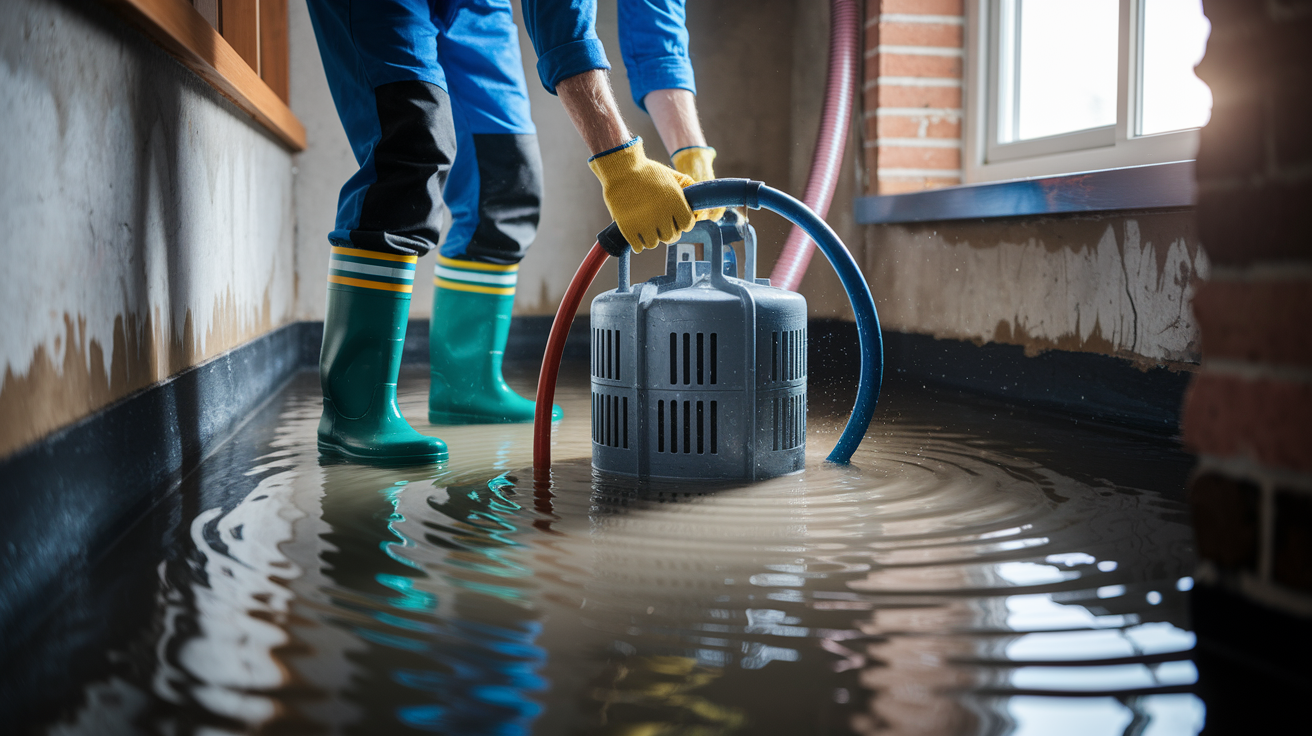
The faster you remove standing water, the less damage it does to floors, walls, and anything stored below grade. For shallow flooding, one or two inches, a wet/dry shop vacuum works. You’ll empty the canister many times, but it gets the job done if you start right away. For deeper water, three inches or more, you need a pump. Submersible pumps and portable sump pumps can move large volumes quickly. If you don’t own a pump, hardware and tool rental stores carry them. The rental cost is small compared to the damage standing water causes.
After you’ve pumped out the bulk of the water, check your basement floor drains. If they’re clogged, the last shallow layer won’t drain away. Use a plunger or a drain snake to clear debris. A squeegee helps push remaining water toward the drains. If your sump pump stopped working during the flood, inspect the float switch and the discharge line. Sometimes the pump gets overwhelmed or the line freezes or clogs. Restart it if possible, or call for a replacement if it’s dead.
The six core tools for water extraction are:
Wet/dry vacuum: Works for small amounts. Portable and easy to control.
Submersible pump: Sits in the deepest water. Handles larger volumes than a vacuum.
Portable sump pump: Battery or electric. Designed for temporary flood situations.
Squeegee: Directs shallow water toward drains. Speeds up final cleanup.
Drain snake or plunger: Clears floor drain blockages so water flows out.
Rental pump: Available at tool rental stores if you need high capacity extraction for one job.
Basement Drying and Dehumidification Steps After Water Removal

Once the standing water is gone, drying begins. Wet concrete, drywall, and wood still hold moisture inside. That moisture feeds mold, warps floors, and creates a damp smell that won’t leave. Industrial air movers push large volumes of air across surfaces, speeding evaporation from floors, walls, and furniture. Professional grade dehumidifiers pull water vapor out of the air so it doesn’t just move from one surface to another. Running both at the same time creates controlled drying that prevents secondary damage.
You can’t trust your eyes alone. A surface can look dry while the material underneath stays wet. Moisture meters measure water content inside drywall, wood, and concrete. Thermal imaging cameras show cold spots where moisture is trapped behind baseboards, under flooring, or inside wall cavities. Hygrometers measure the relative humidity in the room. If humidity stays above 60 percent, mold risk remains high. Keep dehumidifiers running until readings drop to 50 percent or lower and hold steady.
Drying times vary by material. Concrete wicks moisture slowly. Wood swells and takes time to release it. Insulation almost never dries properly once soaked. You’re not done when things feel dry to the touch. Hidden moisture inside walls or under floors can linger for weeks if airflow and dehumidification stop too soon.
| Material | Typical Drying Time |
|---|---|
| Drywall (½ inch) | 3 to 5 days with forced air |
| Concrete floors (slab) | 7 to 14 days depending on saturation |
| Wood floors (hardwood/engineered) | 5 to 10 days; may warp if not dried quickly |
| Insulation (fiberglass batts) | Rarely dries fully; usually requires removal |
Basement Cleanup, Sanitizing, and Mold Prevention Steps
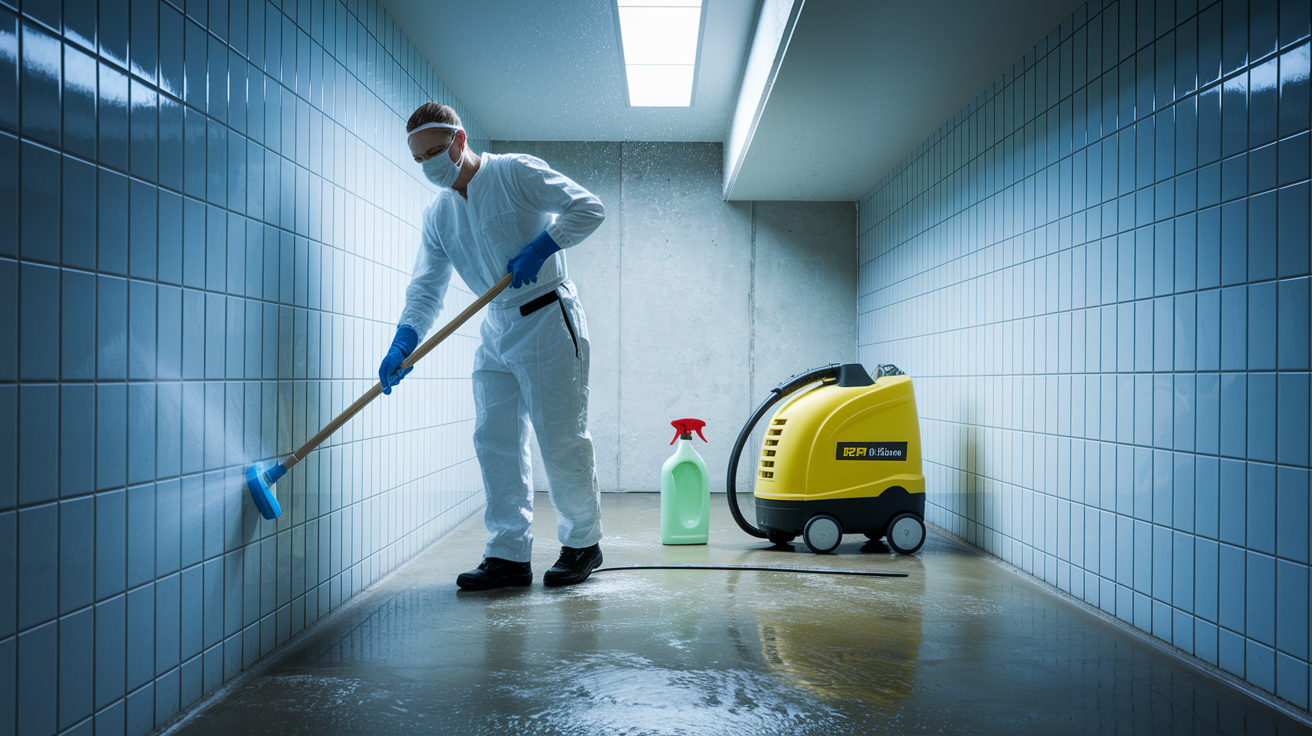
After drying, every surface that touched floodwater needs cleaning. Water carries dirt, bacteria, and organic material that mold feeds on. The EPA recommends a two step process: scrub surfaces with detergent and water first to remove dirt, then disinfect with an EPA registered antimicrobial or a diluted bleach solution. This combination removes contamination and kills spores before they establish colonies. Skipping the cleaning step leaves a film that protects mold from the disinfectant.
Sewage contaminated water requires stronger sanitizing. Black water contains bacteria like E. coli and pathogens that standard household cleaners don’t eliminate. For Category 3 floods, use commercial grade antimicrobials rated for sewage cleanup. Consider calling a restoration company that has the training and equipment to handle biohazards safely. HEPA air scrubbers help by filtering airborne mold spores and particles during and after cleaning. They reduce the chance that spores settle on newly dried surfaces.
Mold Prevention Essentials
Mold can start growing within 24 hours of a flood, sometimes faster in warm, humid conditions. The goal is to dry materials before that window closes and to sanitize everything that stayed wet. HEPA filtration traps particles as small as 0.3 microns, including mold spores, so the air you’re breathing during cleanup stays cleaner. If you smell a musty odor even after cleaning, moisture is still present somewhere. Behind a wall or under flooring. Mold may already be growing.
Use detergent to scrub surfaces first. Disinfectant works better on clean material.
Choose EPA registered antimicrobials for confirmed effectiveness against bacteria and mold.
Run HEPA air scrubbers during drying and cleaning to capture airborne spores.
Address odor by locating hidden moisture, not just masking the smell with sprays.
Treat sewage exposure with commercial biocides and dispose of porous materials that contacted black water.
Handling Damaged Materials and Salvaging Items After Basement Flooding
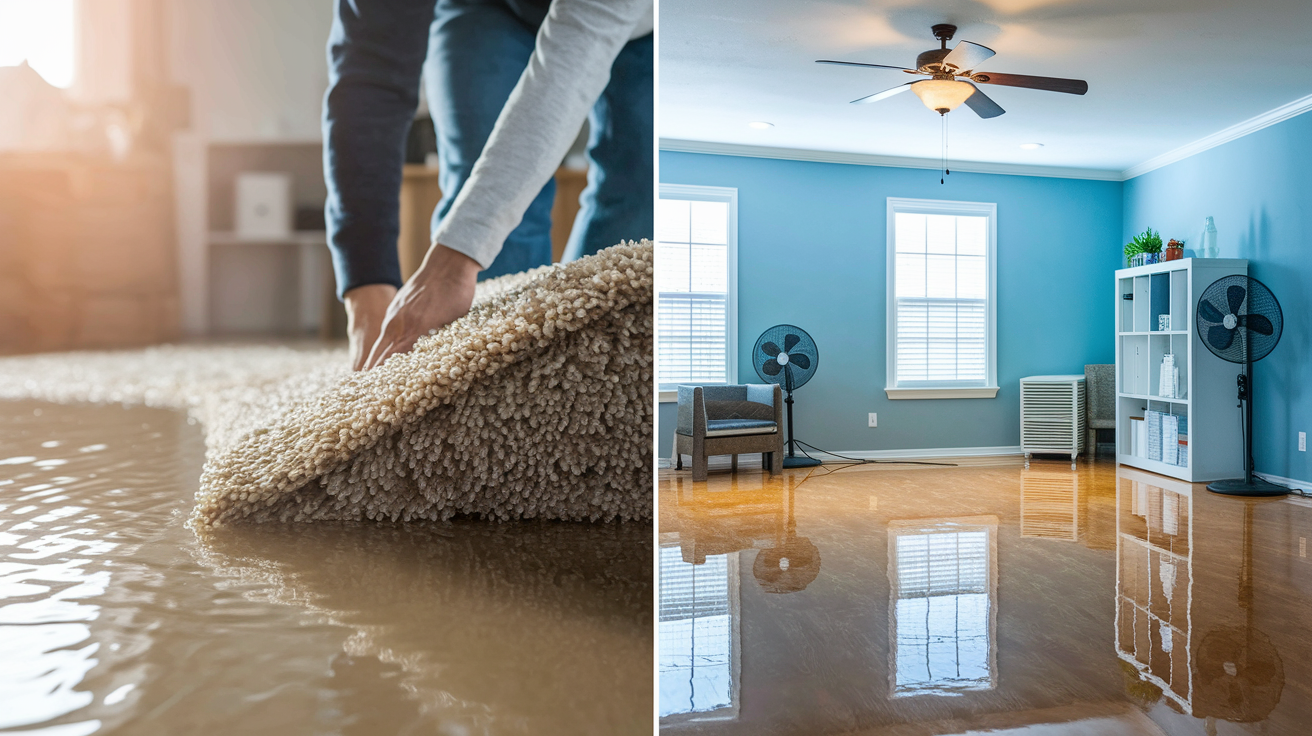
Wet carpet and padding act like sponges. They hold water against the floor and slow drying, and they rarely dry thoroughly enough to avoid mold or odor. Remove carpet within 24 to 48 hours. If hardwood or engineered wood floors were installed in the basement, check them with a moisture meter. Surface drying isn’t enough. The boards themselves need to release moisture or they’ll cup, warp, or develop mold underneath. Drywall wicks water up from the floor. If it stayed wet for more than a day, cut it out at least 12 inches above the highest water line. Soaked insulation inside walls loses its R value and becomes a mold farm. Pull it out, bag it, and dispose of it.
Furniture, boxes, and personal belongings can sometimes be saved if you act quickly. Move them to a dry, ventilated area and set up fans. Hard surfaces like metal, glass, and sealed wood can be cleaned and dried. Upholstered furniture and mattresses are harder to salvage. The fabric and foam trap moisture and dry slowly. Paper items, photos, and books can be frozen temporarily to halt mold growth while you arrange professional document recovery, but that only buys time. Timing makes the difference. Not everything will be ruined. Many items can be saved if cleanup starts quickly.
Watch for structural signs during cleanup. Cracks in the foundation walls, uneven floors, doors that suddenly stick, or gaps along baseboards can indicate movement or settling caused by water pressure or soil saturation. If you see these signs, or if walls appear to bow inward, stop work and call a structural engineer or a foundation specialist. Water doesn’t just damage finishes. It can compromise the bones of the house.
Insurance Documentation Steps for Basement Flood Cleanup

Before you haul anything to the curb, document the damage. Take wide shots of the entire flooded area showing the water line on walls and the extent of the affected space. Take close up photos of damaged items, equipment, and building materials. Capture serial numbers on appliances, brand names on furniture, and any visible mold or staining. Video walkthroughs work well because they show the layout and the scale of the loss in a way that a few photos can’t.
Your insurance adjuster will ask for proof of what was damaged and what you spent to fix it. Keep every receipt: water extraction rentals, cleaning supplies, replacement materials, contractor invoices, and even mileage if you’re hauling debris. If Fire Flood Rescue or another restoration company provides a written estimate or scope of work, save that too. The more documentation you provide up front, the faster the claim moves.
The five core documentation steps are:
- Photograph all damaged areas, items, and structural elements before you remove or repair anything.
- Record video walkthroughs that capture room layout, water lines, and the overall condition.
- Create an inventory list with descriptions, approximate ages, and replacement values for damaged belongings.
- Save all receipts for cleanup, drying equipment rentals, disposal fees, and repair materials.
- Obtain written estimates from contractors and keep records of all communications with your insurer.
When to Call Professionals for Advanced Basement Flood Cleanup
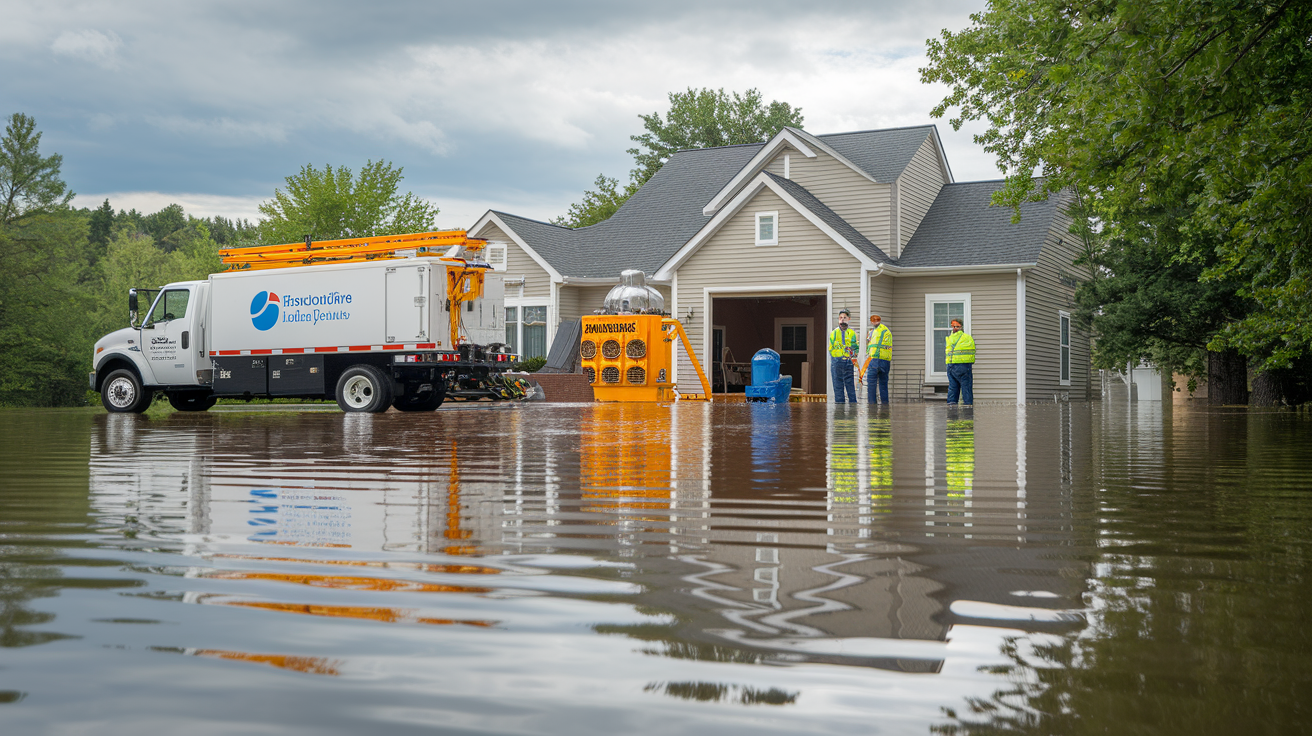
If water depth is more than a couple of inches, or if the source is sewage or stormwater, call a restoration company. DIY extraction and drying work for minor leaks and small spills, but large volume flooding overwhelms household equipment. Professionals bring truck mounted extractors, industrial dehumidifiers, and thermal imaging cameras that locate hidden moisture you can’t see or measure on your own. They dry the space faster and more completely, which reduces the chance of long term mold or structural damage.
Electrical hazards and sewage contamination require professional help. If the circuit breaker is underwater, or if you can’t safely shut off power, an electrician and a restoration crew work together to make entry safe. Black water from a sewer backup contains pathogens that require specialized cleaning agents, disposal protocols, and protective equipment beyond basic PPE. Structural damage, like bowing walls or cracked foundation slabs, also exceeds the scope of DIY. Restoration pros coordinate with structural engineers, plumbers, and electricians to stabilize the building and prevent further harm.
Six situations that require a restoration company:
Water depth greater than a few inches or flooding that covers a large area
Sewage backup or black water contamination
Electrical hazards that prevent safe entry or power shutoff
Structural damage including foundation cracks, wall movement, or ceiling sag
Persistent moisture or suspected hidden water inside walls, floors, or HVAC ducts
Visible mold growth covering more than a few square feet or recurring mold after cleaning
Long Term Basement Flood Prevention and Waterproofing Steps

Once the cleanup is done and repairs are complete, the next flood is already on its way unless you address the root causes. Sump pumps fail when float switches stick, discharge lines freeze, or power goes out during storms. Test your pump every few months by pouring water into the pit until the float rises and the pump starts. Install a battery backup system so the pump keeps running when the power doesn’t. If your pump is more than seven years old, consider replacing it before it fails during the next heavy rain.
Foundation cracks let groundwater seep in, especially when the soil outside becomes saturated. Seal visible cracks with hydraulic cement or polyurethane injection. For persistent seepage, exterior waterproofing (excavating around the foundation and applying a membrane and drainage board) stops water before it reaches the wall. Interior perimeter drains and French drains capture water that enters below the slab and route it to the sump basin. Vapor barriers on walls and floors reduce moisture transmission through concrete.
Grading and drainage improvements outside the house make a big difference. Gutters and downspouts should carry roof water at least six feet away from the foundation. Regrade soil so it slopes away from the house, not toward it. If your yard is flat or the water table is high, consider adding a dry well or extending underground drainage lines to a lower area of the property. These steps reduce hydrostatic pressure and the volume of water that tries to enter your basement during storms.
Seven prevention tasks that reduce repeat flooding:
Test and maintain sump pumps quarterly. Install battery backup.
Seal foundation cracks and apply waterproofing coatings to walls.
Install interior perimeter drains or French drains to capture groundwater.
Extend downspouts and ensure gutters drain away from the foundation.
Regrade exterior soil to slope away from the house at least six inches over ten feet.
Add a vapor barrier to basement walls and floors in areas with high moisture.
Inspect and clear floor drains regularly to prevent blockages during floods.
Final Words
Stop the water and shut off power if it’s safe. Those first steps keep you out of danger and slow mold growth.
Extract standing water, wear proper PPE, and size up contamination before you go in. Dry with air movers and dehumidifiers and verify dryness with meters.
Document damage with photos and receipts for insurance. Follow these basement flood cleanup steps, call pros for sewage or structural risks, and know quick action makes repair simpler and faster.
FAQ
Q: How to properly clean a flooded basement?
A: To properly clean a flooded basement, stop the water and power, extract standing water, remove soaked materials, run air movers and dehumidifiers, disinfect surfaces, check hidden moisture, and document damage for insurance.
Q: What to do after a basement flood is cleared of water?
A: After a basement flood is cleared of water, dry and dehumidify the space, remove damp materials, sanitize surfaces, take moisture readings, photograph damage, watch for mold, and plan repairs or a pro inspection.
Q: How to get 3 inches of water out of a basement?
A: To get three inches of water out of a basement, use a wet/dry vac or small submersible pump, push shallow water to a drain with a squeegee, wear PPE, then finish drying and disinfecting.
Q: Should I wear a mask while cleaning up a flooded basement?
A: You should wear a mask while cleaning up a flooded basement when there’s dust, mold, or sewage; use an N95 for spores/dust and a respirator for heavy sewage or mold, plus gloves and boots.