


Could a few breaths of black smoke change your lungs for life?
Soot is more than dirt. It’s tiny particles, toxic chemicals, and carbon monoxide that slip past your nose and reach the deepest air sacs.
Within minutes your airways can swell, mucus ramps up, and oxygen delivery drops.
People with asthma or heart conditions are especially at risk, and carbon monoxide can make things much worse.
This post walks you through immediate health risks, how clinicians diagnose soot-related lung injury, and steps for treatment and recovery.
So you know what to watch for and what to do next.
Immediate Medical Impact of Soot Exposure on the Lungs

Soot isn’t just black dust. It’s a nasty mix of microscopic carbon bits, volatile organic compounds, polycyclic aromatic hydrocarbons, acids, and heavy metals that form when things don’t burn completely. When you breathe it in, these particles move through your nose and throat into your bronchial airways. Because they’re incredibly small, they can reach the deepest parts of your lungs, the alveoli. From there, some particles actually cross into your bloodstream. Carbon monoxide gas, which shows up in smoke right alongside soot, pushes oxygen out of your red blood cells. That cuts oxygen delivery to vital organs and makes your body’s response to the particles even worse.
Within minutes to hours after breathing soot-laden air, your respiratory system starts fighting back. Airways become inflamed, mucus production ramps up, and smooth muscle in the bronchi can tighten, narrowing the tubes that carry air. PM2.5 particles (fine particulate matter measuring 2.5 micrometers or smaller) are especially dangerous because they bypass your body’s upper respiratory defenses and land directly on sensitive lung tissue. The result is rapid airway inflammation and a measurable drop in lung function, even if you were healthy before the exposure.
Carbon monoxide adds a separate layer of danger. At moderate levels, it causes headache, dizziness, nausea, and confusion. At high concentrations, it can lead to unconsciousness or death. The combination of carbon monoxide poisoning and direct soot damage to the lungs produces what’s often called “smoke poisoning.” That term describes the immediate, toxic reaction to inhaled combustion products.
Common short-term symptoms after soot inhalation:
- Persistent coughing and throat irritation
- Wheezing and shortness of breath
- Chest tightness or discomfort
- Headache, dizziness, or confusion (often from carbon monoxide)
- Eye redness and nasal irritation
Particle Behavior and Deep-Lung Penetration from Soot Exposure

Soot particles are extraordinarily small. Many wildfire smoke particles measure no larger than one third the width of a human hair. When you inhale, larger dust and debris get filtered out by nose hairs and mucus in the upper airways. But particles in the PM2.5 range, and the even tinier ultrafine particles smaller than 0.1 micrometers, slip past those defenses and travel deep into the respiratory tree. They settle in the alveoli, the tiny air sacs where oxygen moves into the blood. Once lodged there, they trigger inflammation and oxidative stress. Some particles are so small that they cross the alveolar membrane and enter the bloodstream, carrying toxic chemicals to other organs and triggering systemic inflammation.
Your body struggles to clear these particles. Alveolar macrophages (immune cells that normally engulf foreign material) can become overwhelmed or damaged by the volume and toxicity of the soot. That delayed or incomplete clearance means the particles stay in contact with lung tissue for extended periods, increasing injury. The inflammation spreads, lung function drops, and symptoms persist or worsen over hours to days. People with asthma or chronic obstructive pulmonary disease experience acute flare-ups because their airways are already compromised and more reactive to irritants.
| Particle Size Category | Health Impact Range |
|---|---|
| PM10 (10 micrometers or smaller) | Deposits in upper airways; irritates throat and bronchi |
| PM2.5 (2.5 micrometers or smaller) | Reaches deep lung tissue and alveoli; triggers inflammation and reduced lung function |
| Ultrafine particles (less than 0.1 micrometers) | Can cross into bloodstream; linked to systemic inflammation, cardiovascular events, and multi-organ impact |
Long-Term Pulmonary Consequences of Repeated Soot Exposure

A single severe exposure can produce lasting lung injury, but repeated or prolonged exposure to soot dramatically increases the risk of chronic respiratory disease. Over months and years, the cumulative inflammation and cellular damage lead to structural changes in the airways and lung tissue. Chronic bronchitis (persistent inflammation of the bronchial tubes) develops as the airways produce excess mucus and lose their ability to clear it efficiently. Asthma may appear for the first time in adults exposed repeatedly, or existing asthma becomes more severe and harder to control.
Chronic obstructive pulmonary disease is one of the most serious long-term outcomes. COPD includes chronic bronchitis and emphysema, conditions that permanently damage the airways and alveoli. Lung function declines progressively, shortness of breath becomes constant, and patients require ongoing medical management including bronchodilators, corticosteroids, and sometimes supplemental oxygen. The systemic inflammation caused by inhaled soot also damages blood vessels, increasing the risk of heart attack and stroke. Endothelial cells (the lining of blood vessels) become dysfunctional, blood pressure rises, and clotting mechanisms are disrupted.
Soot contains polycyclic aromatic hydrocarbons, compounds known to cause mutations in DNA. Long-term exposure to PAHs and other carcinogenic chemicals in soot elevates the risk of lung cancer. The risk is highest when the soot comes from synthetic materials like plastics, treated wood, or foam burned at high temperatures, which produce especially toxic residues. Some lung damage becomes irreversible, and patients may need lifelong pulmonary care and rehabilitation to maintain quality of life.
Major chronic lung diseases linked to repeated soot exposure:
- Chronic bronchitis with persistent cough and mucus production
- Adult-onset asthma or severe worsening of existing asthma
- Chronic obstructive pulmonary disease, including emphysema
- Pulmonary fibrosis (scarring of lung tissue in severe cases)
- Elevated lung cancer risk from carcinogenic combustion byproducts
- Recurrent respiratory infections due to impaired immune clearance
Chemical Toxins in Soot and Their Direct Impact on Lung Tissue

Soot isn’t just carbon. It carries a payload of chemicals that are independently toxic to lung cells. Polycyclic aromatic hydrocarbons form when organic materials burn incompletely. Once inhaled, PAHs generate reactive oxygen species inside cells, causing oxidative stress that damages DNA, proteins, and cell membranes. This cellular injury triggers inflammation and, over time, raises the risk of mutations and cancer. Benzene and formaldehyde (two volatile organic compounds commonly found in smoke) are both classified as human carcinogens and irritants that inflame airway linings.
Heavy metals such as lead, cadmium, and arsenic can be released when painted surfaces, treated wood, or electronics burn. These metals deposit on soot particles and are inhaled into the lungs, where they accumulate in tissue and exert toxic effects on cellular metabolism and repair processes. Acids formed during combustion (including hydrochloric acid and sulfuric acid when plastics or sulfur-containing materials burn) corrode the delicate mucous membranes of the respiratory tract, worsening irritation and inflammation. Carbon monoxide, nitrogen oxides, and carbon dioxide add further respiratory and cardiovascular stress by reducing oxygen availability and increasing blood vessel reactivity.
Five major toxins commonly found in soot:
- Polycyclic aromatic hydrocarbons (PAHs): cause oxidative stress, DNA damage, and cancer risk
- Carbon monoxide: displaces oxygen in blood and impairs organ function
- Formaldehyde: irritates airways and is a known carcinogen
- Benzene: linked to blood disorders and cancer
- Heavy metals (lead, cadmium, arsenic): accumulate in tissue and disrupt cellular processes
Soot-Related Lung Injury Diagnosis and Medical Evaluation
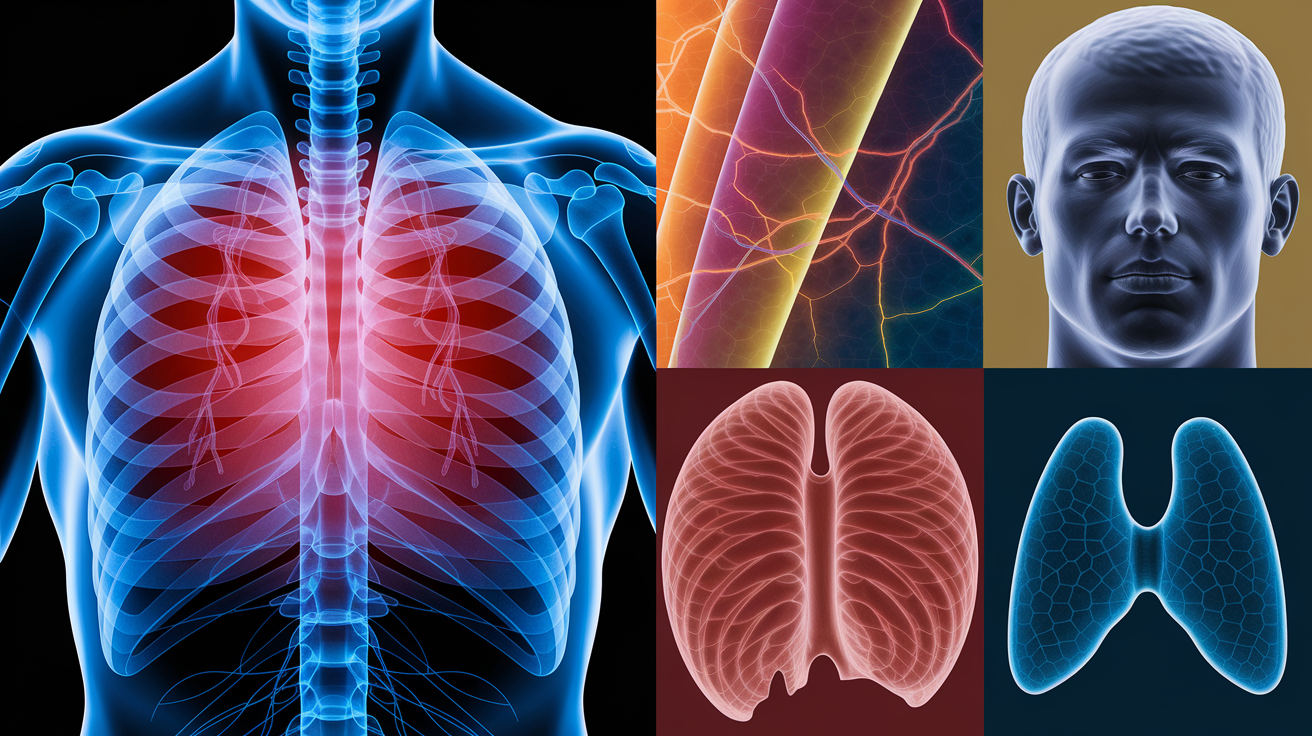
When someone shows up with respiratory symptoms after soot or smoke exposure, doctors start with a detailed history of the exposure event. How long were you exposed? What materials burned? Did carbon monoxide alarms sound? What symptoms appeared first? A physical exam includes listening to the lungs for wheezing, crackles, or decreased breath sounds, and checking oxygen saturation with a pulse oximeter. Low oxygen levels signal significant lung involvement and often prompt immediate supplemental oxygen.
Chest X-rays are commonly ordered to look for signs of inflammation, fluid, or structural damage in the lungs. In more severe cases or when initial imaging is unclear, a CT scan provides detailed cross-sectional images that can reveal early signs of damage not visible on X-ray. Pulmonary function tests (spirometry) measure how much air the lungs can hold and how quickly air can be exhaled. A drop in these values indicates airway obstruction or reduced lung capacity. Blood tests may include arterial blood gas analysis to measure oxygen and carbon dioxide levels, and carboxyhemoglobin levels to detect carbon monoxide poisoning.
In cases of severe inhalation injury or when airway burns are suspected, a bronchoscopy may be performed. A flexible camera is passed through the nose or mouth into the airways, allowing the physician to directly see soot deposits, inflammation, swelling, or damage to the bronchial lining. Sputum samples can be collected and analyzed for infection or cellular changes. Persistent symptoms like ongoing shortness of breath, chest pain, or worsening cough require urgent medical evaluation, as they may indicate progressive lung injury or secondary complications like pneumonia.
| Test | What It Evaluates |
|---|---|
| Chest X-ray or CT scan | Visualizes inflammation, fluid, or structural lung damage |
| Pulse oximetry and arterial blood gas | Measures oxygen and carbon dioxide levels in blood |
| Spirometry (pulmonary function tests) | Assesses lung capacity and airflow obstruction |
| Bronchoscopy | Direct visualization of airway damage and collection of tissue samples |
Treatment Approaches for Lung Damage Caused by Soot

Treatment begins with removing the person from the contaminated environment. Fresh air and rest allow the body’s natural clearance mechanisms to begin working. For mild cases, this may be all that’s needed, along with monitoring for worsening symptoms. When oxygen levels are low, supplemental oxygen is administered through a nasal cannula or face mask to maintain adequate tissue oxygenation. Humidified air or saline nebulizers help soothe irritated airways and loosen mucus.
Bronchodilators (medications that relax and open the airways) are used when wheezing or shortness of breath is present. These are usually delivered via inhaler or nebulizer and provide rapid relief. Corticosteroids reduce inflammation in the airways and lungs. Inhaled steroids are used for ongoing management, while systemic (oral or intravenous) steroids may be given in more severe cases to control acute inflammation. If bacterial infection develops as a complication, antibiotics are prescribed based on sputum culture results.
Severe inhalation injuries may require hospitalization and advanced respiratory support. Continuous positive airway pressure or mechanical ventilation may be needed if the patient can’t maintain adequate oxygen levels on their own. Pulmonary rehabilitation programs help patients with chronic damage rebuild lung function and stamina through supervised exercise, breathing techniques, and education. Long-term care often includes ongoing use of inhalers, regular monitoring of lung function, and referral to a pulmonologist for specialized management.
Common medical interventions for soot-related lung injury:
- Immediate removal from exposure and fresh air
- Supplemental oxygen to correct low blood oxygen levels
- Bronchodilators (inhaled or nebulized) to open constricted airways
- Corticosteroids (inhaled or systemic) to reduce inflammation
- Humidified air or saline nebulizers to soothe airways and loosen mucus
- Mechanical ventilation or hospital-level respiratory support for severe cases
High-Risk Groups Vulnerable to Lung Damage from Soot Exposure

Children and infants are at heightened risk because their lungs are still developing and they breathe faster than adults, inhaling more air and more pollutants per kilogram of body weight. Their smaller airways are more easily obstructed by inflammation and mucus. Studies show that children exposed to wildfire smoke or indoor soot have higher rates of asthma attacks, bronchitis, respiratory infections, and emergency department visits. Elderly individuals face increased vulnerability because lung function naturally declines with age, and many have preexisting conditions like COPD, heart disease, or weakened immune systems that make recovery slower and complications more likely.
People with asthma, chronic bronchitis, COPD, or other chronic lung diseases experience severe flare-ups after soot exposure. Their airways are already inflamed and reactive, so even small amounts of particulate matter can trigger bronchospasm, increased mucus production, and respiratory distress. Individuals with cardiovascular disease (including heart failure, coronary artery disease, or a history of heart attack or stroke) are at risk for acute cardiac events because soot exposure raises blood pressure, increases clotting risk, and triggers systemic inflammation that stresses the heart. Pregnant individuals exposed to high levels of air pollution, including soot, may face higher risks of preterm birth, low birth weight, and pregnancy complications.
At-risk populations for soot-related lung damage:
- Children and infants (developing lungs, higher breathing rates)
- Elderly adults (reduced lung function, comorbidities, weaker immune response)
- People with asthma, COPD, chronic bronchitis, or other chronic lung conditions
- Individuals with cardiovascular disease or diabetes
Indoor Soot Sources and Ongoing Lung Exposure Risks

Soot and smoke residues don’t disappear after a fire is extinguished. They settle onto walls, ceilings, carpets, upholstery, curtains, and inside HVAC ducts. Volatile organic compounds and fine particles remain in porous materials and are released slowly over time, especially when temperatures rise or air circulates. Every time the heating or cooling system runs, soot particles trapped in ductwork are blown back into living spaces, creating repeated low-level exposure that can persist for months. That ongoing exposure can produce chronic respiratory irritation, persistent odors, and gradual accumulation of toxic residues in the body.
Common indoor sources of soot include candles (especially scented or paraffin-based candles), wood-burning fireplaces, gas stoves, and malfunctioning heating equipment. Cooking smoke from high-heat frying or charring releases fine particles that settle on surfaces and circulate in the air. Smoking indoors deposits tar and particulate residues throughout the home. Even small, repeated exposures add up, especially in homes with poor ventilation or older HVAC systems that lack proper filtration. Upgrading to HEPA-grade filters and ensuring regular duct cleaning can reduce recirculation of soot, but thorough professional remediation is often necessary after a fire to fully remove embedded residues.
Cleaning indoor soot requires careful technique. Dry soot should first be removed with a HEPA vacuum to avoid smearing or embedding particles deeper into surfaces. Non-water-based cleaners work best for oily soot, while alkaline cleansers are effective on acidic smoke residues. Testing cleaning products on inconspicuous areas prevents damage to finishes. Ventilation during and after cleaning (opening windows and using fans) helps clear airborne particles and VOCs.
| Indoor Source | Lung Risk Mechanism |
|---|---|
| Candles and incense | Emit fine particulate matter and VOCs during combustion |
| Wood-burning fireplaces | Release soot and carbon monoxide; residues settle in ducts |
| Cooking smoke | High-heat cooking releases PM2.5 and acrolein; settles on surfaces |
Wildfire Smoke as a Major Source of Soot-Related Lung Damage

Wildfire smoke is one of the most widespread and harmful sources of soot exposure. In recent years, wildfires have burned millions of acres annually, and smoke plumes can travel thousands of miles from the fire site. A single large wildfire event has transported smoke into North Dakota, South Dakota, Minnesota, and Iowa from fires burning in northern Canada. These plumes carry PM2.5, carbon monoxide, nitrogen oxides, formaldehyde, and other hazardous air pollutants that blanket entire regions, sometimes for days or weeks. The 2003 Southern California wildfires and subsequent events documented in 2006 and 2009 studies showed sharp increases in hospital admissions for respiratory and cardiovascular causes during and after smoke episodes.
Children exposed to wildfire smoke experience higher rates of asthma attacks, bronchitis, colds, and doctor visits for respiratory issues. Adults, especially those with preexisting lung or heart conditions, see worsening symptoms, increased use of rescue medications, and higher emergency department utilization. Even healthy individuals report breathing difficulties, coughing, and eye irritation during heavy smoke events. The particles in wildfire smoke are small enough to penetrate deep into the lungs and enter the bloodstream, triggering inflammation, oxidative stress, and acute cardiovascular events including heart attacks and strokes.
Climate change has extended and intensified wildfire seasons. Higher spring and summer temperatures, earlier snowmelt, drier soils, and prolonged droughts create conditions that allow fires to ignite more easily, burn longer, and spread faster. Lightning strikes and human activities (like discarded cigarettes) serve as common ignition sources. The result is more frequent, larger, and more destructive fires, and more people exposed to hazardous smoke over longer periods.
Five major lung risks from wildfire smoke exposure:
- Acute asthma attacks and bronchospasm from PM2.5 inhalation
- Increased respiratory infections (bronchitis, pneumonia) due to airway irritation and impaired immune clearance
- COPD exacerbations requiring hospitalization and oxygen therapy
- Cardiovascular events (heart attack, stroke) triggered by systemic inflammation and blood clotting
- Long-term lung function decline in children and adults with repeated seasonal exposures
Protecting the Lungs: Prevention Strategies to Reduce Soot Exposure
Reducing exposure to soot begins with awareness and planning. During wildfire season or after indoor fires, check the Air Quality Index daily. The AQI translates pollutant concentrations (including PM2.5) into a color-coded scale. When the AQI enters the “unhealthy” range (orange or red), vulnerable groups should stay indoors, close windows, and avoid strenuous outdoor activity. On the worst days (purple or maroon), everyone should limit time outside. The U.S. Environmental Protection Agency and World Health Organization publish guidelines that define safe thresholds for particulate pollution, and local health departments issue advisories when those levels are exceeded.
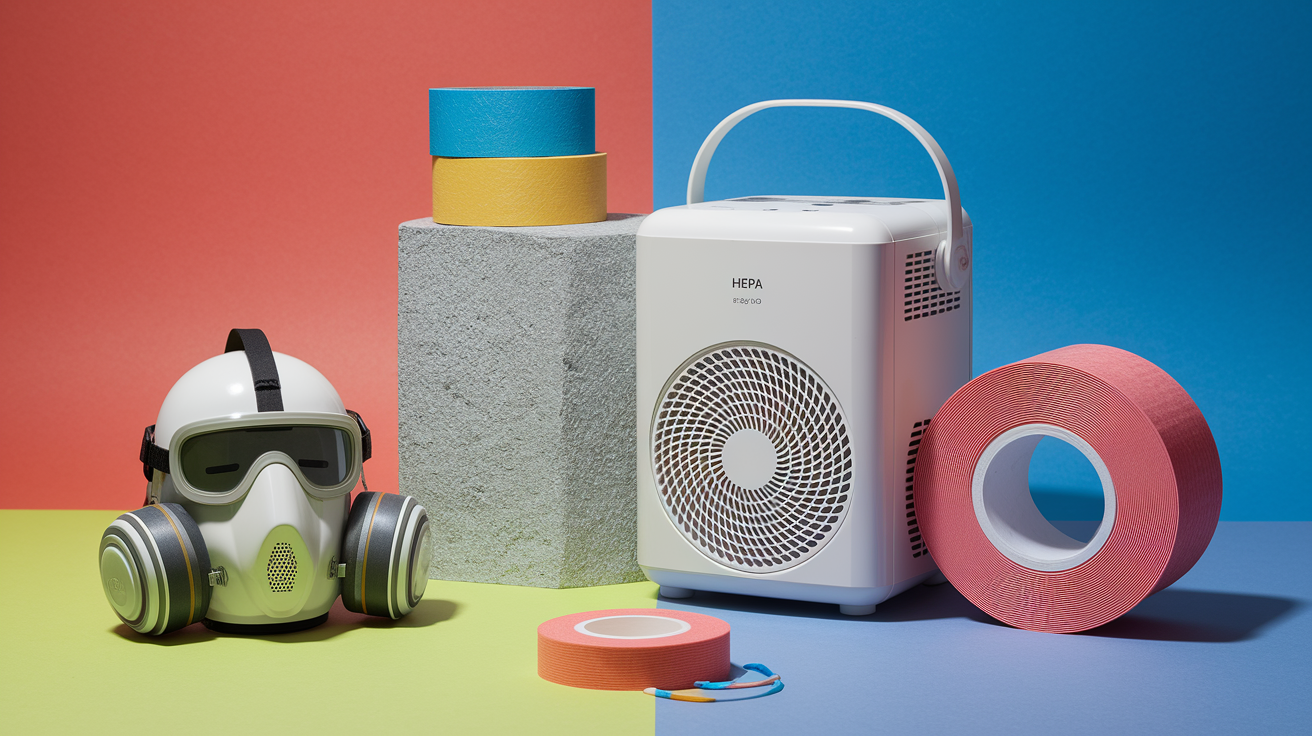
Indoors, HEPA air purifiers can capture PM2.5 and ultrafine particles, significantly improving indoor air quality. Place purifiers in bedrooms and main living areas, and run them continuously during smoke events. Upgrade HVAC filters to MERV 13 or higher to trap smaller particles. Seal gaps around windows and doors with weather stripping or damp towels to prevent outdoor smoke from entering. Avoid activities that generate additional indoor particles, such as burning candles, using gas stoves without ventilation, or vacuuming with non-HEPA equipment.
When outdoor exposure is unavoidable (during evacuations, firefighting, cleanup work, or commuting through smoky areas), wear a properly fitted N95 respirator. N95 masks filter at least 95% of airborne particles, including PM2.5. Surgical masks and cloth face coverings don’t provide adequate protection against fine particles. Fit is critical. Gaps around the edges allow unfiltered air to bypass the mask. OSHA guidelines recommend respiratory protection for workers exposed to particulate hazards, and employers must provide appropriate respirators and training.
Six practical steps to prevent lung damage from soot exposure:
- Monitor the Air Quality Index daily during wildfire season or after fires; stay indoors when AQI is unhealthy
- Run HEPA air purifiers continuously in bedrooms and main living areas during smoke events
- Upgrade HVAC filters to MERV 13 or higher and seal windows and doors to block outdoor smoke
- Wear properly fitted N95 respirators when outdoor exposure is unavoidable
- Avoid indoor activities that generate particles (candles, gas stoves, non-HEPA vacuuming)
- Seek professional remediation and duct cleaning after any indoor fire to remove embedded soot and VOCs
Final Words
If soot reaches your airways, act fast: watch for coughing, wheeze, shortness of breath, chest tightness, or confusion. Get fresh air and seek medical care if symptoms are serious.
This article walked through what soot is, how PM2.5 and tiny particles bury deep in the lungs, the immediate signs to watch for, tests doctors use, long-term risks, and practical ways to cut exposure at home.
Early action and simple protections help limit soot damage to lungs and get you back to normal.
FAQ
Q: How bad is soot for your lungs?
A: The soot is harmful to your lungs because tiny particles reach deep airways, cause inflammation and reduced lung function, and can worsen asthma or heart conditions; get fresh air and seek care for breathing trouble.
Q: Do lungs heal after smoke damage?
A: Lungs can partly heal after smoke damage. Short exposures often improve over weeks to months, but severe or repeated exposure can cause lasting scarring and chronic lung disease.
Q: How long does it take for dust to damage lungs?
A: Dust can irritate lungs right away, but permanent damage usually needs repeated or heavy exposure over months to years. Some toxic dusts (silica, asbestos) can cause disease faster.
Q: Can the smell of soot make you sick?
A: The smell of soot can make you sick because it signals airborne particles and gases; breathing that air may cause headache, nausea, throat or eye irritation, and breathing problems in sensitive people.