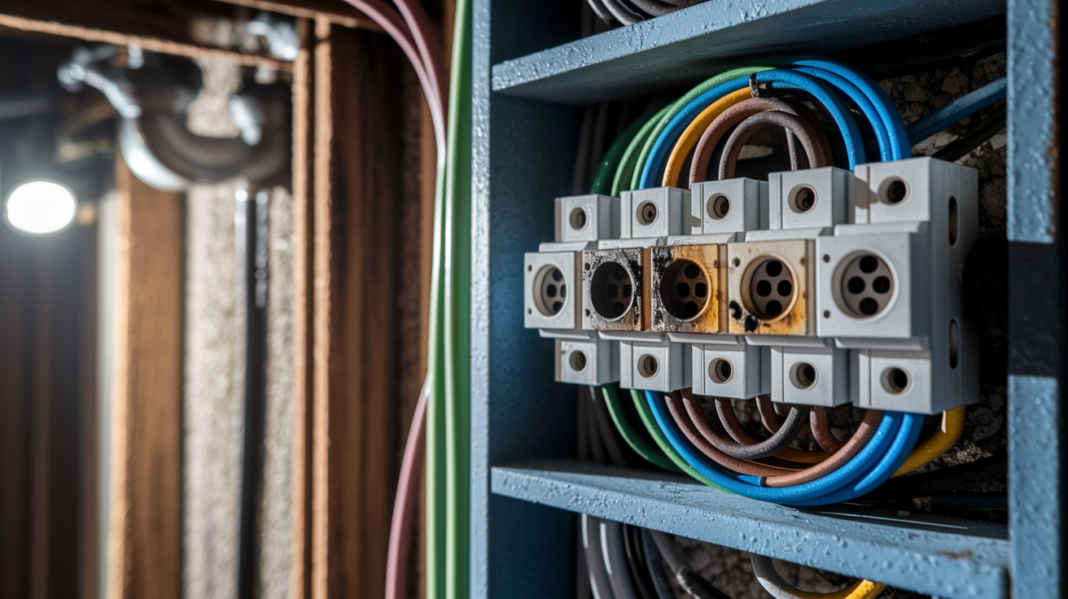

Think your home’s electrical system is safe because the lights come on?
A lot of real dangers hide behind walls, in outlets, and under rugs.
Old wiring, frayed cords, overloaded circuits, water near outlets, and DIY fixes are common triggers for shocks and fires.
This post walks through the most common hazards and gives simple prevention steps you can use right away.
We’ll show what to check, when to cut power, and when to call a licensed electrician.
No guesswork. Clear actions to stop problems before they spread.
Identifying the Most Common Electrical Hazards in Homes
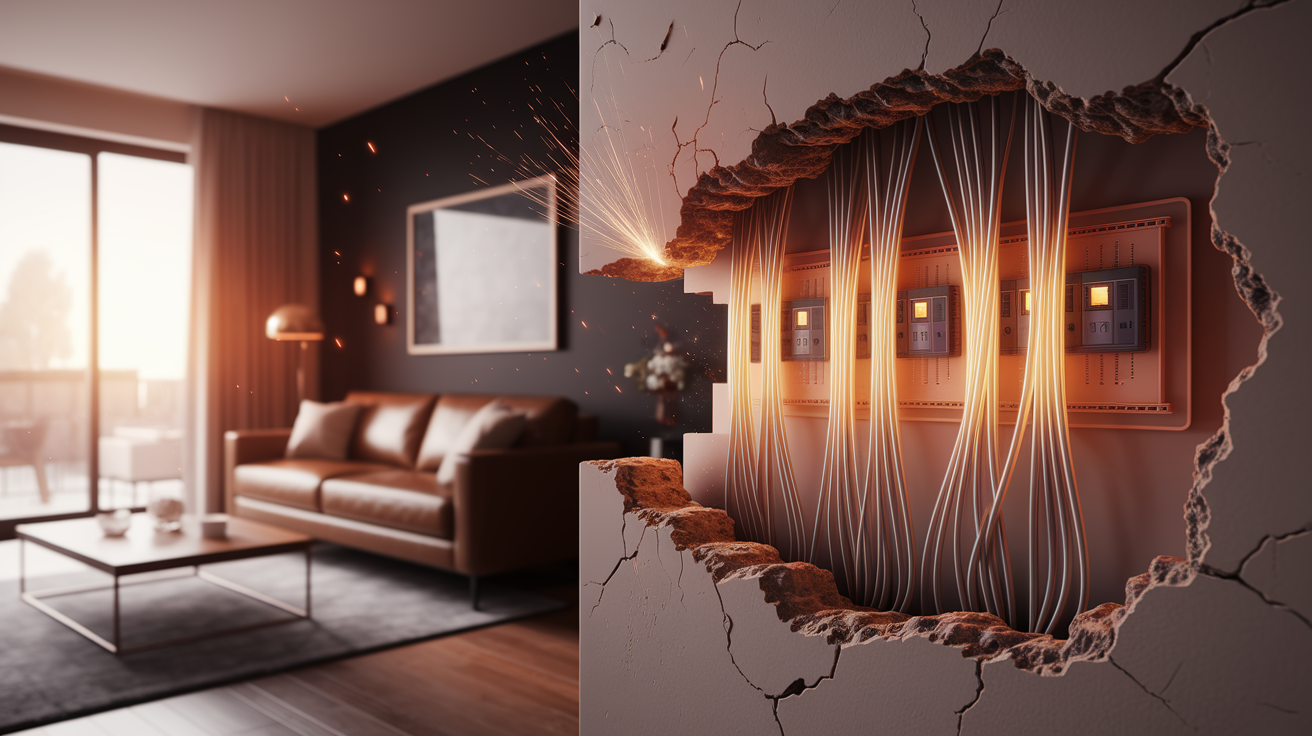
Electrical hazards show up in nearly every room, but most stay hidden until they spark, shock, or start a fire. Older homes with wiring installed over 30 years ago carry the highest risk. Frayed, brittle, or corroded conductors overheat behind walls where you can’t see them. Overloaded circuits push wires past their design limits, causing heat buildup that can ignite insulation or nearby materials. Water near outlets in kitchens, bathrooms, and basements multiplies shock danger, especially when ground fault protection is missing or failed.
Exposed electrical components create immediate contact hazards. Live wires, uncovered junction boxes, damaged appliance cords. DIY electrical repairs often introduce reversed polarity, loose connections, and non-code splices that look fine on the surface but quietly degrade over time. Faulty outlets and switches show their trouble through burn marks, sparks, or warm faceplates. Appliances that deliver shocks signal grounding failures or internal wiring faults.
Catching these hazards early prevents the damage that spreads when small problems go unnoticed. The most common electrical dangers in homes include:
- Overloaded circuits that cause repeated breaker trips and dimming lights when appliances start
- Frayed or damaged wiring hidden behind walls, in attics, or inside junction boxes
- Water exposure near electrical equipment in kitchens, bathrooms, garages, and basements
- Exposed live wires and uncovered junction boxes that allow direct contact with energized conductors
- Damaged appliance cords with cracked insulation or visible copper strands
- Improper DIY electrical work that violates code and hides loose or reversed connections
- Faulty outlets and switches that spark, overheat, or lose contact intermittently
- Shock prone appliances that tingle or deliver jolts when touched, indicating missing or broken grounding
Understanding Wiring Related Home Electrical Hazards
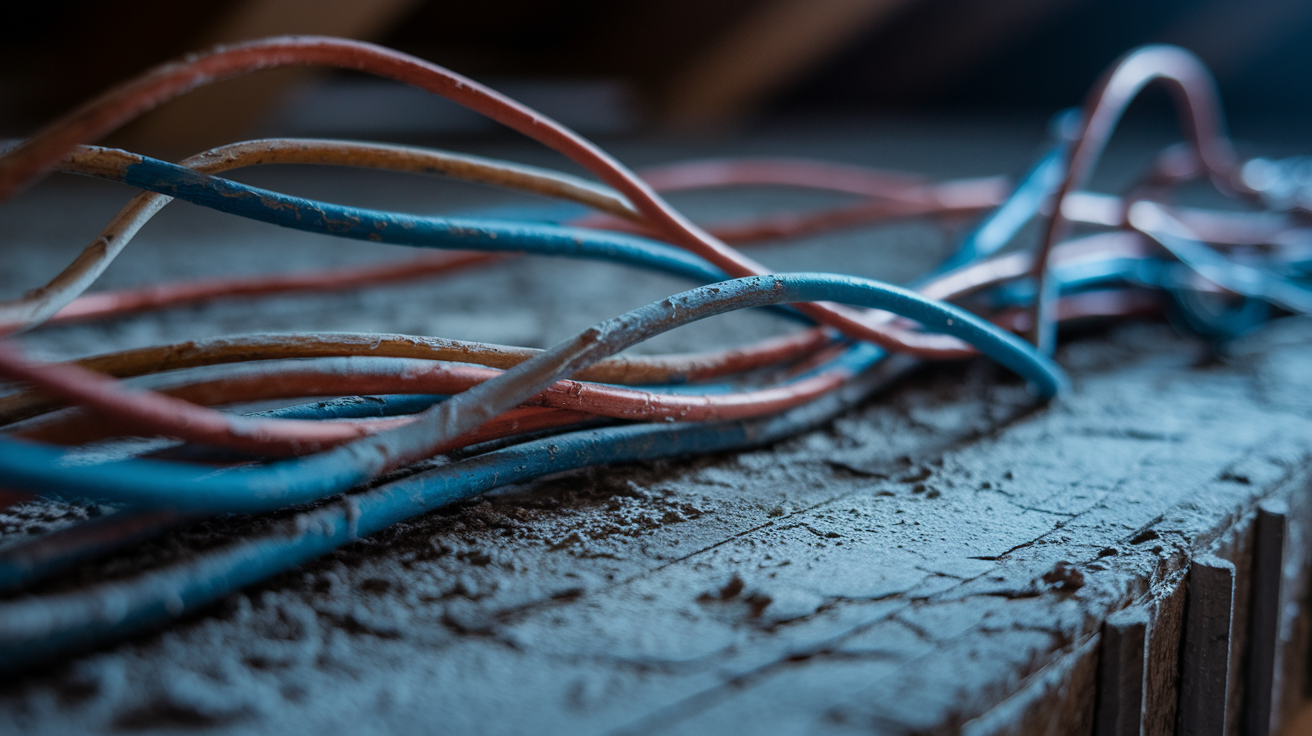
Wiring breaks down over time through oxidation, heat cycling, moisture intrusion, and age. Frayed or brittle insulation exposes live conductors. Corroded connections increase resistance, generating heat that can ignite surrounding materials. Homes built in the 1960s and 1970s sometimes used aluminum branch wiring, which expands and contracts more than copper. That loosens connections at outlets and switches, creating arcing points that overheat. Knob and tube wiring, common in houses built before the 1950s, lacks grounding and protective sheathing. It leaves conductors vulnerable to damage from renovations, rodent chewing, or accidental contact.
Wiring hidden behind drywall, above ceilings, or beneath floors can fail without visible warning. Rodents chew through insulation. Renovation work sometimes drives screws or nails directly into cables. Inspections are recommended when wiring reaches 30 years of age or when a home has never been professionally evaluated. Invisible damage often comes before visible failure.
Major wiring red flags include:
- Frequent breaker trips or fuses that blow repeatedly in the same circuit
- Flickering lights or dimming when motors start, especially if the home is more than three decades old
- Warm or discolored outlet covers and switch plates near suspected old wiring
- Visible charring, scorching, or burn marks on walls near outlets or junction boxes
- Any wiring that shows exposed copper, cracked insulation, or signs of rodent activity
Recognizing Outlet and Switch Electrical Hazards
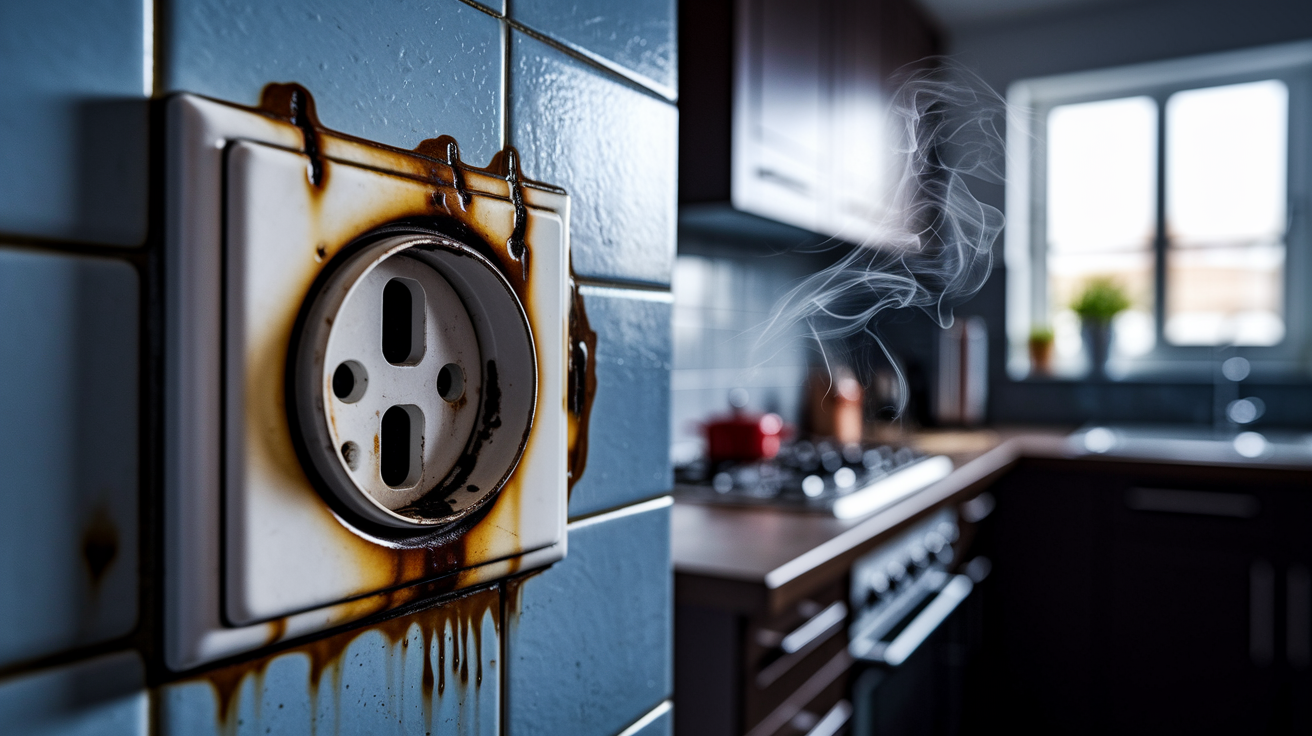
Outlets and switches wear out through repeated use, environmental exposure, and poor initial installation. Loose outlets allow plugs to make intermittent contact, creating arcing that heats the receptacle and surrounding wiring. Cracked faceplates or broken internal components expose live terminals, raising the risk of shock when fingers or conductive objects contact the device. Burn marks on outlet covers signal that arcing or overheating has already happened. Warm or hot faceplates mean current is flowing through damaged connections instead of the intended load.
Sparking when inserting or removing a plug indicates internal arcing or a loose wire at the terminal screw. Outlets that feel hot to the touch should be shut off at the breaker immediately. The heat reflects resistance buildup that can ignite plastic housing or nearby combustibles. Exposed wiring behind damaged outlets or missing wall plates creates direct shock hazards. Any receptacle that delivers a tingle or shock when touched requires professional inspection and replacement before further use.
Electrical Hazards Caused by Overloading Circuits and Power Strips

Circuits are designed to carry a specific maximum load, typically 15 or 20 amperes for general residential branch circuits. When the combined draw of lights, appliances, and devices exceeds that limit, wires heat beyond safe operating temperatures and insulation begins to degrade. Older electrical panels often lack the capacity to support modern homes filled with computers, televisions, kitchen appliances, HVAC systems, and electric vehicle chargers. That makes overload a chronic rather than occasional condition.
Power strips and extension cords multiply the problem when homeowners use them as permanent wiring. Plugging high draw devices like space heaters, window air conditioners, or power tools into a multi outlet strip can push total circuit demand well past safe limits. That overheats both the strip and the upstream wiring. Breakers trip to interrupt the overload, but if a breaker is weak or oversized for the wire gauge, the circuit continues heating without protection.
Dimming or flickering lights when appliances cycle on, warm power strips, and frequent breaker trips all signal that circuits are carrying more current than intended. Early warning signs include:
- Breakers that trip repeatedly, especially when multiple devices operate at the same time
- Lights that dim noticeably when the refrigerator compressor, air conditioner, or washing machine starts
- Warm or discolored power strips, extension cords, or outlet covers
- Burning plastic smell near outlets, strips, or the electrical panel
Moisture Related Electrical Hazards in Homes
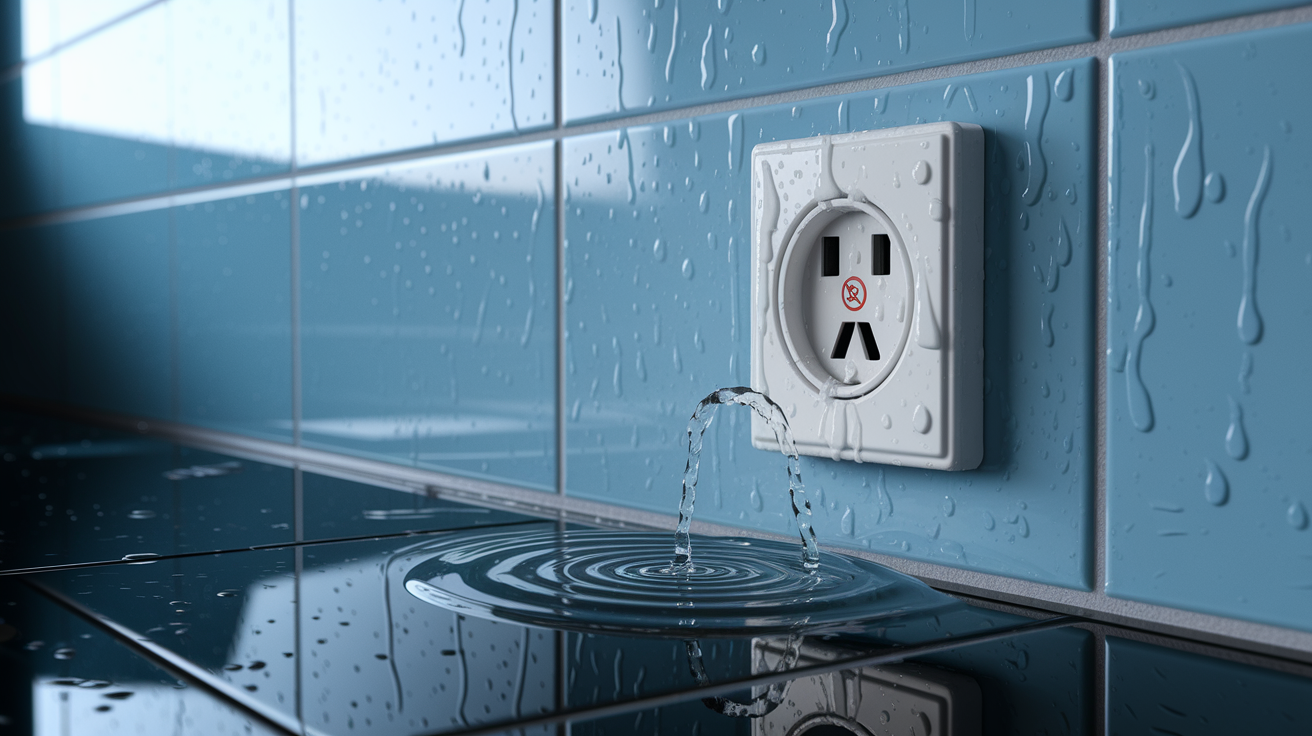
Water and electricity create immediate shock hazards because moisture provides a conductive path that bypasses the intended circuit. Kitchens, bathrooms, garages, basements, and outdoor areas expose outlets and fixtures to splashes, humidity, condensation, and occasional flooding. Corroded outlet faces, rust on screws, and discolored covers all indicate that moisture has entered the device. That compromises insulation and increases the chance of short circuits or ground faults.
Ground fault circuit interrupters (GFCIs) are designed to shut off power within milliseconds when they detect current leaking through water or a person’s body. But older homes often lack GFCI protection in required locations. Outlets near sinks, tubs, washing machines, and outdoor faucets must be GFCI protected to meet current code. Any outlet that’s been exposed to standing water, leaks, or flooding should be inspected by a licensed electrician before being re-energized. Tripped GFCIs that won’t reset, visible moisture inside outlet boxes, and damp junction boxes all signal that water intrusion has compromised electrical safety. Immediate professional evaluation is necessary.
Panel and Breaker Electrical Hazards in Residential Settings
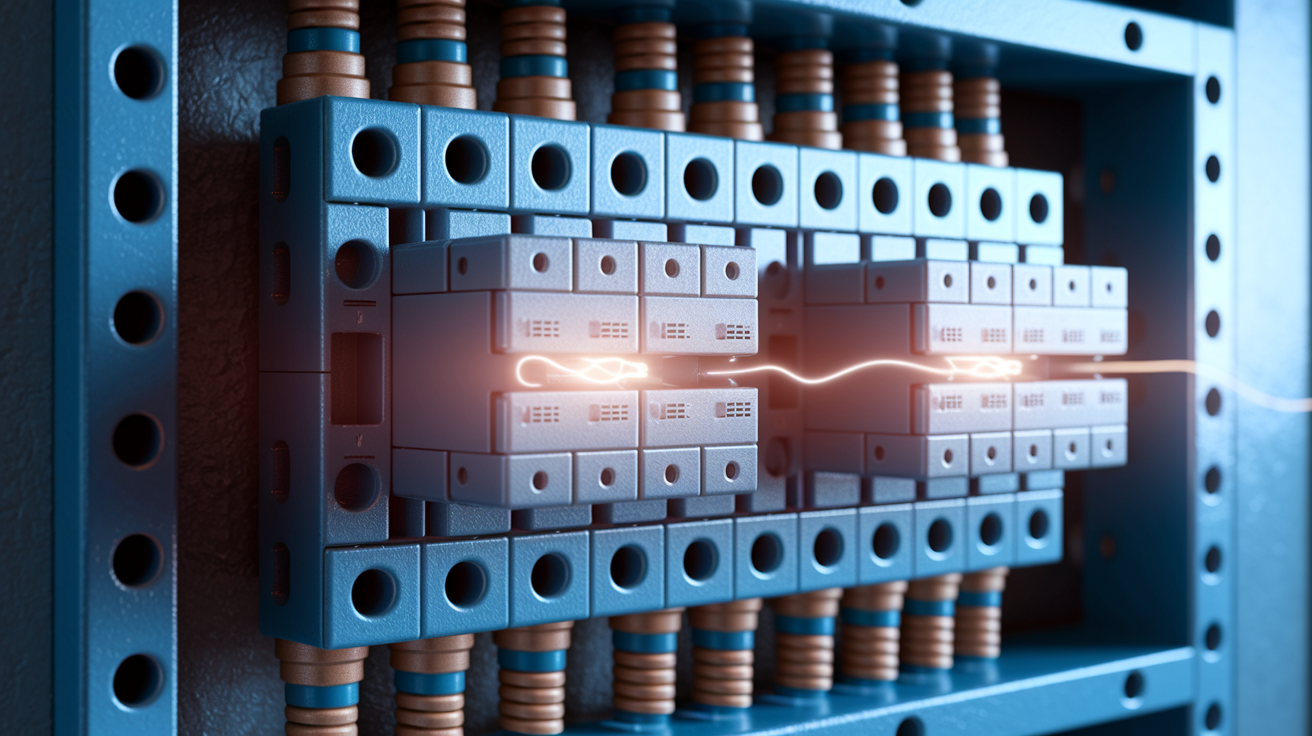
The electrical panel distributes power throughout the home and protects circuits through circuit breakers designed to trip when current exceeds safe levels. Older panels, particularly those manufactured by Federal Pacific or Zinsco, are known for failing to trip during overloads. That allows wires to overheat without interruption. Panels that hum, buzz, or feel warm to the touch indicate loose connections, overloaded busbars, or internal arcing. Burning smells near the panel mean that insulation or plastic components are overheating. Visible scorch marks or melted breaker handles require immediate shutdown and professional replacement.
Double tapped breakers (two wires connected to a single breaker terminal not designed for that configuration) create loose connections that heat and arc. Missing panel covers expose live busbars. Outdated panels without arc fault circuit interrupter (AFCI) protection in bedrooms and living areas increase fire risk from arcing faults that standard breakers don’t detect. Frequent breaker trips, dimming lights throughout the house, and the inability to reset a tripped breaker all point to panel problems that need licensed electrician evaluation.
Panel warning signs that require action include:
- Warm, hot, or vibrating panel enclosures when touched
- Humming, buzzing, or crackling sounds coming from inside the panel
- Burning plastic smell or visible smoke near breaker positions
- Breakers that trip immediately when reset, or that won’t stay in the ON position
- Rust, corrosion, or water stains inside the panel cabinet or on breaker faces
Appliance and Cord Electrical Hazards in Homes
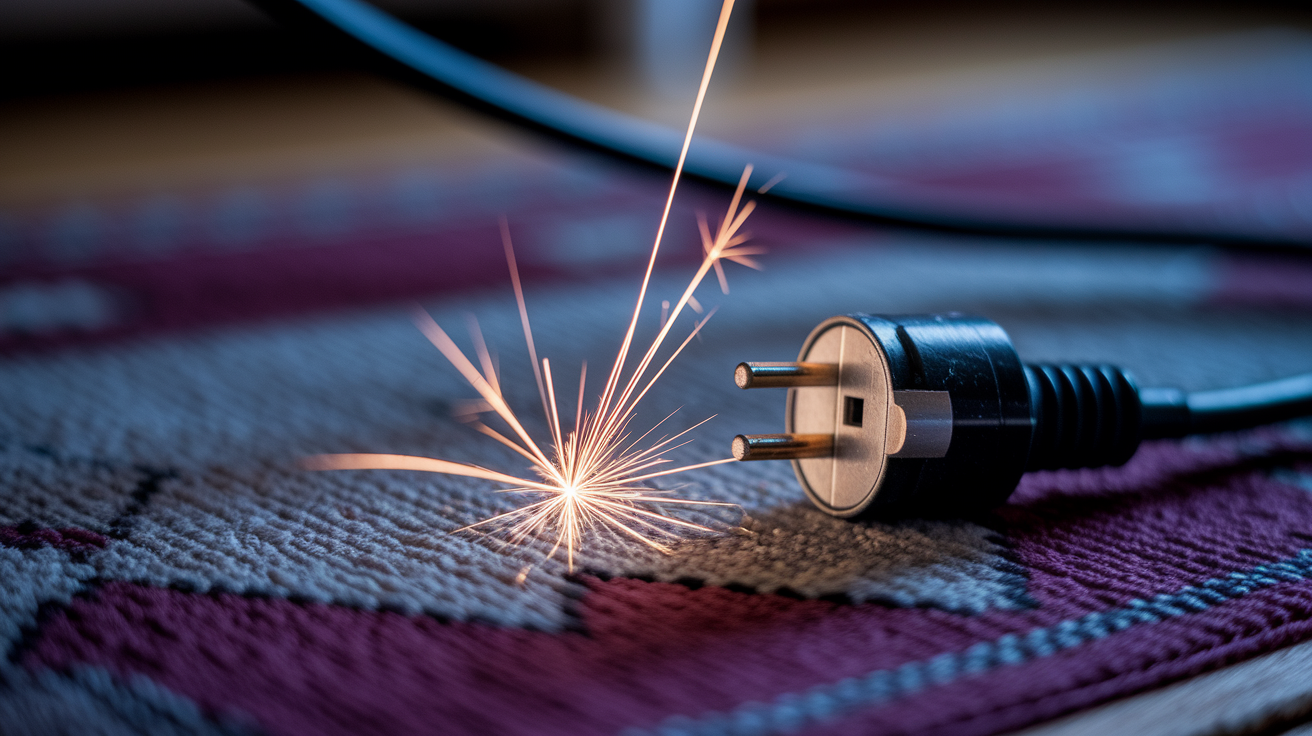
Appliances rely on intact power cords and internal wiring to operate safely. Damaged insulation, cracked plugs, and exposed conductors turn everyday devices into shock and fire hazards. Frayed cords reveal bare copper strands that can contact metal surfaces or fingers, delivering shocks or creating short circuits. Space heaters draw high current, often 12 to 15 amperes. They overload circuits when plugged into power strips or extension cords not rated for that load. Placing heaters on rugs or under furniture traps heat, igniting surrounding materials.
Appliances that deliver a tingle or shock when touched indicate a grounding fault or internal insulation breakdown. Plugs that feel warm during use signal resistance at the connection, often from worn prongs or a loose outlet. Appliances that intermittently shut off, spark when plugged in, or cause breakers to trip require immediate inspection and repair by a qualified technician. Or replacement if internal wiring has failed.
Unsafe appliance scenarios include:
- Running space heaters through extension cords or power strips instead of dedicated wall outlets
- Using appliances with cracked, chewed, or visibly damaged power cords
- Operating devices near sinks, tubs, or wet floors without GFCI protection
- Ignoring tingling sensations or small shocks when touching metal appliance surfaces
Electrical Hazards From Improper DIY Electrical Work
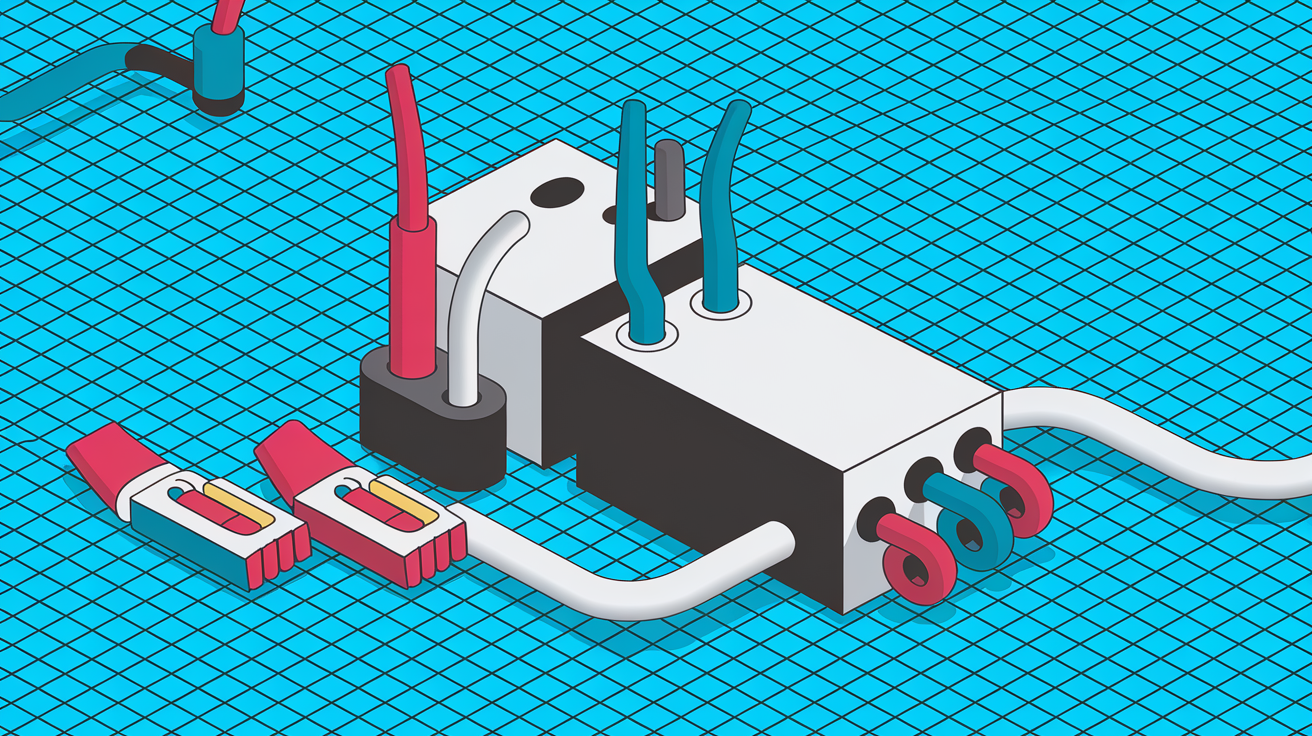
Homeowners attempting electrical repairs without training or permits often create hazards that remain hidden until they cause fires or shocks. Reversed polarity (swapping the hot and neutral wires) leaves devices energized even when switched off. Loose wire nuts or improperly secured terminal screws generate arcing points that overheat. Non-code splices, like twisting wires together without approved connectors or junction boxes, concentrate heat and can ignite insulation or nearby wood framing.
Unpermitted electrical work bypasses inspection, so code violations remain concealed behind walls and ceilings. Undersized wire for the circuit load, missing grounding conductors, and incorrect breaker ratings all reduce safety margins that professional installations preserve. DIY repairs that appear functional on the surface often fail under load. They produce intermittent problems that are difficult to diagnose and increase long term fire risk. Licensed electricians follow code requirements, use proper materials, and ensure connections are mechanically and electrically sound. That prevents the hidden failures that amateur work introduces.
Child Related and Safety Device Electrical Hazards in Homes
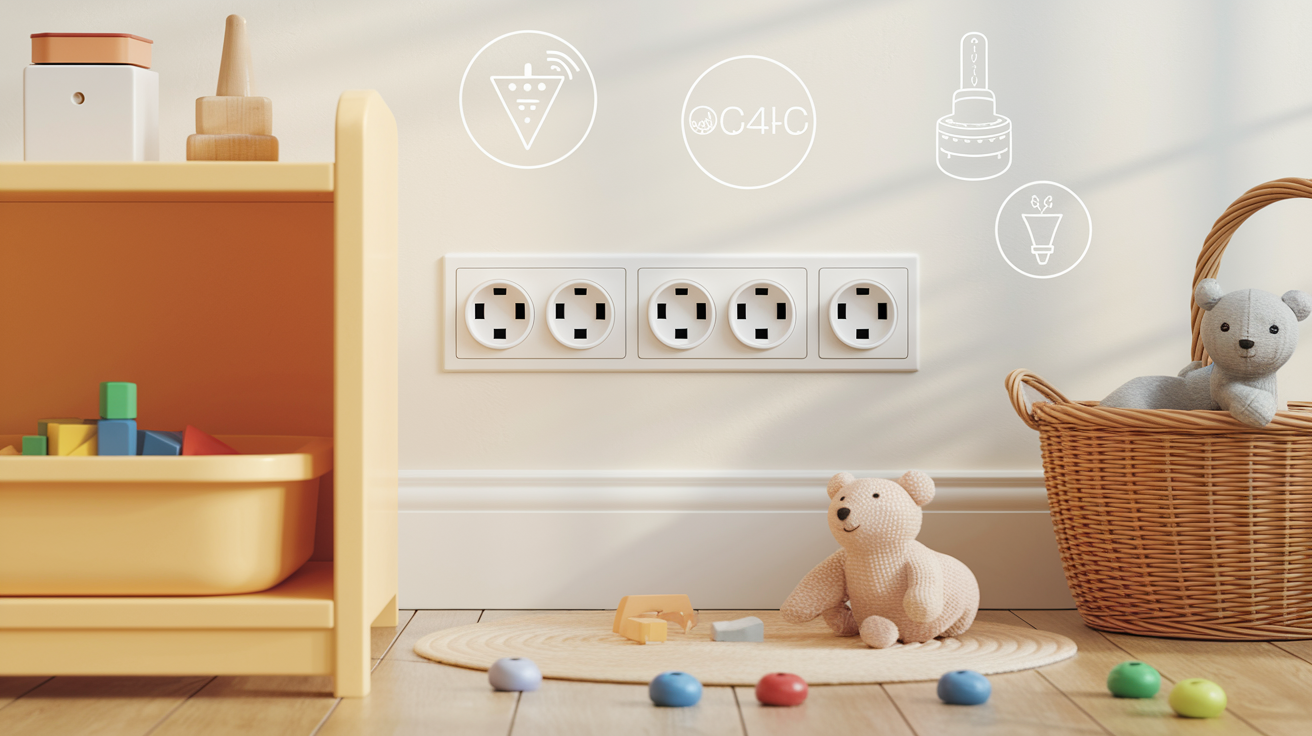
Children exploring outlets with keys, paperclips, or hairpins face shock and burn injuries when conductive objects contact live terminals. Standard outlets allow insertion of small objects into the slots. Tamper resistant outlets contain spring loaded shutters that block access unless equal pressure is applied to both sides simultaneously, the configuration of a plug’s prongs. Homes without tamper resistant receptacles in areas accessible to young children lack a basic layer of protection.
Safety devices like smoke alarms, carbon monoxide detectors, and ground fault circuit interrupters provide early warning and automatic shutoff. But only when they function correctly. Smoke alarms with dead batteries, expired sensors (older than ten years), or accumulated dust fail to detect fires. GFCIs that are never tested may fail to trip during a ground fault, leaving occupants unprotected. Monthly testing of GFCIs using the built in TEST button confirms the device will disconnect power when needed. Smoke alarms require battery replacement (or full unit replacement for sealed ten year models) and monthly test button checks.
Critical safety devices to inspect and maintain include:
- Tamper resistant outlets in rooms where children play, sleep, or spend time
- Smoke alarms on every level of the home and inside each sleeping area, tested monthly and replaced every ten years
- Carbon monoxide detectors near sleeping areas, tested monthly and replaced per manufacturer recommendations
- GFCI outlets in kitchens, bathrooms, garages, basements, and outdoor locations, tested monthly using the TEST button
- Arc fault circuit interrupter (AFCI) breakers in bedrooms and living areas, verified during professional inspections
Knowing When Home Electrical Hazards Require a Licensed Electrician

Some electrical problems present immediate danger and require professional response without delay. Sparks, visible smoke, or flames from outlets, switches, or the panel mean that arcing or short circuits are active. Power should be shut off at the main breaker if it’s safe to approach the panel. Burning smells (plastic, rubber, or electrical insulation) indicate overheating that can ignite surrounding materials. Any outlet, switch, or appliance delivering shocks needs immediate shutdown and inspection.
Persistent breaker trips that continue after unplugging devices signal overloaded circuits, failing breakers, or hidden wiring faults. Those require load evaluation, circuit additions, or panel upgrades. Exposed live wiring from damaged walls, open junction boxes, or pulled apart connections creates shock hazards that homeowners should never attempt to repair while energized. Aluminum wiring, suspected code violations from prior DIY work, and panels older than 25 to 30 years all warrant professional evaluation to assess safety and plan necessary upgrades.
Emergency steps when electrical hazards appear include shutting off power at the breaker for the affected circuit or the main disconnect if the specific circuit is unknown. Avoid contact with wet floors or standing water near energized equipment. Call a licensed electrician or emergency services if smoke, fire, or injury occurs. Licensed professionals carry tools to test circuits safely, verify grounding, measure loads, and diagnose problems hidden behind walls. They provide accurate solutions that restore safety and meet code requirements.
| Hazard | Immediate Action Needed |
|---|---|
| Sparks, smoke, or flames from outlet or panel | Shut off main breaker if safe; evacuate and call emergency services if fire spreads |
| Burning smell near wiring, outlets, or panel | Turn off power to affected circuit; call licensed electrician immediately |
| Shock or tingle from appliance or outlet | Unplug device, shut off circuit breaker, schedule electrician inspection |
| Repeated breaker trips after removing devices | Stop using circuit; call electrician to diagnose overload or wiring fault |
| Water contact with outlets or exposed wiring | Shut off power at breaker; do not touch wet equipment; call electrician before re-energizing |
Final Words
If you see sparking, smell burning, or notice a warm outlet, stop using it and act now.
This post walked through the usual hazards—overloaded circuits, frayed wiring, water near plugs, exposed live wires, damaged cords, DIY wiring mistakes, faulty outlets, and risky appliances—and showed what to watch for and why each is dangerous.
Check panels, test GFCIs, and call a licensed electrician for persistent problems.
Knowing what are common electrical hazards in homes helps you act fast and keep your family and property safe.
FAQ
Q: What are the five common electrical hazards at home?
A: The five common electrical hazards at home are overloaded circuits, frayed wiring, water near electrical equipment, exposed live wires, and damaged cords. Expanded top-ten adds faulty outlets, outdated panels, DIY wiring, power-strip misuse, and shock-prone appliances.
Q: What appliances should not be left plugged in?
A: Appliances that should not be left plugged in include space heaters, irons, toasters, portable ovens, and devices with damaged or frayed cords, since they can overheat, trip breakers, or start fires when unattended.
Q: How to tell if a house has electrical issues?
A: You can tell a house has electrical issues by frequent breaker trips, flickering or dimming lights, warm or buzzing panels, burning smells, hot outlets or faceplates, visible sparking, or shocks from appliances.