
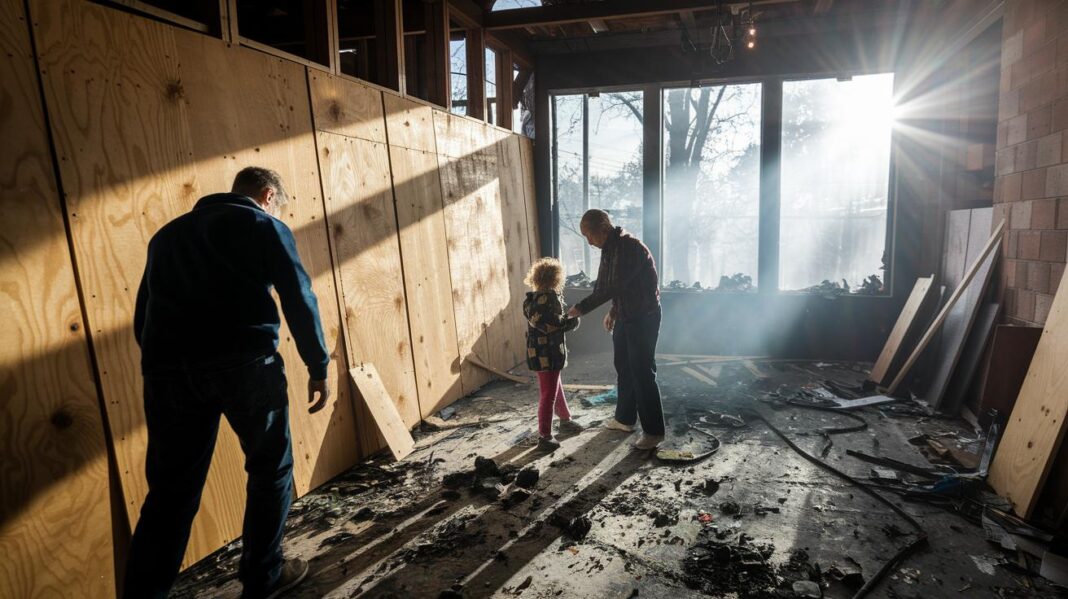

Have you ever felt that a fire might be a new beginning rather than just an end? When disaster strikes, putting your home back together can seem like piecing together a broken puzzle. We start by checking every part of your home for safety, then we clear away the damage and rebuild everything from scratch. This isn’t just about fixing things, it’s about giving you a fresh start filled with hope and safety. Every careful check and each repair we make is our promise that your home can rise stronger than before.
Post-Fire Home Reconstruction Process Sparks Hope
We start by checking your home for safety. Within 24 to 48 hours, our team visits to look for risks like unstable walls or harmful chemicals left by smoke and water. We write down every detail so we can plan repairs and help with your insurance claim.
Next, we clear away the debris and remove any dangerous waste. This phase gets rid of burned materials and contaminants to stop further harm. It also prepares your home for rebuilding, easing some of the emotional stress you feel.
Finally, we begin repairs and rebuilding. We fix parts that can be saved and replace those that cannot. We follow modern safety rules to keep your home safe and sound. This step-by-step process is designed to rebuild a safe space and bring hope for a stronger future.
Conducting a Thorough Damage and Safety Assessment in Post-Fire Reconstruction
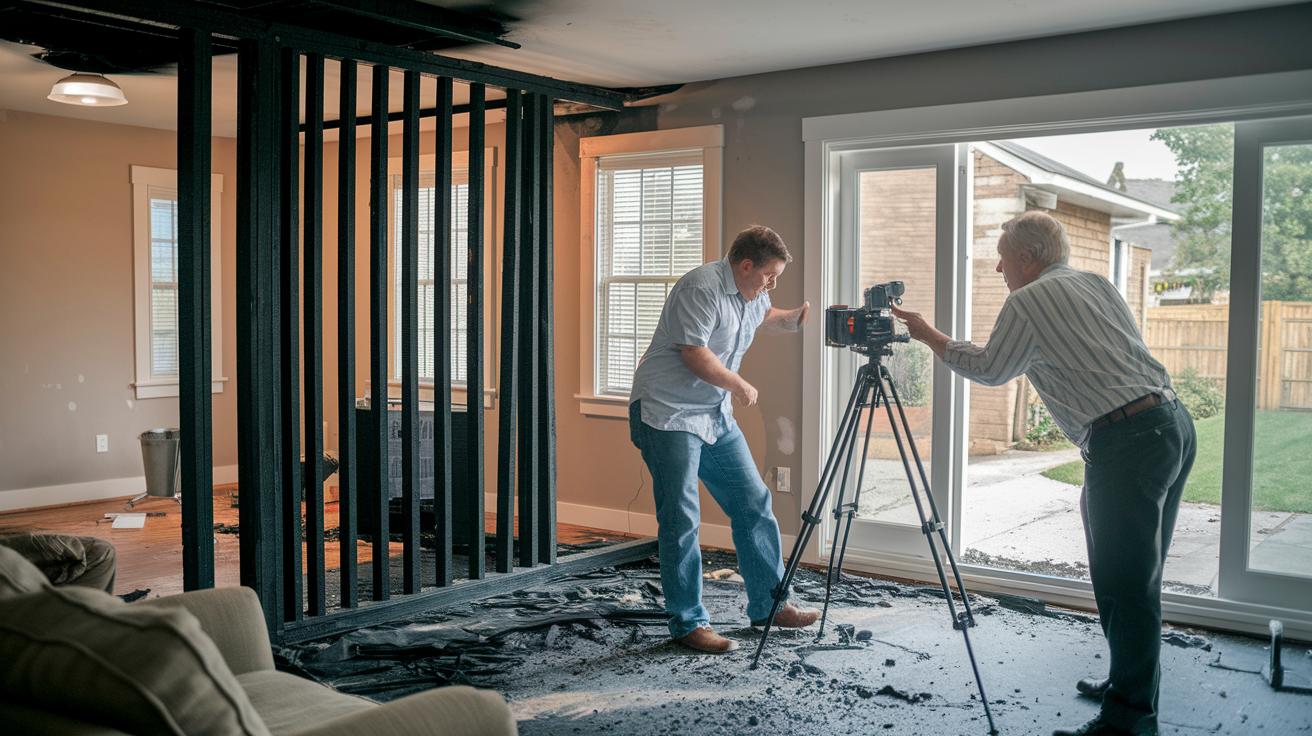
We understand that a fire leaves you stressed and uncertain about your home’s safety. Right away, we send a certified expert to inspect every part of your home. We check load-bearing walls, look for cracks in the foundation, and watch out for any signs that part of your house might collapse.
We start by reviewing burn damage to spot any weak areas affected by high heat and dangerous residue. Then, we examine the building’s key supports so you know your home stands strong. Next, we test for harmful chemicals from soot and toxins (bad substances that can harm you) to ensure no dangerous materials linger. We also take clear photos of every damaged spot. These photos help with insurance claims and guide our repair plan.
We check for issues like:
- Structural collapse hazards (areas that could fall apart)
- Exposed electrical wiring
- Damaged support beams
- Asbestos or lead-contaminated materials (unsafe building materials)
- Toxic smoke residue
- Early mold risks in damp areas
By documenting every detail, we create a focused plan that addresses both obvious and hidden dangers. This careful review sets the stage for safe repairs and a secure recovery for your home.
Navigating Insurance Claim Filing and Documentation for Post-Fire Reconstruction
After a fire, filing your insurance claim is key to getting your home back to a safe place. First, check your homeowner policy. Look for what fire damage is covered, any limits, and exclusions. This helps you know what to expect and prevents surprises later.
Collecting proof of the damage is very important. Take clear photos and make a video walkthrough of every affected area. These records show visible damage and hidden problems like weak structures or lingering smoke residue. You might also get help from a certified inspector (a professional who checks damage) to produce a detailed report that supports your claim.
Keep every repair estimate from trusted contractors. Their estimates explain the costs for demolition, materials, and labor. Write down each conversation with your insurance adjuster so you have a clear record of all details. This organized approach helps make the process smoother and eases your stress during recovery.
Below is a list of helpful items to include:
- Detailed photos and video walkthrough (see link: Detailed photos and video walkthrough)
- Inventory of damaged items with purchase dates
- Professional damage assessment report
- Repair estimates from licensed contractors
- Log of all communication with adjusters
Planning, Permits, and Regulatory Compliance for Post-Fire Home Reconstruction
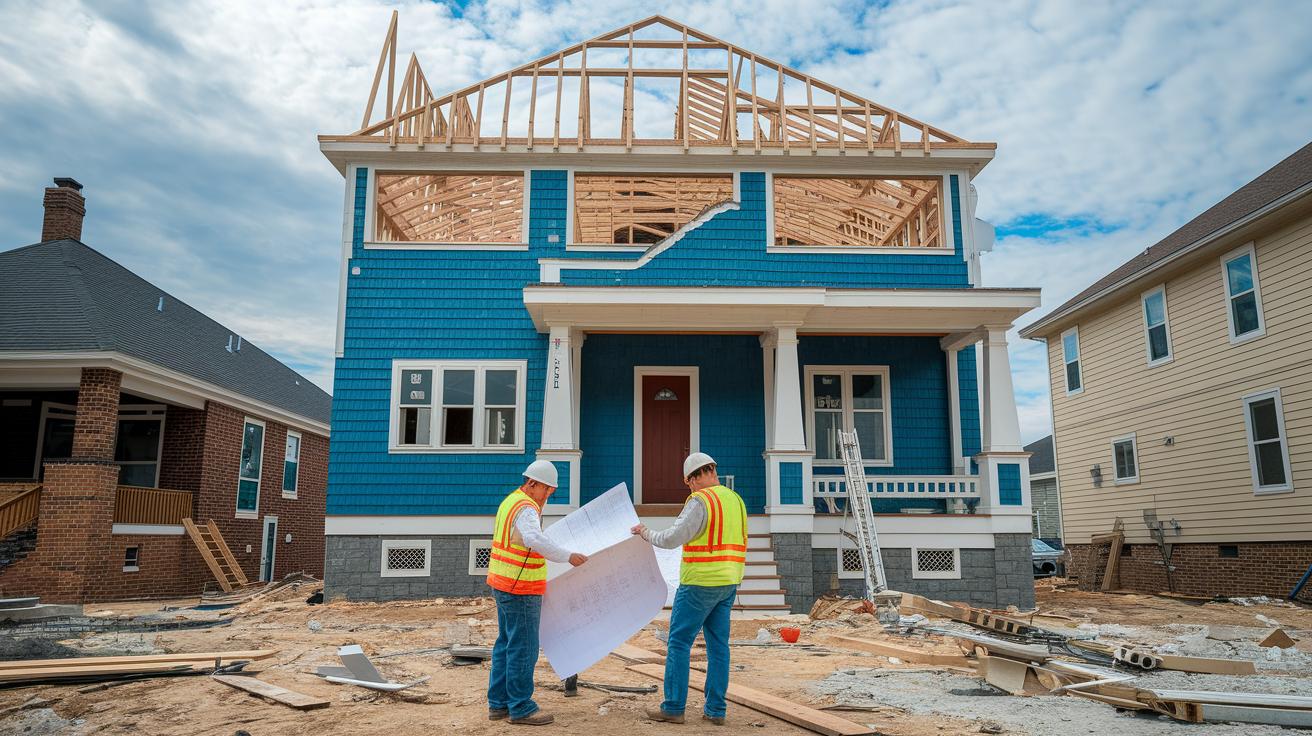
After fire damage, rebuilding is about more than fixing structures, it’s ensuring your home meets local safety rules. First, we review local building codes that cover everything from structural repairs and firewalls to safe exit routes (egress: the way out in an emergency). We carefully check ordinance details, zoning rules, and run legal compliance audits so your home will pass every municipal inspection.
Permit applications are a key step. Depending on your area, permits can take between 2 and 6 weeks, so we build that time into your project plan. We gather all needed documents, like detailed site plans and safety assessments, to support your permit application. When you submit plans for modifications, such as changes to egress routes or using fire-resistant materials, you’re taking a smart step to meet local standards.
Once permits are in hand, inspections start at important points like the foundation, framing, and electrical work. These checks ensure every part of the rebuild meets safe occupancy guidelines. We work closely with local inspectors through every stage, helping to keep the process smooth and on schedule. By following clear permit procedures and local rules, you can feel confident that your rebuilt home is safe and compliant.
Budgeting and Cost Estimation in the Post-Fire Home Reconstruction Process
When you rebuild your home after a fire, having a clear and realistic budget is essential. Contractors often give detailed estimates that break down costs like demolition, materials, labor, and overhead (general operating expenses). This way, you know exactly where each dollar is spent and avoid surprises later.
It is wise to set aside an extra 10 to 15 percent in your budget to handle unexpected issues, such as hidden water damage or structural surprises that may show up during the work. This cushion helps keep you prepared and reduces stress if extra costs come up.
Remember, budgeting is not just about numbers. It is also about planning for a safe future. You may be eligible for government or nonprofit disaster-relief grants that can help lower your out-of-pocket expenses, so you can focus on getting your home back to normal.
One homeowner shared that careful budgeting and exploring available grants made a big difference when reconstruction costs slightly exceeded the original estimates. This proactive planning not only eased the financial burden but also brought peace of mind during recovery.
Using accurate cost estimates, careful budget planning, and looking into different financing options all work together to create a smoother and more manageable rebuild.
Selecting Contractors and Establishing a Reconstruction Timeline

Choosing a restoration contractor takes careful thought. We work only with professionals who hold proper state licenses and fire-restoration certifications (proof they meet industry standards). We check that they have a valid contractor license and insurance, real fire-restoration experience, good client references with before/after photos, clear and detailed bids, and a written warranty on labor and materials.
Next, we set a clear timeline for your home's rebuild. We break the work into steps, from the start of demolition to framing, installing mechanical systems (like heating and plumbing), and finishing touches. This helps keep everything organized so you know what comes next.
We team up with licensed builders and your chosen contractor to create a realistic schedule that meets repair needs and gives you peace of mind. By planning each step, demolition, framing, mechanical updates, and interior finishes, along with quality checks, we track every part of the process. Regular reinspections and progress meetings help us catch any issues early.
This clear, step-by-step plan ensures your home is rebuilt safely and according to modern standards. We make sure you feel supported and informed from start to finish while respecting the unique setup of your home.
Structural Restoration and Fire-Resistant Upgrades in Post-Fire Reconstruction
After a fire, your home needs to be rebuilt to meet today’s safety codes. We start by checking the foundation, support walls, and key parts of your structure. We look at framing, footings (the base that holds up your home), and beams. Fixing these issues early keeps your home safe and ready for fire-resistant upgrades.
We add strength to critical areas using steel or engineered lumber (strong, man-made wood). This extra support helps your home handle future stress. We also repair brick and concrete elements using proper masonry repair steps. Our careful review finds hidden issues so we can fix them right.
Improving fire resistance is important to lower future risks. We install ignition-resistant sheathing (material that slows fire spread) and fire-retardant treated timber on exterior walls and eaves. These upgrades not only cut down the chance of a new fire but also give your home better protection. All materials meet today’s building codes.
Our step-by-step approach, from checking the foundation to reinforcing the wood frame and adding fire-resistant treatments, builds a strong base for safe rebuilding. We repair the current damage and reduce future hazards, helping you regain both your property and your peace of mind.
Interior Restoration, Finishes, and Modern Rehabilitative Techniques
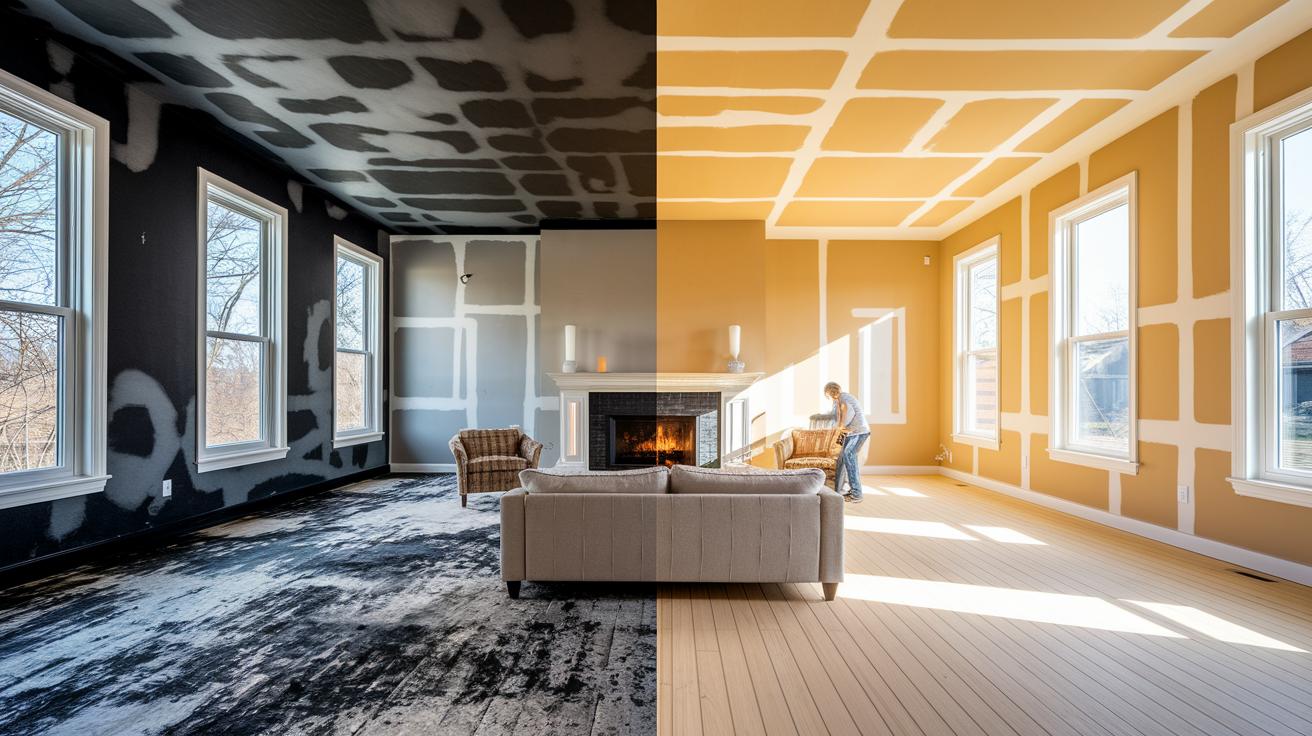
After a fire, your home needs a fresh look and improved safety. We remove damaged drywall, insulation, and flooring and replace them with strong, new materials. We let everything dry and harden properly so it lasts. Imagine a room that was once charred now shining with smooth, clean surfaces, a space ready for a new beginning.
We install high-efficiency HVAC filters (air filters that trap smoke) and strong mechanical ventilation systems to clear away any smoke particles. These systems freshen your indoor air, making your home feel safer. It’s like opening a window after a storm to help you breathe easier. We also use mold-resistant drywall (a wall material designed to fight moisture) to prevent mold from growing in damp spots.
We monitor humidity closely during the restoration process. By checking the air moisture levels often, we keep your home within a comfortable range of 30 to 50 percent. This careful control protects your new finishes and helps create a healthier environment for everyone.
Key improvements:
- We replace damaged building materials with durable, new ones.
- We install advanced HVAC filters to remove residual smoke.
- We use moisture-resistant products to stop mold in its tracks.
- We regulate indoor humidity for clean and safe air.
We choose finishes that look modern and work well. By updating your interior with smart design and the latest systems, your home not only regains its beauty but also supports your family’s comfort and health during recovery.
Final Inspections, Quality Control, and Occupancy Approval in Post-Fire Reconstruction
After all the work is done, we make one final check to ensure your home is safe to live in. We walk through your home with local building inspectors to check that the foundation is stable, the walls and structure are strong, and the electrical and plumbing systems work correctly. We also look at fire safety features like alarms and sprinklers to be sure they function properly.
During this last review, inspectors test safety systems and mark any items that still need fixing. We then take care of these small corrections to make sure there are no hidden issues before you return.
Before we issue your certificate of occupancy, every repair is double-checked against all safety and structural standards. This certificate shows that your home is not only rebuilt but is secure and ready for you to move back in.
Sustainable and Resilient Rebuild Strategies After Fire Damage
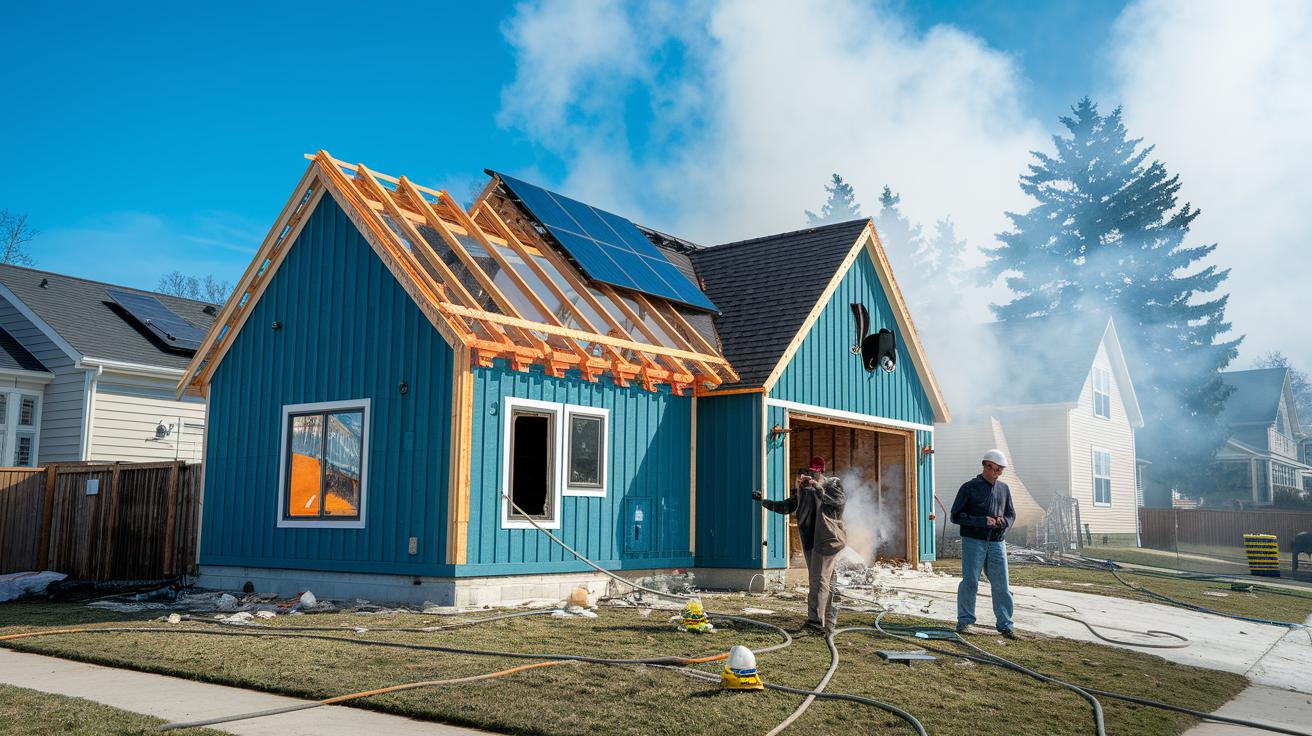
After a fire, rebuilding your home is a chance to add safe, green features that prepare you for the future. We use up-to-date building techniques to install high-R-value insulation (material that slows heat flow) and Energy Star–rated windows (energy-saving windows) that help lower your utility bills. We also add programmable thermostats that adjust the temperature automatically, keeping you comfortable while saving energy.
Think of these improvements as smart investments in safety and strength. Adding solar panels or battery backups gives you power during emergencies and cuts your reliance on the grid. We use low-VOC paints (fewer harmful chemicals) and recycled or sustainably sourced materials to lower the impact on the environment and improve indoor air quality.
Here are some key eco-friendly upgrades:
| Upgrade | Benefit |
|---|---|
| High-R-value insulation and Energy Star–rated windows | Saves energy and lowers bills |
| Programmable thermostats | Efficient temperature control |
| Solar panels and battery storage | Emergency power and reduced grid use |
| Low-VOC paints and recycled materials | Healthier indoor air and eco-friendly rebuild |
By combining modern building technology with eco-friendly design, you create a home that is both resilient and energy efficient, ready to face future challenges while keeping your energy costs low.
Final Words
In the action, the post-fire home reconstruction process covers every critical step, from swift emergency assessments and safety measures to planning, permits, and quality control. We walked through damage reviews, insurance claims, contractor selection, and even sustainable upgrades. Each phase is designed to restore safety and comfort quickly while minimizing hassle. We focus on turning chaos into a safe, livable home. A brighter, rebuilt home is just ahead.
FAQ
Post fire home reconstruction process step by step
The post fire home reconstruction process step by step starts with an emergency damage assessment, followed by debris and hazardous waste removal, then structural repairs and rebuild. This orderly approach ensures safety and code compliance.
Post fire home reconstruction process pdf
The post fire home reconstruction process PDF outlines every stage, from initial safety checks and debris removal to rebuilding steps, permitting, and final inspections. It serves as a clear guide for homeowners in recovery.
Post fire home reconstruction process cost
The post fire home reconstruction process cost varies based on damage extent, materials needed, labor, and required permits. Homeowners should plan for a contingency fund to cover unforeseen repairs and hidden damage.
Post fire home reconstruction process california
In California, the post fire home reconstruction process follows strict state and local building codes. It includes detailed damage assessments, permits, and inspections to ensure that repairs meet the necessary safety and compliance standards.