
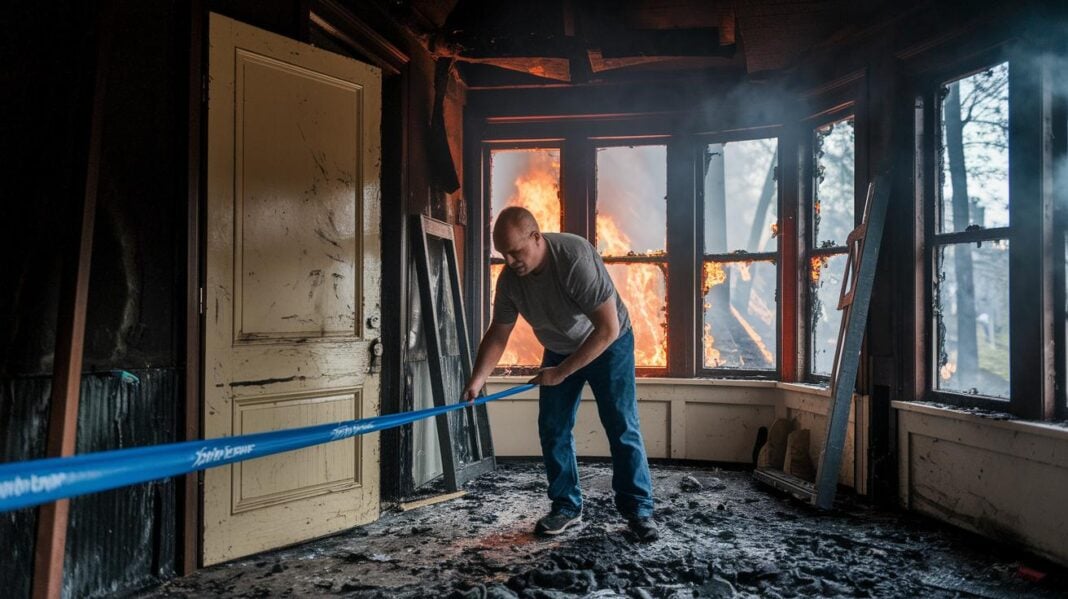

Is it really safe to go back inside after a fire? You might think that if one room burned, the damage is limited. But hidden dangers can still be there. Soot (black residue from fire) and weakened beams can put you at risk. Even if you only smell smoke, toxic particles may be lingering in the air and on surfaces.
We understand how stressful this can be. That is why we recommend a full inspection by trained experts before you return home. They check for hidden damage to ensure your house is truly safe again. If you have any questions or need help, please contact us right away.
Assessing Safe Re-Entry After Fire Damage
It is not safe to go back into your home after a fire until experts check it out. Harmful particles like tar (sticky substance from burned materials), carbon (soot that you see from fires), and heavy metals (toxic metals) can hide in vents and walls. These hidden toxins can block oxygen, which may hurt your health even if the fire damage looks small.
Smoke and soot travel easily through vents and can settle on your furniture, belongings, and surfaces. If you still smell smoke, it might mean toxic chemicals are lingering. Even when only one room is burned, these hidden particles can give you breathing problems or irritate your skin.
Experts say you should not sleep or stay in a home affected by fire until a professional has done a full check. They inspect every hidden area, from walls to ducts, to make sure all dangerous toxins have been removed.
Trust certified professionals to do this important inspection. They have the right tools and skills to find any remaining toxins and hidden hazards. Once they give the all-clear, you can safely return to your home.
Evaluating Structural Integrity Post-Blaze
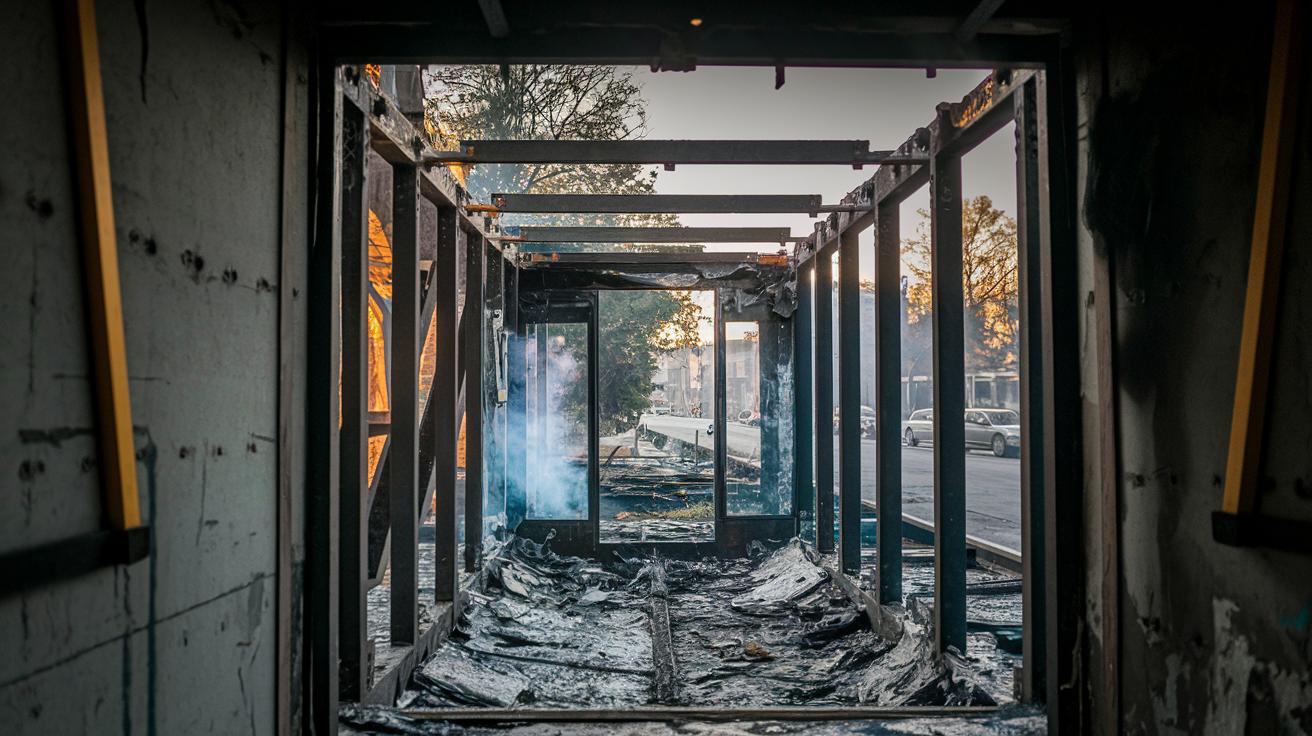
After a fire, even if the flames seem contained, unseen damage may put your home at risk. High heat can weaken key support beams (the strong parts that hold your home up) and can affect the metal fasteners that keep the structure together. Extreme temperatures might warp or melt building materials, leaving your home vulnerable even if the damage isn’t obvious.
Smoke can nestle in walls and cause hidden issues like burnt framing and damaged drywall. This damage may not be visible at first but could lead to long-term instability. Soot and smoke can also taint electrical outlets and wiring, which might lead to faults or malfunctions. Only certified contractors have the proper tools to uncover these hidden problems.
We recommend having a certified structural inspector check your home. Their expert evaluation will find subtle, dangerous issues before they turn into bigger, more expensive problems.
Key Structural Components to Inspect
- Foundation: Look for cracks or shifts that show settling.
- Framing: Check beams and joists for signs of heat or residue damage.
- Roof: Inspect for warped, burnt, or weakened materials.
- Electrical Systems: Examine wiring and outlets for any soot contamination.
Addressing Air Quality and Toxic Residue Concerns
When a fire occurs, smoke leaves behind dangerous substances like heavy metals, tar, and carbon compounds. These toxins seep into your HVAC ducts and wall cavities. They stick to surfaces and build up over time. Imagine cleaning a room only to find hidden deposits that continue to pollute the air.
Air purifiers can clear visible smoke but they do not remove the chemicals that settle deep in ducts and walls. We use special tests with tools such as particle counters (devices that count tiny particles) to measure these harmful chemicals. For example, a technician might use a particle counter to detect particles trapped in hard-to-reach spaces.
Our experts use advanced cleaning methods to treat the areas behind walls, in tight corners, and inside your HVAC system. They inspect these spots carefully and target the cleaning where regular air purifiers cannot reach.
Essential Post-Inspection Checklists for Safe Occupancy
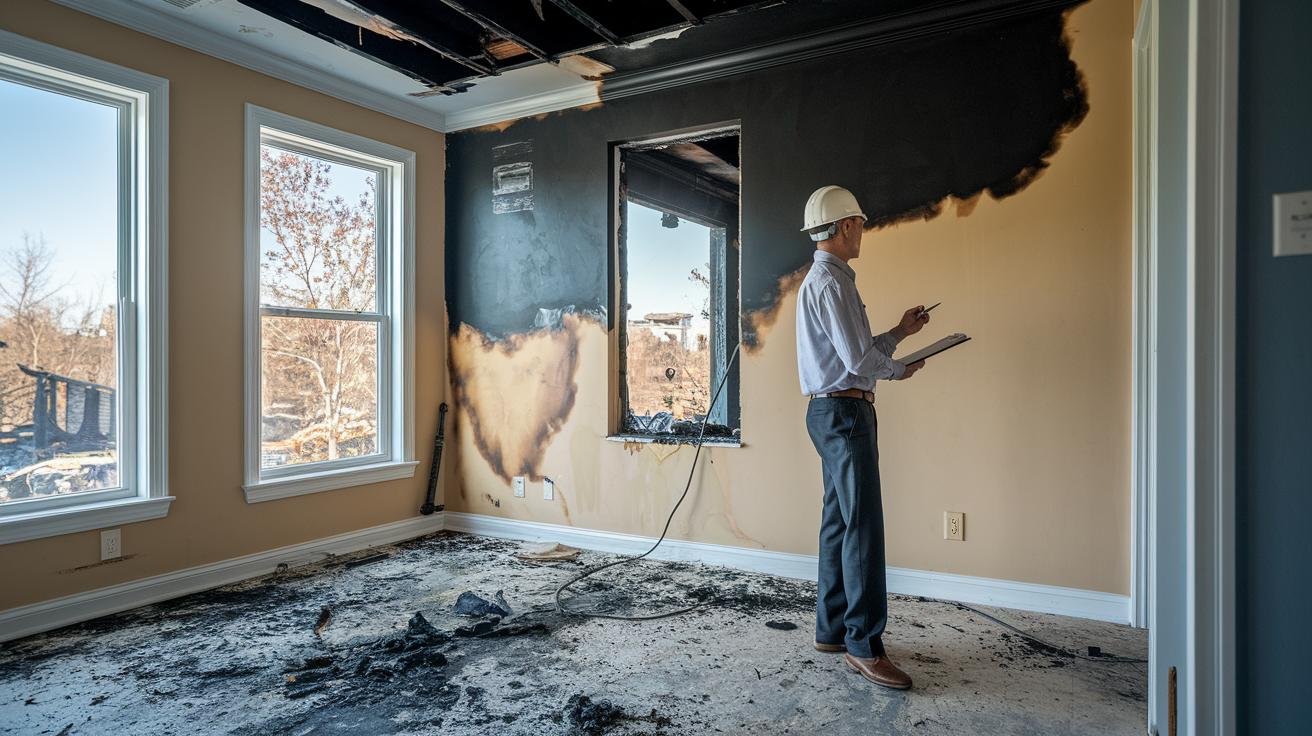
After a fire, it’s smart to use a checklist before moving back in. We want to make sure no hidden risks remain. A detailed review helps us check areas touched by heat, soot, and smoke. This way, we lower long-term health risks.
- Structural check: Have experts look for cracks, warped wood, or crumbling supports that could weaken your home.
- Electrical test: Ensure heat-affected wiring and outlets are examined to prevent short circuits or fires.
- HVAC and duct inspection: Check your heating, ventilation, and air conditioning system along with the ductwork and filters (parts that channel air) for soot buildup. Proper cleaning stops harmful particles from spreading.
- Carbon monoxide and gas check: Run tests to confirm no dangerous fumes remain from damaged appliances.
- Moisture and mold look-over: Inspect for hidden water damage and mold growth, which can harm your home’s structure and your health.
Each step helps protect you from unseen dangers. For instance, spotting a small crack can stop a bigger problem later. Following this checklist keeps you safe and confirms your home is ready for you to live in again.
is it safe to stay in a house after a fire: Truly secure
After a fire, it is vital to use professional cleaning recommended by the manufacturer. We use special cleaning methods (remediation services) to remove soot and harmful residues from surfaces and hidden spots before they cause more damage. Materials affected by smoke must be handled carefully because poor cleaning can spread contaminants or harm the underlying material. Our team uses cleaning agents that break down tar and carbon buildup while keeping your home’s structure safe.
Our crew wears protective gear like gloves, masks, and full-body suits (personal protective equipment or PPE) during the cleanup. We also set up controlled ventilation (using fans and open windows) to keep smoke and residue from settling in clean areas. These steps help stop extra problems, like wiring corrosion or damage to metal fixtures, from untreated smoke residue.
We follow clear steps to clean your home. First, our experts inspect the area to find any remaining harmful particles. Next, we apply cleaning solutions to break up and capture soot. Then, we remove any damaged materials that might hold toxic substances. Lastly, we inspect and decontaminate electrical systems and metal fixtures to prevent future hazards.
You can only move back in after rigorous tests confirm that no dangerous residues remain. For more details on our cleanup process, please check our guide on fire damage cleanup. Every step is designed to protect your health and keep your home safe and secure before you return.
Insurance Considerations and Documentation Steps
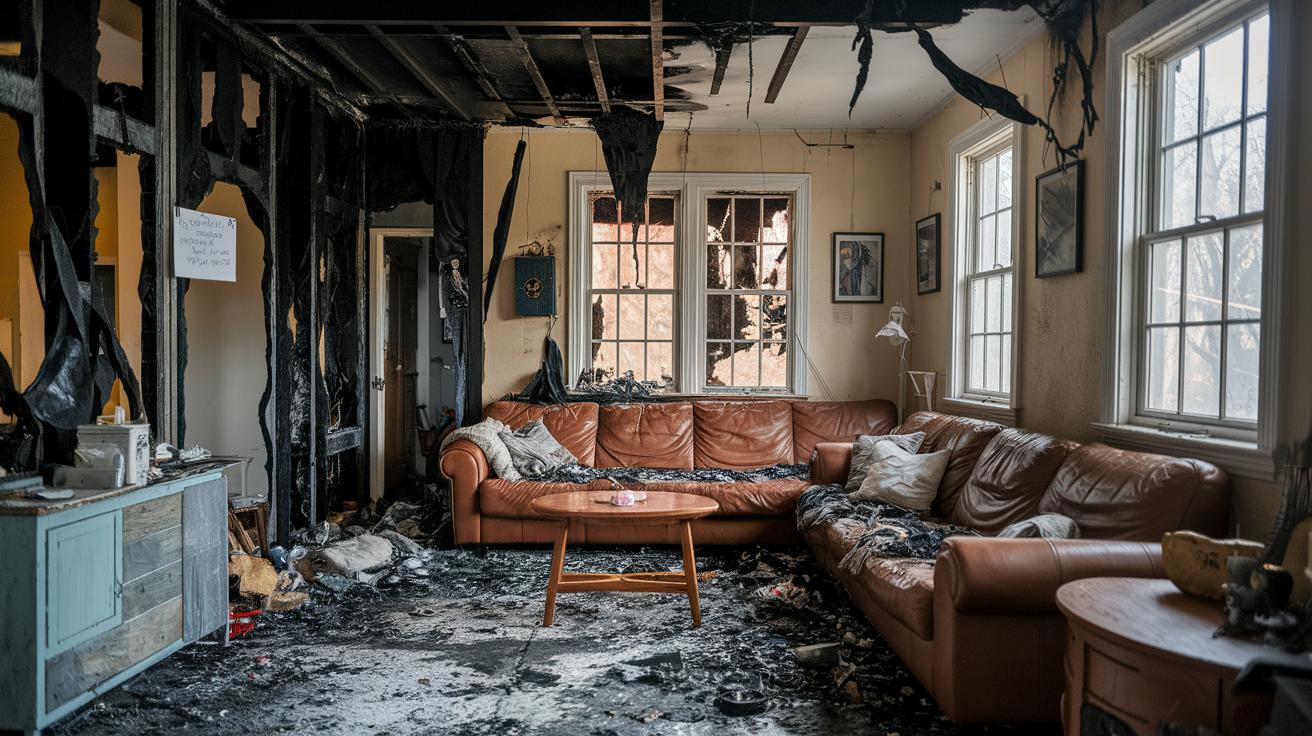
After a fire, it is important to document every detail. Begin by taking photos that show the date and time. For example, snap pictures of burned walls and ruined belongings and note with a timestamp like, "Photo taken on 02/10/2026 shows heavy damage in the kitchen and living room." Getting a report from a certified expert (a professional who checks for hidden damage) can also help support your claim.
Keep a detailed record of every repair and cleanup cost. Write down each expense and what work was done. This organized log is like keeping receipts after a big purchase and can protect you if questions arise later.
Our experts suggest scheduling a re-inspection on or after February 11, 2026, when the conditions are stable enough for review by insurers. This updated report can catch any issues that may have developed after the initial damage. Always consult with your insurance agent or lawyer before signing any forms. Their advice can help you avoid future problems and make sure your claim gets approved.
For more guidance on documenting fire damage for your insurance claim, check out this guide.
Safe Recovery Timeline and Temporary Housing
After a fire, your home might not be safe for weeks. We suggest waiting at least 72 hours while professionals check your place. Certified experts will test the air (to spot harmful smoke particles) and inspect your structure, as hidden damage can make a house unsafe. Rushing back could expose you to toxic fumes and might even void your insurance.
While experts work on your home, arrange for temporary housing. This pause lets them clear away residue, fix unseen issues, and remove contaminants. Follow these steps for a safe recovery:
- Wait at least 72 hours before considering re-entry.
- Let certified experts complete air quality tests and structural inspections.
- Stay in temporary lodging until your home is officially safe.
Taking the time to check your home properly protects your health and keeps your insurance intact.
is it safe to stay in a house after a fire: Truly secure
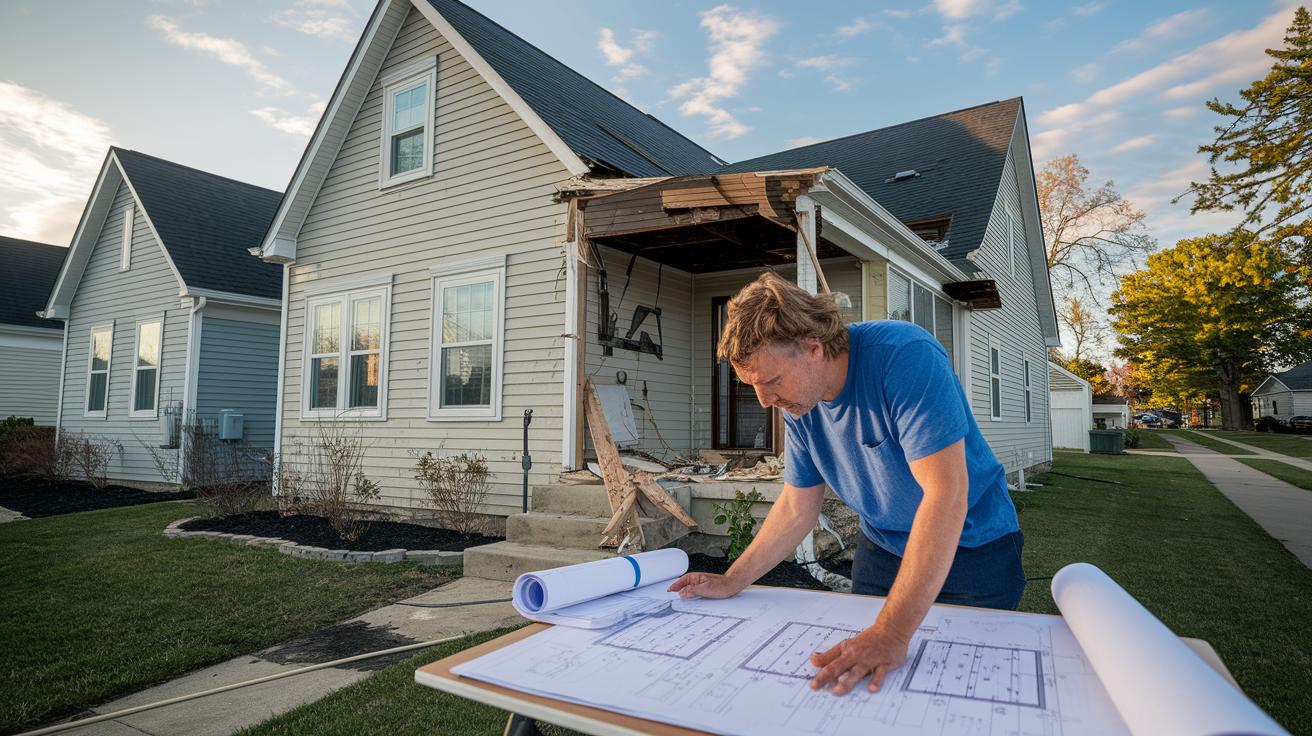
After a fire, you need to decide if your home is safe to live in. First, have experts check the building’s structure and give you a cost estimate. Hidden damage may make simple repairs risky. Sometimes a full rebuild is the safer option.
Rebuilding lets you add new safety features like better ventilation (a system that moves air to lower heat) and fire-resistant materials. It also makes sure your home meets the latest building codes, which lowers future hazards.
We treat post-fire safety as a major home improvement project. By taking careful steps now, you can reduce risks and even lower repair and insurance costs. Experts can help you create a clear recovery plan so you know exactly what to do next.
Final Words
In the action, we covered fire damage hazards and key steps to protect your home.
We explained why unseen soot, compromised structures, and lingering toxins make re-entry risky.
Our guide stressed the need for professional checks and clear post-inspection checklists.
By asking, "is it safe to stay in a house after a fire?" you can make smart decisions with expert help.
With careful evaluation and proper remediation, you can rebuild a safe, livable home and look forward to a secure future.
FAQ
Is it safe to sleep in a house after smoke?
Sleeping in a smoke-affected house is unsafe because harmful particles and toxins, like carbon monoxide, can linger. You should get a professional safety evaluation before re-entering.
What can you keep after a fire?
Salvage only belongings that show no signs of contamination from soot or water damage. Consult professionals to determine which items can be safely saved.
House filled with smoke but no fire?
A house filled with smoke without visible flames still contains dangerous residues and chemicals. A professional inspection is necessary before re-entry to avoid health risks.
What to do after a house fire with no insurance?
After a fire with no insurance, prioritize your safety by evacuating, document all damage, and contact fire restoration experts who can advise you on financial support or cleanup options.
When is it safe to enter a building after a fire?
Building entry is safe only after professionals confirm via inspections that no structural damage, toxic residue, or electrical hazards remain, ensuring the area is secure.
Health risks after house fire?
Health risks from a house fire include respiratory issues, irritation, and long-term lung problems due to toxic smoke particles. Professional cleanup and air testing are vital to reduce these hazards.
What to do after a fire at home?
Immediately evacuate, call emergency services, and avoid re-entering until experts assess the damage. Document what you can for restoration and insurance while ensuring personal safety.
What to do after a house fire checklist?
A post-fire checklist requires professional inspections of the structure, electrical systems, HVAC ducts, and carbon monoxide levels, along with checking for moisture and mold before repairs.
What is the 30/30/30 rule for fire?
The 30/30/30 rule means evacuate within 30 seconds, move to a spot 30 feet away, and call for help in 30 seconds. This rule helps promote quick, safe actions during a fire.
Is the smell of smoke after a fire harmful?
The lingering smell of smoke indicates residual toxins and soot, which can be harmful if inhaled. Professional cleaning is recommended to remove these contaminants and odors from the home.
How long will air quality be bad after fire?
Air quality may remain compromised for days to weeks after a fire. Professional air purification and thorough testing are needed to determine when it is safe to breathe again.
Is a house toxic after a fire?
A house can be toxic after a fire due to lingering soot, chemicals, and smoke particles. Expert evaluations and proper cleanup are essential to make the home safe to live in.