


Ever notice how a small flame can leave a hidden risk in your home? Smoke carries harmful gases and tiny particles that can hurt your space and your health. Quick cleaning removes rough soot and strong odors, paving the way for a safer, cozier home.
In this post, we share clear, step-by-step methods to tackle smoke damage. We understand how stressful this can be, so we keep it simple. Follow along and learn how a few smart actions today can prevent big repairs tomorrow.
Achieving Effective Smoke Damage Cleaning: Essential Steps for Restoration
Smoke from burning materials carries toxic gases and tiny particles that soon settle on surfaces. Acting within 24 to 48 hours can help remove soot and odor, which is key for quick smoke damage cleaning. Fast action stops more residue from building up and lowers the risk of long-term harm to your home.
Different types of smoke leave behind different messes. You might see dry, loose soot or wet, sticky deposits. If these aren’t cleaned up right away, they can stick to walls and your belongings, making later clean-up much tougher. Taking the proper steps right away sets you up for success in removing both odor and soot.
- Safety check – Make sure the area is safe to enter and look out for any risks.
- Ventilation – Open windows and doors to bring in fresh air.
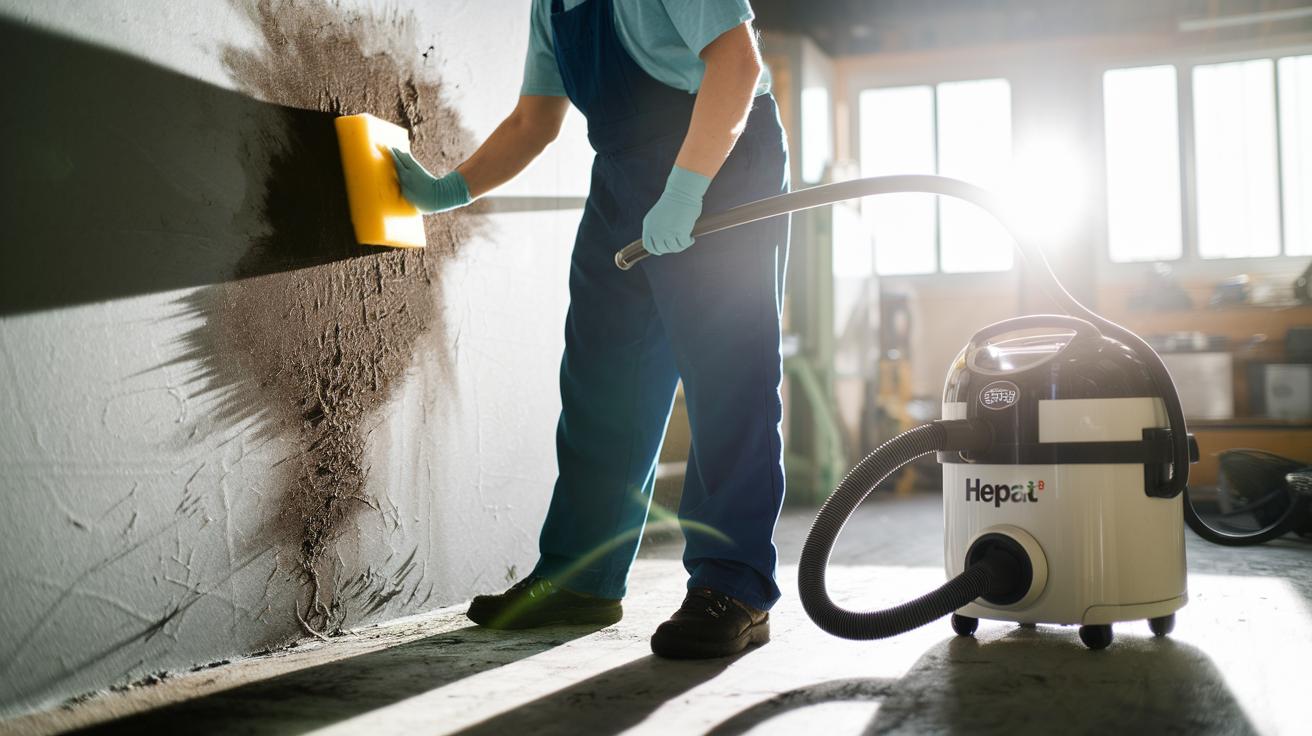
- Dry sponges – Use special sponges to pick up loose soot from walls.
- HEPA vacuum – Use a high-efficiency particulate air (HEPA) vacuum to suck up the remaining particles.
- Wet cleaning – Wipe down surfaces with pH-balanced detergents (cleaners that work well without harming surfaces) without over-wetting them.
- Odor neutralizer – Use approved treatments to get rid of lingering smoke smells.
Following these steps improves how your home looks and smells. If the soot and odor seem too stubborn or cover a large area, consider calling a professional for extra help.
Understanding Smoke Residue Types for Effective Smoke Damage Cleaning
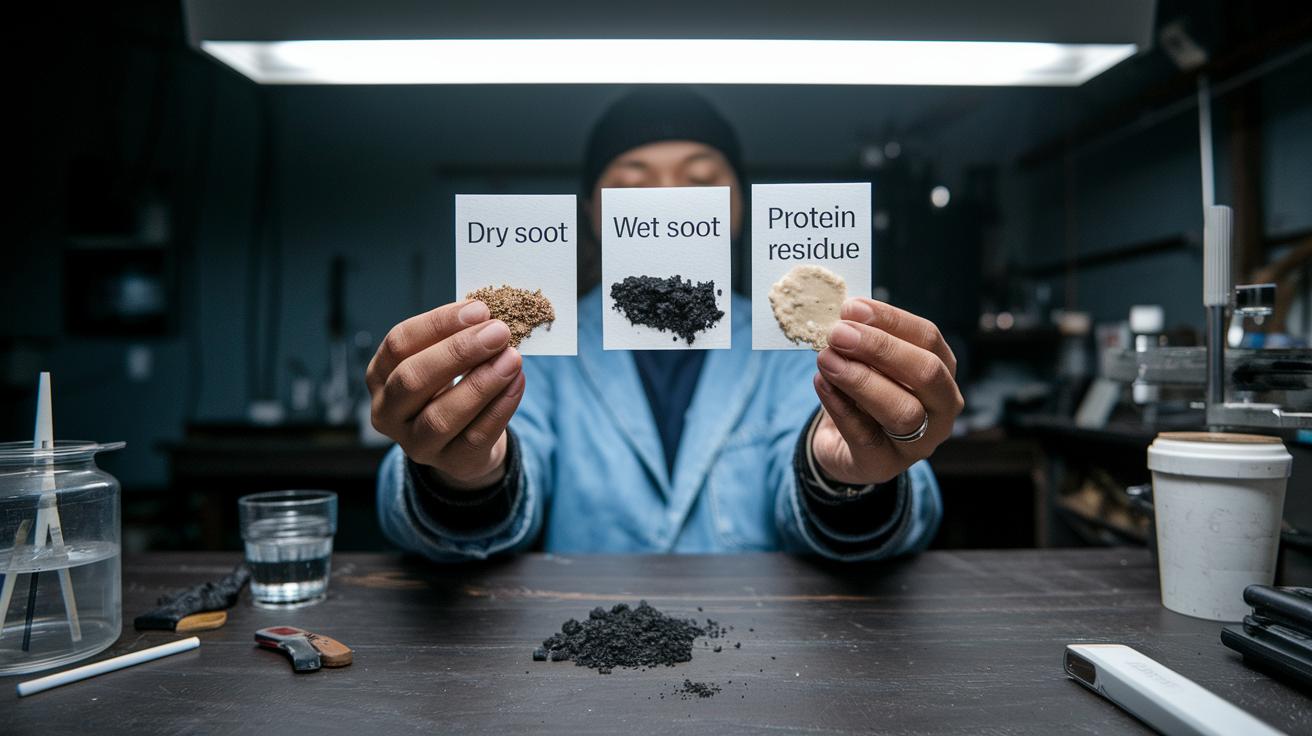
Smoke leaves behind different kinds of residue. Each type acts differently and needs its own cleaning method. First, you need to tell if the residue is light, powdery dry soot, oily wet soot, or sticky protein-based residue (from cooking fires). Getting this right is key. Using the wrong method can cause more damage, like metal corrosion or glass etching.
| Residue Type | Composition | Recommended Cleaning Method |
|---|---|---|
| Dry Soot | Light, powdery particles | Dry cleaning with special sponges and HEPA vacuuming (machine that traps tiny particles) |
| Wet Soot | Oily, smearable deposits | Controlled wet cleaning with pH-balanced cleaners |
| Protein-Based Residues | Sticky build-up from cooking fires | Cleaning agents that break down protein compounds |
Once you know which residue you’re dealing with, you can choose the best cleaning approach. This careful choice not only cleans the residue well but also stops further damage. Using the right method helps lower pollutants and restores surfaces safely so you can move ahead with your cleanup plan.
Safety Protocols in Smoke Damage Cleaning
Smoke leaves behind harmful chemicals and tiny particles. These can irritate your eyes, throat, and skin and make breathing uncomfortable. They can also build up on metal surfaces and cause rust.
When cleaning up smoke damage, your safety comes first. Wear a respirator (a mask that filters harmful particles), gloves, and goggles to protect yourself. Open windows and doors to let in fresh air and use air scrubbers (machines that remove harmful substances from the air) to clear out leftover toxins. This not only keeps you safe but also helps improve the indoor air quality.
If you notice widespread contamination or stubborn residue, it’s best to call a professional. Experts have the right tools and training to handle dangerous materials and use advanced air purifiers. Their help ensures your health and home are protected from harmful smoke.
Smoke Damage Cleaning: Revive Your Home
Dry Sponging and HEPA Vacuuming
We start by gently lifting loose soot from flat surfaces like walls and ceilings using a soft rubber sponge. This sponge helps remove extra soot without damaging your surfaces. Next, we run a HEPA vacuum (an air filter that traps tiny mold and soot particles) over the area to pick up any fine debris left behind. Picture blotting a damp sponge on your wall, then using a precise vacuum to finish the job.
Wet Cleaning Solutions
We then light spray surfaces with a pH-balanced detergent (a gentle cleaner with a balanced acidity) to break down stubborn oily soot. We gently wipe in a steady motion without soaking the area. Think of it like a light mist followed by a gentle wipe that dissolves and removes stubborn deposits.
Advanced Oxidation Treatments
For persistent smoke odors, we use ozone or hydroxyl generators (machines that neutralize smells at a very small level) to clear the air. We make sure the space is empty and well-ventilated during this process to keep it safe. Imagine a high-tech air refresher that removes odors completely when the room is unoccupied.
Hiring Certified Smoke Damage Cleaning Professionals
When you hire certified experts, you get skilled technicians who know how to quickly restore your home. They use powerful tools like thermal foggers (machines that spray a special mist to neutralize smoke damage) and air scrubbers (devices that clean the air) to remove contaminants from your space. This fast, focused work helps protect your property from further harm.
Trying to fix smoke damage on your own can be slow and risky. DIY methods often miss hidden smoke residue and can expose you to harmful chemicals. Certified professionals know exactly where to look and set up controlled spaces to keep you safe while they clear out all the contaminants.
Handling smoke damage without professional help may lead to incomplete cleaning. Experts follow trusted industry standards to restore everything from delicate surfaces to structural elements. In contrast, a DIY approach might leave behind lingering odors and cause long-term issues. Our team works fast to get your house back to a safe, livable state.
Before choosing a service, remember to check their credentials, insurance, and customer reviews. This easy extra step makes sure you choose a reliable company for complete, worry-free restoration.
Smoke Damage Cleaning: Revive Your Home
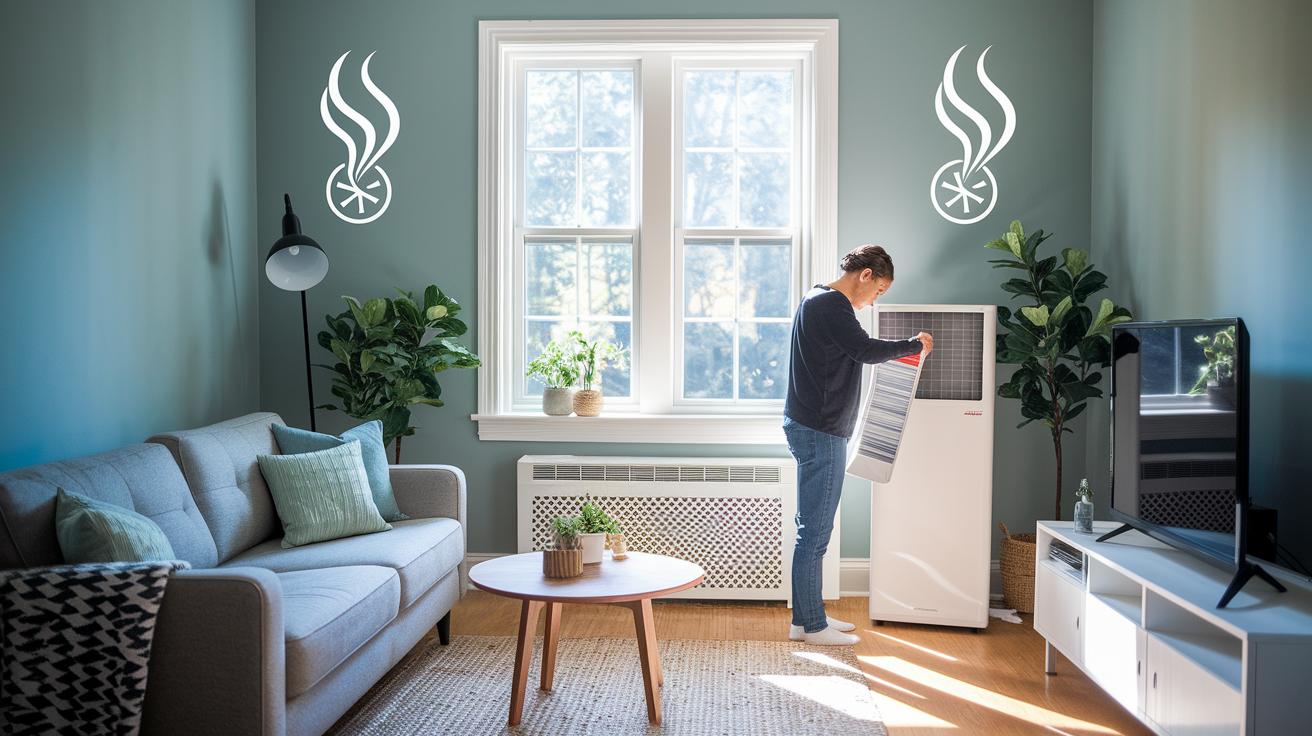
Keeping your home's air clean after smoke cleaning is key for your family's health. We know this process can be stressful, so we keep the steps clear and simple.
Check your home often for any remaining smoke odors or particles. For example, look at your HVAC system to make sure it is working right. Replace its filters every three months to stop dust and soot from building up. Adding a HEPA air purifier (a device that traps very small particles) helps clear the air even more. Using a dehumidifier (a machine that removes extra moisture) keeps surfaces dry and prevents rust.
It is also wise to schedule regular inspections by a professional. A trusted expert will look for hidden issues and help prevent future problems. Using odor-control products can keep your home smelling fresh and protect surfaces over time.
Following these steps will help you enjoy a healthier and safer home after smoke damage cleaning.
Final Words
In the action, we covered essential safety checks, step-by-step cleaning methods, and guidelines on when to call certified experts. We shared proven techniques, from dry sponging to HEPA vacuuming, and even tips to maintain indoor air quality after your repair. Our clear guide on smoke damage cleaning helps you start recovery fast, protect your belongings, and get your home back to a safe, livable state. Move forward with confidence and keep your space secure.
FAQ
What are effective smoke damage cleaning products and can I find them at Home Depot?
Effective cleaning products include dry sponges, HEPA vacuums (vacuum cleaners that trap fine particles), and pH-balanced detergents. Many of these items are available at Home Depot.
What is the cost of smoke damage cleaning?
Smoke damage cleaning cost depends on the extent of damage, methods used, and area size. A professional evaluation will provide an accurate estimate.
How can I find a reliable smoke damage cleaning service near me?
You discover reliable services by checking local listings and customer reviews, verifying credentials, and ensuring they specialize in fire smoke damage cleanup for comprehensive service.
What items should be thrown away after smoke damage?
Items to discard include porous materials like certain paper goods, fabrics, and objects heavily affected by soot that cannot be effectively cleaned or restored.
How should smoke-damaged clothes be cleaned?
Smoke-damaged clothes should be aired out, washed with odor-neutralizing detergent, and if odor lingers, taken to a professional cleaner for further treatment.
How do I clean smoke damage on walls and ceilings?
Start by ventilating the room, then use dry sponges to lift loose soot. Follow up with a water-based cleaning solution and mild detergent to safely remove remaining residue.
What are the health risks associated with smoke damage?
Health risks include exposure to toxic gases and fine particles that can cause respiratory irritation and skin issues. It is important to wear protective gear during cleaning.
Can I clean smoke damage myself or should I hire professionals?
While DIY cleaning may work for minor damage using proper products and equipment, severe smoke damage is best handled by professionals to ensure complete and safe residue removal.
Is it safe to stay in a house with smoke damage?
It is unsafe to remain in a smoke-damaged house due to lingering toxins and irritants. Temporary relocation is advised until thorough cleaning and air purification are completed.