


Did you know that just a few seconds can be the difference between a simple repair and major loss? When an emergency strikes, quick action can protect your home and give you peace of mind. We use smart sensors (small devices that alert you to problems) and quick shutoffs (tools that stop damage fast) to control the situation. In this post, we break down clear, step-by-step strategies that turn fast responses into big wins for loss prevention. Stay tuned to learn how to stop damage before it starts.
Rapid Emergency Mitigation Tactics for Immediate Loss Prevention
When every second counts, quick actions stop small issues from turning into big losses. We are ready to act fast during emergencies. Smart sensors and AI security cameras (devices that watch for problems) monitor key areas so even small changes are noticed early. We also run regular checks and audits (system reviews) to catch any hiccups before they grow into major problems.
- Emergency shutoff protocols
- Alarm system checks
- Rapid asset triage
- Temporary storm barricades
- Area reconnaissance
These steps give you a clear plan for immediate action. Our teams know how to quickly shut off systems and sort out important equipment to prevent further damage. We mix modern technology with regular system reviews to control problems fast and keep losses to a minimum.
By linking these quick-response drills with our overall loss prevention strategy, we build a system that stops issues before they spread and handles them when they do pop up. Using smart sensors, early warning AI devices, and frequent audits creates a strong and reliable setup. This team effort makes sure everyone, from field crews to managers, is ready at the moment you need it most, reducing immediate damage and protecting your property for the long haul.
Emergency Hazard Assessment Procedures and Vulnerability Evaluation Tactics
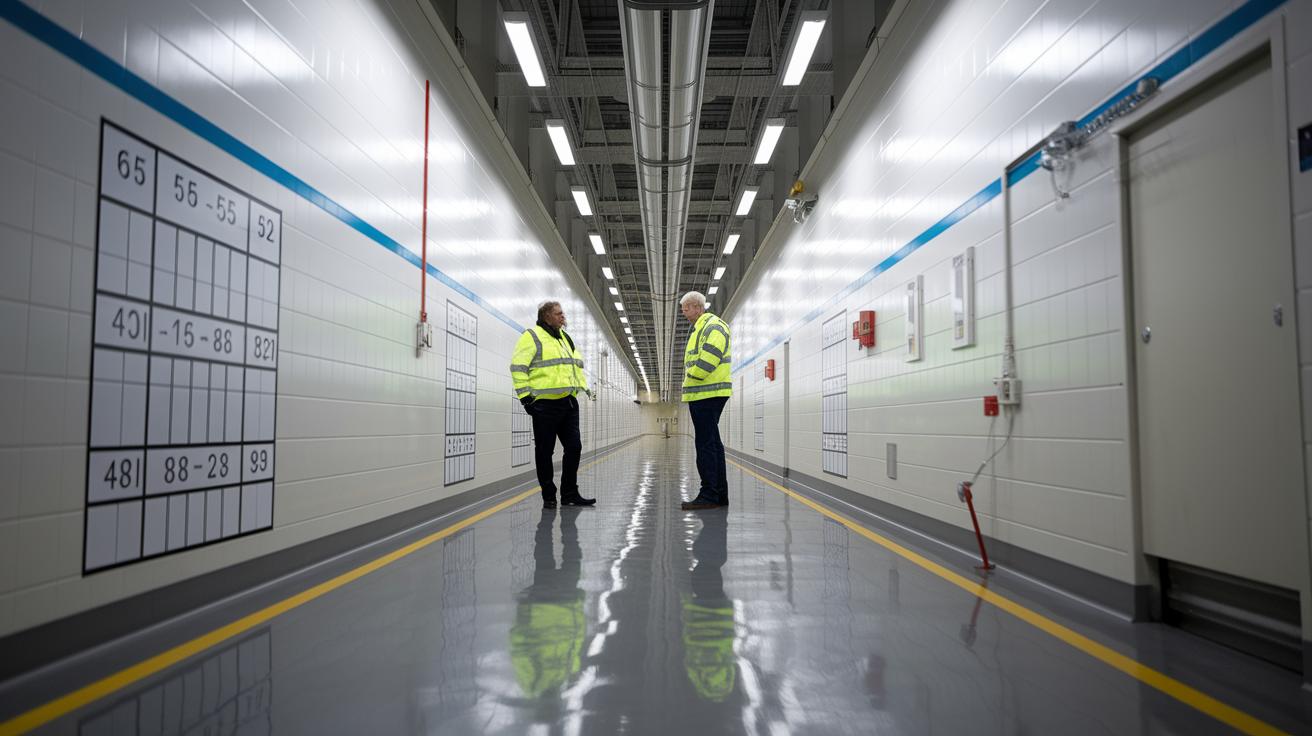
We begin by inspecting the site to spot potential dangers. Our crew walks through the entire area, checking for water damage, loose or cracked structures, and other signs that could lead to bigger problems. We then score each risk by how likely it is to happen and how much damage it could cause. This clear risk map helps us focus on the areas that need immediate care. We document every risk so nothing is missed.
We also check for weaknesses in how the facility runs. We do regular security audits and scheduled system checks to catch any unexpected issues. Our team uses simple checklists and scans both physical spaces and digital controls (tools used for safety). This routine helps us quickly isolate problems and keep the emergency plan strong.
Emergency Asset Protection Guidelines and Structural Integrity Checks
We start by keeping your important areas safe. We use token-based access systems (devices that let only approved people in) to secure places like loading bays, stock rooms, and cash-counting zones. For more details on protecting your property, visit how to prevent future property loss after disaster. We make sure only the right people can reach high-risk areas, which lowers the chance of theft or damage.
We also boost safety with smart sensors. Smoke, flood, and motion detectors (devices that sense danger) send alerts to a central system so we can respond quickly. This early warning helps us protect the building and keep its structure strong. Our team checks and maintains all equipment regularly, ensuring that everything stays secure.
| Asset Type | Protection Measure | Check Frequency |
|---|---|---|
| Loading Bays | Token-based Access | Weekly |
| Stock Rooms | Security Cameras | Daily |
| Cash Counting Areas | Controlled Entry | Weekly |
| Critical Infrastructure | Smart Sensor Network | Monthly |
Emergency Contingency Planning Steps and Critical Supply Management

We start by mapping out every part of your supply chain. We list key vendors and resources, including main suppliers, transport routes, and storage places. This way, you know who to call if a disruption happens. Keeping clear records and regular updates makes everything easier to manage when you face an emergency.
Next, we set up backup resources to keep your essential operations running during a crisis. We create simple backup plans for power, water, and communication systems so that service continues without interruption. For example, having extra power generators, water tanks, and backup lines can make all the difference. For more details on arranging supply staging and coordination, visit emergency restoration services. We also run regular drills and checks to ensure these systems stay in top shape.
Finally, we weave these steps into your overall business plans. This makes sure every department knows its role when unexpected events occur. Standardizing backup systems and managing your supply chain together helps cut downtime and keep losses low. We review and update these plans often so your team remains ready and resilient no matter what happens.
Emergency Communication Plans for Crisis Intervention and Coordination
We set up our alert system with clear, simple instructions. We train all team members on where to find alarms and security systems so they know exactly where to go after hours. We use SMS, radios, and loudspeakers to send fast warnings when trouble appears.
Our reporting process is straightforward. When someone sees something unusual, they tell their supervisor right away using our set protocols. This quick reporting stops small issues from growing into big problems.
We keep our teams in close touch. We hold regular meetings to review each communication channel and practice our reporting drills. This way, everyone, from floor staff to managers and security, knows what to do. Clear roles and constant contact help us act fast and manage the situation before it escalates.
Emergency Scenario Simulation and Rapid Response Drills

We run regular drills to help our teams feel ready when an emergency happens. We use hands-on training so every team member knows their role and can act fast if something goes wrong. By practicing under pressure, we build trust and confidence. This method helps us spot and fix any gaps in our emergency plans.
We hold different drills for various situations. For example:
- In a fire drill, our team practices safe evacuations and shutting down sources that might start a fire.
- In a flood drill, we learn how to remove water quickly and protect essential equipment.
- In a power outage drill, we test backup systems and keep our communication lines open so everyone knows the plan.
We schedule these exercises often and review each one to learn what works best. This continuous improvement keeps our tools updated and our teams sharp, ready to help you quickly when you need us.
Emergency Post-Event Evaluation Methods and Recovery Timeline Estimation
After a loss, we meet as a team to review what happened. We check logs and talk through every detail so we learn what worked and what needs fixing.
We use past events to set clear timelines for recovery. Our plans include extra time for any unexpected delays, so you know what to expect while we start repairs quickly.
We follow simple audits and track key numbers to see how our work is going. Sometimes we bring in outside experts for a fresh look. Their advice helps us improve our plans. Every event teaches us how to stop damage sooner and get things back to normal faster.
Final Words
In the action, we outlined rapid emergency mitigation tactics to stop loss and reduce damage. We covered steps from quick shutoffs and asset protection to setting up strong communication channels. Our guide also discussed thorough hazard assessments, coordinated backup systems, and regular drills to keep everyone ready.
These emergency mitigation strategies for loss prevention help turn crisis into action. We believe that with clear steps and a calm approach, recovery becomes manageable and progress is just a call away.
FAQ
Q: What are free emergency mitigation strategies for loss prevention and for the workplace?
A: The free emergency mitigation strategies include quick actions like emergency shutoffs, alarm checks, rapid asset triage, and temporary barricades. In workplaces, these steps help stop incidents immediately and protect valuable assets.
Q: What does loss prevention security entail?
A: Loss prevention security involves using cameras, smart sensors, and clear protocols to protect assets. This approach deters theft and damage by providing early warnings and enabling quick intervention.
Q: What is the typical salary for loss prevention security roles?
A: Loss prevention security salary varies by industry, experience, and location. Generally, these roles offer competitive pay for professionals who protect property and manage risks in diverse settings.
Q: What are some loss prevention examples, retail strategies, and policy examples?
A: Loss prevention examples include using cameras, staff training, and secure access. Retail strategies often consist of inventory audits and clear signage, while effective policies detail procedures and responsibilities to minimize risks.
Q: What is loss prevention?
A: Loss prevention means using procedures and tools to reduce risks of theft, damage, or loss. It combines physical measures, technology, and regular audits to secure assets and maintain safe environments.
Q: What are five key methods of loss prevention?
A: The five key methods are employee training, security cameras, access control, regular audits, and alarm system checks. These practical steps help detect and deter potential incidents effectively.
Q: What are three DLP techniques?
A: Three DLP techniques include monitoring sensitive data access, applying encryption to protect data, and using endpoint protection software. These tactics help prevent unauthorized digital data breaches.
Q: What loss prevention technique is used by most clients?
A: Most clients rely on technology-based access controls combined with active surveillance. This technique integrates physical and digital measures to monitor high-risk areas and quickly address potential security issues.