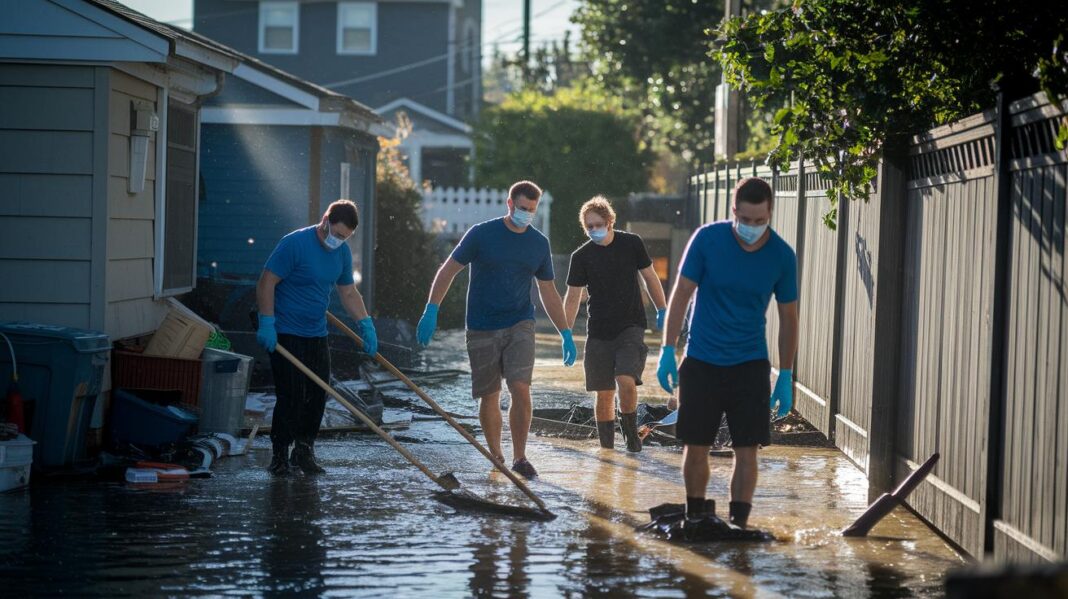

Have you ever seen your home in chaos after a disaster? It can feel scary when your treasured items are at risk. We have clear steps to help you protect what matters most.
In our guide, we explain three key tasks:
- Fast pack-out (quickly moving items to safety).
- Thorough hazard checks (carefully looking for dangers).
- Choosing the right cleaning methods for each situation.
These steps not only save you time, but they also help keep your valuables safe from further damage. Read on to learn how to keep your home secure and your memories protected.
Disaster Contents Cleaning: Step-by-Step Best Practices
We begin with a quick on-site check and pack-out. Our team is on the way fast, often within two hours. When we arrive, we immediately pack your belongings to shield them from further damage. For example, we quickly move fragile items like photo albums and electronic devices to a safe, clean area. This first step sets up the entire cleaning process.
Next, we check for hazards. Our experts look over every item and area for things like water, sewage, pet waste, fire debris, or chemicals (pesticides). Identifying these hazards early keeps harmful substances from spreading and helps protect you and your home.
Then, we choose the right cleaning method. Depending on what needs cleaning, we use techniques tailored for each situation. For delicate items such as fabrics and documents, we might use ultrasonic cleaners (machines that use sound waves to gently remove dirt). For tougher items, we may use solvent-based treatments to remove smoke, soot, or other residues. Using the correct method lets us clean effectively without harming your items.
After cleaning, we work on deodorization and disinfection. We use strong agents that target lingering smells and any remaining contaminants like mold spores or bacteria. We also run HEPA-filtered dehumidifiers (machines that pull moisture from the air and capture very small particles) to keep the air clean and safe.
Finally, we store your items in a controlled space until they are ready to be returned safely. Every step is carefully documented to support any insurance claims, ensuring your belongings are restored with care and precision.
Safety Protocols for Contents Cleaning After a Disaster
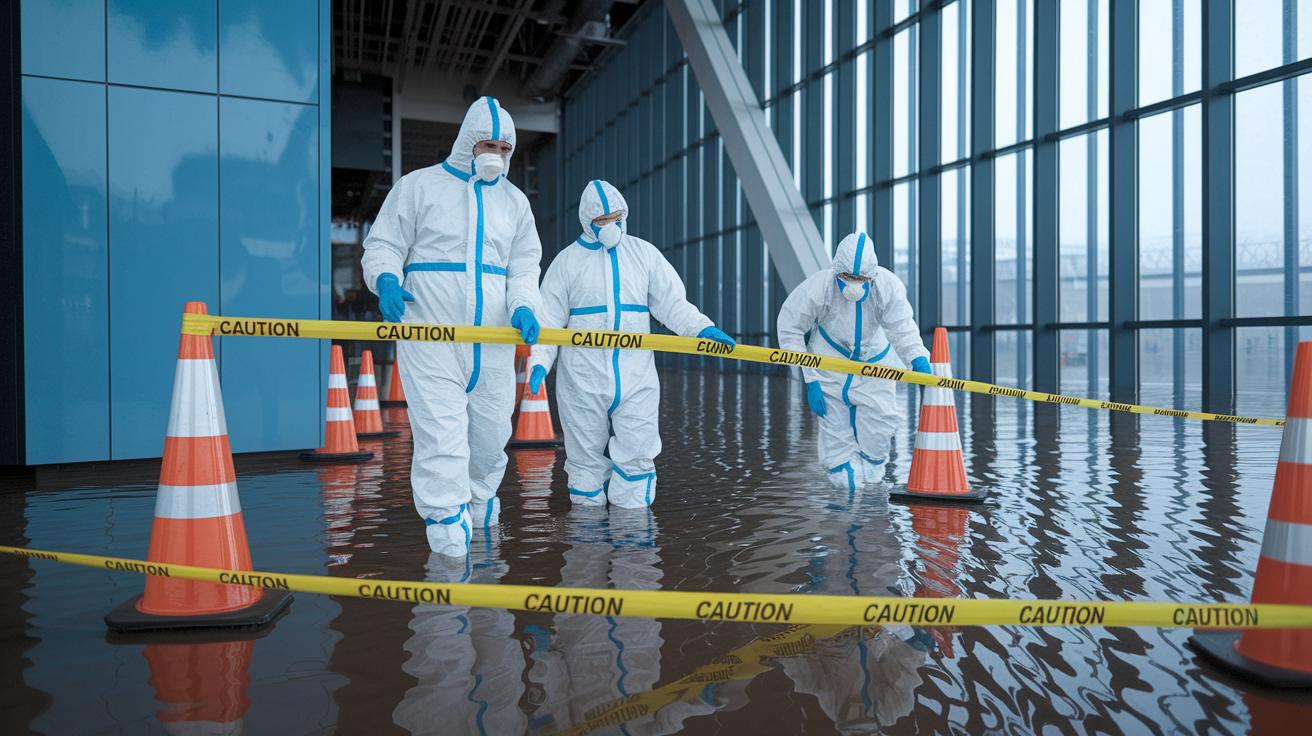
When a disaster strikes, safety starts with setting up clear zones and keeping harmful areas contained. We mark off spots where water damage has mixed with sewage, pesticides, chemicals, or pet waste. This blocking keeps dangerous substances isolated from clean areas. For example, our team quickly creates decontamination zones (areas set aside for thorough cleaning) to stop the spread and protect both your home and its occupants.
Our technicians follow strict personal protection rules when handling toxic mold and other hazardous materials. We gear up our crew with gloves, masks, and protective suits to shield them from dangerous chemicals and biohazards (substances that are harmful to living things). We stick to clear, safe procedures when selecting and using this equipment. This method keeps everyone safe while we perform quick, emergency cleanup work.
We also use decontamination and cleaning practices that meet OSHA (workplace safety) standards and industry certifications. We work with EPA-approved disinfectants and treat every affected item with care. Our cleaning steps are performed in every work zone and carefully documented to show compliance with safety rules. This organized approach helps reduce exposure and keeps the work area safe during disaster restoration.
Contents Cleaning Methods for Water, Fire, and Mold Damage
After a disaster, we pick cleaning methods that match the type of damage. When water damage occurs, harmful substances like raw sewage, pesticides, or added chemicals can spread fast. For fire damage, our specialized equipment quickly removes soot, ash, and stubborn smells. If smoke is a problem, we use cleaning solvents, dry-ice blasting (a method that uses frozen carbon dioxide), and ozone treatments to clear residues from fabrics and hard surfaces. When dealing with mold damage, we carefully contain the spores and use HEPA vacuuming (a machine that traps tiny mold particles) along with antimicrobial treatments. Each method uses the right tools and techniques to clean safely and thoroughly.
| Damage Type | Cleaning Method | Key Equipment |
|---|---|---|
| Water Damage | Extraction, decontamination, and chemical cleaning to remove sewage or additives | Water extractors, dehumidifiers, industrial cleaners |
| Fire Damage | Removal of soot and ash using specialized machinery and chemical treatments for odors | Soot vacuums, thermal foggers, air scrubbers |
| Smoke Damage | Application of solvent cleansers, dry-ice blasting, and ozone treatments on surfaces | Solvent applicators, dry-ice blasters, ozone generators |
| Mold Damage | Containment of spores, HEPA vacuuming, and antimicrobial treatments to inhibit further growth | HEPA vacuums, mold inhibitors, air scrubbers |
Looking at these methods, water damage cleaning focuses on removing liquids and harmful contaminants to avoid long-term structural issues. Fire and smoke damage require careful cleaning for both what you see and what you might not notice, like lingering odors. Mold cleaning works to trap and remove spores quickly to keep indoor air safe. For example, using a HEPA vacuum after a flood can greatly reduce airborne mold, helping to make your home safer as we work to restore it.
Specialized Contents Decontamination Techniques for Electronics, Fabrics, and Furniture

Delicate items like electronics, fabrics, and furniture need extra care. If cleaned incorrectly, these high-value items can lose their function or beauty. We know that even small mistakes can damage sensitive circuits or fade treasured textiles. That’s why we treat each item with a method that fits its needs. For example, we use gentle ultrasonic cleaners on photos and documents to remove dirt without causing further harm.
Every item brings its own challenge. Electronics need dry cleaning (a method that avoids water damage) to protect their circuits. Fabrics often require special enzyme or solvent treatments (chemicals that remove residues) so the fibers stay intact. Wood furniture is cleaned with conservation-grade solvents that remove contaminants while keeping its natural finish. We focus on cleaning thoroughly while keeping each material in top condition.
- Electronics: We use controlled dry cleaning and precise cleaning tools along with special solvents.
- Clothing: We handle fabrics manually with enzyme detergents and gentle rubbing to avoid stress.
- Upholstery: We apply solvent-based treatments paired with ozone deodorization (using a gas to remove bad smells) so materials stay fresh without getting too wet.
- Rugs: We use carefully measured solvent cleaners and enzyme detergents with low-pressure tools to protect the rug’s texture.
- Documents: We restore photos and papers with gentle ultrasonic cleaning that lifts dirt off fragile surfaces.
- Wood Furniture: We clean wood using conservation-grade solvents and refinishing tools that remove residues while preserving its finish.
Hazardous Substance Neutralization and Compliance in Contents Cleaning
We start by selecting the right neutralizers to handle biohazard risks. Our team uses disinfectants approved by the EPA (the Environmental Protection Agency – the group that makes sure products are safe) to deactivate bacteria and other harmful germs. We also use specific chemical formulas that balance acids, alkalis (substances that reduce acidity), and petrochemical residues. This careful selection stops harmful chemical actions that could damage your belongings during restoration.
Next, we separate all hazardous waste from safe materials. By sorting out contaminated items, we lower the risk of spreading contaminants to clean areas. We mark each type clearly and treat it with the careful steps it needs, which helps protect your home and other items.
We follow all federal and local rules for disposing of hazardous waste. Every bit of chemical residue is recorded and removed using approved waste management practices. Sticking to these guidelines keeps your property safe and helps protect our environment.
Before we pack out your belongings, we use a line-of-sight environmental deactivation sequence. This means we closely inspect and neutralize any remaining hazards. By doing this, we make sure your items are safe to bring back home.
Contents Cleaning Documentation, Insurance Coordination, and Cost Management
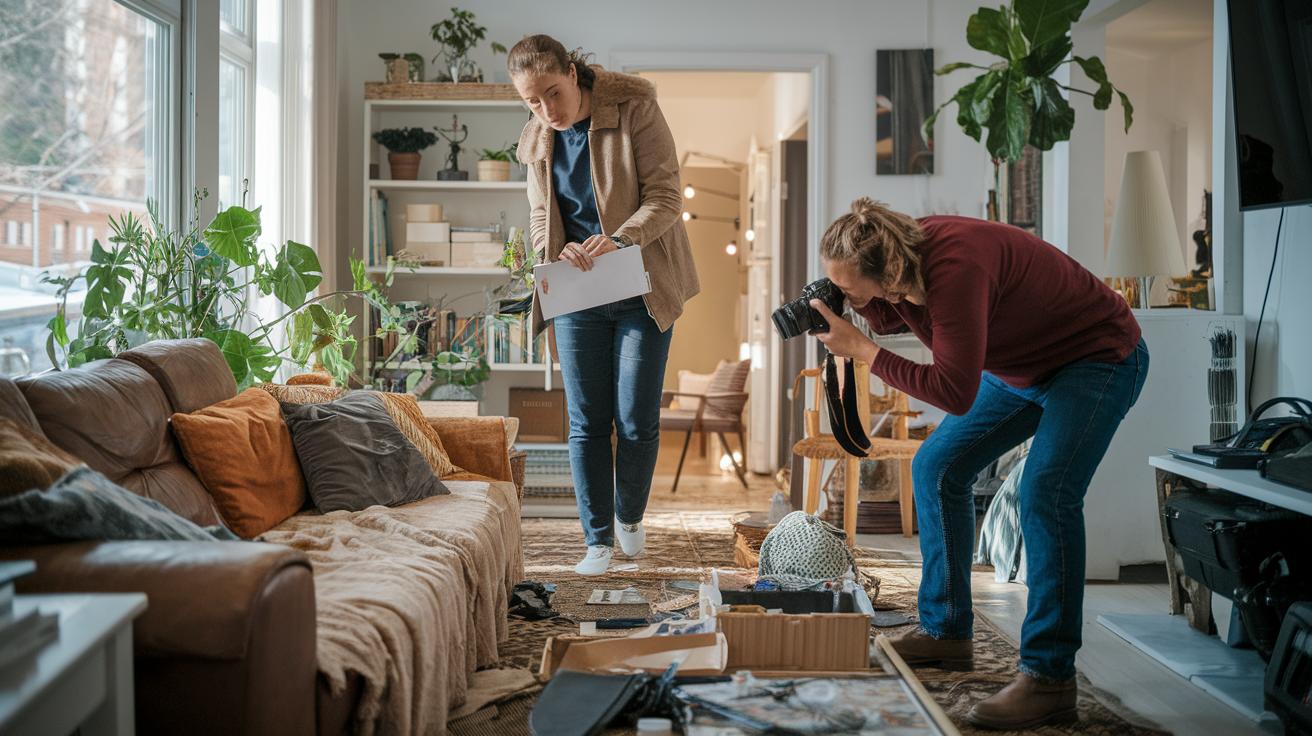
We begin by assessing the damage to your belongings. Our team makes a list of each damaged item and notes details like type, condition, and repair or replacement costs. We use a standard checklist so nothing is overlooked. For example, when checking a water-damaged bookshelf, we record every mark and break so you have a clear record for your insurance claim.
Next, we document the cleaning process with photos and checklists. We take before and after pictures to show the full extent of the damage and the progress made. We tie each photo to a specific checklist entry, ensuring every step is noted. This record helps support your claim and is shared with the insurance adjuster. You can review our insurance claim documentation checklist for homeowners at https://firefloodrescue.com?p= for guidance on how we record each step.
Finally, we work closely with your insurance company to manage budgets and reimbursements. We share detailed service logs and cost estimates to make the insurance review clear and smooth. We maintain open communication with claims adjusters so that every restoration cost is tracked correctly and funds are released quickly.
Expert Tips for Prolonged Hygiene and Mold Prevention in Contents Cleaning After a Disaster
After we clean your items, we move them to a safe staging area. This controlled spot keeps each piece separate so hidden contaminants don’t spread. For example, we carefully set aside delicate fabrics from other belongings to maintain a clean look.
Next, we control the air quality with HEPA air scrubbers (machines that trap tiny particles) and activated carbon filters (devices that absorb pollutants). These tools work like a deep clean for your indoor air. They help lower the chances of mold spores settling on your items.
We also focus on getting rid of unwanted smells. During our final check, we treat your items with microbial sanitizers (germs-killing sprays) and odor neutralizers (smell-cancelling agents). For instance, treating upholstery and stored clothing gets rid of odors and leaves your belongings fresh.
Lastly, we schedule regular follow-up checks to keep your space safe. These inspections spot early signs of mold or leftover contaminants. That way, your items and the air in your home stay clean as you move forward with recovery.
Quick-Reference Checklist for Contents Cleaning After a Disaster
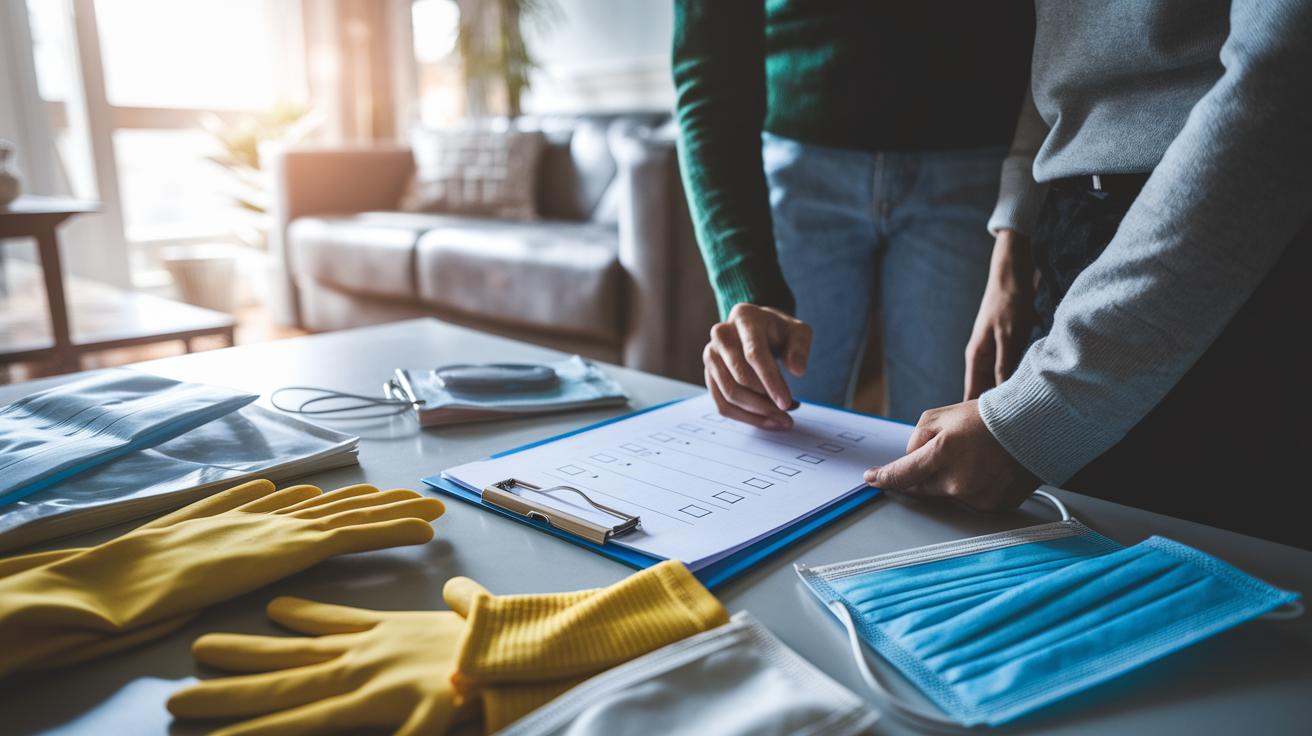
A clear checklist can make your cleanup easier and safer. Our free one-page guide shows you eight simple steps to follow:
- Start with an inventory. Write down every item that has been affected.
- Do a hazard check. Look for risks like unstable surfaces or water issues.
- Confirm you have the right protective gear (like gloves, masks, and special clothing) to keep you safe.
- Choose the proper cleaning method to match the type of damage.
- Review local rules to ensure you meet all legal requirements.
- Record your work. Take notes and photos to document every step.
- Inspect your cleanup. Check that every task is done correctly.
- Schedule regular maintenance checks to help prevent future problems.
Visit our resource page to download this free checklist and keep your recovery process on track.
Final Words
In the action, we walked through every step of disaster contents cleaning, from the initial pack-out and hazard checks to tailored cleaning methods and detailed documentation. We detailed safety measures, equipment, and expert tips to keep your belongings safe and your home secure. Using the best practices for contents cleaning after a disaster helps you stop damage and begin recovery quickly. Your safe, livable space is within reach, and every effort brings you closer to restoring comfort and peace of mind.
FAQ
What is natural disaster cleanup?
The natural disaster cleanup process means quickly removing debris and contaminants after floods, fires, or storms. Experts use emergency services and advanced cleaning techniques to restore your home quickly and safely.
What do disaster cleanup companies do?
The disaster cleanup companies perform mitigation, content decontamination, and restoration. They use trained teams and strict safety protocols to help you restore your home to a safe living condition.
What are disaster cleanup jobs like?
The disaster cleanup jobs involve restoring homes after water, fire, or mold damage. Workers follow safety protocols, use specialized equipment, and document every step to support insurance claims.
How do you clean up a flooded floor?
The flooded floor cleaning involves removing water, using dehumidifiers (machines that pull moisture from the air), and sanitizing surfaces to prevent mold growth. The process is guided by clear, safe steps.
How do you sanitize after a flood?
The sanitizing after a flood includes disinfecting surfaces, deodorizing affected areas, and cleaning contaminated items. Professionals use EPA-approved disinfectants while following OSHA safety guidelines for a thorough cleanup.
What should I know about FEMA after a fire?
The FEMA after the fire process involves working with the Federal Emergency Management Agency to help cover restoration costs. It is key to document your damage for insurance and claim support.
What guidance does the CDC offer for natural disasters?
The CDC natural disasters guidance provides health and safety recommendations, including proper use of personal protective equipment and hygiene practices to reduce risks during cleanup.
What is the best natural disaster website for cleanup resources?
The natural disaster website acts as a centralized resource for emergency services, clear cleanup tips, and safety protocols. It offers homeowners step-by-step, compassionate guidance during overwhelming times.