


Ever wonder how a water extraction machine works during a flood? Think of it as a powerful vacuum that quickly pulls water from wet carpets, walls, and floors. It uses suction (pulling water out), pressure (forcing water away) and warm cleaning solutions to fight water damage fast. We rely on this tool to restore homes and offices quickly. In this article, we break down the basics in simple, clear steps so you can see how it speeds up the clean-up process.
How Water Extraction Machines Work: Core Principles and Applications
A water extraction machine is built to quickly remove water from damaged areas. It uses suction (a pulling force) and pressure (a pushing force) to pull excess water from carpets, floors, walls, and even industrial spaces. Even if some suppliers show these machines as not available online, they are trusted tools for flood cleanup, deep carpet cleaning, and keeping large spaces dry.
The machine has a few key parts. A motorized pump creates a strong vacuum that pulls water from the area. A recovery tank holds the water for a short time. A built-in filter (a system that catches small particles) stops dirt from reaching the pump. Flexible hoses let the machine reach different spots quickly. Some models even use a heated solution (warm water mixed with cleaning chemicals) to help loosen tough moisture and contaminants.
The process works by combining vacuum suction with pressure to move water out of porous materials and into the recovery system. In some cases, a warm solution is applied to loosen dried residues and speed up water removal. This method works well whether you are dealing with a sudden flood or performing regular deep cleaning.
Common methods used include:
- Vacuum Suction: The machine creates low pressure with a motor to pull water and moisture out.
- Pressure-Assisted Flow: Extra pressure is applied to help remove water faster.
- Heated Solution Application: Warm water or cleaning chemicals are used to boost cleaning effectiveness.
- Sub-Surface Extraction: This targets water trapped under flooring or carpets for more complete drying.
- Combination Systems: Multiple methods are used together to achieve the best water extraction results.
Each method can be adjusted based on the job. This means both small spills and major water damage can be treated with care. With simple, clear processes, these machines help restore your space to a safe and livable condition.
Water Extraction Machine Empowers Peak Efficiency

When picking an extraction machine, we look at a few key features that make a real difference. Even though competitors offer many options like Portable Extractors, Truck Mount Systems, and various Flood Water Extraction tools, understanding the details helps you choose the best system for your needs. This is especially true when comparing hydro extraction systems (water-based systems that pull out water) and electric pump extractors (machines with an electric-powered pump).
Here are 6 key points to check:
-
Motor power (HP): A strong motor pulls water quickly. More horsepower means faster extraction on big jobs, reducing downtime.
-
Tank capacity (gallons): A larger tank holds more water before needing emptying. This saves time and effort on jobs with heavy water exposure.
-
Hose diameter (inches): A wider hose moves more water with each pass. This is vital when you are treating very wet areas or large surfaces.
-
Filtration grade: A high-quality filter stops debris from reaching the pump. This reduces clogs and keeps the machine working well even with dirty water.
-
Pump type: The type of pump affects the machine's durability and efficiency. Electric pump extractors are known for being reliable in many settings.
-
Heating options: Some machines feature heated cleaning solutions that break down tough residues. This helps deep clean carpets and surfaces where extra moisture might lead to mold.
Each point is important for choosing a machine that works well for both small spills and major water damage repairs.
Popular Types of Water Extraction Machines and Use Cases
Portable Wet Vacuums
These portable wet vacuums are built for quick action during home flood events. They are light and easy to move, making them perfect for cleaning up water spills or small flooded areas. Their small size helps our technicians reach tight spaces in busy homes, so they work well for car detailing and minor water cleanups.
Sub-Surface Extractors (e.g., Water Claw)
Sub-surface extractors work underneath carpets and floors to remove water that may not be visible. We use these machines during flood restorations to reach moisture hidden in hard-to-get areas. They are trusted by many professionals for commercial carpet cleaning and severe water damage because they get to the water that other machines might miss.
Truck-Mount Systems
Truck-mount systems are heavy-duty machines designed for big jobs. They deliver strong, steady water removal in places like office buildings or hotels. With high-powered motors and large recovery tanks, these systems can work continuously to reduce downtime in high-pressure water damage situations.
Battery-Operated Units
Battery-operated units are ideal when you don’t have easy access to power. They are easy to move from one job to another and can be set up quickly in areas that lack a fixed power source. These units are great for small restoration jobs and routine drying in commercial or emergency settings, keeping work on track even in tough conditions.
Renting vs Buying Water Extraction Machines: Making the Right Choice
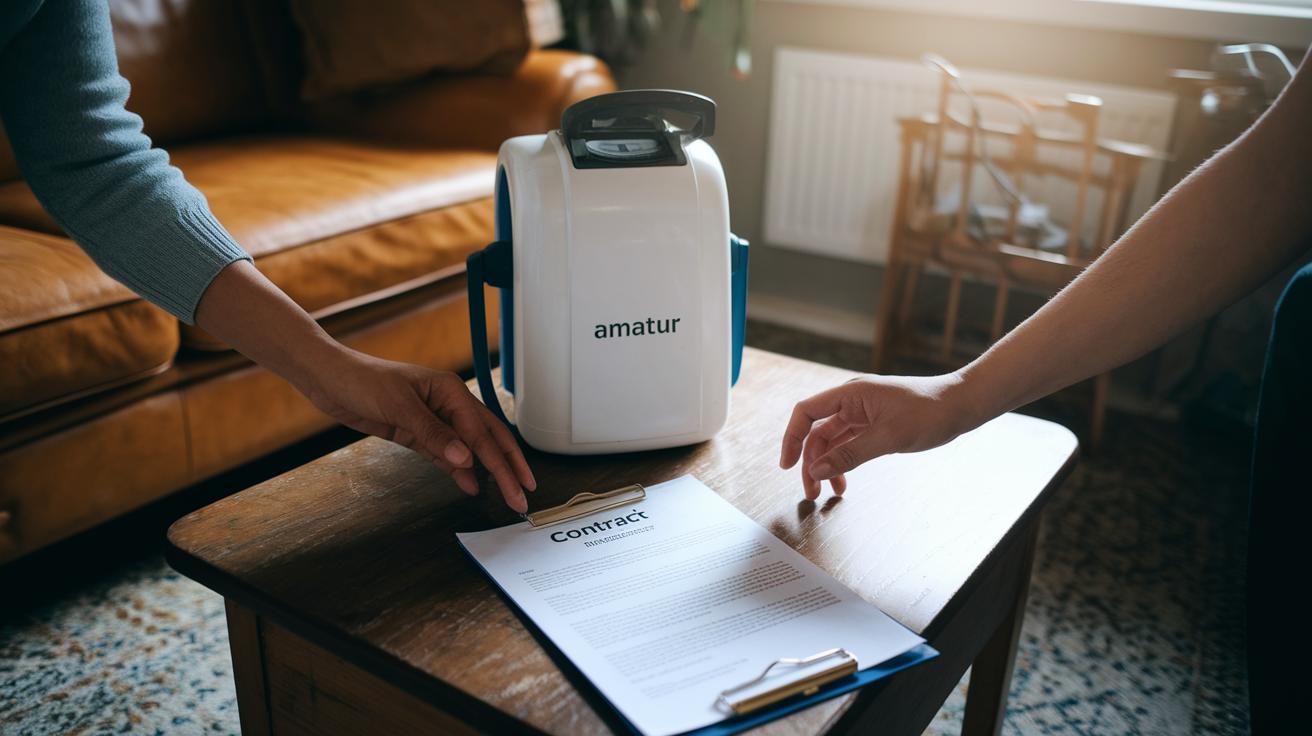
When you need to remove water quickly, you have two clear options. Renting a water extraction machine is a great choice for one-time jobs. With renting, you only pay for the time you use the machine, and the rental company usually takes care of the upkeep. This option is ideal when you have a short-term need and don’t want to invest in a machine you won’t use often.
Buying a water extraction machine is the better option if you face water removal projects frequently. When you own a machine, you benefit from long-term savings and can choose a tool that fits your exact needs. Ownership also lets you customize and secure a warranty (a promise to cover repairs) for future use. While the initial cost might be higher, owning the machine saves money over time and provides consistent performance for every job.
Rental details like pricing and policies are often discussed one-on-one, making renting a flexible option that can adjust to your project’s size and frequency. In contrast, buying gives you direct control over your equipment and ensures it’s always ready when you need it, especially for larger or recurring tasks.
| Criterion | Rent vs Buy |
|---|---|
| Cost | Rent for occasional jobs; buy for long-term savings |
| Maintenance | Rental includes upkeep; ownership means you handle it |
| Availability | Rentals offer quick access; buying guarantees you have the tool ready |
| Performance | Rentals provide modern models; buying lets you pick a machine for heavy use |
Maintenance and Troubleshooting for Your Water Extraction Machine
Regular upkeep helps your water extraction machine work smoothly and avoids costly repairs. When used often, the machine needs simple care to stay reliable. We suggest a few easy tasks to keep it in top shape.
- Clean the filter after each use so it doesn’t clog.
- Lubricate the pump (add oil to make it run smoothly) as recommended.
- Check the hoses and connections for any wear or damage.
- Look over the recovery tank for cracks or leaks.
- Test all electrical parts and wiring before long use.
Fixing small issues right away can stop bigger problems later. Here are two quick tips:
- Loss of suction: Look at the filter and hose first for blockages. If these are clear, inspect the pump for wear or any problems.
- Motor overheating: Make sure the machine isn’t working continuously without breaks. Check if any debris is blocking the airflow or water flow.
These simple checks help extend your machine’s life and keep water extraction running fast when every minute counts.
Price Ranges and Budget-Friendly Water Extraction Machine Options

Water extraction machines come in different sizes and prices to meet your needs. Portable entry-level units usually cost between $200 and $500. They are great for cleaning up at home, handling small spills, or dealing with minor floods. These machines work fast and keep costs low.
For larger areas or commercial jobs, mid-range units have more capacity and stronger parts for regular use. They often include extra features to boost performance, making them a smart choice for businesses or property managers.
For the toughest water damage jobs, professional truck-mounted systems range from $5,000 to $15,000. These heavy-duty machines are built for long hours in extreme conditions. Many suppliers now offer flexible financing and payment options, and pricing is clear at checkout so there are no surprises.
| Tier | Price Range | Typical Use |
|---|---|---|
| Entry-Level | $200–$500 | Home cleanups, small spills |
| Professional | $5,000–$15,000 | Commercial truck-mounted systems, severe water damage |
Safety and Installation Guidelines for Water Extraction Machines
Before you start water extraction, take a moment to follow these safety tips to protect you and your equipment. Check that the electrical grounding is secure and use a GFCI outlet (a plug that quickly cuts power if there is a problem) to help avoid any shocks. Wear gloves and goggles to shield yourself from splashes and flying debris. Set the recovery tank on a stable, level surface so it won’t tip over or spill. Make sure all hoses are attached tightly so they do not leak while you work. Clear the area around the machine so you can move quickly if an emergency happens.
Here are 6 steps for safe equipment deployment and shutdown:
- Check the electrical supply and grounding to make sure power is safe.
- Attach all hoses carefully and confirm every fitting is secure.
- Place the recovery tank in a stable and level spot, away from heavy foot traffic.
- Put on your safety gear, such as gloves and goggles, for extra protection.
- Ensure there is enough space around the machine for safe operation.
- After you’re done, turn off the machine by disconnecting the power, removing the hoses, and storing your equipment safely.
Following these steps helps keep everyone safe while ensuring your equipment is ready to extract water reliably.
Final Words
in the action, we reviewed how water extraction machines work and the key parts that make them effective in a crisis. We broke down the core components, compared features, and explored uses, from home flood response to industrial cleanup. We also weighed the pros and cons of renting versus buying and covered maintenance essentials. A water extraction machine stands out as a vital tool for fast emergency restoration. With clear steps and practical advice, you have a roadmap to make informed choices and get your property back to a safe, livable space.
FAQ
What is a water extraction machine?
The water extraction machine is a tool that uses suction and pressure to pull water out of surfaces. It’s used for flood cleanup, carpet cleaning, and moisture control in homes, cars, and commercial spaces.
Can I buy or rent a water extraction machine for home, commercial, or car use?
The water extraction machine is available for sale or rental. Buying is ideal for long-term needs, while renting fits one-off jobs. Choose a model that suits your water damage scale and specific area.
What type of water extraction tool should I use for cleaning carpets or car interiors?
The water extraction tool for carpets and cars comes with specialized attachments and smaller hoses for tight spaces. It quickly pulls out water, making cleaning and drying surfaces more efficient.
How do I clean up a lot of water quickly?
Cleaning up water quickly calls for a high-suction water extraction machine. It removes excess water fast, so you can follow up immediately with fans and dehumidifiers to dry the area thoroughly.
Is an extractor better than a carpet cleaner?
An extractor removes excess water rapidly, which is key in preventing mold and further damage. A carpet cleaner mainly applies cleaning solutions, making the extractor the better choice for drying out wet surfaces.