
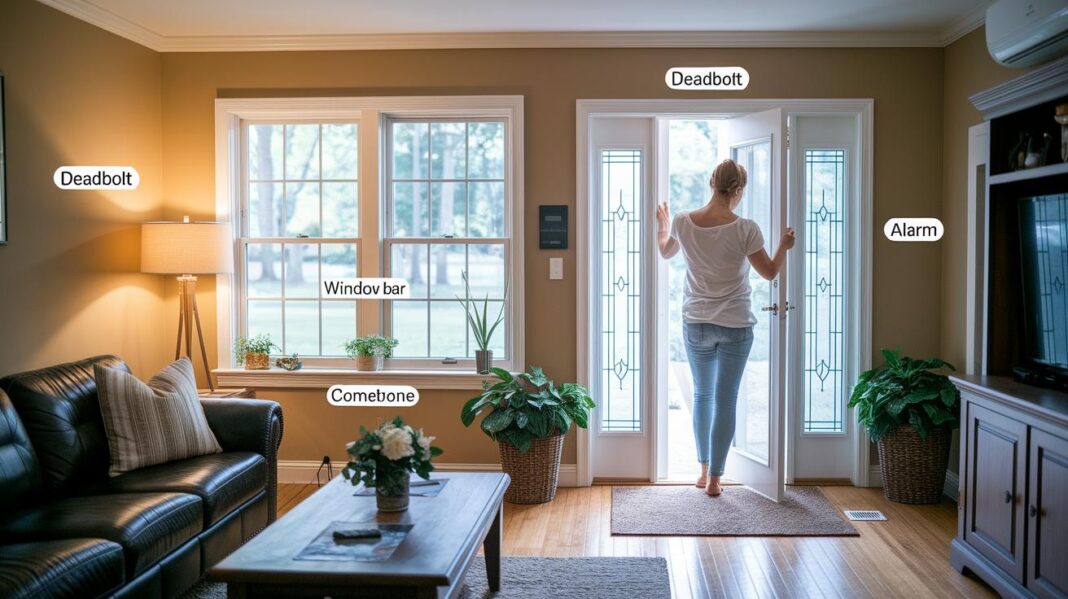

Is your home really safe? Even a small leak or a broken smoke detector can lead to major, costly repairs. A simple home maintenance checklist can help you catch these issues early and keep your house secure. By doing easy monthly, quarterly, seasonal, and yearly checks, you can stop small problems from turning into big ones. This plan gives you peace of mind and helps you protect your most important investment: your home.
Essential Loss Prevention Home Maintenance Checklist Framework
A regular home check-up gives you control and peace of mind. It helps spot small problems before they turn into costly repairs. With a clear plan, you can stop decay early, prevent mold, and keep your home safe.
-
Monthly: Each month, handle simple tasks like checking visible pipes and testing smoke detectors and GFCI outlets (safety devices that prevent electric shocks). This ensures your safety systems are working and that you catch early signs of damage.
-
Quarterly: Every few months, take a closer look at your home. Inspect appliances, change HVAC filters (devices that clean the air), and look for tiny leaks or water stains. These checks keep your home in good shape and stop minor issues from growing.
-
Seasonal: In spring and fall, focus on weather-related tasks. Examine your roof, clean your gutters, and check the exterior sealant that keeps moisture out. Seasonal reviews help you prepare for weather changes and avoid unexpected damage.
-
Annual: Once a year, do a thorough inspection of your entire property. Use this time to look at systems needing professional help, update your maintenance records, and review areas you might have missed before. Annual audits let you reassess your home’s overall condition.
Regular maintenance reduces repair costs and risks. With a good schedule, you can avoid surprises and enjoy a safe, secure home.
Interior Systems Inspection for Loss Prevention Checklist

Plumbing and Water Heater Maintenance
Check your pipes for any leaks or drips by looking at all the visible ones. Turn on your taps to catch slow leaks, and watch for water stains or rust around the joints. Flush your water heater (the tank that heats your water) to clear out any sediment. Sediment can wear out your heater and lead to costly replacements, sometimes between $1,000 and $1,500.
Dryer Vent and Hood Vent Cleaning
Clean the lint filter in your dryer often, and have a full duct cleaning every couple of years. Skipping this can leave a fire hazard in your home. Also, wipe the grease and cooking buildup from your stove hood to keep it working well.
Refrigerator Coil and Appliance Care
Vacuum the coils on the back of your refrigerator at least every six months. This simple step helps your fridge run better and use less energy. Cleaning these coils can prevent higher energy bills over time.
Electrical Panel and Circuit Breaker Audit
Find and label your fuse box or circuit breaker panel. Test the breakers to make sure they work. Many homeowners overlook their electrical panel, which can be a risk during power surges. A quick check of the electrical system may save you from expensive damage later.
HVAC Filter and Component Inspections
Replace your HVAC filters regularly to ensure good airflow. Make sure your thermostat is set correctly and check that the pilot light and thermocouples (parts that help your system function safely) are working right. These steps keep your system efficient and may lower your energy bills and repair costs.
Foundation and Basement Moisture Review
Inspect your basement and the foundation for cracks or damp spots. Use a hygrometer (a tool that measures moisture) to check the humidity. Finding moisture problems early can help prevent structural damage and stop mold from growing.
Exterior Loss Prevention Maintenance Tasks
Keeping the outside of your home in check helps prevent water damage and costly repair work. We recommend checking your roof, gutters, siding, and yard regularly so you can stop leaks, mold, and other problems before they grow. A close look at your roof can spot missing shingles, early moss, or small water leaks before they turn into big issues. Clean gutters help water flow away from your home and protect your foundation and basement from water damage, especially when it freezes. Fresh paint and proper sealing on your siding keep water, pests, and mold out. Don’t forget about your trees, pruning overgrown branches can protect your roof and siding during storms, and seasonal brush clearance can lower wildfire risk.
| Task | Frequency | Key Benefit |
|---|---|---|
| Roof Check | Semi-annually | Stops leaks and mold |
| Clean Gutters | Every 3 Months | Prevents foundation damage |
| Siding Repair & Paint | Every 6 Months | Keeps out water and pests |
| Tree Pruning | Annually | Protects roof and walls |
| Clear Brush | Seasonally | Lowers wildfire risk |
Plan these tasks for both cool and warm seasons to keep your home safe and functioning well. A steady routine means you don’t miss important checks, lowering your risk of water damage, structural issues, and surprise repairs.
Routine Maintenance Scheduling for Loss Prevention

Planning maintenance can help you avoid costly repairs later. You can use a smartphone calendar, computer calendar, or a simple spreadsheet to set reminders for monthly, seasonal, or yearly tasks. These tools alert you when a service is due and help you check both indoor and outdoor areas. Many families find it handy to update a digital log that everyone can share. If you prefer paper, a handwritten log on a whiteboard or a printed checklist works well too. It gives you a clear record of what’s done and what’s coming up next.
Using simple priority codes and deadline trackers makes planning even clearer. Mark tasks as high, medium, or low risk based on how much damage they could cause, like cleaning dryer vents before winter or changing HVAC filters to keep air flowing. Whether you track these deadlines digitally or on paper, you’ll be less likely to face unexpected repair costs. Taking care of urgent tasks now can save you money and help keep your home safe.
Emergency Preparedness and Risk Mitigation for Loss Prevention
Creating an emergency contacts list is a must. We recommend you compile a list of trusted experts like a plumber, electrician, and a restoration professional (someone who handles water extraction and drying) who are available 24/7. This way, if an issue pops up, you can call the right expert right away before a small problem turns into major damage. Having the right contacts helps reduce downtime and keeps your home safe.
Regular loss prevention checks are key to staying ready. Make it a habit to test your smoke alarms and carbon monoxide (CO) detectors (devices that warn you of dangerous gases) and inspect your property’s security lighting. These simple audits help spot problems early. When you notice anything off, call a professional quickly to fix it and avoid higher repair costs. Regular inspections not only lower your expenses but also give you peace of mind knowing your home is secure.
Maintenance Record-Keeping for Loss Prevention and Insurance

Keeping clear maintenance records is key to lowering your insurance risk. When you take pictures and note details, you show that you worked to prevent further damage and keep repair costs down. Many homeowners face high repair bills when maintenance is missed. Dated photos, receipts, and service logs build a paper trail that helps speed up insurance claims and maintains your home's value. Keeping good records can also reduce any liability issues when work is needed later.
We suggest using either a mobile app or a physical binder for your records. A mobile app lets you capture images and receipts at the time of service, while a binder gives you a safe place to store contracts, invoices, and other documents. Always include a date on every photo and document, and review your records every year to update any changes. Organized documentation not only makes the insurance claim process easier, it also shows your commitment to keeping your home safe and protecting your investment.
Final Words
In the action, we mapped out a clear loss prevention home maintenance checklist. We broke down essential tasks into manageable steps, from monthly quick checks to annual reviews. We covered indoor inspections like plumbing and electrical panels, outdoor tasks such as roof and gutter upkeep, and even record keeping to support insurance claims.
This structured schedule keeps damage at bay and helps curb repair costs. Stay proactive and use the loss prevention home maintenance checklist to keep your property safe and secure.
FAQ
Where can I find a printable loss prevention home maintenance checklist, including PDF and monthly versions?
The checklist is available as a free downloadable PDF that covers weekly, monthly, and yearly home care tasks. It helps you organize inspections and repairs to prevent costly damage.
What does a preventive maintenance checklist include for my house?
A preventive maintenance checklist outlines regular tasks such as inspections, cleaning, testing safety devices, and scheduling repairs. It ensures your home systems remain safe, efficient, and well-maintained.
What are the basic maintenance conditions I should monitor in my home?
Basic maintenance conditions focus on safety, functionality, cleanliness, durability, and performance. Monitoring these areas helps keep your home secure and reduces the risk of unexpected repairs.