
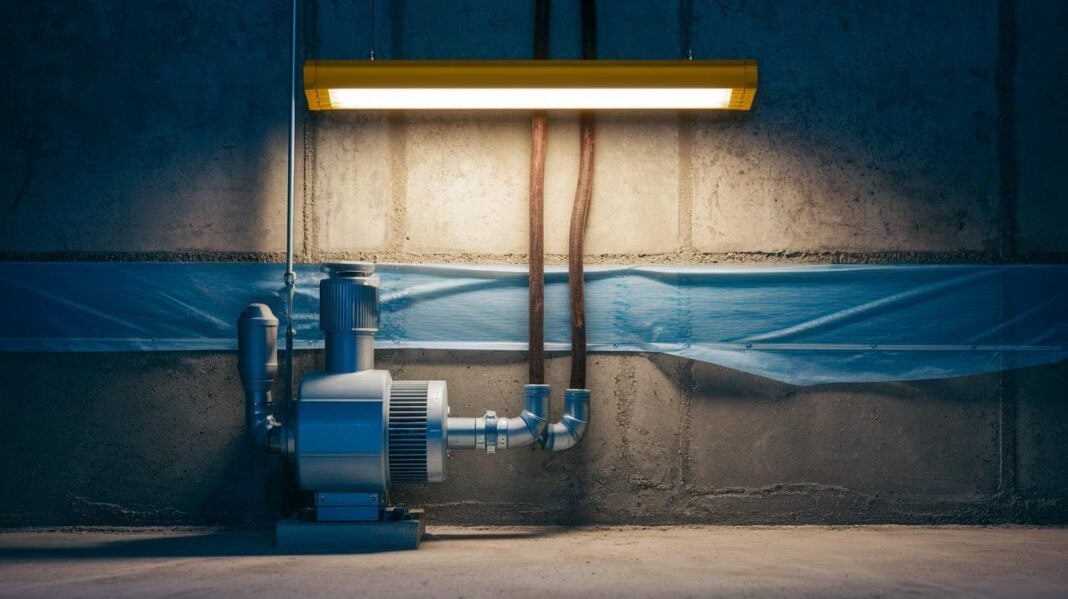

Ever wondered how a dry basement can protect your home? Waterproofing (a method to block water from getting in) and a sump pump (a machine that removes water quickly) work together like a strong shield. Waterproofing stops water from sneaking in and the sump pump clears out any extra water before it builds up. This simple setup helps keep your walls safe, stops mold from growing, and defends your home's structure. Read on to learn how these steps prevent damage and keep your basement secure, even during heavy rain.
Critical Role of Basement Waterproofing & Sump Pump Installation in Loss Prevention
Waterproofing helps keep your basement safe by stopping water from seeping in and causing damage. We seal cracks (small openings) and add barriers to block moisture that can lead to damp walls and mold. This simple treatment cuts down on musty smells and protects the structure of your home.
We also set up sump pumps to work with waterproofing. A sump pump is a device placed at the lowest point of your basement that collects water and pushes it away before it builds up. It turns on automatically when water levels rise, keeping your basement dry during heavy rain or even power outages. Together, these systems provide a strong defense against water damage.
- Keeps water away and prevents flooding.
- Reduces the growth of mold and stops musty smells.
- Protects your home’s structure from water damage.
- Quickly removes water to improve basement safety.
Good planning is key. It’s not just about putting in the pump and waterproofing your walls; every part must work together. Our experts review your basement layout, choose the best spot for the sump pit (a small area for the pump), and set up a system that handles rising water easily. This careful setup helps keep your home safe, even in bad weather.
Effective Basement Waterproofing Techniques & Seepage Repair Methods

Waterproofing your basement starts by sealing the interior walls and floors to stop water from entering through cracks and joints. We use strong sealants that block water, slow down mold growth (tiny fungi that can harm surfaces), and reduce musty smells. This method is a key part of fixing seepage issues. By sealing even the smallest gaps in your foundation, we help protect your home from damage and keep your basement safer.
Another important step is installing structural membranes and moisture barriers. A moisture barrier (a protective layer that stops water) directs water toward perimeter drains and your sump pit (a basin that collects water). This setup eases water pressure on your foundation and stops water from collecting where it shouldn’t. Using proven techniques like laying a continuous membrane over floors and walls gives better control of moisture and lowers the risk of future leaks.
Choosing the right repair method depends on your basement’s condition. We check how bad the water seepage is, what materials were used to build your basement, and how the space is laid out. Sometimes you need a full moisture barrier; other times, a few targeted sealant spots will work well. By comparing different seepage repair methods, we tailor a plan that offers fast protection and lasting repair. This detailed approach keeps your basement dry, safe, and far from the problems of excess moisture.
Comprehensive Pump Installation & High-Efficiency Pump Selection
We install sump pumps to keep your basement dry and protect your home from water damage. Every installation follows a clear, safe process that includes a proper battery backup for when the power goes out.
- Turn off the power to prevent any shock hazards.
- Remove the old pump to make room for the new one.
- Clean the sump pit to get rid of debris so the pump works smoothly.
- Install a check valve using Teflon tape (a type of sealing tape) to stop leaks.
- Place the new high-efficiency pump into the sump pit.
- Connect the discharge pipes with PVC (a strong plastic piping) and hose clamps to form a tight, waterproof seal.
- Set the float switch about 6 inches above the water level so the pump starts at the right time.
- Set up the battery backup by putting the battery on a shelf, connecting the low-voltage cords, and plugging in the charger to keep the pump running during outages.
When you choose a high-efficiency pump, we help you decide between a submersible pump (which sits in the water) or a pedestal pump (which is mounted above the pit). The choice depends on your basement layout, the amount of water usually seen, and the available space. High-efficiency pumps use less energy and work well even when there is a lot of water. With a battery backup system, your pump will keep working even if the power fails.
Our careful planning and expert installation keep your home safe from water intrusion and help avoid costly damage.
Basement Drainage & Exterior Improvements for Optimal Flood Control
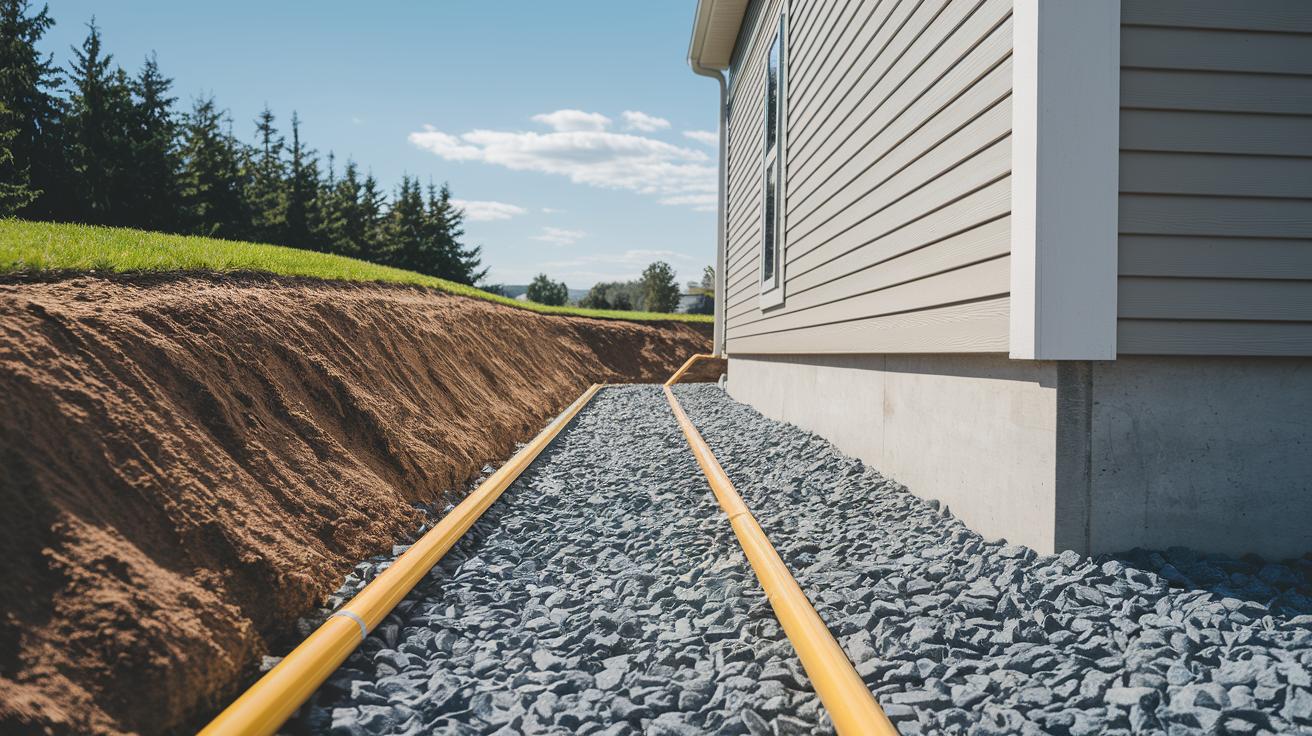
We install drainage tile systems around your home to keep water away from the foundation. These tiles act like a road for water, directing it into a sump pit (a pit that collects water) before it reaches your basement. We also add backflow preventers and check valves (devices that ensure water flows in just one direction) so water does not come back around. This method helps protect your basement from water intrusion and lowers the risk of flooding.
We also improve your home's exterior to support the drainage system inside. We shape the ground so it slopes away from the foundation, stopping water from pooling near your walls. We attach downspout extensions (tubes that move rainwater away) to ensure rainwater flows far from your house. These outside fixes take pressure off your interior drainage system and keep the area around your foundation dry. Together, these measures form a strong barrier against water damage, keeping your basement and home safe during heavy rains.
Installation Cost Analysis & Professional Services for Lasting Protection
Understanding the setup costs for your basement waterproofing and sump pump system is essential. While going the DIY route might seem cheaper at first, even a small mistake can lead to expensive repairs later. We break down all the costs, including materials, labor, and any needed adjustments, so you know exactly what you’re investing in for lasting protection.
DIY might save you money initially, but errors like a misaligned discharge pipe or an incorrectly set float switch can cause the pump to fail. Important parts, such as check valves (one-way devices that stop backflow) and proper drainage systems, must be installed correctly to keep water at bay. Our professional installation ensures that every step, from setting up the pump to sealing your basement, meets strict safety standards. Our certified team is trained to handle tricky parts like electrical connections and adjustments to your structure, reducing the chances of future water damage.
When you work with us, you also gain access to reliable, 24-hour emergency services. In places like Coventry, RI, our experts guide you from the initial cost review all the way to a complete, safe installation. By choosing our service, you’re ensuring that every component is set up correctly, keeping your home safe and free from water damage. Contact us today to schedule an evaluation and take the next step toward lasting protection.
Essential Sump Pump Maintenance & Performance Troubleshooting

Routine upkeep is key to a sump pump that works when you need it most. We suggest testing the float switch (a part that triggers the pump when water reaches a set level) by pouring water into the sump pit until the water is about 6 inches high. You should also clear any debris from the pit, check the check valves (devices that keep water flowing in one direction) to make sure they work right, verify that the battery backup is charged, and secure all discharge connections. Keeping these parts in order helps prevent unexpected pump failures.
When issues come up, it is important to act fast. Common problems include no power, a float switch set wrong, clogged pump intakes (the part that draws in water), and loose PVC (plastic piping) connections. If you see these signs, first check that power and the battery are working. Then, make sure the float switch is adjusted properly and remove any debris. Finally, look over all the plumbing connections to confirm they are tight. These steps will help you quickly find the problem and get your pump running again.
We also recommend performing an inspection every six months. A professional check can spot issues that you might miss during your routine checks. This regular review helps each part of your sump pump system work well and fixes small faults before they grow into big problems. Taking this proactive approach saves you from the stress and high costs of unexpected water damage.
Case Studies & Insurance Loss Prevention Through Comprehensive Planning
In a home in Coventry, RI where water began seeping into the basement, we installed a drain around the house, a waterproof membrane (a heavy plastic layer that stops water), and a sump pump system (a pump that removes excess water). Even during a heavy 5-inch rain, these measures kept the basement dry and stopped mold from forming. We carefully documented every step, which made the insurance claim much easier and cut repair costs by 40%. A surprising fact: a well-installed system not only stops water in its tracks but can save you thousands in repairs.
In another case, a home was hit by rapid water intrusion during a winter thaw. We quickly added a backup sump pump and a moisture barrier (a cover that prevents water from seeping in) to protect the foundation. This proactive approach guarded the home against long-term structural issues, and our fast response kept the damage to a minimum despite the harsh conditions.
These examples show that proper protection planning is key to lowering risks and preventing insurance losses. By coordinating waterproofing and sump pump installations, our teams build systems that work together seamlessly. This careful planning helps smooth out the insurance process and keeps repair costs low while protecting your home from unexpected water damage.
Frequently Asked Questions on Basement Waterproofing & Sump Pump Installation

How often should I inspect my system?
We recommend checking your sump pump every month. Look at the check valve (the part that stops water from flowing back) and the discharge seals. Test the float (the switch that tells the pump to start) by adding water to the sump pit to be sure it turns on when needed.
What early warning options are available?
You can use leak detection systems such as sensors (small devices that detect water) and humidity alarms. These tools alert you to water seepage before it causes major damage, so you catch small leaks early.
How do I prepare for emergencies?
It helps to have an emergency flood plan ready. Include backup power options (like a generator) to keep your pump running during outages, and know how to safely shut off your system if something goes wrong. Also, plan clear escape routes in case you need to evacuate quickly.
How can I be sure my system works during a storm?
Regular inspections for water intrusion, along with testing your sump pump and leak detectors, keep your system reliable. These checks help ensure your plan works during heavy rain so you stay safe.
Final Words
In the action, we explored how proper waterproofing and sump pump installation protect your home from water damage. We highlighted how sealing cracks, installing systems correctly, and planning for backup power are essential to stop leaks and prevent loss. We also reviewed simple maintenance steps and real case studies that prove the value of professional help. Embracing basement waterproofing and sump pump installation for loss prevention turns a challenging emergency into a manageable task, helping you keep your home safe and secure for years to come.
FAQ
How does basement waterproofing and sump pump installation help prevent home loss?
Basement waterproofing and sump pump installation protect your home by keeping water out and lowering the risk of mold and structural damage.
What does waterproofing basement walls from inside involve?
Waterproofing basement walls from inside uses sealants and membranes to block water seepage, keeping your basement dry and safe from damage.
What is involved in waterproofing basement walls from outside?
Waterproofing basement walls from outside applies coatings and drainage systems that stop water before it hits the foundation, reducing leaks and structural issues.
How much does it cost to waterproof basement walls from inside?
The cost to waterproof basement walls from inside varies with materials and labor, usually coming out lower than exterior methods but still depends on your specific needs.
What factors affect the cost of exterior basement waterproofing?
Exterior waterproofing costs depend on home size, foundation condition, and grading needs, as professionals factor in the work required and local pricing.
What products are used for exterior basement waterproofing?
Exterior waterproofing products include coatings, drainage panels, and membranes that work together as a barrier against water, protecting your foundation.
What is a basement waterproofing membrane used for?
A basement waterproofing membrane acts as a water-resistant barrier on foundation walls to stop moisture from seeping in and causing damage.
What DIY materials can be used for basement waterproofing?
DIY basement waterproofing materials include sealant, waterproof paint, and membranes. Follow instructions closely to achieve a secure barrier.
How much does it cost to waterproof a 1000 sq ft basement?
Waterproofing a 1000 sq ft basement depends on material quality, labor rates, and local conditions. It is best to get estimates to know your exact cost.
Can a sump pump waterproof a basement?
A sump pump does not waterproof a basement on its own; it works with waterproofing measures to control water levels and provide extra protection.
What is the average cost to install a sump pump in a basement?
The average sump pump installation cost depends on pump type and setup complexity, with prices covering equipment and proper installation procedures.
Does homeowners insurance typically cover sump pump installation?
Homeowners insurance usually does not cover sump pump installation because it is seen as a maintenance measure rather than an unexpected event.