
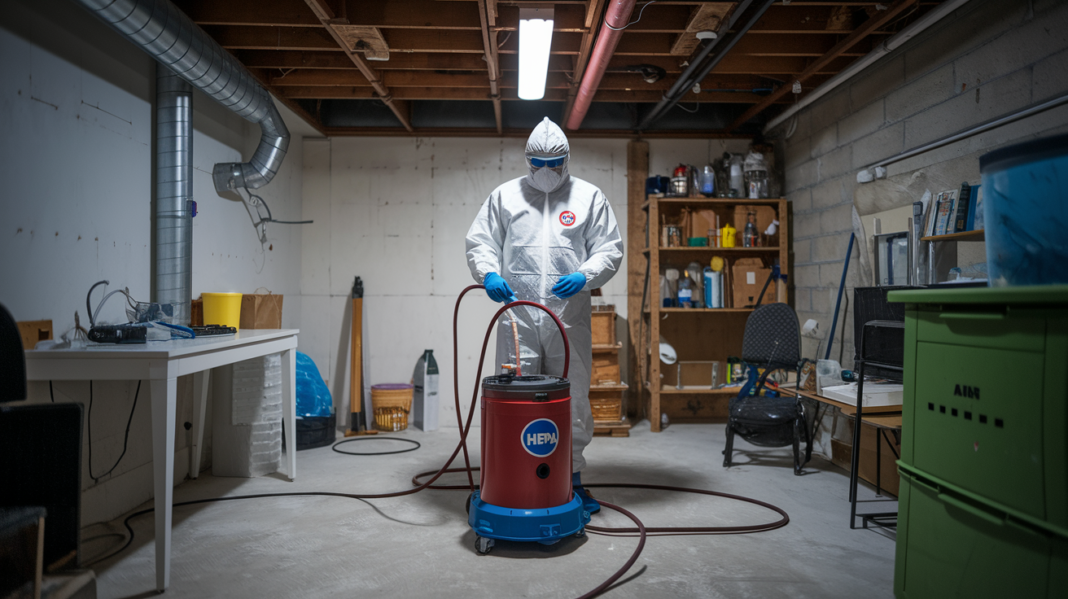

You just found black mold growing behind your bathroom vanity or spreading across basement walls. That dark, slimy growth isn’t something you can wipe away and forget. Black mold releases spores that spread fast, contaminate building materials, and require certified remediation to actually fix the problem. This guide walks you through what professional black mold removal looks like, from containment setup through final clearance testing, so you know what happens when certified crews show up to make your home safe again.
What to Expect from Professional Black Mold Removal Services

Professional black mold removal goes way beyond wiping down surfaces. Certified technicians coordinate every step, from first inspection through final testing, using specialized gear and containment systems to protect your home. The work addresses what you can see and what’s hiding behind walls, in crawl spaces, or inside building materials you didn’t even know were compromised.
Here’s how the full remediation process breaks down:
Inspection and Testing
Technicians walk through visible problem areas and collect air and surface samples. They’re identifying mold species, figuring out how far contamination has spread, and tracking down moisture sources. Thermal cameras help spot hidden water behind walls and in ceilings that’s feeding the growth.
Containment Setup
Crews seal affected zones with heavy plastic sheeting and create negative air pressure using HEPA scrubbers. This stops spores from drifting into clean rooms while removal work happens.
Physical Mold Removal
Contaminated materials get stripped out. Affected surfaces get cleaned with antimicrobial solutions. HEPA vacuums run constantly to catch airborne spores.
Antimicrobial Treatment
After physical removal wraps up, crews apply antimicrobial agents to treated surfaces. This kills remaining spores and blocks regrowth.
Affected Material Removal and Restoration
Porous stuff that can’t be fully cleaned (drywall, insulation, carpeting) gets removed and replaced. Non-porous surfaces get cleaned and sealed.
Final Clearance Verification
Post-remediation testing confirms spore counts are back to normal and the problem’s actually gone when containment comes down.
Small jobs typically wrap in one to two days. Extensive cases hitting multiple rooms, attics, or basements can run several days to weeks depending on damage scope. Clearance testing gives you documented proof your home’s safe and the work actually fixed the problem.
Black Mold Removal Cost Factors and Pricing Estimates
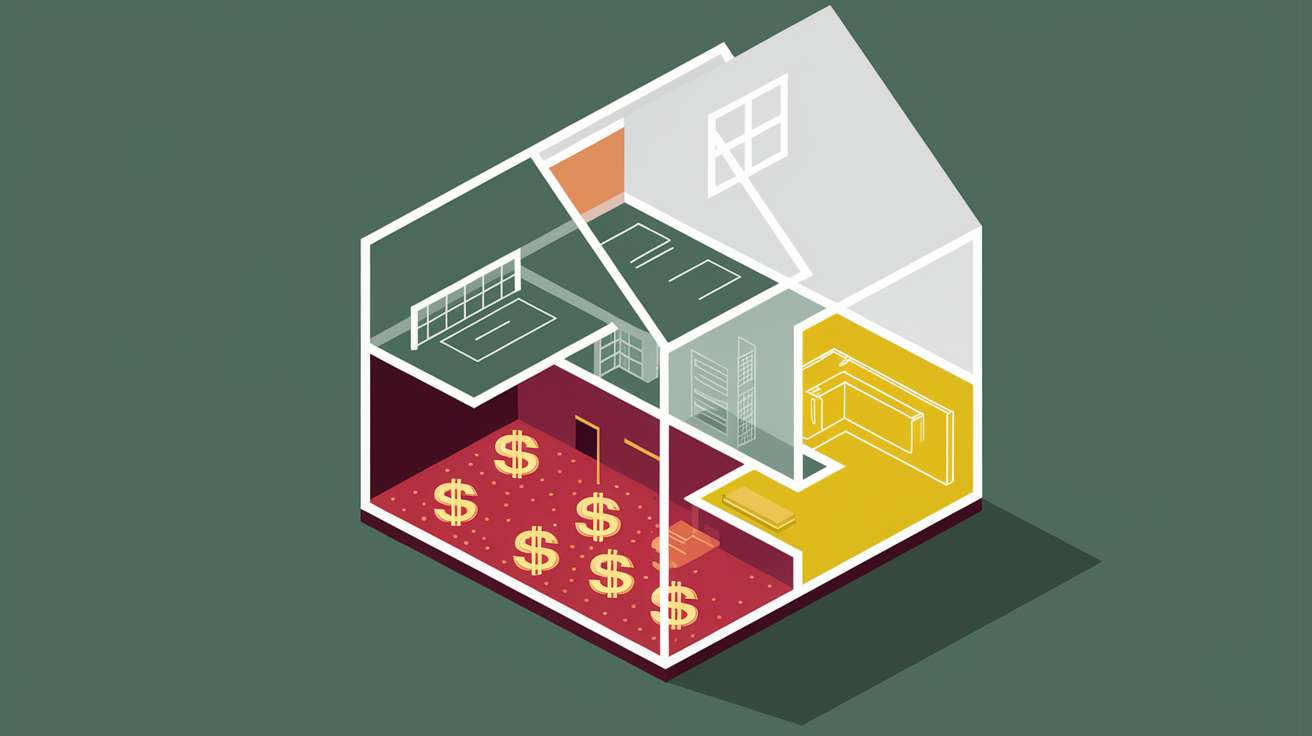
Remediation costs swing wildly based on project scope. You might pay a few hundred for small bathroom patches or several thousand for widespread basement or attic infestations. Multiple factors drive final pricing, which is why free professional estimates matter before work starts.
| Cost Factor | Impact on Price |
|---|---|
| Affected Area Size | Larger floor areas need more labor, protective equipment, specialized tools, and extended timelines, which significantly bumps costs |
| Material Types (Porous vs. Non-Porous) | Porous materials like drywall, wood, and carpet require intensive cleaning or full replacement, raising costs compared to non-porous surfaces such as glass, metal, and tiles |
| Location Accessibility | Hard to reach spots like crawl spaces, attics, and behind walls increase labor complexity and time requirements |
| Extent of Contamination | Heavy infestations requiring extensive containment, air filtration systems, and thorough decontamination run more than surface level growth |
| Necessary Repairs | Post-remediation reconstruction including drywall replacement, ceiling repairs, painting, and new flooring increases total project costs beyond initial removal |
Basement and attic jobs typically cost more than small bathroom areas. These spaces often have widespread contamination hitting structural materials, limited access requiring specialized equipment, and extensive moisture problems that must be corrected to prevent it from coming back. Below-ground moisture seeping through foundation cracks and poor ventilation create conditions where mold spreads across large areas before anyone notices.
Additional repair costs stack on top of base remediation price. Drywall often must be cut away and replaced to get all spores embedded in the porous material and restore structural integrity. Carpet replacement is typically necessary because mold hides deep in the fibers, making thorough cleaning nearly impossible. Repainting treated areas and replacing trim work further drives up project expenses.
Most certified providers offer free estimates that include visual inspection, contamination assessment, and detailed scope of work with transparent pricing. Request estimates from multiple licensed companies to compare proposed approaches and understand what each quote actually includes.
Emergency Response and 24/7 Availability

Rapid response matters because mold can start growing within 24 to 48 hours after water exposure. Black mold contamination gets worse quickly once it’s established. Immediate professional action stops the spread and limits damage to building materials and personal belongings.
Same day emergency services include immediate on-site assessment to determine contamination extent, quick containment setup to prevent spores from spreading to unaffected areas, and moisture extraction to eliminate the water source feeding growth. Technicians start drying wet materials within the first 48 hours to prevent mold from establishing in porous surfaces like drywall, insulation, and subflooring. This fast action often means the difference between minor surface cleaning and extensive material replacement.
Local certified companies provide 24/7 availability with rapid response commitments. Many arrive at your home within one hour of your emergency call, equipped with containment materials, moisture meters, and air filtration equipment. You can reach these companies by phone any time, day or night, or submit emergency service requests through online contact forms that dispatch technicians immediately. The sooner you call, the less damage occurs and the lower your total costs.
When you discover black mold, take action immediately rather than waiting to see if the problem gets worse. Contact certified remediation services for free consultations and emergency assessments. Most companies provide phone estimates and can schedule same day inspections to evaluate your situation and begin containment if needed.
Customer Reviews and Success Stories

Verified customer reviews give you insight into service quality, technician professionalism, and project outcomes when selecting black mold remediation services. Past customer experiences reveal how companies handle emergency situations, communicate throughout the process, and deliver on their promises.
Industry research demonstrates service quality across remediation companies. Independent studies polling commercial and homeowner decision makers consistently rank top remediation companies as the number one choice for cleanup and restoration work based on customer satisfaction with response times, work quality, and project outcomes.
Customer testimonials commonly highlight rapid response times with technicians arriving within hours of initial contact, even for late night emergencies. Homeowners frequently mention the professionalism of certified technicians who explain each process step, answer questions clearly, and maintain clean work areas throughout remediation projects. Successful outcomes include thorough remediation that passes clearance testing, coordination with insurance providers to reduce claim stress, and complete restoration that returns homes to pre-damage condition. Many customers specifically note relief that one company handled both remediation and reconstruction work, eliminating the need to coordinate multiple contractors.
When evaluating companies, review multiple customer testimonials to identify consistent service patterns. Ask prospective providers for references from recent projects similar to your situation. Verify that positive reviews come from actual customers rather than promotional content, and pay attention to how companies respond to negative feedback when problems occur.
Service Areas and Local Coverage

Selecting local certified providers matters because they understand regional moisture patterns, climate related mold risks, and building construction common to your area. Local companies respond faster to emergencies and maintain familiarity with municipal permitting requirements and regional licensing standards.
National franchise networks and independently owned remediation companies combine consistent quality standards with local availability. Franchise locations follow standardized remediation protocols, use approved equipment and products, and maintain certification requirements while providing the quick response times and regional knowledge of local businesses. This structure means you get proven remediation methods from technicians who live and work in your community.
Regional licensing requirements vary by state, with some areas requiring specific certifications for mold remediation work beyond general contractor licenses. California, Nevada, and other states mandate separate licensing categories for hazardous material handling and mold remediation work. Proper licensing demonstrates that companies meet state mandated training requirements, maintain adequate insurance coverage, and follow regulated safety protocols. Always verify that providers hold current licenses for your specific state or region.
Before contacting a company, confirm they serve your specific location and can respond quickly to emergency situations. Ask about typical response times for your area and whether they maintain local crews or dispatch technicians from distant locations. Companies with nearby offices and equipment storage generally provide faster service when you need immediate help.
Request Your Free Mold Inspection and Estimate

If you suspect black mold in your home, request a professional inspection immediately rather than waiting for the problem to worsen. Early detection and fast action limit damage, reduce health risks, and lower total remediation costs.
Free inspections from certified providers include comprehensive visual assessments of all affected areas, thermal imaging to detect hidden moisture and mold growth behind walls and in ceiling cavities, moisture readings to measure water content in building materials, evaluation of contamination extent to determine which materials can be cleaned versus replaced, and detailed written estimates with clear scope of work outlining each remediation step and associated costs. These thorough inspections give you complete information about your mold problem and what’s required to fix it properly.
Comparing multiple estimates from licensed providers helps you understand different remediation approaches and pricing structures. Request at least three quotes to evaluate proposed methods, project timelines, and total costs including both removal and necessary repairs. Verify that each estimate comes from properly licensed and insured contractors who maintain current certifications for mold remediation work.
Contact companies by phone for immediate emergency response or submit online request forms for scheduled inspection appointments. Most respond to phone calls within minutes and can dispatch technicians for same day assessments when needed. For scheduled inspections, expect response within 24 to 48 hours to book your appointment. Before the inspection, clear access to areas where you’ve noticed mold growth or moisture problems, document any recent water damage or leaks, and prepare questions about the remediation process, timeline, and what to expect during the work.
Certified Technicians and Industry Standards for Mold Remediation
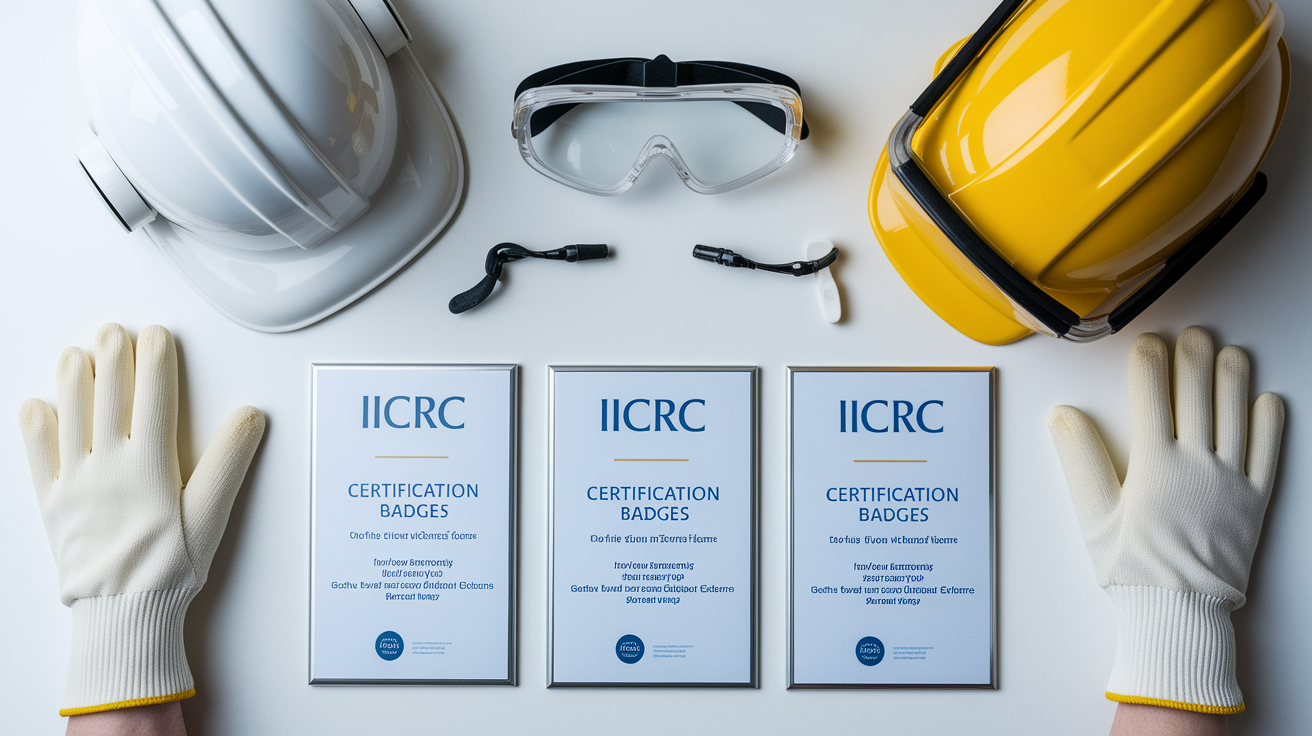
IICRC certification represents the industry gold standard for mold remediation professionals. This certification requires technicians to complete rigorous training in contamination assessment, proper containment procedures, safe removal methods, and moisture control strategies that prevent recurrence.
EPA guidelines, licensing requirements, and insurance verification protect homeowners during remediation projects. Certified companies follow EPA protocols for safe handling and disposal of contaminated materials, maintain state required licenses that demonstrate technical competency and regulatory compliance, carry adequate liability insurance and workers’ compensation coverage, and use eco-friendly antimicrobial solutions that effectively eliminate mold without creating indoor air quality concerns or chemical residues that affect occupants. Proper safety protocols include specialized protective equipment for technicians working in contaminated areas, especially when households include vulnerable individuals like young children, elderly residents, or those with compromised immune systems.
Certification matters because effective remediation requires technical knowledge that goes beyond basic cleaning. Certified technicians understand how mold spreads, which building materials can be salvaged versus replaced, proper containment methods that prevent cross contamination, and moisture control techniques that keep mold from returning after remediation is complete. Attempting DIY black mold removal without this expertise creates serious health risks from mycotoxin exposure and often spreads contamination to previously clean areas.
Always verify that contractors hold current IICRC certification, maintain proper state licensing, and carry adequate insurance before hiring them for remediation work. Licensed, insured, and certified contractors provide the expertise and accountability necessary for safe, effective mold removal that protects both your property and your health.
Understanding Toxic Black Mold and Health Risks

Stachybotrys chartarum, commonly called black mold, is considered the most dangerous household mold type because it produces harmful mycotoxins that trigger serious health problems when inhaled or touched. These toxic compounds cause reactions even in people without existing mold allergies or sensitivities.
Common health symptoms from black mold exposure include weakened immune system making you more susceptible to infections and illnesses, respiratory problems including difficulty breathing, chest tightness, and chronic respiratory infections, chronic coughing that persists even after leaving the affected area, throat irritation causing soreness, scratchiness, and difficulty swallowing, sinus congestion and persistent stuffiness that doesn’t respond to typical treatments, headaches ranging from mild to severe (often worsening in contaminated areas), allergic reactions including sneezing, runny nose, and itchy eyes, and skin and eye irritation causing redness, itching, and burning sensations.
Airborne mold spores spread through microscopic reproduction, with a single colony releasing millions of spores that float through air currents and settle on surfaces throughout your home. These spores survive harsh environmental conditions including dry weather and temperature extremes, remaining dormant until they find moisture and begin growing again. This survival ability makes black mold particularly dangerous because contamination spreads quickly once spores become airborne during disturbance or attempted DIY removal.
Black mold requires specialized safety equipment and respiratory protection during removal. Professional technicians wear full protective suits, respirators with HEPA filters, and protective eyewear to prevent mycotoxin exposure. Without this equipment, removal attempts expose you to dangerous toxin levels that cause immediate symptoms and potential long term health effects.
Vulnerable populations including young children, elderly individuals, pregnant women, and those with compromised immune systems or existing respiratory conditions face increased risks from black mold exposure. These groups should never enter contaminated areas and may need to temporarily relocate during remediation work to avoid health complications.
Moisture Control and Prevention After Mold Removal

Addressing moisture sources is as important as removing the mold itself. Without fixing the underlying water problem, new mold growth will appear within 24 to 48 hours after remediation work is complete, wasting your investment and continuing health risks.
The 24 to 48 hour timeline for mold growth means quick action on water problems is critical. Maintaining indoor humidity between 30 and 50 percent relative humidity prevents conditions that allow mold spores to germinate and begin forming new colonies. Use humidity meters to monitor levels throughout your home, especially in moisture prone areas like basements and bathrooms.
Effective prevention strategies include leak detection and repair addressing plumbing issues, roof leaks, foundation cracks, and appliance malfunctions that introduce moisture. Proper ventilation installation in bathrooms, kitchens, and laundry areas where steam and humidity naturally occur. Dehumidifier use in basements, crawl spaces, and other areas with persistent moisture problems. Humidity monitoring with meters that alert you when levels exceed safe ranges. Condensation management by immediately drying surfaces when you notice water droplets on walls, pipes, or windows. Regular inspections of attics, basements, and crawl spaces to detect moisture problems and early mold growth before significant damage occurs.
Professional remediation services include identifying and addressing underlying moisture problems to prevent mold recurrence. Technicians locate water sources using moisture meters and thermal imaging, recommend specific repairs for leaks and drainage issues, suggest ventilation improvements based on your home’s layout, and verify that moisture levels are within safe ranges before completing final remediation work. This comprehensive approach fixes both the mold problem and its cause, protecting your home long term.
Common Areas Requiring Black Mold Removal in Homes

Certain areas of homes are more vulnerable to black mold development because they combine the moisture, warmth, and organic materials that support rapid growth. Understanding these high risk locations helps you focus inspection efforts and take preventive action.
Basement and Crawl Space Mold Issues
Basements face constant mold challenges from below ground moisture seepage through foundation cracks and porous concrete, poor ventilation that traps humid air with no circulation path, and organic materials like wood beams, cardboard boxes, and stored belongings that provide food for mold growth. Water enters through floor cracks, wall penetrations, and basement windows during heavy rain or snow melt. Once moisture establishes in these areas, the cool temperatures and limited airflow create ideal conditions for black mold colonies to spread across walls, ceiling joists, and stored items.
Attic Contamination and Roof Leaks
Attics are susceptible due to limited ventilation in spaces designed for infrequent access, condensation that forms when warm moist air from living spaces meets cool roof surfaces, and roof leaks from damaged shingles, flashing failures, or ice dams that allow water to penetrate. Attic mold often goes undetected for months because homeowners rarely inspect these spaces until visible ceiling stains or odors alert them to problems. By then, contamination has typically spread across rafters, roof decking, and insulation.
Bathrooms and Kitchens
Bathrooms and kitchens develop mold from multiple water sources including sinks, showers, dishwashers, and refrigerators that can leak without immediate detection. High humidity from daily showers and cooking adds moisture to the air, and inadequate ventilation traps this humid air against walls and ceilings. Food particles, grease, and soap residue provide additional organic material that feeds mold growth. These rooms often have hidden moisture problems behind tile, under sinks, and within wall cavities where small leaks cause extensive damage before visible mold appears.
Regular inspection and maintenance of basements, attics, and moisture prone rooms help detect problems early when remediation is simpler and less expensive. Check these areas monthly for signs of water damage, condensation, or musty odors that indicate developing mold problems.
Insurance Coverage for Professional Mold Remediation
Insurance coverage for mold remediation depends on what caused the contamination. Sudden water damage from burst pipes, storm flooding, or appliance failures is typically covered under standard homeowners policies, while mold from long term neglect, chronic leaks, or poor maintenance usually isn’t.
Documentation requirements support insurance claims and determine coverage eligibility. Take photos and videos of all affected areas showing visible mold, water damage, and contaminated materials before remediation begins. Obtain professional inspection reports with moisture readings, contamination extent assessments, and identification of the water source that caused mold growth. Keep records of when you discovered the problem and how quickly you took action to mitigate damage. This documentation demonstrates that you acted responsibly to prevent worsening and shows the claim stems from a covered event rather than neglected maintenance.
Professional remediation services assist with insurance coordination and claims documentation throughout the process. Experienced companies understand what information insurance adjusters require, communicate directly with claims representatives to explain remediation scope and costs, provide detailed estimates that break down labor and materials, and document work progress with photos that verify proper remediation procedures. This coordination reduces stress during an already difficult situation and helps ensure your claim is processed smoothly.
Review your homeowners policy now to understand coverage limitations before damage occurs. Many policies include specific mold damage caps or exclude certain types of fungal growth. Consider purchasing additional mold coverage riders if you live in high humidity areas or have moisture prone spaces like basements or crawl spaces that face elevated risk.
DIY Black Mold Removal vs. Hiring Professional Services
Small surface mold on non-porous surfaces like glass, metal, or ceramic tiles may be cleaned by homeowners using appropriate protective equipment and cleaning products. Black mold, however, requires professional handling because of serious health risks from mycotoxin exposure and the likelihood of hidden growth that homeowners can’t detect or safely remove.
| DIY Approach | Professional Service |
|---|---|
| Limited to small surface areas less than 10 square feet on non-porous materials | Handles contamination of any size including widespread growth affecting structural materials, multiple rooms, and hidden areas |
| Requires purchasing or renting protective equipment including respirators, protective suits, and eye protection | Technicians arrive with full safety equipment, specialized tools, containment materials, and professional grade antimicrobial products |
| Can’t effectively clean porous materials like drywall, wood, insulation, or carpet where spores penetrate deep into material | Properly removes and replaces contaminated porous materials that can’t be cleaned, preventing hidden mold from regrowing |
| Exposes household occupants to mycotoxins without proper containment and air filtration | Establishes containment barriers and negative air pressure to prevent cross contamination during removal work |
Specific dangers of DIY black mold removal include direct mycotoxin exposure without adequate respiratory protection causing immediate health symptoms and potential long term effects, improper containment that spreads spores to clean areas of your home through air currents and foot traffic, and inability to detect hidden growth behind walls, under flooring, or in ceiling cavities where moisture supports extensive colonies. Attempting to remove visible mold without addressing hidden contamination leaves the problem active, and disturbing established growth releases massive spore quantities that settle throughout your home.
Call professionals immediately rather than attempting DIY removal if you see black mold growth larger than a dinner plate, detect musty odors without visible mold suggesting hidden growth, have known moisture problems in walls or ceilings, notice health symptoms that worsen at home, or discover contamination in heating and cooling systems that could spread spores throughout your house. Professional services protect your health and ensure complete remediation that prevents recurrence.
Restoring Property After Black Mold Removal
Black mold often requires removing and replacing building materials rather than just surface cleaning because spores penetrate deep into porous materials where they can’t be fully eliminated. Attempting to clean heavily contaminated drywall, insulation, or carpeting leaves active mold that regrows once conditions become favorable.
Common restoration work includes drywall replacement where contaminated sections are cut away, removed, and replaced with new drywall that’s taped, textured, and painted to match surrounding surfaces. Subfloor repairs address moisture damaged wood decking under flooring where mold has compromised structural integrity. Ceiling reconstruction replaces water stained or moldy ceiling materials, repairs damaged roof decking in attic spaces, and restores insulation removed during remediation. Trim restoration replaces baseboards, door casings, and window trim affected by moisture and mold growth.
Porous materials like carpets, carpet padding, and insulation typically can’t be salvaged after black mold contamination. Carpet harbors spores deep within fibers and backing materials where cleaning solutions can’t penetrate effectively. Insulation loses its thermal properties when wet and provides ideal conditions for continued mold growth. These materials must be completely removed and replaced to eliminate contamination and restore your home to safe, functional condition.
Restoration steps following mold removal include damaged material removal disposing of all contaminated porous materials that can’t be cleaned, structural integrity assessment evaluating whether moisture has compromised framing, joists, or support members, replacement material installation using new drywall, insulation, flooring, and trim, finish matching ensuring repairs blend with existing textures, colors, and materials, and final painting and sealing applying primers and paints that match your home’s existing finishes.
Choose water damage restoration services that coordinate both remediation and restoration for seamless project completion. Working with one company that handles the complete process eliminates coordination headaches between multiple contractors, ensures consistent quality standards throughout the project, reduces timeline by avoiding gaps between remediation and reconstruction, and provides single point accountability for both mold removal and finish work quality.
Final Words
Professional black mold removal services follow structured protocols from initial inspection through final clearance testing.
Certified technicians use HEPA filtration, containment systems, and antimicrobial treatments to safely eliminate contamination and restore your home.
Costs vary based on affected area size, material types, and necessary repairs, but free estimates provide transparent pricing before work begins.
When you discover black mold, rapid response matters. Local companies with 24/7 availability can assess the situation, contain the spread, and start remediation within hours.
The right team handles everything from moisture control to final restoration, giving you back a safe, healthy home.
FAQ
How much does professional black mold removal typically cost?
Professional black mold removal costs vary significantly based on the affected area size, contamination extent, material types, and location accessibility. Small bathroom patches may cost a few hundred dollars, while extensive basement or attic infestations can reach several thousand dollars including necessary repairs.
Should black mold always be professionally removed?
Black mold should be professionally removed because it produces harmful mycotoxins requiring specialized containment, safety equipment, and certified expertise. DIY attempts risk spreading airborne spores, incomplete removal behind walls, and dangerous exposure without proper respiratory protection and HEPA filtration systems.
What methods kill black mold completely?
Professional antimicrobial treatments combined with complete removal of contaminated porous materials kill black mold completely. HEPA filtration, negative air pressure containment, and proper moisture control prevent recurrence. Simple surface cleaning rarely eliminates black mold from porous materials like drywall and wood.
How long does professional mold remediation take?
Professional mold remediation takes one to two days for small contained areas and several days to weeks for extensive contamination. Timeline depends on affected area size, necessary material removal, drying requirements, and restoration work including drywall replacement and finish matching.
What does a professional mold inspection include?
A professional mold inspection includes visual assessment, thermal imaging, moisture readings, air and surface sampling, and lab testing to identify mold species and contamination levels. Certified inspectors provide detailed written reports with remediation recommendations and cost estimates.
Why is moisture control necessary after mold removal?
Moisture control is necessary after mold removal because mold can regrow within 24 to 48 hours if humidity exceeds 50 percent or water sources remain unaddressed. Professional services identify and repair leaks, improve ventilation, and address underlying moisture problems preventing recurrence.
Does homeowners insurance cover black mold remediation?
Homeowners insurance typically covers black mold remediation when caused by sudden covered events like burst pipes, but excludes mold from long-term neglect or maintenance issues. Professional services provide documentation including photos, moisture readings, and inspection reports supporting insurance claims.
What areas of homes commonly develop black mold?
Basements, attics, bathrooms, and kitchens commonly develop black mold due to moisture sources, poor ventilation, and temperature differences. Below-ground spaces face foundation seepage, attics experience condensation from warm air meeting cool surfaces, and bathrooms have constant humidity from showers.
Can contaminated drywall and carpet be cleaned or must they be replaced?
Contaminated drywall and carpet must typically be replaced because black mold penetrates deep into porous materials where spores and mycotoxins cannot be completely removed. Professional remediation includes cutting away affected drywall and removing carpeting to eradicate all contamination and restore structural integrity.
What certifications should mold remediation companies have?
Mold remediation companies should have IICRC certification, state-specific licensing, liability insurance, and follow EPA guidelines. Certified technicians demonstrate proper training in containment procedures, safety protocols, HEPA filtration systems, and industry-standard remediation practices protecting homeowner health and property.
How quickly should you respond to black mold discovery?
You should respond to black mold discovery immediately by contacting certified professionals within 24 hours. Rapid response prevents spread to additional areas, limits health exposure, and allows moisture extraction before mold establishes deeper growth requiring more extensive material removal.
What happens during the black mold containment process?
During black mold containment, technicians seal affected areas with plastic barriers, establish negative air pressure using HEPA air scrubbers, and shut down HVAC systems preventing spore spread. Containment protects unaffected areas while allowing safe removal of contaminated materials.