


You’ve probably heard bleach kills black mold, and technically, that’s true on the right surfaces. But here’s what most homeowners don’t realize: bleach only works on hard, non-porous materials like tile and glass. On drywall, wood, or carpet, bleach actually makes the problem worse by feeding mold roots with water while only lightening the surface stain. We’ll walk you through when bleach works, how to use it safely with proper protection and ventilation, and when to stop and call a professional instead.
Bleach for Black Mold Removal: Effectiveness and Safe Usage Overview

Yes, bleach kills black mold on non-porous surfaces when you dilute it properly and apply it right. The EPA recognizes bleach as the only registered product proven to kill mold, so it’s a legitimate option for hard surfaces like tiles, glass, bathtubs, sinks, metal, plastics, and varnished wood. Mix ⅓ to 1 cup of household bleach per gallon of water to get the proper dilution ratio (1500 ppm available chlorine solution). This concentration breaks down mold cell structure on contact when the surface stays wet for the required time.
Bleach fails completely on porous materials like drywall, unfinished wood, carpet, and fabric because chlorine can’t penetrate beneath the surface where mold roots spread. On these materials, bleach only lightens surface stains while the water content in the solution actually feeds deeper mold growth. Safe bleach application requires full protective gear: N95 respirator, safety goggles, rubber gloves, and proper ventilation with open windows and running exhaust fans. The CDC emphasizes complete personal protection when handling bleach due to respiratory hazards and skin contact risks.
Call a professional mold remediation company if mold covers more than 10 square feet of surface area (roughly a 3×3 foot section), appears in your HVAC system, or follows major water damage or flooding. Professionals have containment equipment and can identify underlying moisture sources that cause recurring mold problems.
How Bleach Eliminates Mold and Its Surface Limitations
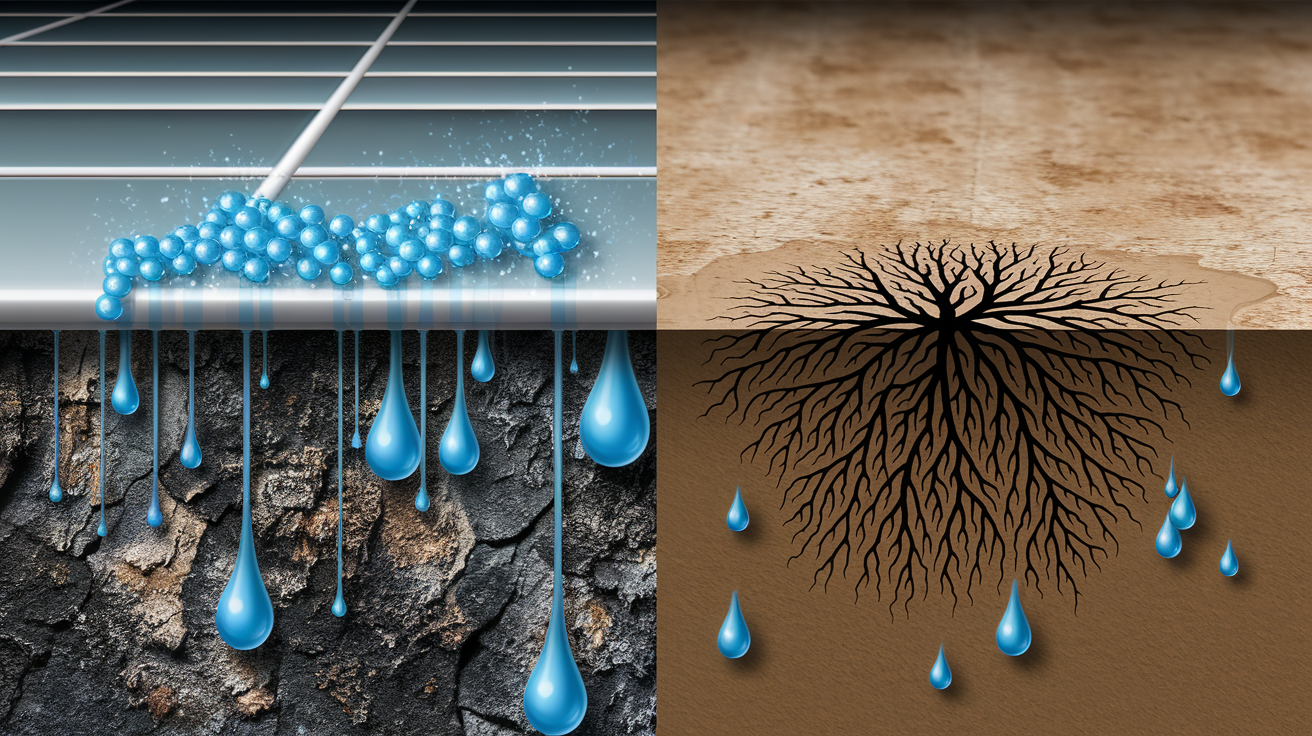
Sodium hypochlorite in bleach breaks down mold cell walls on contact, destroying the organism at a cellular level on hard surfaces. This chemical process makes bleach effective as a surface disinfectant when mold hasn’t penetrated beneath the material. The EPA registration confirms bleach kills mold successfully when applied to non-porous materials where roots can’t establish deep into the substrate.
Non-porous surfaces where bleach works include ceramic tiles, glass shower doors, porcelain bathtubs and sinks, metal fixtures, hard plastics, sealed concrete, and varnished wood surfaces.
The critical limitation appears on porous building materials. Household bleach contains approximately 90 percent water mixed with 10 percent sodium hypochlorite. When you spray or wipe bleach onto drywall, unfinished wood, or carpet, the chlorine evaporates quickly from the surface while the water component absorbs deep into the material. This water penetration feeds mold roots that have spread into the porous substrate searching for nutrients and moisture.
On drywall and wood, bleach lightens or removes visible black staining but leaves the living root system intact beneath the surface. Mold regrows within days or weeks because you’ve only addressed cosmetic appearance, not the actual organism.
OSHA doesn’t recommend bleach for routine mold treatment, and the EPA advises against it due to health risks and material damage concerns. Bleach’s corrosive properties permanently weaken wood fibers and corrode metal surfaces over time. The surface level treatment creates a false sense that you’ve solved the problem when deeper contamination continues spreading unseen.
Materials where bleach should never be used:
- Drywall and sheetrock (mold roots penetrate deep into gypsum)
- Unfinished or unsealed wood surfaces (porous grain structure absorbs water)
- Carpet and fabric materials (fibers trap moisture and mold throughout)
- Ceiling tiles (porous composition allows root penetration)
- Insulation materials (impossible to reach embedded mold)
- Any water damaged building materials where mold has grown for more than 48 hours
Essential Safety Precautions When Using Bleach for Mold

Bleach exposure causes respiratory problems, skin irritation, chemical burns, and eye damage. The fumes alone irritate lung tissue and nasal passages, especially in enclosed spaces without proper ventilation.
Chlorine bleach in gaseous form produces dioxin, a recognized cancer causing compound. Chlorine gas exposure creates a burning sensation on skin, in eyes and nostrils, and directly affects lung function.
Required safety equipment and precautions:
- Rubber gloves (chemical resistant, not latex)
- Safety goggles (sealed eye protection, not regular glasses)
- N95 respirator or face mask (filters airborne particles and fumes)
- Open windows and doors in the work area
- Exhaust fans running continuously during application
- Avoid all skin contact with bleach solution
- Never mix bleach with any other cleaning product
- Work only in well ventilated spaces with active air circulation
Never mix bleach with ammonia, vinegar, acids, drain cleaners, or any other household cleaning product. This combination produces toxic chlorine gas that can be fatal in enclosed spaces. Mixing chlorine bleach with ammonia based cleaners creates an immediate chemical reaction releasing gas that causes severe respiratory distress, lung damage, and death in high concentrations. Even small amounts of chlorine gas in a bathroom or basement can overwhelm you quickly because the fumes are heavier than air and concentrate at breathing level.
Complete Step by Step Process for Black Mold Removal with Bleach

Following the proper sequence with correct dilution ratios ensures effective mold killing on appropriate surfaces and reduces safety risks during application.
Prepare the Work Area
Open all windows in the room and turn on exhaust fans to create continuous air circulation. Put on your N95 respirator first, then safety goggles, then rubber gloves before handling any bleach. Move furniture, decorations, and other items away from the moldy surface. Cover floors with plastic sheeting or old towels if you’re working on walls or ceilings to catch drips. Check that your ventilation is actually moving air out of the space, not just circulating it around the room.
Pre-Clean the Moldy Surface
Wipe away loose mold and surface debris with a damp cloth before applying bleach solution. This pre-cleaning removes the bulk of visible growth so the bleach can reach the actual surface underneath. Test your bleach solution on a small inconspicuous area first, especially on colored tiles, painted surfaces, or any material you’re uncertain about. Wait five minutes to check for discoloration, surface damage, or unwanted bleaching effects before treating the entire moldy area.
Mix the Bleach Solution Correctly
Pour one gallon of cool water into a large bucket. Measure ⅓ to 1 cup of fresh household bleach (not old bleach that’s been sitting in your garage for years) using a measuring cup. Add the bleach to the water, never water to bleach, to prevent splashing concentrated bleach. Stir gently with a long handled spoon. Mix this solution fresh each time you treat mold because bleach degrades quickly when diluted with water, losing effectiveness within hours. Pour the solution into a clean spray bottle or prepare a sponge for application, depending on the surface size and location.
Apply Solution and Maintain Contact Time
Spray or wipe the bleach solution generously across all visible mold stains until the surface is completely wet. The surface must stay wet for 10 full minutes to kill mold effectively. If the solution dries or runs off before 10 minutes pass, reapply immediately to maintain contact. Use a scrub brush on stubborn mold stains, applying firm pressure while the surface is still wet with bleach solution. For ceiling mold, apply carefully to avoid excessive dripping, and wear eye protection positioned correctly because solution will run down your arms.
Rinse and Dry Thoroughly
After the 10 minute contact time, rinse the treated area with clean water using a fresh cloth or sponge. Wipe down the entire surface to remove bleach residue, which can damage materials if left to sit. Allow complete air circulation for thorough drying. Open windows and keep exhaust fans running for at least an hour after treatment. Optionally, position a regular fan (not pointed directly at the treated surface) to speed drying time. Check the area the next day to confirm the surface dried completely and no moisture remains.
Health Risks of Black Mold Exposure and Toxic Mold Concerns

Black mold releases microscopic spores into your home’s air, compromising indoor air quality and triggering respiratory problems and allergic reactions in occupants. These airborne spores circulate through rooms, settle on furniture and clothing, and get inhaled during normal breathing.
Common health symptoms from black mold exposure include persistent coughing, wheezing, nasal congestion, eye irritation and redness, skin rashes and irritation, headaches, and fatigue. Individuals with existing asthma, allergies, or compromised immune systems experience more severe reactions, including asthma attacks, chronic sinus infections, and prolonged respiratory distress. Young children and elderly family members face higher risk from mold exposure because their immune systems are more vulnerable. Water damage situations that led to mold growth require professional assessment to determine the full extent of contamination and prevent ongoing health impacts.
Even dead mold continues producing toxic spores after you’ve killed it with bleach. This means surface treatment that only lightens the color without complete removal still leaves health hazards in place. Complete mold removal, not just cosmetic color change, protects your family’s health and indoor air quality.
Alternative Solutions to Bleach for Mold Removal

While bleach remains the only EPA registered mold killer, several household alternatives offer different effectiveness profiles and improved safety characteristics for users concerned about bleach hazards.
| Alternative Solution | Application Method | Best For | Limitations |
|---|---|---|---|
| White Vinegar | Spray undiluted, wait 1 hour, wipe clean | Porous surfaces, routine cleaning | Not EPA proven, damages natural stone |
| Hydrogen Peroxide (3%) | Spray on surface, wait 10 minutes, scrub and wipe | Fabrics, porous materials, colored surfaces | May bleach some materials, test first |
| Baking Soda Paste | Mix with water, apply paste, scrub, rinse after 10 minutes | Gentle cleaning, deodorizing, safe for most surfaces | Less effective on heavy growth, requires elbow grease |
| Commercial Mold Cleaners | Follow product instructions for dilution and contact time | Specific formulations for different surfaces | More expensive, varying effectiveness, check ingredients |
White vinegar destroys 82 species of mold and doesn’t emit toxic fumes during application, making it a safer choice for extended cleaning sessions or when working in spaces with limited ventilation. Vinegar works better than bleach on porous surfaces because its mild acidity penetrates slightly into materials without the moisture problems bleach creates. However, vinegar lacks EPA testing and proven effectiveness standards that bleach meets. Never use vinegar on granite countertops, marble surfaces, or other natural stone because the acid etches and permanently damages these materials.
When to Call Professional Mold Remediation Instead of DIY

The EPA and industry standards establish 10 square feet as the threshold where mold contamination requires professional remediation rather than DIY treatment. This measurement roughly equals a 3 foot by 3 foot section of wall or ceiling. Mold covering larger areas indicates deeper moisture problems, extensive contamination, and risks of cross contamination during amateur removal attempts.
Professional mold remediation includes comprehensive mold testing to identify species and spore counts, proper containment using plastic barriers and negative air pressure to prevent spores spreading to clean areas, determining the full extent of growth including hidden mold behind walls, identifying and repairing the moisture sources causing growth, complete removal using appropriate techniques for each material type, and final air quality testing to confirm safe spore levels. Professionals understand how mold spreads through building cavities and HVAC systems, allowing them to address problems homeowners can’t see or reach. Fire and smoke damage restoration professionals use similar containment and assessment methods to evaluate damage extent and implement proper removal protocols.
Situations requiring professional help:
- Mold covering more than 10 square feet of any surface
- Mold growth inside HVAC systems or ductwork
- Mold appearing after major water damage, flooding, or sewage backup
- Recurring mold growth that returns after DIY treatment
- Mold on structural materials like floor joists, studs, or roof decking
- Health symptoms worsening despite surface cleaning efforts
- Uncertainty about mold type, whether it’s toxic, or full extent of infestation
Professionals prevent spore spreading through proper containment techniques and controlled removal methods. DIY attempts often make contamination worse by disturbing mold colonies without containment, releasing thousands of spores that settle in previously clean areas throughout your home. Never place a running fan in front of moldy surfaces because it blows spores into unaffected rooms, spreading the problem exponentially.
Preventing Black Mold Regrowth After Bleach Treatment

Bleach treatment provides only temporary cosmetic results unless you identify and eliminate the moisture source feeding mold growth in that location.
Prevention strategies:
- Fix all leaks immediately in pipes, roofs, windows, and plumbing fixtures
- Use dehumidifiers in damp areas to maintain humidity levels below 50 percent
- Run exhaust fans during showers and cooking, then for 20 minutes after
- Improve ventilation in bathrooms, kitchens, basements, and crawl spaces
- Wipe down wet surfaces promptly after showers or condensation appears
- Repair water damage within 24 to 48 hours to prevent mold establishment
- Inspect walls, ceilings, and corners regularly for condensation or damp spots
- Ensure proper drainage around your foundation directs water away from the house
- Clean and maintain gutters so water doesn’t overflow near walls
Mold requires moisture to grow and survive. Controlling indoor humidity levels and addressing water damage quickly are the only long term solutions that prevent regrowth after any surface treatment method. If mold keeps returning to the same spot after bleach treatment, the underlying moisture problem remains unfixed. Check for hidden leaks inside walls, condensation from temperature differences, poor ventilation trapping humid air, or exterior water penetration through foundation cracks or damaged roofing. Surface treatment without moisture control wastes time and money while mold continues spreading behind the scenes.
Final Words
Bleach works for black mold removal on hard surfaces like tiles and tubs when mixed correctly and used safely.
But it fails on porous materials where mold roots penetrate deep.
The real key isn’t just killing visible mold. It’s fixing the moisture source that caused it and knowing when the job is too big for DIY treatment.
If you’re dealing with mold larger than 10 square feet, recurring growth, or damage inside walls, call professionals who can test, contain, and restore your home properly.
FAQ
Does bleach kill black mold permanently?
Bleach kills black mold on hard, non-porous surfaces like tiles and glass, but it does not permanently eliminate mold on porous materials like drywall or wood. On porous surfaces, bleach only removes surface stains while the water content feeds mold roots beneath, causing regrowth within days or weeks.
When should I call a professional instead of using bleach on mold?
You should call a professional mold remediation company when mold covers more than 10 square feet, appears in HVAC systems, or follows major water damage. Professionals use proper containment, determine mold type, identify moisture sources, and restore air quality without spreading spores throughout your home.
What safety gear do I need when using bleach for mold removal?
Safety gear for using bleach on mold includes an N95 respirator, safety goggles, and rubber gloves. Work with windows open and exhaust fans running for ventilation. Never mix bleach with ammonia or other cleaners, as this creates toxic chlorine gas that can cause serious injury.
What is the correct bleach dilution ratio for killing mold?
The correct bleach dilution ratio for killing mold is one-third to one cup of household bleach per gallon of water. Apply this solution to the moldy surface and keep it wet for a full 10 minutes to effectively break down mold cells on non-porous surfaces.
Why does bleach fail to remove mold from drywall and wood?
Bleach fails on drywall and wood because it is 90 percent water, so chlorine evaporates from the surface while water penetrates deep into porous materials. This moisture actually feeds mold roots beneath the surface, causing regrowth while only bleaching visible stains. The mold root system stays intact and continues spreading.
Can I use vinegar instead of bleach to kill black mold?
Vinegar can destroy 82 species of mold and does not emit toxic fumes like bleach, making it safer for home use. However, vinegar is not EPA-registered as a proven mold killer, can damage natural stone surfaces like granite or marble, and may be less effective than bleach on hard surfaces.
What health risks does black mold exposure cause?
Black mold exposure causes respiratory problems, allergic reactions, coughing, wheezing, eye irritation, and skin rashes. Even dead mold produces toxic spores that compromise indoor air quality. Sensitive individuals can experience more severe reactions, which is why complete removal matters, not just color change.
How do I prevent mold from coming back after bleach treatment?
Mold prevention after bleach treatment requires fixing all leaks immediately, maintaining humidity below 50 percent with dehumidifiers, and running exhaust fans during showers. Regular inspection for condensation, prompt repair of water damage, and improved ventilation in bathrooms and basements stop moisture that feeds mold growth.
Which surfaces should never be cleaned with bleach for mold?
Surfaces that should never be cleaned with bleach for mold include drywall, unfinished wood, carpet and fabric, ceiling tiles, insulation, and any water-damaged building materials. Bleach’s corrosive properties damage wood fibers, corrode metal surfaces, and the water content feeds mold roots in porous materials, worsening the problem.