
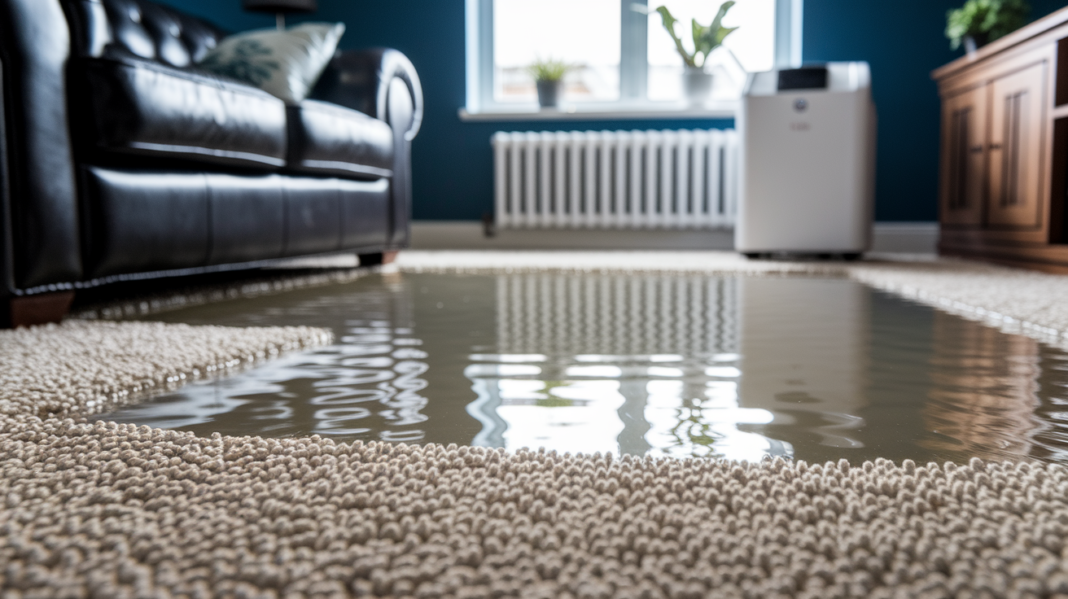

Think you can always save a soaked carpet? Not even close.
What matters most is where the water came from and how fast you act.
Clean supply water gives you the best shot if you extract and start drying within 24 to 48 hours.
Greywater needs faster action and probably new padding.
If the flood brought sewage or the carpet sat wet past 72 hours, replacement is the safer, smarter choice.
This post walks you through the quick checks and steps so you can decide right away.
Immediate Guidance for Flood Damaged Carpet Salvage Decisions

Whether you can save flood damaged carpet comes down to two things: what kind of water soaked it and how fast you move. Category 1 clean water (think burst pipe or fresh rainwater) gives you the best shot if you can pull the water out and dry everything within 24 to 48 hours. Category 2 greywater (cloudy runoff from appliances or groundwater) can work if you’re really fast and you ditch the padding. Category 3 blackwater (sewage, river floods, storm surge) almost never allows salvage because the pathogens make cleaning unsafe.
Salvage makes sense when the carpet’s under five years old, the water was clean, and you started drying within hours of the flood. Once you’ve got extraction and drying gear running, you’ve got 48 to 72 hours to finish before mold sets up shop in the backing and pad. Carpets that were already beat up, faded, or splitting at the seams before the flood rarely justify the work, even if the water was clean.
You can’t save carpet if it sat wet longer than 48 to 72 hours, if the water had sewage or chemicals in it, or if you’re already seeing mold on the backing or smelling stubborn odors after cleaning. At that point replacement is safer, faster, and often cheaper than trying to sanitize materials that are already compromised.
Check these right away:
- Water source and category. Figure out if it was clean supply water, appliance runoff, or sewage.
- Time wet. Note when flooding started. More than 72 hours and you’re likely looking at replacement.
- Visible mold or strong odor. If either’s present, don’t try to salvage.
- Carpet age and condition. Older or already damaged carpet rarely survives restoration.
- Pad saturation. If padding’s soaked or contaminated, plan to replace it even if the carpet might be saved.
How to Identify Water Category and Contamination Sources in Flooded Carpets
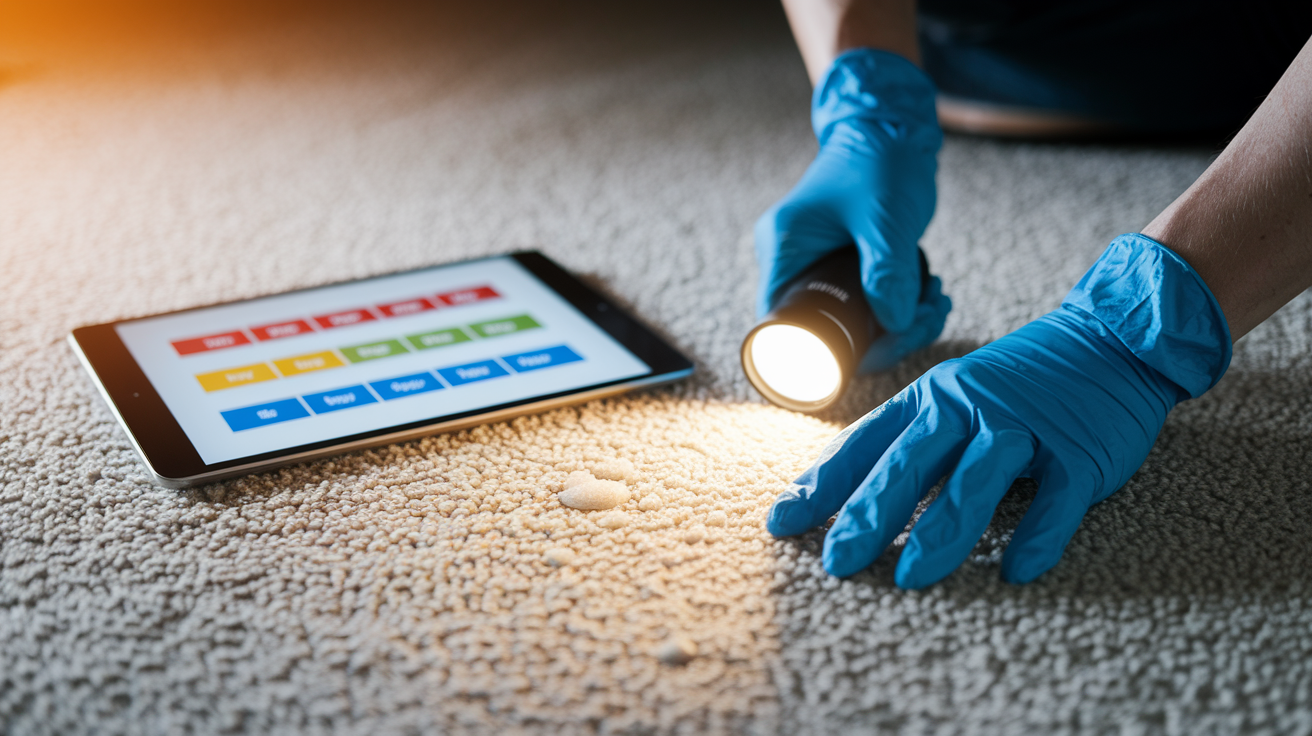
Knowing the contamination level tells you if restoration’s safe and legal. Clean water can be dried and disinfected. Contaminated water leaves bacteria, chemicals, and pathogens that normal cleaning can’t touch. Guess wrong and you risk health problems plus wasted effort.
Visual clues help but aren’t always enough. Clear water doesn’t guarantee safety. Rising groundwater can carry soil bacteria and still look clean. Odor’s more reliable: fresh water has no smell, greywater often smells musty or soapy, and blackwater carries a sharp sewage or chemical stench. Residue matters too. Look for dirt, grease, fecal matter, debris, or discoloration on carpet fibers and backing.
If you’re uncertain, treat the water as one category worse than it looks. Use a flashlight to inspect the carpet backing and pad for staining or particles. Moisture meters find hidden saturation but won’t detect contamination. Swab tests and lab analysis exist but take days. Most homeowners make the call based on source, appearance, and smell.
Before touching wet carpet, wear nitrile gloves, waterproof boots, eye protection, and an N95 or P100 respirator. Turn off electricity in the affected area if floors are wet. Don’t walk on saturated carpet more than you have to. It damages fibers and spreads contaminants.
Recognizing Category 1 Clean Water
Category 1 water is clear, odorless, and comes from sanitary sources: broken supply lines, leaking faucets, melting ice, or fresh rainwater that came through a roof leak before touching soil or debris. If you can trace the water straight to a clean pipe or recent precipitation and the carpet shows no discoloration or smell, it’s Category 1. This is the only category where homeowners can safely try DIY salvage if they move within hours.
Recognizing Category 2 Greywater
Category 2 water looks cloudy or slightly dirty and may smell musty, soapy, or stale. Common sources include dishwasher overflows, washing machine discharge hoses, sump pump backups, aquarium breaks, and groundwater seepage through foundation cracks. The water has organic matter, detergents, or soil but no raw sewage. Greywater can turn into Category 3 if it sits longer than 48 hours, so speed’s critical. Salvage is possible with professional grade extraction and EPA registered disinfectants, but padding almost always needs replacing.
Recognizing Category 3 Blackwater
Category 3 water is heavily contaminated with sewage, chemicals, or outdoor floodwater. You’ll smell it. A sharp, foul odor that doesn’t fade. Visible signs include fecal matter, toilet paper, dirt, leaves, oil, or industrial residue. Sources include sewer backups, river or ocean flooding, storm surge, and any water that flowed across soil or pavement for more than a short distance. Don’t try to clean or salvage carpet exposed to blackwater. Both carpet and padding need removing and disposal as contaminated waste. Walking on it without full PPE is a health risk.
Detailed Carpet Salvage Assessment: Fibers, Backing, and Padding

Start by inspecting the carpet face. Run your hand across the pile. If fibers feel slimy, gritty, or leave residue on your glove, contamination’s penetrated deep and cleaning might not work. Check for color bleeding, permanent staining, or a matted texture that doesn’t spring back when you lift it. Synthetic fibers like nylon and polyester handle moisture better than natural wool, but all carpets lose strength when saturated.
Next, lift a corner at the wall and look at the backing. Healthy backing is firm and tightly bonded to the face fibers. If you see delamination (separation between the primary and secondary backing layers), or if the backing feels soft, crumbly, or tears easily, the carpet can’t be reinstalled safely. Seams that have separated or bubbling in the face are automatic disqualifiers. These defects will get worse after drying, leaving wrinkles and trip hazards.
Pull the carpet back farther to expose the padding. Squeeze it. Saturated padding releases water when compressed and rarely dries without trapping odors and mold. Padding exposed to Category 2 or 3 water needs cutting out and discarding. Even with clean water, padding that stayed wet longer than 24 hours is a mold risk. If the padding’s compressed into a flat, dense mat or shows dark stains, replacement’s required.
Replacement is certain if you find backing separation, visible mold on fibers or backing, persistent sewage or chemical odor after extraction, or if the carpet was already worn or older than eight to ten years before the flood. Salvage may succeed if the carpet’s under five years old, the backing’s intact, water was Category 1, and you can finish drying within 48 hours.
Signs the carpet’s salvageable:
- Water source was Category 1 clean water
- Carpet’s under five years old with minimal prior wear
- Backing remains bonded and doesn’t tear or crumble
- No visible mold growth on face, backing, or pad
- Odor is mild and fades after extraction
- You can start drying within 6 to 12 hours of flooding
DIY Flood Damaged Carpet Salvage Steps for Homeowners
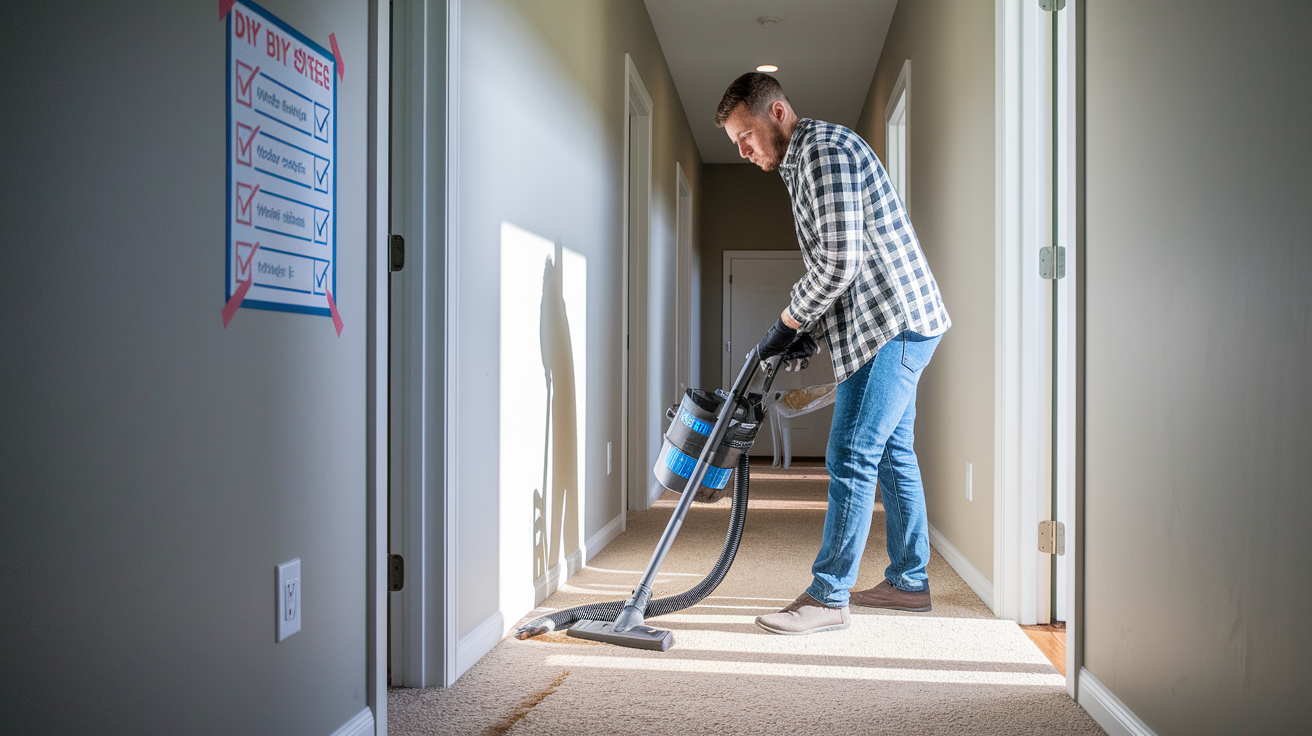
DIY salvage only makes sense for small areas flooded with Category 1 water if you own or can rent commercial extraction and drying equipment. Household tools (towels, box fans, shop vacuums) are useful for immediate stopgap work but can’t finish the job. If the affected area’s larger than 200 square feet, the water is Category 2 or 3, or you don’t have proper equipment, call a licensed restoration company.
-
Ensure safety first. Turn off electricity to the flooded area at the breaker panel if standing water’s present. Put on PPE: N95 or P100 respirator, nitrile gloves, waterproof boots, and eye protection.
-
Stop the water source. Shut off the supply valve, fix the leak, or block further intrusion. If you can’t stop it, evacuate and call professionals.
-
Document the damage. Take photos and video of the flooded area, carpet surface, visible water line, and any damaged contents before you move anything. Note the time flooding began and the suspected water category.
-
Remove furniture and contents. Move everything off the wet carpet to a dry area. Don’t store wet items on top of dry carpet or against walls.
-
Extract standing water. Use a wet/dry vacuum or rent a carpet extractor. Work in overlapping passes, moving slowly to allow maximum suction. For standing water deeper than one inch, use a sump pump or call pros with truck mounted extraction.
-
Lift the carpet. Starting at a corner, pull the carpet free from tack strips. Roll it carefully. Don’t fold wet carpet or it’ll crease permanently. Prop the roll on blocks or sawhorses to expose the underside to airflow.
-
Remove and discard the padding. Cut soaked padding into manageable sections. Bag it and dispose of it immediately. Don’t try to dry and reuse padding.
-
Clean and sanitize the subfloor. Vacuum debris, then mop with an EPA registered disinfectant if the water was Category 2. Allow the subfloor to dry completely before reinstalling carpet. Check moisture levels with a meter.
-
Set up drying equipment. Place 2 to 4 air movers per room, angled to blow across the carpet face and backing. Run one commercial dehumidifier. Monitor humidity with a hygrometer. Target relative humidity below 50 percent.
-
Monitor and decide. Check moisture readings daily. Drying should be complete within 48 to 72 hours. If the carpet smells musty, shows mold, or doesn’t dry in that window, don’t reinstall it. Replace the carpet and padding.
Drying Techniques and Structural Moisture Control for Flood Damaged Carpet Salvage

Effective drying requires controlling temperature, humidity, and airflow. Set your HVAC to maintain 70 to 80 degrees if possible. Warmer air holds more moisture and speeds evaporation. Air movers create turbulence across wet surfaces, breaking up the boundary layer of saturated air. Dehumidifiers pull moisture from the air so it doesn’t redeposit onto materials. Both pieces of equipment need running continuously until moisture readings stabilize.
Position air movers to blow directly onto the carpet backing if the carpet’s lifted, or across the face if it remains in place. Space units evenly and avoid stacking airflow in one corner. For a typical 200 square foot room, use two to four air movers. Larger rooms or multi room jobs may need six or more units. Run at least one commercial dehumidifier rated for 50 to 70 pints per day. Residential units are too small for flood work. Empty collection tanks or connect a hose to a drain so the unit runs without interruption.
Check progress every 12 hours using a moisture meter on the carpet backing, pad area, and subfloor. Relative humidity in the room should drop below 50 percent within the first 24 hours and stay there. If readings plateau or rise, increase airflow or add another dehumidifier. Drying typically takes 24 to 72 hours with proper equipment. Longer timelines increase mold risk and reduce salvage success.
| Equipment | Typical Quantity | Purpose |
|---|---|---|
| Air movers | 2–6 per room | Creates airflow to accelerate evaporation from carpet and subfloor |
| Commercial dehumidifier | 1 per 500–1,000 cu ft | Removes moisture from air to prevent reabsorption and speed drying |
| Moisture meter | 1 | Measures moisture content in carpet backing and subfloor to confirm dryness |
| Hygrometer | 1 | Monitors relative humidity in the room; target below 50% |
Cleaning, Sanitizing, and Odor Removal for Water Damage Carpet Restoration
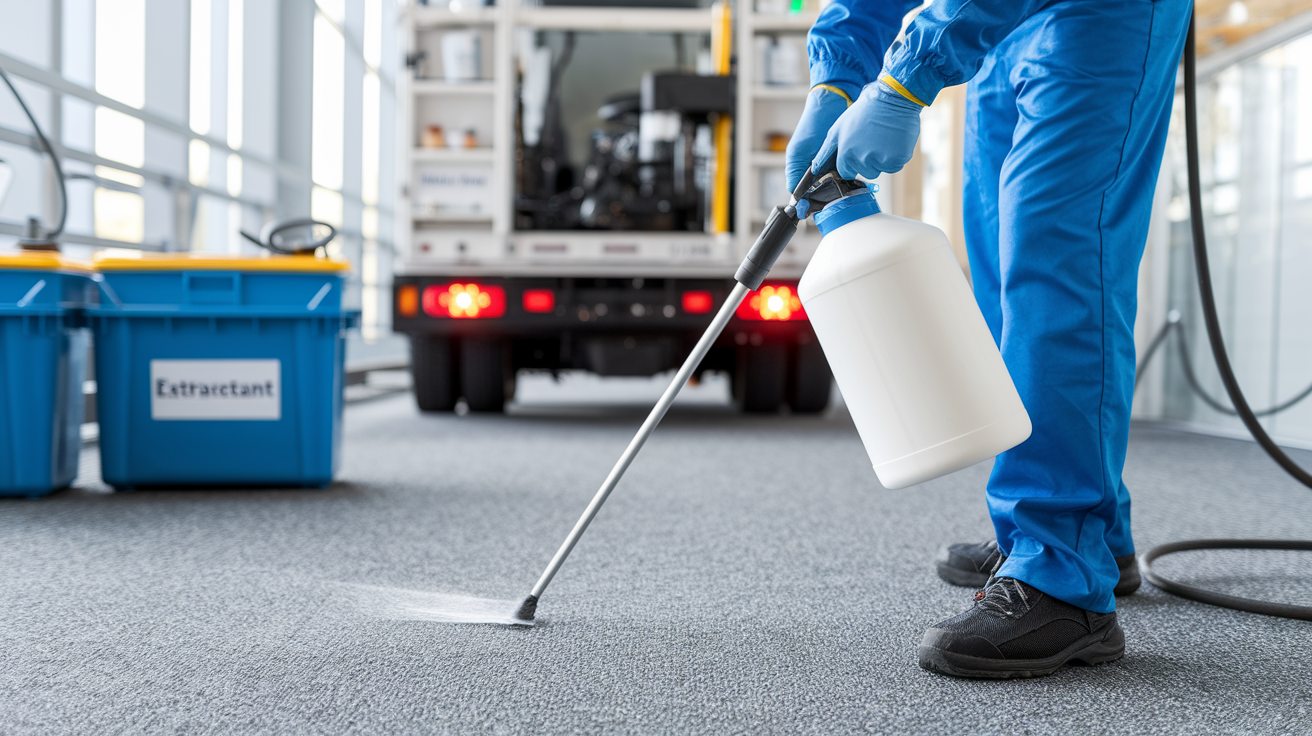
Once water’s extracted and drying’s underway, the carpet needs cleaning to remove dirt, bacteria, and odors. For Category 1 clean water, hot water extraction with quality detergent is usually enough. Rent a carpet cleaning machine or hire a service that uses truck mounted equipment. Make slow, overlapping passes and extract as much rinse water as possible. Follow with a light application of an EPA registered antimicrobial if you want, but it’s not always required for clean water.
Category 2 greywater demands more aggressive treatment. After hot water extraction, apply an EPA registered disinfectant labeled for porous surfaces. Follow the manufacturer’s dwell time (usually 10 to 15 minutes), then extract again. Don’t skip the second extraction or you’ll leave chemical residue that attracts dirt. Avoid household bleach on colored carpet. It causes fading and doesn’t penetrate backing effectively. Use products designed for textiles.
Category 3 blackwater carpet can’t be cleaned or sanitized. The contamination’s too deep and the health risk too high. Remove the carpet and padding, bag them as contaminated waste, and dispose according to local regulations. Disinfect the subfloor thoroughly and let it dry before installing new flooring.
Safe cleaning products and methods for salvageable carpet:
- Hot water extraction with low residue detergent (Category 1 and 2)
- EPA registered antimicrobials labeled for water damage restoration (Category 2)
- Enzymatic cleaners for organic stains and odors (Category 1 only)
- HEPA vacuuming after drying to capture residual dust and spores
- Avoid ozone generators unless the space is unoccupied and ventilated afterward. Ozone’s a respiratory irritant.
Mold Prevention and Monitoring During Flood Damaged Carpet Salvage

Mold spores are everywhere, but they only colonize when moisture, oxygen, and organic material are present together for 24 to 48 hours. Carpet backing, padding, and the dust trapped in pile fibers provide plenty of food. If relative humidity stays above 60 percent or materials remain wet past 72 hours, mold growth’s almost certain. Once mold takes hold, it spreads rapidly and releases spores that contaminate the entire room.
Keep indoor humidity below 50 percent throughout the drying process and for at least two weeks afterward. Use your hygrometer to verify conditions daily. After the carpet’s dry and reinstalled, inspect baseboards, seams, and the underside weekly for the first month. Look for discoloration, fuzzy growth, or a musty smell that returns. If any of these appear, pull the carpet back and check the subfloor and backing. Small patches of mold can sometimes be cleaned with antimicrobial and HEPA vacuuming, but widespread growth means the salvage failed.
Health risks from moldy carpet include coughing, eye irritation, skin rashes, and worsening asthma or allergies. Immunocompromised individuals, young children, and the elderly are at higher risk. If anyone in the household develops respiratory symptoms after carpet reinstallation, inspect for hidden mold immediately and consider professional testing.
Professional Restoration vs DIY Carpet Salvage: When to Call Experts

Professionals bring industrial extraction equipment, moisture mapping tools, thermal imaging cameras, and the experience to assess hidden damage you can’t see. Truck mounted extractors pull far more water than portable machines. Moisture meters and infrared cameras locate trapped water in subfloors, walls, and padding. Restoration techs can also document the entire process with photos, readings, and written logs that satisfy insurance adjusters and reduce claim disputes.
Call a licensed restoration company if the flooded area’s larger than 200 to 300 square feet, the water is Category 2 or 3, you see visible mold, or you don’t own commercial drying equipment. Professionals are also necessary when the subfloor is plywood or particleboard and may be compromised, when electrical systems were submerged, or when insurance requires third party verification of damage and mitigation. Trying to cut costs with DIY work on a large or contaminated job often backfires. Mold, odors, and incomplete drying lead to full replacement later at much higher expense.
DIY’s appropriate only for small, clean water incidents where you can start extraction within hours and have access to the right tools. Even then, rent commercial air movers and a dehumidifier instead of relying on box fans. If you’ve got any doubt about water category, timeline, or your ability to finish drying in 48 to 72 hours, make the call.
What Professionals Do Beyond DIY Capacity
Licensed restorers perform moisture mapping to identify all affected materials, including those behind walls and under flooring. They use thermal imaging to locate temperature differentials that indicate trapped water. Monitoring logs track humidity, temperature, and moisture content at multiple points throughout the drying cycle, creating a documented timeline that proves due diligence for insurers. Pros also apply hospital grade disinfectants and antimicrobials not available to consumers, and they understand dwell times, dilution ratios, and safe application methods. If hidden damage appears during the job (like soaked drywall or floor joists), they adjust the scope and notify your adjuster immediately, preventing coverage disputes later.
Cost Comparison: Flood Damaged Carpet Salvage vs Replacement
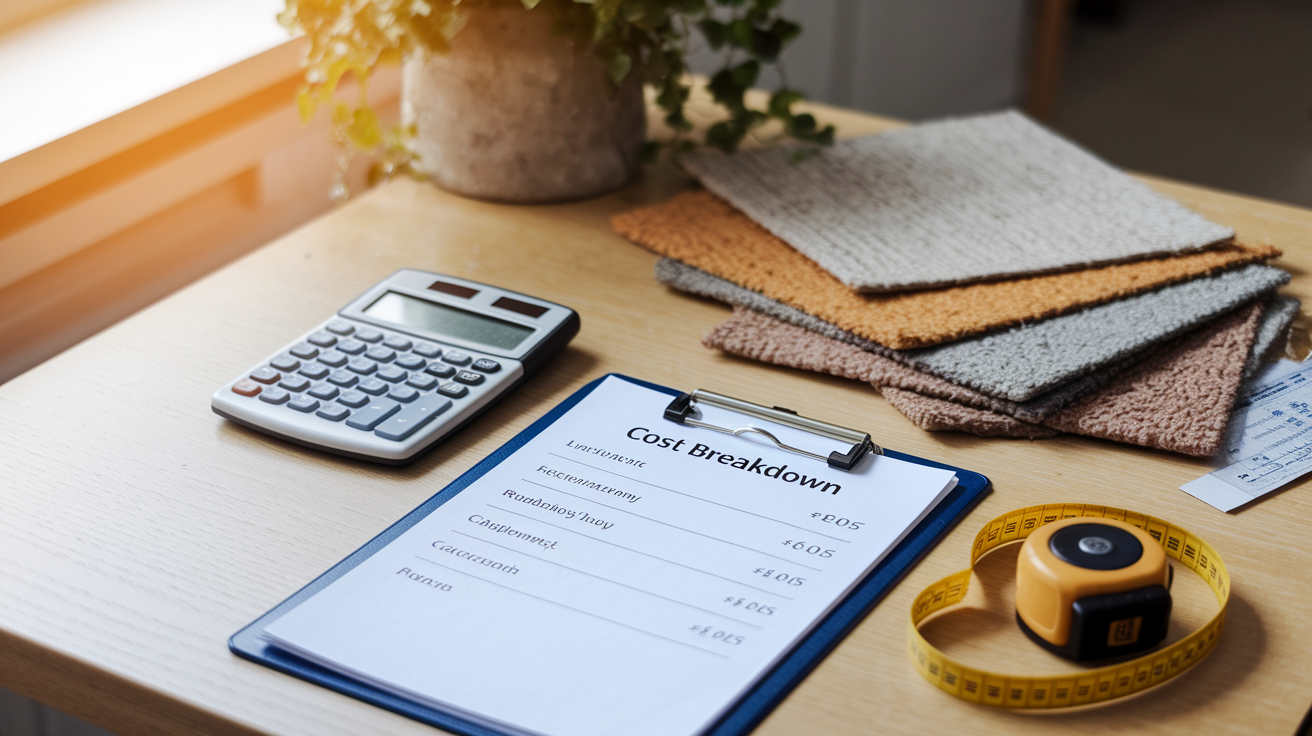
Restoration costs depend on water category, affected area, and how fast you act. Professional water extraction and cleaning for a moderately damaged room typically runs $1.00 to $4.00 per square foot, including equipment rental, labor, antimicrobials, and disposal of padding. Padding replacement alone costs $0.50 to $1.50 per square foot. A 200 square foot room might cost $200 to $800 to restore if the water was Category 1 and you called within hours.
Carpet replacement ranges from $3.00 to $12.00 per square foot installed, depending on fiber type and quality. Budget polyester or olefin starts around $2.00 to $4.00 per square foot plus $1.00 to $3.00 for installation. Mid range nylon or wool blends run $4.00 to $8.00 per square foot, and premium products exceed $8.00. For the same 200 square foot room, replacement costs $600 to $2,400. Restoration looks cheaper on paper, but only if the carpet’s salvageable and drying succeeds. Failed salvage attempts waste money and delay the inevitable replacement.
Calculate total cost by adding extraction, cleaning, padding replacement, and any subfloor repairs, then compare that to full replacement. If restoration costs exceed 60 to 70 percent of replacement and the carpet was already five years old or showed wear before the flood, replacement usually makes more sense. You’ll get a fresh warranty, better appearance, and no risk of lingering odors or hidden mold.
| Service | Typical Cost Range | Notes |
|---|---|---|
| Professional extraction & cleaning | $1.00–$4.00 per sq ft | Includes labor, equipment, antimicrobials; varies by water category and severity |
| Carpet padding replacement | $0.50–$1.50 per sq ft | Material and labor; required for most Category 2 incidents |
| Carpet replacement (installed) | $3.00–$12.00 per sq ft | Range reflects budget polyester to premium nylon or wool |
| Example 200 sq ft restoration | $200–$800 | Category 1, fast response, padding replaced |
Insurance Documentation and Claims for Flood Damaged Carpet Salvage

Insurance companies require proof of damage, proof of prompt mitigation, and itemized costs. Start documentation the moment you discover flooding. Take wide angle photos showing the entire affected area, then close ups of water lines on walls, soaked carpet, and any damaged contents. Record video while walking through the space and narrating what you see. Note the date, time, and suspected cause. Save these files in multiple locations.
Contact your insurer within 24 to 48 hours. Many policies include a “duty to mitigate” clause that requires you to stop further damage as soon as it’s safe to do so. Delayed action can reduce or void your claim. Ask whether the policy covers water damage or requires separate flood insurance. The distinction matters. Standard homeowners policies cover sudden internal water events like burst pipes but exclude rising water from rivers, storm surge, or sewer backups unless you purchased additional riders.
Keep every receipt: equipment rentals, cleaning supplies, contractor invoices, disposal fees, and temporary lodging if you had to leave the home. Request written estimates from at least two restoration companies. If you hire a contractor, make sure they’re licensed, insured, and provide itemized scopes of work. Insurers trust documentation from certified restorers more than DIY claims, so professional invoices and moisture logs strengthen your position.
Essential documentation items:
- Date and time stamped photos and video taken before mitigation begins
- Written description of the water source and category
- Floor plan or sketch showing affected rooms and square footage
- Contractor estimates and final invoices with line item costs
- Receipts for all purchased or rented equipment, materials, and disposal
Basement and Crawlspace Issues Affecting Flood Damaged Carpet Salvage
Concrete slab foundations and below grade rooms present special drying challenges. Concrete’s porous and holds moisture for weeks, even after the carpet appears dry on top. Water migrates up through the slab via capillary action, re-wetting padding and backing from below. If the slab wasn’t sealed with a vapor barrier during construction, long term drying may be impossible without removing the carpet entirely.
Crawlspace humidity also sabotages salvage efforts. Even if you dry the carpet and subfloor, high ambient moisture in an unvented or damp crawlspace will keep relative humidity above 60 percent in the room above. Mold can colonize the underside of flooring and carpet backing without ever appearing on the surface. Before reinstalling carpet over a crawlspace, verify that the space is dry, vented, and free of standing water. Consider a crawlspace dehumidifier if the problem’s chronic.
Always check subfloor moisture with a meter before reinstalling carpet, especially on concrete or over crawlspaces. Readings should match the baseline for your climate (typically 12 to 15 percent moisture content for wood subfloors, and relative humidity below 50 percent at the surface of concrete). If readings are elevated, continue drying or investigate hidden sources like foundation leaks or poor drainage. Reinstalling carpet over wet subfloor guarantees mold, buckling, and odor problems within weeks.
Environmental Disposal and Recycling Options for Unsalvageable Carpet
Category 3 blackwater contaminated carpet and padding need handling as hazardous waste in many jurisdictions. Bag the material in heavy duty plastic, seal it, and label it if required by local codes. Contact your municipal waste authority or a licensed disposal company to confirm whether the material can go to a standard landfill or requires special handling. Don’t leave contaminated carpet at the curb without checking regulations.
Even Category 1 and 2 carpet that can’t be salvaged creates disposal challenges. Wet carpet’s heavy, difficult to handle, and takes up significant landfill space. Some areas restrict wet waste or require it to be dried before disposal. Cut carpet and padding into manageable sections, roll them tightly, and secure with tape or twine. If the material’s not contaminated, ask whether your waste hauler accepts it or if you need to rent a dumpster.
Carpet recycling programs exist for clean, uncontaminated materials. Some manufacturers and retailers offer take back programs that separate fibers, backing, and padding for reprocessing into new products or industrial fill. Check with the Carpet America Recovery Effort (CARE) or local recycling centers to find drop off locations. Contaminated or moldy carpet’s not eligible for recycling and must be landfilled.
Disposal guidelines:
- Bag and seal Category 3 contaminated materials. Confirm local hazardous waste rules.
- Cut carpet and padding into sections under 4 feet wide for easier handling.
- Dry materials before disposal if required by your waste hauler.
- Explore recycling options for clean, non-contaminated carpet to reduce landfill impact.
Final Words
If water is still on the floor, stop the source and start extraction now. The water category and the clock (24–72 hours) decide whether the carpet can be saved.
Check fibers, backing, and padding fast. Take photos, use a moisture meter if you have one, and run air movers and dehumidifiers to keep mold from starting.
If the area is large or the water is contaminated, call a pro to document and restore. With quick action and clear records, flood damaged carpet salvage is often possible, and you’ll be back in your home sooner.
FAQ
Q: Can carpet be salvaged after a flood? What is salvageable after a flood?
A: Carpet can be salvaged after a flood, but salvage depends on water category, time wet, and carpet condition—Category 1 within 24–48 hours and newer, low-wear carpet is most salvageable; Category 3 usually needs removal.
Q: What to do with water damaged carpet?
A: With water damaged carpet, stop the water source, take photos, extract standing water, lift the carpet and remove the pad, start drying with fans/dehumidifiers, and call pros for grey or contaminated water or large areas.
Q: How quickly can mold grow under wet carpet?
A: Mold can begin growing under wet carpet within 24–48 hours; finishing drying by 48–72 hours lowers risk. If you smell mustiness or see growth, remove affected material and contact professionals.