

Have you taken a close look at your home since the flood? Floodwaters can bring more than just water. They can carry sewage, chemicals, and debris that may harm your health. It’s not enough to just dry your home, you need to make sure every room is safe. In this guide, we offer a simple safety checklist to help you spot hidden dangers like structural damage and the first signs of mold (a type of fungus that grows in moist areas). Follow these steps to protect your home and feel confident about its safety again.
Critical Items in Your Home Safety Checklist After a Flood
Floodwaters not only harm your belongings but can also bring sewage, chemicals, and debris into your home. These contaminants can pose serious health risks if you are exposed to them. Acting quickly helps stop further damage, prevents mold from growing (mold is fungus that can start within 24 to 48 hours), and supports your home’s structure from weakening.
Each step in this list is meant to protect you and keep your home safe. When you follow these steps, you reduce hidden damage and prepare for a careful inspection later.
- Check that your home’s outer structure is stable before coming inside.
- Turn off the electricity and gas using the main switches or valves. (For more details on safe shutdown, see our guide on electrical safety after water damage.)
- Wear protective gear like gloves, boots, and a respirator (a mask that stops harmful particles) to avoid contaminants.
- Take clear photos and videos of every wet and damaged area to help with your insurance claim.
- Remove any standing water or call professionals who know how to do it safely.
- Use dehumidifiers (machines that dry the air) and air movers to help dry out your space.
- Look for signs of mold near the baseboards and in corners.
- Check for cracks, warped flooring, or exposed wiring that could indicate deeper problems.
Following these simple steps not only protects your health but also prepares your home for thorough repairs when it is safe to re-enter.
Damage Assessment in Your Home Safety Checklist After a Flood
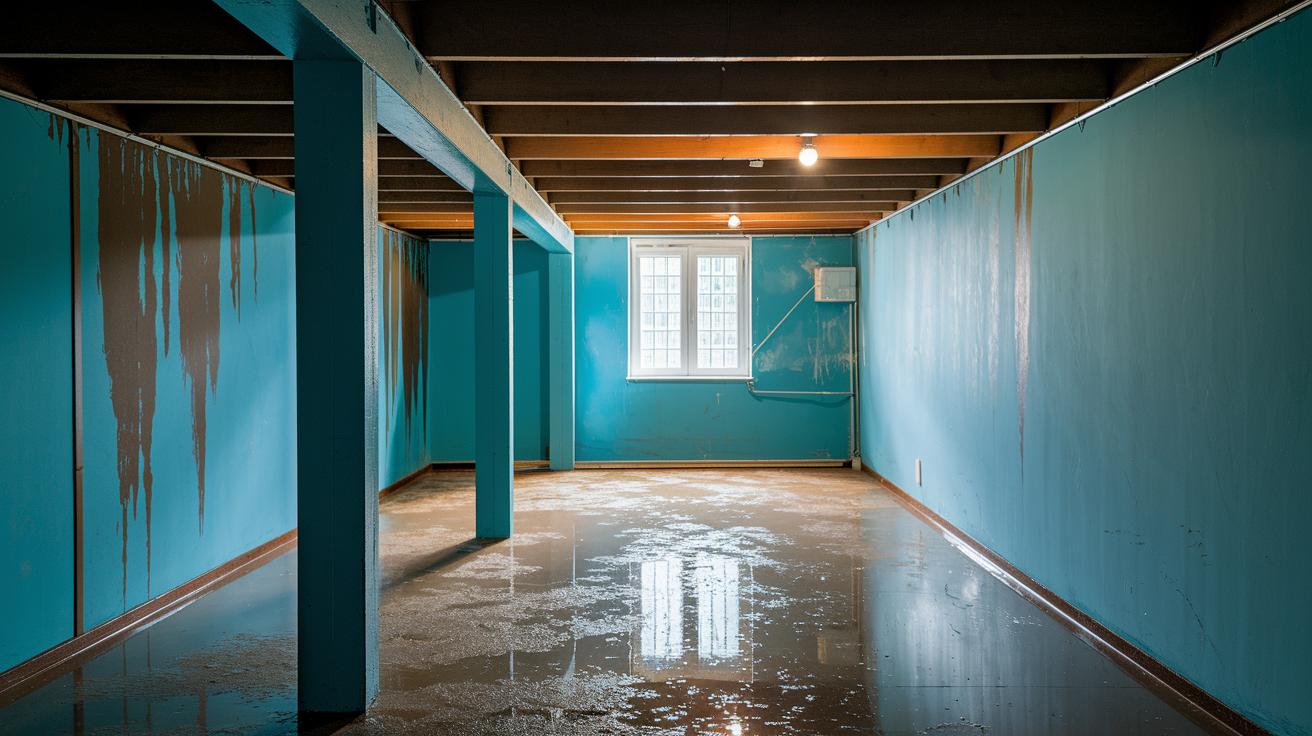
When you start your check, focus on high-risk spots like the basement and outside walls. These areas face the worst of the water and are likely to show hidden damage. Look there first so you know if you need professional help.
Inspect Structural Elements
Begin by checking your home's key supports. Look at the foundation, support beams, and joists. Watch for any sagging or spaces forming between walls and beams. Cracks in the foundation could mean water pressure has caused a problem. Then, check floors and ceilings. Uneven floors or ceilings that dip or bulge can signal that water has seeped in and damaged the materials.
Detect Hidden Moisture
Use a moisture meter (a tool that measures water levels) or a thermal imaging device (a camera that shows temperature differences) to find water hidden behind drywall, under floors, or near plumbing. These tools help you spot damp areas that you can’t see. If you notice sagging, cracks, or high moisture readings, call a professional right away to stop further damage and keep your home safe.
Utility Safety Checks in Your Home Safety Checklist After a Flood
Before you step back into your home, make sure the water is completely gone. If you are unsure, call a professional. The floors and walls should look dry, and any wet patches could hide hidden water. This pause helps you stay safe from electrical and structural risks.
Turn off your main breakers and gas valves to lower the risk of shock or fire. Later, when you restore power, use a non-contact voltage tester (a tool that checks for live wires without touching them) to check each outlet for moisture. This careful step keeps you away from live electrical hazards.
Look over your gas lines for any signs of movement or loose fittings. You can use a gas detector or mix soap with water to check for leaks. Detecting even a small leak is important, as trapped gas pockets can be dangerous.
Examine your plumbing for any backflow, leaks, or broken seals. Check for rust or damaged pipes that might need quick repairs. Even a tiny leak can become a bigger problem if it goes unchecked.
Finally, test your carbon monoxide alarms to make sure they work well. If you use a portable generator, keep it at least 20 feet away from windows and doors to stop carbon monoxide from building up inside your home.
Water Extraction and Structural Drying in Your Home Safety Checklist After a Flood
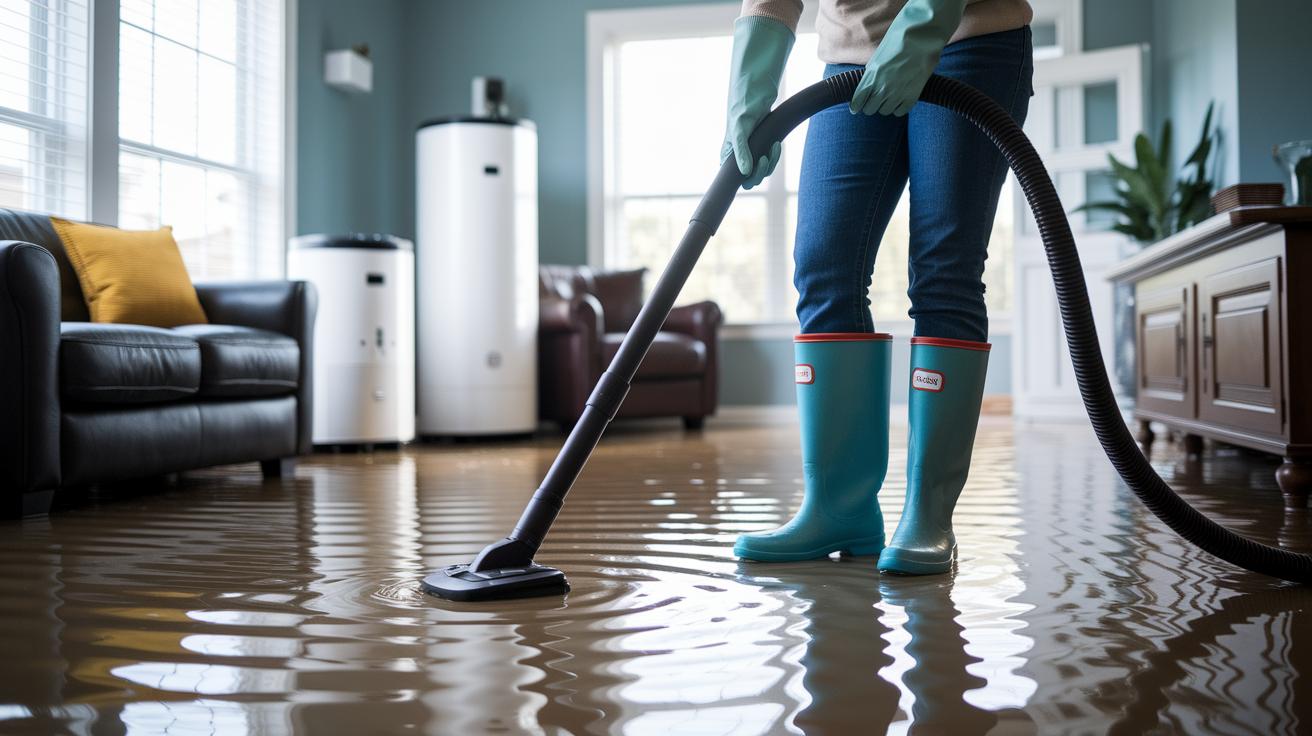
Removing all standing water within 48 hours is very important. Standing water can lead to mold growth and weaken wooden parts of your house. Removing it quickly helps stop hidden moisture and prevents further damage.
When you use pumps or wet-dry vacuums to remove the water, always wear rubber boots and gloves. Be sure to avoid contact between water and any electrical parts. If you are not comfortable using this equipment, call a professional water extraction service near you. This small step protects you from electrical shock and stops extra damage to your home.
For the drying process, set up dehumidifiers (machines that remove moisture from the air) and air movers (devices that help move air around) in a way that spreads the airflow through every room. Placing these machines properly makes sure moisture is drawn from behind walls and under floors. This method can cut drying time to just three to seven days and lower the risk of further structural issues.
Check moisture levels daily with a moisture meter (a tool that measures water content). Keeping track of the moisture helps you know when it is safe to start repairs without risking mold growth or weakened structures.
Mold Prevention and Sanitation in Your Home Safety Checklist After a Flood
Mold can start growing on wet surfaces within 24 to 48 hours after a flood. First, look for items that cannot be saved, like carpet, insulation, or ceiling tiles soaked by floodwater. If you find these, throw them away within 72 hours. Removing wet items fast keeps your home safer.
Next, clean hard surfaces such as wood, tile, or concrete with a stiff brush and an EPA-approved biocide (a cleaning chemical approved by the Environmental Protection Agency). This scrub will remove mold spores, bacteria, and fungi that may be left behind. Cleaning well helps stop further mold growth.
After cleaning, use drying agents to tackle any extra moisture. Open windows or set up fans to create cross-ventilation, which moves moist air out and brings dry air in. This airflow makes it harder for mold to grow again.
Finally, consider using portable HEPA air scrubbers (devices with High Efficiency Particulate Air filters that capture small mold spores and pollutants) to clear the air. Run them until the indoor humidity is below 50 percent. Keeping the air clean and dry reduces the chance of mold returning. Regular cleaning and checking keep your home safe in the long run.
Recovery Planning and Damage Documentation in Your Home Safety Checklist After a Flood

I know this situation is stressful, and we are here to help you take clear, practical steps.
-
First, make a list of emergency contacts. Write down your insurer, local utilities, and restoration professionals. This list gives you quick access to help when you need it most.
-
Next, walk through your home room by room. Take clear photos and videos that show any damage like broken flooring, cracked walls, or warped doors. These visuals support your insurance claim and guide repair experts.
-
Then, create an inventory of damaged items. Write down each item, note its purchase date, and estimate its value. Keep any receipts or repair papers you have. This organized list helps verify losses and eases the insurance process.
-
Finally, draft a step-by-step plan for repairs and upgrades to protect your home from future floods. List both immediate fixes and longer-term improvements. This plan, along with your documented evidence, gives you a clear path to recovery and strengthens your home's safety.
Final Words
In the action, we broke down key safety steps after a flood. You learned how to assess damage, handle utilities safely, extract water, and prevent mold. We also shared guidance on how to document damage for recovery and insurance claims. This guide serves as your home safety checklist after a flood, helping you keep hazards in check and set a clear path for repairs. With these steps, you can move forward confidently and work toward a safer, restored home.
FAQ
Q: What does a home safety checklist after a flood provide?
A: The home safety checklist provides step-by-step instructions to secure your home and protect your family. It covers turning off utilities, using protective gear, and documenting damage—useful tips found in recent pdf guides from 2022.
Q: What should be included in a flood emergency or survival kit?
A: A flood emergency kit contains water, nonperishable food, flashlights, batteries, first-aid supplies, and personal protective equipment. This kit helps you manage immediate needs during a flood and stay safe.
Q: What are the immediate steps to take when your house floods from rain or a burst pipe?
A: The initial steps include shutting off electricity and gas, leaving unsafe areas, and wearing protective gear. These actions prevent hazards and set the stage for professional help to remove water and check for hidden damage.