
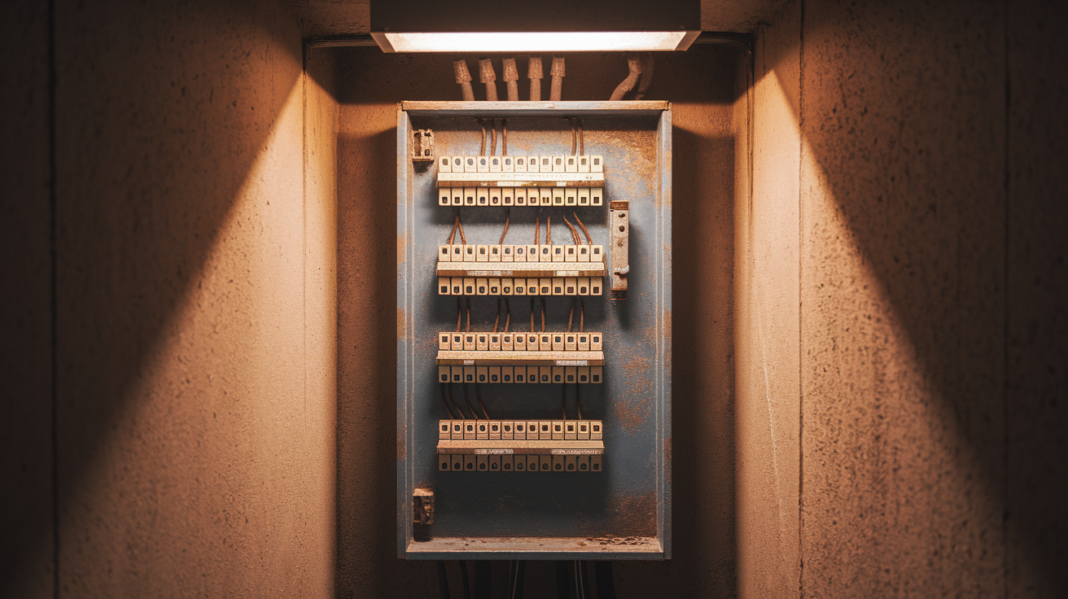

Think an older house is harmless just because the lights still come on?
Outdated wiring, loose connections, and undersized panels can overheat over years until they spark, sometimes first as a faint burning smell, a warm outlet, or breakers that trip more often.
If you live in a home built decades ago, these quiet failures are the most common electrical fire hazards.
This post lays out the critical warning signs, what each sign likely means, and the practical steps to stop further damage and get the right repairs.
Identifying the Most Common Electrical Fire Risks in Aging Homes
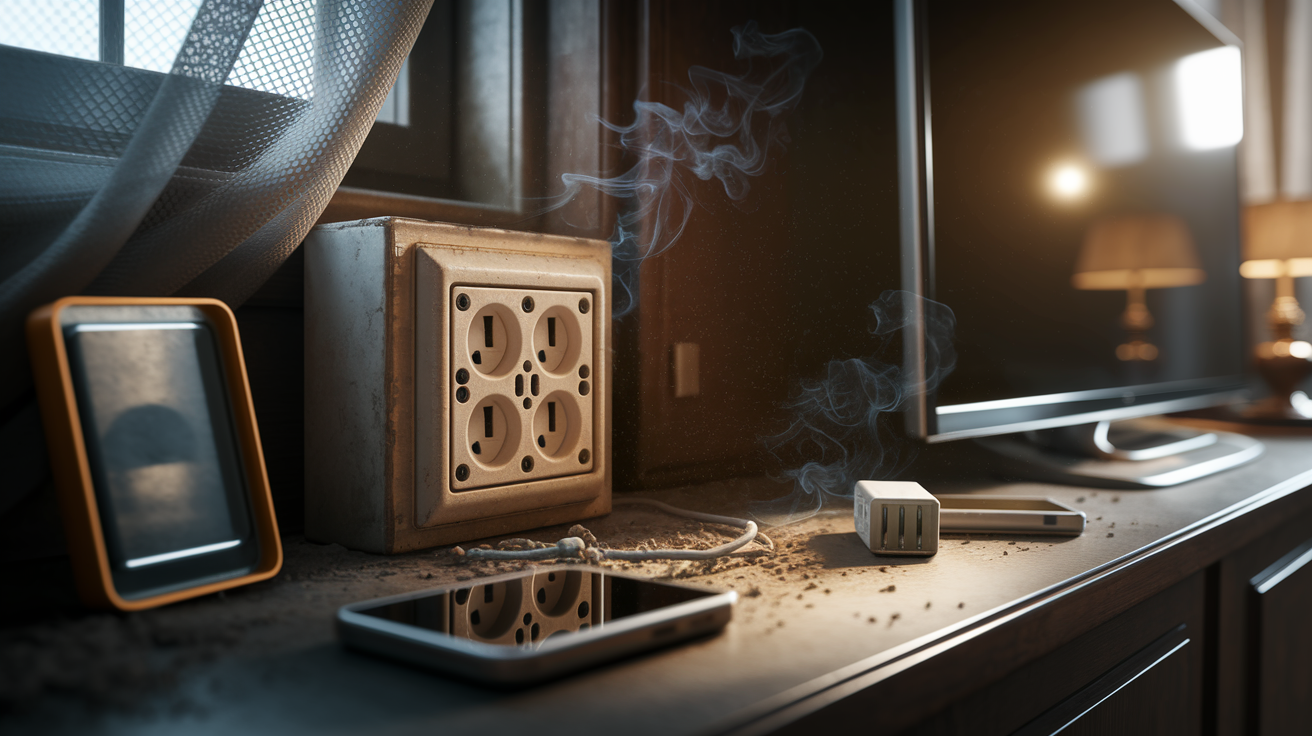
The average U.S. home is over 37 years old. That means the electrical system inside was designed decades before smart TVs, laptops, phone chargers, microwaves, and air fryers became everyday loads. Aging electrical systems were never built to handle what we ask of them today. As components age, insulation breaks down, connections loosen, metal corrodes. These changes happen slowly, out of sight, until something fails. When that happens, you’re looking at heat, smoke, or fire.
Electrical fire hazards in older homes fall into a few broad categories. Outdated wiring types lack the grounding and insulation modern codes require. Circuits designed for light bulbs and radios now power coffee makers, hair dryers, and home offices. Panels and fuse boxes deteriorate from heat and humidity. Outlets installed before grounding was standard leave appliances and people vulnerable. Overloaded circuits try to carry more current than they were rated for, and the wiring inside walls gets hot enough to ignite surrounding materials.
These hazards don’t always announce themselves. Sometimes the first sign is a faint burning smell near an outlet. Other times it’s an outlet that feels warm when you unplug something. Breakers that trip more often than they used to. Lights that flicker when the refrigerator kicks on. These aren’t small inconveniences. They’re the electrical system trying to tell you it can’t keep up and something inside is starting to fail.
Understanding Hidden Wiring Defects and Fire Triggers in Older Electrical Systems
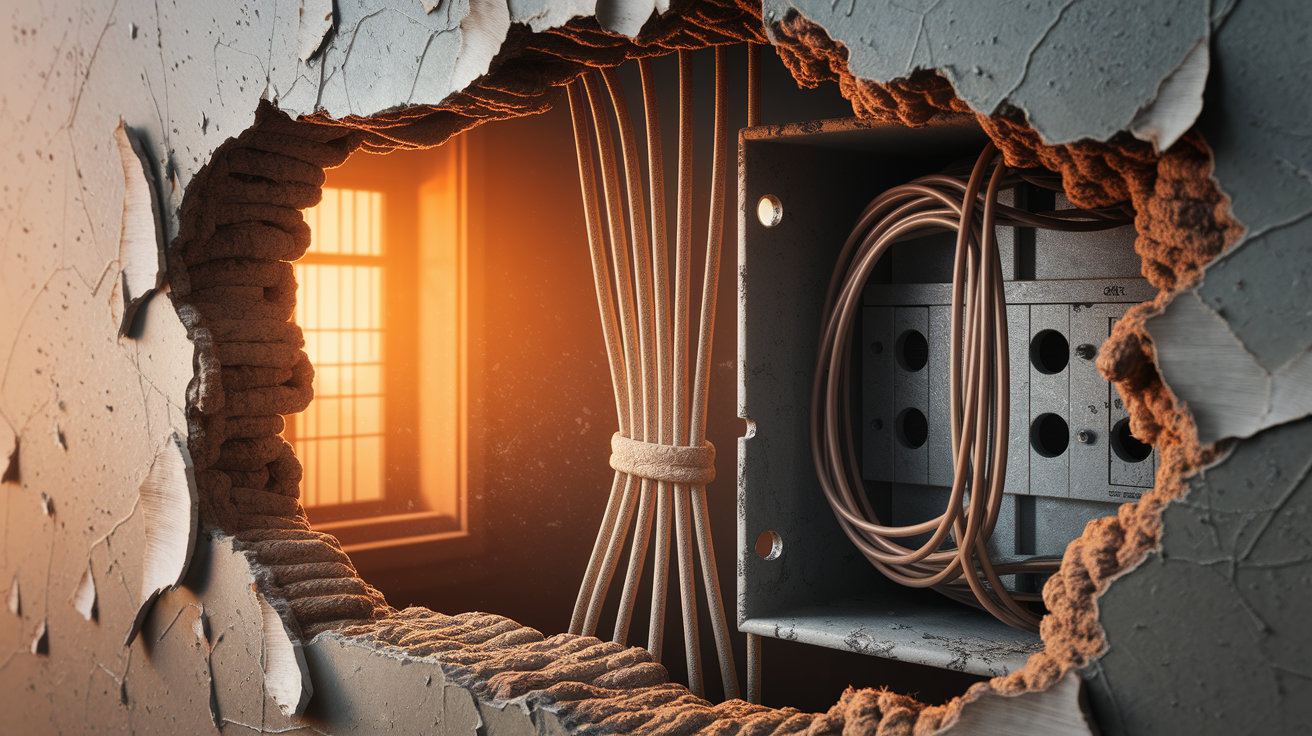
The most dangerous electrical fire hazards in older homes are the ones you can’t see. Knob and tube wiring dangers start behind plaster walls and above ceilings, where cloth or rubber insulation has turned brittle over decades. Aluminum branch circuit wiring risk hides inside junction boxes and behind switch plates, where connections have expanded and contracted thousands of times until they no longer make solid contact. Deteriorating insulation problems worsen when old wiring gets buried under new attic insulation, trapping heat that accelerates breakdown. These defects don’t show up during a walk through. They wait.
Common hidden wiring defects include:
- Loose or corroded wire splices inside concealed junction boxes
- Brittle insulation that cracks and exposes bare copper conductors
- Ungrounded wiring runs that lack a safe path for fault current
- Junction boxes buried under insulation or drywall, making future inspection impossible
- Live wires in contact with wood framing or combustible insulation
- Corroded aluminum conductors at switch and outlet terminals
Attic wiring risks and crawlspace electrical hazards are especially serious because those areas see temperature extremes, moisture from roof leaks or ground vapor, and rodent activity. Squirrels chew through insulation. Mice nest on top of junction boxes. Humidity corrodes terminals. Heat from poorly ventilated attics bakes old insulation until it crumbles. If a previous homeowner ran an extension cord through the attic and stapled it to a rafter, that’s a fire waiting for the right conditions. If someone spliced in an extra circuit twenty years ago without a proper box, the connection is probably loose by now, arcing every time the circuit energizes.
Overloaded Circuits and Unsafe Power Distribution in Older Houses

Older homes were wired with the assumption that each room might have a lamp, a clock, maybe a radio. Circuits were sized for that. Now the same bedroom has a TV, a laptop charger, a phone charger, a fan, and a space heater all plugged in at once. When the total load exceeds what the circuit can safely carry, the wire heats up. Overloaded circuits causes include adding high draw appliances to shared circuits, running too many devices from a single outlet, and using power strips as permanent solutions instead of temporary ones.
Common mistakes make the problem worse. Extension cord misuse hazards appear when people run a heavy duty appliance like a window AC unit or a portable heater on a lightweight cord meant for a lamp. The cord gets warm, then hot, and eventually the insulation starts to melt. Overloaded power strips happen when one six outlet strip feeds another, then another, until ten devices share a single 15 amp circuit. Appliance load assessment almost never happens, so nobody realizes the microwave, toaster, and coffee maker on the same counter are all on the same circuit.
| Warning Sign | Possible Cause |
|---|---|
| Breaker trips when you plug in a space heater | Circuit is already near capacity; heater pushes it over the limit |
| Lights dim when the microwave runs | Shared circuit is overloaded; voltage drop occurs under heavy load |
| Outlet feels warm after use | Loose connection or sustained overcurrent heating the receptacle |
| Power strip or extension cord is hot to the touch | Too much current flowing through undersized conductors |
| Burning smell near an outlet or appliance | Overheating wire insulation or melting plastic inside the outlet box |
Outdated Panels, Fuse Boxes, and Improper Circuit Protection

Outdated fuse boxes were standard in homes built before the 1960s. A fuse is a one time device. When it blows, you unscrew it and replace it. The problem is that fuses are easy to bypass. Homeowners who got tired of replacing blown fuses sometimes installed a higher rated fuse to stop the trips. That eliminates the safety margin. If a 15 amp circuit is protected by a 30 amp fuse, the wiring can overheat long before the fuse blows. The wire becomes the weak point, and when it gets hot enough, it ignites whatever is nearby.
Antiquated circuit breakers in aging panels suffer from corrosion, loose bus connections, and worn contact points. Electrical panel replacement becomes necessary when breakers no longer trip reliably, when the panel buzzes under load, or when rust and heat discoloration appear on the interior. A panel that was adequate in 1975 is often undersized today. Adding circuits for modern appliances isn’t possible if the panel is already full, and attempting to double tap breakers, connecting two wires to one breaker terminal, creates a fire hazard.
Signs need for panel upgrade include breakers that trip frequently even after redistributing loads, a panel that feels warm to the touch, intermittent power losses in parts of the house, and a burning smell near the panel. If the panel still uses screw in fuses, replacement is overdue. If breakers won’t reset or won’t stay in the on position, internal components have failed. Breaker type identification matters because some older panels used breakers that are no longer manufactured, and replacement parts may not meet current safety standards. Homes with Federal Pacific or Zinsco panels have documented failure rates high enough that full panel replacement is recommended even if the panel appears to function.
Missing Grounding, GFCI, and AFCI Protection in Aging Homes
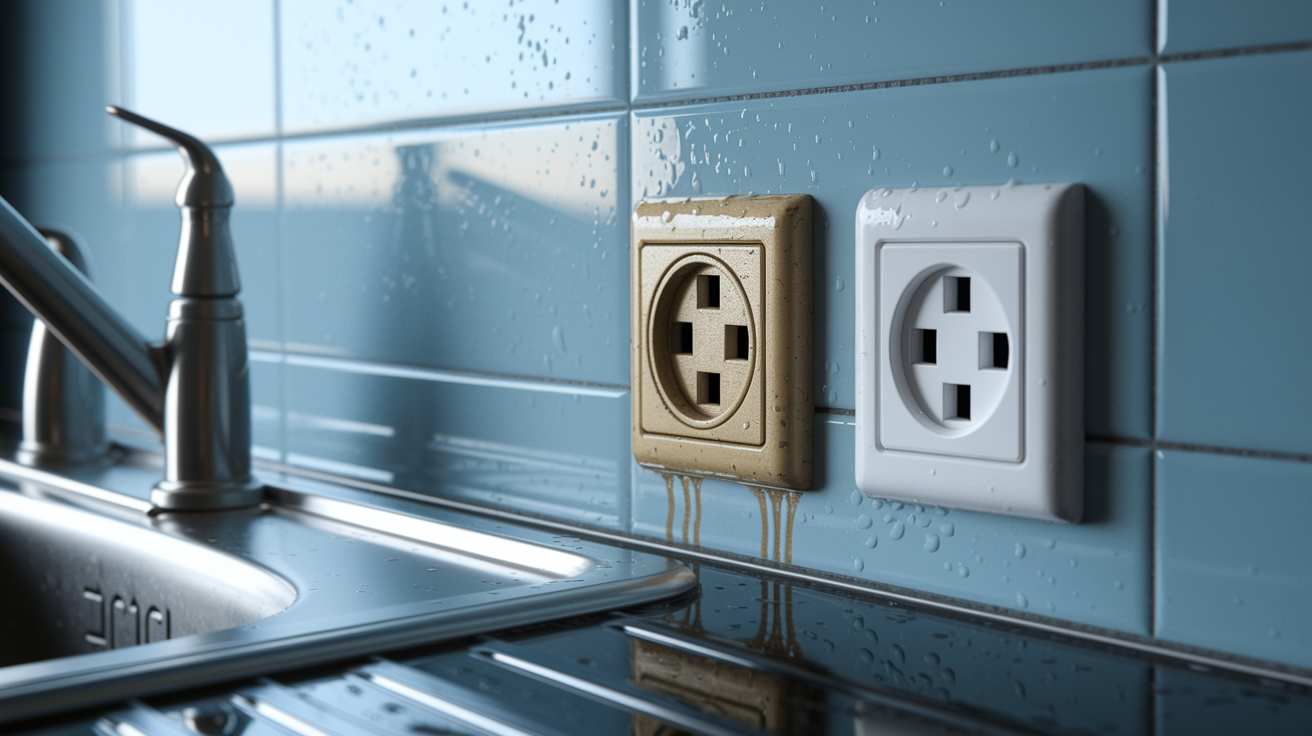
Lack of ground fault protection and absence of arc fault devices are common in homes built before the 1980s. Ungrounded outlets, those with only two slots instead of three, offer no path for fault current to safely return to the panel. If a hot wire touches a metal appliance case, the case becomes energized. Without grounding, the breaker won’t trip, and anyone who touches the appliance gets shocked. GFCI retrofit solutions and AFCI retrofit solutions are available for older homes, but many homeowners don’t realize these devices exist or why they matter.
Grounding provides a low resistance path that helps breakers trip during a fault. GFCIs detect tiny imbalances in current. When more current flows out on the hot wire than returns on the neutral, they shut off power in milliseconds to prevent electrocution. AFCIs monitor the circuit for the distinct electrical signature of arcing, which happens when a wire is damaged or a connection is loose, and they cut power before the arc ignites surrounding material.
High risk areas that often lack proper protection include:
- Kitchens, especially countertop outlets near sinks and wet surfaces
- Bathrooms, where water and electricity are in close proximity
- Basements and crawlspaces with exposed wiring and moisture
- Bedrooms and living areas that need AFCI protection to detect hidden arcing faults
Retrofitting grounding, GFCIs, and AFCIs significantly reduces electrical fire risk and shock hazards. Adding a GFCI outlet to an ungrounded circuit still provides ground fault protection even without a grounding conductor. Installing AFCI breakers in the panel protects entire circuits from arc faults. Both upgrades are code required in new construction for good reason. They stop the majority of electrical injuries and fires before they happen.
Recognizing Warning Signs of Imminent Electrical Failure

Most electrical failures give warning before they escalate to fire or serious shock. Hot outlets diagnosis starts with touch. If an outlet faceplate is warm or hot when nothing is plugged in, or if it heats up quickly when you plug something in, a loose connection or overloaded circuit is generating heat inside the box. Flickering lights causes range from loose bulbs to failing fixtures, but when flickering happens across multiple rooms or worsens when appliances cycle on, the problem is upstream. At the panel, at a junction, or in the service connection.
The most dangerous symptoms that demand immediate attention include:
- Outlets or switches that feel warm or hot to the touch, even when not in use
- Discoloration, melting, or charred areas on outlet covers or switch plates
- Burning odor electrical, sometimes described as a hot plastic smell or an ozone like sharpness, near outlets, switches, or the panel
- Visible arcing symptoms such as sparks, flashes, or popping sounds when plugging in or unplugging devices
- Frequent breaker trips that happen without an obvious cause or that reset and trip again immediately
- Buzzing, humming, or sizzling sounds from outlets, switches, the electrical panel, or inside walls
- Tingling sensation when touching an appliance, faucet, or metal fixture
If you see charred receptacle signs like blackening around the slots, melted plastic, or scorch marks on the wall, that outlet has already overheated. It may have stopped working, or it may still function while remaining a fire hazard. Burning odor electrical should never be ignored. That smell means insulation is degrading or plastic components are melting. The faster you shut off power to that circuit and call a licensed electrician, the better your chances of stopping a fire before it starts.
When to Call a Licensed Electrician for Older Home Electrical Hazards

A licensed electrician should be your first call whenever you discover knob and tube wiring, aluminum branch circuit wiring, warm outlets, burning smells, persistent breaker trips, or any evidence of amateur wiring from past DIY projects. Licensed electrician hire tips include verifying the contractor holds an active state license, carries liability insurance, and can provide references from similar older home projects. Rewiring older houses is specialized work. Experience with historic wiring types, concealed junction access, and code compliant retrofits matters.
Before hiring, ask these five questions:
- Are you licensed and insured to perform residential electrical work in this city?
- Have you worked on homes with knob and tube or aluminum wiring before, and what was your approach?
- Can you provide a written estimate that breaks down labor, materials, and permit costs?
- Will you pull permits and schedule inspections, or is that my responsibility?
- What is your timeline for completing the work, and how will you minimize disruption?
Periodic professional inspections are recommended every three to five years for older homes, especially if you’ve noticed any warning signs or if the home has changed ownership. An electrician estimate questions session should cover not just the immediate repair but also a broader assessment of panel capacity, grounding status, GFCI and AFCI coverage, and overall system condition. Many serious hazards like concealed junction boxes, deteriorating attic wiring, or loose panel connections only show up during a thorough inspection. Catching them early means you can plan and budget for staged upgrades instead of facing an emergency service call when something fails at the worst possible time.
Practical Upgrade Options to Reduce Electrical Fire Hazards
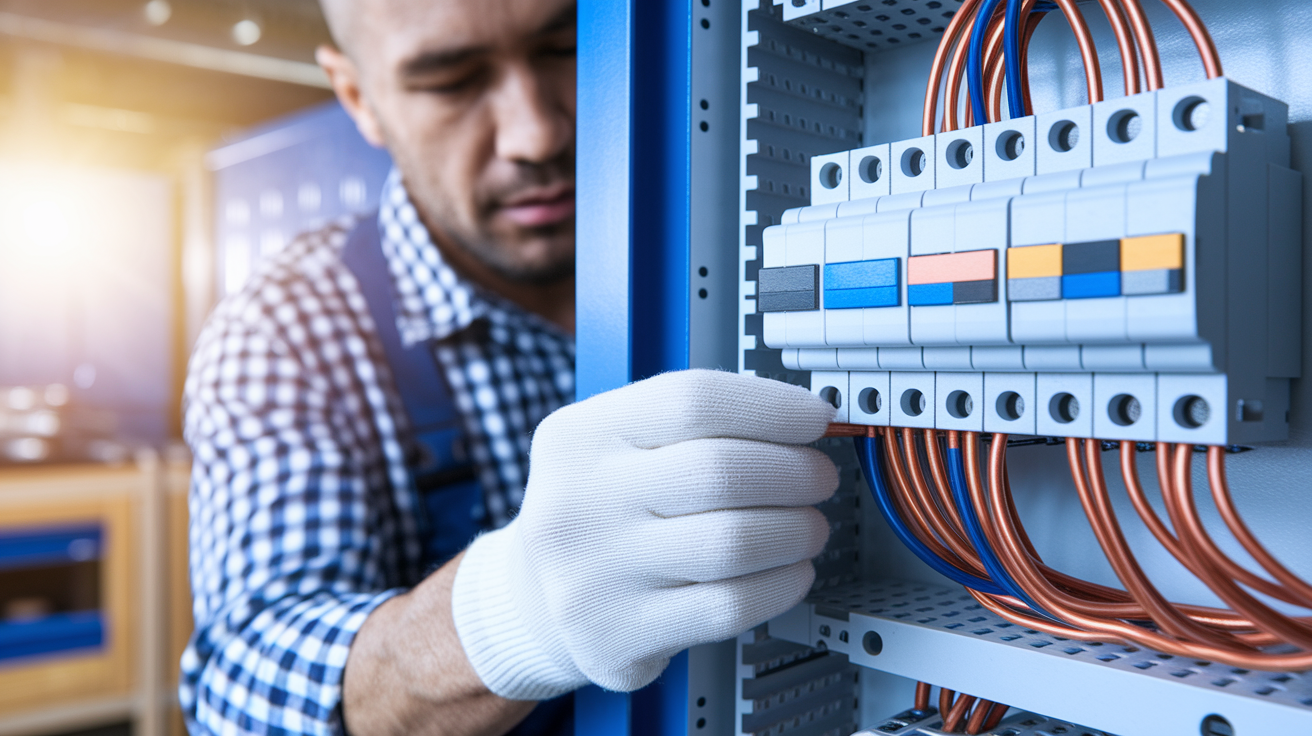
Electrical panel replacement is often the first major upgrade because a modern panel with adequate amperage and working breakers is the foundation for everything else. Rewiring older houses with modern copper conductors eliminates knob and tube wiring dangers and aluminum branch circuit wiring risk at the source. Pigtailing aluminum wiring, connecting short copper jumpers to aluminum conductors using approved connectors and anti oxidant paste, can be a lower cost alternative to full rewiring when the aluminum wire itself is in good condition. Staged electrical upgrades let homeowners prioritize the most dangerous areas first, then tackle additional circuits and rooms over time as budget allows.
| Upgrade Type | Primary Safety Benefit |
|---|---|
| Replace knob and tube or aluminum wiring with copper | Eliminates deteriorated insulation, adds grounding, supports modern loads |
| Install GFCI outlets in kitchens, bathrooms, basements | Prevents electrocution from ground faults in wet locations |
| Add AFCI breakers to bedroom and living area circuits | Detects and stops dangerous arcing before it ignites a fire |
| Upgrade electrical panel to modern breaker box with higher amperage | Provides reliable overcurrent protection and capacity for new circuits |
| Add grounded three prong outlets throughout the home | Protects people and equipment from shock and surge damage |
| Install dedicated circuits for high draw appliances | Prevents overloaded circuits and reduces risk of overheating |
Low cost safety improvements include replacing any two prong outlets in wet areas with GFCI outlets, even if the circuit remains ungrounded, because GFCI protection still prevents shock. Adding a few additional outlets in rooms that rely heavily on extension cords reduces the temptation to overload a single receptacle. Hiring an electrician to inspect and tighten connections at the panel and at high use outlets can eliminate loose connections before they overheat. Not every older home needs a complete rewire immediately, but every older home benefits from a clear priority list that addresses the highest risk hazards first and builds toward full code compliance over time.
Final Words
If you smell burning or notice a hot outlet, this post walked you through why aging wiring, hidden defects, overloaded circuits, and outdated panels raise fire risk. We covered the common warning signs, hidden wiring problems, when to call a licensed electrician, and practical upgrades like GFCI/AFCI, panel replacement, and staged rewiring.
Take action early: document issues, get an inspection, and make targeted upgrades to reduce electrical fire hazards in older homes. Small steps now make repairs simpler and your home safer.
FAQ
Q: What makes older homes more prone to electrical fires?
A: Older homes are more prone to electrical fires because wiring ages, insulation breaks down, and panels or two‑prong outlets often lack modern grounding and capacity, increasing overheating and failure risk.
Q: What are the most common electrical hazards in aging homes?
A: The most common electrical hazards in aging homes are outdated wiring and panels, degraded insulation, overloaded circuits, inadequate grounding, and improper DIY splices that raise heat and fire risk.
Q: What hidden wiring defects should I look for in older homes?
A: Hidden wiring defects to watch for include loose splices, corroded conductors, brittle insulation, ungrounded runs, inaccessible junction boxes, and wires buried under insulation in attics or walls.
Q: What warning signs mean imminent electrical failure?
A: Warning signs of imminent electrical failure include warm or hot outlets, burning or ozone smells, flickering lights, visible sparking, charred receptacles, buzzing panels, and frequent breaker trips.
Q: What should I do right away if I smell burning or find a hot outlet?
A: If you smell burning or find a hot outlet, shut off the affected circuit if safe, stop using it, unplug devices, keep people away, and call a licensed electrician immediately.
Q: When should I call a licensed electrician for older‑home electrical hazards?
A: Call a licensed electrician whenever you find outdated wiring, hot outlets, burning odors, persistent breaker trips, evidence of DIY wiring, or before moving in or renovating an older home.
Q: How often should older homes get electrical inspections?
A: Homes older than about 30 years should get inspections every 3–5 years, and you should schedule one before buying, after major storms, or when any warning signs appear.
Q: What upgrades reduce electrical fire risk in older houses?
A: Effective upgrades include staged or full rewiring, panel replacement, adding grounded outlets, and installing GFCI and AFCI protection to prevent shocks and arc‑related fires.
Q: Are DIY electrical fixes safe in older homes?
A: DIY electrical fixes in older homes are usually not safe; hidden defects, aluminum or knob‑and‑tube wiring, and poor splices need a trained, licensed electrician to diagnose and repair.
Q: How do overloaded circuits cause fires and how can I spot misuse?
A: Overloaded circuits cause overheating and possible fires when modern appliances exceed old circuit ratings; spot misuse by flickering lights, frequent trips, hot outlets, and heavy reliance on power strips or extension cords.
Q: When does a fuse box or breaker panel need replacement?
A: A fuse box or breaker panel needs replacement when you see rust, buzzing, repeated trips, blown fuses replaced with higher ratings, or the panel can’t handle modern electrical loads.
Q: What is the benefit of adding GFCI and AFCI protection?
A: Adding GFCIs and AFCIs reduces electrical risk: GFCIs shut off during ground faults in wet areas, and AFCIs detect dangerous arcing and cut power before an arc can start a fire.