
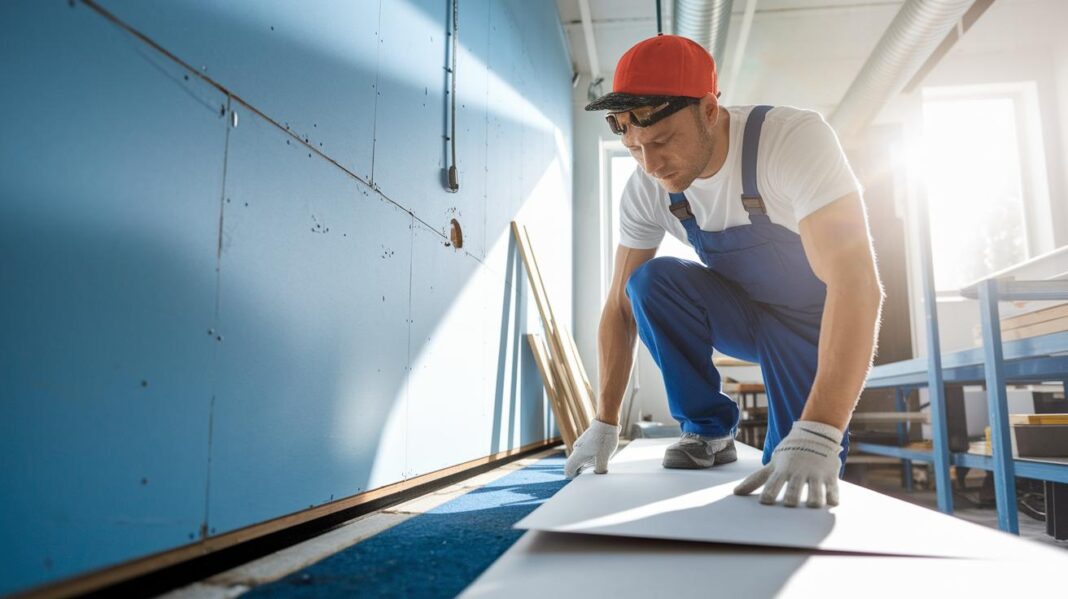

Are you ready to fix water damage fast? Even a tiny leak can weaken your wall, leaving soft spots and peeling paint that worry any homeowner. We know it’s stressful to see your wall in disarray. That’s why we created a simple guide to help you quickly replace damaged drywall and restore stability to your home.
In this guide, we explain:
- How to spot the damage.
- How to safely remove the old drywall.
- How to install new panels for a secure fix.
We’re here to help you get back to a safe, comfortable home.
Comprehensive Step-by-Step Guide to Drywall Replacement After Water Damage
-
First, turn off the water right away and check where the leak is coming from. If you suspect a burst pipe or a hidden leak, call a licensed plumber (an expert who fixes water problems). For example, if you find water pooling under a sink, shut off the main valve and look closely to find the leak.
-
Next, inspect the drywall for damage. Look for signs like sagging, bubbling paint, or crumbling edges. Drywall loses strength quickly after absorbing water. If only a small area (less than 1 square foot) is affected, you might repair it. But if the panel feels soft or starts to separate, replacing it completely is the safer option.
-
Carefully remove the damaged parts using a utility knife or a drywall saw. Work slowly to avoid harming the surrounding wall. This careful removal follows standard guidelines for checking moisture damage.
-
Dry the wall cavity thoroughly. Use fans, industrial dehumidifiers (machines that remove moisture from the air), and open windows to help the process. Allow 48 to 72 hours for complete drying, especially in humid conditions.
-
Check the wall studs and any insulation behind the wall for mold or damage. Replace or treat any compromised areas immediately. Mold can start growing within 24 to 48 hours, so it’s important to address this quickly.
-
Install new drywall panels that match the original thickness. Secure them with corrosion-resistant screws to ensure a sturdy repair.
-
Finish by taping the seams, applying joint compound (a type of mud used to smooth the surface), sanding until smooth, priming, and painting. This final step not only makes your wall look good again but also helps protect it from future water damage.
Identifying Drywall Damage: Repair vs Full Replacement

Look at your walls closely for water damage. Bubbling paint, crumbling edges, or a soft, sagging feel means the wall has absorbed too much water. If the affected spot is small (less than one square foot) and there is no musty smell or visible mold, you can cut out the damaged part and patch it up. For example, after a minor leak, a simple patch saved time and money.
If a larger area is affected or the wall starts to pull away, you will need to replace the whole panel. According to IICRC S500 guidelines (industry rules for safe restoration), walls that lose their firmness should be replaced to keep your home secure.
A musty smell can signal mold, which might appear in just 24 to 48 hours. If you notice this odor, replacing the full panel is the best way to stop further mold growth.
| Damage Size | Action |
|---|---|
| Less than 1 square foot | Patch if there is no musty smell or mold |
| More than 1 square foot or soft/sagging panels | Replace the entire panel |
Safety Protocols and Drying Equipment for Water-Damaged Walls
When water damages a wall, safety comes first. Wear goggles, N95 masks (respirators that filter small particles), and gloves to protect yourself from debris and mold spores. If you spot a soft spot on the wall, put on your safety gear before you start any work.
We use high-powered fans and industrial dehumidifiers (machines that pull moisture from the air) to dry the wall cavity. The drying process takes about 48 to 72 hours, depending on how humid the room is. We also use a moisture meter (a tool that shows how wet materials are) to check inside the studs and wall cavity. This step makes sure the structure is dry before new drywall is installed.
Controlling the indoor climate is important too. Keeping the humidity below 50% helps speed up drying and keeps mold away. Follow these steps to stay safe and dry the area properly:
- Wear goggles, N95 masks, and gloves
- Use fans and industrial dehumidifiers
- Check moisture with a moisture meter
- Keep indoor humidity below 50%
These methods keep your home safe and ready for lasting drywall repairs.
Choosing Materials and Tools for Effective Gypsum Panel Refurbishment

When you replace water-damaged drywall, the right materials make a big difference. In areas prone to dampness, we suggest using moisture-resistant drywall (designed to fight water damage) or mold-resistant drywall (keeps mold at bay). For example, in a bathroom, green board or blue board can help avoid mold in the future.
Before you put in new panels, check the insulation in the wall. If you see insulation that is moldy or wet, replace it right away to prevent more problems later. Using quality materials now means fewer repairs down the road.
Make sure you have the proper tools to work quickly and safely. You will need a utility knife, drywall saw (for accurate cutting), T-square (for straight lines), screw gun, mesh tape, and joint compound. Each tool helps you work better. For example, the drywall saw lets you neatly remove damaged areas while the T-square helps you keep your cuts straight.
It is also important to check the thickness of the panels. Drywall usually comes in either 1/2 inch or 5/8 inch thickness. Matching the thickness of the original wall helps create a smooth finish. Finally, use screws that do not corrode to ensure your wall stays strong over time.
By using good quality materials and the right tools, the repair process becomes faster and your walls will last longer.
DIY vs Hiring Professionals for Drywall Substitution
When water has damaged your drywall, you have two clear choices. If the damage is very small (less than one square foot) with no mold and the leak is fixed, you may choose the DIY route. In these cases, you can use basic tools like a utility knife, drywall saw (a tool with a serrated edge to cut through wallboard), and T-square for straight lines. For a minor leak, a small patch often brings the wall back to normal without extra help.
If you notice widespread water damage, hidden mold, damaged studs, or suspect a deep leak, it’s best to call professionals. Certified experts use industrial equipment (machines that measure moisture and speed up drying) to find leaks and repair the damage up to code. Their certified work comes with guarantees, giving you peace of mind when structural issues or mold are involved.
| Aspect | DIY | Professionals |
|---|---|---|
| Scope of Damage | Small patches (less than 1 sq ft) | Widespread damage or structural issues |
| Mold Concerns | No visible mold | Mold present or musty smells |
| Tools and Equipment | Basic tools like a utility knife and drywall saw | Industrial equipment for drying and moisture testing |
| Work Guarantees | No built-in guarantee | Certified work with guarantees and code compliance |
Consider these points to choose the repair method that best fits your situation.
Calculating Costs and Managing Insurance for Drywall Renewal

When water damages your drywall, we know it can feel overwhelming. Costs and insurance details matter so you feel prepared for safe repairs. Small repairs may cost a few hundred dollars, while major fixes that need mold clean-up (removing mold from the affected area) and plumbing repairs can run into the thousands. Make a list of each repair with its estimated cost so you have a clear restoration budget.
Start by breaking down your costs. List small repairs apart from full replacement projects. For example, you might budget $300 for a small patch and $2,500 or more for replacing an entire drywall panel along with mold cleaning. A detailed cost breakdown helps you plan realistically.
When it comes to insurance, careful documentation is key. Most policies cover sudden issues like burst pipes. But slow leaks or damage from long-term problems are often not covered. Call your insurance company as soon as you can and document the damage. Take clear photos, record moisture readings (using a moisture meter, a tool that shows the amount of water in materials), and get contractor estimates. Having a checklist of what to document can help you keep track. You can view a checklist here: insurance claim documentation checklist for homeowners.
Also, plan for extra costs that might come up unexpectedly. Ask experts for a professional report and match their notes with your documentation. Good paperwork speeds up your claim process and helps you get a faster response. Accurate cost estimates and careful records are the key to a smooth insurance process.
Mold Mitigation Strategies During Post-Leak Wall Recovery
Water damage can lead to mold formation in just 24 to 48 hours. Molds like Aspergillus and Cladosporium (molds that grow in damp conditions) can quickly spread on wet walls. We start mold mitigation immediately to protect your health and the structure of your home.
First, clear away any debris left from the water damage. Removing loose material stops mold from gaining a foothold. Next, disinfect wall studs and any wet insulation with an EPA-approved biocide (a safe, approved chemical to kill mold). For example, one homeowner spotted a small mold patch near a baseboard. After treatment with an approved spray, the mold was contained before new drywall was installed.
Before replacing drywall, ensure the wall cavity is completely dry. We use industrial fans and dehumidifiers (machines that remove moisture from the air) to speed up drying. Keeping indoor humidity below 50% greatly reduces the chances of mold returning.
- Remove debris and disinfect wall studs.
- Treat visible mold with an EPA-approved biocide.
- Use dehumidifiers and fans to dry the area.
- Monitor humidity levels to keep them below 50%.
Long-Term Prevention and Maintenance for Drywall After Water Events

We know that water damage can be stressful. That is why we recommend taking simple, proactive steps to keep your home safe. Start by installing moisture barriers behind your drywall in high-risk areas (places that might flood). Also, seal any gaps around pipes and windows to stop leaks before they begin. These steps have been proven to block water from seeping in where you least expect it.
It is important to check your gutters regularly and keep your exterior drainage clear. Clean gutters help divert rainwater away from your foundation, reducing the chance of moisture building up in your walls.
Improve ventilation in key areas like basements and bathrooms. Good air flow aids in drying and reduces humidity. Take time to check your HVAC system (heating, ventilation, and air conditioning) and look for any gaps in your insulation. Catching these issues early protects your home from weather damage.
Plan to have a moisture inspection once a year. This helps find hidden damp spots before they cause bigger problems. And when you repair any damage, follow local building rules to ensure everything meets safety standards.
Here are some essential steps:
- Install moisture barriers behind drywall and seal gaps around pipes and windows.
- Clean and maintain gutters and drainage.
- Improve ventilation in damp-prone areas such as basements and bathrooms.
- Check your HVAC system and inspect for insulation gaps.
- Schedule annual moisture inspections and follow local renovation guidelines.
Taking these steps will help protect your new drywall and keep your home a safe, dry place for you and your family.
Final Words
In the action, we walked through stopping the leak, drying the area, and assessing the damage. We broke down the steps from small repairs to major fixes and explained when to call in professionals. We also covered cost tips, insurance advice, and simple mold prevention measures. With this guide, you have a clear plan for handling drywall replacement after water damage. You’re set to move ahead with confidence and get your home back to a safe, livable state.
FAQ
Frequently Asked Questions
What is the best way to handle drywall replacement after water damage?
The best way to handle water-damaged drywall is to assess the damage for sagging, crumbling, or mold. Small areas can be patched, but widespread moisture damage typically calls for complete replacement with moisture-resistant panels.
How do you repair minor water-damaged drywall?
Repairing minor water-damaged drywall involves cutting out the wet area, allowing the space to dry fully, and then patching the hole with new drywall. Finish with tape, joint compound, sanding, primer, and paint.
How do you dry a wet drywall ceiling?
Drying a wet drywall ceiling means removing any water source, then using fans, dehumidifiers (machines that remove moisture), and open windows over 48–72 hours. This process helps lower moisture and prevent mold growth.
How much does it cost to repair or replace wet drywall?
Repair costs vary based on damage severity. Small patches may cost a few hundred dollars. In contrast, extensive replacement with mold remediation and extra work can run into the thousands due to material and labor expenses.
How long does it take for drywall to dry after a leak?
Drying drywall after a leak usually takes 48–72 hours. Using fans and dehumidifiers can help speed up the process, while proper ventilation and moisture checks ensure complete drying.
How can you tell if drywall has water damage?
Signs of water damage in drywall include bubbling paint, sagging panels, crumbling edges, and musty odors. These symptoms indicate deep moisture penetration and might require patching or full replacement.
Can wet drywall be dried out successfully?
Wet drywall can sometimes be dried out if the damage is minimal. However, if the gypsum core has softened or mold appears, replacing the drywall ensures a safe and durable repair.
Will drywall grow mold if it gets wet?
Drywall may grow mold if it remains wet for 24–48 hours. Mold thrives on moisture, so quickly drying, repairing, or replacing the affected areas is crucial to prevent mold from developing.