


Ever notice how electrical hazards rarely announce themselves before they strike? Damaged wiring doesn’t flash warning signs, and overloaded circuits don’t send calendar reminders before they fail. Electricity moves faster than reaction time, which means protection starts with recognition, not response. Whether you’re managing a worksite or maintaining a home, knowing what creates shock risks, arc flash dangers, and fire hazards lets you control them before someone gets hurt. This guide covers the electrical hazards that cause most injuries and deaths, the grounding systems that protect against faults, and the practical steps that keep people safe around power.
Identifying Common Electrical Hazards in Workplaces and Homes

Electrical hazards create risks of burns, electrocution, arc flash, electric shock, fires, and explosions. Contact with electricity is one of the leading causes of workplace fatalities. Five sources account for 92 percent of electrical deaths: overhead power lines, ground faults, damaged wiring, energized parts, and unexpected contact. Common causes include insufficient insulation, circuit breaker failure, damaged appliances, improper extension cord use, and inadequate maintenance.
Recognition is the first step. Before work begins, identifying electrical hazards lets you implement controls and prevent incidents. Construction sites damage electrical wiring and increase shock hazards, but homes carry similar risks when systems age or when someone attempts repairs without proper knowledge.
Overhead Power Lines
Overhead power lines carry high voltages and account for 46 percent of all electrical fatalities. These lines are dangerous to both electrical and non-electrical workers. In fact, 57 percent of overhead power line fatalities happen in non-electrical occupations. Always maintain at least 10 feet distance from overhead power lines with yourself and any equipment you’re operating or carrying. This applies to equipment booms, ladders, scaffolding, and hand-carried tools or materials.
Safety barriers and warning signs must be installed where overhead power line exposure exists. Carry equipment including ladders horizontally to avoid contact. Never touch anything that’s in contact with overhead power lines. Always assume all power lines are live and dangerous. Downed power lines require even more caution. Stay at least 35 feet away.
Exposed Wiring and Energized Electrical Parts
Contact with energized conductors or parts accounts for 45 percent of all electrical fatalities, with 74 percent of these deaths occurring in electrical occupations. Exposed wiring creates immediate shock and electrocution risks when protective covers are missing or damaged. Open electrical panels, missing covers on junction boxes, and exposed terminal connections all present contact hazards.
Energized parts become hazardous during maintenance, inspection, or when protective barriers fail. Workers performing tasks near energized equipment face arc flash risks on top of direct contact dangers. All electrical panels must stay closed except during authorized work by qualified personnel. Never bypass interlocks or remove guards that prevent access to energized parts.
Damaged Insulation and Frayed Cords
Insulation deterioration exposes conductors and creates shock hazards. Don’t try to cover damaged insulation with electrical tape as a permanent repair. This temporary fix doesn’t provide adequate protection and creates a false sense of security. Turn off all power sources before replacing damaged insulation, and replace the entire damaged section or component.
Conduct regular inspections for cracks, cuts, or abrasions on cables, wires, and cords. Look for signs of thermal damage, mechanical stress, or environmental deterioration. Check power cords, plugs, and outlets regularly for damage like fraying, exposed wires, or loose connections. Damaged cords and plugs should be replaced immediately. Inspection protocols should include visual examination before each use for portable equipment and periodic scheduled inspections for fixed wiring.
Overloaded Circuits and Inadequate Wiring
Circuit capacity issues lead to overheating, insulation breakdown, and fire risks. Circuit breaker failure or frequently tripping breakers signal overloading problems that need immediate attention. Warm outlets, discolored cover plates, burning smells, or flickering lights all indicate dangerous overload conditions.
Inadequate wiring for the electrical load creates sustained stress on conductors and connections. Adding high-draw appliances to circuits sized for lighter loads exceeds safe ampacity ratings. Never increase breaker or fuse sizes without verifying wire gauge can handle the increased current. This creates fire hazards since the protection device no longer matches conductor capacity.
Wet Conditions and Water Contact
Water conducts electricity, making wet conditions particularly dangerous. The combination of electricity and water dramatically increases electrocution risk by reducing body resistance and providing conductive paths to ground. Never operate electrical equipment in wet conditions or with wet hands.
Moisture on floors, walls, or equipment surfaces creates shock paths that wouldn’t exist in dry conditions. Rain, humidity, plumbing leaks, and standing water all heighten electrical dangers. Ground fault circuit interrupters provide critical protection where electricity and water may come in contact, but preventing wet condition exposure remains the priority.
Damaged Tools and Equipment
Construction sites involve rough environments where tools and equipment sustain impacts, compression, and abrasion that compromise electrical safety. Damaged tool housings expose internal wiring. Cracked or broken insulation on power tools creates contact hazards. Loose or damaged plugs fail to maintain proper grounding connection.
Inspect all electrical equipment before use, checking for physical damage, missing parts, or signs of overheating. Remove damaged equipment from service immediately. Don’t attempt field repairs on damaged tools unless you’re qualified and following manufacturer procedures. Assessment of appliance condition should verify proper grounding, intact insulation, and functioning safety features.
Improper Extension Cord Use and Temporary Wiring
Extension cords routed across walkways create tripping hazards and sustain damage from foot traffic and equipment. Running cords under carpets traps heat, accelerates insulation breakdown, and hides damage from inspection. Use cable management solutions like cord covers or cable trays to keep cords organized and prevent tripping hazards while protecting conductors.
Temporary power systems on construction sites present risks from faulty connections, damaged cables, or inadequate grounding. These systems lack the permanent installation quality of fixed wiring and need frequent inspection. Never use extension cords as permanent wiring. Size cords appropriately for the load and length of run to prevent voltage drop and overheating.
Unexpected Contact with Electricity
Construction activities like drilling, digging, or demolition may result in unplanned electrical contact when workers strike buried cables or penetrate walls containing energized wiring. Electric shock occurs when the human body completes a circuit during these activities. Call 811 before excavation to locate underground utilities. Verify wall cavity contents before drilling or cutting.
Demolition work requires electrical hazard assessment and de-energization before structural members are removed. Assume wiring remains energized unless you’ve verified isolation and tested for voltage. Metal tools and equipment become energized when they contact live conductors, creating shock hazards for anyone touching the tool.
Systematic inspection before work begins identifies electrical hazards and allows implementation of controls. This proactive assessment prevents the majority of electrical incidents. The fact that 69 percent of all electrical fatalities involved non-electrical occupations emphasizes that universal awareness across all workers is essential, not just among electricians. Every person on a worksite or in a home must recognize basic electrical hazards and understand when to stop and call for qualified help.
Understanding Grounding Systems and GFCI Protection
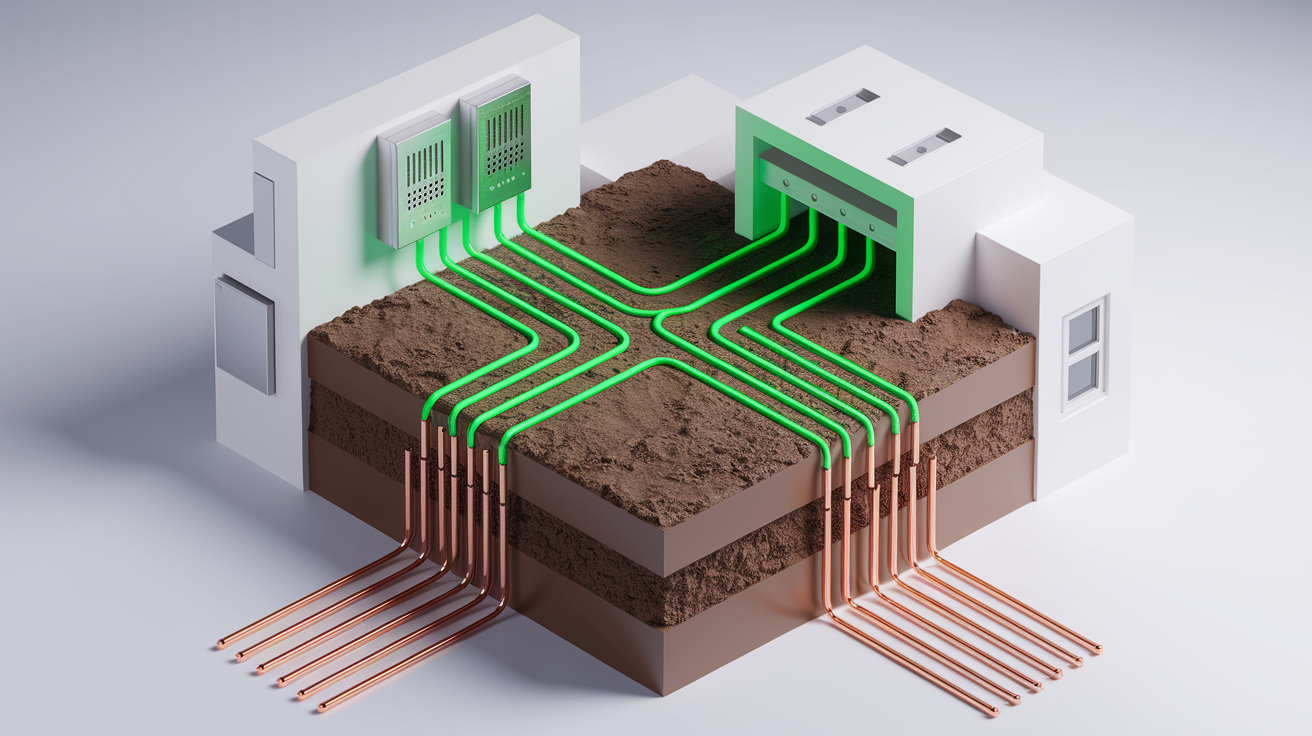
Grounding and ground fault circuit interrupter protection serve as critical safeguards that prevent shock by providing alternative paths for fault current, protecting people when insulation fails or equipment malfunctions.
Grounding System Function and Requirements
Grounding systems work by returning fault current to earth through a dedicated low-resistance path, preventing voltage buildup on equipment frames and enclosures that people might touch. When insulation fails and energized conductors contact metal equipment parts, the grounding system carries fault current back to the source, tripping the overcurrent protection device and de-energizing the circuit. Without proper grounding, equipment frames remain energized at line voltage, creating deadly shock hazards.
Equipment grounding conductor sizing must match circuit capacity following National Electrical Code requirements. The conductor must maintain continuity from equipment through the entire branch circuit back to the service grounding electrode system. Any break in this path leaves equipment ungrounded. Bonding systems connect all metal parts that aren’t meant to carry current, ensuring they remain at the same electrical potential and preventing voltage differences between touchable surfaces.
Improper grounding is the most frequent OSHA electrical violation. Missing grounding connections, undersized grounding conductors, corroded connections, and removed ground pins all appear repeatedly in citations. This violation frequency reflects both the critical importance of grounding and the common tendency to bypass or neglect grounding requirements.
Ground Fault Circuit Interrupter Protection
GFCIs monitor current flow between hot and neutral conductors, detecting any imbalance that indicates current leaking to ground through an unintended path like through a person’s body. When the GFCI senses a difference as small as 4 to 6 milliamps between outgoing and returning current, it trips within 25 milliseconds, fast enough to prevent most serious shocks. This trip threshold sits well below the 10 to 20 milliamp level where muscle contractions prevent releasing the energized object.
Required installation locations include any area where electricity and water may come in contact: bathrooms, kitchens, outdoor outlets, crawl spaces, unfinished basements, garages, and temporary construction power. Install GFCI protection either at the outlet (receptacle type) or protecting the entire circuit (breaker type). Portable GFCI devices provide protection for extension cords and temporary equipment.
The three-prong plug includes the round grounding pin below the two flat current-carrying blades. Never remove the metallic ground pin as it plays a vital role in safely returning unwanted voltage to ground. The ground pin connects equipment frames to the grounding system, preventing shock if internal insulation fails. Adapters that allow three-prong plugs in two-prong outlets defeat the grounding protection unless the adapter tab connects to a grounded outlet cover screw, which rarely provides reliable grounding.
Testing procedures for ground continuity verification use specialized continuity testers or multimeters to confirm low-resistance paths from equipment grounding points back to the service ground. Resistance above 1 ohm indicates problems requiring correction. GFCI monthly testing requirements involve pushing the test button to verify trip function. The device should immediately shut off power. Press the reset button to restore power. Mark any GFCI that fails to trip during testing, remove it from service, and replace it.
Recognition of grounding deficiencies during inspections includes looking for two-prong outlets in areas requiring GFCI protection, missing or damaged ground pins on plugs, painted-over outlet ground contacts, and equipment with no visible grounding connection. Receptacle testers plug into outlets and indicate proper grounding, open grounds, and reverse polarity conditions through indicator light patterns.
| Protection Device | Trip Threshold | Application |
|---|---|---|
| GFCI | 4-6 milliamps imbalance | Personnel protection in wet locations, outlets within 6 feet of water sources, outdoor circuits, construction sites |
| AFCI (Arc Fault Circuit Interrupter) | Detects arcing patterns | Fire prevention in residential bedrooms, living areas, required for most dwelling unit circuits per current NEC |
| Circuit Breaker | 125% of continuous load rating | Overcurrent protection for branch circuits, prevents conductor overheating and fire from excessive current |
| Fuse | Rated amperage | Overcurrent protection, one-time use device that must be replaced after operation, common in older systems and equipment |
Risk Assessment Methods and Hierarchy of Controls

Performing a site and risk assessment before conducting any electrical work identifies hazards and determines appropriate control measures. This assessment examines the work environment, equipment condition, voltage levels, and potential for contact with energized parts. Documentation of findings guides control selection and safe work planning.
Arc flash hazards release intense thermal energy when electrical faults create plasma between conductors or from conductor to ground. The explosion produces temperatures exceeding 35,000°F, pressure waves, molten metal droplets, and intense light. Arc flash events cause severe burns, hearing damage, and blast injuries. The fact that 45 percent of all electrical fatalities resulted from working on or near energized conductors highlights the severity of energized work hazards. Among electrical occupations specifically, 74 percent of energized equipment fatalities demonstrate the concentrated risk faced by workers performing electrical tasks.
The hierarchy of controls provides a systematic approach to hazard mitigation based on risk assessment findings. This framework ranks control methods by effectiveness, with higher level controls providing more reliable protection because they don’t depend on human behavior or require constant maintenance. Preference always goes to higher level controls that eliminate hazards or engineer them out of the system rather than relying on procedures or personal protective equipment.
Elimination (Most Effective)
Elimination removes electrical hazards entirely by de-energizing equipment and systems before work begins. Turning off power when possible before conducting work eliminates shock, arc flash, and burn hazards. Design approaches that eliminate electrical exposure include locating equipment away from work areas, using non-electrical alternatives for tasks, and designing out the need to work on energized systems.
Complete de-energization and verification through lockout/tagout procedures provides the most effective hazard control. Work on de-energized systems eliminates the majority of electrical incident risks. Schedule electrical work during shutdowns when systems can be fully isolated. When you can’t work de-energized, document the justification and implement multiple additional controls.
Substitution
Substitution replaces high hazard electrical systems with lower hazard alternatives. Using lower voltage systems reduces shock severity and arc flash energy. For example, specifying 120-volt systems instead of 480-volt where adequate for the application decreases incident energy. Intrinsically safe equipment limits available energy to levels incapable of causing ignition in hazardous atmospheres.
Battery-powered tools eliminate shock hazards from corded equipment in many applications. Pneumatic tools substitute air power for electrical power in wet environments or areas with explosion risks. Reduced voltage systems for temporary construction lighting and portable equipment limit exposure compared to full-line voltage.
Engineering Controls
Engineering controls use physical design features and equipment to separate people from electrical hazards. Insulation covers conductors to prevent contact. Guarding places barriers around energized parts. GFCI installation provides automatic disconnection during ground faults. Grounding systems create low-resistance fault current paths. These controls work continuously without requiring human intervention.
Safety barriers and warning signs for overhead power lines keep non-electrical workers away from high-voltage exposure. Physical separation from energized parts through enclosed equipment, locked rooms, and adequate spacing prevents contact. Double insulation on power tools provides two independent layers of protection. Interlocks shut off power when enclosure doors open.
Administrative Controls
Administrative controls use procedures, training, and work practices to reduce electrical hazards. Safe work practices define how to perform tasks safely. Lockout/tagout procedures prevent unexpected energization. Training programs build knowledge and skills. Job hazard analysis identifies task-specific risks before work starts.
Voltage testing requirements mandate testing both equipment and the surrounding area before work to verify de-energization. Test equipment itself before and after use to confirm proper function. Permit systems control access to electrical hazards and verify proper planning and precautions. Work scheduling and coordination prevent multiple crews from creating hazards for each other. Inspection programs find and correct hazards before incidents occur.
Personal Protective Equipment (Least Effective)
Personal protective equipment serves as the last line of defense when higher level controls don’t eliminate all hazards. Arc flash analysis determines required PPE based on incident energy calculations at specific working distances. Calculation methods determine arc flash boundaries and incident energy levels measured in calories per square centimeter. This analysis specifies voltage-rated gloves, flame-resistant clothing, face shields, and other PPE needed for the specific hazards present.
PPE reliability depends entirely on proper selection, correct use, and maintenance in good condition. It provides no protection if not worn or if damaged. It addresses consequences rather than eliminating hazards. Use PPE as a supplement to higher level controls, never as the primary protection method.
Every job is different requiring fresh assessment to avoid complacency. The work environment changes, equipment conditions vary, and voltage levels differ by location. Treat each task as unique and verify conditions rather than assuming they match previous similar work. Connect risk assessment directly to control selection, implementing the highest level controls feasible for the identified hazards. This systematic approach prevents the incidents that occur when workers assume conditions are safe or take shortcuts.
Lockout Tagout Procedures for Electrical Safety

Lockout tagout serves as the primary method for preventing unexpected energization during electrical maintenance, implementing administrative controls that enable safe work on electrical systems that can’t be eliminated or substituted.
The six-step LOTO procedure for electrical systems:
-
Preparation and notification. Identify all energy sources for the equipment, review equipment-specific LOTO procedures, and notify affected personnel that shutdown will occur. Document all circuits and disconnects controlling the equipment.
-
Shutdown of equipment. Use normal stopping procedures to shut down equipment in a controlled manner. Operate switches, controls, and valves according to shutdown sequence. Verify equipment reaches zero-energy state.
-
Isolation of energy sources. Operate disconnecting means to isolate each energy source. Move circuit breakers to off position, remove fuses, open disconnects, and operate control switches. Physically verify each disconnecting device reaches the isolated position.
-
Application of lockout/tagout devices. Place locks and tags on all energy-isolating devices in positions that prevent operation. Each worker applies their individual lock. Tags must identify the worker and warn against operating the device. Locks must withstand the environment and can’t be removed without tools or key.
-
Release of stored energy. Discharge capacitors, relieve hydraulic and pneumatic pressure, and block mechanical motion. Stored electrical energy in capacitors and charged cables can remain at lethal levels after power isolation. Short and ground conductors after verifying de-energization.
-
Verification of isolation. Test for voltage before performing work and test the area around the equipment. Use the appropriate voltage testing equipment at all conductor locations. Test the voltage tester itself before and after use on a known live source. Return to test for voltage if work is interrupted or if any doubt about system state exists.
Qualified workers and authorized personnel designations follow OSHA requirements. Qualified workers have training and demonstrated knowledge of electrical systems and safety practices. Authorized employees receive specific training to apply and remove LOTO devices. Affected employees work in areas where LOTO procedures are used but don’t perform the procedures themselves. Each category receives training appropriate to their role.
Testing requirements before and after LOTO application verify the system state. Always test for voltage before performing work even after following LOTO steps. Circuits can be energized from backfeeds, induction, or incorrect identification. Use approved electrical power testing equipment rated for expected voltages to accurately assess the level of risk associated with particular operations. Test all phases and test phase-to-phase as well as phase-to-ground.
Permit requirements and documentation procedures track LOTO applications for complex equipment or when multiple crews work on interconnected systems. The energy control permit lists all isolation points, required tests, special precautions, and authorized workers. Documentation creates accountability and provides a verification checklist. Keep permits until work completes and equipment returns to service.
Group lockout procedures when multiple workers are involved ensure each person applies their individual lock. Group lockout boxes or hasps accommodate multiple locks on a single isolation point. The rule is simple: you lock it out, you verify it’s de-energized, you do the work, you remove only your lock. Never remove another worker’s lock.
| LOTO Step | Key Requirements | Verification Method |
|---|---|---|
| Preparation | Identify all energy sources, review procedures, notify affected personnel, gather LOTO devices and testing equipment | Review equipment-specific LOTO procedure checklist, verify all energy sources documented on energy control permit |
| Shutdown | Use normal stopping procedures, operate controls in proper sequence, verify equipment reaches zero-energy state | Visual confirmation equipment has stopped, check control panel indicators, verify mechanical motion ceased |
| Isolation | Operate all disconnecting means, move breakers to off, remove fuses, open disconnects, physically verify position | Visual confirmation of disconnect position, attempt operation of disconnects to confirm mechanical engagement in off position |
| Lockout Device Application | Place locks preventing operation, each worker applies individual lock, attach tags identifying worker and warning against operation | Attempt operation of energy-isolating device to confirm lock prevents movement, verify tag attachment and legibility |
| Stored Energy Release | Discharge capacitors, short and ground conductors, relieve pressure, block mechanical motion, allow systems to cool | Test voltage before installing grounds, measure zero pressure on gauges, verify blocking prevents motion |
| Verification | Test for voltage at all conductor locations, test equipment before and after on known live source, test area around equipment | Zero voltage reading on properly functioning tester, document test results on energy control permit |
Personal Protective Equipment for Electrical Work

Risk assessment and arc flash analysis determine PPE selection based on hazard levels and voltage exposure. The hierarchy of controls positions PPE as the last line of defense after elimination, substitution, engineering controls, and administrative controls have been implemented. PPE selection must match calculated incident energy levels, fault current available, and clearing time of protective devices.
Inadequate personal protective equipment is a recognized electrical hazard contributing to injuries and fatalities. PPE provides protection only when properly selected for the specific hazards, correctly worn, and maintained in serviceable condition. Damaged, contaminated, or improperly rated PPE fails to protect and creates false confidence. Remove any questionable PPE from service immediately.
Voltage-rated glove classifications range from Class 00 through Class 4, protecting against progressively higher voltages. Class 00 protects to 500 volts AC, Class 0 to 1,000 volts, Class 1 to 7,500 volts, Class 2 to 17,000 volts, Class 3 to 26,500 volts, and Class 4 to 36,000 volts. Each glove class must be tested every six months by certified testing laboratories using high-voltage testing equipment that checks for pinholes and deterioration. Manufacturers stamp test dates on gloves. Perform visual inspection and air tests before each use, looking for cuts, punctures, embedded objects, and ozone damage (indicated by cracking or checking on the surface).
Essential PPE categories with voltage ratings and application contexts:
Insulated gloves with voltage class ratings. Primary protection for hands working on or near energized parts. Wear leather protectors over rubber insulating gloves to prevent physical damage. Size gloves properly to maintain dexterity while providing protection.
Dielectric footwear specifications. Provides insulation from ground, reducing shock current through the body. ASTM F2413 protective footwear or ASTM F2412 dielectric overshoes rated for voltage exposure. Contamination by moisture, dirt, or conductive materials compromises protection.
Flame-resistant clothing and arc ratings (calories/cm²). Protects against arc flash thermal energy. Arc rating indicates the incident energy level the fabric withstands before causing second-degree burn (onset of blistering). Select arc rating equal to or greater than calculated incident energy. Multi-layer systems increase protection level. Clothing must cover all skin from neck to wrists to ankles. Never wear flammable synthetic materials under arc-rated clothing.
Face shields and safety glasses with appropriate ratings. Face shields protect against arc flash thermal energy and molten metal droplets. Always wear safety glasses under face shields for impact protection if the shield is damaged. Arc-rated face shields with ratings matching the hazard level. Flip-up shields allow normal vision between energized work tasks.
Insulated tools and equipment. Hand tools rated for voltage exposure prevent shock when tools contact energized conductors. Look for 1000V rating marks for general electrical work. Insulated tool integrity requires regular inspection for cracks, chips, or gaps in the insulation coating.
Hearing protection for arc flash events. Arc blast pressure waves cause hearing damage. Use hearing protection rated for impulse noise (NRR 25-33 dB) when arc flash risk exists. The arc creates sound pressure levels exceeding 140 dB at typical working distances.
Hard hats with electrical ratings (Class E). Class E (Electrical) hard hats protect against electric shock up to 20,000 volts. Class G (General) protects to 2,200 volts. Class C (Conductive) hard hats provide no electrical protection and must never be used for electrical work. Check for the class rating inside the hard hat.
Voltage detectors and approved electrical power testing equipment. Use approved electrical power testing equipment to accurately assess the level of risk associated with particular operations. Non-contact voltage detectors provide initial indication but require confirmation with contact-type testers. Test the tester before and after each use on a known energized source.
Inspection, maintenance, and replacement schedules for electrical PPE follow manufacturer requirements and OSHA standards. Inspect rubber insulating gloves before each use through visual examination and air tests, with formal electrical testing every six months. Inspect arc-rated clothing before each use for damage, contamination, and manufacturers’ labels. Launder FR clothing according to manufacturers’ instructions. Contamination by flammable materials or degradation of arc rating requires removal from service. Replace hard hats showing cracks, dents, or ultraviolet degradation (indicated by fading and chalky surface). Replace voltage testers that fail functionality checks or show physical damage. Maintain records of PPE inspections and testing to demonstrate compliance. Damaged PPE must be removed from service immediately and replaced before returning to electrical work.
Safe Work Practices for Preventing Electrical Incidents

Safe work practices function as administrative controls in the hierarchy of controls, creating procedural barriers between workers and electrical hazards. These practices complement engineering controls like insulation and grounding while establishing behavioral expectations that reduce risk. Practices provide protection through consistent application of proven methods rather than relying on engineering modifications alone.
Combined layers of protection work together. Engineering controls establish physical barriers, administrative safe work practices define how to work near those barriers, and personal protective equipment provides final defense when contact occurs. No single control provides complete protection. Layered controls create redundancy so that if one control fails, others prevent incidents.
Specific safe work practices immediately applicable:
Always maintain at least 10 feet distance from overhead power lines with yourself and equipment. This minimum clearance accounts for tool length, equipment reach, and unexpected movement. For higher voltages, increase clearance: add 4 inches for every 10,000 volts above 50,000 volts. The 10-foot rule applies to yourself, ladders, scaffolds, equipment booms, antennas, building materials, and any object you’re carrying, lifting, or moving.
Stay at least 35 feet away from downed power lines. Downed lines remain energized and energize the ground around them in concentric voltage gradients. Current flows through the earth, creating step potential that shocks anyone walking near the line. The 35-foot clearance keeps you outside the typical energized ground zone. Call the utility immediately when you encounter downed lines.
Always assume all power lines are live and dangerous. You can’t determine voltage by appearance. Distribution lines carry 7,200 to 34,500 volts. Transmission lines carry 69,000 to 765,000 volts. Insulated lines aren’t insulated for worker protection, only for weather resistance. Don’t rely on circuit breakers or reclosers to prevent re-energization. Automatic reclosing devices attempt to restore power multiple times after faults.
Carry ladders and long equipment horizontally to avoid overhead line contact. Vertical carrying raises the ladder or material into the overhead power line zone. Lower long objects to horizontal position before moving. Plan carrying routes that avoid passing under power lines. Use non-conductive fiberglass ladders near overhead lines, never aluminum or wet wood ladders.
Never touch anything in contact with overhead power lines. Objects touching power lines become energized at line voltage. Trees, buildings, fences, vehicles, equipment, and other objects conduct electricity from line contact points. Don’t attempt to remove branches or objects touching lines. Call the utility.
Never operate equipment in wet conditions or with wet hands. Water on hands, floors, or equipment reduces electrical resistance and increases shock severity. Water provides conductive paths to ground. Wait for conditions to dry before operating electrical equipment. If you must work in damp locations, use GFCI protection and insulated equipment. Moisture from rain, snow, humidity, or standing water all increase risk.
Avoid running electrical cords across walkways or under carpets. Cords in walkways create tripping hazards and sustain damage from foot traffic. Damage to cord insulation exposes conductors. Running cords under carpets traps heat from conductor resistance, accelerates insulation deterioration, and hides damage from visual inspection. Route cords against walls or use overhead suspension. Where crossing walkways is unavoidable, use cord covers that protect the cord and provide trip-resistant surfaces.
Unplug devices when not in use. Reduces risk of electrical malfunctions during unattended periods and prevents energy wastage. Unplugging eliminates standby power consumption and removes voltage from damaged appliances that might fail when unattended. Make unplugging part of end-of-day shutdown procedures.
Avoid conductive materials and metal objects near energized equipment. Metal tools, jewelry, watches, key chains, and belt buckles conduct electricity. Remove rings, watches, and metallic jewelry before electrical work. Don’t carry metal tools in pockets where they might contact energized parts. Aluminum ladders and scaffolds near power lines create electrocution risk.
Properly route cords to prevent damage. Keep cords away from sharp edges, hot surfaces, chemicals, and mechanical equipment. Support cords to prevent strain on connections. Coil extra cord length loosely, never tightly wrap or bend at sharp angles. Inspect cord routing regularly and adjust to prevent abrasion or compression.
Use appropriate wattage ratings per manufacturer recommendations. Light bulbs and electrical appliances must use correct wattage as recommended by manufacturer to prevent overheating and electrical fires. Exceeding ratings causes overheating that breaks down insulation and creates ignition sources. Check fixture labels for maximum wattage. For appliances, verify power requirements match circuit capacity.
Never bypass safety devices or remove ground pins. Safety interlocks, GFCI protection, circuit breakers, and grounding pins protect against specific hazards. Removing or bypassing these devices eliminates designed-in protection. Never remove the metallic ground pin as it plays a vital role in safely returning unwanted voltage to ground. The ground pin carries fault current and trips protective devices when insulation fails.
Avoiding complacency requires treating each job uniquely with fresh assessment. Familiarity with equipment and locations creates dangerous assumptions that conditions match previous experience. Verify every time: test for voltage, inspect for damage, check environmental conditions, and assess the work approach. “I’ve done this a hundred times” thinking contributes to incidents when the 101st time involves changed conditions.
Water and electricity dangers extend beyond direct water contact. High humidity affects insulation resistance. Damp concrete floors conduct electricity. Plumbing and ductwork provide ground paths. During flooding events, shut down electrical systems at the main breaker before water reaches electrical equipment. If water has already contacted electrical systems, don’t attempt restoration yourself. Flood damage repair requires systematic assessment and safe drying approaches that address electrical hazards before re-energization.
Workers should speak up if they feel unsafe performing a job. Stop work authority means any worker can halt work when unsafe conditions exist, without fear of retaliation. Stopping work prevents incidents. Continuing despite concerns causes injuries. Company safety culture must support and expect workers to refuse unsafe work assignments and voice safety concerns about electrical hazards and work methods.
OSHA Standards and National Electrical Code Compliance

OSHA electrical standards establish enforceable safety requirements for workplaces. For general industry, 29 CFR 1910 Subpart S covers electrical safety-related work practices, while 29 CFR 1926 Subpart K applies to construction industry electrical requirements. These standards address installation safety, safe work practices, maintenance requirements, and worker training. Construction electrical standards recognize the temporary nature and rough conditions that require enhanced safety measures.
The National Electrical Code (NFPA 70) serves as the foundation for electrical installation standards throughout the United States. The NEC establishes requirements for electrical system design, wiring methods, equipment installation, grounding, and protection against hazards. OSHA references the NEC in its regulations, making NEC compliance an OSHA enforcement matter. States and local jurisdictions adopt specific NEC editions as legal requirements, creating enforceable installation standards. Authorities having jurisdiction inspect new installations against adopted NEC editions for code compliance.
The construction industry accounts for 52 percent of all electrical fatalities in US workplaces, creating regulatory focus on construction site electrical safety. OSHA construction standards address temporary power, grounding requirements, assured equipment grounding conductor program or GFCI protection, overhead power line clearances, and qualified worker requirements. The elevated fatality rate in construction results from temporary systems, rough conditions, overhead line proximity, and varying site conditions.
Competent person designation requirements mandate identifying qualified individuals with authority to recognize hazards and take corrective action. A competent person for electrical work must have training and experience in electrical systems, understand applicable standards, and possess authority to stop unsafe work. Competent person responsibilities on worksites include daily inspections of electrical equipment, verification that assured equipment grounding conductor programs function properly, hazard identification, and corrective action authority. The employer must designate competent persons in writing and document their qualifications.
Permit requirements for electrical work in hazardous locations and on energized equipment control access and verify proper planning. Hot work permits document arc flash analysis, justified reasons for energized work, implementation of necessary controls, required PPE, qualified worker verification, and authorized supervision. Permits aren’t needed for work on de-energized systems following lockout/tagout procedures.
Inspection and testing frequency requirements under OSHA regulations mandate daily visual inspections of portable electrical equipment on construction sites before each use. Assured equipment grounding conductor programs require three-month continuity testing intervals for cord sets, receptacles, and equipment. Annual inspections verify that electrical installations remain code-compliant and safe. Ground fault circuit interrupter protection requires monthly functionality testing.
Improper grounding remains the most common OSHA electrical violation, appearing repeatedly across all industries. Citations involve missing equipment grounding conductors, removed ground pins, undersized grounding conductors, and corroded connections.
Final Words
Electrical hazards create real risks in both workplaces and homes. From overhead power lines to damaged cords, wet conditions to overloaded circuits, hazard electrical safety starts with recognizing what puts you at risk.
Inspection, proper grounding, GFCI protection, and clear safe work practices protect against shock, burns, and fires. Every job is different. Follow lockout tagout procedures, maintain clearances, test for voltage, and use the right PPE.
When conditions feel unsafe, stop and reassess. Prevention works.
FAQ
Q: What are the electrical safety hazards?
A: Electrical safety hazards are conditions that create risk of burns, electrocution, arc flash, electric shock, fires, and explosions. These hazards come from five main sources that account for 92 percent of all electrical fatalities: overhead power lines, ground faults, damaged wiring, energized parts, and unexpected contact with electricity.
Q: What are the 8 examples of electrical hazards?
A: The eight examples of electrical hazards are overhead power lines, exposed wiring and energized electrical parts, damaged insulation and frayed cords, overloaded circuits and inadequate wiring, wet conditions and water contact, damaged tools and equipment, improper extension cord use and temporary wiring, and unexpected contact with electricity during construction activities.
Q: What are the 4 main hazards?
A: The four main electrical hazards are contact with overhead power lines (responsible for 46 percent of electrical fatalities), ground faults, damaged wiring and insulation, and energized equipment or parts. Together with unexpected contact, these five sources account for 92 percent of all electrical fatalities.
Q: What are 10 electrical safety rules?
A: The ten electrical safety rules are: maintain at least 10 feet distance from overhead power lines, stay 35 feet away from downed power lines, never operate equipment in wet conditions or with wet hands, turn off power before conducting work, follow lockout tagout procedures, test for voltage before performing work, never remove the metallic ground pin, avoid running cords across walkways or under carpets, unplug devices when not in use, and always assume all power lines are live and dangerous.